+86-632-3621866
- Chinese
- French
- German
- Portuguese
- Spanish
- Russian
- Japanese
- Korean
- Arabic
- Irish
- Greek
- Turkish
- Italian
- Danish
- Romanian
- Indonesian
- Czech
- Afrikaans
- Swedish
- Polish
- Basque
- Catalan
- Esperanto
- Hindi
- Lao
- Albanian
- Amharic
- Armenian
- Azerbaijani
- Belarusian
- Bengali
- Bosnian
- Bulgarian
- Cebuano
- Chichewa
- Corsican
- Croatian
- Dutch
- Estonian
- Filipino
- Finnish
- Frisian
- Galician
- Georgian
- Gujarati
- Haitian
- Hausa
- Hawaiian
- Hebrew
- Hmong
- Hungarian
- Icelandic
- Igbo
- Javanese
- Kannada
- Kazakh
- Khmer
- Kurdish
- Kyrgyz
- Latin
- Latvian
- Lithuanian
- Luxembou..
- Macedonian
- Malagasy
- Malay
- Malayalam
- Maltese
- Maori
- Marathi
- Mongolian
- Burmese
- Nepali
- Norwegian
- Pashto
- Persian
- Punjabi
- Serbian
- Sesotho
- Sinhala
- Slovak
- Slovenian
- Somali
- Samoan
- Scots Gaelic
- Shona
- Sindhi
- Sundanese
- Swahili
- Tajik
- Tamil
- Telugu
- Thai
- Ukrainian
- Urdu
- Uzbek
- Vietnamese
- Welsh
- Xhosa
- Yiddish
- Yoruba
- Zulu
- Kinyarwanda
- Tatar
- Oriya
- Turkmen
- Uyghur


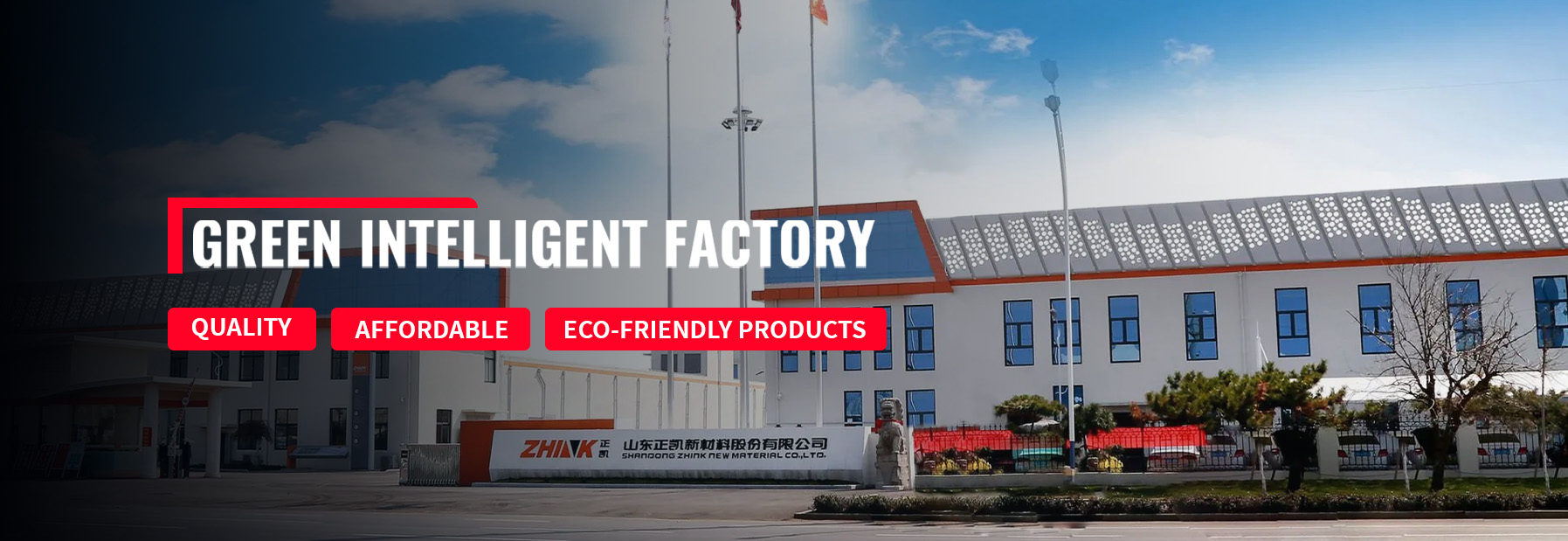
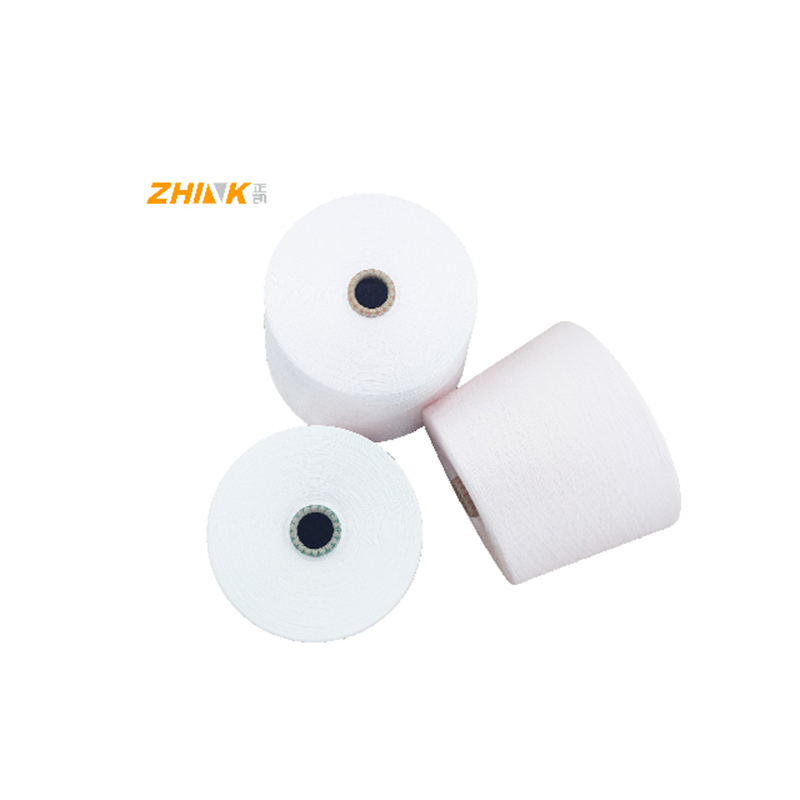
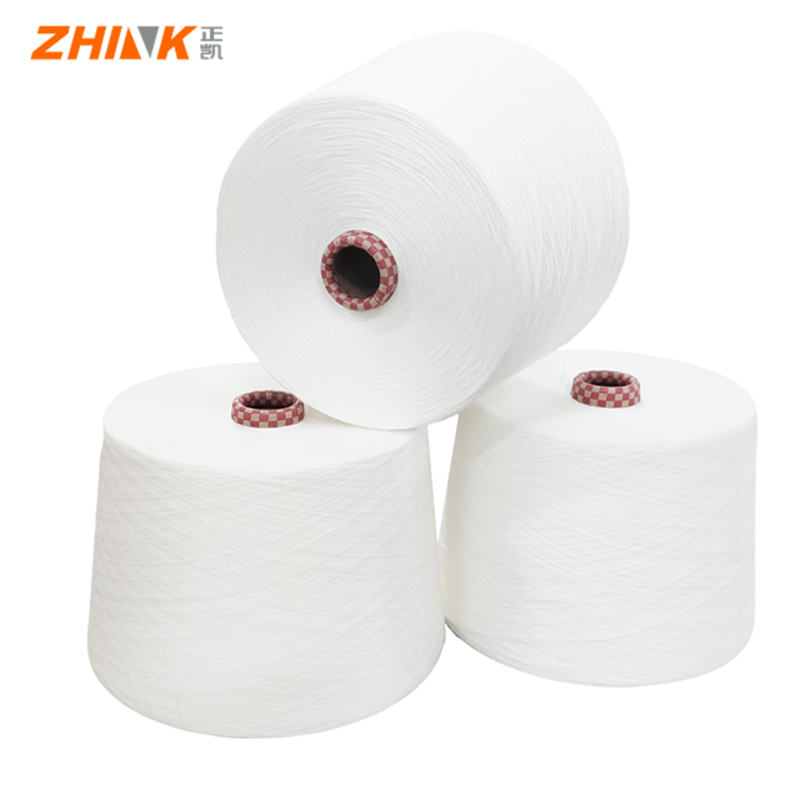
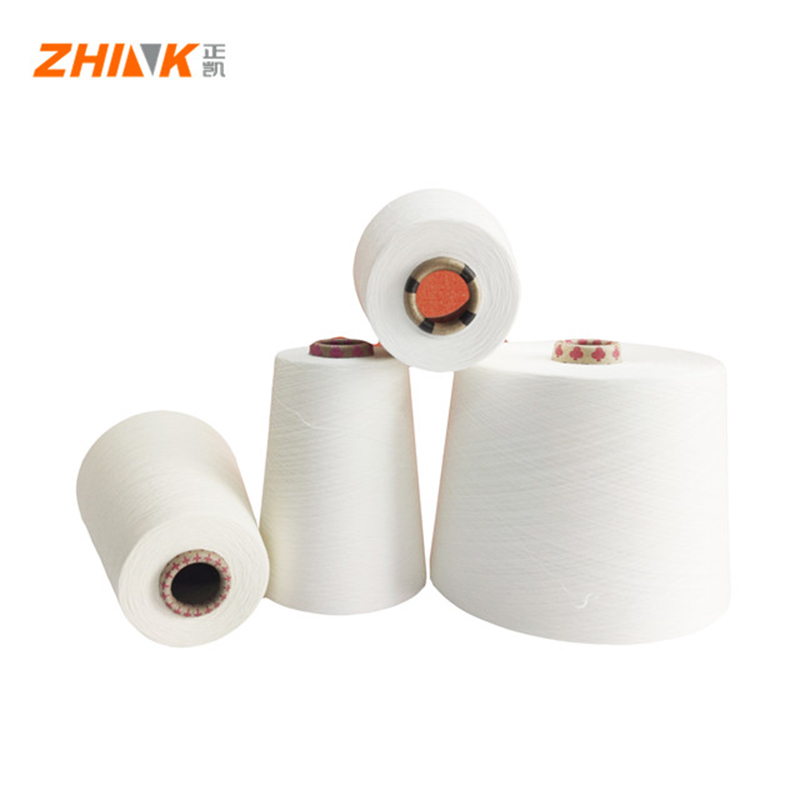
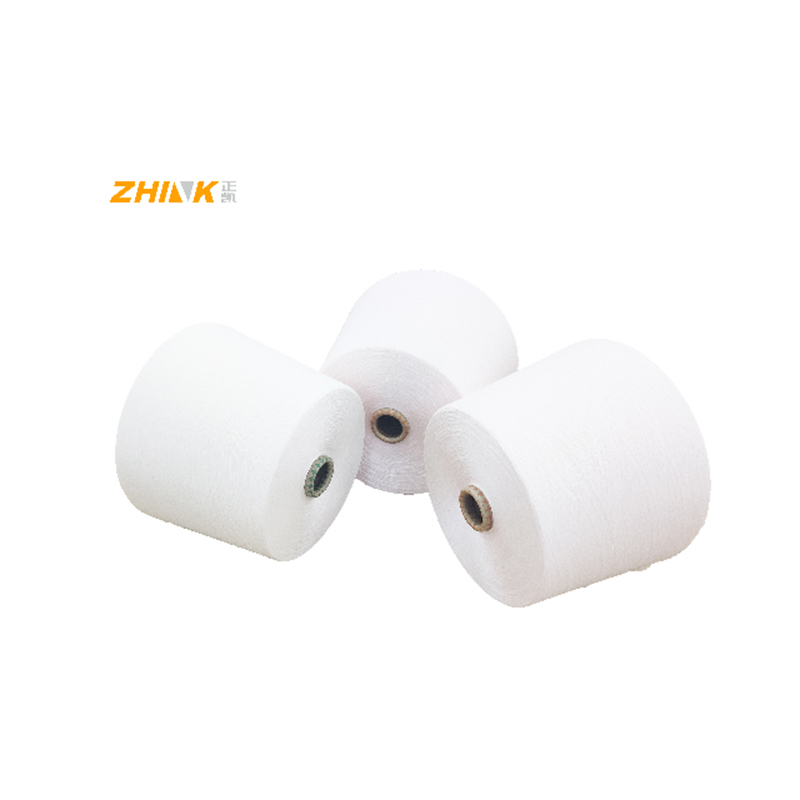
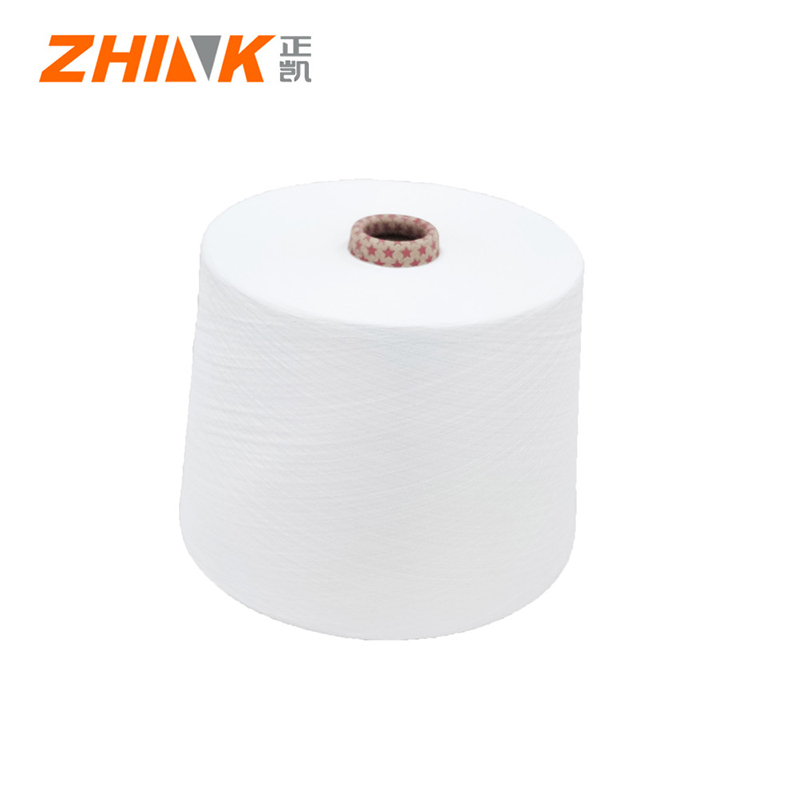
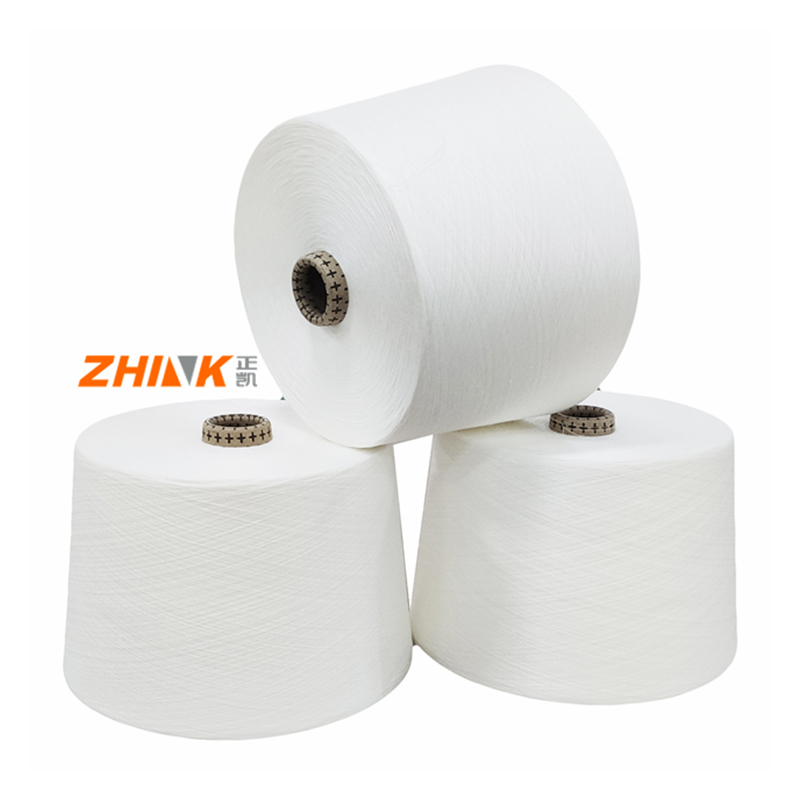
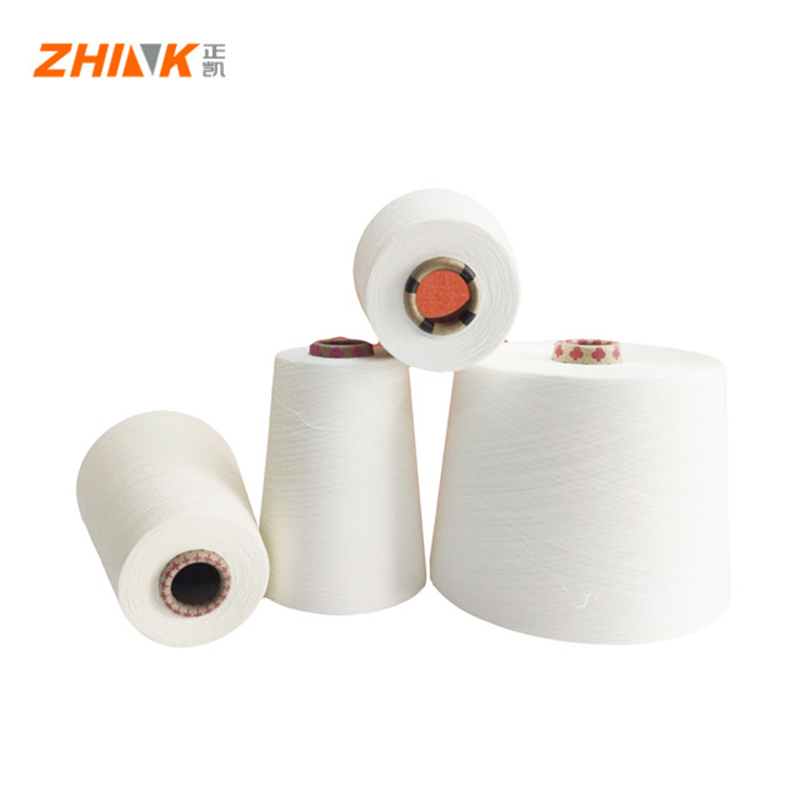
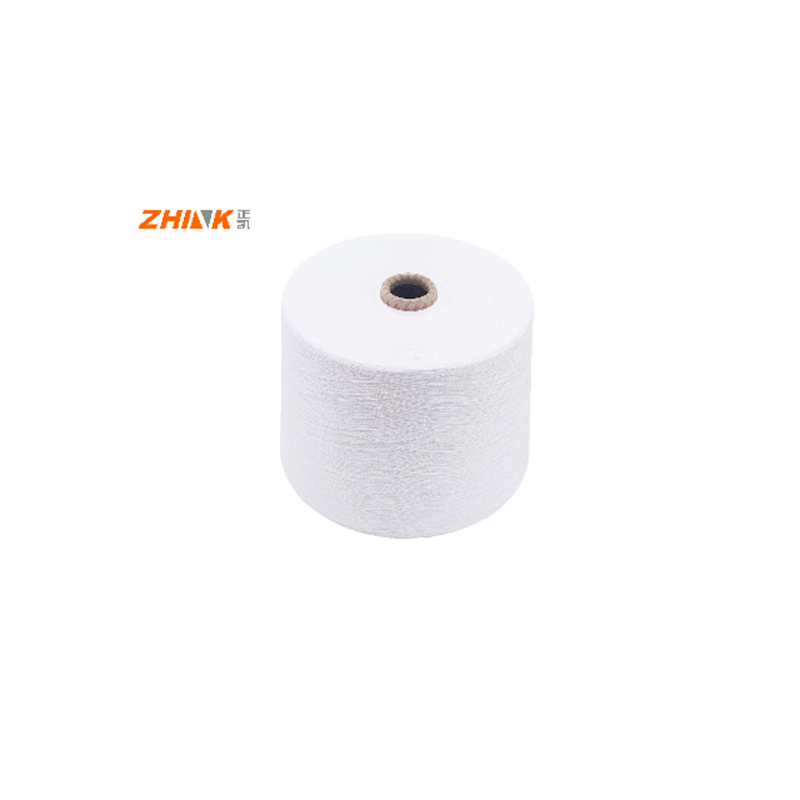
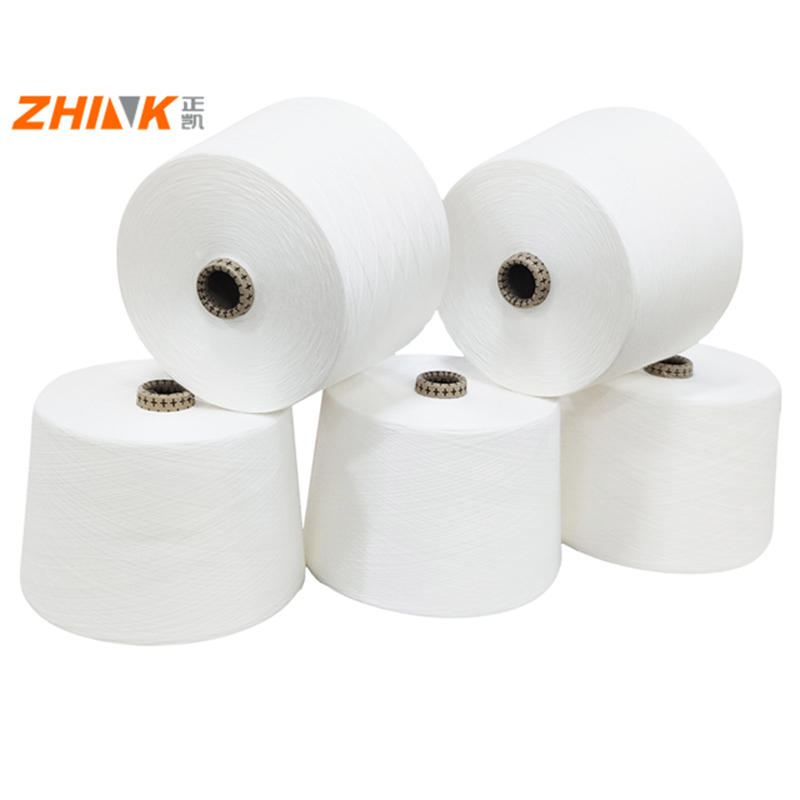
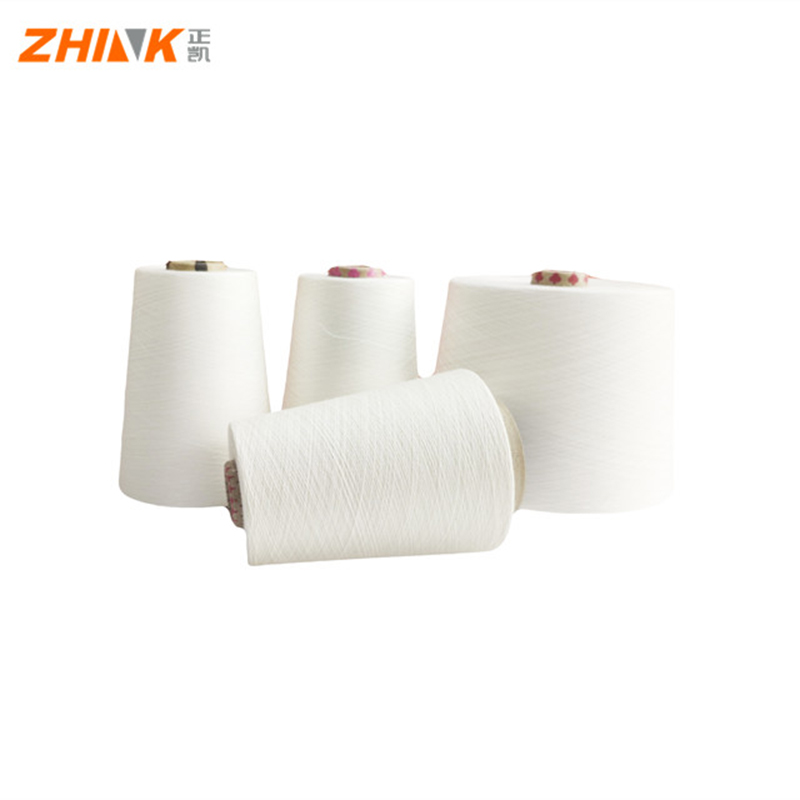
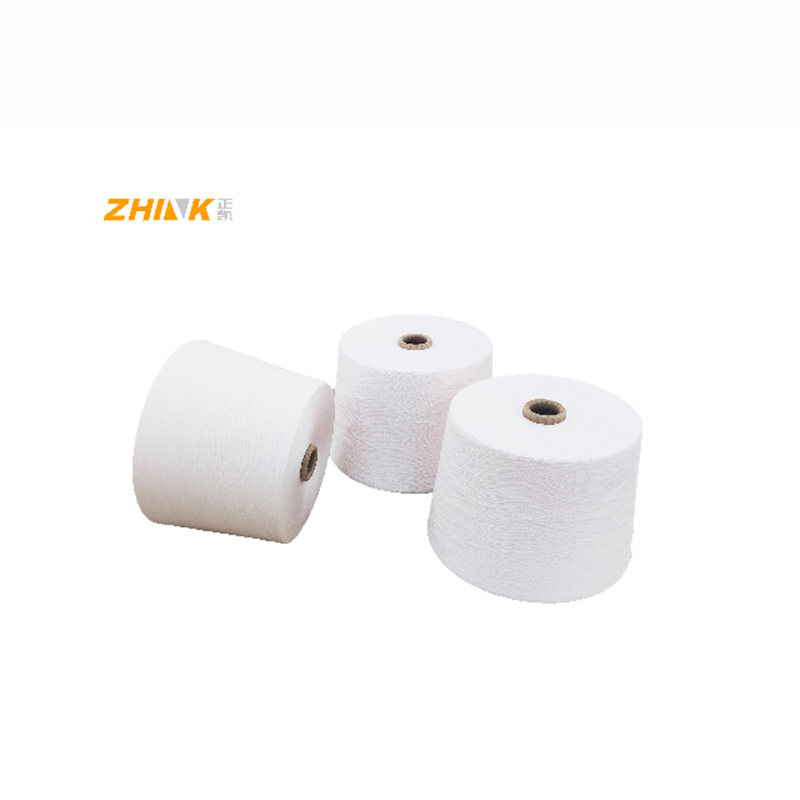
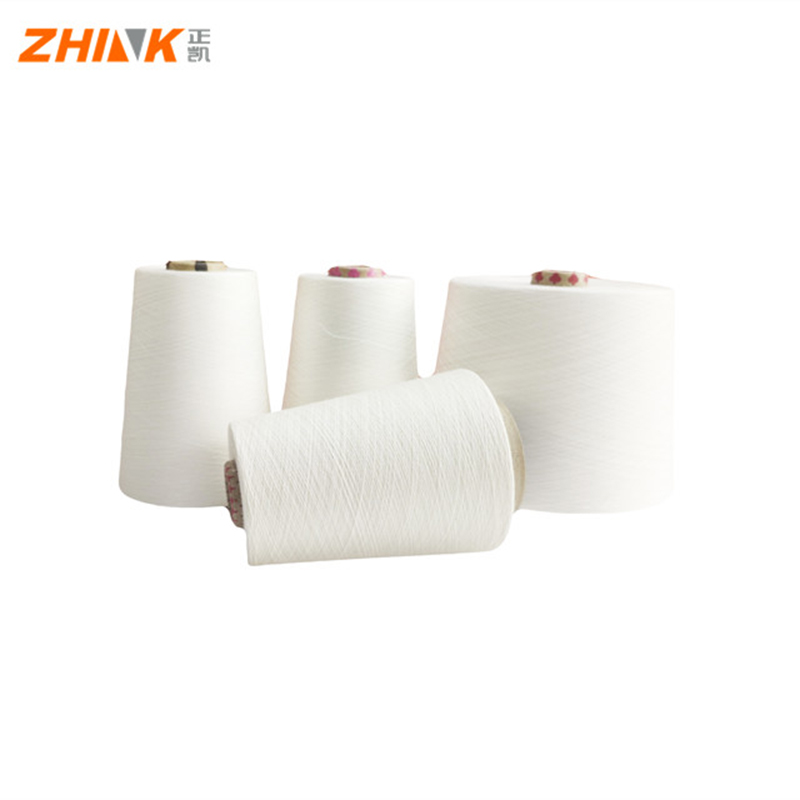
100% viscose vortex
Understanding Viscose Vortex: Insights and Industry Trends
The world of textiles is ever-evolving, with new materials like 100% viscose vortex emerging as significant players. This article explores the nuances of this material, commonly misunderstood yet crucial in modern textile manufacturing.
What is 100% Viscose Vortex?
Viscose vortex refers to a specific spinning technology applied to rayon fibers. The term “vortex” itself highlights the unique spinning mechanism that gives this fabric its distinct properties. Having worked with various textile innovations, I've seen how vortex spinning provides better strength and absorbency compared to traditional methods.
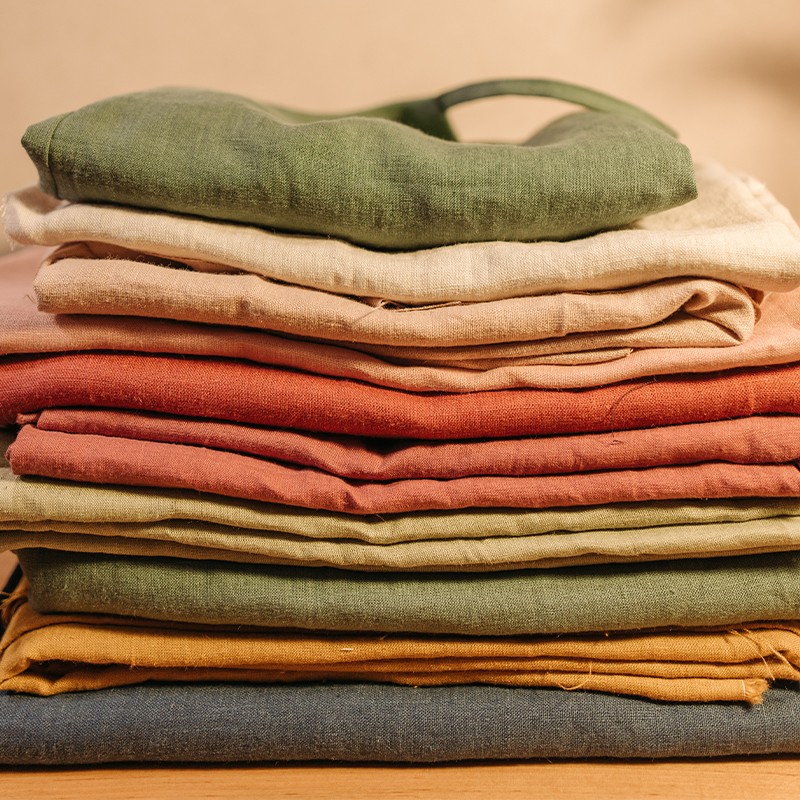
One common misconception is that all viscose is created equal. In reality, the vortex process imparts improved qualities that can set products apart in competitive markets. I've observed firsthand how this makes a substantial difference in applications ranging from fashion to home textiles.
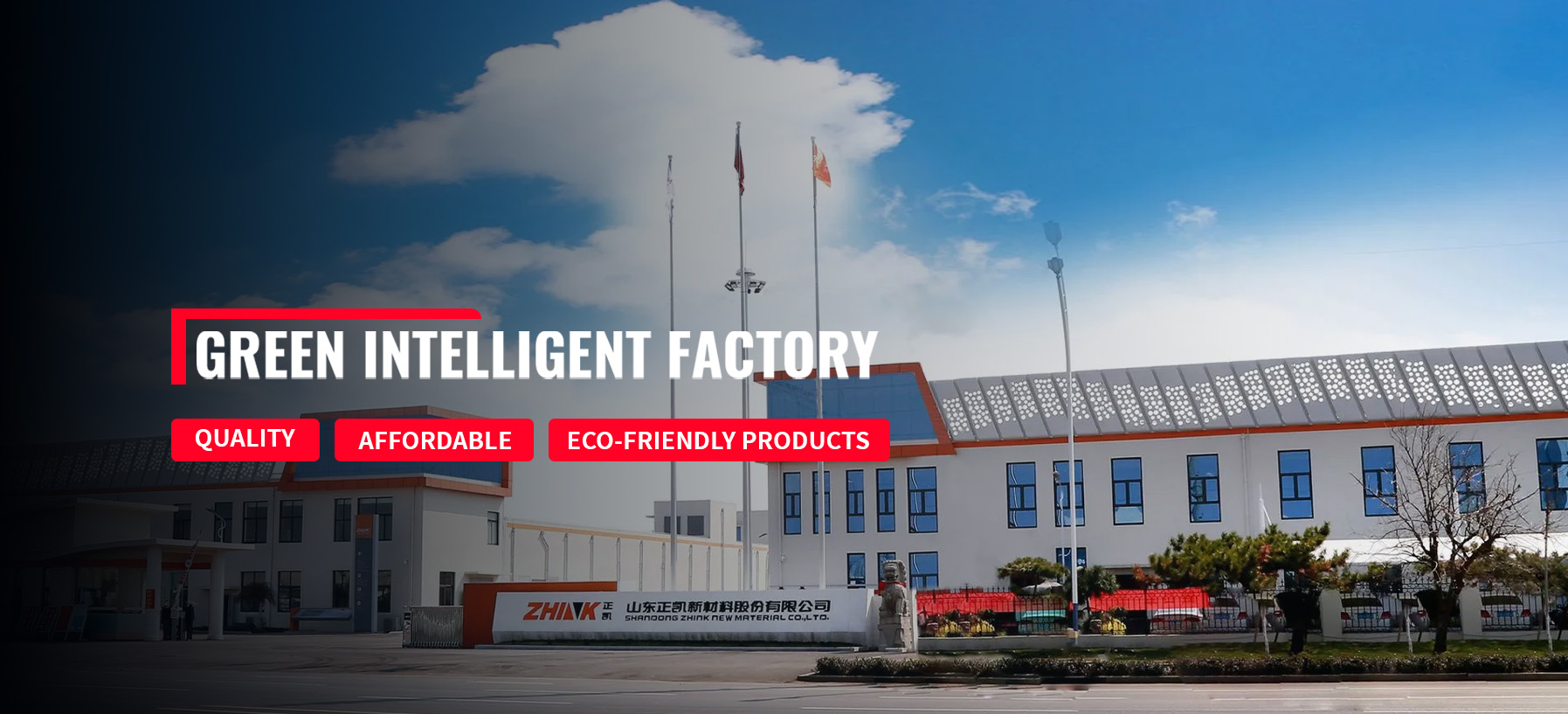
Companies like SHANDONG ZHINK NEW MATERIAL CO., LTD are leveraging these innovations. They focus on R&D and production of such advanced materials, and you can find out more on their website, Zhink New Material.
Benefits of Using Viscose Vortex
The advantages of employing 100% viscose vortex are multifold. As someone with a keen interest in material performance, I’ve noted enhanced moisture management and a softer hand feel in products made with vortex technology.
These properties make vortex-spun viscose resist pilling better than conventionally spun counterparts—a valuable trait in long-lasting apparel. I recall one project where switching to vortex significantly improved garment durability, leading to a noticeable reduction in customer complaints.
However, it’s not just about feel and durability; the production process is efficient, reducing energy consumption in mills. This is a vital consideration for industries aiming for sustainability. Zhink New Material taps into such efficiencies, advancing the sustainable textile narrative.
Challenges in Implementing Viscose Vortex
No innovation comes without its hurdles. When we first experimented with this technique, the integration into existing systems posed technological challenges. Aligning new equipment with legacy systems required a steep learning curve and patient calibration.
Another issue was sourcing high-quality raw materials specific to viscose vortex. Quality control is critical, and early on, we faced inconsistencies that needed addressing through stringent supplier assessments.
Yet, these challenges were also opportunities for improvement. By investing in skilled training and refined sourcing practices, companies like ours and Zhink New Material have streamlined the adoption process effectively.
Case Studies: Real-World Applications
Having seen the transformative impact of this technology, I was involved in a project where we designed sportswear using 100% viscose vortex. The resulting garments had superior wicking capabilities, which athletes appreciated during extensive testing.
Customer feedback from this venture was overwhelmingly positive, shedding light on vortex’s potential in niche markets. These success stories prompt textile industry leaders to consider vortex not just as an option, but as a necessity in specific applications.
Moreover, working in collaboration with companies such as Zhink New Material, these insights have been shared and scaled, leading to wider adoption across varied sectors.
Future Prospects of Viscose Vortex
Looking ahead, the scope for viscose vortex in the textile industry remains vast. Innovations often occur at the intersection of necessity and creativity, and this is no different. The versatility has prompted designers to explore new aesthetics and functionality.
Industry forums and trade shows continually showcase the ingenuity behind vortex-spun fibers, with an increasing number of manufacturers expressing interest. I’ve had enlightening discussions at these events, where the buzz around vortex is palpable.
Ultimately, as companies like Zhink New Material continue their R&D efforts, we can anticipate even greater advancements. The vortex approach aligns with the industry's trajectory towards high-performance and sustainability, making it a cornerstone for future developments.
Related Products
Related Products