+86-632-3621866
- Chinese
- French
- German
- Portuguese
- Spanish
- Russian
- Japanese
- Korean
- Arabic
- Irish
- Greek
- Turkish
- Italian
- Danish
- Romanian
- Indonesian
- Czech
- Afrikaans
- Swedish
- Polish
- Basque
- Catalan
- Esperanto
- Hindi
- Lao
- Albanian
- Amharic
- Armenian
- Azerbaijani
- Belarusian
- Bengali
- Bosnian
- Bulgarian
- Cebuano
- Chichewa
- Corsican
- Croatian
- Dutch
- Estonian
- Filipino
- Finnish
- Frisian
- Galician
- Georgian
- Gujarati
- Haitian
- Hausa
- Hawaiian
- Hebrew
- Hmong
- Hungarian
- Icelandic
- Igbo
- Javanese
- Kannada
- Kazakh
- Khmer
- Kurdish
- Kyrgyz
- Latin
- Latvian
- Lithuanian
- Luxembou..
- Macedonian
- Malagasy
- Malay
- Malayalam
- Maltese
- Maori
- Marathi
- Mongolian
- Burmese
- Nepali
- Norwegian
- Pashto
- Persian
- Punjabi
- Serbian
- Sesotho
- Sinhala
- Slovak
- Slovenian
- Somali
- Samoan
- Scots Gaelic
- Shona
- Sindhi
- Sundanese
- Swahili
- Tajik
- Tamil
- Telugu
- Thai
- Ukrainian
- Urdu
- Uzbek
- Vietnamese
- Welsh
- Xhosa
- Yiddish
- Yoruba
- Zulu
- Kinyarwanda
- Tatar
- Oriya
- Turkmen
- Uyghur



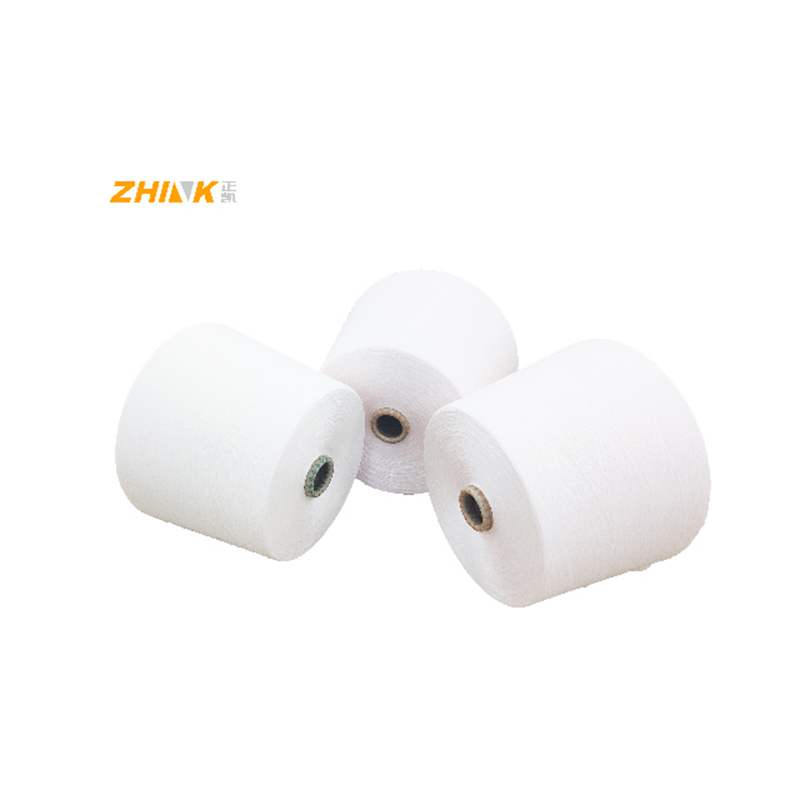
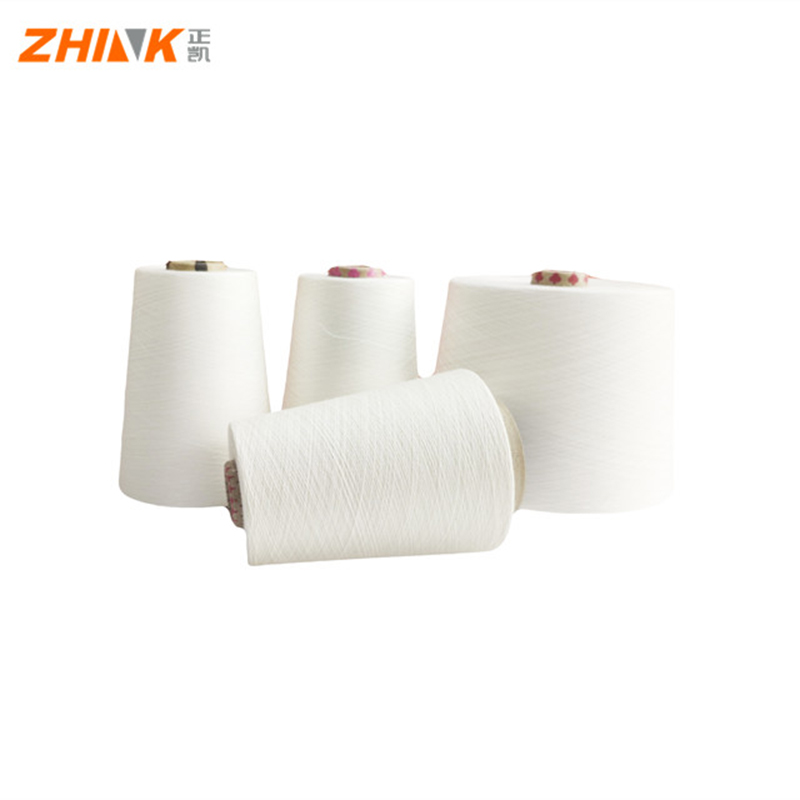
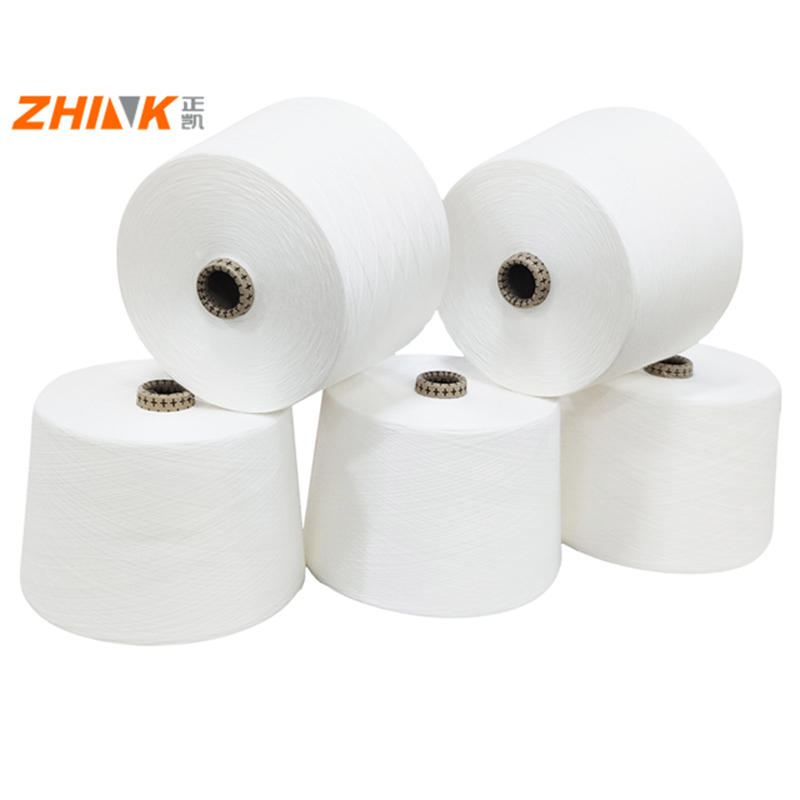
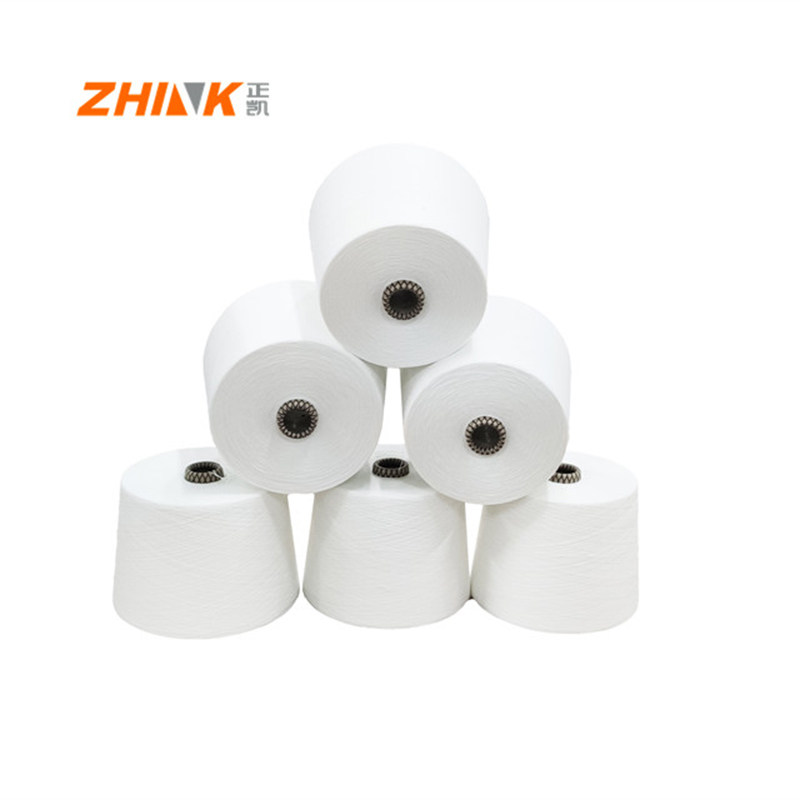
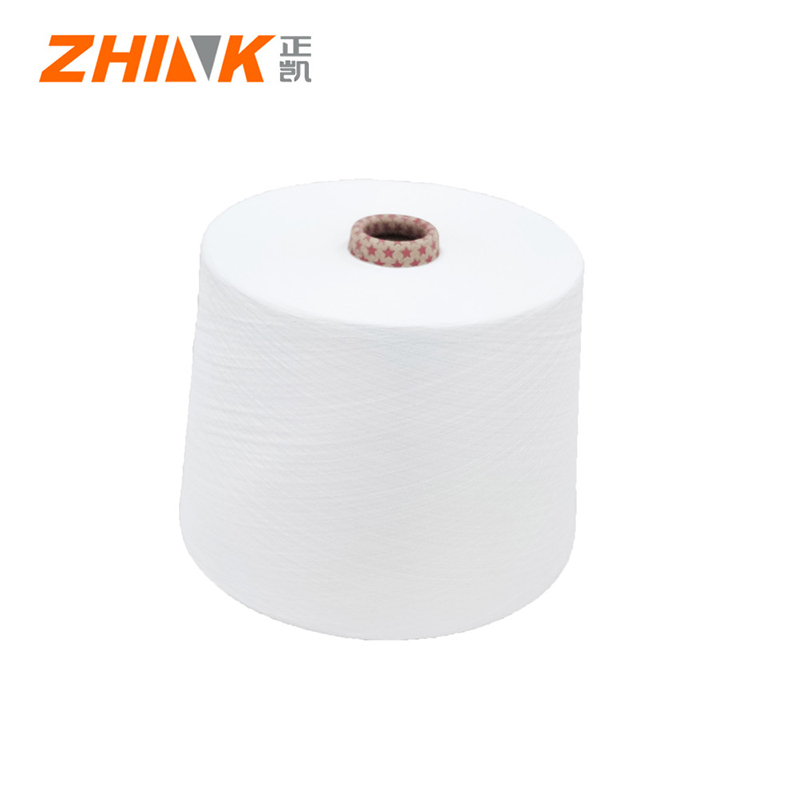
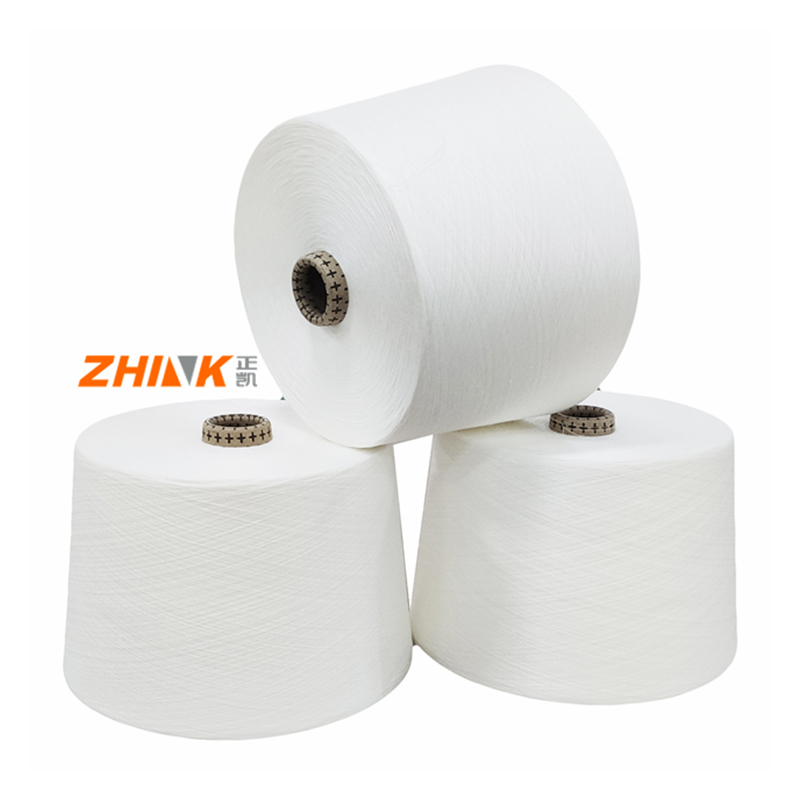
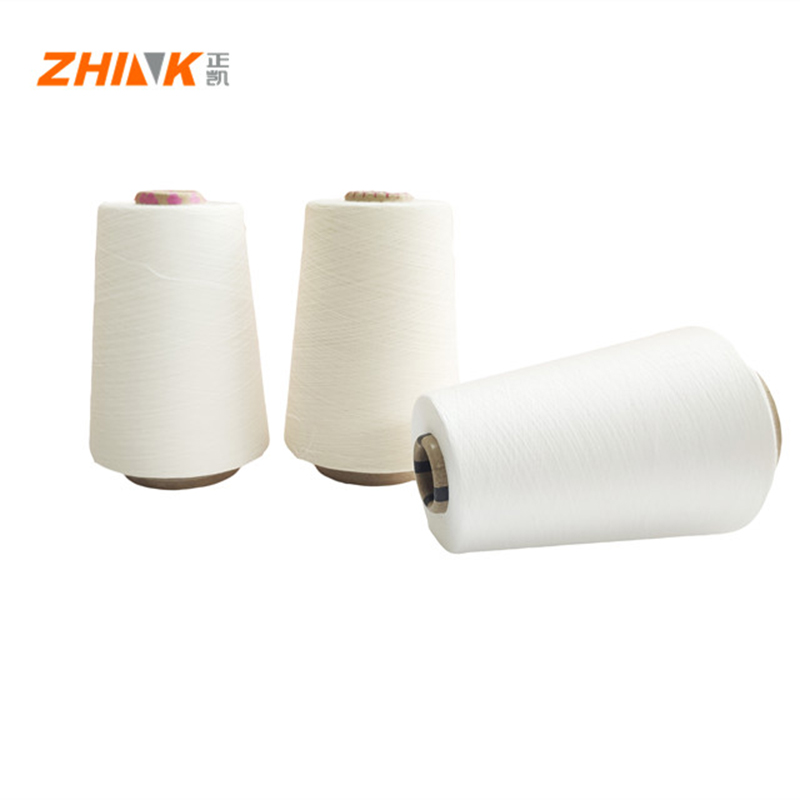
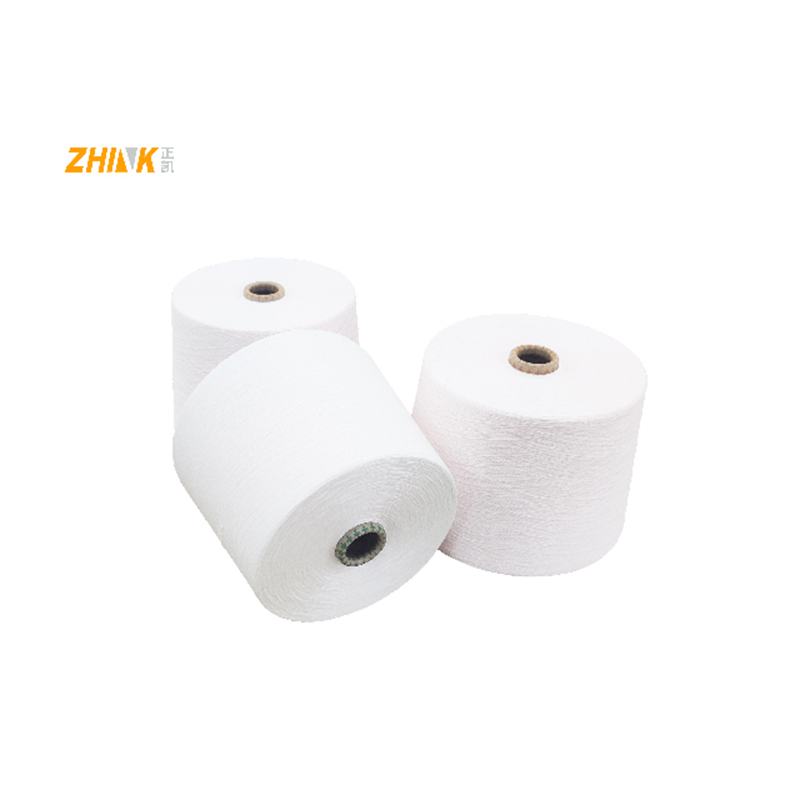
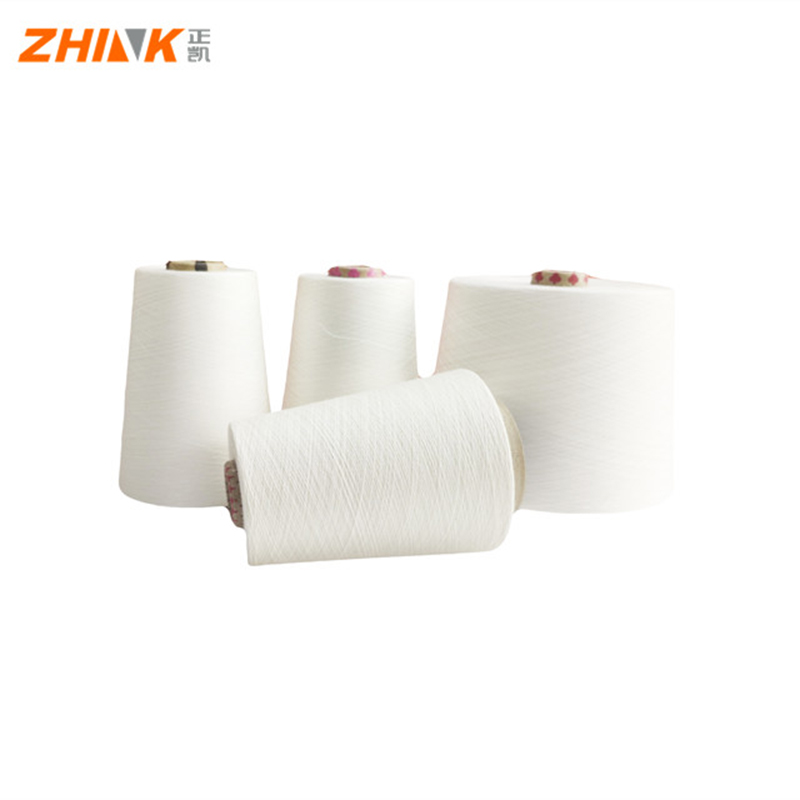
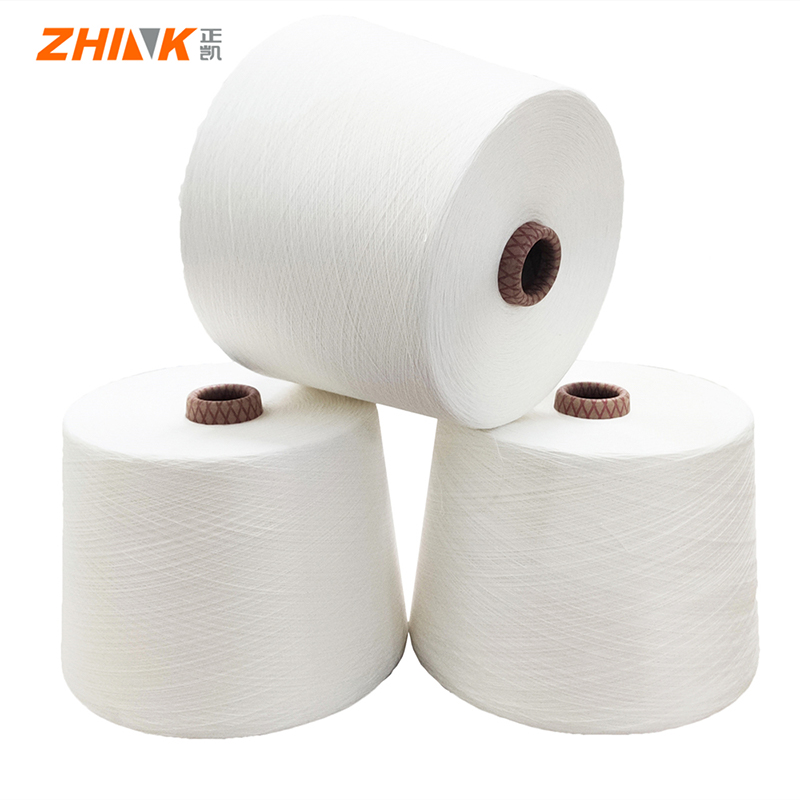
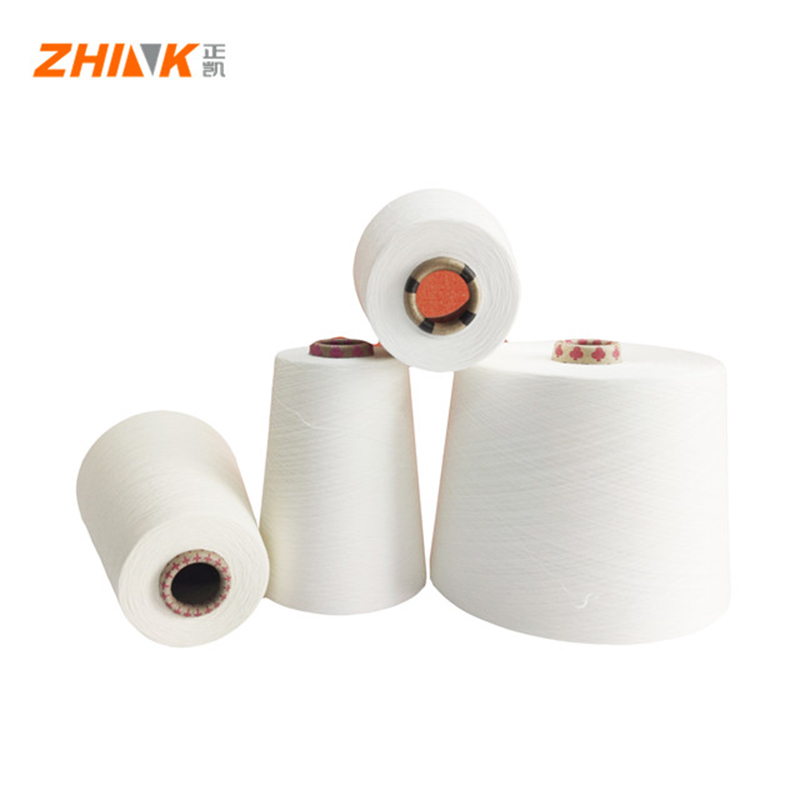
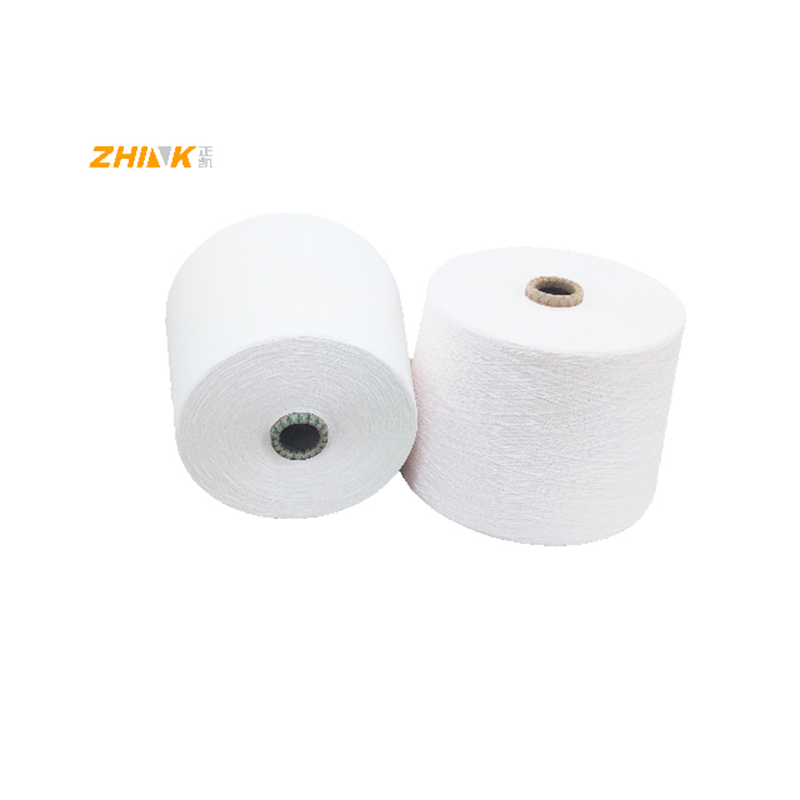
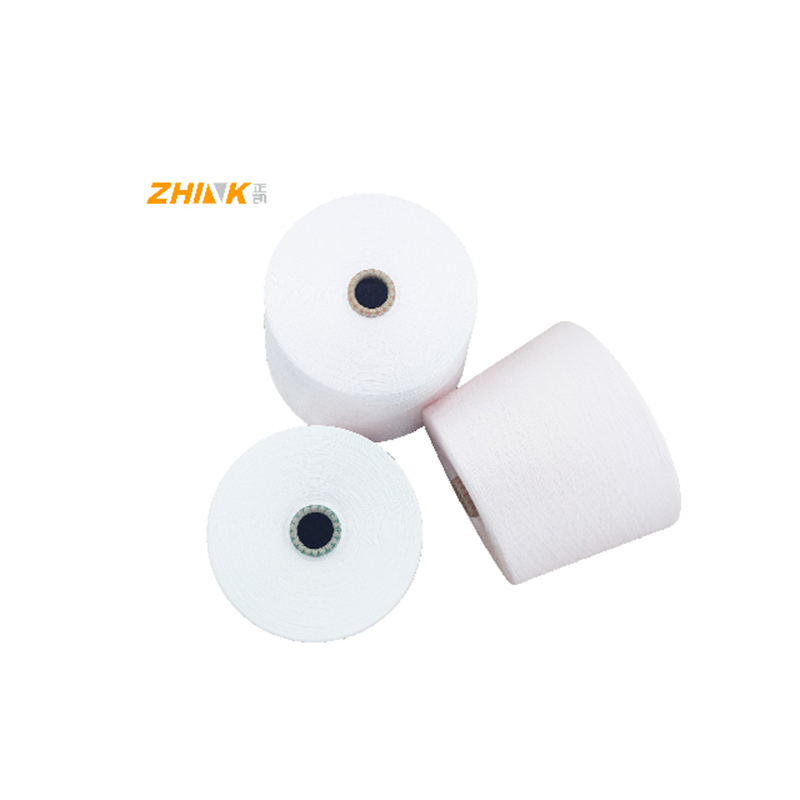
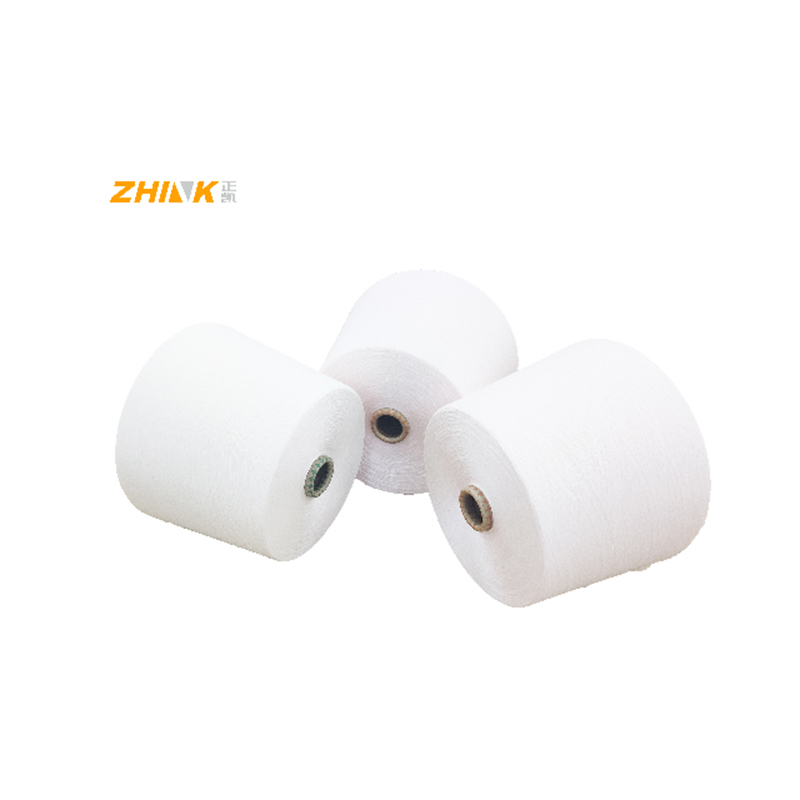
100 viscose yarn
The Versatile World of 100% Viscose Yarn
Understanding the intricacies of 100% viscose yarn can be intriguing. This yarn, known for its softness and sheen, presents both challenges and opportunities in the textile industry. Whether you're developing a new product line or simply curious about its applications, the journey with viscose is full of insights.
Exploring the Characteristics
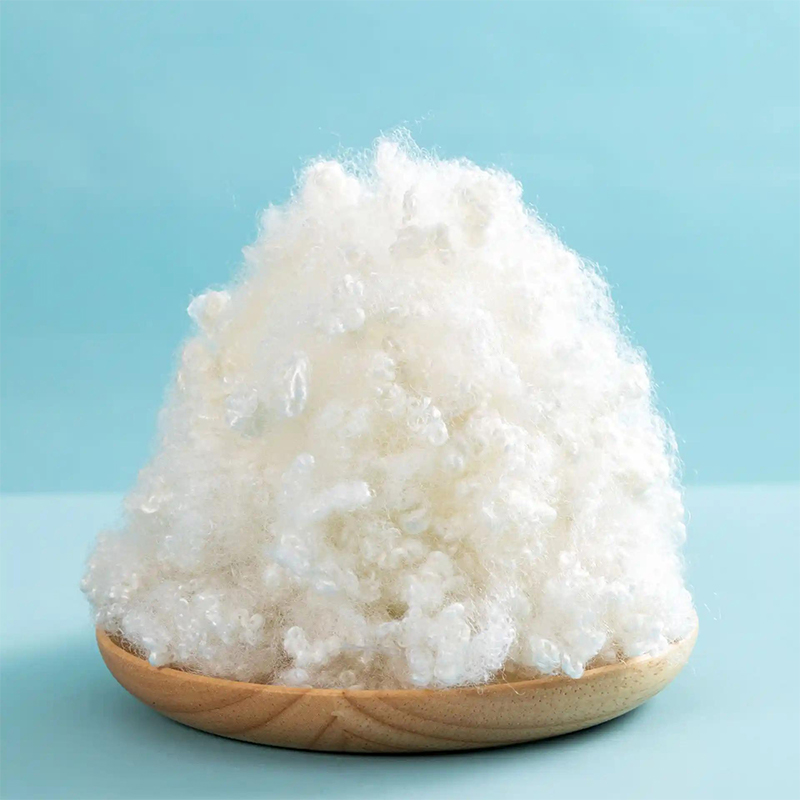
Viscose yarn, sometimes mistaken as purely synthetic, actually has its roots in natural materials. Derived from wood pulp, it blends nature and technology, offering a sheen similar to silk but at a more accessible price. However, it's not without its quirks—its moisture absorption can impact dyeing processes.
This yarn's appeal lies in its versatility. Designers often choose it for its drapability and comfort. But there’s a catch: handling it requires care. Its tendency to shrink or lose shape under certain wash conditions makes the manufacturing stage critical.
My encounters with 100% viscose yarn have taught me its unpredictability. During a project with SHANDONG ZHINK NEW MATERIAL CO., LTD, known for their innovative textile solutions (https://www.zhinkyarn.com), we tackled several issues around yarn durability. Their research-focused approach proved invaluable in navigating these challenges.
Common Misconceptions
One frequent misconception is that viscose behaves like cotton. It doesn’t. While both are made from cellulose, their properties diverge significantly. The glossiness and softness of viscose can mislead those expecting the robustness of cotton.
Another assumption is its environmental impact. Being plant-based doesn't automatically make it eco-friendly. The production process involves chemicals that need careful management, which Zhink New Material takes seriously by focusing on sustainable practices.
Then there’s the belief that it's a one-size-fits-all material. Its sensitivity to water and heat means you must tailor the end use carefully. For those crafting garments, pre-testing is non-negotiable.
Dyeing and Finishing
One of the biggest challenges is achieving consistent color in dyeing. Viscose's absorbent nature can be both a boon and a bane. Use the wrong technique or environment, and you might face bleeding or fading.
From experience, it’s vital to work with producers who understand these limitations. SHANDONG ZHINK NEW MATERIAL CO., LTD excels here with their meticulous research facility, ensuring color fastness aligns with industry standards.
Finishing processes, too, can be tricky. The yarn responds well to some softening treatments but can become overly limp if mishandled. Balancing these factors takes finesse and expertise.
Applications in the Market
Despite the challenges, viscose yarn remains a staple in fashion. Its adaptability to mimic luxurious fabrics such as silk or velvet makes it a favorite among designers aiming for elegance without high costs.
Home textiles are another domain where viscose shines. From curtains to bed linens, its ability to blend with other fibers creates appealing textures and finishes.
But it’s not just about aesthetics. Viscose’s breathability and lightweight nature mean it’s also favored in activewear, responding to consumer demand for comfort in everyday attire.
The Future of Viscose
Looking forward, the evolution of viscose yarn remains promising. Innovations around sustainable production methods are in the pipeline, with companies like Zhink New Material leading these advancements.
There’s also a shift towards blending viscose with other eco-friendly fibers, opening up new possibilities for hybrid textiles. The aim is to boost performance attributes while maintaining the yarn’s inherent qualities.
Ultimately, understanding and leveraging 100% viscose yarn requires a mix of knowledge, experimentation, and an eye on future trends. It’s a dynamic part of the textile landscape that continues to evolve with technology and consumer preferences.
Related Products
Related Products