+86-632-3621866
- Chinese
- French
- German
- Portuguese
- Spanish
- Russian
- Japanese
- Korean
- Arabic
- Irish
- Greek
- Turkish
- Italian
- Danish
- Romanian
- Indonesian
- Czech
- Afrikaans
- Swedish
- Polish
- Basque
- Catalan
- Esperanto
- Hindi
- Lao
- Albanian
- Amharic
- Armenian
- Azerbaijani
- Belarusian
- Bengali
- Bosnian
- Bulgarian
- Cebuano
- Chichewa
- Corsican
- Croatian
- Dutch
- Estonian
- Filipino
- Finnish
- Frisian
- Galician
- Georgian
- Gujarati
- Haitian
- Hausa
- Hawaiian
- Hebrew
- Hmong
- Hungarian
- Icelandic
- Igbo
- Javanese
- Kannada
- Kazakh
- Khmer
- Kurdish
- Kyrgyz
- Latin
- Latvian
- Lithuanian
- Luxembou..
- Macedonian
- Malagasy
- Malay
- Malayalam
- Maltese
- Maori
- Marathi
- Mongolian
- Burmese
- Nepali
- Norwegian
- Pashto
- Persian
- Punjabi
- Serbian
- Sesotho
- Sinhala
- Slovak
- Slovenian
- Somali
- Samoan
- Scots Gaelic
- Shona
- Sindhi
- Sundanese
- Swahili
- Tajik
- Tamil
- Telugu
- Thai
- Ukrainian
- Urdu
- Uzbek
- Vietnamese
- Welsh
- Xhosa
- Yiddish
- Yoruba
- Zulu
- Kinyarwanda
- Tatar
- Oriya
- Turkmen
- Uyghur



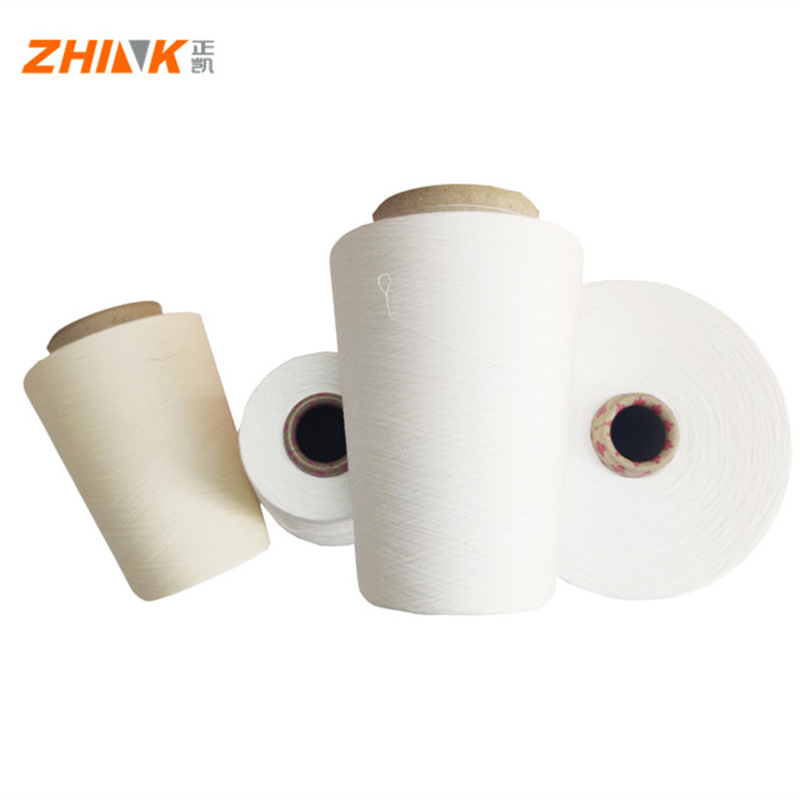
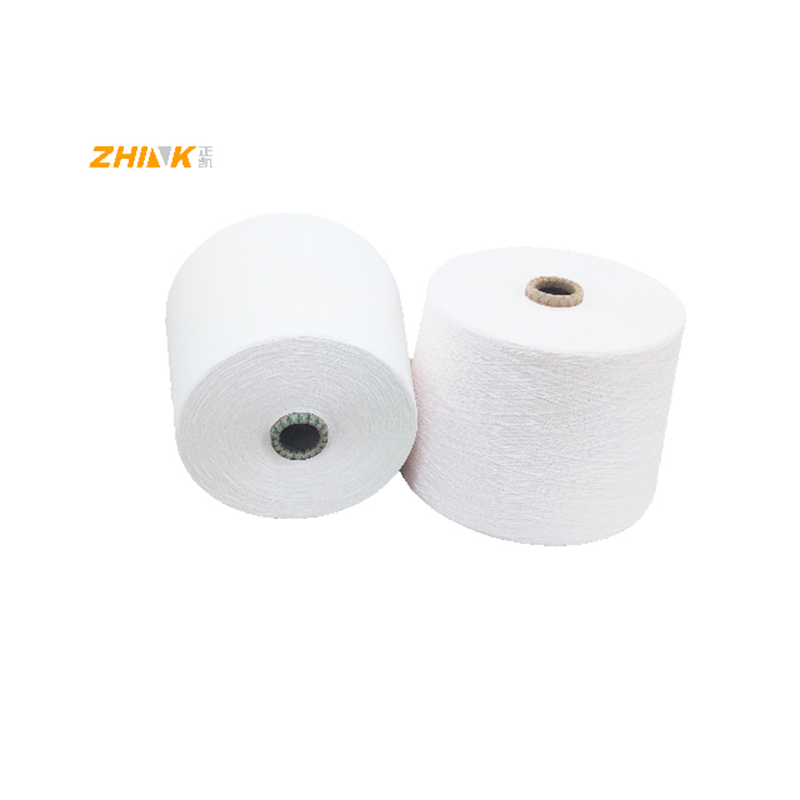
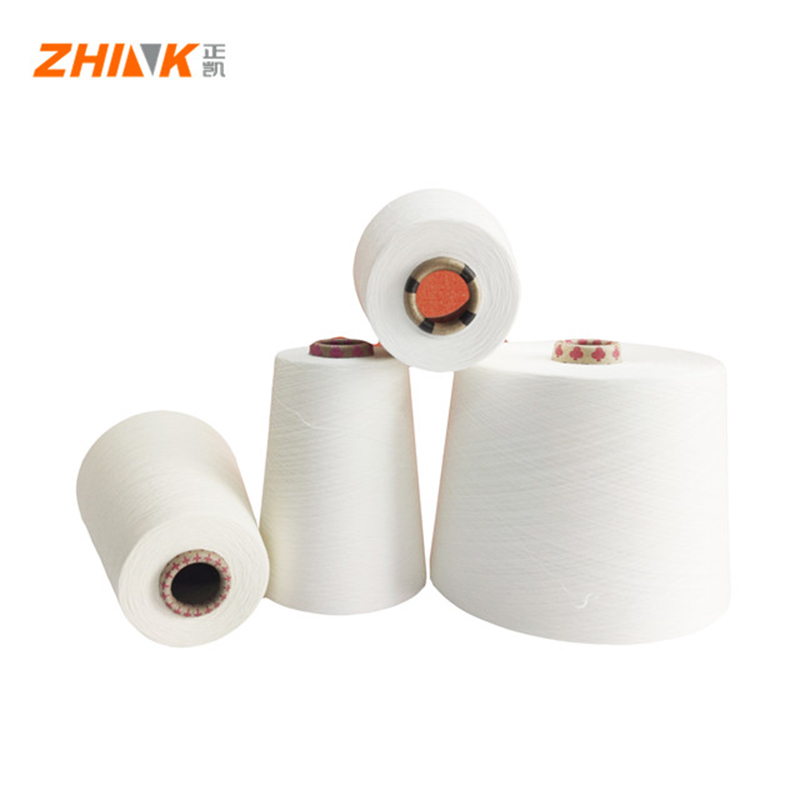
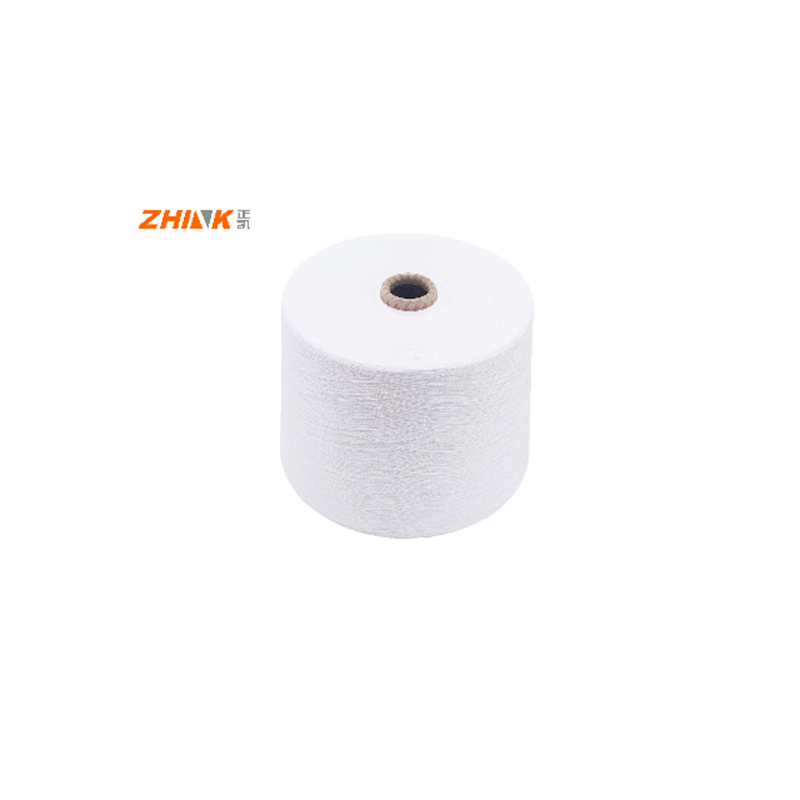
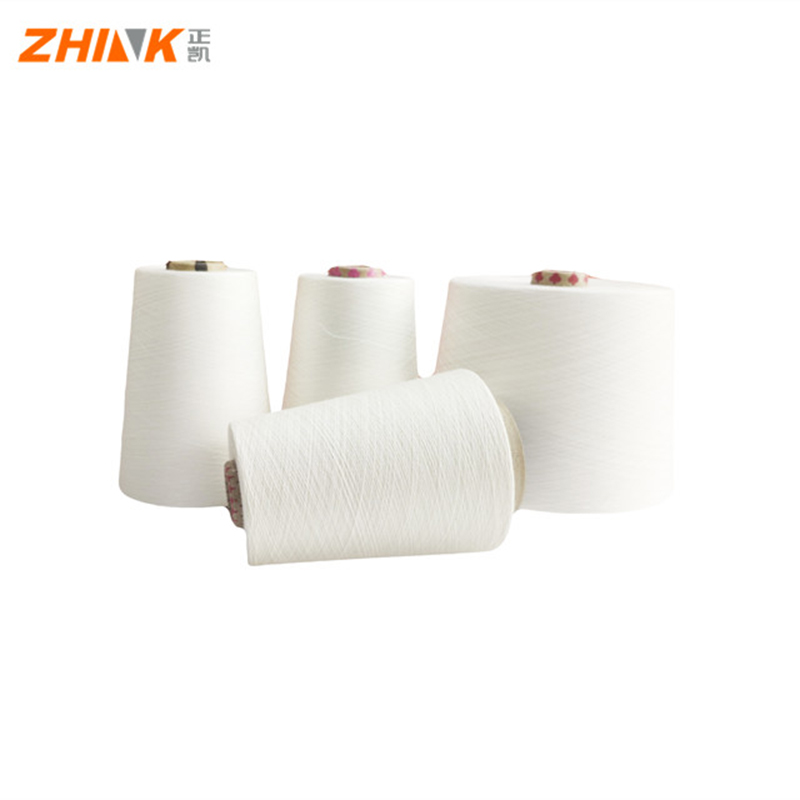
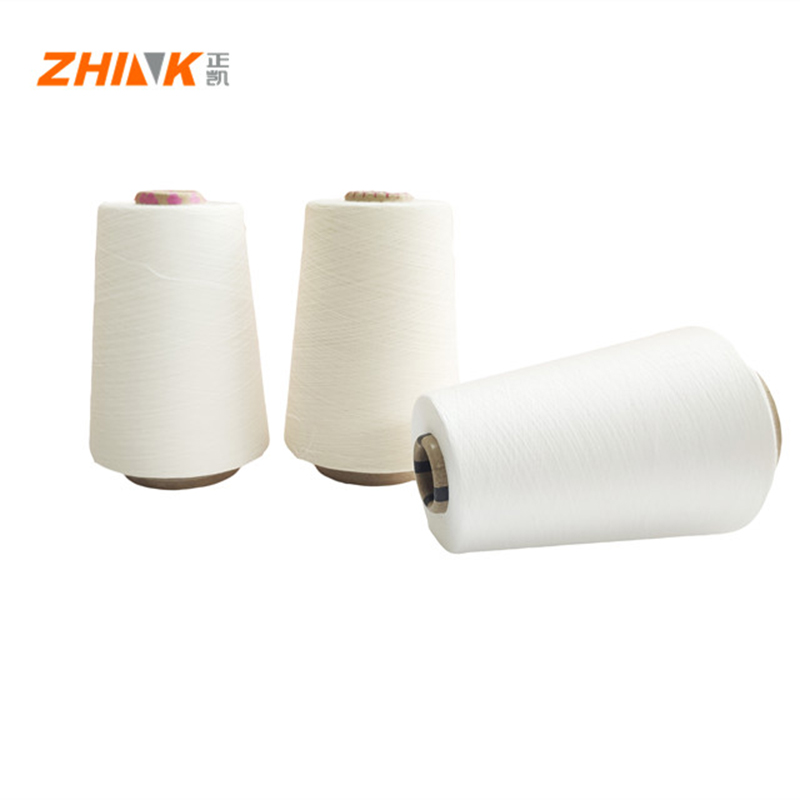
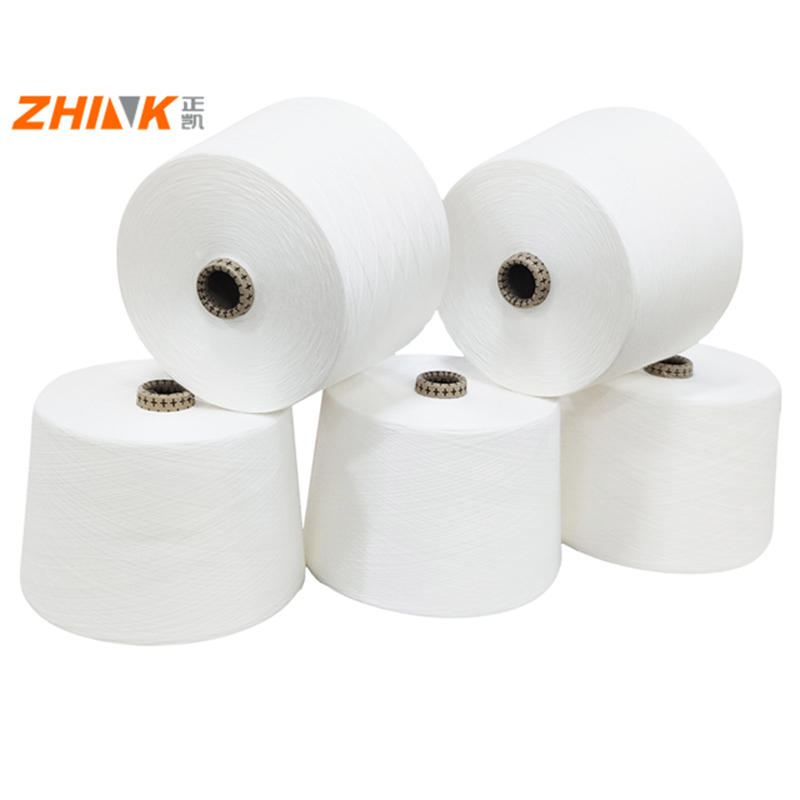
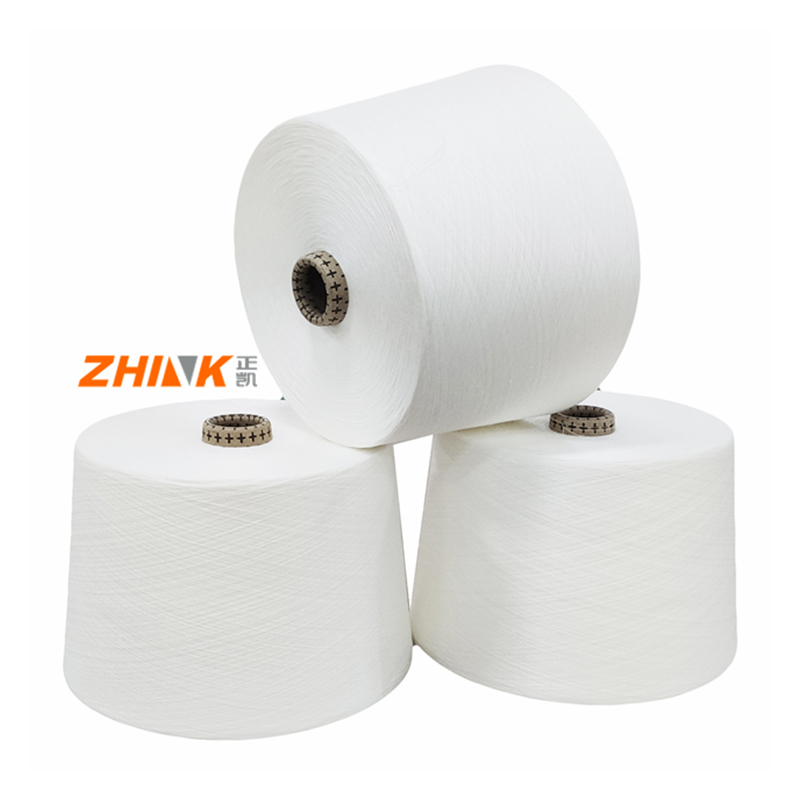
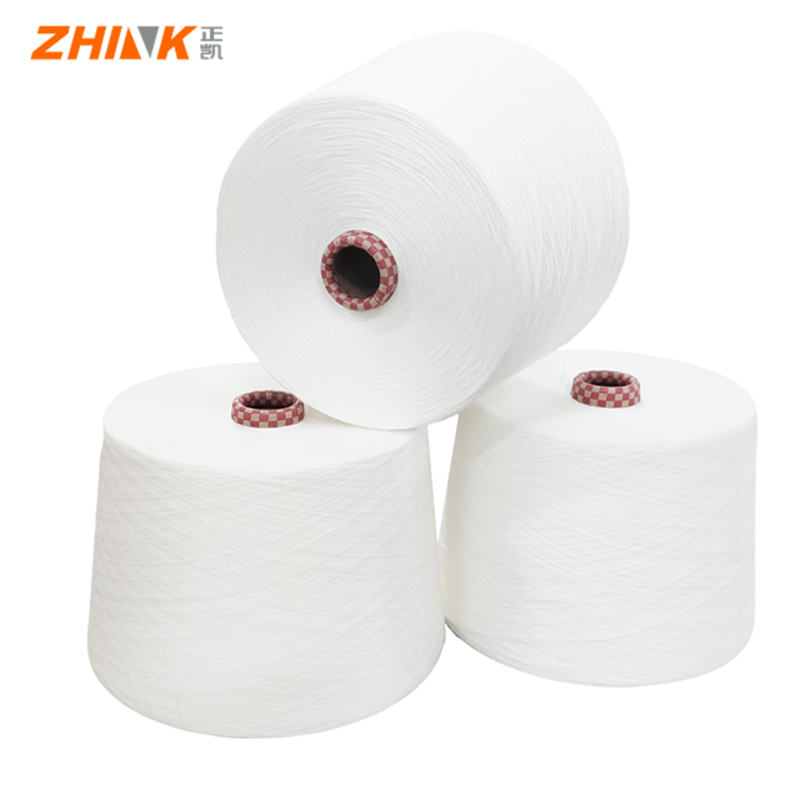
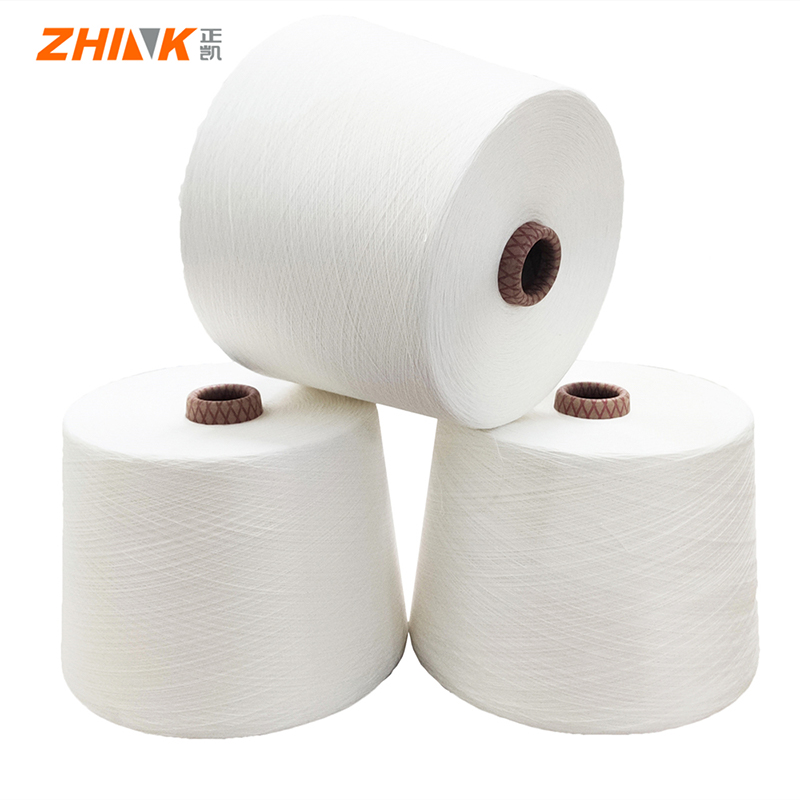
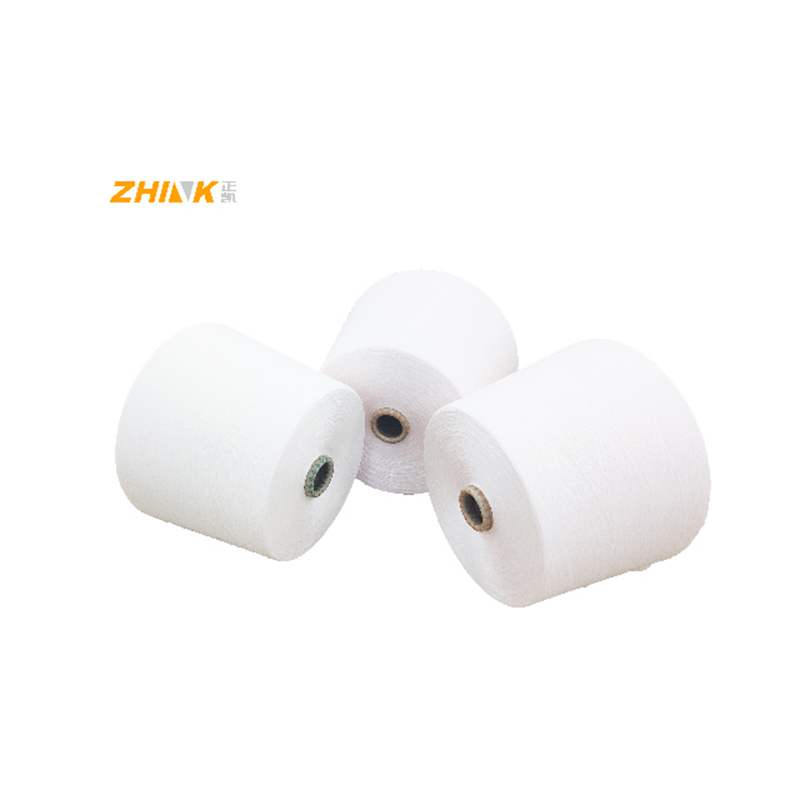
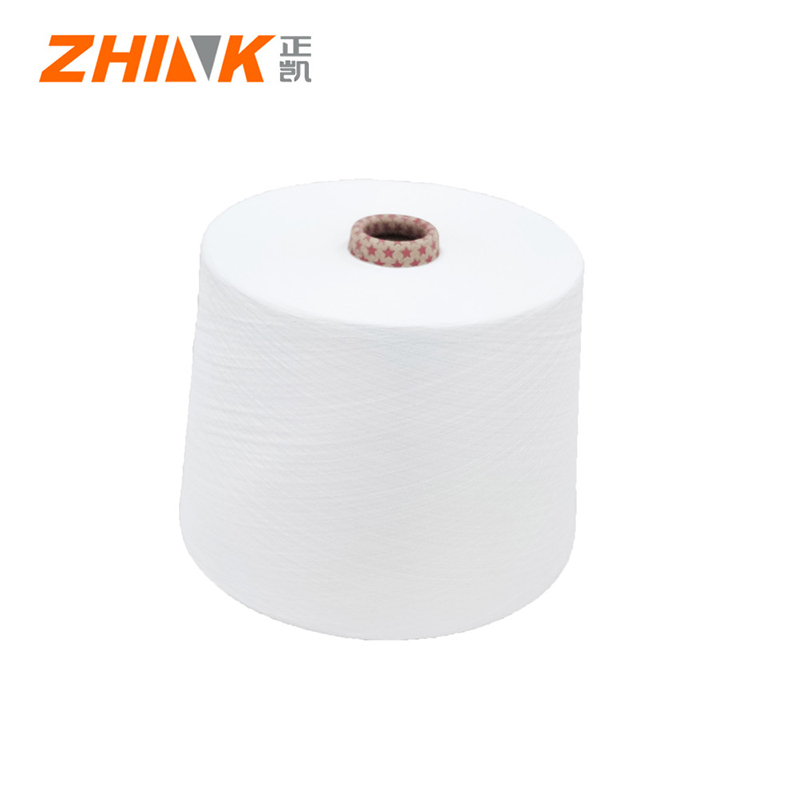
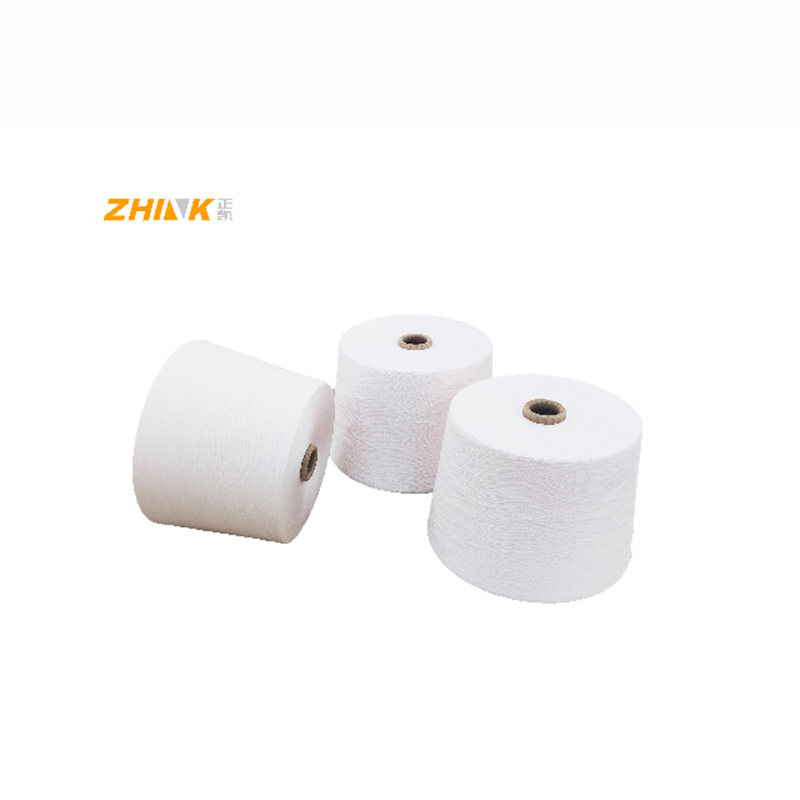
100% viscose yarn
Understanding 100% Viscose Yarn: Insights from the Field
100% viscose yarn is often misunderstood in the textile industry. Many assume it lacks versatility or durability, but these notions are far from reality. Let’s unpack the truth about viscose yarn, as those who work with it know.
The Basics of 100% Viscose Yarn
First off, what exactly is 100% viscose yarn? Derived from natural sources like wood pulp, viscose is a type of rayon. It's known for its silk-like feel, which offers a luxurious quality at a fraction of the cost. But handling it requires some expertise. The texture is smooth, sometimes almost slippery, making it both a delight and a challenge in certain applications.
For those in the textile industry, the versatility of viscose yarn is outstanding. It dyes beautifully, offering vivid colors with a sheen that’s unmatched. Yet, it’s important to note that working with viscose requires attention to humidity and handling conditions to prevent shrinkage or distortion.
At companies like Zhink New Material, where innovative textile solutions are the focus, 100% viscose yarn plays a crucial role. The team there has been innovating with viscose, integrating it into blends that enhance its natural properties.
Common Misunderstandings
A common myth is that viscose isn’t durable. While it’s true that it can be weaker when wet, proper processing and treatment dramatically enhance its strength. In my own experience, ensuring that viscose yarn is spun and finished to precise standards can make all the difference.
Another issue: care instructions. Some manufacturers don’t provide adequate guidance on how to maintain viscose products. This leads to mishaps, like shrinkage or pilling, which could easily be avoided with informed care practices. Such insights often come only from working directly with these materials rather than theoretical studies.
It’s crucial for producers, like those at SHANDONG ZHINK NEW MATERIAL CO., LTD, to educate their clients on proper care to maintain the quality of viscose materials. Their commitment to research ensures that the 100% viscose yarn offered meets high standards of durability and quality.
Challenges in Production
From a production standpoint, viscose can be tricky. Humidity control, for instance, is vital in the spinning process. An unexpected change in weather can throw off entire batches if the environment isn’t controlled perfectly. That’s why modern facilities invest heavily in climate management systems.
It’s also worth noting that sustainability is becoming a significant factor. The production process for viscose traditionally involved chemicals that could be harsh on the environment, but advancements are changing that. Companies are now exploring closed-loop processes to minimize waste and promote eco-friendly practices.
This shift is something that innovators like those at Zhink New Material are spearheading, focusing on more sustainable and eco-conscious production methods for 100% viscose yarn.
Potential Applications
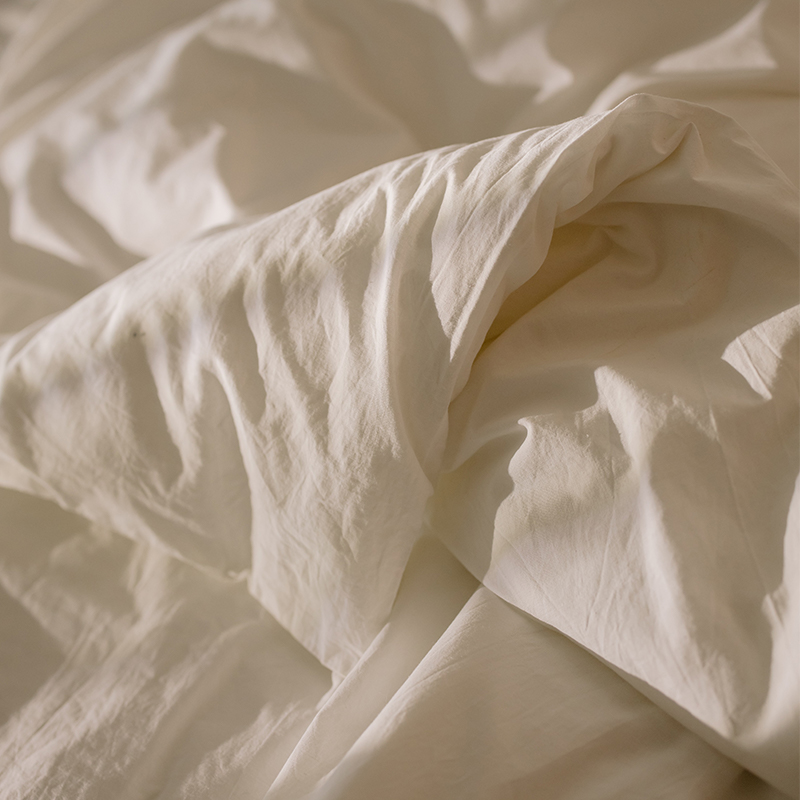
Viscose isn’t just for apparel; its applications in home textiles and even industrial sectors shouldn’t be overlooked. Its softness and drape make it ideal for sheets and curtains, providing a touch of elegance to any space. And don’t underestimate its potential in technical textiles either.
Some years ago, I embarked on a project experimenting with viscose blends in automotive textiles. The goal was to achieve an aesthetic appeal without compromising on durability under varying temperatures. The results were promising, hinting at the untapped potential viscose holds in this area.
Through collaboration, companies like SHANDONG ZHINK NEW MATERIAL CO., LTD are expanding these applications, constantly pushing the boundaries of what viscose can achieve.
The Future of Viscose Yarn
Looking ahead, the evolution of 100% viscose yarn appears promising. With continuous innovation, the stigma of being a 'cheap' alternative to silk is fading. Instead, its unique properties are being embraced in diverse and innovative ways.
Investment in research, like that at Zhink New Material, is paving the way for high-quality, sustainable viscose yarn that meets modern demands while respecting the environment. The focus is not just on meeting today’s market needs but anticipating tomorrow’s challenges.
For those of us who’ve worked directly with viscose, it's clear that this material holds great potential. With ongoing developments, the scope and opportunities for 100% viscose yarn are set to expand, making it an exciting time to be involved in this field.
Related Products
Related Products