+86-632-3621866
- Chinese
- French
- German
- Portuguese
- Spanish
- Russian
- Japanese
- Korean
- Arabic
- Irish
- Greek
- Turkish
- Italian
- Danish
- Romanian
- Indonesian
- Czech
- Afrikaans
- Swedish
- Polish
- Basque
- Catalan
- Esperanto
- Hindi
- Lao
- Albanian
- Amharic
- Armenian
- Azerbaijani
- Belarusian
- Bengali
- Bosnian
- Bulgarian
- Cebuano
- Chichewa
- Corsican
- Croatian
- Dutch
- Estonian
- Filipino
- Finnish
- Frisian
- Galician
- Georgian
- Gujarati
- Haitian
- Hausa
- Hawaiian
- Hebrew
- Hmong
- Hungarian
- Icelandic
- Igbo
- Javanese
- Kannada
- Kazakh
- Khmer
- Kurdish
- Kyrgyz
- Latin
- Latvian
- Lithuanian
- Luxembou..
- Macedonian
- Malagasy
- Malay
- Malayalam
- Maltese
- Maori
- Marathi
- Mongolian
- Burmese
- Nepali
- Norwegian
- Pashto
- Persian
- Punjabi
- Serbian
- Sesotho
- Sinhala
- Slovak
- Slovenian
- Somali
- Samoan
- Scots Gaelic
- Shona
- Sindhi
- Sundanese
- Swahili
- Tajik
- Tamil
- Telugu
- Thai
- Ukrainian
- Urdu
- Uzbek
- Vietnamese
- Welsh
- Xhosa
- Yiddish
- Yoruba
- Zulu
- Kinyarwanda
- Tatar
- Oriya
- Turkmen
- Uyghur



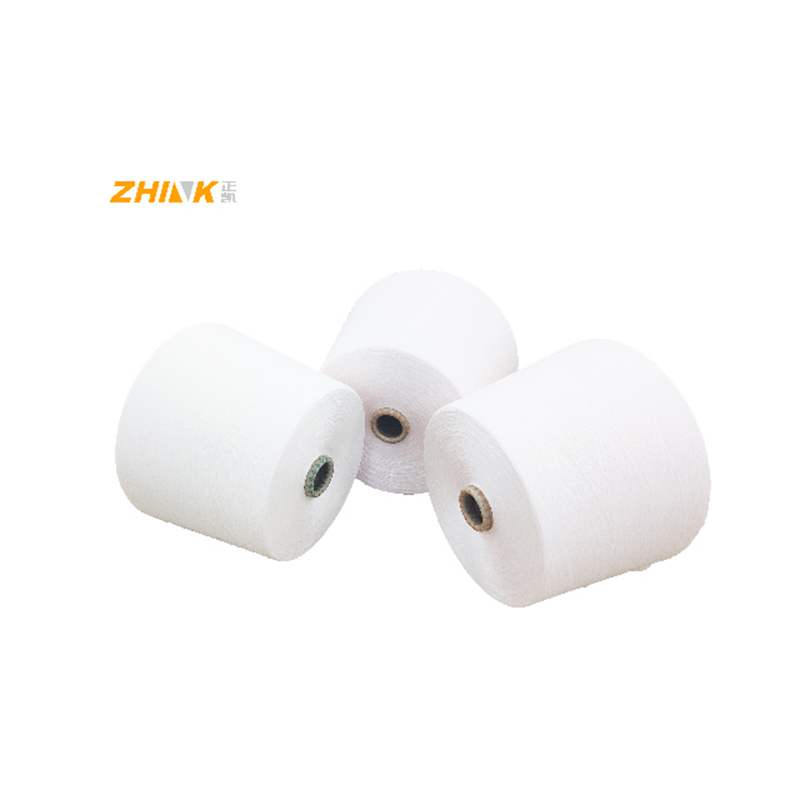
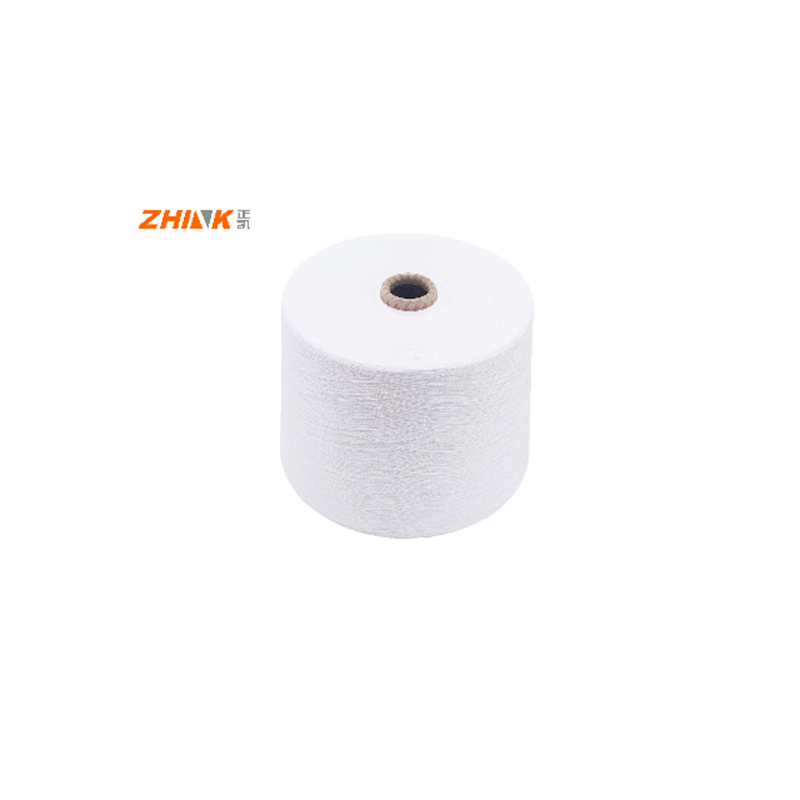
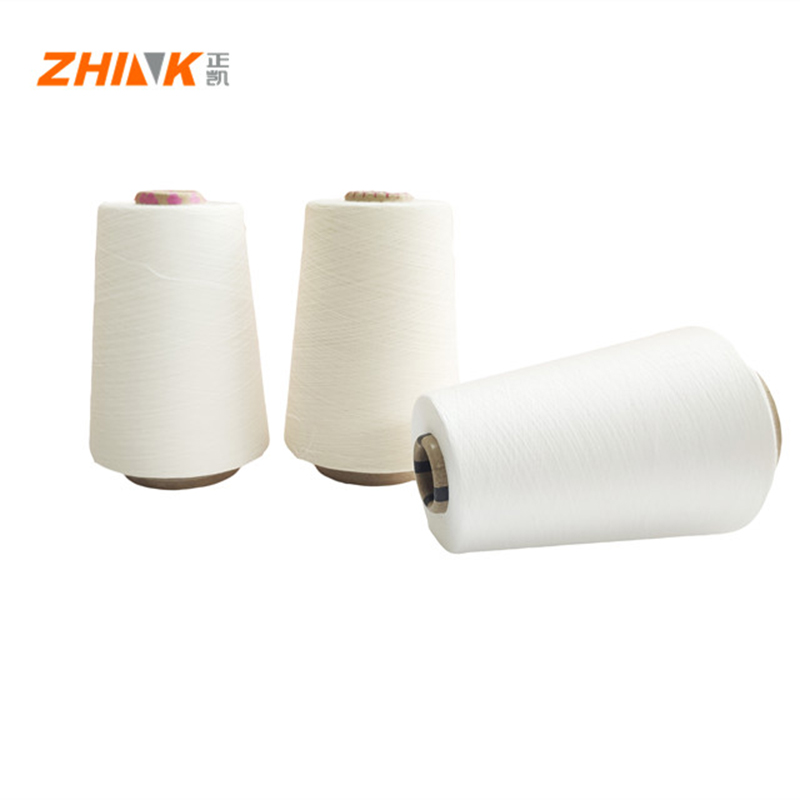
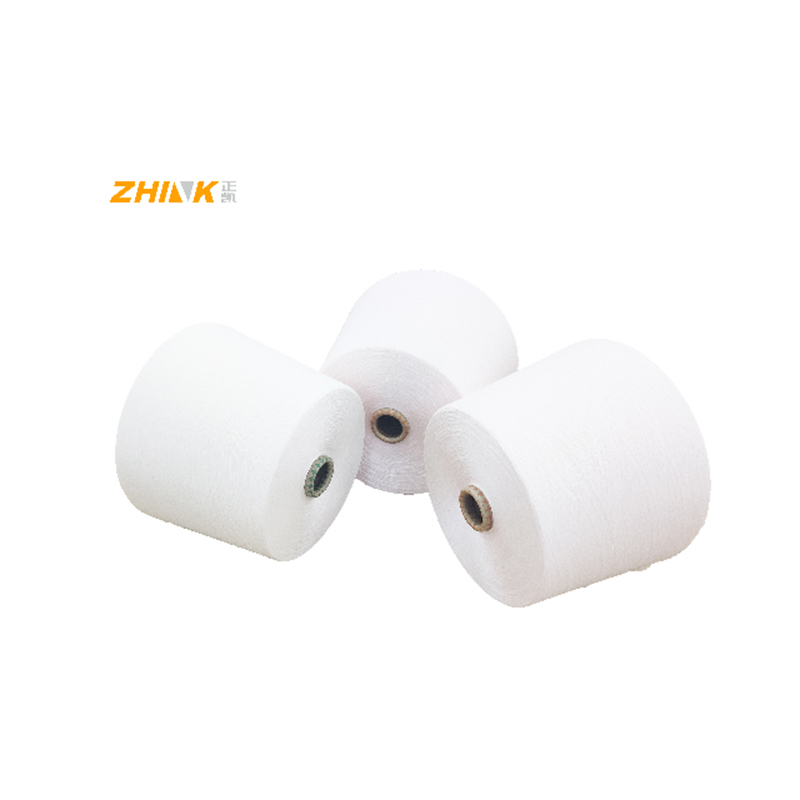
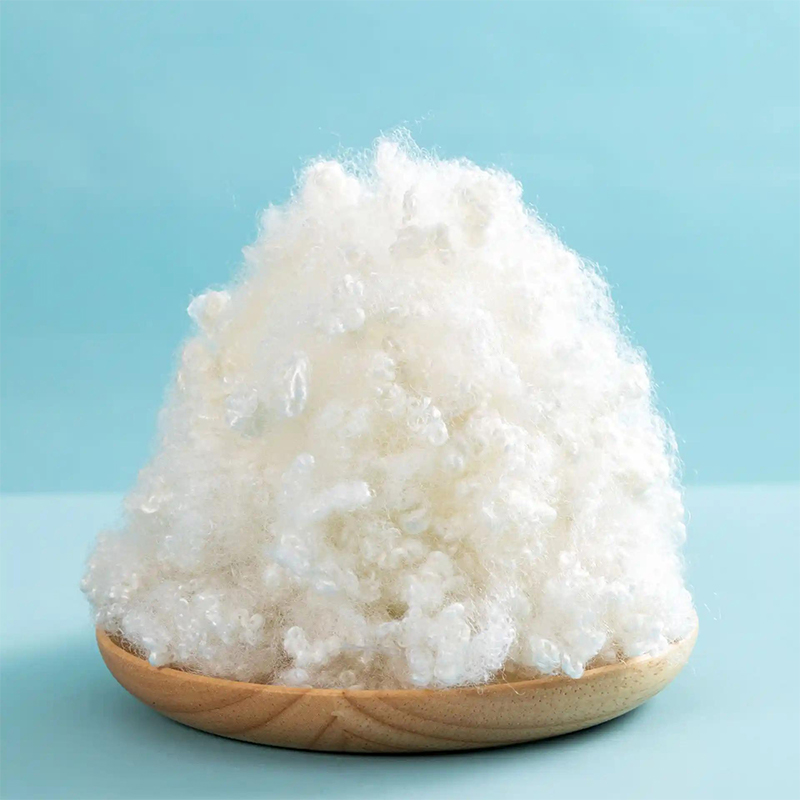
10D*88mm
The Magic of 10D88mm in Textile Innovations
In the ever-evolving textile industry, understanding specifications like 10D88mm can unlock new opportunities. It’s more than just numbers; it defines characteristics that can transform fabrics into something exceptional. Let's dive into what this means and how it applies, particularly in companies like Shandong Zhink New Material Co., Ltd, a pioneer in textile innovation.
Understanding the 10D Factor
The 10D in 10D88mm refers to the denier, a measure of fiber thickness. This specification is critical in determining the fabric's weight and strength. In practical terms, a 10D fiber is incredibly fine, lending itself to applications where lightweight and subtle textures are required.
Experiencing this firsthand at places like Zhink New Material reveals the extraordinary potential of such fibers. Their lightness is not synonymous with fragility; instead, these fibers often surprise with their durability and resilience.
Consider a hiking jacket made from 10D fibers. It feels feather-light, yet protects against wind and light rain—perfect for those unexpected weather changes. This balance is precisely why these specifications matter.
The Significance of the 88mm Length
When you look at 10D88mm, the 88mm part might seem less critical, but it shapes the overall texture and behavior of the fiber. A standardized length like 88mm ensures consistent quality in industrial production, something companies like Zhink New Material take seriously.
Utilizing such specific lengths, textile engineers can fine-tune the lustre and drape of the fabric. A memorable project involved designing curtains with just the right amount of sheen and flow—attributes deeply connected to that precise 88mm length.
The way these fibers behave in combination with various fabric weaves can significantly alter the end product, making it essential for a professional to consider these specs carefully.
Applications in Modern Textile Design
At Shandong Zhink New Material Co., Ltd, the team focuses on integrating these technical specifications into products that meet modern consumer demands. Visit Zhink's website to explore their innovative solutions.
Within sportswear, for instance, 10D88mm fibers are frequently used for their comfort and performance. These lightweight garments allow athletes ease of movement without sacrificing strength where it counts.
Eco-friendly initiatives also benefit from these specs, as thinner fibers often mean less raw material used without compromising quality—a welcome strategy for sustainability-focused firms.
Real-World Challenges and Insights
Implementing 10D88mm fibers isn't without challenges. A prominent project encountered issues with fiber snapping during production, a reminder that even the best materials require adaptation and precise handling.
It's in overcoming such challenges that companies like Zhink New Material excel. By investing in advanced machinery and ongoing staff training, they ensure high-quality outputs, even under difficult conditions.
Developing a new line of lightweight sleeping bags demonstrated overcoming such hurdles. The key was adjusting tension and temperature during production, showing the importance of know-how in utilizing these advanced fibers.
Future Possibilities with Technical Textiles
As technology in textile manufacturing advances, the role of specific specs like 10D88mm will only grow. Companies like Zhink are at the forefront, turning technical potential into market realities.
Exploring collaborations with smart textile technologies could open new avenues. These fibers can become a backbone for integrating electronics into fabrics, envisioning a future where clothing is not just a garment but a tool.
The journey with 10D88mm is still unfolding, promising new horizons in the intersection of traditional textiles and futuristic demands. For any professional in the industry, understanding and utilizing these specifications is integral to staying ahead.
Related Products
Related Products