+86-632-3621866
- Chinese
- French
- German
- Portuguese
- Spanish
- Russian
- Japanese
- Korean
- Arabic
- Irish
- Greek
- Turkish
- Italian
- Danish
- Romanian
- Indonesian
- Czech
- Afrikaans
- Swedish
- Polish
- Basque
- Catalan
- Esperanto
- Hindi
- Lao
- Albanian
- Amharic
- Armenian
- Azerbaijani
- Belarusian
- Bengali
- Bosnian
- Bulgarian
- Cebuano
- Chichewa
- Corsican
- Croatian
- Dutch
- Estonian
- Filipino
- Finnish
- Frisian
- Galician
- Georgian
- Gujarati
- Haitian
- Hausa
- Hawaiian
- Hebrew
- Hmong
- Hungarian
- Icelandic
- Igbo
- Javanese
- Kannada
- Kazakh
- Khmer
- Kurdish
- Kyrgyz
- Latin
- Latvian
- Lithuanian
- Luxembou..
- Macedonian
- Malagasy
- Malay
- Malayalam
- Maltese
- Maori
- Marathi
- Mongolian
- Burmese
- Nepali
- Norwegian
- Pashto
- Persian
- Punjabi
- Serbian
- Sesotho
- Sinhala
- Slovak
- Slovenian
- Somali
- Samoan
- Scots Gaelic
- Shona
- Sindhi
- Sundanese
- Swahili
- Tajik
- Tamil
- Telugu
- Thai
- Ukrainian
- Urdu
- Uzbek
- Vietnamese
- Welsh
- Xhosa
- Yiddish
- Yoruba
- Zulu
- Kinyarwanda
- Tatar
- Oriya
- Turkmen
- Uyghur


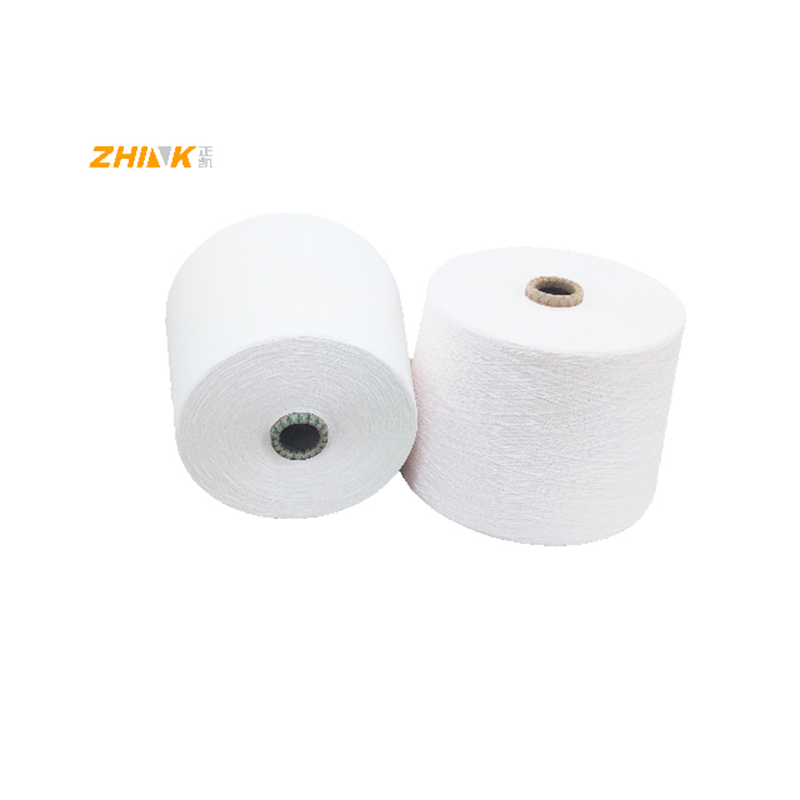
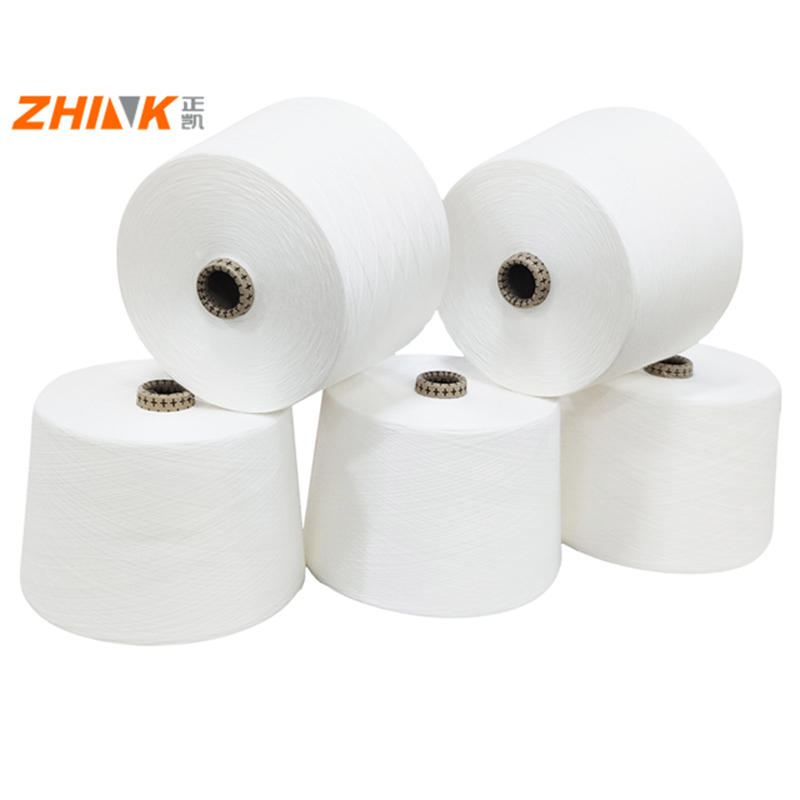
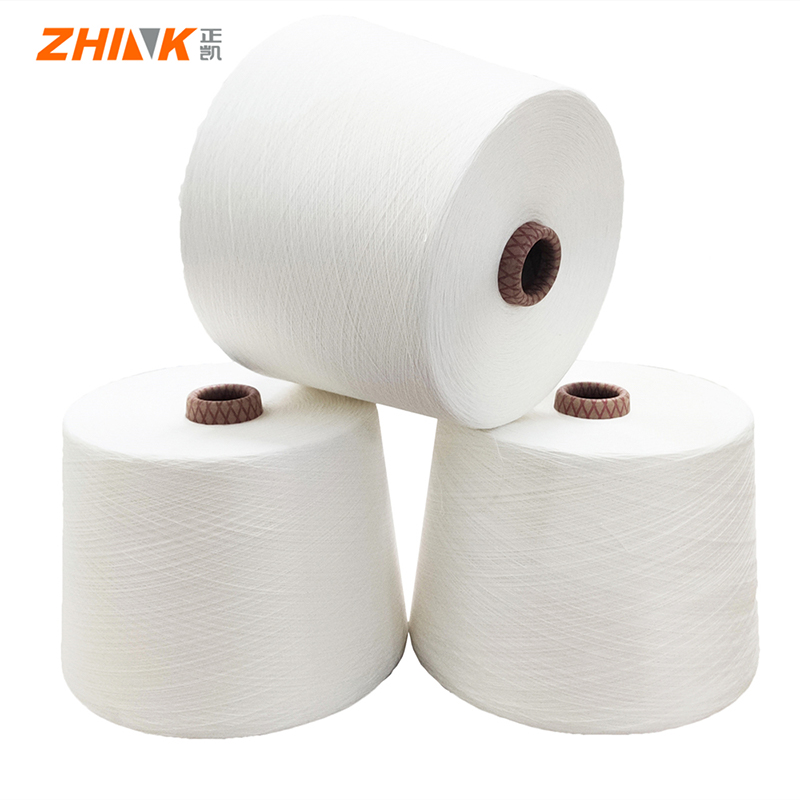
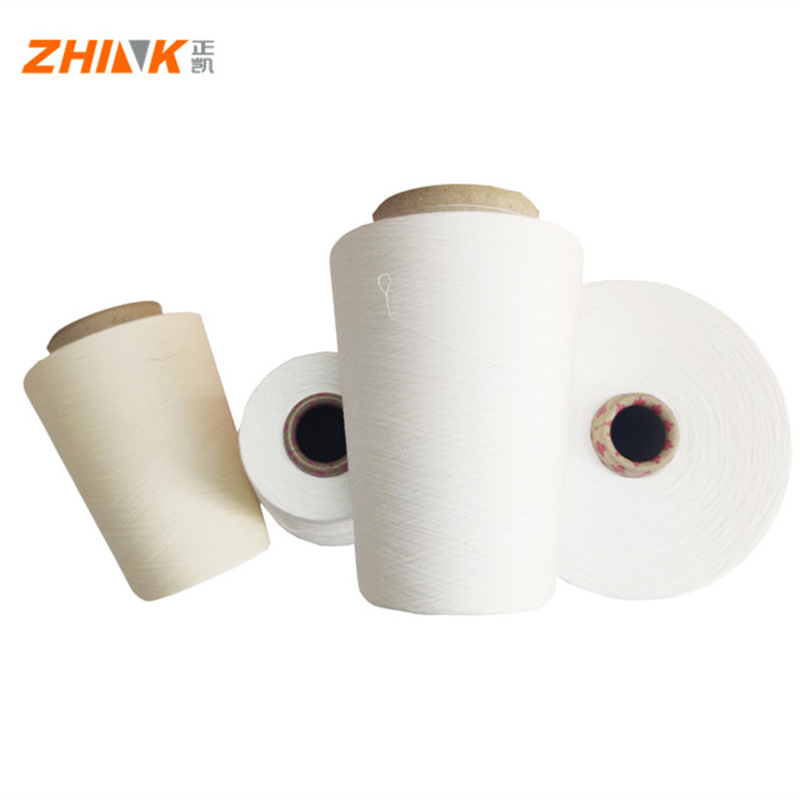
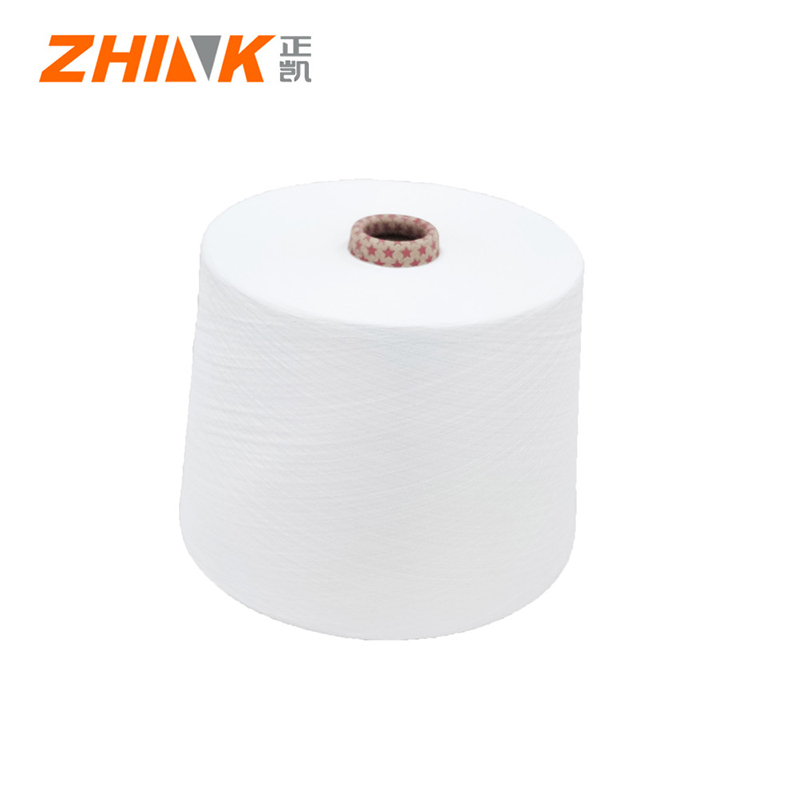
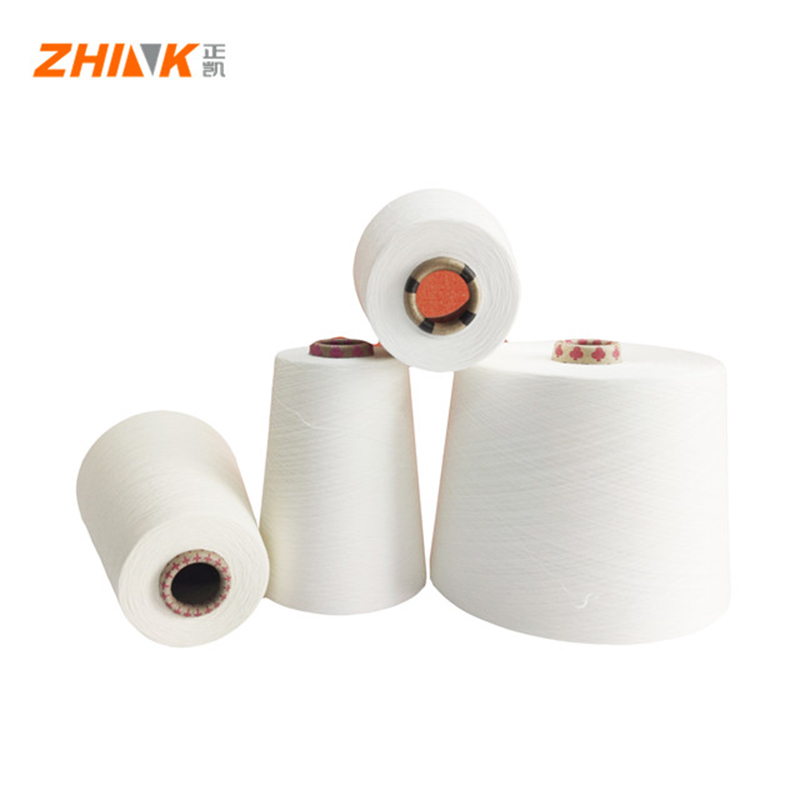
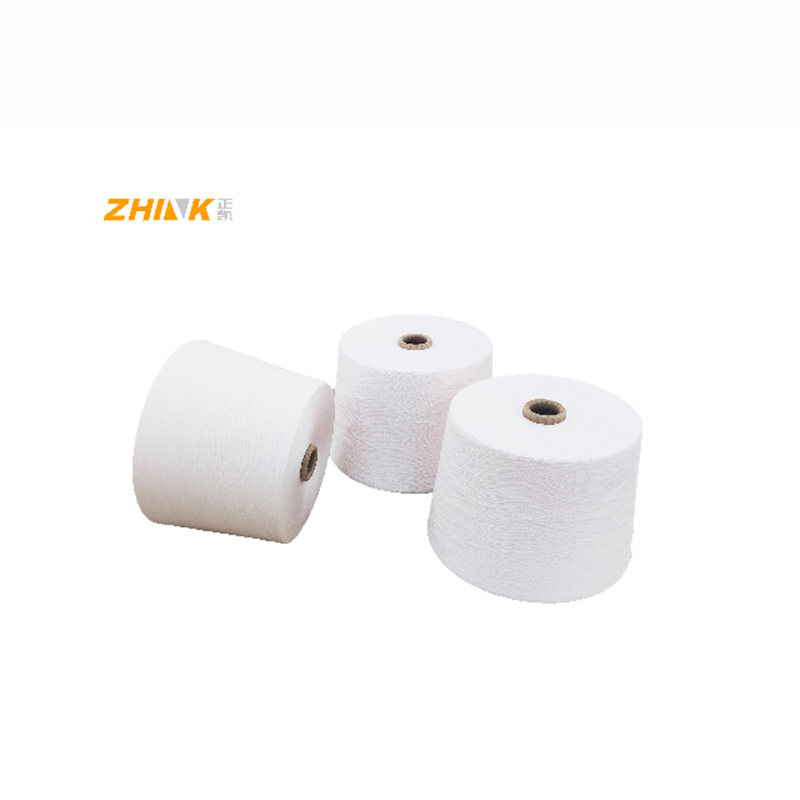
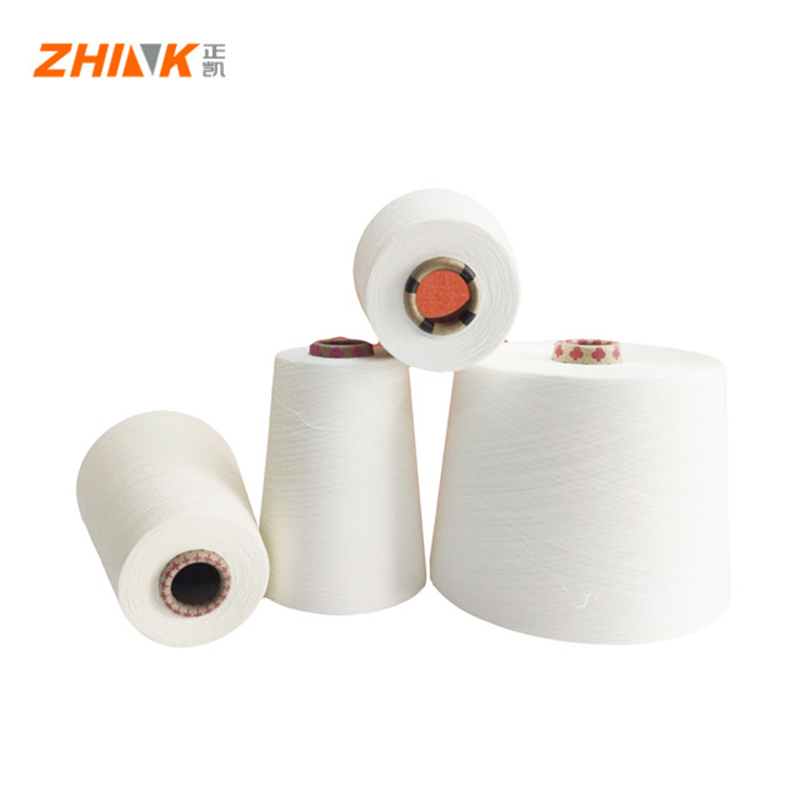
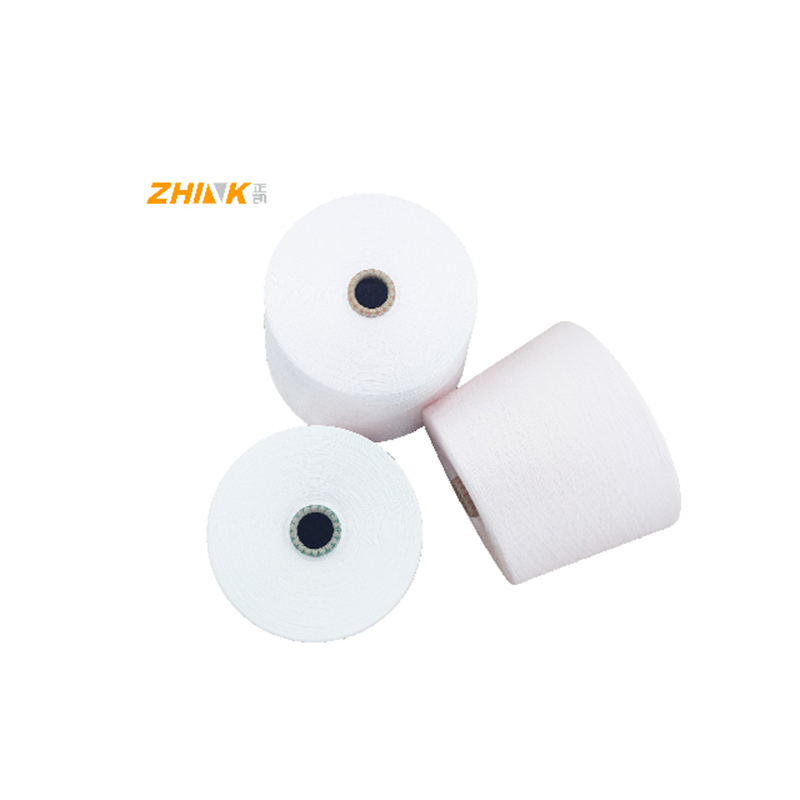
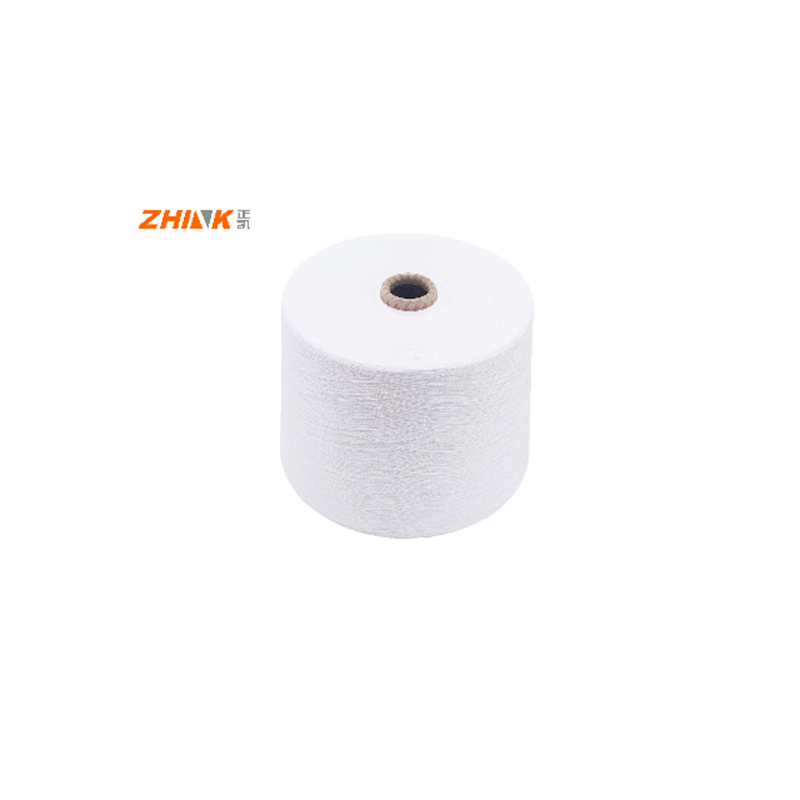
15s Hollow polyester yarn
Exploring the Dynamics of 15s Hollow Polyester Yarn in the Textile Industry
A deep dive into 15s Hollow polyester yarn reveals a world full of possibilities for modern textile applications. Known for its resilience and unique structural advantages, this yarn offers both challenges and opportunities. Distinctions between various polyester types can often become blurred, but understanding their specific attributes can greatly impact production outcomes.
Understanding 15s Hollow Polyester Yarn
The first thing to note about 15s Hollow polyester yarn is its distinct hollow core. This feature endows the yarn with low density and increased thermal insulation properties. Perfect for creating lightweight fabrics, it often finds its place in sportswear and outdoor apparel. One might question, though, whether its thermal efficiency truly meets expectations in real-world scenarios.
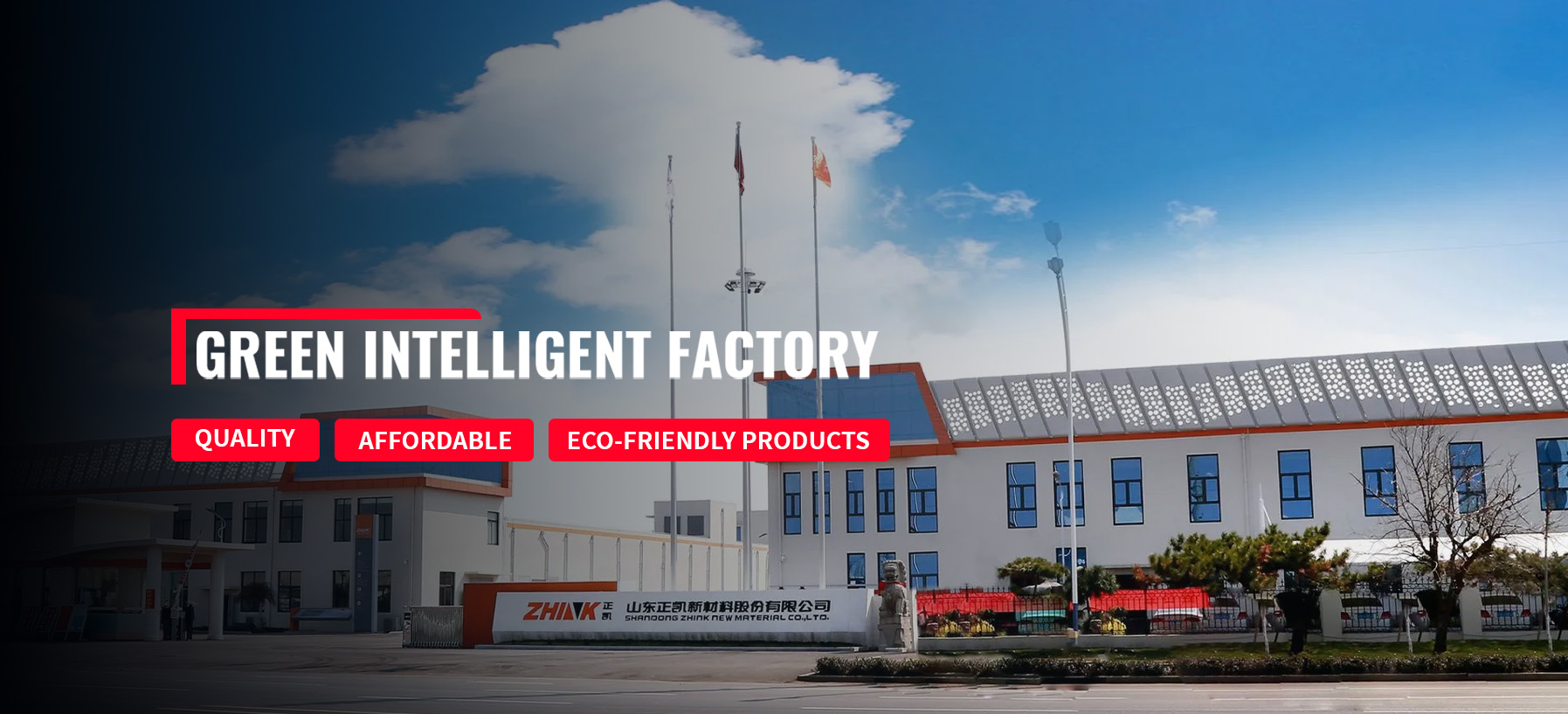
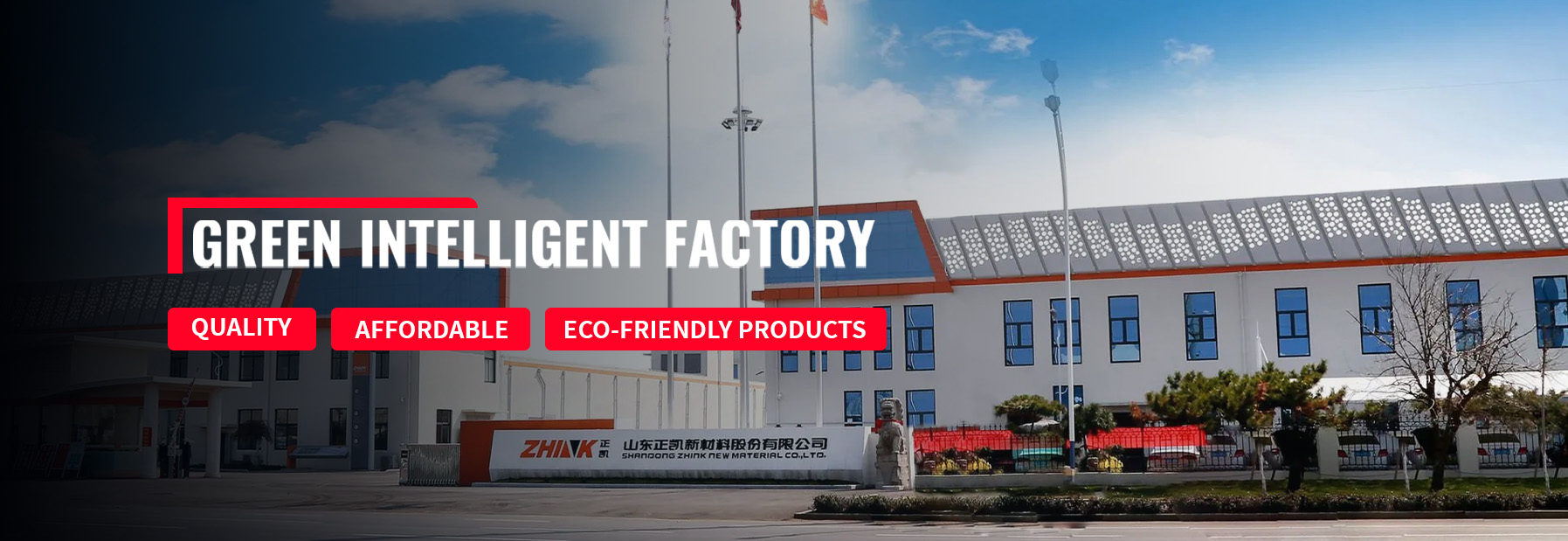
Working in the production line at SHANDONG ZHINK NEW MATERIAL CO., LTD, we've observed how the hollow structure facilitates moisture wicking. This is particularly beneficial in the manufacturing of activewear. The yarn is engineered to be soft on the skin but rugged enough to endure repeated usage and washing. It's a balancing act that requires precision in both design and production.
Yet, despite these benefits, certain limitations persist. Challenges in uniformly maintaining the hollow structure during spinning can lead to inconsistencies. This is where ongoing research and development, like that spearheaded by Zhink New Material, become crucial. Our dedicated team ensures that the production techniques continuously evolve to counteract these potential setbacks.
Applications and Practical Insights
Beyond sportswear, there's an increasing demand for 15s Hollow polyester yarn in the upholstery industry. Its lightweight nature allows for more ergonomic furniture designs. However, my experience shows that marketing this to traditional furniture manufacturers is often met with skepticism due to ingrained habits with denser materials.
To counter this, we've initiated workshops demonstrating not just the conveniences in handling and cost efficiencies but also the product's ecological benefits. Clients have noted their surprise at the yarn's flexibility and its advantageous price-performance ratio, which is a testament to our R&D's impact on sustainability.
Entrepreneurs often inquire about the yarn’s behavior in terms of dye uptake. Interestingly, lower density sometimes means faster dye absorption, which can lead to unpredictable shades if unmanaged. To mitigate these outcomes, Zhink New Material employs adaptive dyeing techniques, refining colored batches to exhibit consistent vibrancy.
Challenges in Production Processes
During my time collaborating closely with the technicians at SHANDONG ZHINK NEW MATERIAL CO., LTD, a recurring topic is the energy-intensive processes associated with stabilization of hollow fibers. A significant operational focus has been reducing this energy footprint.
Collaborative projects tackling alternative heating solutions are underway, aiming not just for energy efficiency but also enhancing the longevity of the hollow structure. While experiments have shown promising reductions in energy consumption, further trials are necessary to perfect this balance.
In practice, this push towards enhanced sustainability presents not just an environmental imperative but also a means of offering competitive pricing. The balance of eco-efficient processes without compromising on material quality remains a key strategic goal—a challenge our team approaches with innovation and dedication.
Future Trends and Developments
Looking toward the future, one can foresee 15s Hollow polyester yarn transcending traditional applications. Its adaptability speaks to emerging markets, and it is poised to disrupt sectors like smart textiles. I’ve personally witnessed the buzz around integrating electronic components, transforming ordinary fabrics into interactive interfaces.
Advancements lie in integrating sensor technology directly into the yarn. The lightweight, hollow characteristics make these fibers ideal candidates. While still largely experimental, there's little doubt that firms with innovative R&D, such as Zhink New Material, are leading the charge in these pioneering efforts.
Ultimately, the landscape of textile innovation is broad and dynamic. As industries evolve, so too will the utilization and functionality of materials like 15s Hollow polyester yarn. The adaptability and continued evolution of these fibers make them a cornerstone for future material sciences in textiles.
The Impact of Collaborative Efforts
Collaboration remains a cornerstone in expanding the utility of 15s Hollow polyester yarn. Partnering with educational institutions and tech innovators, SHANDONG ZHINK NEW MATERIAL CO., LTD emphasizes the fusion of academia and industry growth.
Notably, the synergy between theory's dynamic insights and practical factory-floor experimentation cultivates groundbreaking solutions. It's through this partnership model that the true potential of these yarns can be realized.
Without a doubt, engaging diverse perspectives across sectors enhances comprehension and creativity. In current projects, a concerted push towards sharing data and resources will continue to drive the yarn's evolution, meeting both existing and unforeseen demands effectively.
Related Products
Related Products