+86-632-3621866
- Chinese
- French
- German
- Portuguese
- Spanish
- Russian
- Japanese
- Korean
- Arabic
- Irish
- Greek
- Turkish
- Italian
- Danish
- Romanian
- Indonesian
- Czech
- Afrikaans
- Swedish
- Polish
- Basque
- Catalan
- Esperanto
- Hindi
- Lao
- Albanian
- Amharic
- Armenian
- Azerbaijani
- Belarusian
- Bengali
- Bosnian
- Bulgarian
- Cebuano
- Chichewa
- Corsican
- Croatian
- Dutch
- Estonian
- Filipino
- Finnish
- Frisian
- Galician
- Georgian
- Gujarati
- Haitian
- Hausa
- Hawaiian
- Hebrew
- Hmong
- Hungarian
- Icelandic
- Igbo
- Javanese
- Kannada
- Kazakh
- Khmer
- Kurdish
- Kyrgyz
- Latin
- Latvian
- Lithuanian
- Luxembou..
- Macedonian
- Malagasy
- Malay
- Malayalam
- Maltese
- Maori
- Marathi
- Mongolian
- Burmese
- Nepali
- Norwegian
- Pashto
- Persian
- Punjabi
- Serbian
- Sesotho
- Sinhala
- Slovak
- Slovenian
- Somali
- Samoan
- Scots Gaelic
- Shona
- Sindhi
- Sundanese
- Swahili
- Tajik
- Tamil
- Telugu
- Thai
- Ukrainian
- Urdu
- Uzbek
- Vietnamese
- Welsh
- Xhosa
- Yiddish
- Yoruba
- Zulu
- Kinyarwanda
- Tatar
- Oriya
- Turkmen
- Uyghur


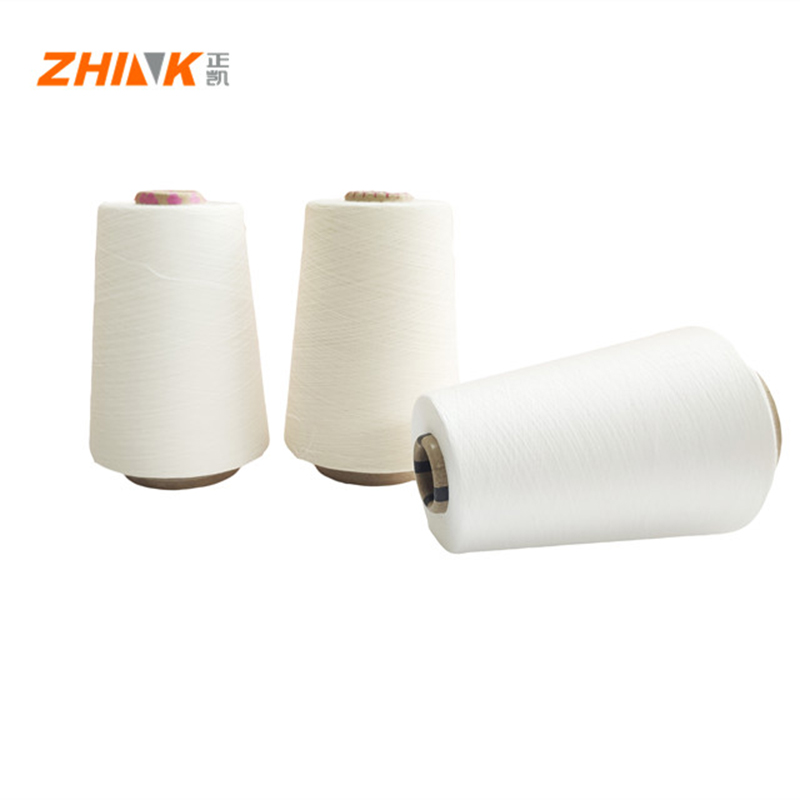
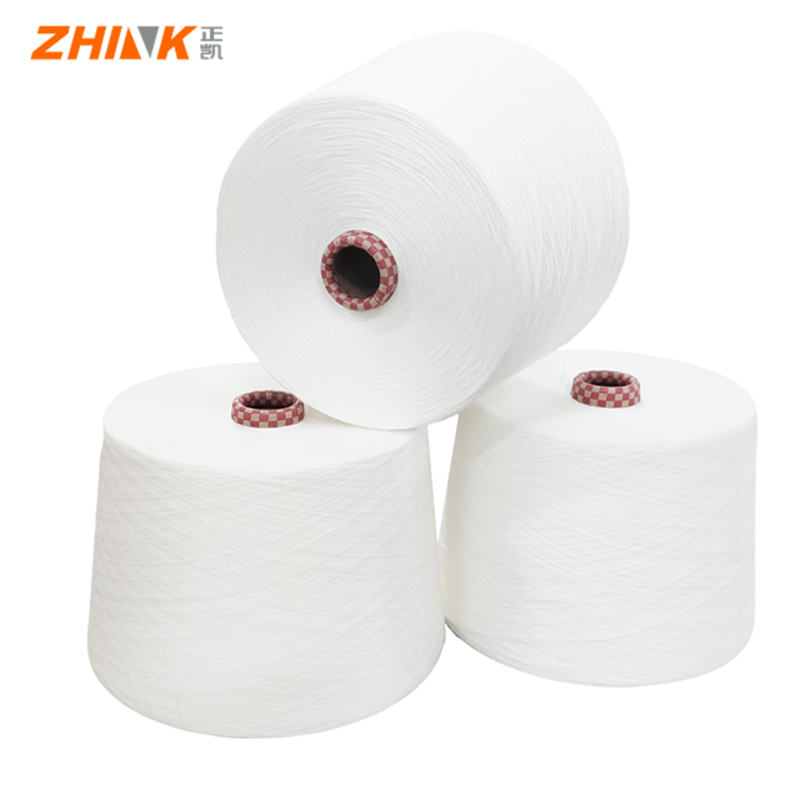
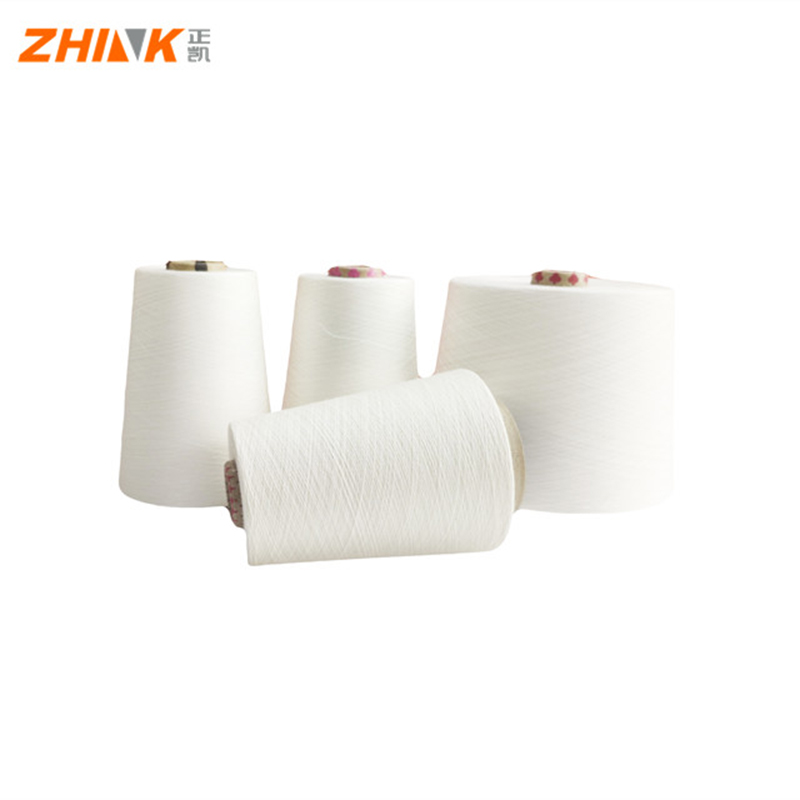
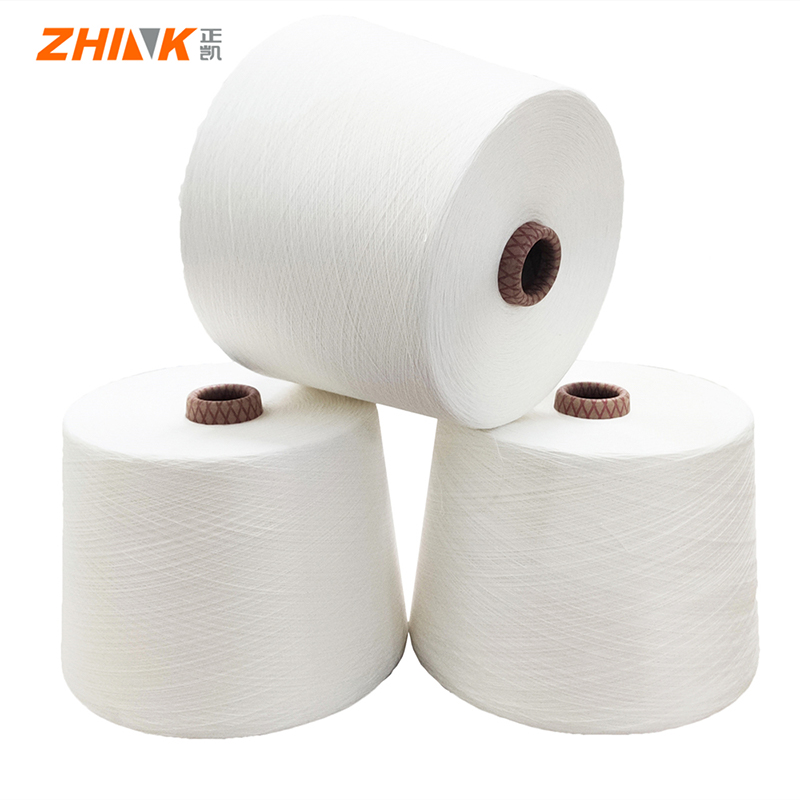
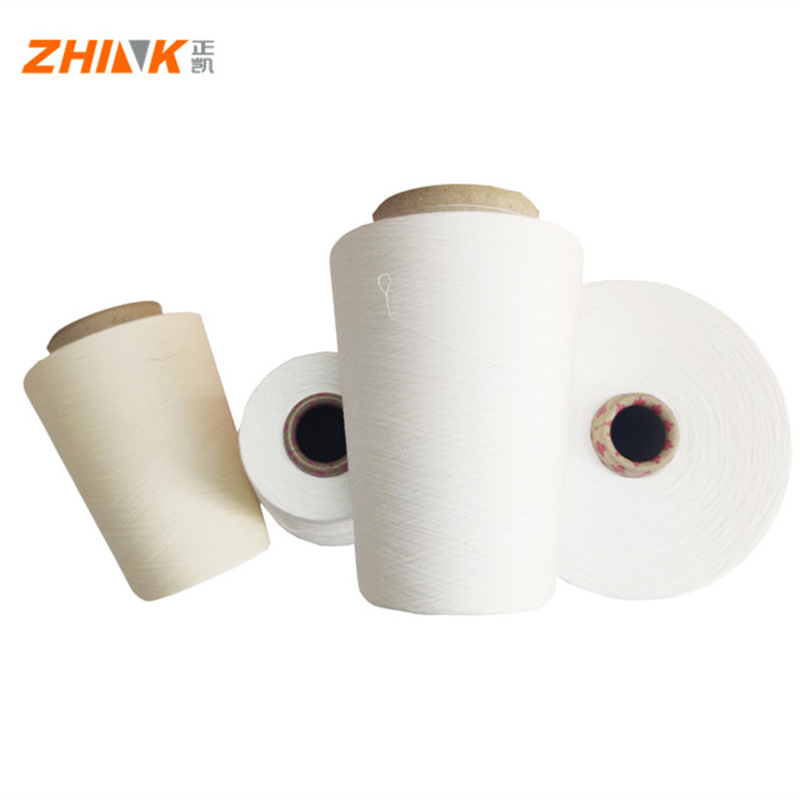
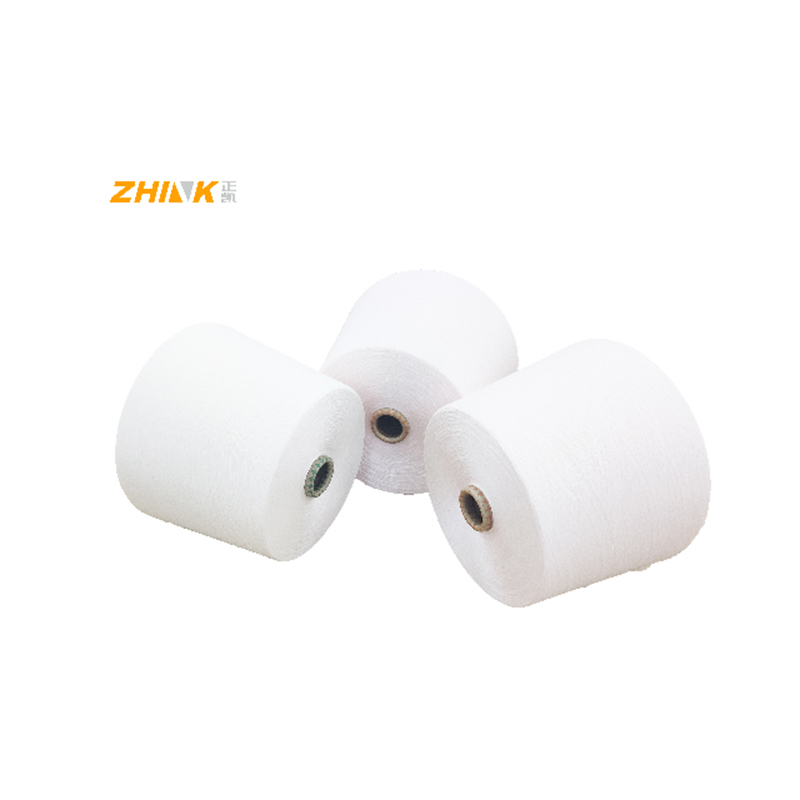
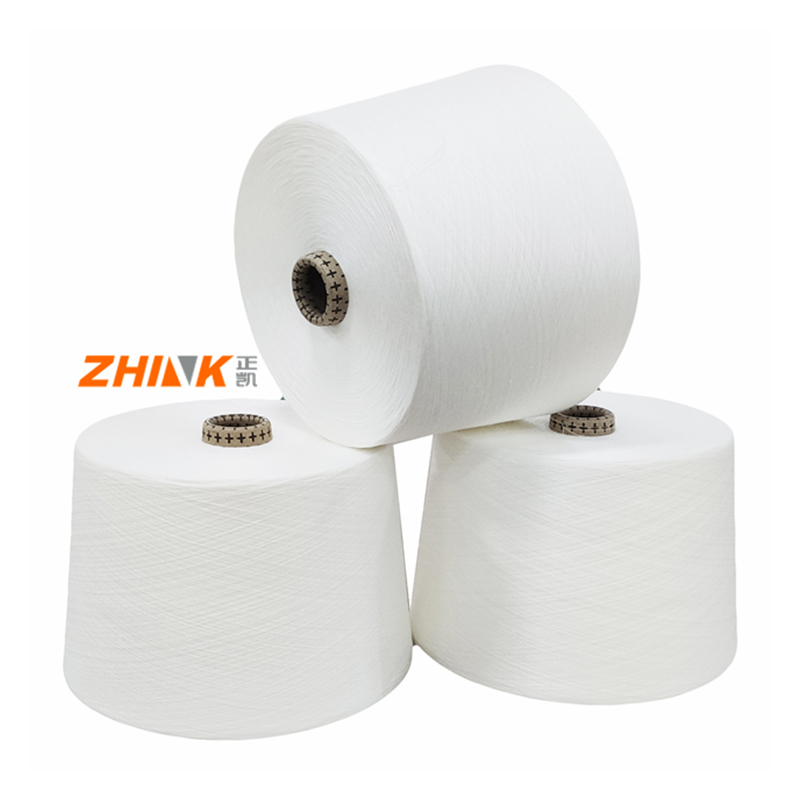
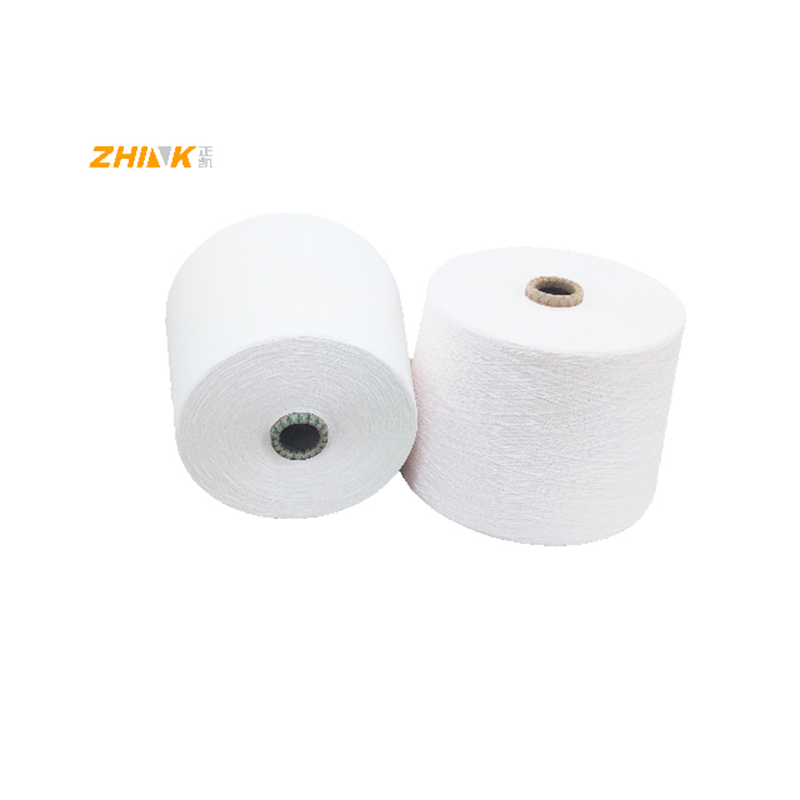
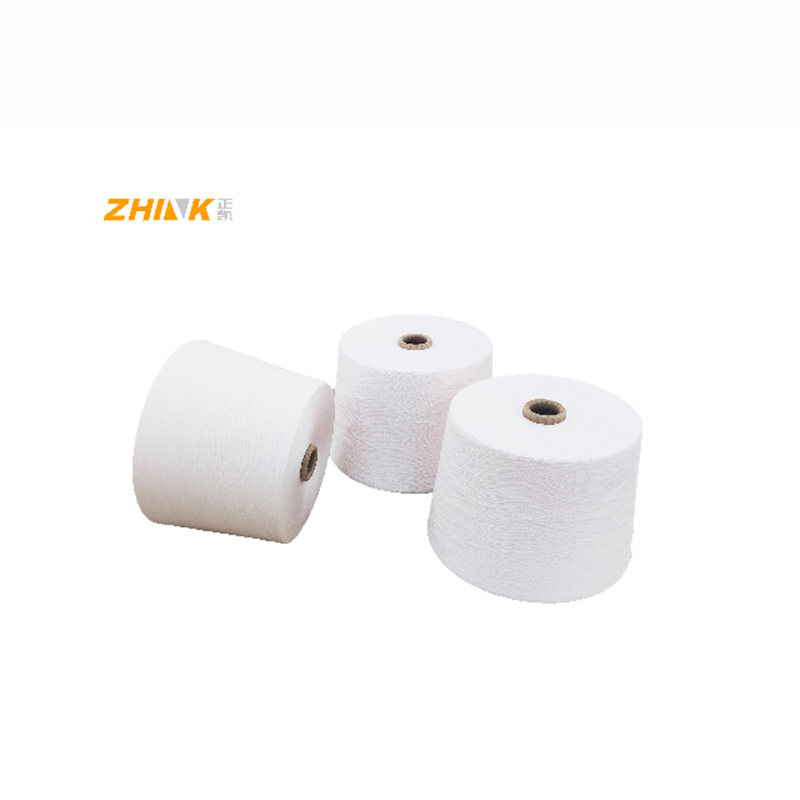
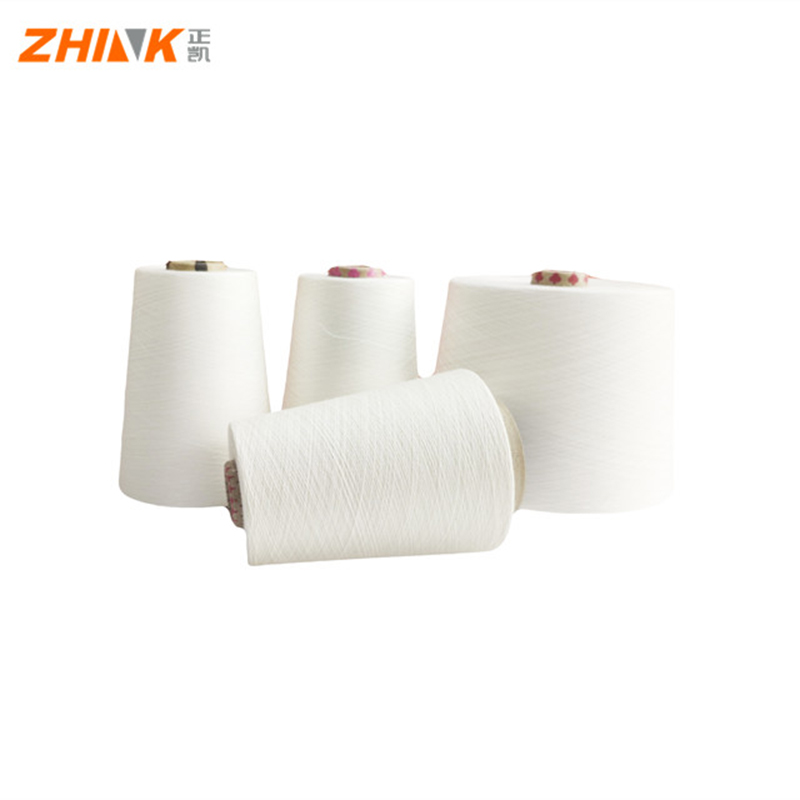
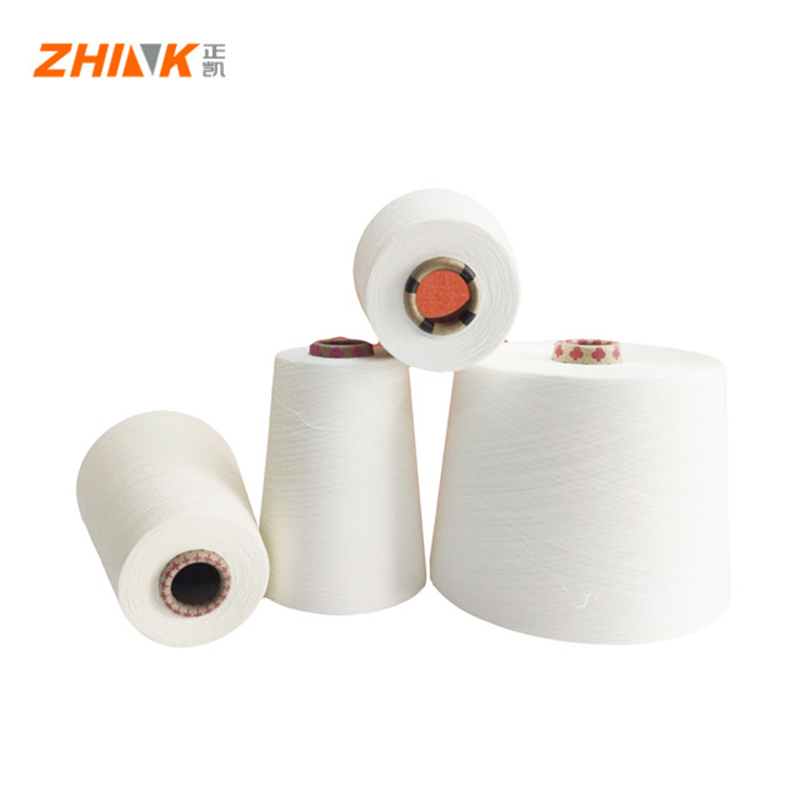
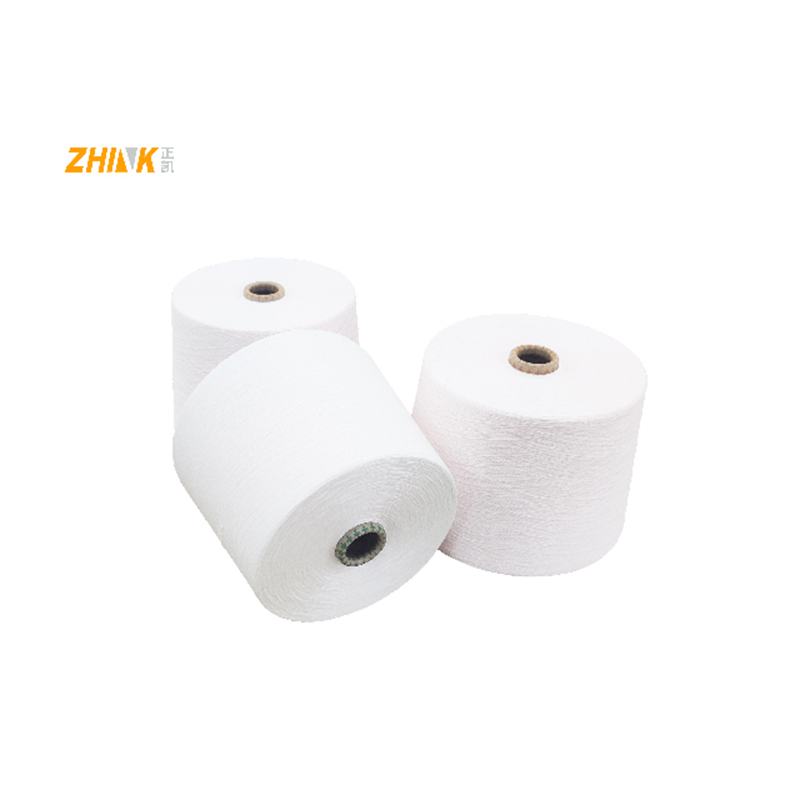
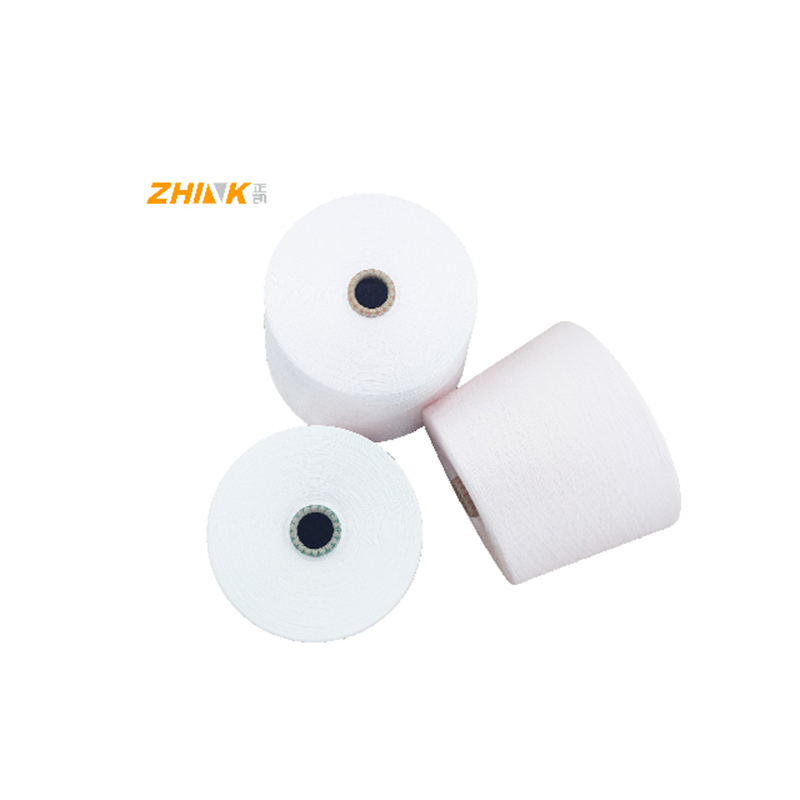
16s Cationic polyester yarn
The Intriguing World of 16s Cationic Polyester Yarn
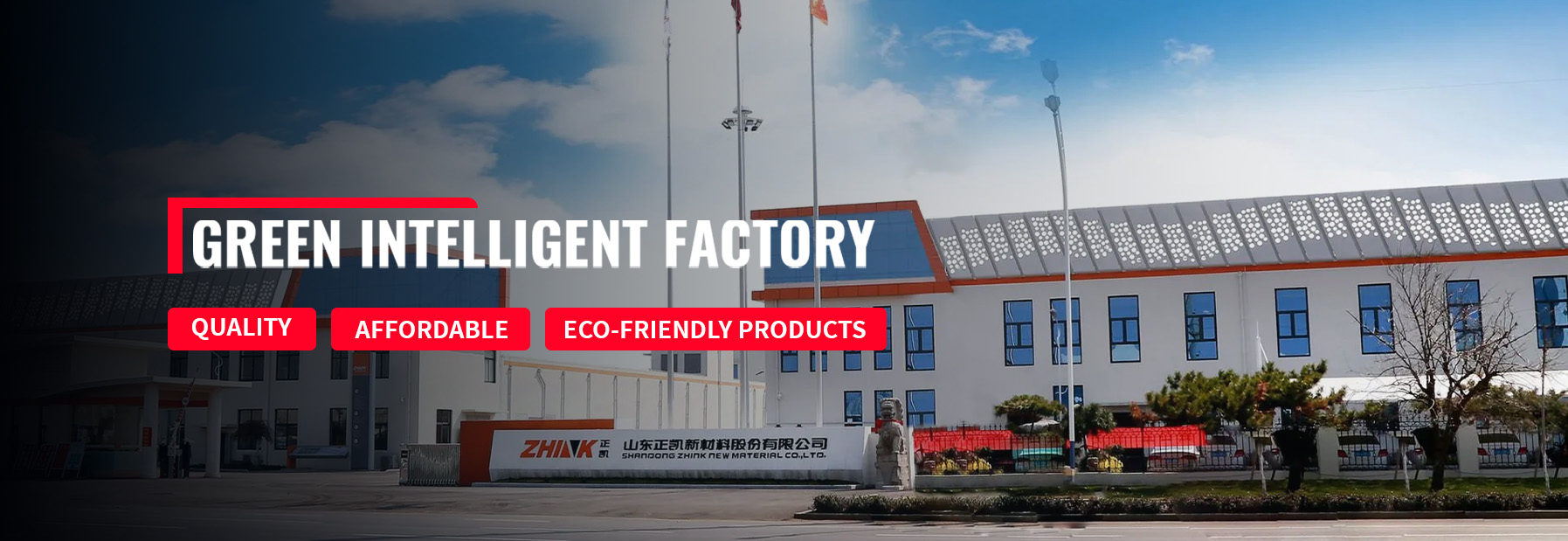
In the textile industry, there's a lot of buzz around the concept of 16s Cationic Polyester Yarn. Understanding its peculiarities and the reasons why manufacturers like SHANDONG ZHINK NEW MATERIAL CO., LTD (https://www.zhinkyarn.com) are investing in its development could shift your perspective on textile manufacturing.
What Makes 16s Cationic Polyester Unique?
When you're working with yarn, particularly 16s Cationic Polyester Yarn, its unique properties are what you often dwell upon. This type of polyester offers greater dyeability and excellent colorfastness. At first glance, that might sound like a minor tweak, but in actual textile applications, these are game-changers.
The cationic aspect refers to its reactive nature with dyes. This defines its color uptake and retention, crucial factors when you're looking at consistency across a batch of fabrics. It seems simple, yet achieving this reliably and in a cost-effective manner is where the expertise of companies like Zhink New Material comes into play.
At Zhink, the R&D team has spent countless hours perfecting this balance, which isn't as straightforward as it might appear. Every change in dye formulation can affect the final product's quality, so there's a constant dialogue between theory and hands-on adjustments.
Dyeability and Application Considerations
Why bother with such intricacies in dyeability? It's a fair question, particularly from those new to how textiles work. The hallmark of 16s Cationic Polyester is how it behaves under different dye processes. In an industry where the efficiency of dye uptake can translate to cost savings, this yarn offers a critical advantage.
Manufacturing isn't just about creating the product; it's about maintaining a balance between innovation and proven practices. In practice, it means lots of trial and error. I've often found value in just observing the initial dyeing process – something about seeing it in action bridges the gap between theory and practice.
The application is pretty far-reaching, inclusive of apparel, furnishings, and specialty fabrics. Yet, not every scenario plays out smoothly. Missed dye targets or unexpected color changes illustrate why close attention to every detail is non-negotiable.
Challenges in Production
Every textile manufacturer might come across unique hurdles during production. With 16s Cationic Polyester Yarn, issues often arise within the spectral consistency of dyes. Even experienced technicians might face a conundrum with a particularly stubborn batch that doesn't quite hit the mark.
Here, the value of a well-run development program like the one at Zhink New Material shines through. They focus not only on producing yarn but refining every step of the process, from molecular modifications to scalable production techniques.
In this context, quality control is not simply a final step but an ongoing process integrated into the workflow. It often feels like you're weaving through potential pitfalls, addressing them before they manifest significantly.
Practical Tips and Insights
Once you're in the field, a couple of practical tips stick out. First, meticulous record-keeping of every dye lot is invaluable. The little details can often offer insights into unforeseen variances. Also, adjusting to changing environmental conditions is a constant need – humidity shifts in the factory can wreak havoc on dye results.
Some might find the setup of monitoring systems or feedback loops tedious, but in my experience, they've paid dividends. This proactive approach to troubleshooting is what turns potential disaster into an opportunity for innovation.
Ultimately, the knowledge that you’re backed by a strong foundation of research and development, like that of SHANDONG ZHINK NEW MATERIAL CO., LTD, cannot be overstated.
Future Prospects
So, where does 16s Cationic Polyester Yarn go from here? It's a question that's best answered not just in anticipation of trends but by developing a robust pipeline for future innovations.
In a sense, it's about staying ahead not only through novelty but through refinement. The more we explore and understand its properties, the more we can push beyond current limitations and explore exciting new possibilities.
With an eye on the horizon and lessons learned from both successes and setbacks, the 16s Cationic Polyester Yarn continues to hold promise. As it stands, the blend of scientific understanding and practical expertise remains its strongest ally.
Related Products
Related Products