+86-632-3621866
- Chinese
- French
- German
- Portuguese
- Spanish
- Russian
- Japanese
- Korean
- Arabic
- Irish
- Greek
- Turkish
- Italian
- Danish
- Romanian
- Indonesian
- Czech
- Afrikaans
- Swedish
- Polish
- Basque
- Catalan
- Esperanto
- Hindi
- Lao
- Albanian
- Amharic
- Armenian
- Azerbaijani
- Belarusian
- Bengali
- Bosnian
- Bulgarian
- Cebuano
- Chichewa
- Corsican
- Croatian
- Dutch
- Estonian
- Filipino
- Finnish
- Frisian
- Galician
- Georgian
- Gujarati
- Haitian
- Hausa
- Hawaiian
- Hebrew
- Hmong
- Hungarian
- Icelandic
- Igbo
- Javanese
- Kannada
- Kazakh
- Khmer
- Kurdish
- Kyrgyz
- Latin
- Latvian
- Lithuanian
- Luxembou..
- Macedonian
- Malagasy
- Malay
- Malayalam
- Maltese
- Maori
- Marathi
- Mongolian
- Burmese
- Nepali
- Norwegian
- Pashto
- Persian
- Punjabi
- Serbian
- Sesotho
- Sinhala
- Slovak
- Slovenian
- Somali
- Samoan
- Scots Gaelic
- Shona
- Sindhi
- Sundanese
- Swahili
- Tajik
- Tamil
- Telugu
- Thai
- Ukrainian
- Urdu
- Uzbek
- Vietnamese
- Welsh
- Xhosa
- Yiddish
- Yoruba
- Zulu
- Kinyarwanda
- Tatar
- Oriya
- Turkmen
- Uyghur



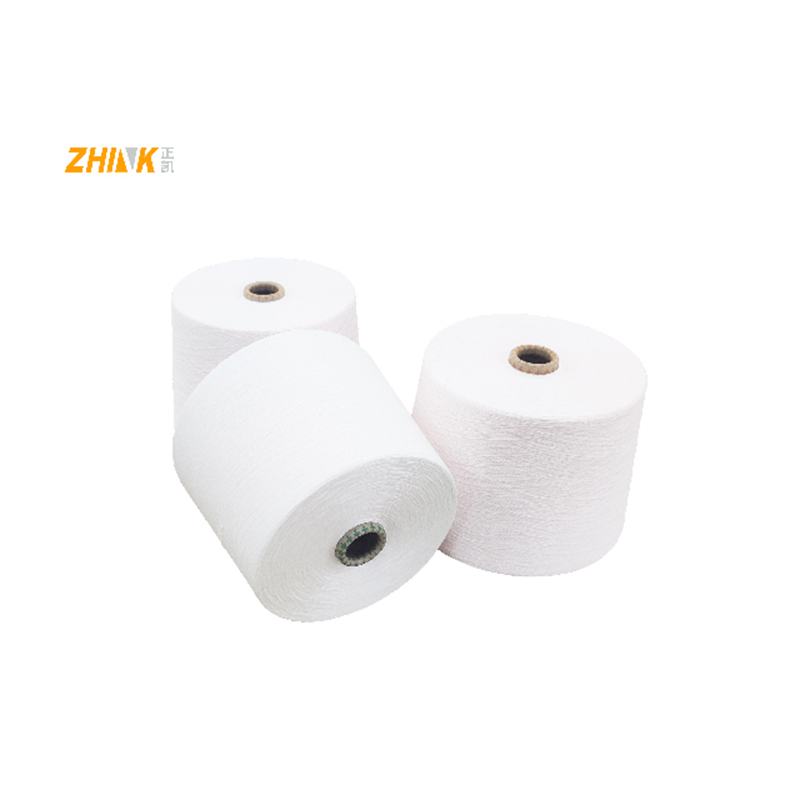
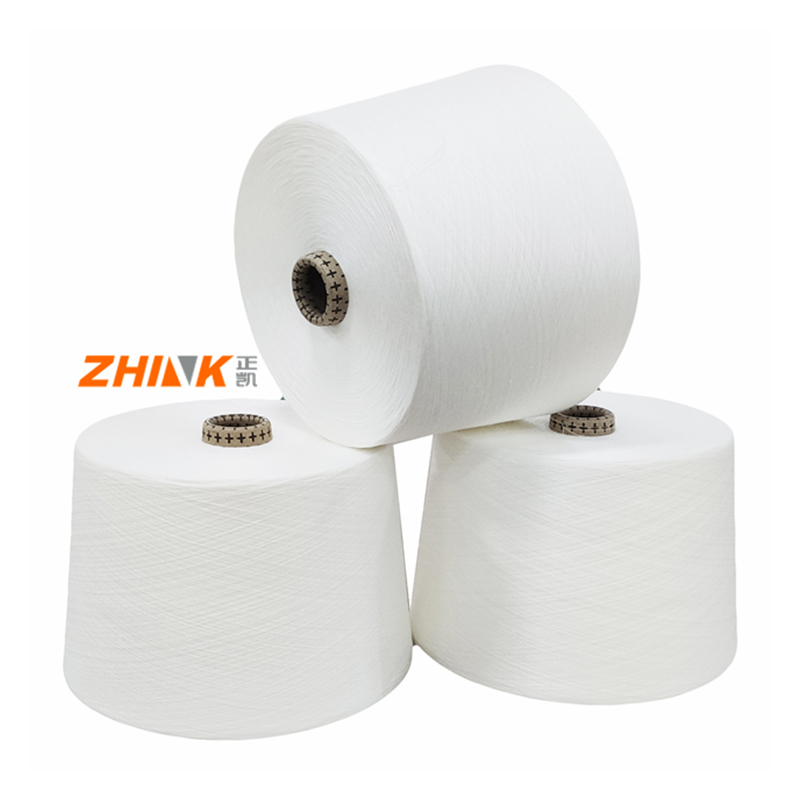
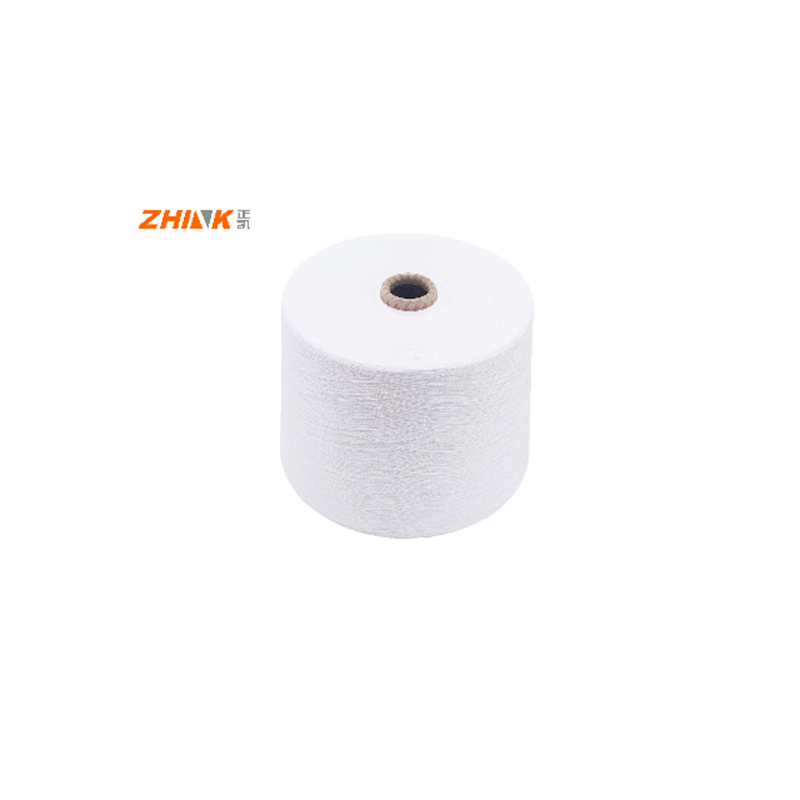
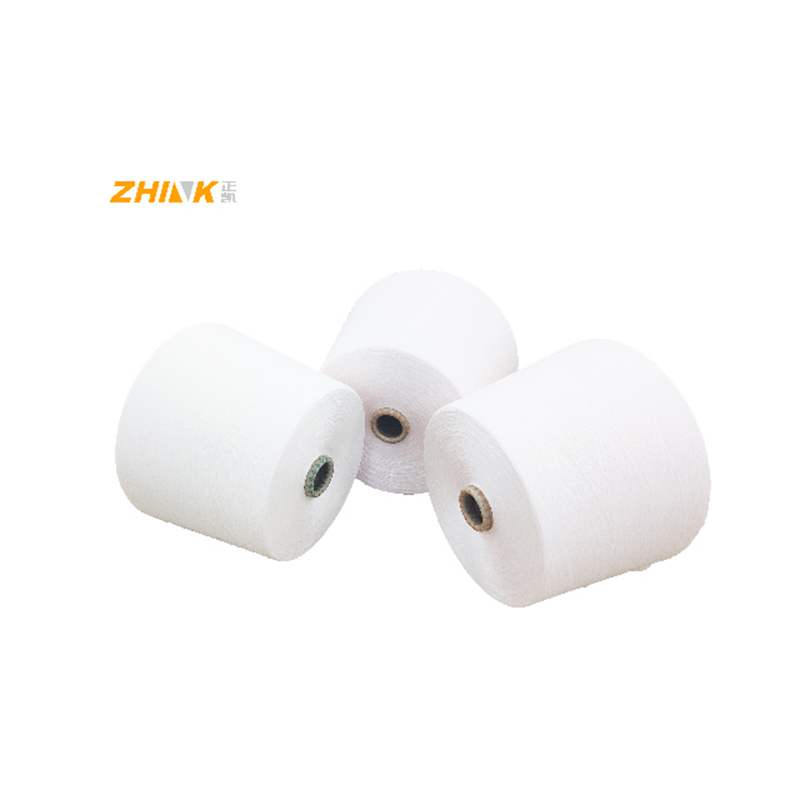
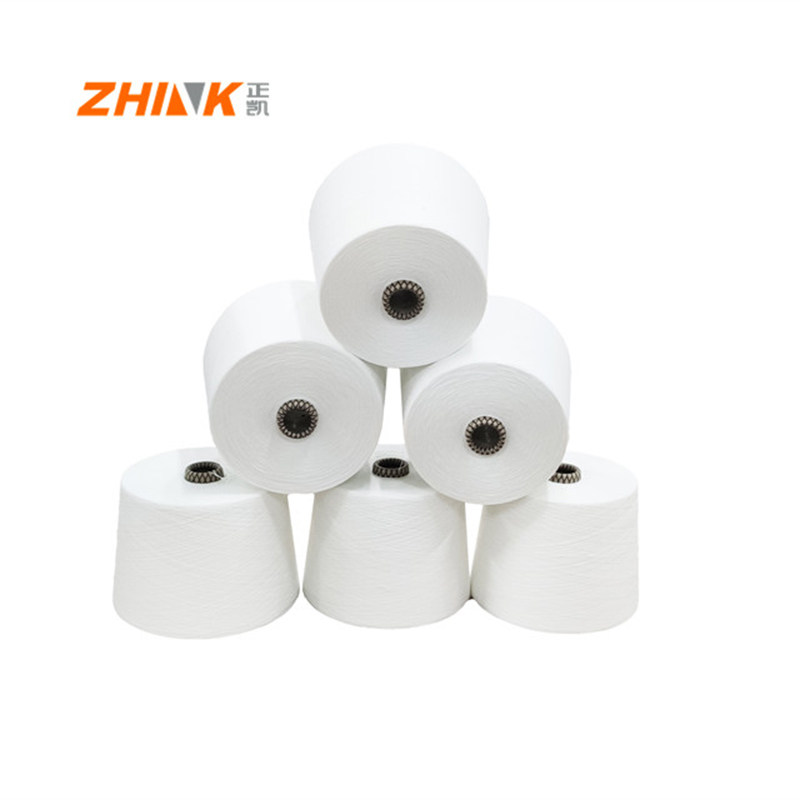
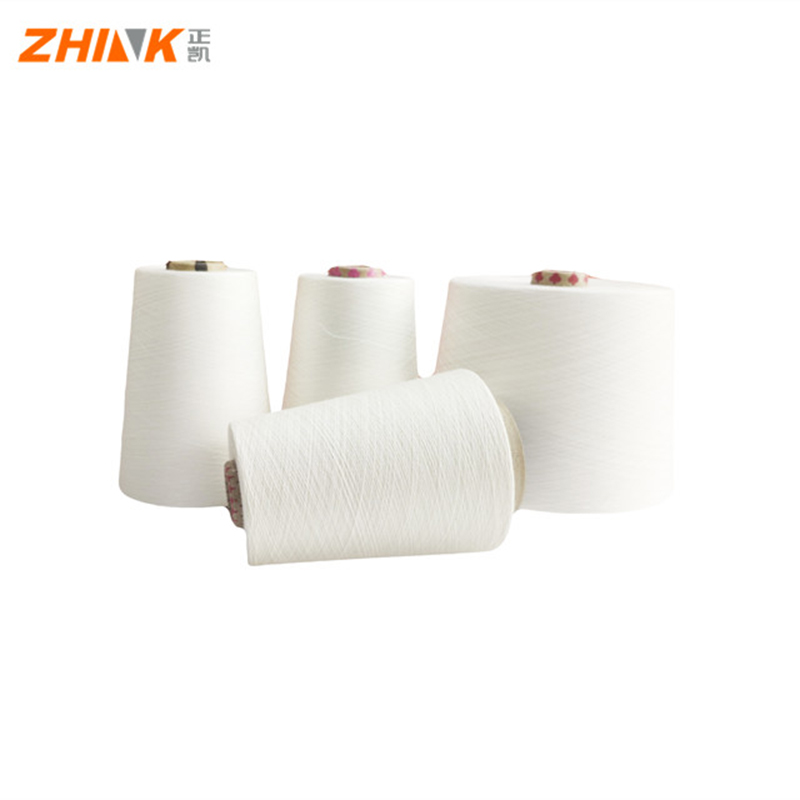
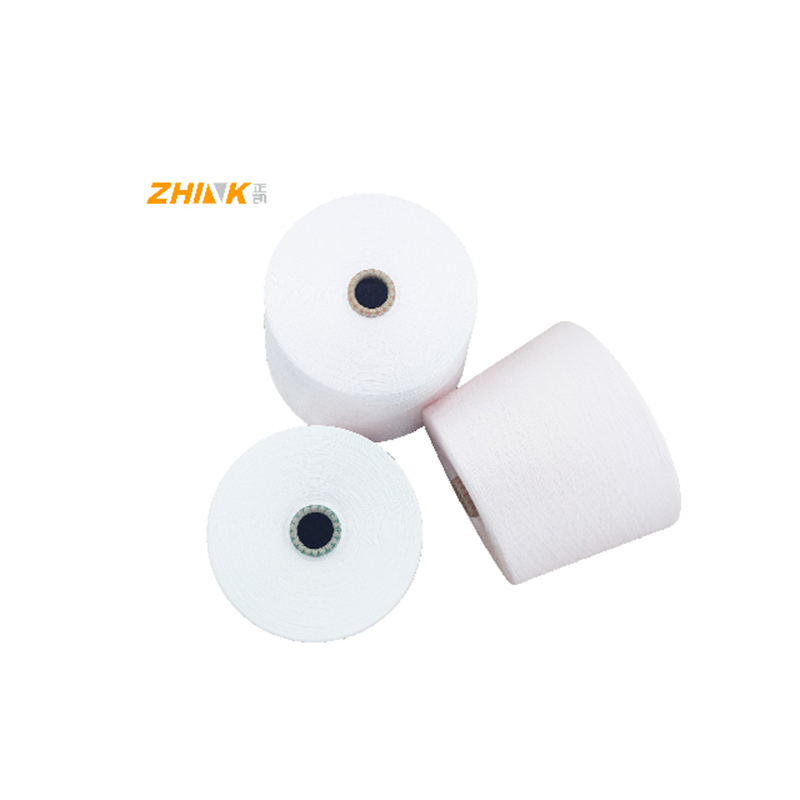
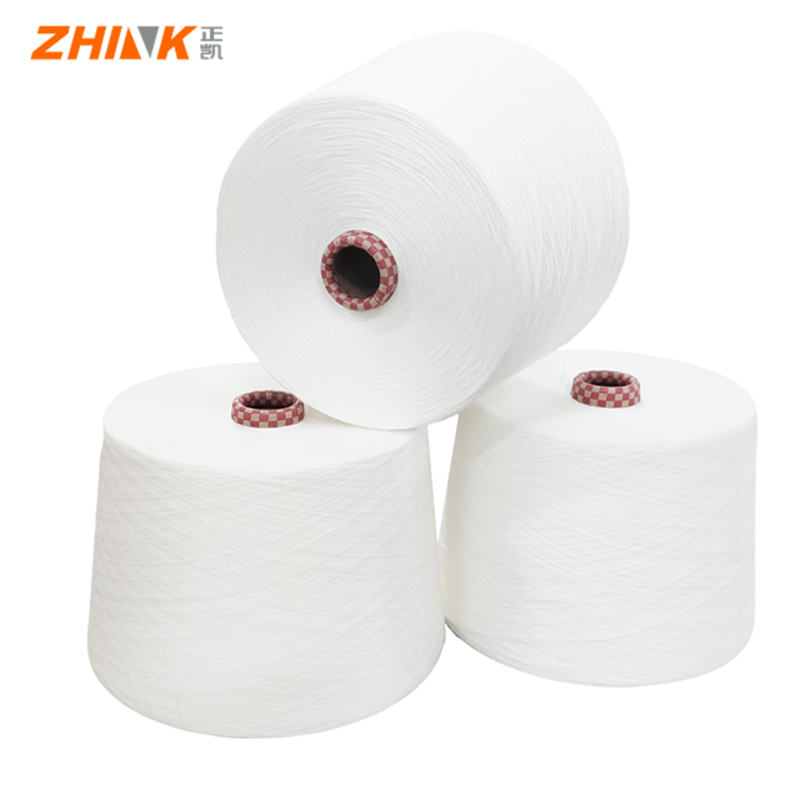
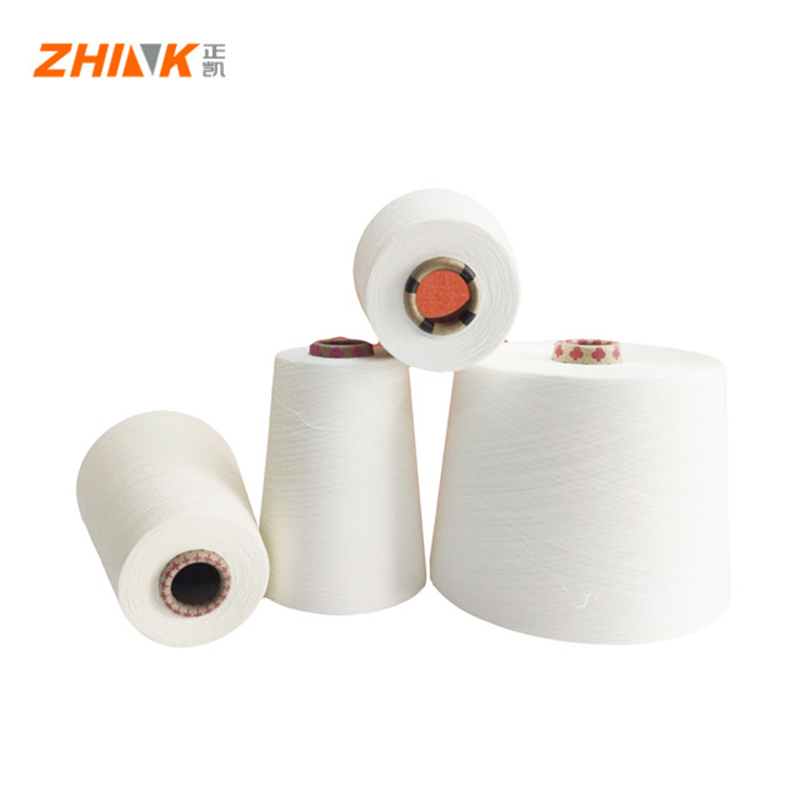
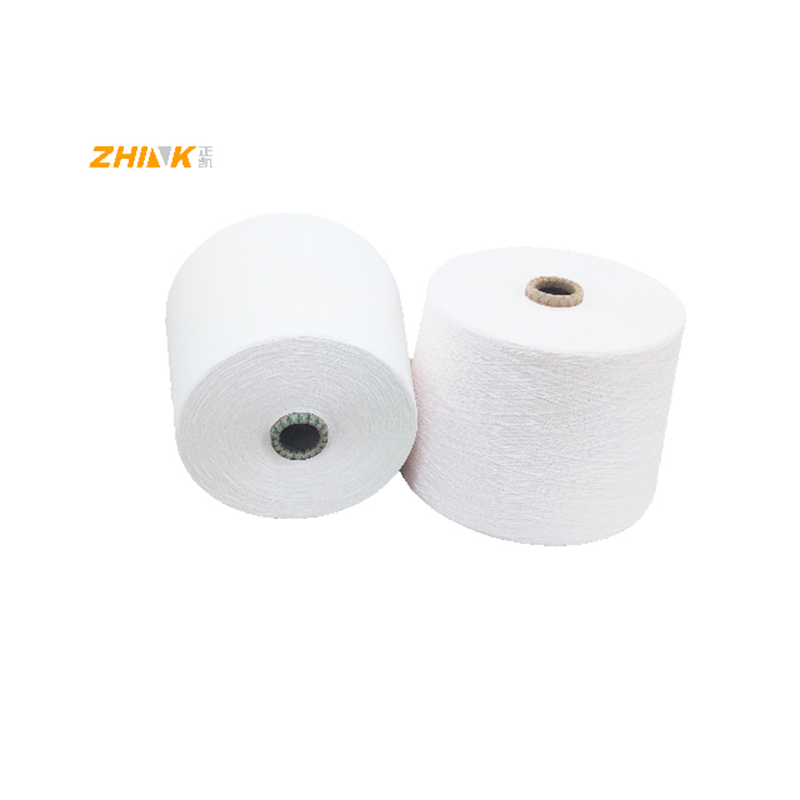
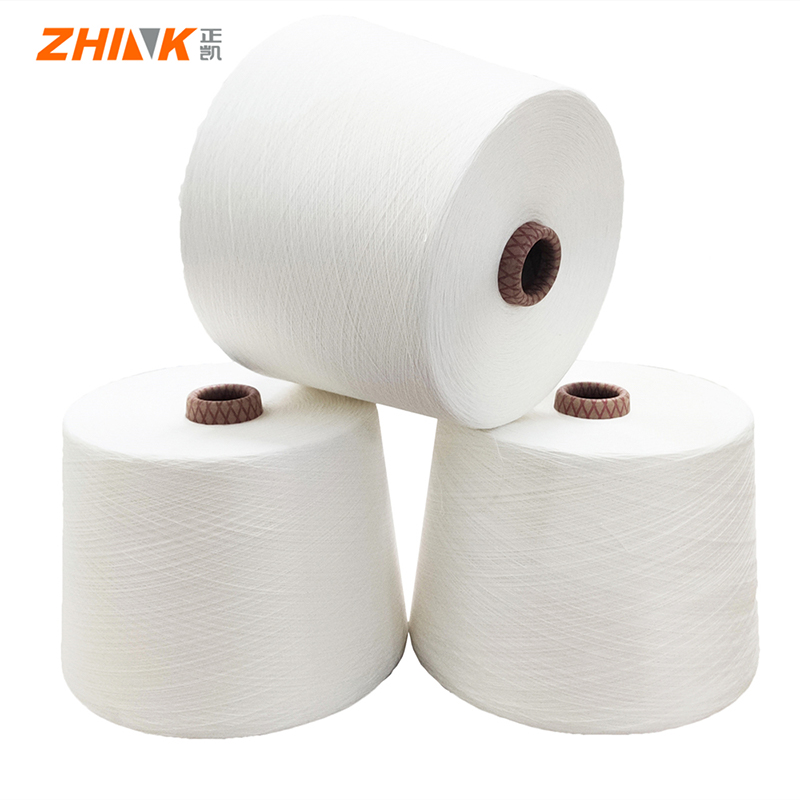
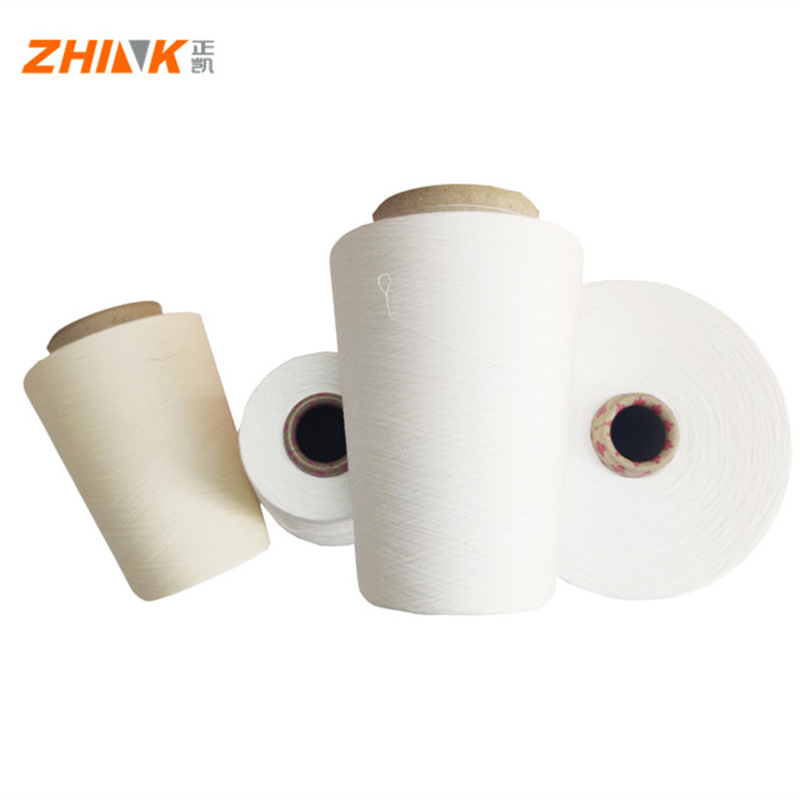
16s Flame retardant polyester yarn
The Practical Insights on 16s Flame Retardant Polyester Yarn
Flame retardant polyester yarns have become fundamental in safety-oriented textiles. Particularly, the 16s Flame Retardant Polyester Yarn variant stands out. Yet, there seems to be a gap between understanding its significance and implementing it effectively. Here’s a dive into real-world insights, challenges, and considerations.
Understanding Flame Retardancy in Textiles
At its core, flame retardancy in textile materials is about safety, controlling the spread of fire. The term often gets thrown around in the industry, but not everyone comprehends its intricacies. When dealing with a specific gauge like 16s, it’s crucial to balance weight and sturdiness to ensure it serves its protective purpose without sacrificing quality.
During my tenure in textile research, one frequent oversight I noticed was the assumption that all flame retardant materials behave similarly. Reality teaches otherwise. Each variant, including the 16s, interacts differently with environmental factors. This complexity requires a meticulous selection aligned with the precise application needs.
For instance, when working on a project that demanded adaptability in both temperature extremes and moisture exposure, the precise characteristics of the 16s variant proved invaluable. Its resilience in such conditions is something not every yarn can boast.
Technical Specifications and Real-world Applications
The term 16s directly relates to the yarn count, influencing thickness and texture. However, what really stands apart is how these yarns perform in fire scenarios; a detail that can often be overlooked in theoretical discussions. From outdoor gear to industrial fabrics, the assurance of safety must be rooted in proven tests and standards.
One particular scenario comes to mind where a major client needed a synthetic solution replicating the firmness of their existing material but with enhanced flame resistance. The 16s offered the right balance, satisfying both tactile and safety requirements without compromise.
Such specifications demand that manufacturers, like SHANDONG ZHINK NEW MATERIAL CO., LTD, apply rigorous R&D. Their dedicated focus, as mentioned on their site here, addresses this essential intersection of safety and functionality.
Challenges in Production and Material Consistency
While the benefits are clear, challenges in producing 16s Flame Retardant Polyester Yarn should not be understated. Achieving uniformity across batches is vital. Even minimal variations in production can lead to disparities impacting flame retardant efficacy.
In one production cycle, a minor oversight in the raw material mix led to a noticeable change in the yarn's texture—an important lesson in quality control. Maintaining consistency is a continual battle but wholly necessary for reliability.
This is where Zhink New Material's commitment to development processes shines, as they constantly refine techniques to prevent such discrepancies, ensuring that their final product is both dependable and resilient.
Market Implications and Consumer Requirements
Market demands are shifting; end-users are better informed and more discerning. Thus, transparency in flame retardancy and performance claims becomes pivotal. To win consumer trust, evidential backing through certifications and practical demonstrations is non-negotiable.
My own interactions with consumers reveal a critical need for logical explanations relating to how these noxious interactions between flame and polyester yarn are mitigated. Education on these points fosters informed purchasing decisions.
Companies like Zhink New Material, with their proactive educational outreach, are paving the way in this domain. By openly sharing technical details and real-world results, they empower consumers to make better choices.
Future Prospects and Innovations
As environmental concerns grow, innovations in flame retardant solutions are inevitable. Transitioning towards eco-friendlier methods without sacrificing effectiveness will dictate future developments in textile materials.
Interestingly, recent academic collaborations hint at potential breakthroughs using bio-based or recycled components merged with traditional techniques. These advancements could very well redefine the standards currently held.
Continued investment into research, much like that pursued by SHANDONG ZHINK NEW MATERIAL CO., LTD, will be crucial. This ongoing dialogue between industry stakeholders ensures that the evolution of textiles not only meets regulatory needs but exceeds them, setting new benchmarks in safety and sustainability.
Related Products
Related Products