+86-632-3621866
- Chinese
- French
- German
- Portuguese
- Spanish
- Russian
- Japanese
- Korean
- Arabic
- Irish
- Greek
- Turkish
- Italian
- Danish
- Romanian
- Indonesian
- Czech
- Afrikaans
- Swedish
- Polish
- Basque
- Catalan
- Esperanto
- Hindi
- Lao
- Albanian
- Amharic
- Armenian
- Azerbaijani
- Belarusian
- Bengali
- Bosnian
- Bulgarian
- Cebuano
- Chichewa
- Corsican
- Croatian
- Dutch
- Estonian
- Filipino
- Finnish
- Frisian
- Galician
- Georgian
- Gujarati
- Haitian
- Hausa
- Hawaiian
- Hebrew
- Hmong
- Hungarian
- Icelandic
- Igbo
- Javanese
- Kannada
- Kazakh
- Khmer
- Kurdish
- Kyrgyz
- Latin
- Latvian
- Lithuanian
- Luxembou..
- Macedonian
- Malagasy
- Malay
- Malayalam
- Maltese
- Maori
- Marathi
- Mongolian
- Burmese
- Nepali
- Norwegian
- Pashto
- Persian
- Punjabi
- Serbian
- Sesotho
- Sinhala
- Slovak
- Slovenian
- Somali
- Samoan
- Scots Gaelic
- Shona
- Sindhi
- Sundanese
- Swahili
- Tajik
- Tamil
- Telugu
- Thai
- Ukrainian
- Urdu
- Uzbek
- Vietnamese
- Welsh
- Xhosa
- Yiddish
- Yoruba
- Zulu
- Kinyarwanda
- Tatar
- Oriya
- Turkmen
- Uyghur



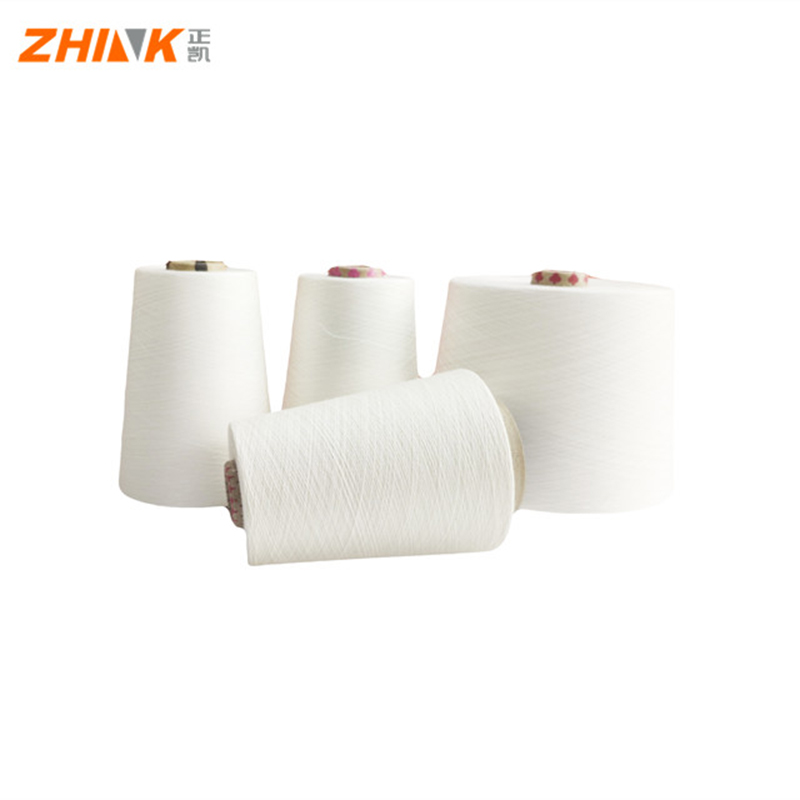
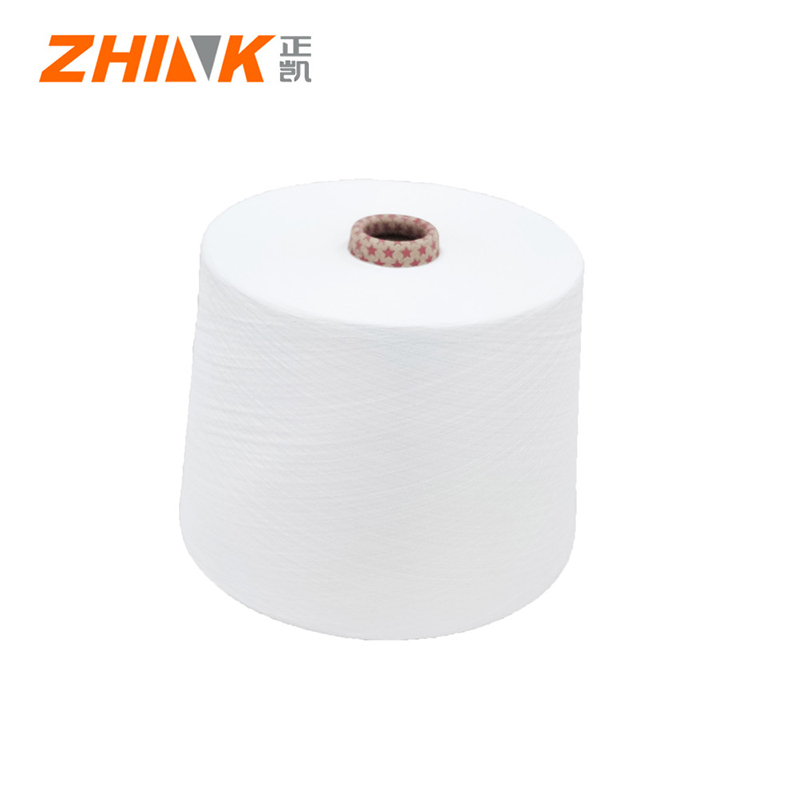
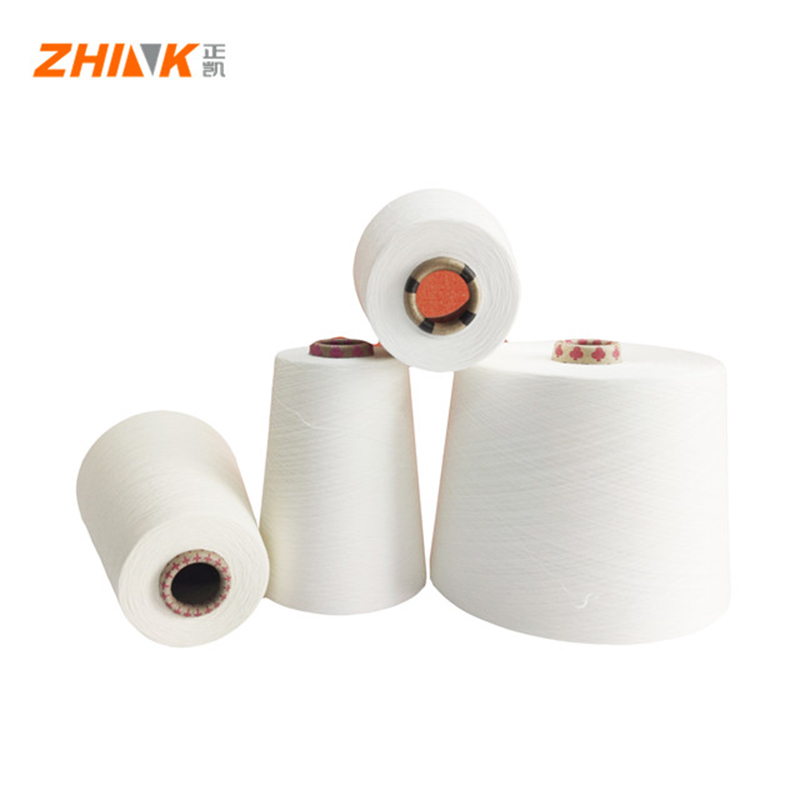
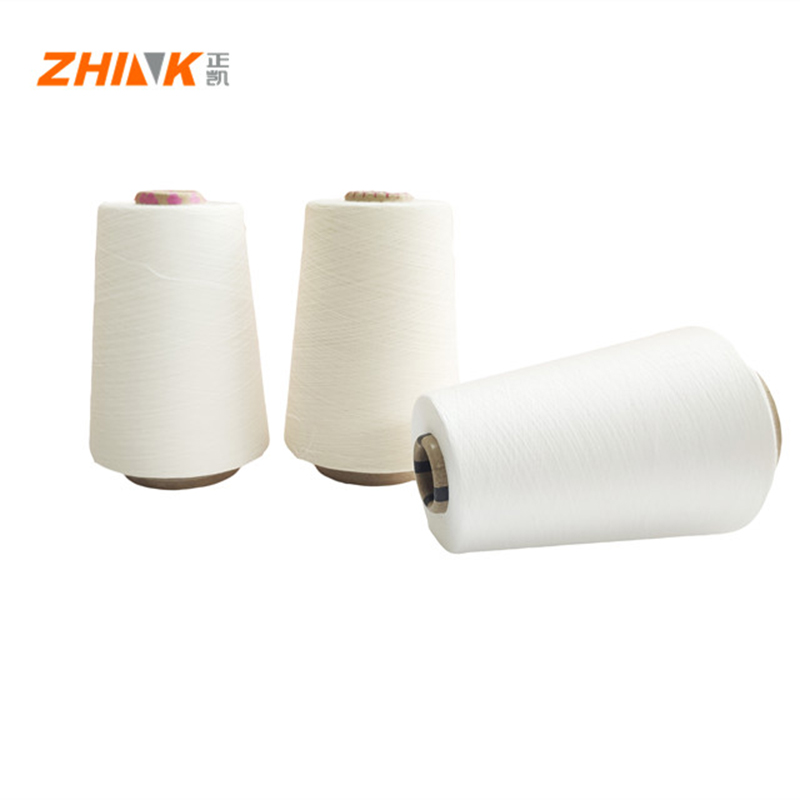
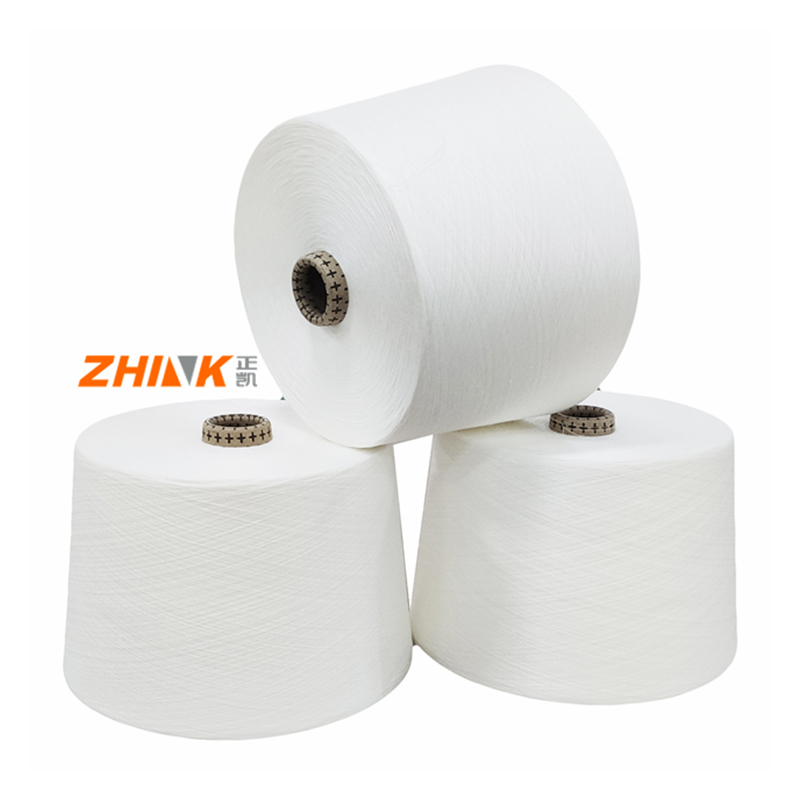
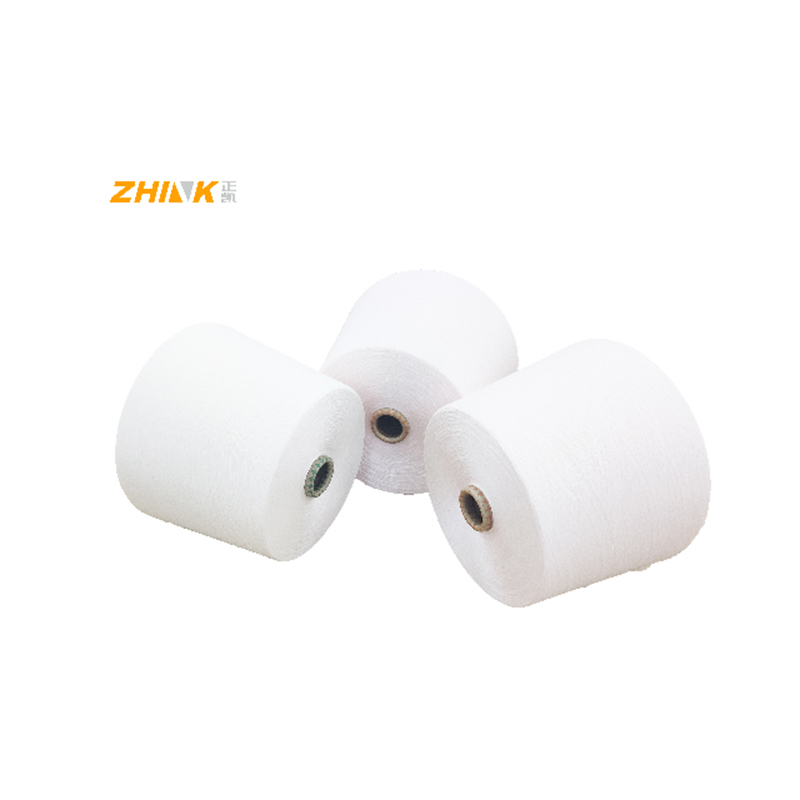
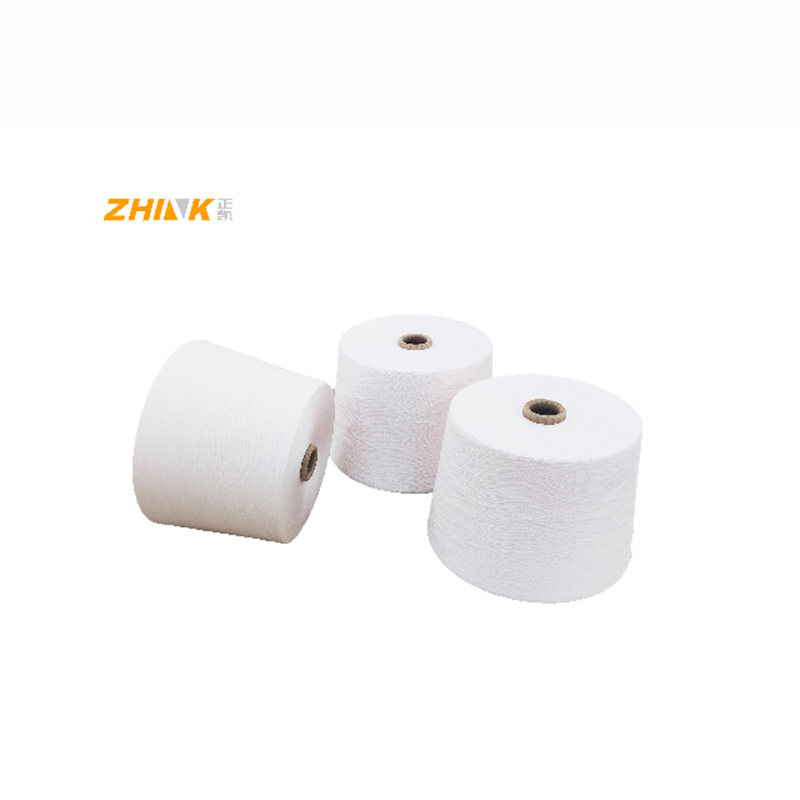
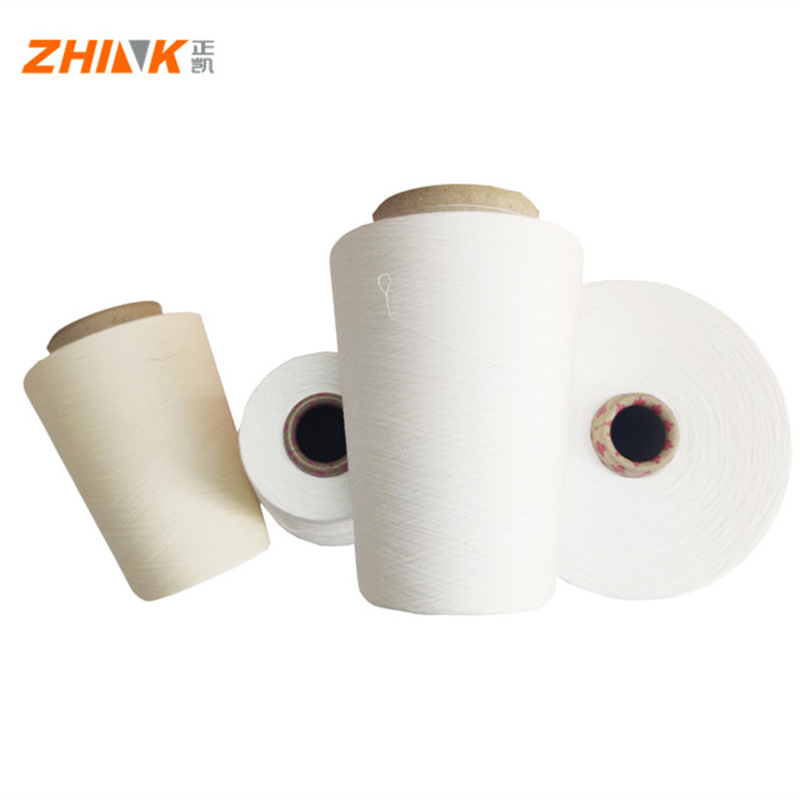
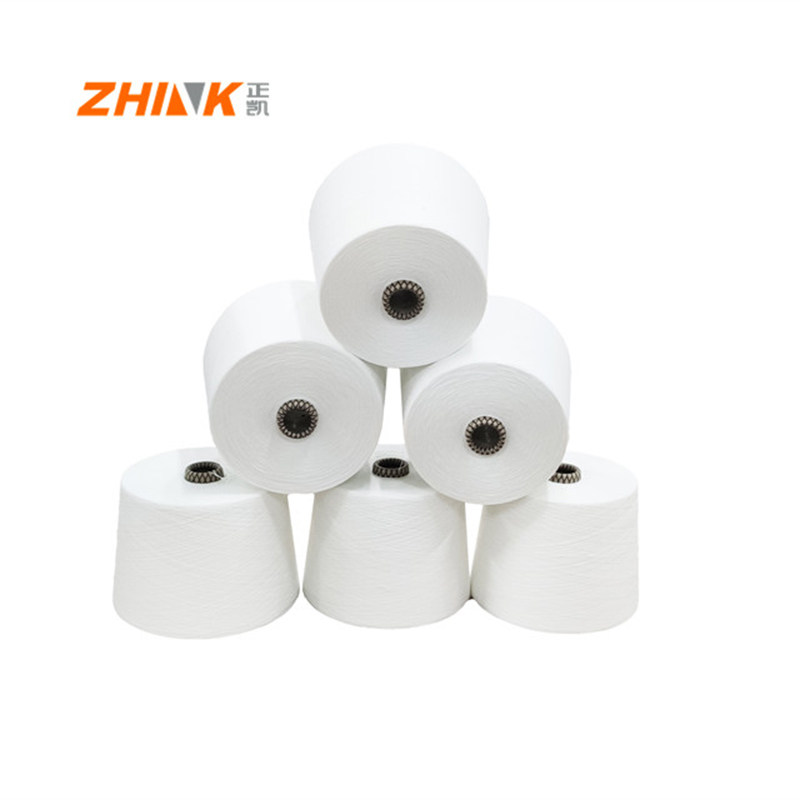
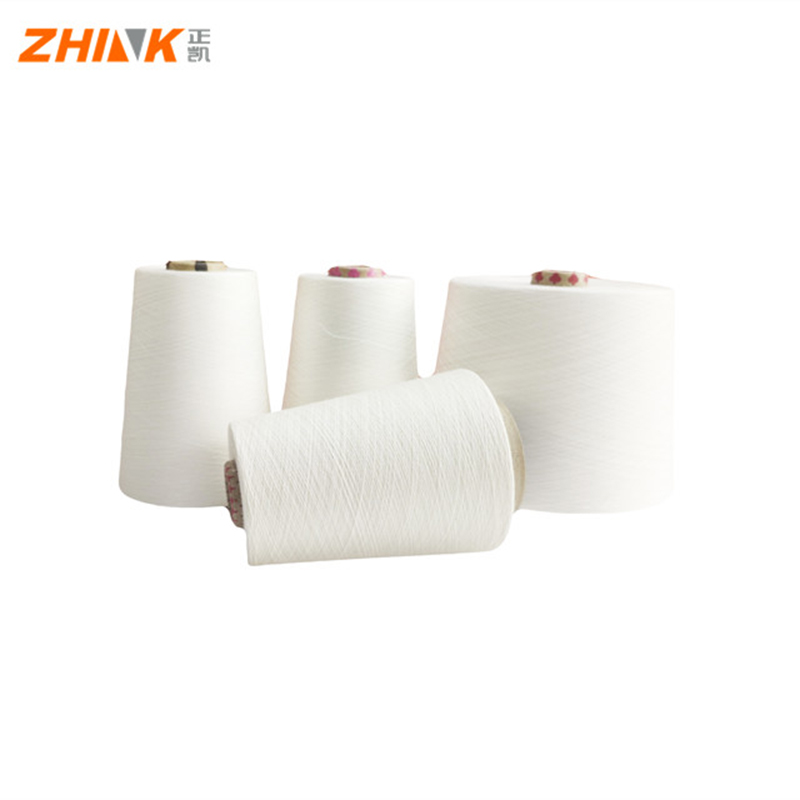
16s polyester yarn
Understanding 16s Polyester Yarn in Textile Manufacturing
The world of textiles is as complex as it is fascinating. When it comes to 16s polyester yarn, there’s often a mix of curiosity and confusion. What makes it different? How is it utilized in the industry? These are common questions I’ve often heard throughout my years in textile production.
The Basics of 16s Polyester Yarn
First off, let’s get into what “16s” means. It's all about the yarn count. In simple terms, the “s” stands for the number of 840-yard lengths of yarn that make up one pound. A 16s yarn is relatively coarse, making it suited for specific applications. It has this unique capability of balancing strength and flexibility, which makes it a favorite in certain fabrications.
In my experience, this type of yarn is particularly useful in making heavier weight fabrics. Think workwear or certain types of home textiles. It’s not about being fancy, but more about durability and functionality. The 16s polyester yarn has its set of strengths that really shine in the right context.
However, this doesn’t mean it’s just about toughness. The polyester aspect gives it a bit more of a polished finish compared to natural fibers. In practice, this means you can often find it being used where both strength and aesthetics are needed, like in upholstery fabrics.
The Role of Zhink New Material in Polyester Yarn Development
Shandong Zhink New Material Co., Ltd (ZHINK NEW MATERIAL) has become quite the name here, particularly with their focus on innovation. Their expertise in the research and development of new textile materials has given them a unique edge. Check out their offerings at zhinkyarn.com. They’ve been making significant strides in producing more sustainable and advanced polyester yarns.
What impresses me about Zhink is their commitment to quality and innovation. They don’t just produce yarn; they dissect the needs of modern textiles and deliver materials that keep up with trends and functionality requirements. Their 16s polyester yarn is a testament to this commitment, serving diverse sectors from fashion to industrial applications.
In practice, their yarns have been used in several sustainable textile projects, particularly those that focus on reducing the environmental footprint while maintaining product integrity. It’s this intersection of innovation and responsibility that really sets them apart among textile manufacturers.
Challenges and Considerations in Using 16s Polyester Yarn
Using 16s polyester yarn isn’t without its challenges. One thing I’ve noticed is the handling process. Since it’s relatively coarser, the machinery setup needs to be spot on. Calibration errors can easily lead to breakages, which is costly. This makes attention to detail crucial when switching production from finer yarns to 16s.
I’ve also observed that colorfastness can sometimes be an issue, especially when working with intense dyes. Polyester is notoriously tricky with dye absorption, so when experimenting with colors, especially for fashion textiles, pretests are invaluable.
Another aspect to consider is blending. While polyester on its own is robust, blending with cotton or viscose can improve the fabric’s tactile properties. It's a balancing act between maintaining the inherent strengths of polyester and improving overall fabric comfort. This is where experience really comes into play, knowing which blends work best for specific end uses.
Applications in Everyday Textiles
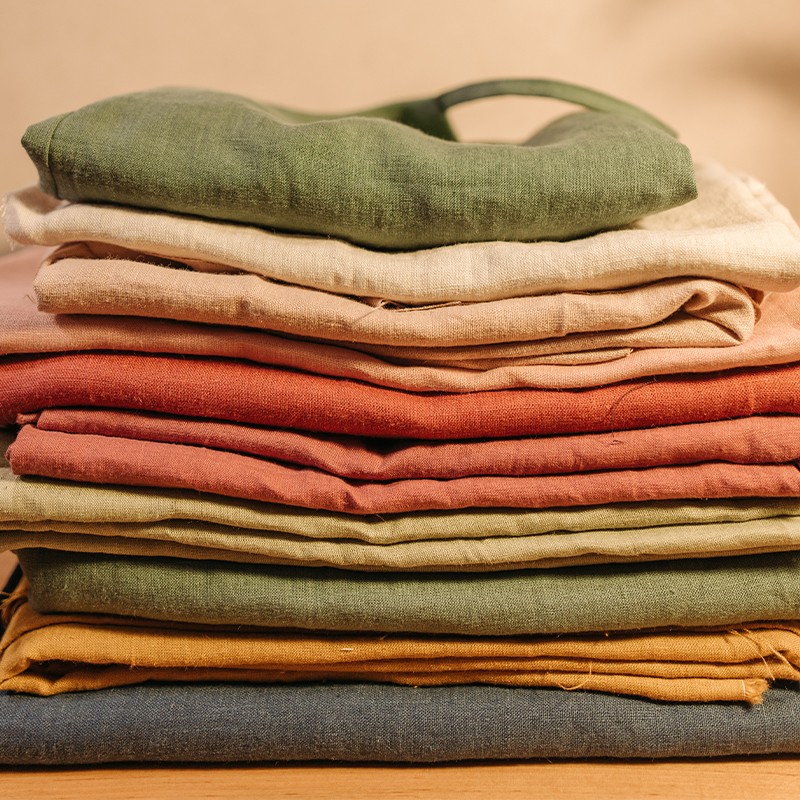
Beyond the industry and technicalities, what does the use of 16s polyester yarn look like from a consumer perspective? Well, you might be more familiar with it than you realize. Many durable garments and textiles, especially those you’d find in outdoor or repetitive use scenarios, incorporate this type of yarn.
Take, for example, heavy-duty aprons or certain sports uniforms. These items are designed to take a beating, both in use and in wash cycles. The yarn’s robust nature ensures longevity, which is a crucial selling point for such products.
That's not to say it's all about bulk fabrics. I've even seen it creeping into trendier casual fashion lines, offering a surprising level of durability without sacrificing style. This dual nature of polyester is what helps it maintain a stronghold in textile manufacturing.
Innovations and Future Directions
What does the future hold for 16s polyester yarn? As sustainability becomes more of a priority, I suspect we’ll see continued innovations here. Companies like Zhink are already paving the way by incorporating recycled materials into their yarn production process.
This not only addresses environmental concerns but also pushes the boundaries of what’s possible with polyester. Such advancements will likely widen the scope of where 16s polyester can be applied, making it an even more versatile choice for manufacturers.
The challenge now is balancing sustainability with the performance aspects that make 16s polyester yarn indispensable. And from what I’ve observed, it’s a challenge that the industry is more than eager to tackle.
Related Products
Related Products