+86-632-3621866
- Chinese
- French
- German
- Portuguese
- Spanish
- Russian
- Japanese
- Korean
- Arabic
- Irish
- Greek
- Turkish
- Italian
- Danish
- Romanian
- Indonesian
- Czech
- Afrikaans
- Swedish
- Polish
- Basque
- Catalan
- Esperanto
- Hindi
- Lao
- Albanian
- Amharic
- Armenian
- Azerbaijani
- Belarusian
- Bengali
- Bosnian
- Bulgarian
- Cebuano
- Chichewa
- Corsican
- Croatian
- Dutch
- Estonian
- Filipino
- Finnish
- Frisian
- Galician
- Georgian
- Gujarati
- Haitian
- Hausa
- Hawaiian
- Hebrew
- Hmong
- Hungarian
- Icelandic
- Igbo
- Javanese
- Kannada
- Kazakh
- Khmer
- Kurdish
- Kyrgyz
- Latin
- Latvian
- Lithuanian
- Luxembou..
- Macedonian
- Malagasy
- Malay
- Malayalam
- Maltese
- Maori
- Marathi
- Mongolian
- Burmese
- Nepali
- Norwegian
- Pashto
- Persian
- Punjabi
- Serbian
- Sesotho
- Sinhala
- Slovak
- Slovenian
- Somali
- Samoan
- Scots Gaelic
- Shona
- Sindhi
- Sundanese
- Swahili
- Tajik
- Tamil
- Telugu
- Thai
- Ukrainian
- Urdu
- Uzbek
- Vietnamese
- Welsh
- Xhosa
- Yiddish
- Yoruba
- Zulu
- Kinyarwanda
- Tatar
- Oriya
- Turkmen
- Uyghur


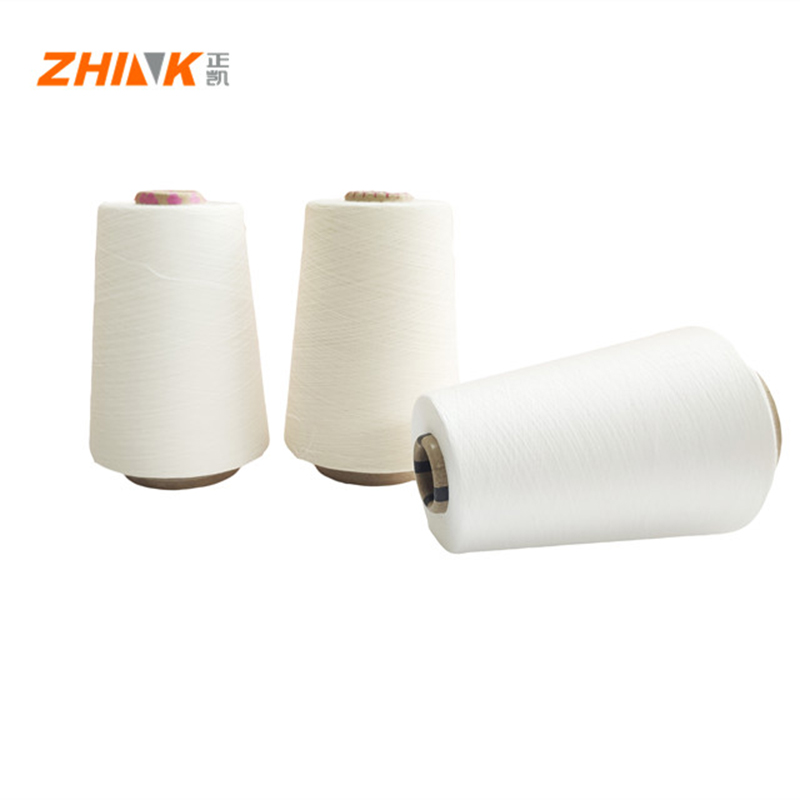
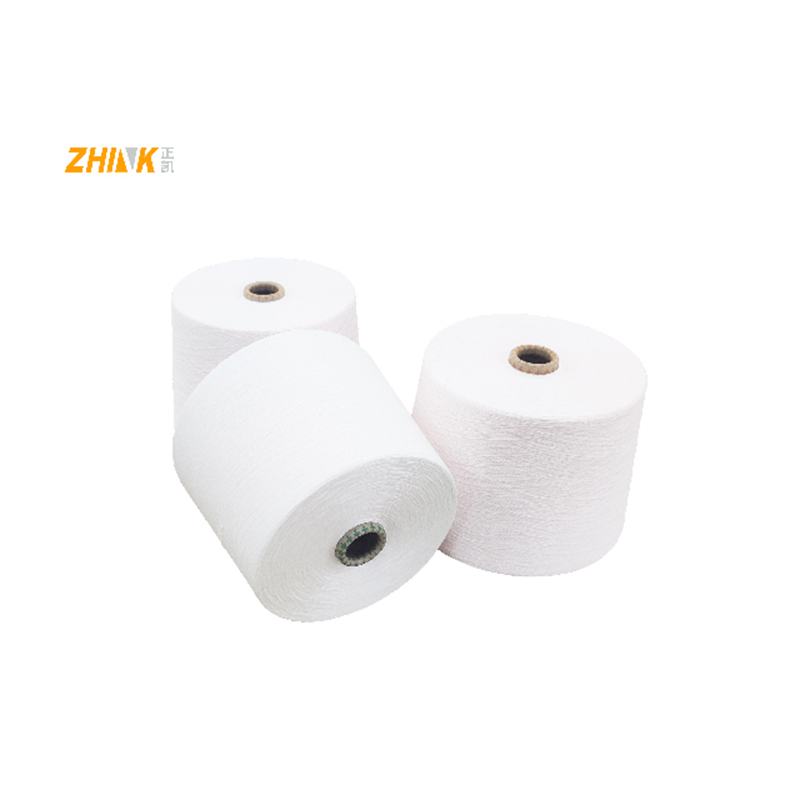
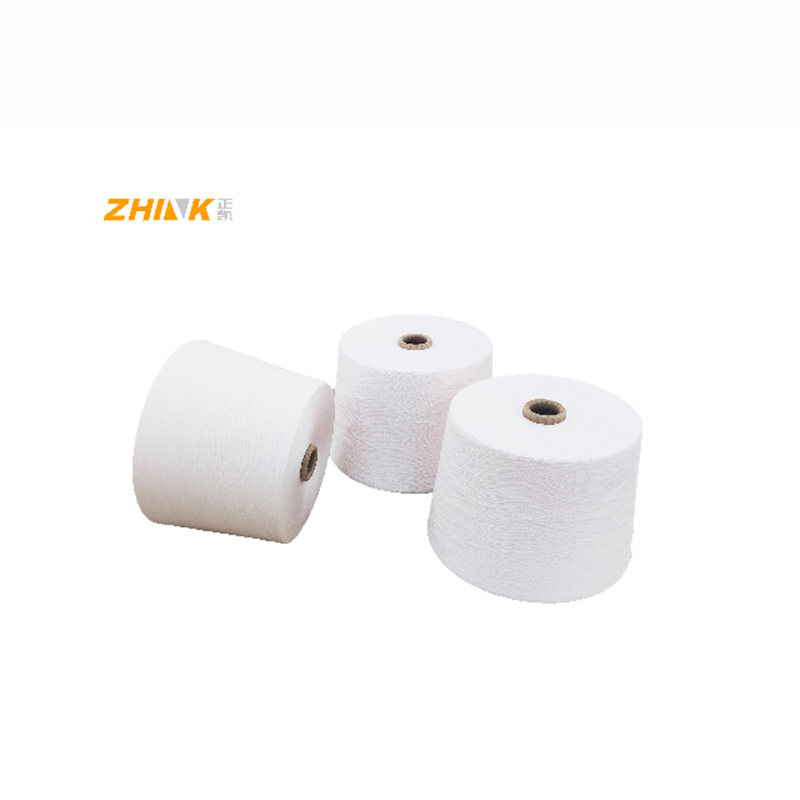
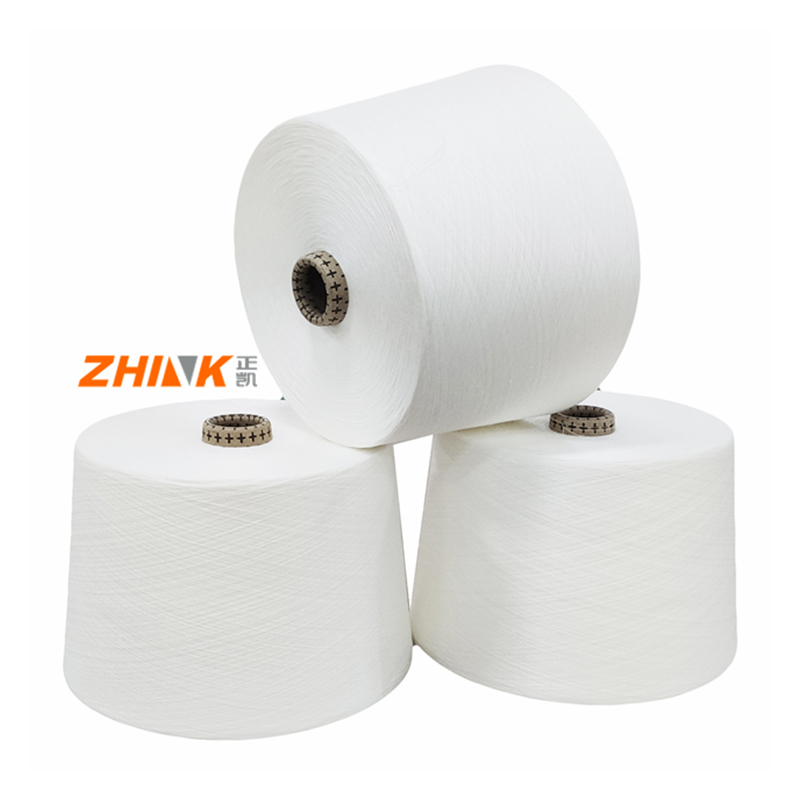
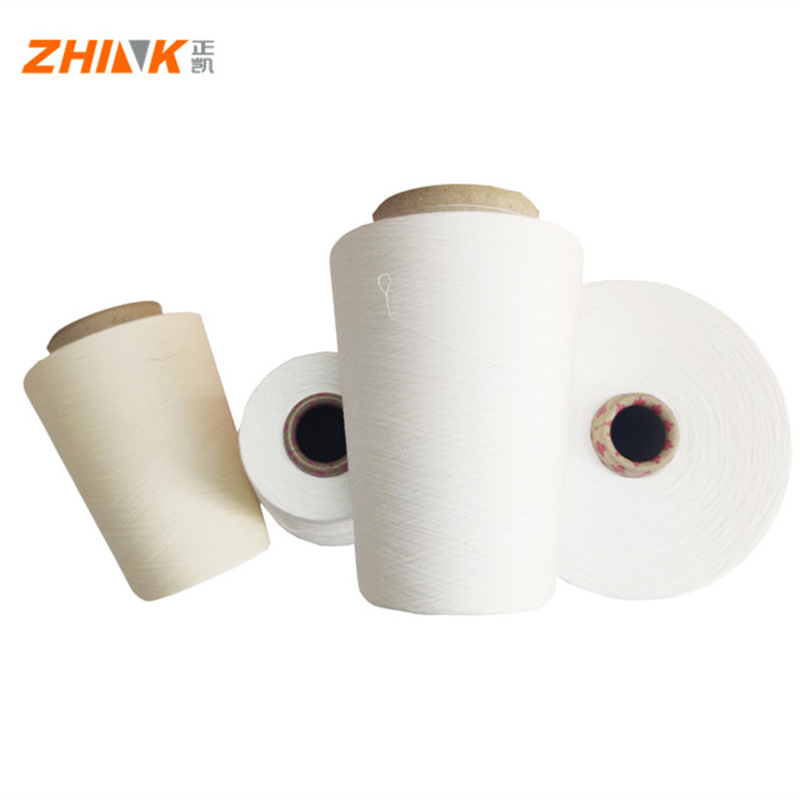
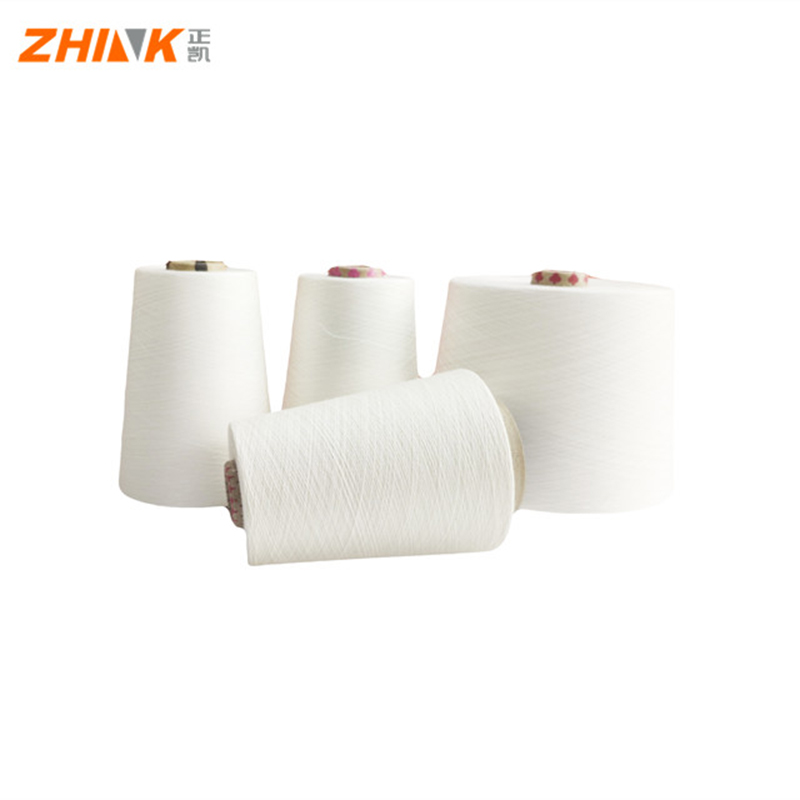
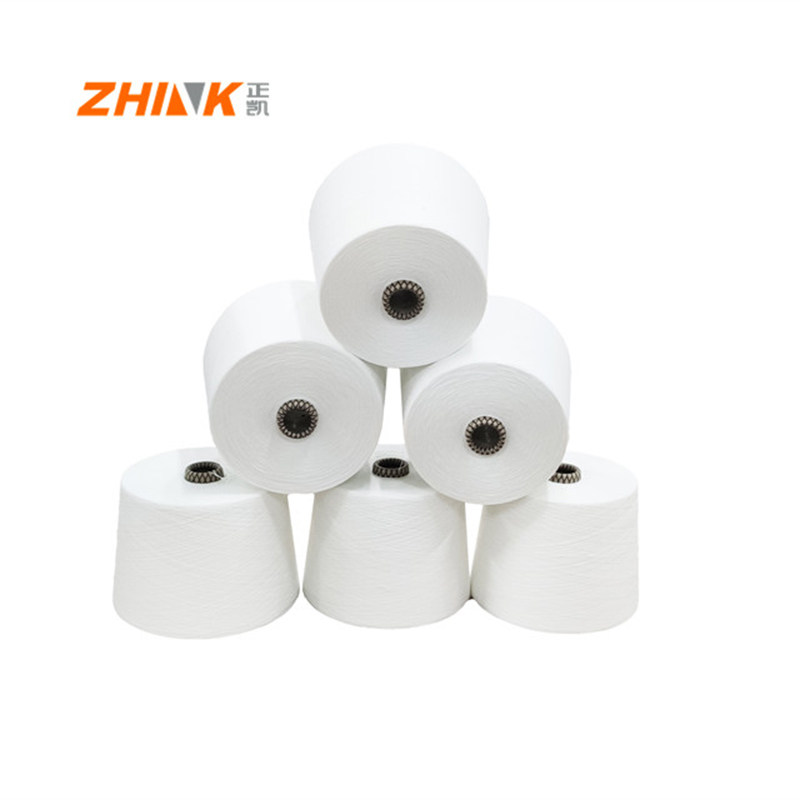
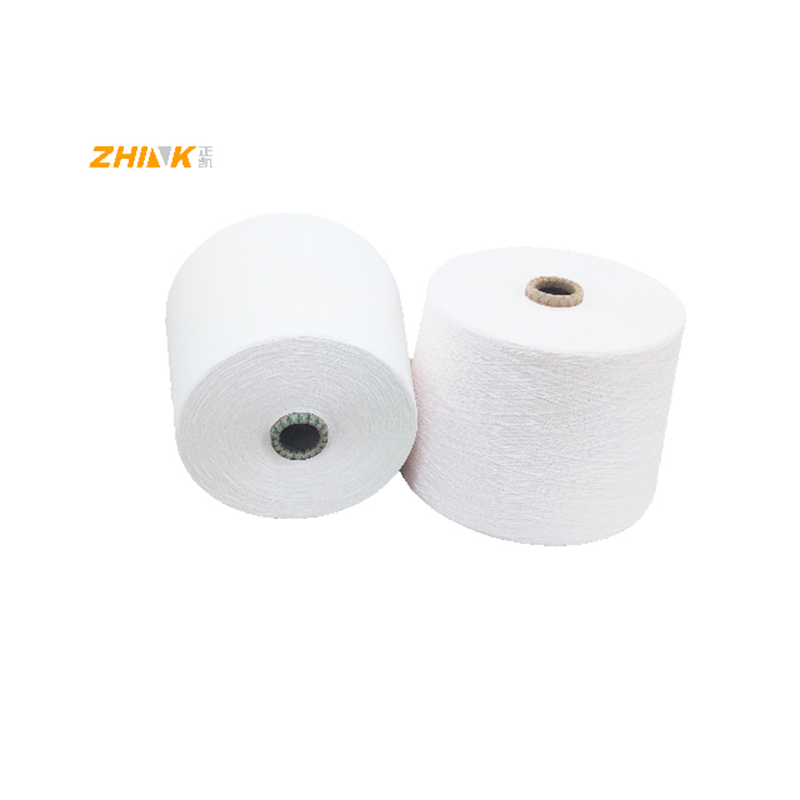
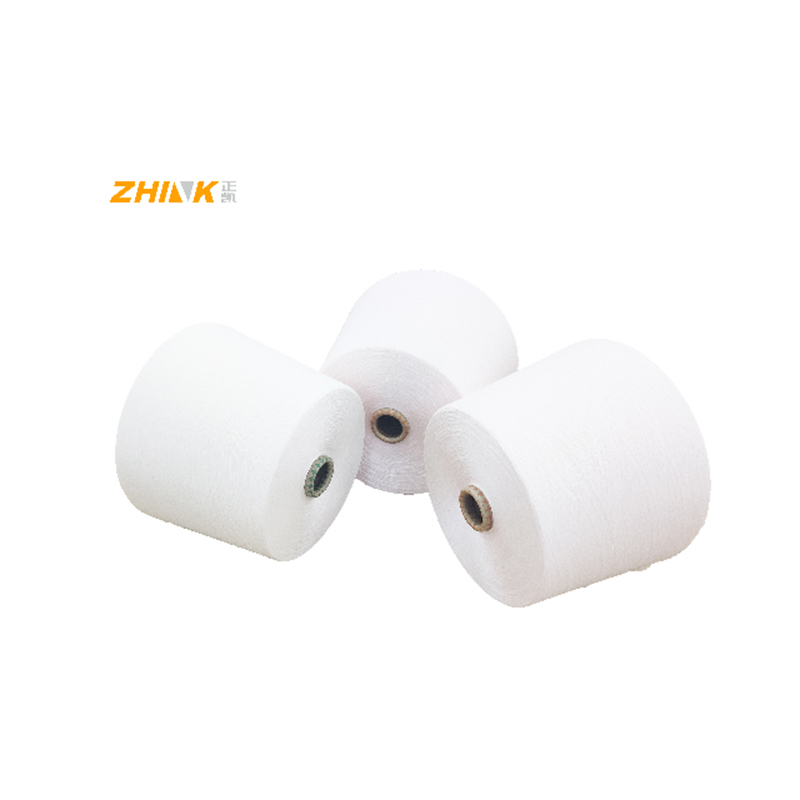
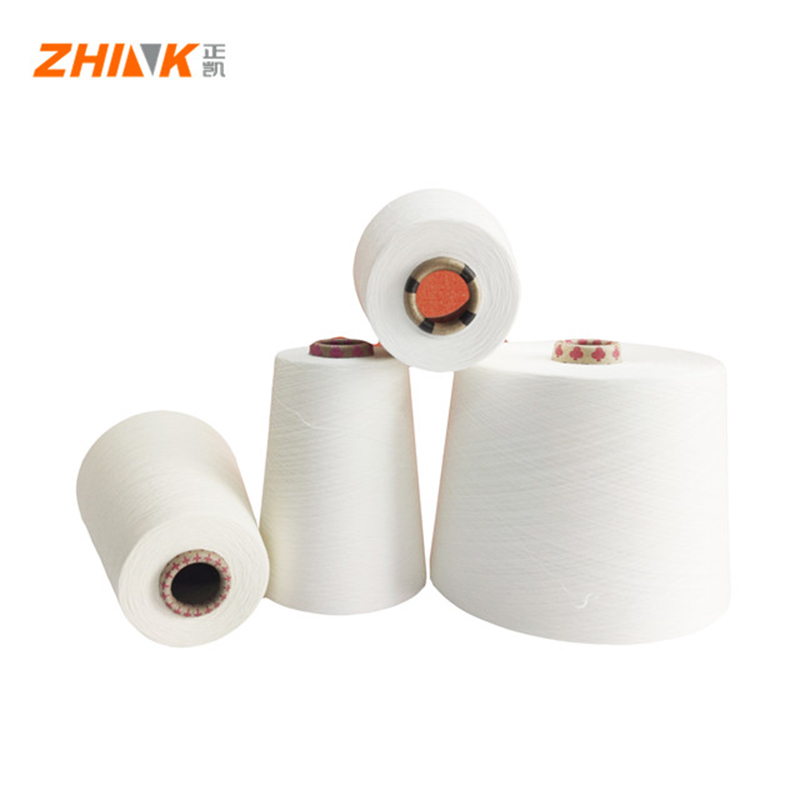
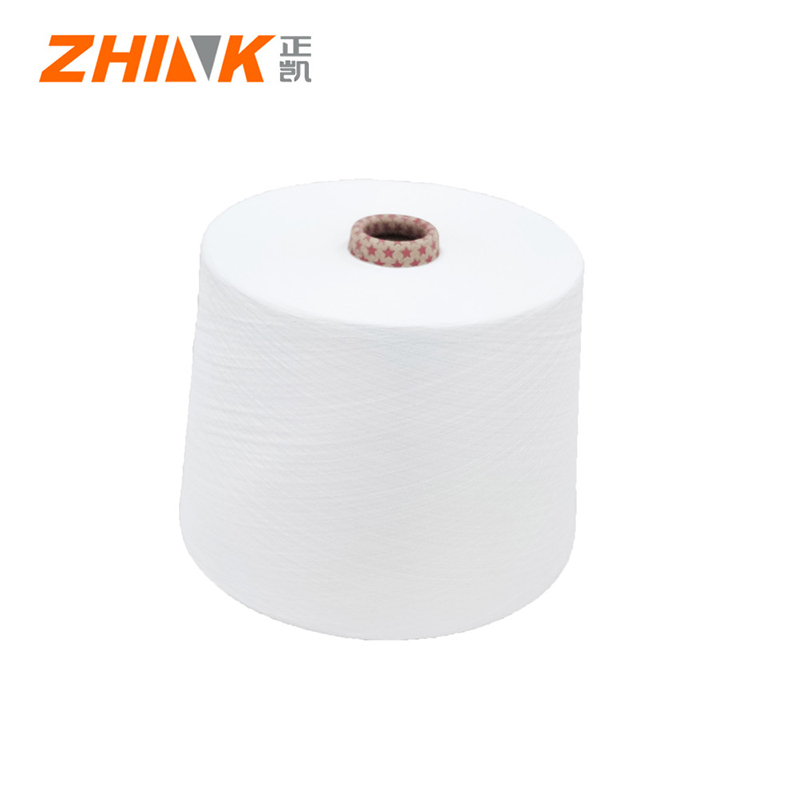
16s Recycled polyester yarn
Exploring the Intricacies of 16s Recycled Polyester Yarn
Recycled polyester yarn, particularly the 16s recycled polyester yarn, is making waves in the textile industry. Despite its technical appeal, many misconceptions still linger. Delving into its production process and application could unravel a few industry secrets and common pitfalls.
Understanding 16s Recycled Polyester Yarn
At its core, 16s recycled polyester yarn is a blend of innovation and sustainability. The 16s denotes the yarn's thickness or count, a crucial factor in its application. It’s intriguing how something so minute can significantly affect the fabric's hand feel and strength.
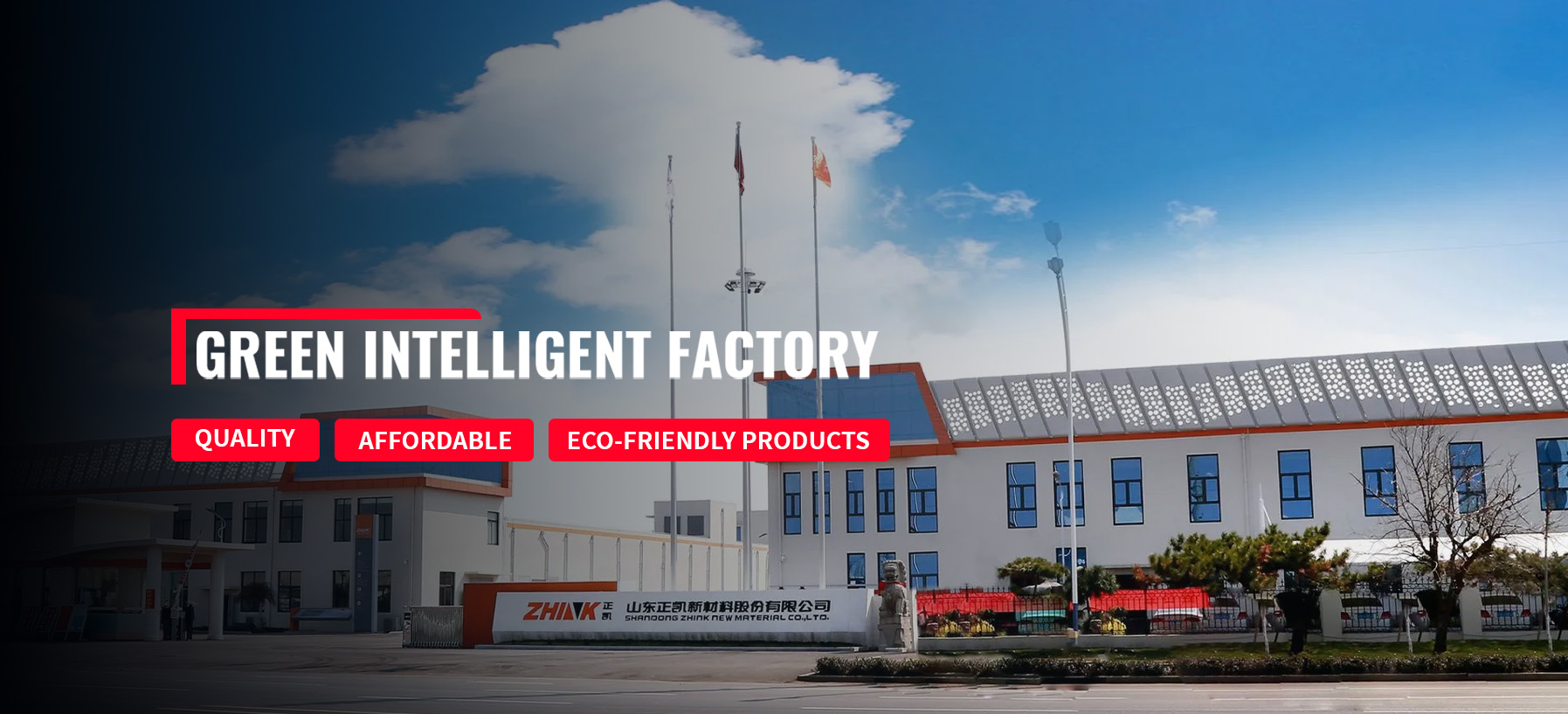
Sourcing recycled materials is not as straightforward as it seems. Companies like SHANDONG ZHINK NEW MATERIAL CO., LTD (visit them at zhinkyarn.com) leverage their expertise in textile materials, integrating quality control measures to ensure consistency and integrity in their yarn.
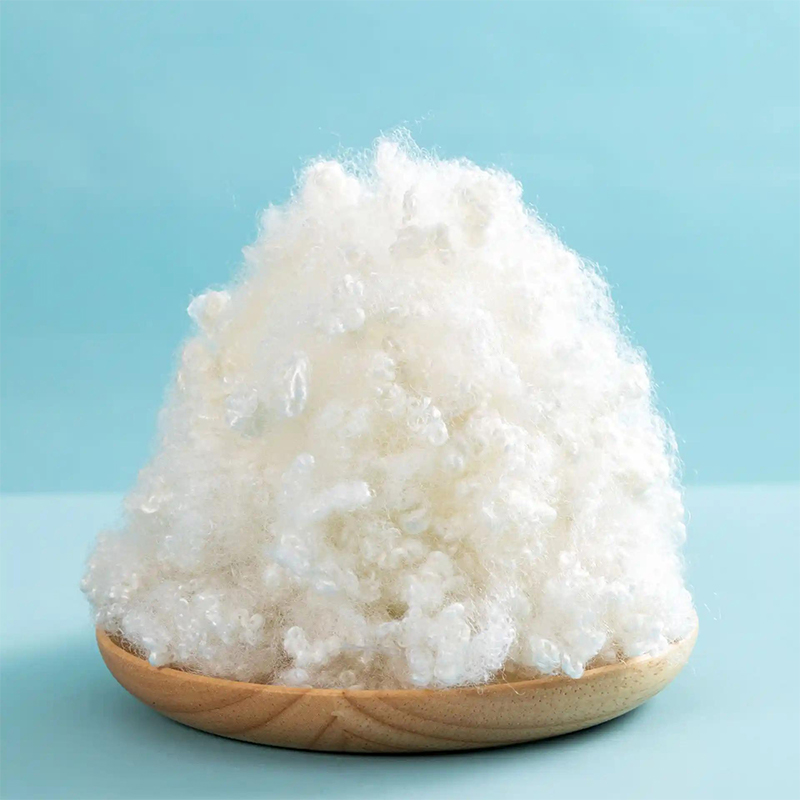
When I visited a facility, I was impressed by the meticulous sorting and cleaning process of the raw recycled fiber. This step is critical, as impurities can lead to defects in the final product. It's no small feat, aligning with the strict standards that today's eco-conscious market demands.
The Practicalities of Manufacturing
Production involves spinning the cleaned fibers into yarn. For 16s yarn, the technique employed determines not just the yarn’s quality but also its environmental footprint. Here, energy efficiency is paramount—hence why manufacturers often invest heavily in advanced machinery.
I remember a failed batch due to incorrect tension settings on the spinning frame, highlighting the delicate balance in production. These tiny adjustments make or break the final output, and it taught me the value of precision and expertise in this domain.
Moreover, monitoring and maintaining consistent yarn properties require skilled observation and timely interventions. The investment in training skilled personnel often pays off in significantly reduced defect rates.
Applications in Modern Textiles
In terms of application, 16s recycled polyester yarn finds its niche in apparel, upholstery, and even industrial textiles. Its strength doesn't compromise its versatility, allowing designers to utilize it in diverse ways.
One might assume recycled implies inferior quality, yet in practice, I've seen these yarns outperform some virgin counterparts. When SHANDONG ZHINK NEW MATERIAL CO., LTD showcases its products, it’s a testament to how far technology has pushed recycled materials.
Furthermore, its environmental benefits—less water usage and reduced carbon emissions—are attractive to brands aiming for sustainability. The yarn thus not only attracts customers but also aligns with global sustainability goals.
Challenges in the Industry
Despite its promise, the journey of 16s recycled polyester yarn isn't devoid of challenges. Supply chain issues and fluctuations in recycled material availability can pose significant hurdles.
Quality consistency is another hurdle. The recycled content can vary, affecting dye uptake and final appearance. It’s a lesson in patience and persistence for both manufacturers and consumers.
However, with companies like SHANDONG ZHINK NEW MATERIAL CO., LTD investing in research and development, there’s hope for solutions that mitigate these issues, further refining the product quality.
The Future of Recycled Polyester
Looking ahead, the future for 16s recycled polyester yarn seems promising, with innovations on the horizon. The industry is buzzing with potential advancements in recycling technologies and sustainable practices.
I've seen prototypes where blended fibers achieve characteristics previously deemed impossible for recycled materials. It’s an exciting time, as we stand at the intersection of sustainability and textile innovation.
To sum up, the evolution of 16s recycled polyester yarn, as championed by industry experts like SHANDONG ZHINK NEW MATERIAL CO., LTD, is not just reshaping textiles—it’s setting new standards for what’s possible in sustainable manufacturing.
Related Products
Related Products