+86-632-3621866
- Chinese
- French
- German
- Portuguese
- Spanish
- Russian
- Japanese
- Korean
- Arabic
- Irish
- Greek
- Turkish
- Italian
- Danish
- Romanian
- Indonesian
- Czech
- Afrikaans
- Swedish
- Polish
- Basque
- Catalan
- Esperanto
- Hindi
- Lao
- Albanian
- Amharic
- Armenian
- Azerbaijani
- Belarusian
- Bengali
- Bosnian
- Bulgarian
- Cebuano
- Chichewa
- Corsican
- Croatian
- Dutch
- Estonian
- Filipino
- Finnish
- Frisian
- Galician
- Georgian
- Gujarati
- Haitian
- Hausa
- Hawaiian
- Hebrew
- Hmong
- Hungarian
- Icelandic
- Igbo
- Javanese
- Kannada
- Kazakh
- Khmer
- Kurdish
- Kyrgyz
- Latin
- Latvian
- Lithuanian
- Luxembou..
- Macedonian
- Malagasy
- Malay
- Malayalam
- Maltese
- Maori
- Marathi
- Mongolian
- Burmese
- Nepali
- Norwegian
- Pashto
- Persian
- Punjabi
- Serbian
- Sesotho
- Sinhala
- Slovak
- Slovenian
- Somali
- Samoan
- Scots Gaelic
- Shona
- Sindhi
- Sundanese
- Swahili
- Tajik
- Tamil
- Telugu
- Thai
- Ukrainian
- Urdu
- Uzbek
- Vietnamese
- Welsh
- Xhosa
- Yiddish
- Yoruba
- Zulu
- Kinyarwanda
- Tatar
- Oriya
- Turkmen
- Uyghur



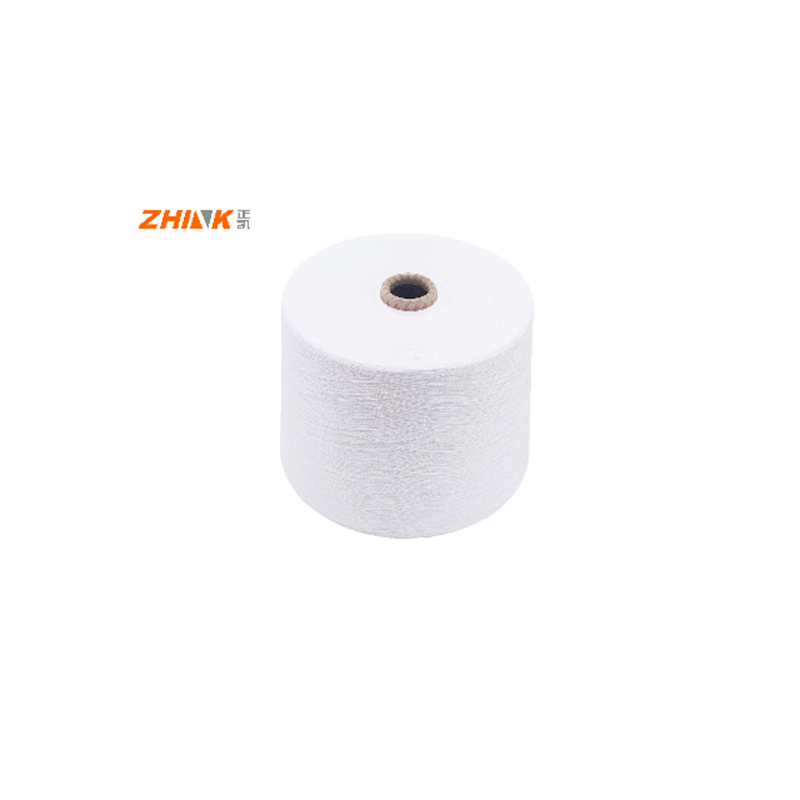
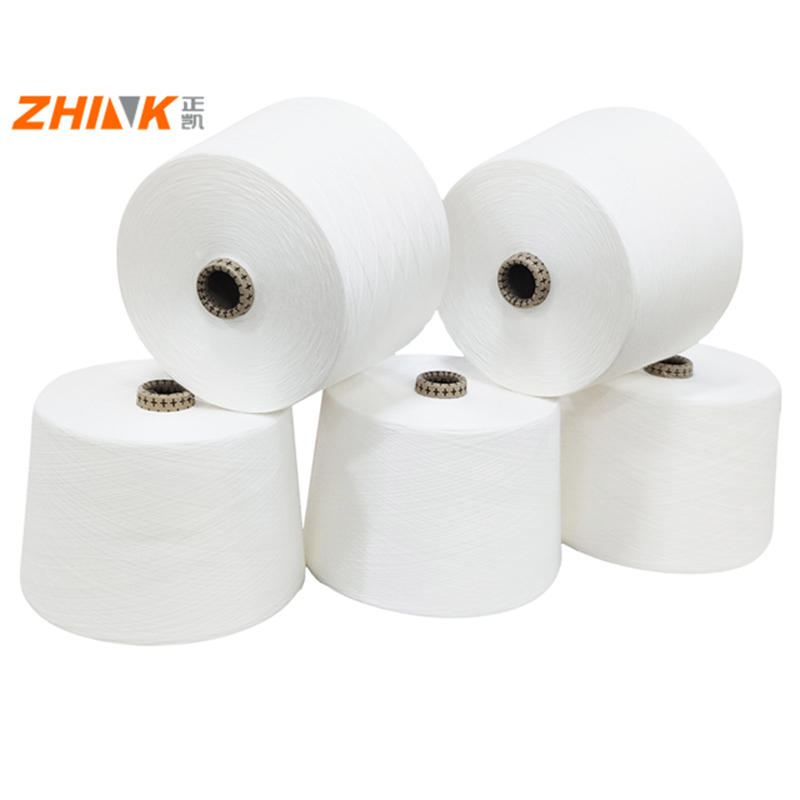
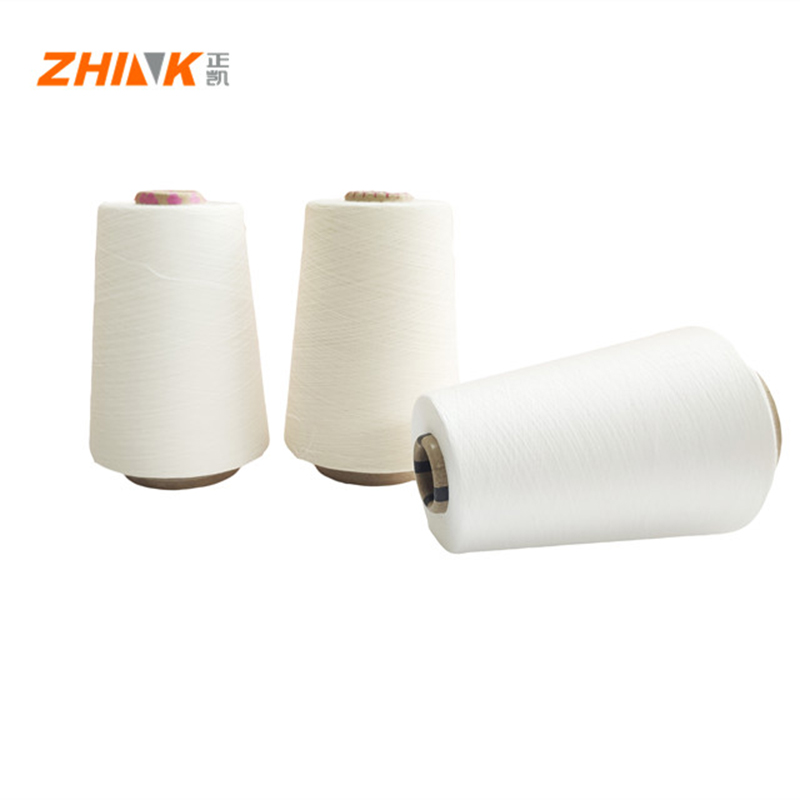
1dtex38mm
Understanding 1dtex38mm in Textile Applications
When it comes to fiber specifications, 1dtex38mm might sound like a mere string of numbers and letters, but for those in the textile industry, it conveys significant information about fiber texture and application. Often misunderstood, this specification can play a critical role in textile production and final product quality.
The Basics of 1dtex38mm
At the heart of textile manufacturing, understanding fiber specifications like 1dtex38mm is essential. It provides clear insights into the properties of the yarn or fiber in question. The term “1dtex” refers to the linear density of the fiber, meaning it’s one decitex. This indicates a very fine fiber, often desirable for creating lightweight, high-performance fabrics.
Then there’s the “38mm,” which indicates the cut length of the fibers. In practical terms, fibers that are around 38mm are typically used in staple fiber spinning, where shorter lengths are desired. These specifications are often applied in applications requiring softness combined with strength, such as in high-end fashion or sportswear.
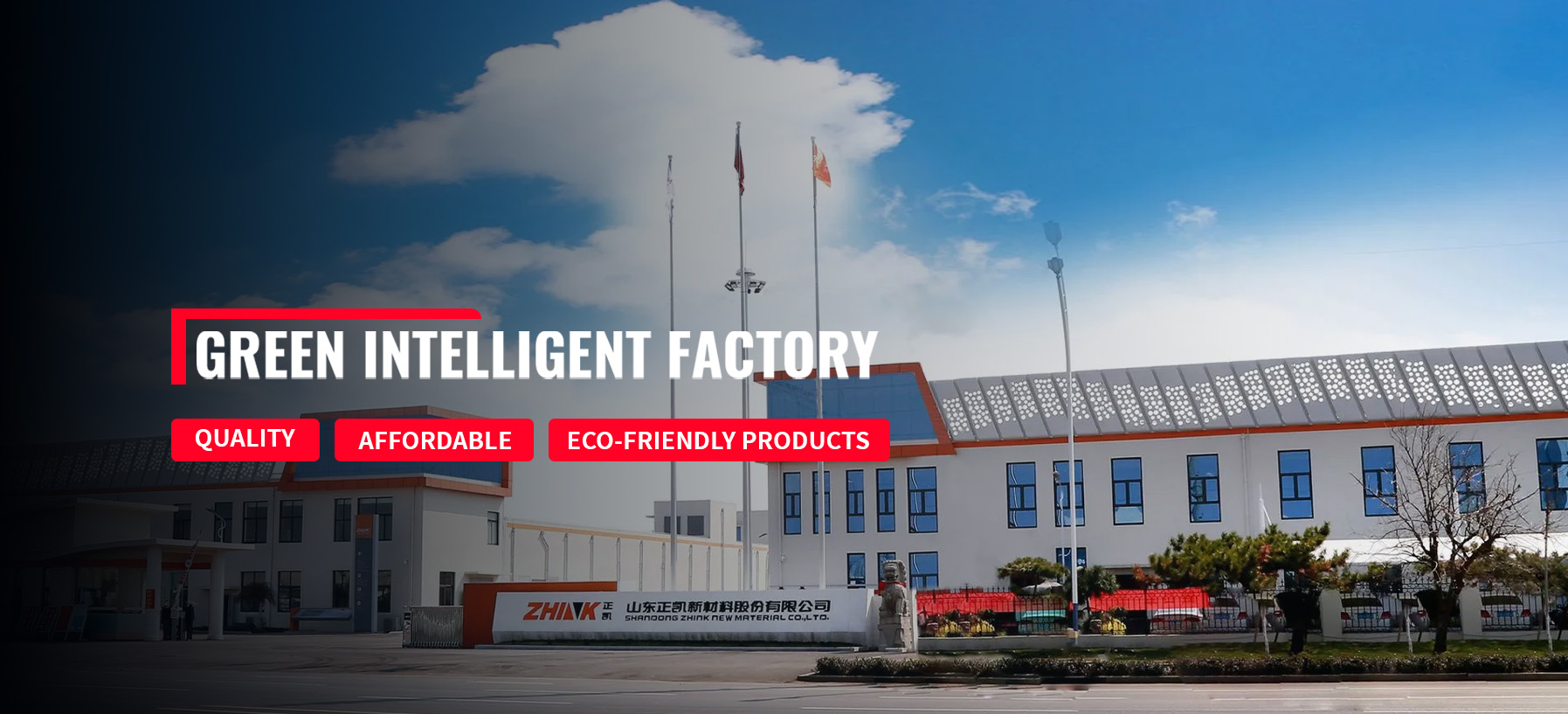
Encountering these specifications can initially seem daunting, especially for newcomers. But companies like SHANDONG ZHINK NEW MATERIAL CO., LTD at their website have been leading the way in making these specifications more accessible and understandable to those in the field.
Common Misinterpretations
A frequent misunderstanding is assuming that finer fibers like 1dtex automatically mean weaker materials. However, this isn’t necessarily the case. Fine fibers, when engineered correctly, offer a combination of a soft hand and resilience, which is why they are favored in high-performance textile applications.
Another pitfall can occur with the fiber length. Some might believe that longer fibers are inherently superior, yet this depends greatly on the intended use. For applications that require softer fabric, shorter cut lengths like 38mm can be beneficial, providing more comfort and less pilling over time.
In practice, working with these fine specifications requires a deep understanding of both the material properties and the spinning technologies used. Missteps at any point—from misunderstanding the spec to incorrect processing—can lead to products that underperform against expectations.
Industry Expertise and Challenges
Producers like Zhink New Material have invested significantly in honing their expertise around these specifications. Their focus on research and development helps bridge the gap between complex fiber specifications and practical application. Adapting production techniques to fully utilize the benefits of 1dtex fibers involves specific challenges, often related to maintaining fiber uniformity and strength in the final product.
For instance, during spinning, achieving a balance between tension and speed is crucial. Too much speed can lead to fiber breakage, especially with finer fibers, while too little can cause excessive slubbing, resulting in an uneven texture. The challenges are also present in dyeing and finishing processes, where the fineness and short cut length of the fibers require precise control to avoid damage.
Assessing how different processes interact with such specific fiber characteristics often calls for an integrated approach, where material scientists and production teams collaborate closely. This synergy is where companies like SHANDONG ZHINK NEW MATERIAL truly shine, delivering innovations that leverage the full potential of 1dtex38mm fibers.
Applications and Practical Considerations
In practical terms, the specifications of 1dtex38mm find their place in numerous applications. The lightweight nature of fabrics made from these fibers makes them excellent for athletic wear, where breathability and comfort are paramount. Meanwhile, their soft touch appeals in luxury textiles, providing an exquisite feel next to the skin.
To make the most of these fibers, it’s necessary to consider the whole ecosystem—from the initial fiber selection and processing to final garment construction. Each stage presents its own set of considerations. Material developers and textile engineers need to carefully evaluate the compatibility of these fibers with fabric construction techniques.
Ultimately, the key to successful use of 1dtex38mm specifications lies in collaboration and continuous learning. Companies leading in textiles manufacturing always explore new technologies and techniques, ensuring their materials are not just fit for purpose but offer that little bit extra magic, something that elevates the everyday garment into something exceptional.
Moving Forward with Innovation
As we look to the future, the role of companies like Zhink New Material becomes increasingly pivotal. Their commitment to innovation in textile materials points to a larger trend of specialized fibers becoming staple components in both niche and mainstream markets. This holds particular promise for brands aspiring to push the boundaries of fabric performance and sustainability.
Investing time in comprehending the full spectrum of fiber specifications, from 1dtex to 38mm, can therefore be a game-changer. It opens up new possibilities for product differentiation and quality enhancement, setting the stage for breakthrough developments.
All in all, while the tiny specifications of 1dtex38mm might seem like humble details, they carry immense potential for innovation and quality in the textile industry. By appreciating the intricacies and leveraging the expertise of seasoned companies, we not only refine our products but also advance the industry as a whole.
Related Products
Related Products