+86-632-3621866
- Chinese
- French
- German
- Portuguese
- Spanish
- Russian
- Japanese
- Korean
- Arabic
- Irish
- Greek
- Turkish
- Italian
- Danish
- Romanian
- Indonesian
- Czech
- Afrikaans
- Swedish
- Polish
- Basque
- Catalan
- Esperanto
- Hindi
- Lao
- Albanian
- Amharic
- Armenian
- Azerbaijani
- Belarusian
- Bengali
- Bosnian
- Bulgarian
- Cebuano
- Chichewa
- Corsican
- Croatian
- Dutch
- Estonian
- Filipino
- Finnish
- Frisian
- Galician
- Georgian
- Gujarati
- Haitian
- Hausa
- Hawaiian
- Hebrew
- Hmong
- Hungarian
- Icelandic
- Igbo
- Javanese
- Kannada
- Kazakh
- Khmer
- Kurdish
- Kyrgyz
- Latin
- Latvian
- Lithuanian
- Luxembou..
- Macedonian
- Malagasy
- Malay
- Malayalam
- Maltese
- Maori
- Marathi
- Mongolian
- Burmese
- Nepali
- Norwegian
- Pashto
- Persian
- Punjabi
- Serbian
- Sesotho
- Sinhala
- Slovak
- Slovenian
- Somali
- Samoan
- Scots Gaelic
- Shona
- Sindhi
- Sundanese
- Swahili
- Tajik
- Tamil
- Telugu
- Thai
- Ukrainian
- Urdu
- Uzbek
- Vietnamese
- Welsh
- Xhosa
- Yiddish
- Yoruba
- Zulu
- Kinyarwanda
- Tatar
- Oriya
- Turkmen
- Uyghur



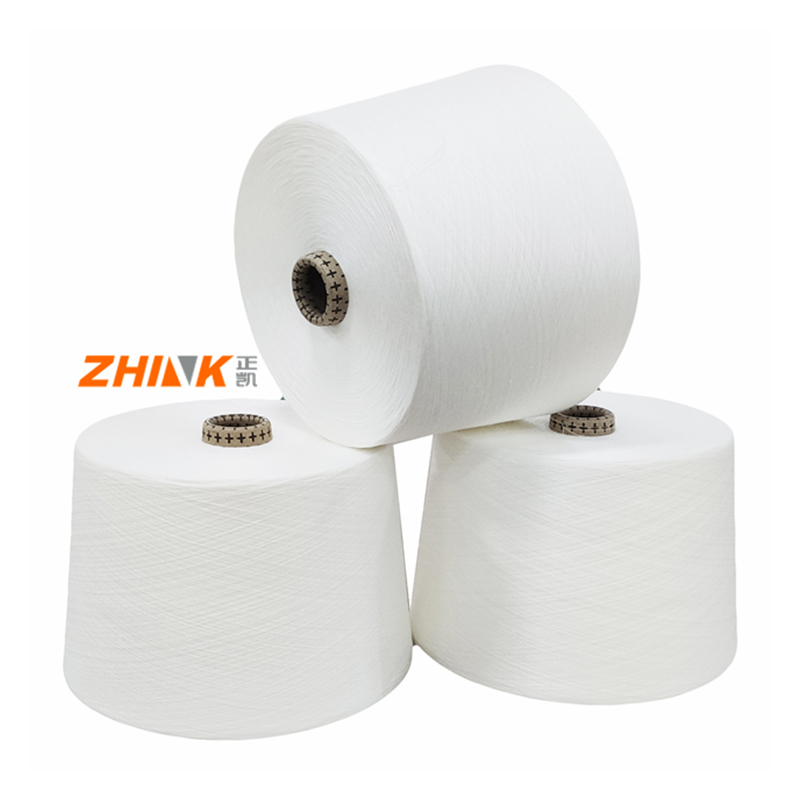
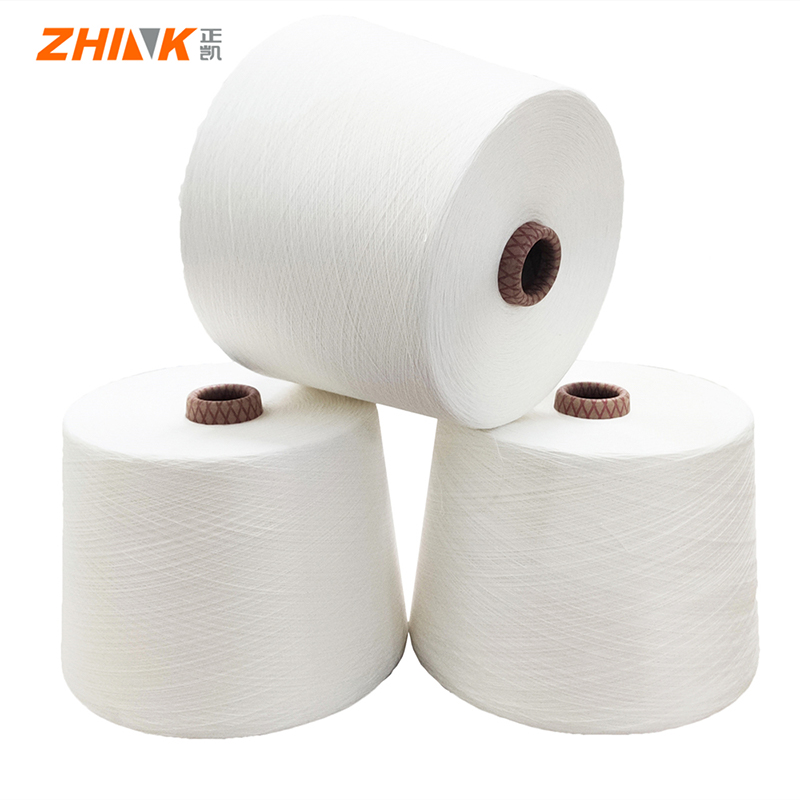
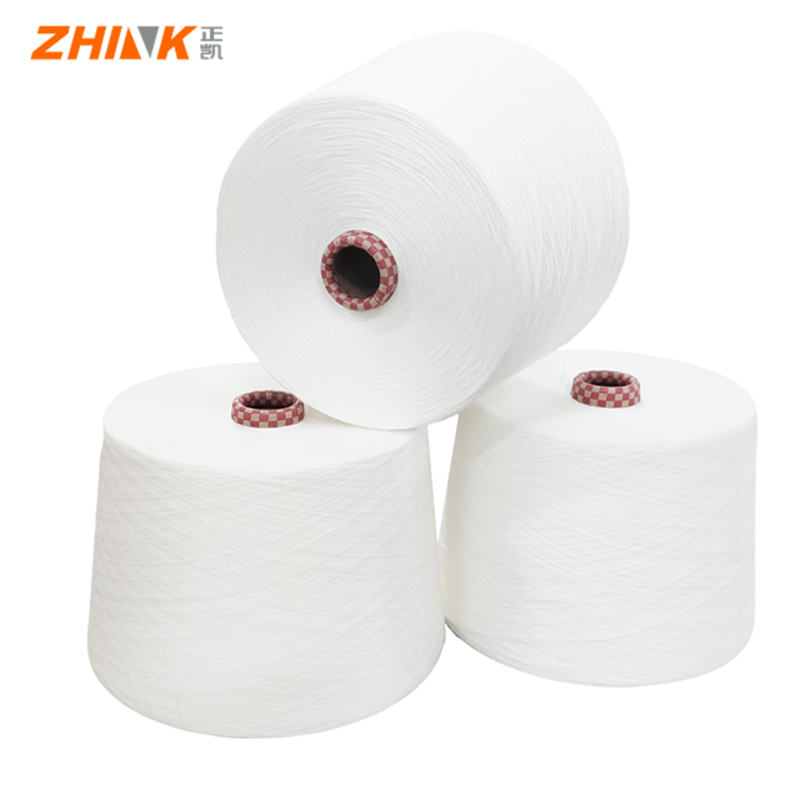
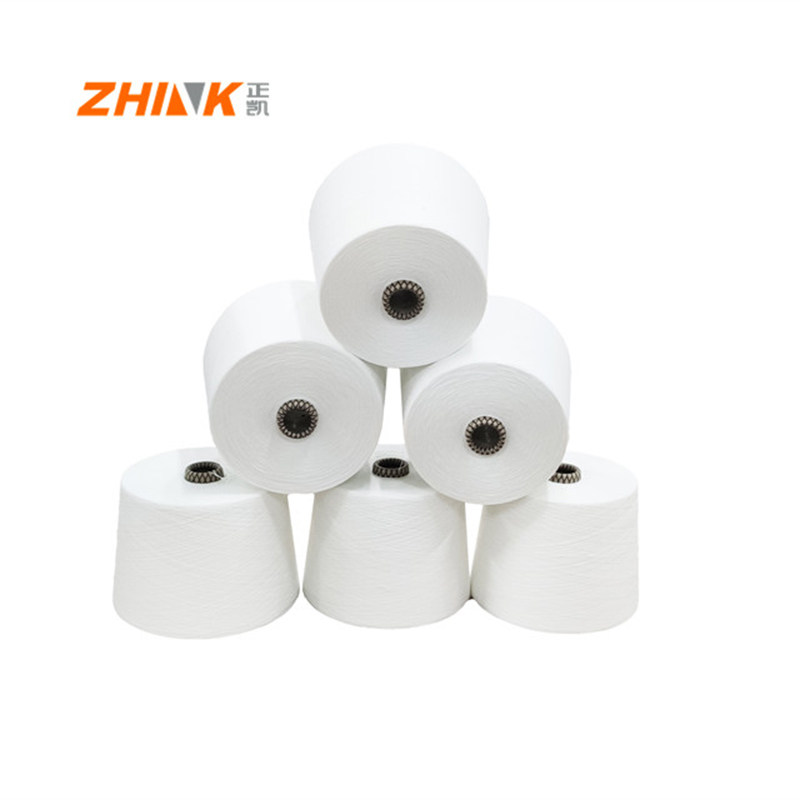
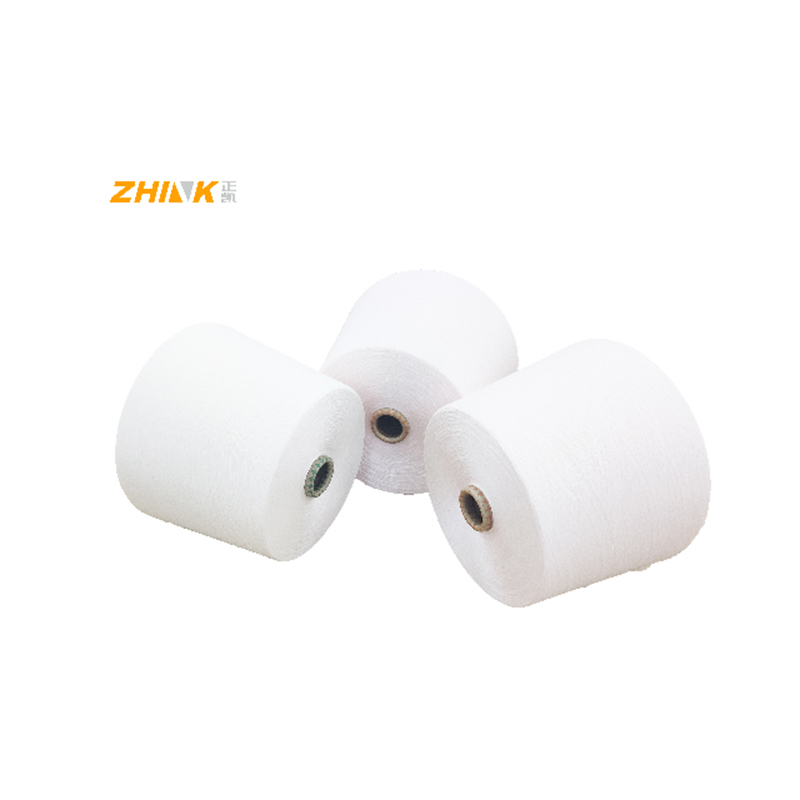
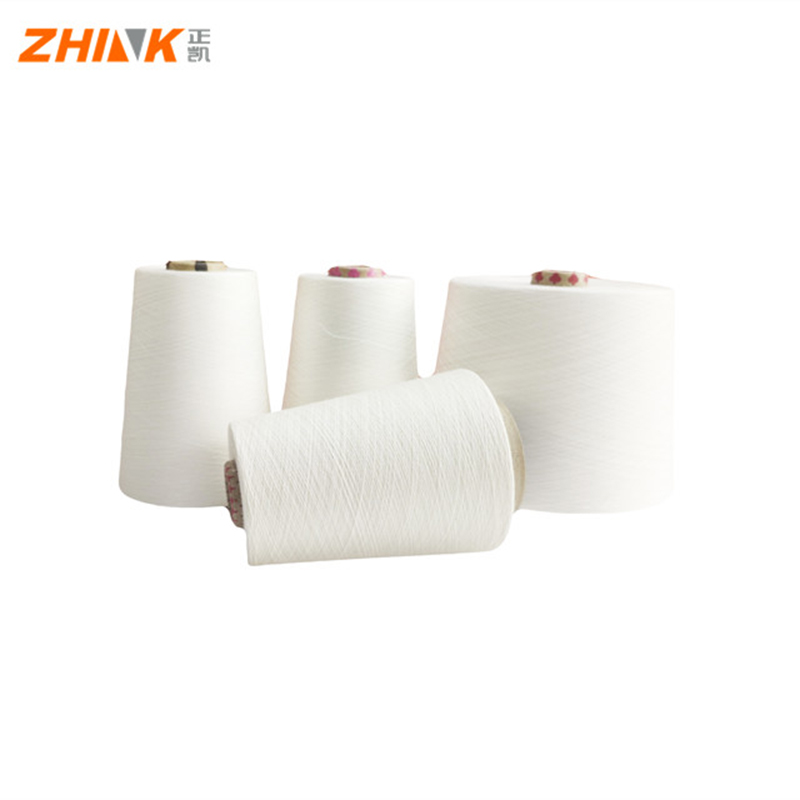
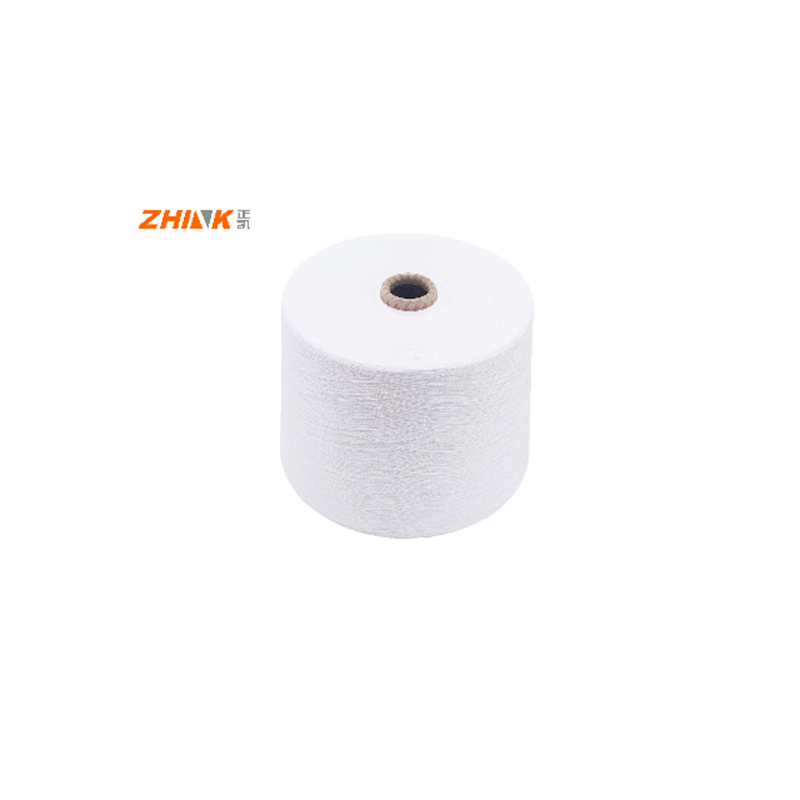
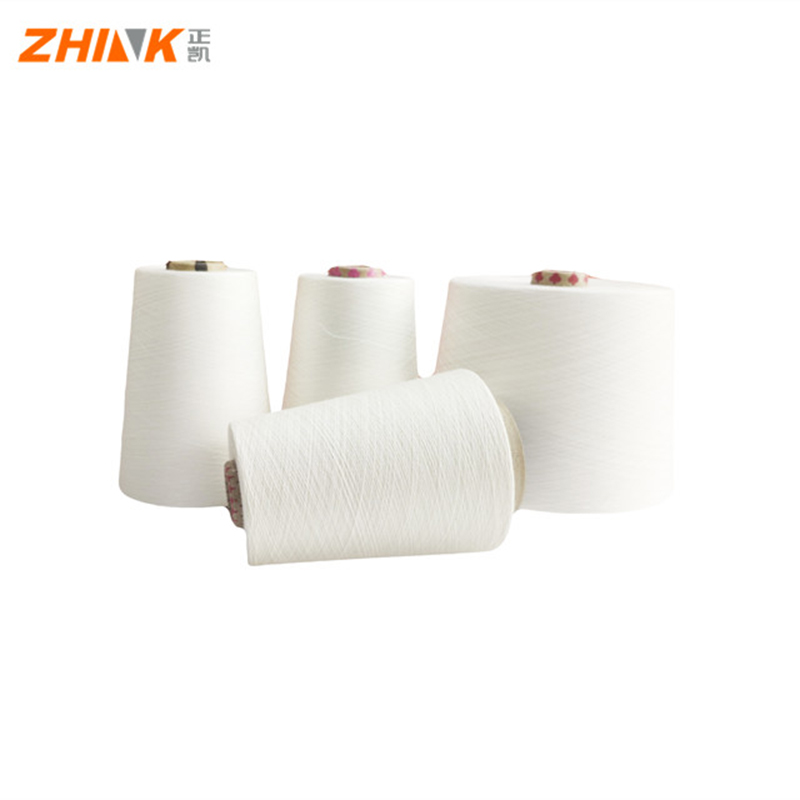
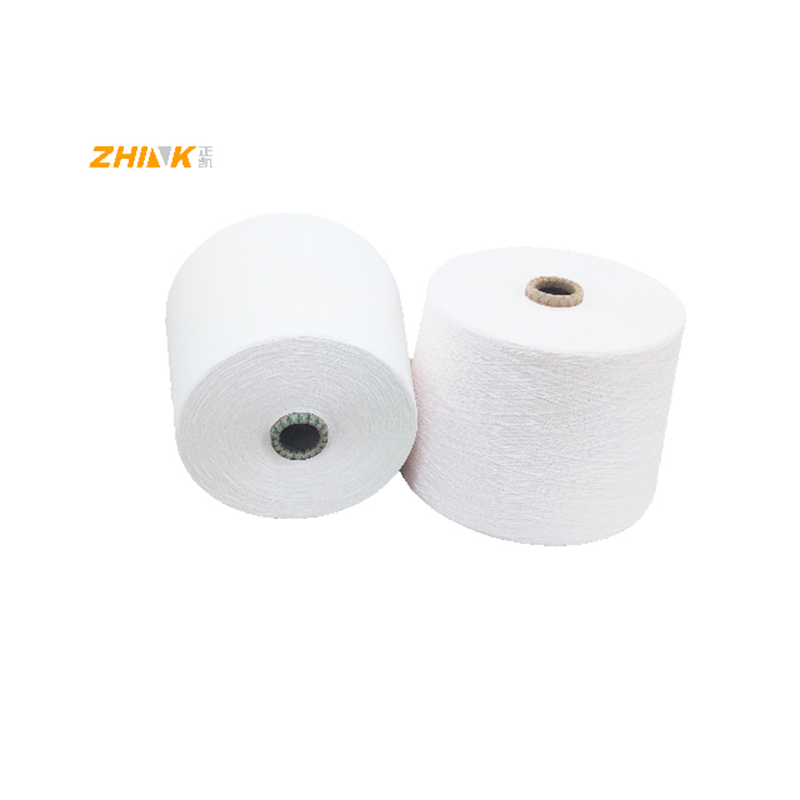
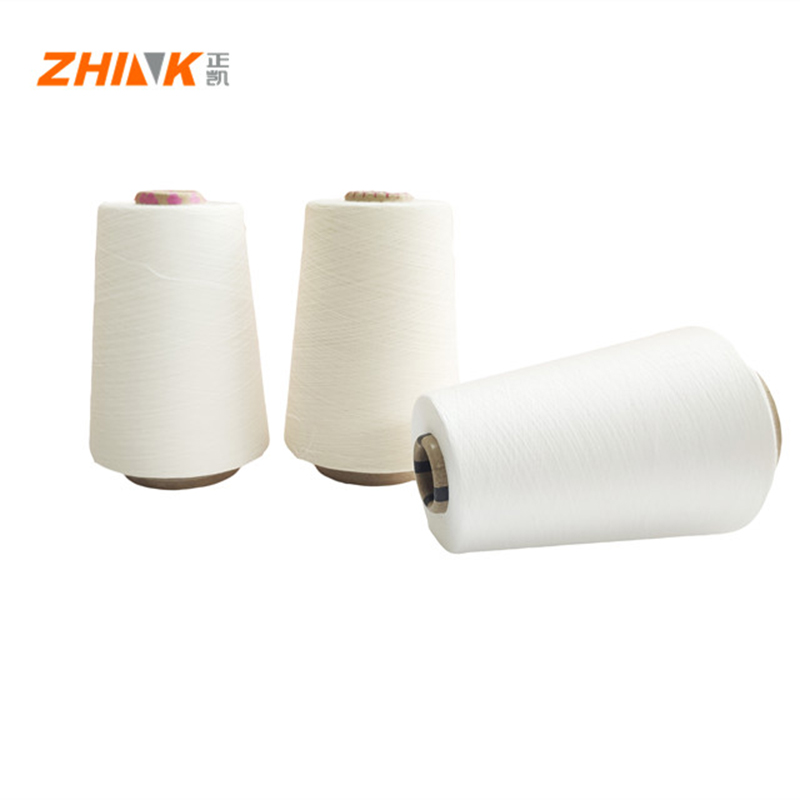
2 16 viscose yarn
The Journey of Understanding 2/16 Viscose Yarn
Exploring the world of 2/16 viscose yarn, this article delves into the practical aspects and common misconceptions, offering insights from firsthand experience.
Introduction to 2/16 Viscose Yarn
When you first encounter 2/16 viscose yarn, it might seem a bit perplexing. What's with the numbers? Well, in textile terms, 2/16 refers to the yarn's ply and count. The 2 denotes the number of plies — in this case, two strands twisted together — while 16 indicates the thickness or count of the yarn. It’s this specific configuration that makes it both versatile and favored in the production of fabrics that demand a balance between weight and softness.
One common mistake that many, including myself, have made is underestimating the importance of understanding these numbers before starting a project. Early in my career, I opted for a 2/16 yarn in a project requiring finer detail, only to find it wasn’t as delicate as I needed. Lesson learned the hard way, but valuable nonetheless.
This yarn type is highly appreciated in the textile industry, not just for its texture but also for its consistent quality. However, consistency often depends on the manufacturer, which brings us to an important player in this space: SHANDONG ZHINK NEW MATERIAL CO., LTD, a company recognized for its rigorous production standards in new textile materials.
Yarn Characteristics and Applications
A noteworthy characteristic of 2/16 viscose yarn is its ability to blend smoothly with other fibers. This blending capability allows for a range of applications, from delicate knitwear to more robust woven fabrics. The viscose component provides a natural sheen and softness, making it particularly appealing for garments that are meant to be worn close to the skin.
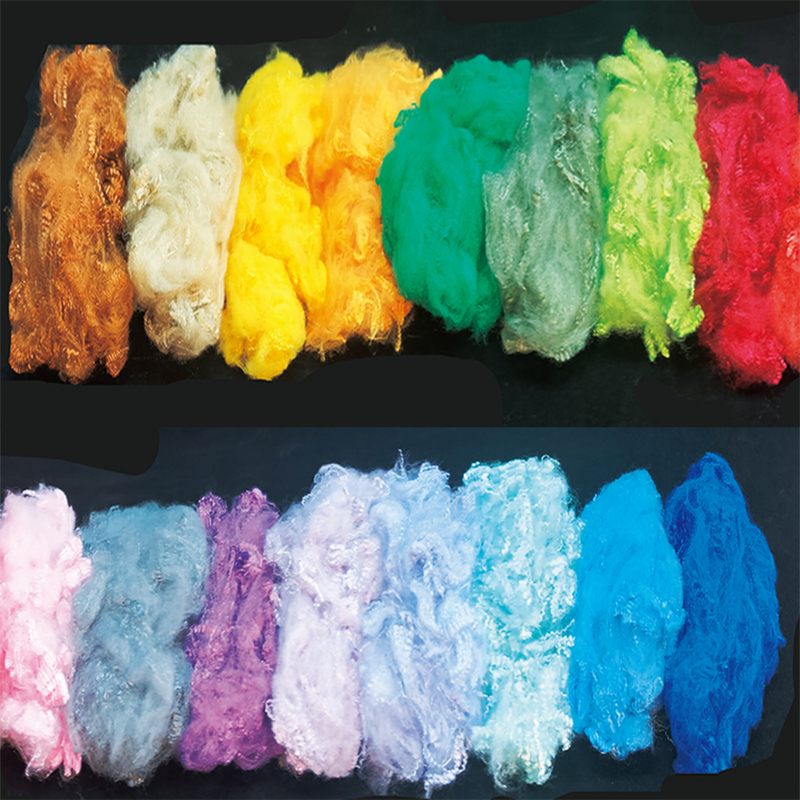
Yet, challenges exist, primarily in dye absorption. Viscose yarns are notorious for absorbing dye unevenly, especially if not processed uniformly. This can lead to inconsistencies in the final product’s color. Working with experienced suppliers like Zhink New Material, who understand the nuances of yarn processing, can mitigate some of these pitfalls.
In practice, ensuring even dyeing often involves pre-treatments or post-dye finishing processes. These steps, while seemingly tedious, are crucial in commercial applications where uniformity is key. On the flip side, some small-scale artisans might embrace this variability to create unique, one-of-a-kind pieces.
The Production Process: A Closer Look
Diving deeper into production, the spinning process plays a crucial role in the final quality of 2/16 viscose yarn. At Zhink New Material, the emphasis on research and development means that each batch is subjected to rigorous quality checks, ensuring consistency and performance.
Advanced spinning techniques can reduce common issues such as pilling, a prevalent problem with viscose yarns due to their soft, staple fibers. Experienced manufacturers might tweak the twist levels or blend ratios to strike a perfect balance between softness and durability.
This level of detail in production not just improves the quality but also enhances the yarn’s compatibility with various finishing techniques. For any textile creator, understanding these nuances can greatly influence the end product, making the difference between a garment that’s cherished or discarded.
Real-World Applications and Challenges
One doesn't truly appreciate 2/16 viscose yarn until they see it in action, woven into a luxurious scarf or soft draping curtain. Its role in the fashion industry cannot be overstated. Even so, every beautiful creation starts with understanding its strengths and weaknesses.
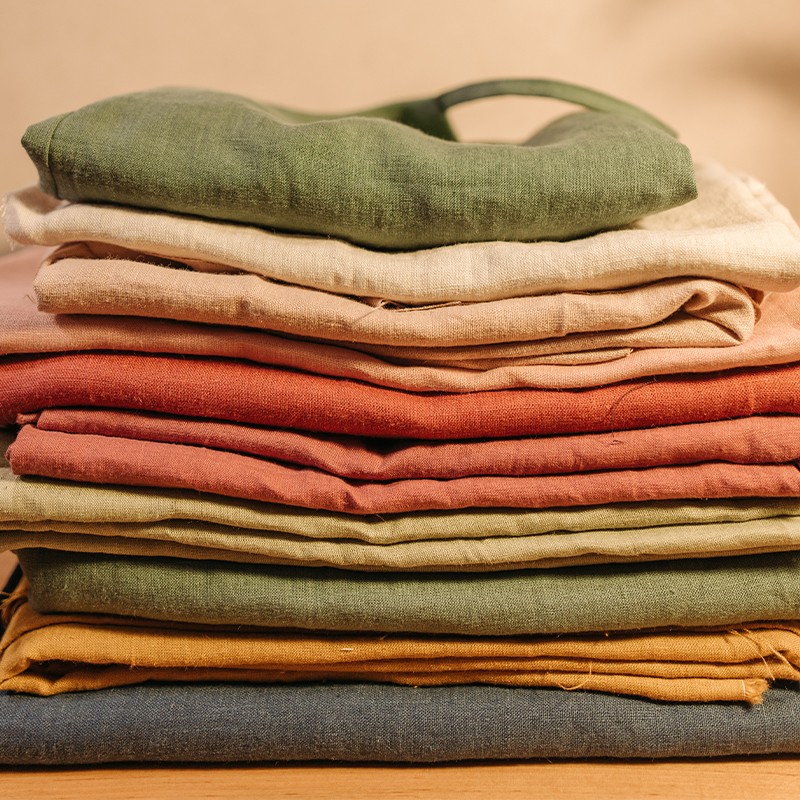
I recall a project where we aimed to create an eco-friendly, breathable summer dress using this yarn. The yarn's natural sheen added an elegant touch, but it was the blend with linen that truly shone through, providing both breathability and structure. Innovating with such materials often requires a bold step away from conventional paths.
The challenges? Cost is always a consideration, especially when aiming for sustainability. Viscose production, while environmentally demanding, has seen improvements. Companies like Zhink New Material are pivotal in driving these changes through innovative production methods and responsible sourcing.
Conclusion: The Path Forward
In closing, the world of 2/16 viscose yarn is as intricate as it is inspiring. Whether in the hands of a master artisan or a commercial textile producer, understanding its properties is essential to harnessing its full potential. With companies like Zhink New Material leading the charge in material research and production quality, the future looks promising for those willing to explore this fascinating yarn.
Ultimately, for anyone stepping into this domain, my advice remains simple: be patient, experiment, and always seek out expert partners. It’s this curiosity and collaboration that continues to drive our industry forward.
Related Products
Related Products