+86-632-3621866
- Chinese
- French
- German
- Portuguese
- Spanish
- Russian
- Japanese
- Korean
- Arabic
- Irish
- Greek
- Turkish
- Italian
- Danish
- Romanian
- Indonesian
- Czech
- Afrikaans
- Swedish
- Polish
- Basque
- Catalan
- Esperanto
- Hindi
- Lao
- Albanian
- Amharic
- Armenian
- Azerbaijani
- Belarusian
- Bengali
- Bosnian
- Bulgarian
- Cebuano
- Chichewa
- Corsican
- Croatian
- Dutch
- Estonian
- Filipino
- Finnish
- Frisian
- Galician
- Georgian
- Gujarati
- Haitian
- Hausa
- Hawaiian
- Hebrew
- Hmong
- Hungarian
- Icelandic
- Igbo
- Javanese
- Kannada
- Kazakh
- Khmer
- Kurdish
- Kyrgyz
- Latin
- Latvian
- Lithuanian
- Luxembou..
- Macedonian
- Malagasy
- Malay
- Malayalam
- Maltese
- Maori
- Marathi
- Mongolian
- Burmese
- Nepali
- Norwegian
- Pashto
- Persian
- Punjabi
- Serbian
- Sesotho
- Sinhala
- Slovak
- Slovenian
- Somali
- Samoan
- Scots Gaelic
- Shona
- Sindhi
- Sundanese
- Swahili
- Tajik
- Tamil
- Telugu
- Thai
- Ukrainian
- Urdu
- Uzbek
- Vietnamese
- Welsh
- Xhosa
- Yiddish
- Yoruba
- Zulu
- Kinyarwanda
- Tatar
- Oriya
- Turkmen
- Uyghur



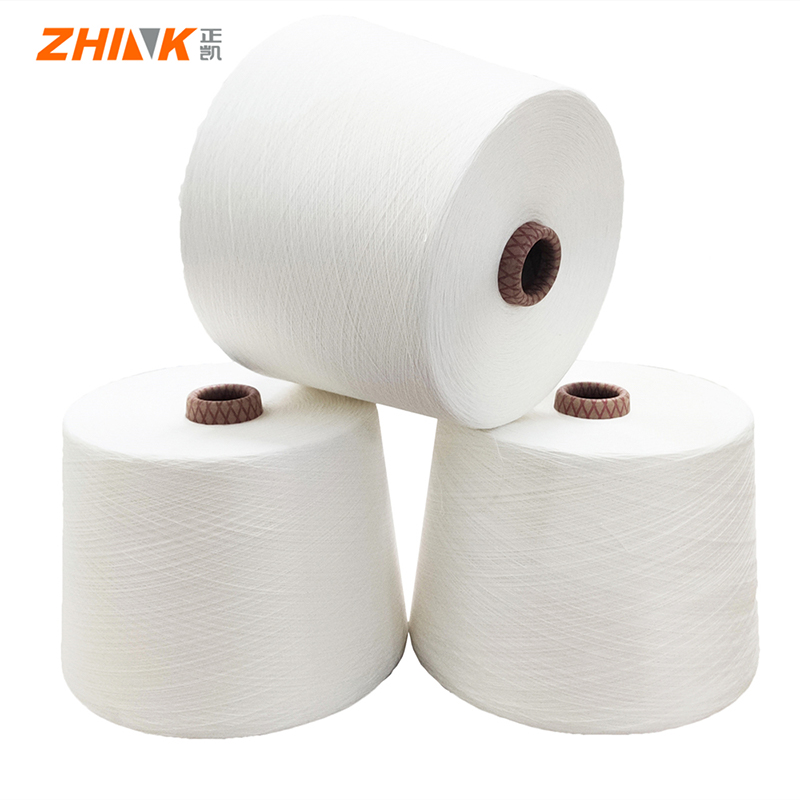
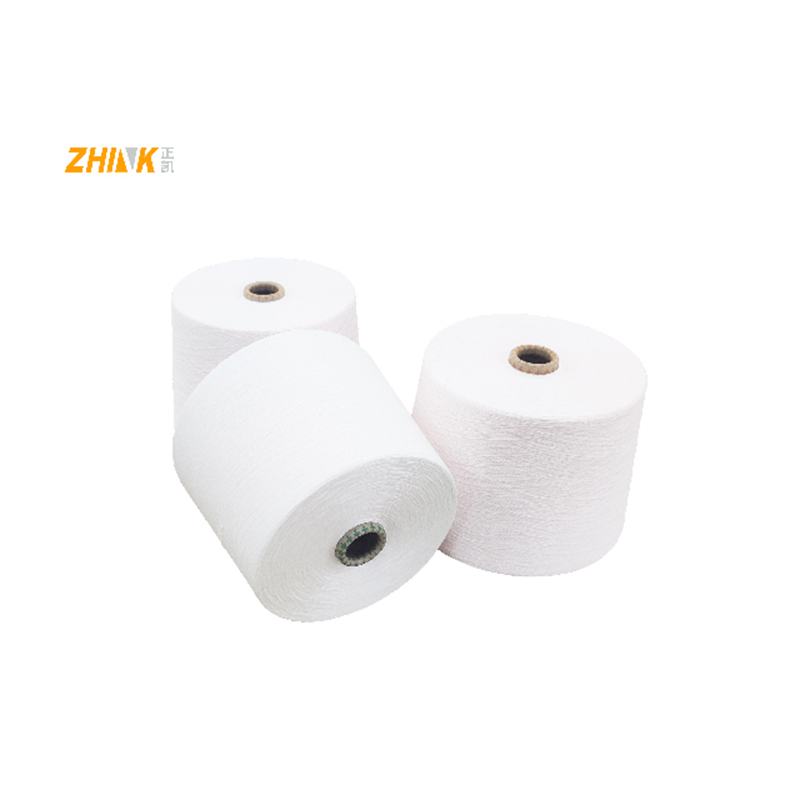
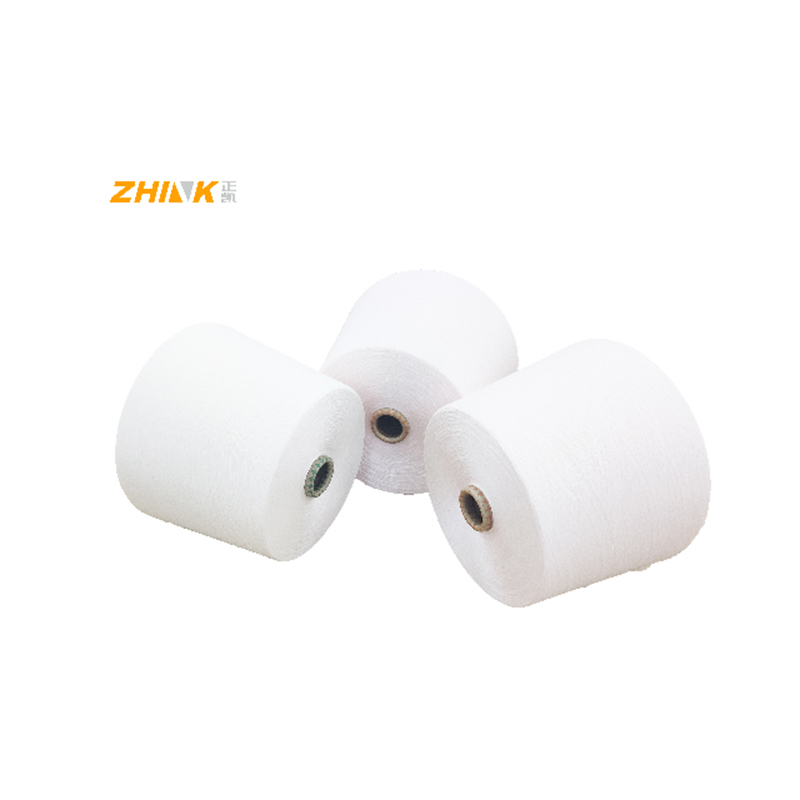
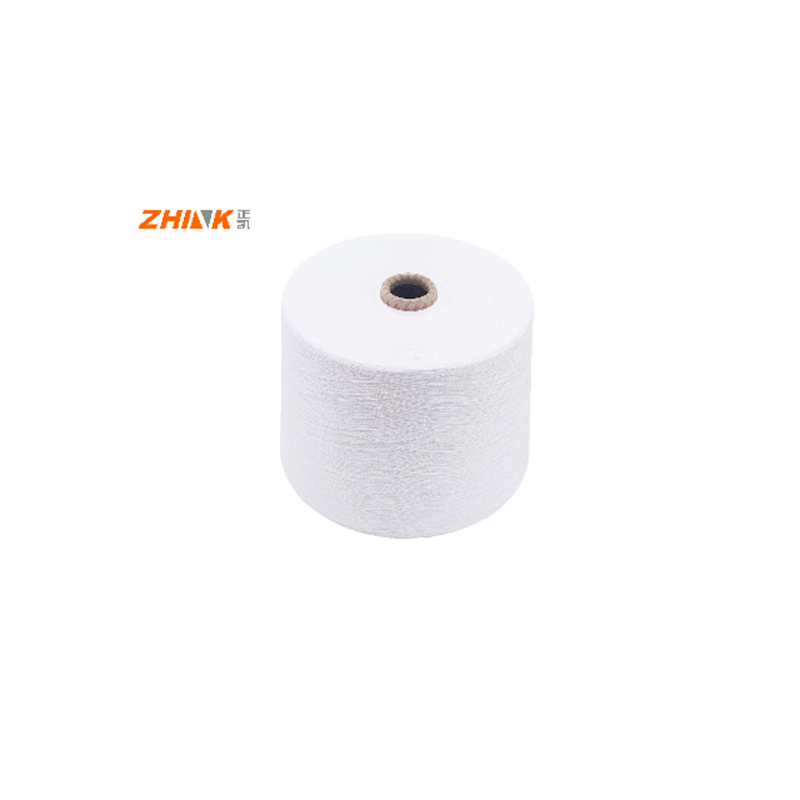
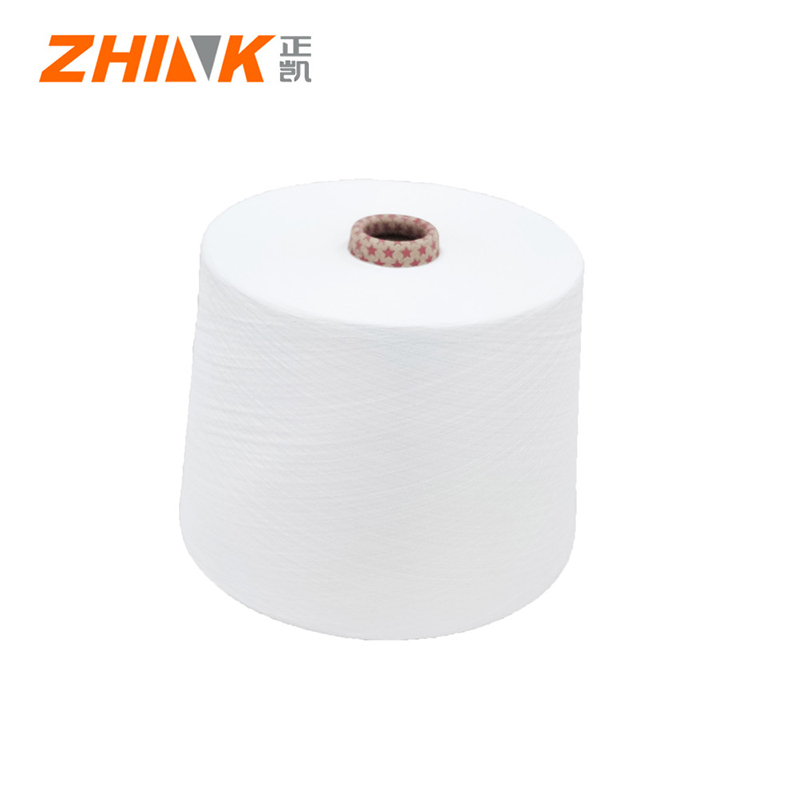
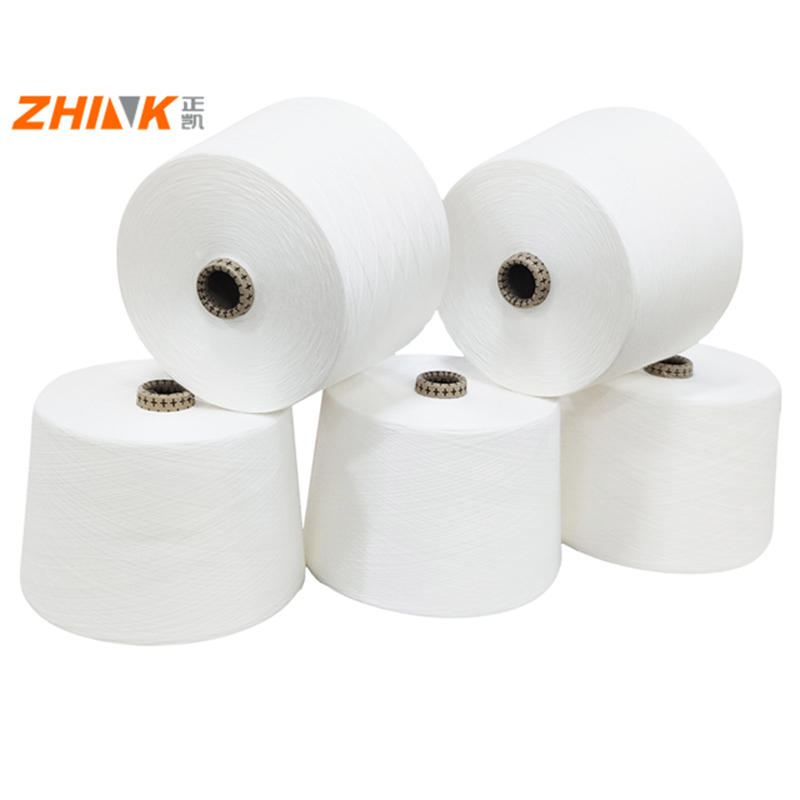
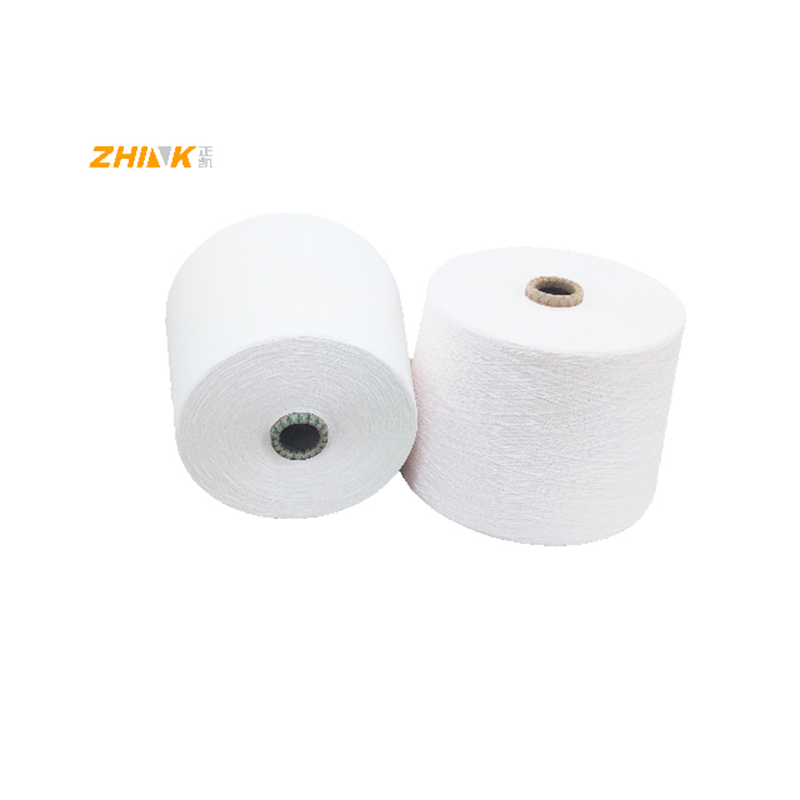
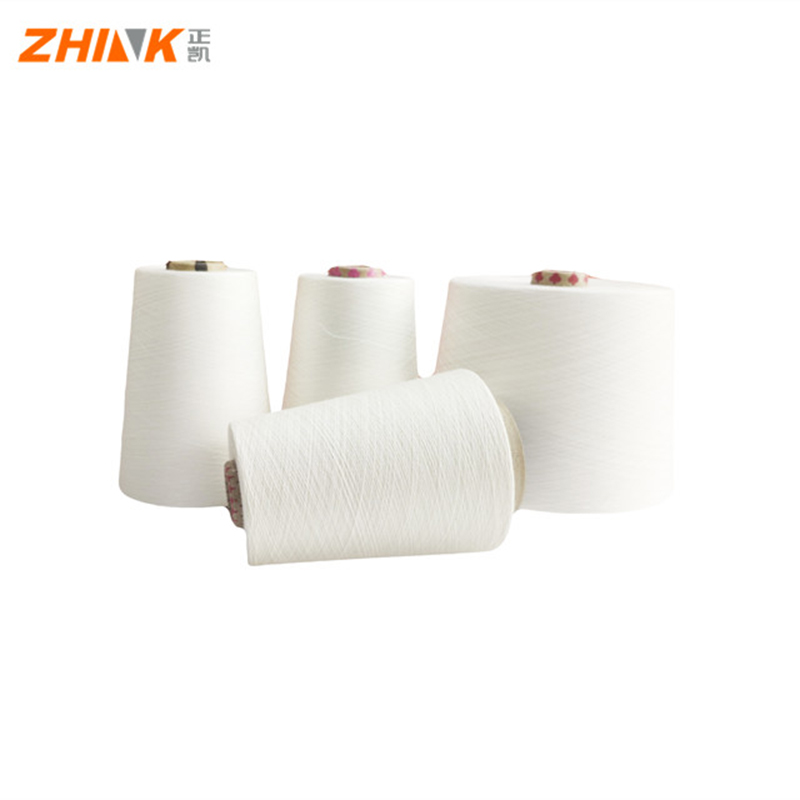
2 40 viscose yarn
Understanding the Intricacies of 2/40 Viscose Yarn
When you're handling yarn as fine as 2/40 viscose yarn, the nuances become everything. It's not just about spinning threads; it's about weaving stories through fibers. Those who've worked with these yarns can tell you—they hold a world of potential and a few tricks up their sleeve.
What is 2/40 Viscose Yarn?
The designation '2/40' can sometimes trip up beginners. Essentially, 2/40 refers to the yarn's count and ply. The yarn is made by twisting two strands of 40-count viscose threads together. Understanding this basic concept grounds your expectations, whether you're planning to knit a delicate scarf or manufacture a lightweight garment.
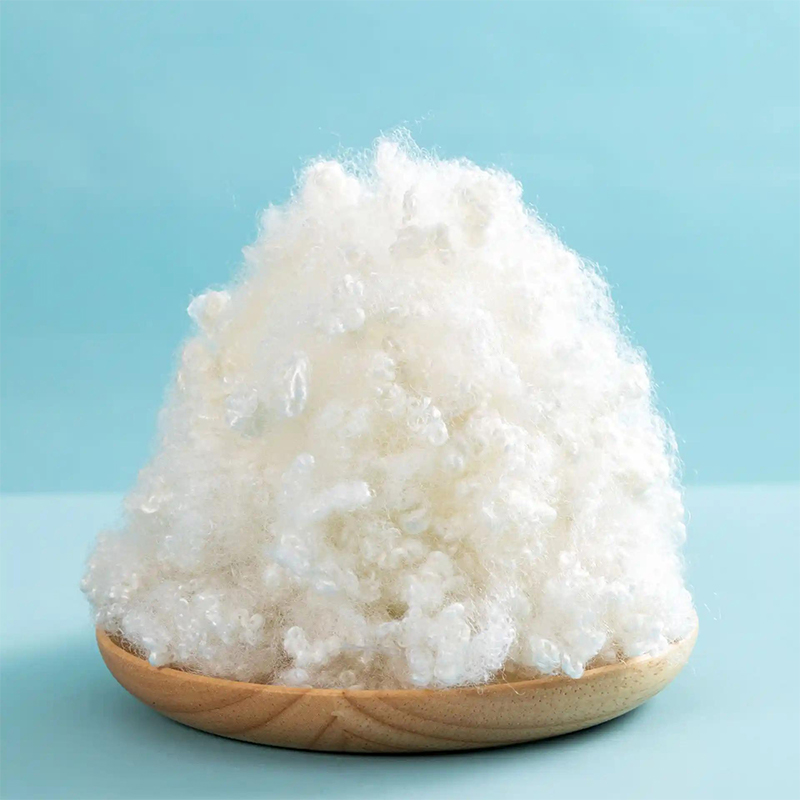
Viscose itself is a cellulose fiber—a cousin to cotton but with a softer drape and more sheen. It's known for its versatility and is a favorite in both fashion and home textiles for its lightness and breathable quality. In terms of handling, though, you might find it has a tendency to stretch if not set properly.
Viscose has its quirks. It's sensitive to water and tends to weaken when wet, which can complicate washing or dyeing processes. A seasoned hand knows to counter these tendencies with careful planning and attention to the detergent and water temperature used.
Challenges and Misconceptions
One common misconception is mistaking viscose as a purely synthetic fiber. Though manufactured, it originates from natural sources. This can influence dyeing and finishing techniques—you'll need specific dyes designed for cellulose fibers for the best results. The breathability is often overlooked, leading some to underestimate its utility in apparel, especially in warm climates.
For anyone new to this, it’s beneficial to partner with experts. SHANDONG ZHINK NEW MATERIAL CO., LTD, accessible at www.zhinkyarn.com, specializes in precisely these textile nuances. They're invaluable for understanding how to implement viscose in your designs or manufacturing line while avoiding common pitfalls.
A vivid memory: my first attempt at using 2/40 viscose yarn. I aimed to knit a top, enamored by its luster. However, I didn't pay heed to its stretching tendencies. The result? A garment two sizes too big after a wash. Humbling experiences teach, and you learn to appreciate the fiber's unique character.
Practical Applications in Textile Industries
So, where does 2/40 viscose yarn shine best? Lightweight summer apparel often tops the list. Blouses, shirts, scarves—they're elegant and offer a unique drape. You’ll also spot it in home textiles, where its sheen adds a subtle touch of luxury to throw pillows and curtains.
In production, working with this yarn requires delicate handling. Machines must be calibrated to manage the fine threads without snapping. Temperature-controlled environments are not uncommon, given how viscose reacts to humidity.
Some manufacturers integrate viscose with other fibers to capitalize on its attributes while offsetting weaknesses. Blends with cotton or polyester can amplify strength or improve texture, offering a new gradient of design possibilities.
Innovations in Viscose Yarn Production
The push for sustainable textiles has influenced the viscose market significantly. Companies like Zhink New Material, with a focus on research and development, are exploring eco-friendlier production practices. This includes sourcing sustainably managed forests and leveraging closed-loop systems to minimize environmental impact.
Advanced technologies in spinning also mean less power consumption and higher efficiency. These innovations don't just make production greener; they often enhance the yarn’s quality, reducing issues like pilling or uneven texture, which are critical when you're dealing with such fine yarn.
At the intersection of tradition and innovation, companies are crafting yarns like 2/40 viscose that are modern yet rooted in textile tradition. It's about marrying the old with the new, ensuring the industry progresses without losing touch with its storied past.
Future Prospects and Closing Thoughts
Looking ahead, the 2/40 viscose yarn space seems primed for growth. As consumers demand more diverse products, the flexibility of this yarn makes it adaptable across various segments. Emerging markets are especially keen given their demand for lightweight, breathable fabrics.
Close collaborations between producers and designers are essential. Places like Zhink New Material act as both a resource and a partner. They provide not just materials, but insights into market dynamics, helping brands navigate this complex textile landscape.
So, if you're stepping into the world of 2/40 viscose yarn, arm yourself with knowledge and a willingness to experiment. The results can be as exquisite and versatile as the yarn itself, provided you're ready to embrace and navigate its unique challenges.
Related Products
Related Products