
+86-632-3621866
- Chinese
- French
- German
- Portuguese
- Spanish
- Russian
- Japanese
- Korean
- Arabic
- Irish
- Greek
- Turkish
- Italian
- Danish
- Romanian
- Indonesian
- Czech
- Afrikaans
- Swedish
- Polish
- Basque
- Catalan
- Esperanto
- Hindi
- Lao
- Albanian
- Amharic
- Armenian
- Azerbaijani
- Belarusian
- Bengali
- Bosnian
- Bulgarian
- Cebuano
- Chichewa
- Corsican
- Croatian
- Dutch
- Estonian
- Filipino
- Finnish
- Frisian
- Galician
- Georgian
- Gujarati
- Haitian
- Hausa
- Hawaiian
- Hebrew
- Hmong
- Hungarian
- Icelandic
- Igbo
- Javanese
- Kannada
- Kazakh
- Khmer
- Kurdish
- Kyrgyz
- Latin
- Latvian
- Lithuanian
- Luxembou..
- Macedonian
- Malagasy
- Malay
- Malayalam
- Maltese
- Maori
- Marathi
- Mongolian
- Burmese
- Nepali
- Norwegian
- Pashto
- Persian
- Punjabi
- Serbian
- Sesotho
- Sinhala
- Slovak
- Slovenian
- Somali
- Samoan
- Scots Gaelic
- Shona
- Sindhi
- Sundanese
- Swahili
- Tajik
- Tamil
- Telugu
- Thai
- Ukrainian
- Urdu
- Uzbek
- Vietnamese
- Welsh
- Xhosa
- Yiddish
- Yoruba
- Zulu
- Kinyarwanda
- Tatar
- Oriya
- Turkmen
- Uyghur


2 40 viscose yarn price
Understanding the Dynamics of 2/40 Viscose Yarn Pricing
Navigating the complexities of viscose yarn pricing can be tricky. This article delves into the intricacies of 2/40 viscose yarn costs, offering a practitioner's insights and real-world observations on trends and market movements.
The Complex World of Viscose Yarn Pricing
It’s fascinating how the market for 2/40 viscose yarn can fluctuate. Many assume it's just the raw materials or production costs, but that’s only part of the story. Factors like geopolitical tensions, trade policies, and evolving consumer preferences all play a crucial role.
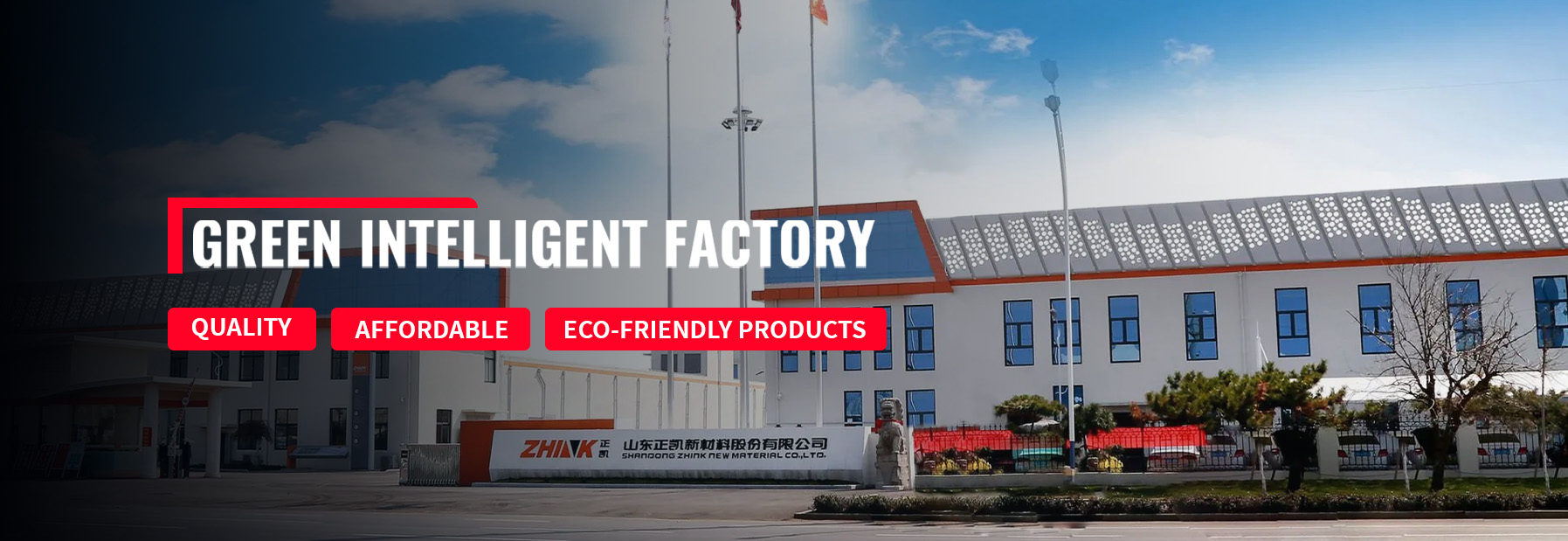
For instance, when Zhink New Material, found at zhinkyarn.com, reports changes in yarn prices, the reasons often tie back to global supply chain disruptions or shifts in local manufacturing capabilities. It’s rarely a straightforward equation.
Sometimes, it's the unexpected changes, like a sudden demand spike in Europe due to fashion trends, that ripple through the industry. Producers have to be agile, adapting quickly to these changes to maintain competitiveness.
In-Depth Look at Production Influences
Production processes deeply influence the cost structure of 2/40 viscose yarn. Factories leveraging advanced technologies tend to offer more consistent pricing, as they aren’t as vulnerable to workforce fluctuations or minor raw material supply issues.
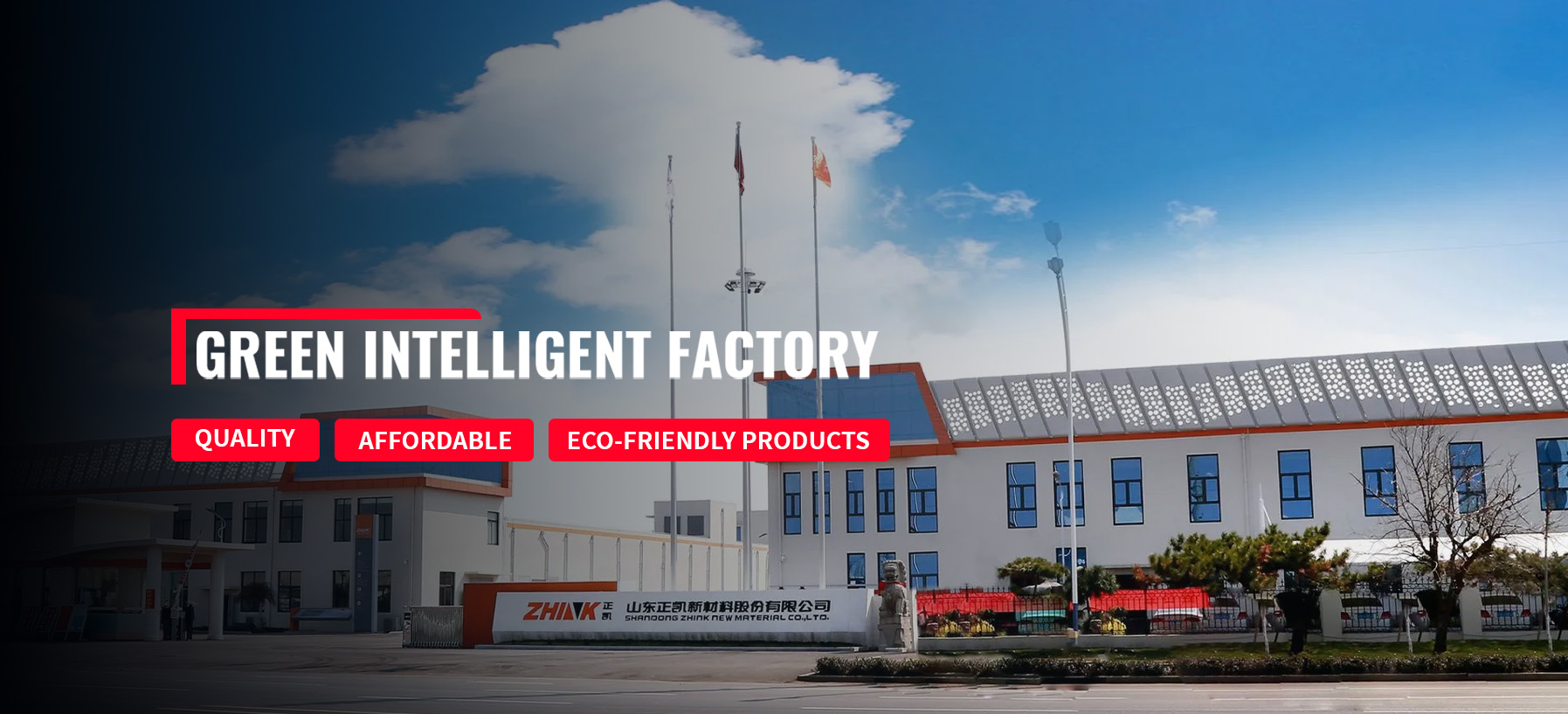
Companies like SHANDONG ZHINK NEW MATERIAL CO., LTD, which specialize in researching and developing new textile materials, invest significantly in sustainable production. This has started to play a major role in how prices are determined, especially with increasing environmental regulations.
But technology isn't everything. Often, grassroots innovation within traditional processes can yield surprisingly competitive prices – a reality some in the industry overlook. These subtle refinements, though less visible, can significantly impact the final price.
Demand Fluctuations and Their Price Impact
Demand is another labyrinthine factor. While one would think that increased demand naturally drives prices up, the reality is more nuanced. It's about timing, geographical variance, and market readiness.
An example comes from when a major fashion brand launched a viscose-heavy collection, reinvigorating demand rapidly. Textile producers who aligned quickly enjoyed a price advantage by preemptively increasing output, thereby stabilizing their costs.
Conversely, a mismatch in demand anticipation can lead to overproduction or underproduction—a costly mistake. Market-savvy entities forecast demand shifts using both historical data and emerging fashion insights.
Sustainability’s Role in Pricing
Sustainability is not just a buzzword but a driving force in today's textile market. While eco-friendly practices initially seem to elevate costs, over time, they can lead to more efficient production and cost savings.
For SHANDONG ZHINK NEW MATERIAL CO., LTD, integrating sustainable practices in textile production means aligning with consumer expectations and regulatory demands. It’s a balancing act: keeping costs in check while pushing for greener practices.
Moreover, consumers are often willing to pay a premium for sustainably produced products. This shifts the traditional supply-demand pricing curve, rendering traditional cost assessments less applicable.
Future Outlook for 2/40 Viscose Yarn Pricing
Looking ahead, several trends are poised to shape the future of 2/40 viscose yarn pricing. The continuous evolution of technology and environmental mandates will undoubtedly play pivotal roles.
AI and data analytics, already part of many industries, are making their way into textile production. For instance, predictive analytics can forecast supply chain disruptions or demand spikes, enabling firms to price more strategically.
In conclusion, it’s clear that while the fundamental principles of supply and demand cannot be ignored, a multitude of factors entwine to influence the price of 2/40 viscose yarn. Companies like Zhink New Material remain at the forefront, navigating these complexities with a blend of tradition, innovation, and sustainability.
Related Products
Related Products
Best Selling Products
Best Selling Products

Related Search
Related Search- Bulk acrylic/viscose siro compact yarn
- cationic polyester/ viscose spandex yarn
- flax blended yarn for knitting
- recycled polyester/wool blended yarn
- polyester/Lyocell 50/50 yarn
- Solid acrylic/viscose vortex yarn
- Hollow polyester yarn for knitting
- cotton and acrylic yarn
- 16s Recycled polyester yarn
- Recycled polyester/bamboo ring spun yarn