+86-632-3621866
- Chinese
- French
- German
- Portuguese
- Spanish
- Russian
- Japanese
- Korean
- Arabic
- Irish
- Greek
- Turkish
- Italian
- Danish
- Romanian
- Indonesian
- Czech
- Afrikaans
- Swedish
- Polish
- Basque
- Catalan
- Esperanto
- Hindi
- Lao
- Albanian
- Amharic
- Armenian
- Azerbaijani
- Belarusian
- Bengali
- Bosnian
- Bulgarian
- Cebuano
- Chichewa
- Corsican
- Croatian
- Dutch
- Estonian
- Filipino
- Finnish
- Frisian
- Galician
- Georgian
- Gujarati
- Haitian
- Hausa
- Hawaiian
- Hebrew
- Hmong
- Hungarian
- Icelandic
- Igbo
- Javanese
- Kannada
- Kazakh
- Khmer
- Kurdish
- Kyrgyz
- Latin
- Latvian
- Lithuanian
- Luxembou..
- Macedonian
- Malagasy
- Malay
- Malayalam
- Maltese
- Maori
- Marathi
- Mongolian
- Burmese
- Nepali
- Norwegian
- Pashto
- Persian
- Punjabi
- Serbian
- Sesotho
- Sinhala
- Slovak
- Slovenian
- Somali
- Samoan
- Scots Gaelic
- Shona
- Sindhi
- Sundanese
- Swahili
- Tajik
- Tamil
- Telugu
- Thai
- Ukrainian
- Urdu
- Uzbek
- Vietnamese
- Welsh
- Xhosa
- Yiddish
- Yoruba
- Zulu
- Kinyarwanda
- Tatar
- Oriya
- Turkmen
- Uyghur



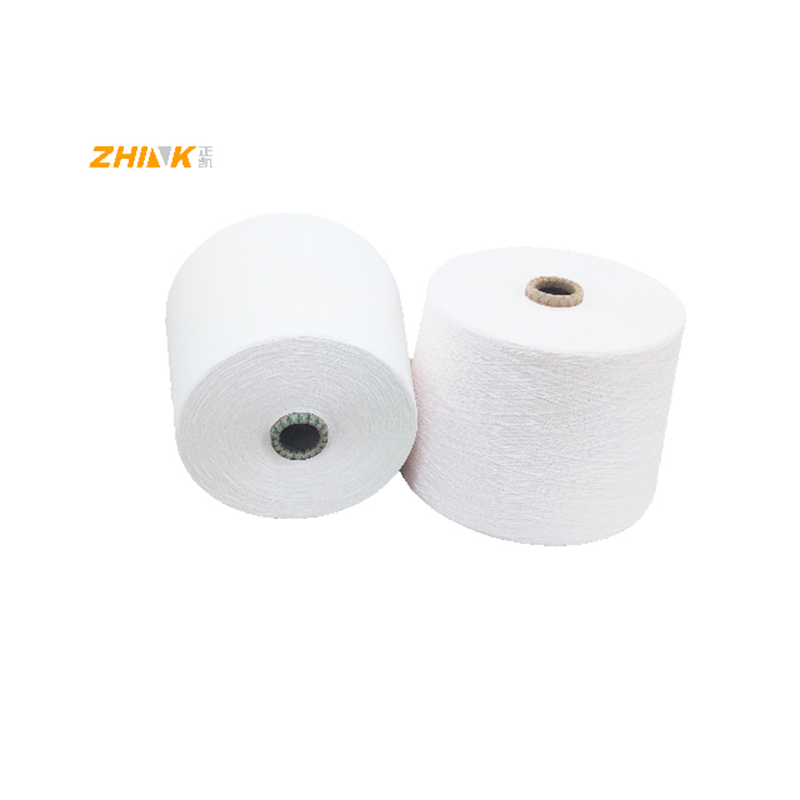
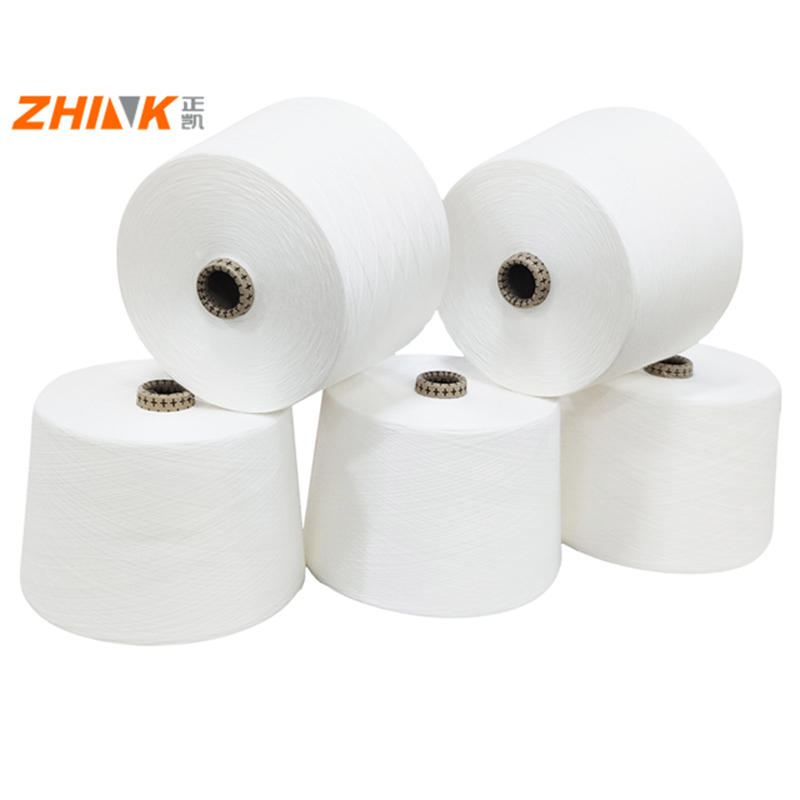
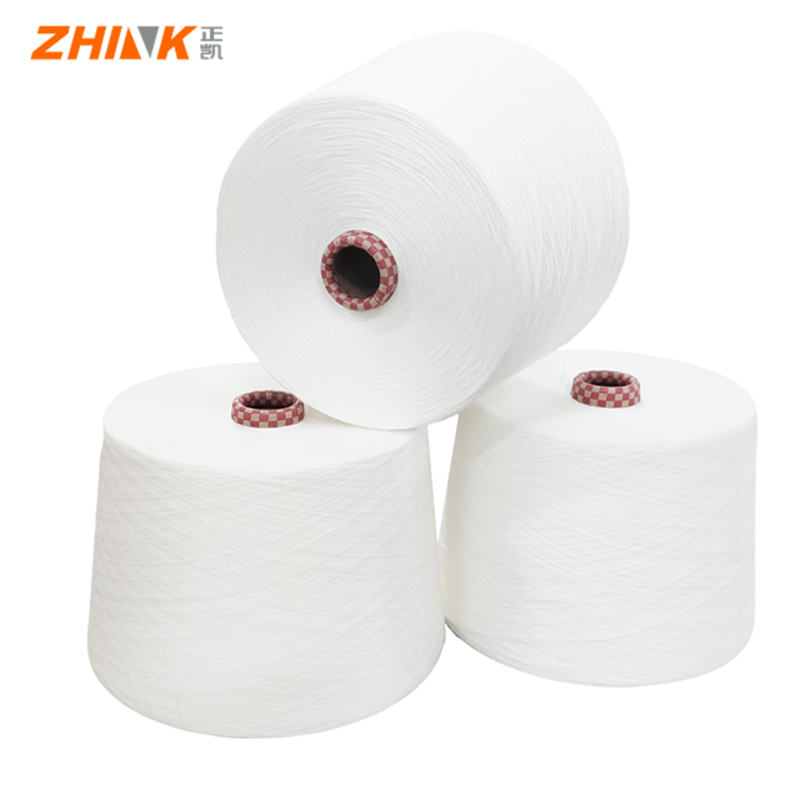
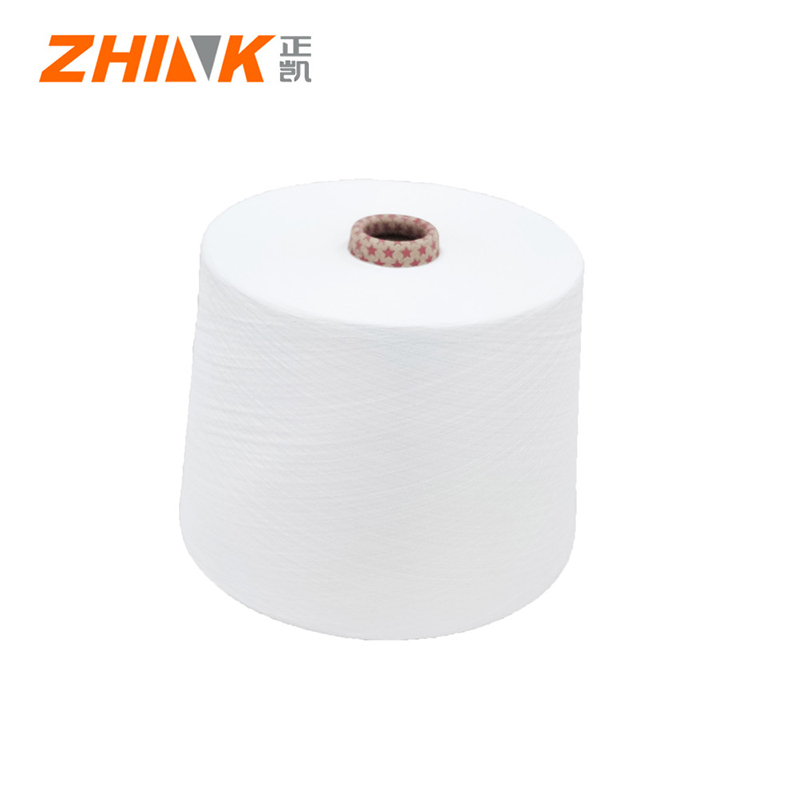
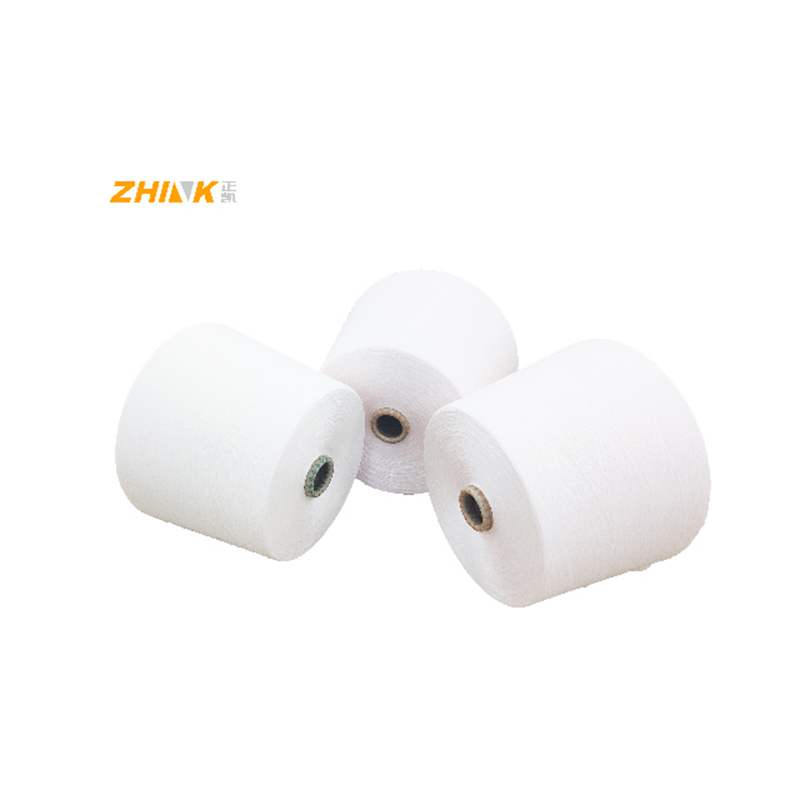
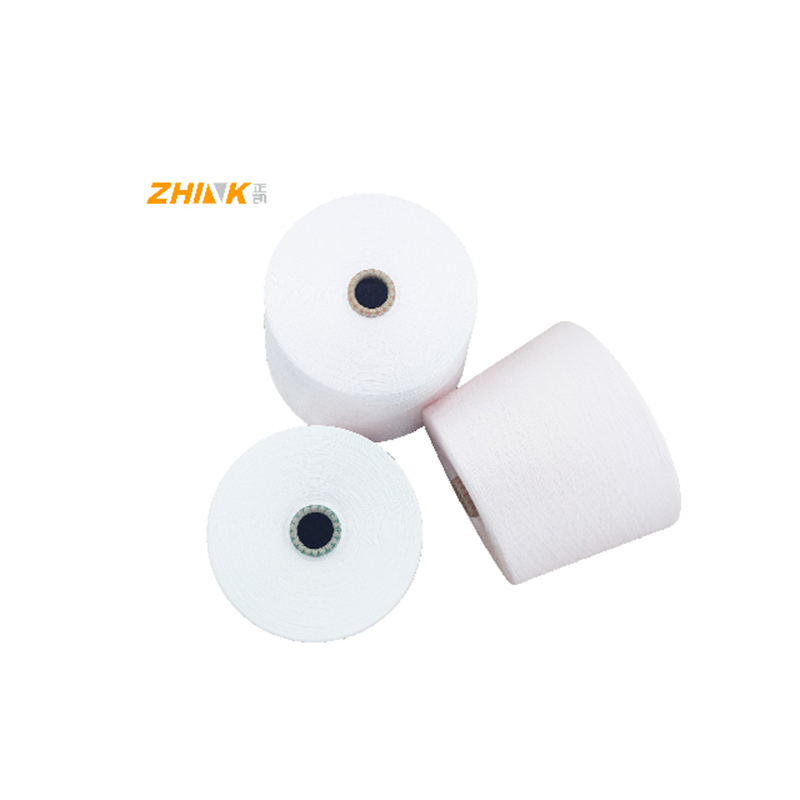
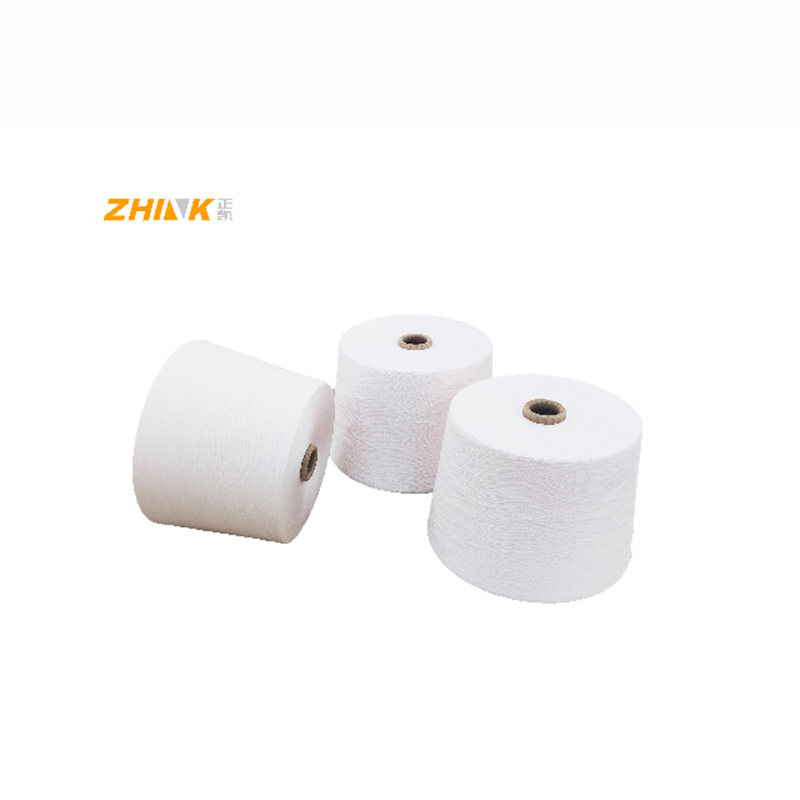
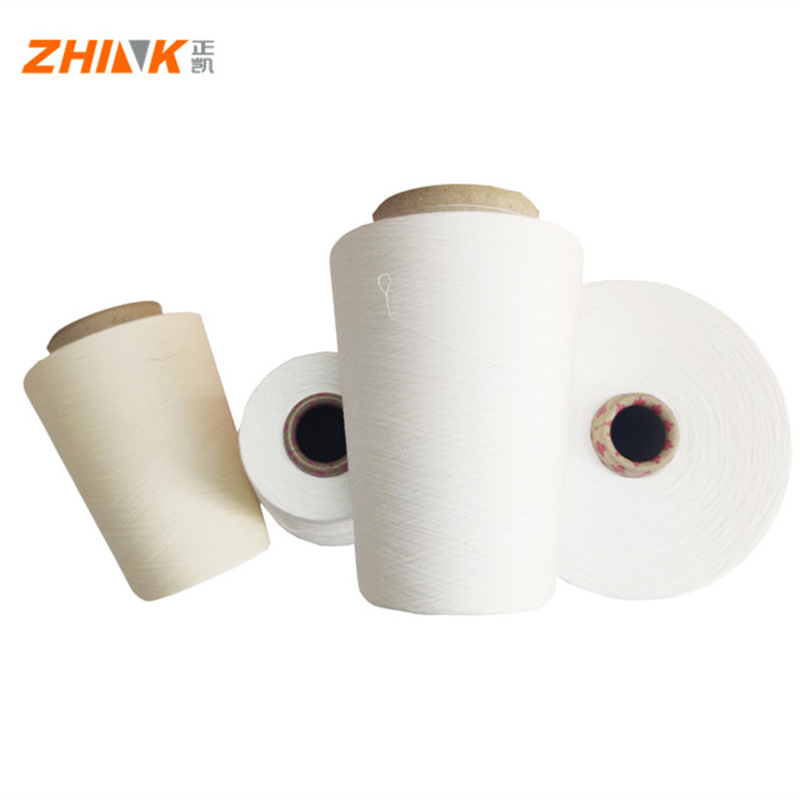
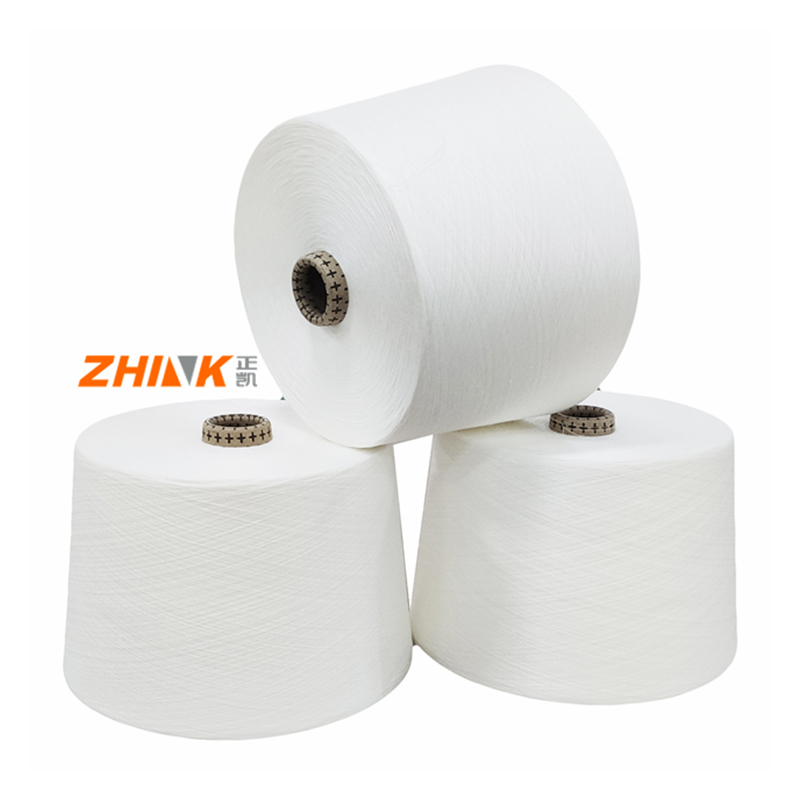
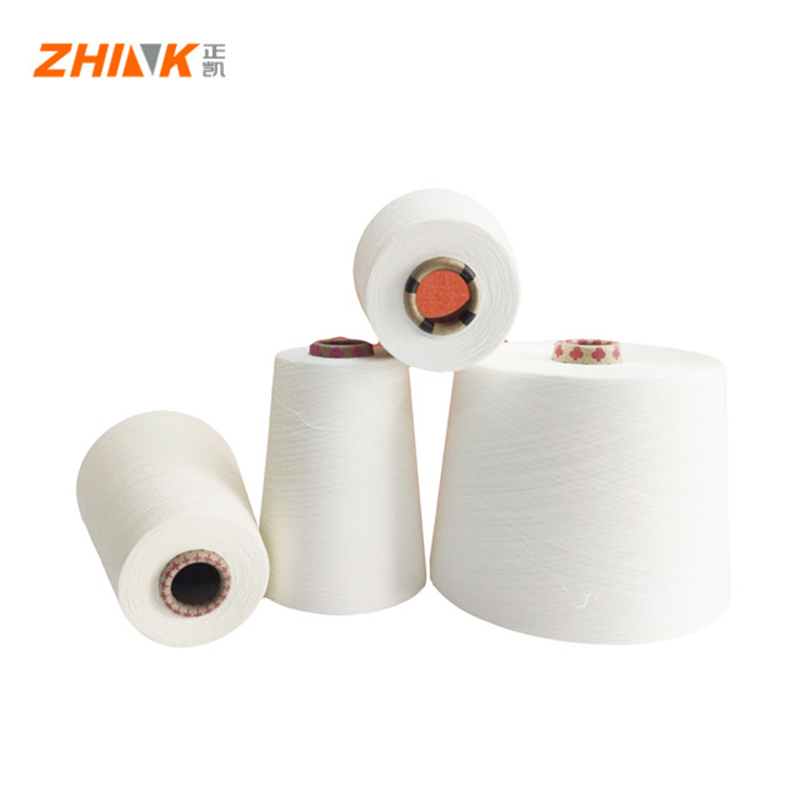
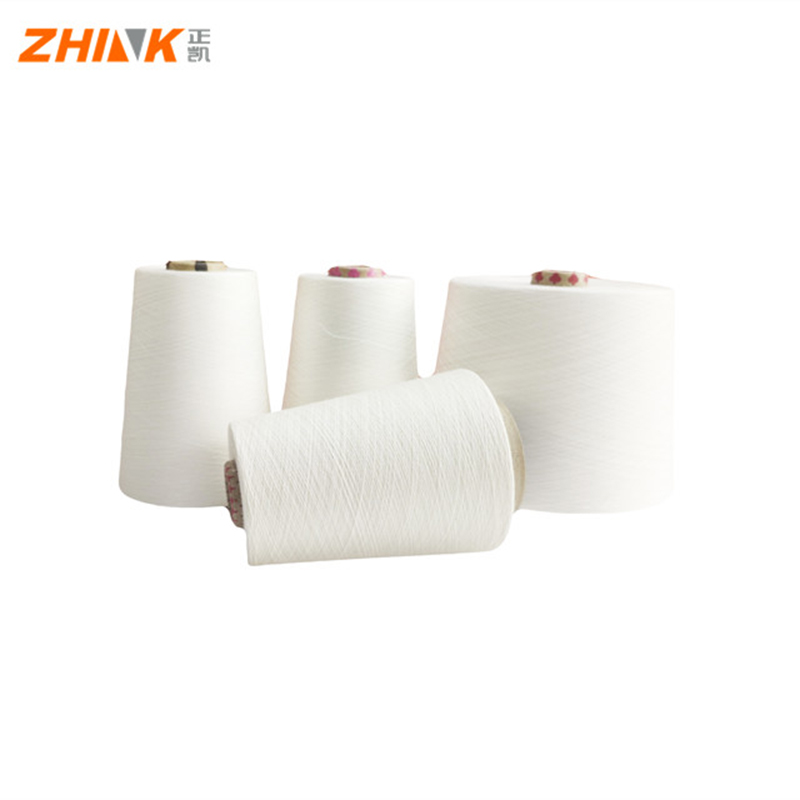
20s acrylic yarn
The Versatility and Charm of 20s Acrylic Yarn
The term '20s acrylic yarn' often elicits a variety of impressions from those in the textile industry. While some might think of it as a staple in modern textiles, others view it as a versatile challenger to natural fibers. It blends durability with affordability, offering a viable alternative for various applications. Many misconceptions surround its composition and use, but let's unravel these threads with practical insights and observations from the field.
Breaking Down 20s Acrylic Yarn
When we talk about 20s acrylic yarn, the '20s' refers to the yarn count, which influences the thickness and texture of the yarn. This specific count balances well between fineness and strength, making it suitable for an array of products. From knitting to weaving, its consistency is appreciated. However, working with it requires understanding its stretch and recovery properties, which differ considerably from cotton or wool. It's here that one begins to see its unique place in textile applications.
One of the most remarkable features of acrylic yarn is its resilience. Unlike its natural counterparts, it resists fading and holds color well, even after exposure to sunlight and repeated washing. This makes it particularly appealing for home textiles. I remember a project where we needed vibrant upholstery that wouldn't lose its charm over time—acrylic yarn was the answer.
On the flip side, acridity—often cited as a downside of synthetic yarns—can be a challenge. In my experience, airing out garments or textiles after purchasing or production often resolves this. However, it took time to understand this balance when I first started, a common stumbling block for newcomers.
Innovations and Challenges
Working at SHANDONG ZHINK NEW MATERIAL CO., LTD (https://www.zhinkyarn.com), I've witnessed firsthand the strides made in acrylic yarn technology. Zhink New Material specializes in new textile advancements, and here, the focus on R&D ensures that 20s acrylic yarn continues to evolve. New finishes and treatments improve its softness, giving it an almost wool-like quality, broadening its application even further.
Yet, the journey to these innovations isn't without setbacks. I recall a trial batch that, despite early promises, didn't meet our durability benchmarks. It was a lesson in the unpredictability of textile chemistry but also an opportunity to refine our processes. The emphasis on quality control, even at experimental stages, is key in producing consistent, market-ready products.
Moreover, there's an ongoing conversation about sustainability in synthetic yarns. While acrylic isn't naturally biodegradable, advancements are being made to create blends that reduce environmental impact. This is an area where ongoing research is crucial, and it's something we're deeply committed to exploring further at Zhink New Material.
Applications in Modern Textiles
Whether in apparel or upholstery, the real proof of acrylic yarn's value lies in its performance. Its application in sportswear showcases its wicking ability and comfort, aspects often underestimated. The lightweight nature means it's favored in activewear, where movement is essential. A personal observation is its evolving role in ecological fashion, where blending with other fibers can lessen its ecological footprint while retaining performance attributes.
In crafting and knitting circles, the yarn's easy maintenance is a major boon. It withstands frequent washing and reshaping, not to mention the wide selection of colors that cater to myriad creative ideas. For hobbyists and professionals alike, the appeal is self-evident.
From an industry perspective, investing in acrylic yarn manufacturing means acknowledging its strengths and limitations. It's about tapping into a market that appreciates its versatility while addressing the evolving demands for greener materials.
The Future of Acrylic Yarns
Looking ahead, the potential of 20s acrylic yarn continues to expand. As consumer awareness grows, so does the push for innovative production methods that prioritize sustainability. At SHANDONG ZHINK NEW MATERIAL CO., LTD, the focus remains on pioneering these changes. The aim is not just to follow trends but to set them, ensuring the yarns we produce are not only high-performing but also environmentally responsible.
Technological advances, such as biodegradable additives, are promising steps forward. They suggest a future where synthetic doesn't necessarily mean non-eco-friendly. It's an exciting time to be part of this industry, witnessing and contributing to these changes.
In conclusion, 20s acrylic yarn holds its own in the world of textiles. With a blend of practicality and potential, it challenges traditional molds, embodying what the future of fabrics can be. It reminds us that innovation and tradition aren't mutually exclusive but can coexist beautifully, crafting the textiles of tomorrow.
Related Products
Related Products