+86-632-3621866
- Chinese
- French
- German
- Portuguese
- Spanish
- Russian
- Japanese
- Korean
- Arabic
- Irish
- Greek
- Turkish
- Italian
- Danish
- Romanian
- Indonesian
- Czech
- Afrikaans
- Swedish
- Polish
- Basque
- Catalan
- Esperanto
- Hindi
- Lao
- Albanian
- Amharic
- Armenian
- Azerbaijani
- Belarusian
- Bengali
- Bosnian
- Bulgarian
- Cebuano
- Chichewa
- Corsican
- Croatian
- Dutch
- Estonian
- Filipino
- Finnish
- Frisian
- Galician
- Georgian
- Gujarati
- Haitian
- Hausa
- Hawaiian
- Hebrew
- Hmong
- Hungarian
- Icelandic
- Igbo
- Javanese
- Kannada
- Kazakh
- Khmer
- Kurdish
- Kyrgyz
- Latin
- Latvian
- Lithuanian
- Luxembou..
- Macedonian
- Malagasy
- Malay
- Malayalam
- Maltese
- Maori
- Marathi
- Mongolian
- Burmese
- Nepali
- Norwegian
- Pashto
- Persian
- Punjabi
- Serbian
- Sesotho
- Sinhala
- Slovak
- Slovenian
- Somali
- Samoan
- Scots Gaelic
- Shona
- Sindhi
- Sundanese
- Swahili
- Tajik
- Tamil
- Telugu
- Thai
- Ukrainian
- Urdu
- Uzbek
- Vietnamese
- Welsh
- Xhosa
- Yiddish
- Yoruba
- Zulu
- Kinyarwanda
- Tatar
- Oriya
- Turkmen
- Uyghur



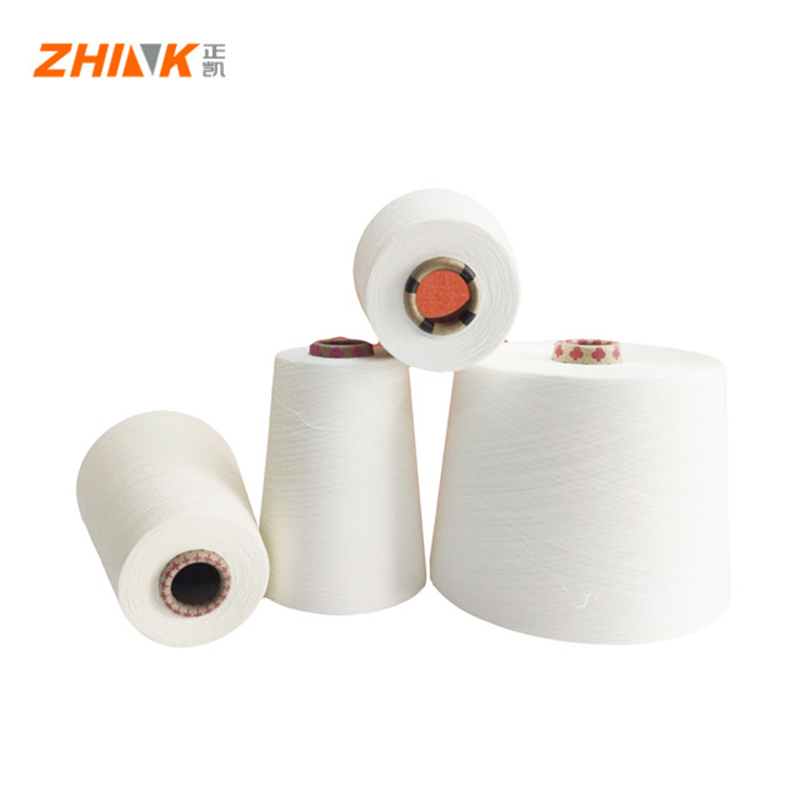
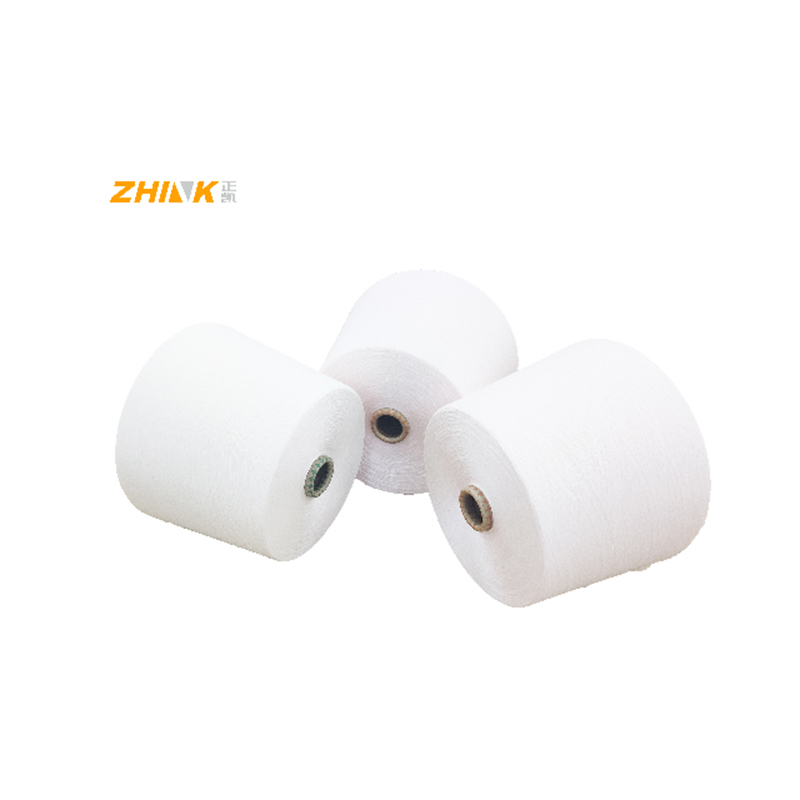
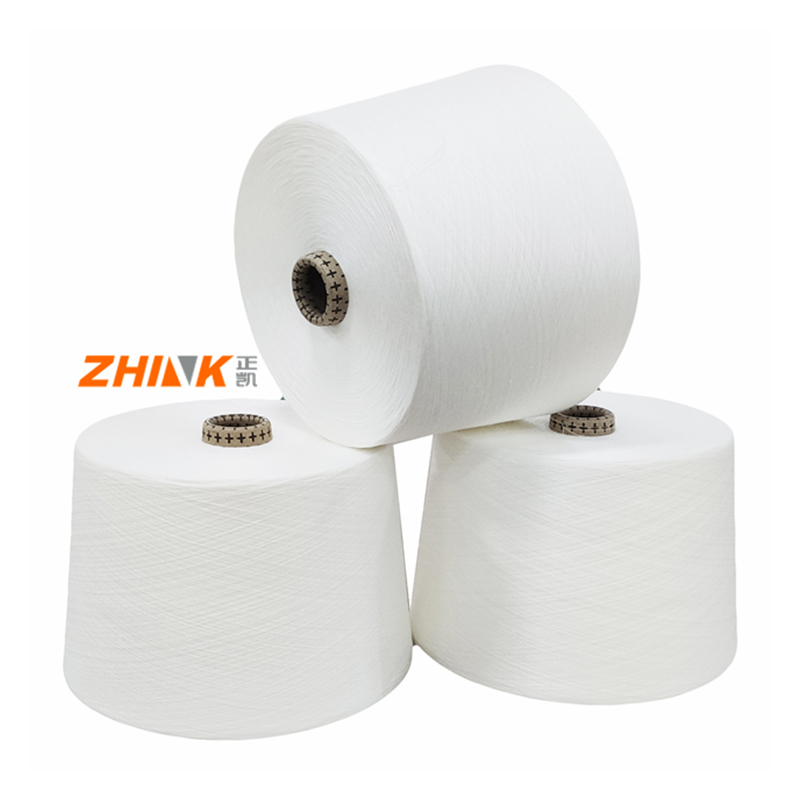
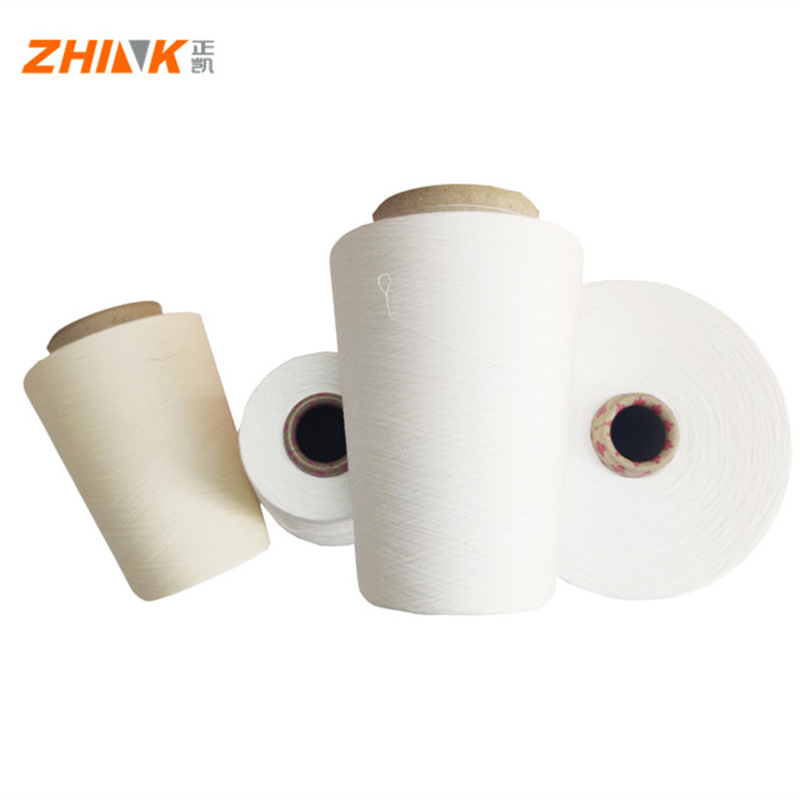
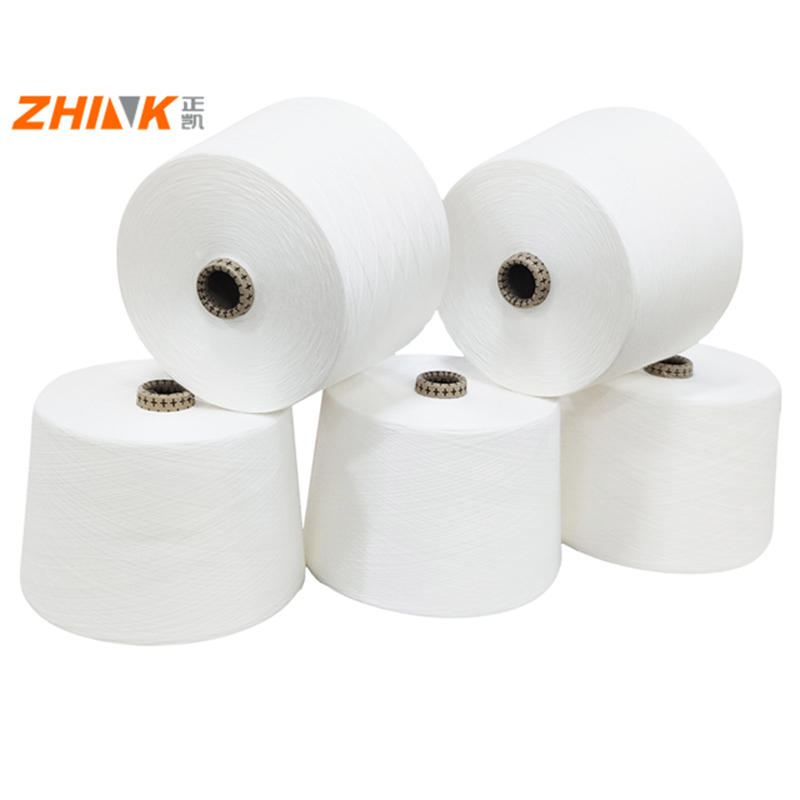
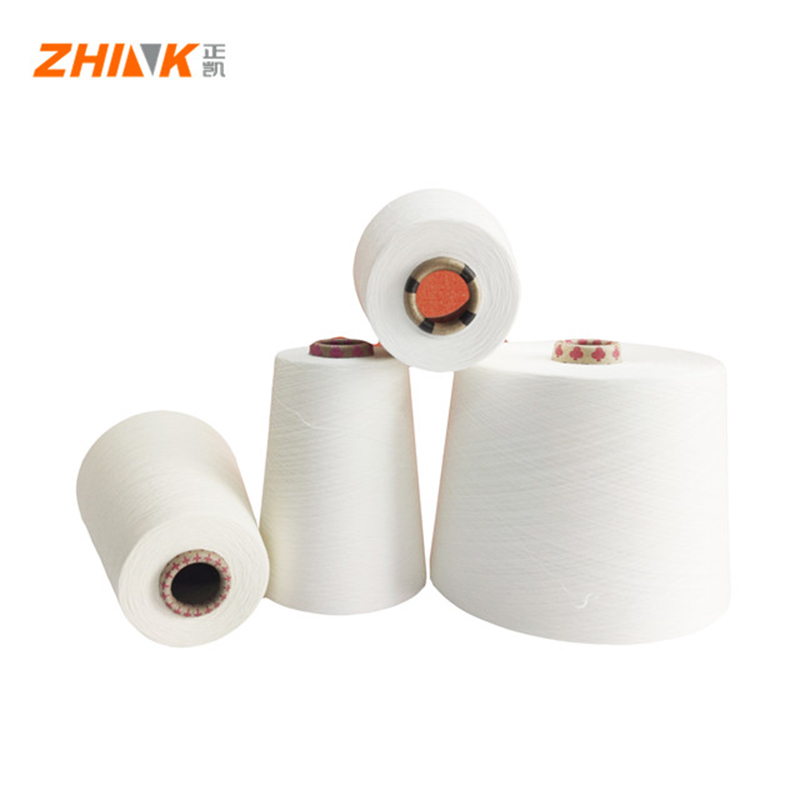
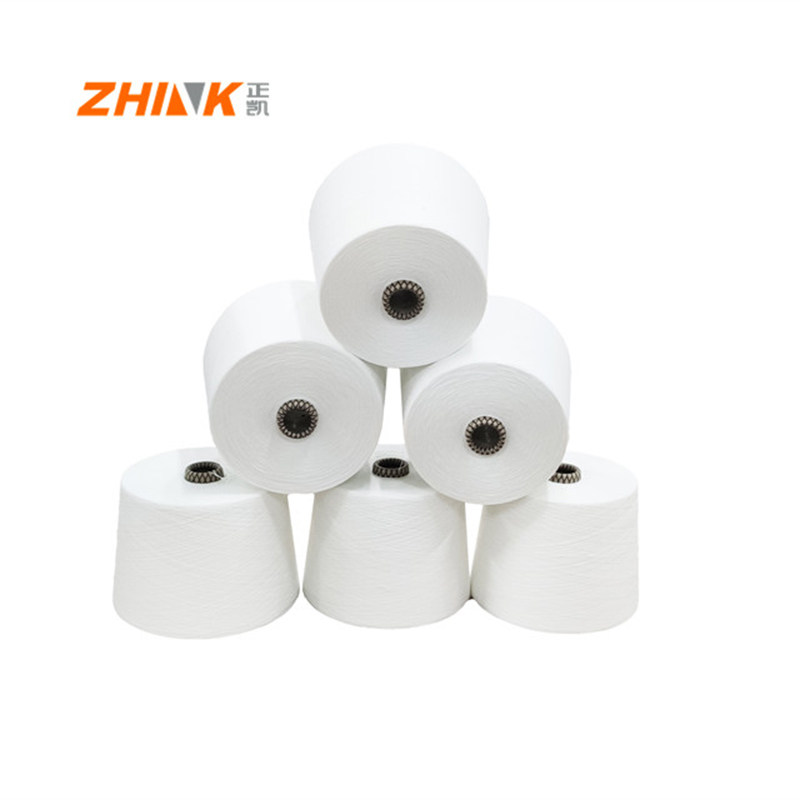
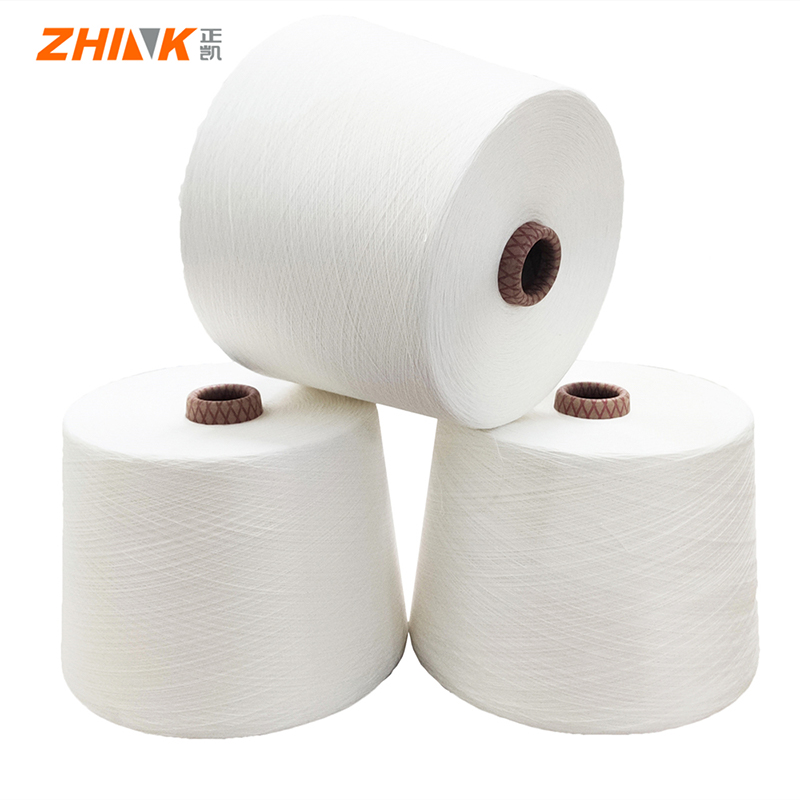
20s Cationic polyester yarn
The Intricacies of 20s Cationic Polyester Yarn
Understanding the nuances of 20s Cationic Polyester Yarn can significantly impact textile innovation. Delve into the complexities of this unique yarn and discover its value in modern material science.
Unraveling the Basic Characteristics
In the textile world, the term 20s typically refers to the yarn count, a critical factor in determining its weight and thickness. With cationic polyester yarn, though, there's more beneath the surface. It’s a modified polyester that holds distinct coloration properties, introducing a different dimension to textile processing.
From my experience, working with this yarn involves a unique dyeing process. Traditional dyes don't cut it; cationic dyes are essential, and they require careful handling to achieve uniform results. I recall an instance at a mill where uneven dye distribution was a persistent issue—until we recalibrated the dye bath parameters.
The color vibrancy is another talking point. This yarn's ability to absorb and display rich, deep colors can transform fabric aesthetics entirely. I’ve seen dull fabrics come to life with an infusion of 20s cationic polyester, and this undoubtedly opens doors for creative textile design.
Real-World Application Insights
An interesting aspect here is its role in blending. When combined with other fibers, especially non-cationic ones, you get fascinating contrast effects. I remember a project where we blended it with cotton, resulting in a fabric that had a dynamic sheen, really catching the eye under showroom lights.
Such blends, however, were not without challenges. Compatibility is a frequent puzzle; distinct fibers behave unpredictably under heat and pressure. A particular experiment stands out, where the blend shrank significantly post-dyeing, counter to our expectations, prompting further analysis and adjustments.
Companies like SHANDONG ZHINK NEW MATERIAL CO., LTD, known for their innovative textile solutions, often tackle these issues. Their focus on new material R&D is crucial in refining such blends, as highlighted on their website, zhinkyarn.com.
The Dyeing Process Nuances
Cationic dyeing processes require precision; there’s an art to balancing dye concentration, temperature, and time. It’s not just about following the manual—real expertise comes from recognizing subtle shifts in the process. It’s that moment when you notice a slight temperature fluctuation that could affect the final shade.
I once encountered a peculiar situation where a batch turned out unexpectedly pale. Investigating, we found a slight miscalculation in the pH level of our dye bath. Adjusting the pH brought the colors back to life, underscoring the intricate balance needed in handling these materials.
In this regard, SHANDONG ZHINK NEW MATERIAL CO., LTD continues to push boundaries, exploring new methods and technologies to enhance dye efficiency and fabric quality. Their commitment to development is evident and serves as a valuable resource for insights into process improvements.
Handling and Performance Concerns
On the technical side, handling 20s cationic polyester yarn poses its own set of challenges. The yarn’s mechanical properties—its strength, elasticity, and tensile behavior—are subjects of deep investigation. In one of my earlier trials, the fabric’s tensile tests came back with surprising variances compared to standard polyester.
This prompted us to revisit the yarn’s formulation, collaborating closely with specialists to stabilize these properties. It’s in these collaborative efforts that the textile industry finds its innovations, driven by both experimentation and deep technical understanding.
Ultimately, these trials lead to more informed manufacturing processes, allowing for the creation of fabrics tailored to specific needs. At a time when consumer preferences are rapidly evolving, this adaptability is invaluable.
Final Thoughts and Future Directions
Reflecting on the journey with 20s Cationic Polyester Yarn, it’s clear this material embodies both opportunity and challenge. As we innovate, learning from past trials and adopting flexible strategies is crucial.
The real art lies in balancing scientific knowledge with hands-on experience. Whether it’s in dye laboratories or on the production line, the need for continuous learning and adaptation remains constant.
Companies like SHANDONG ZHINK NEW MATERIAL CO., LTD stand at the forefront of this exploration, guiding the industry with their research and expertise. Their contributions are not just about producing yarn but about advancing an entire field, ensuring the textiles of tomorrow meet and exceed current demands.
Related Products
Related Products