+86-632-3621866
- Chinese
- French
- German
- Portuguese
- Spanish
- Russian
- Japanese
- Korean
- Arabic
- Irish
- Greek
- Turkish
- Italian
- Danish
- Romanian
- Indonesian
- Czech
- Afrikaans
- Swedish
- Polish
- Basque
- Catalan
- Esperanto
- Hindi
- Lao
- Albanian
- Amharic
- Armenian
- Azerbaijani
- Belarusian
- Bengali
- Bosnian
- Bulgarian
- Cebuano
- Chichewa
- Corsican
- Croatian
- Dutch
- Estonian
- Filipino
- Finnish
- Frisian
- Galician
- Georgian
- Gujarati
- Haitian
- Hausa
- Hawaiian
- Hebrew
- Hmong
- Hungarian
- Icelandic
- Igbo
- Javanese
- Kannada
- Kazakh
- Khmer
- Kurdish
- Kyrgyz
- Latin
- Latvian
- Lithuanian
- Luxembou..
- Macedonian
- Malagasy
- Malay
- Malayalam
- Maltese
- Maori
- Marathi
- Mongolian
- Burmese
- Nepali
- Norwegian
- Pashto
- Persian
- Punjabi
- Serbian
- Sesotho
- Sinhala
- Slovak
- Slovenian
- Somali
- Samoan
- Scots Gaelic
- Shona
- Sindhi
- Sundanese
- Swahili
- Tajik
- Tamil
- Telugu
- Thai
- Ukrainian
- Urdu
- Uzbek
- Vietnamese
- Welsh
- Xhosa
- Yiddish
- Yoruba
- Zulu
- Kinyarwanda
- Tatar
- Oriya
- Turkmen
- Uyghur


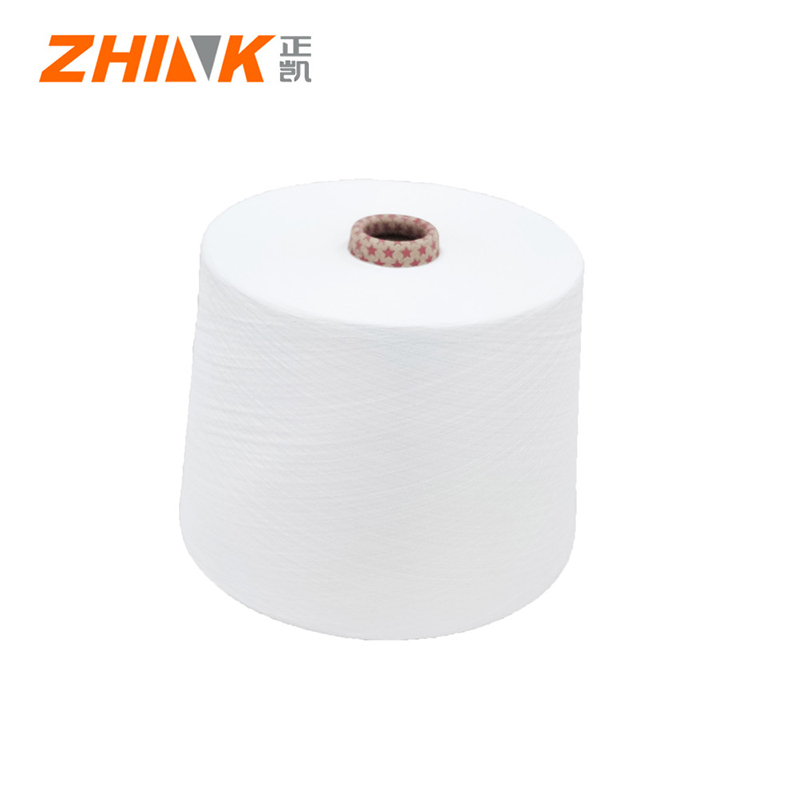
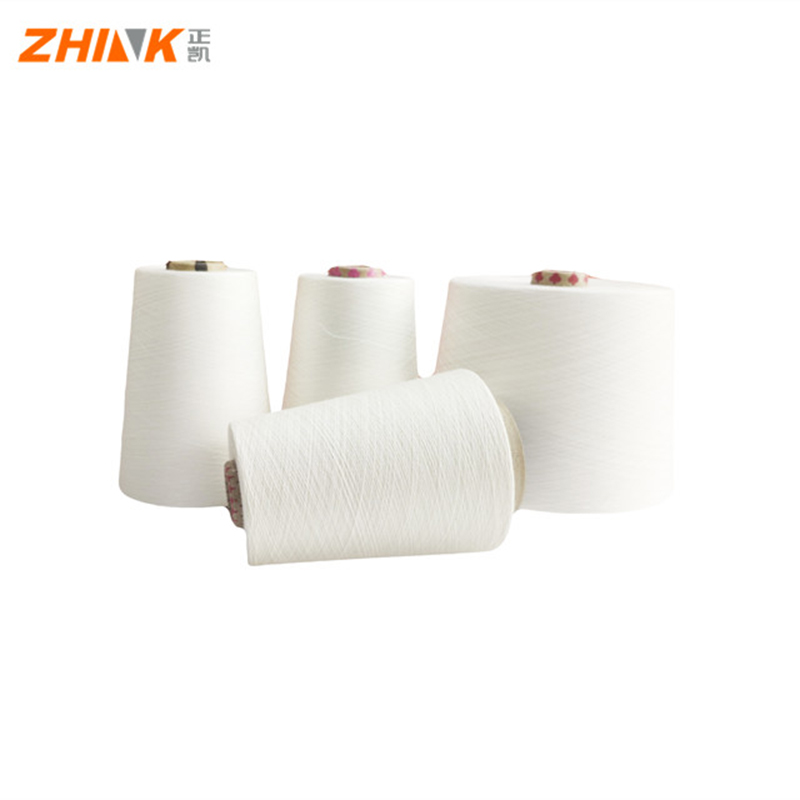
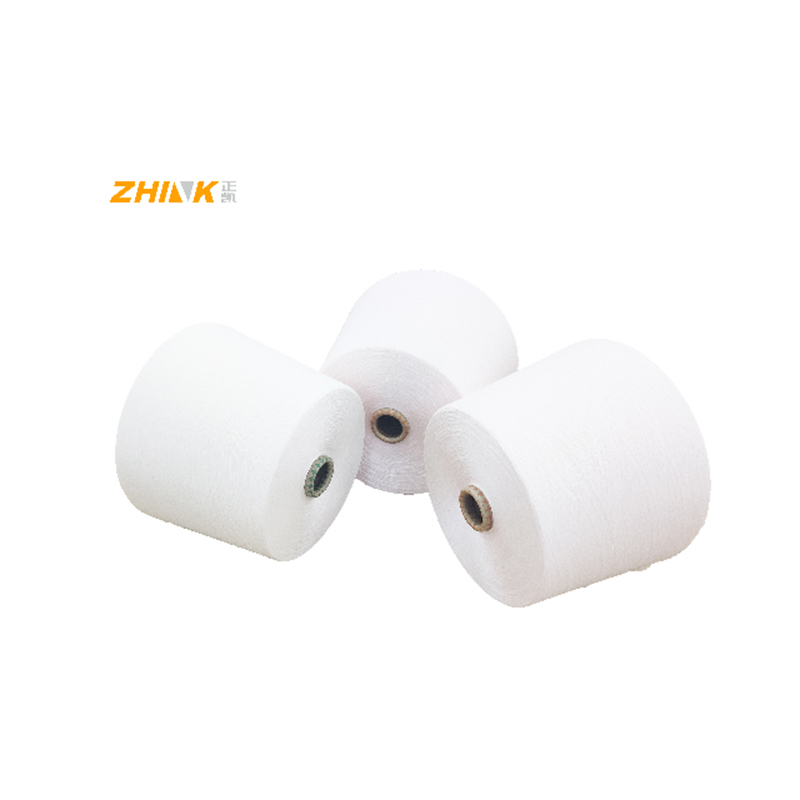
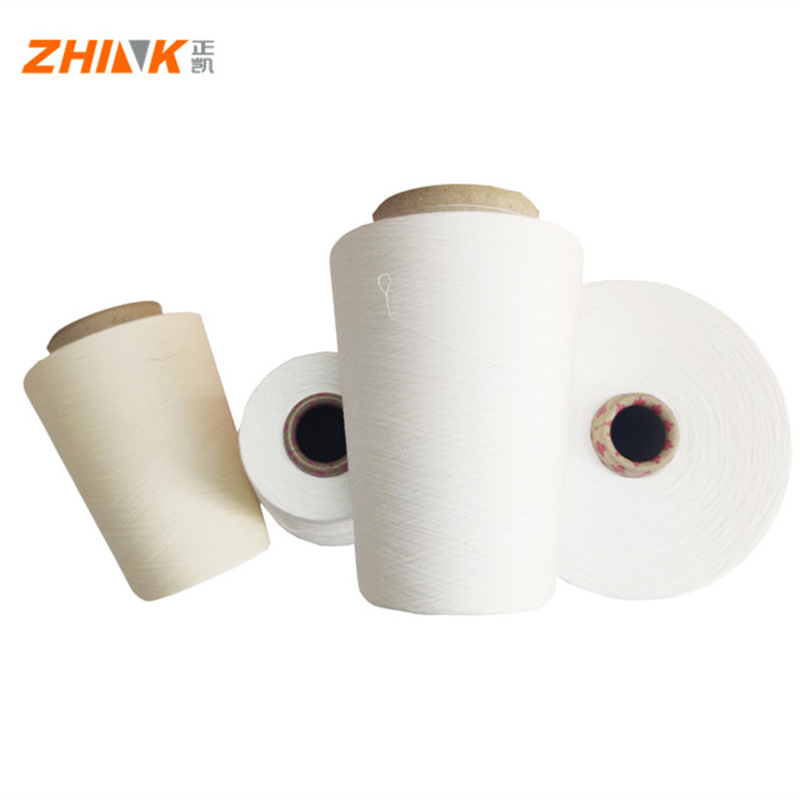
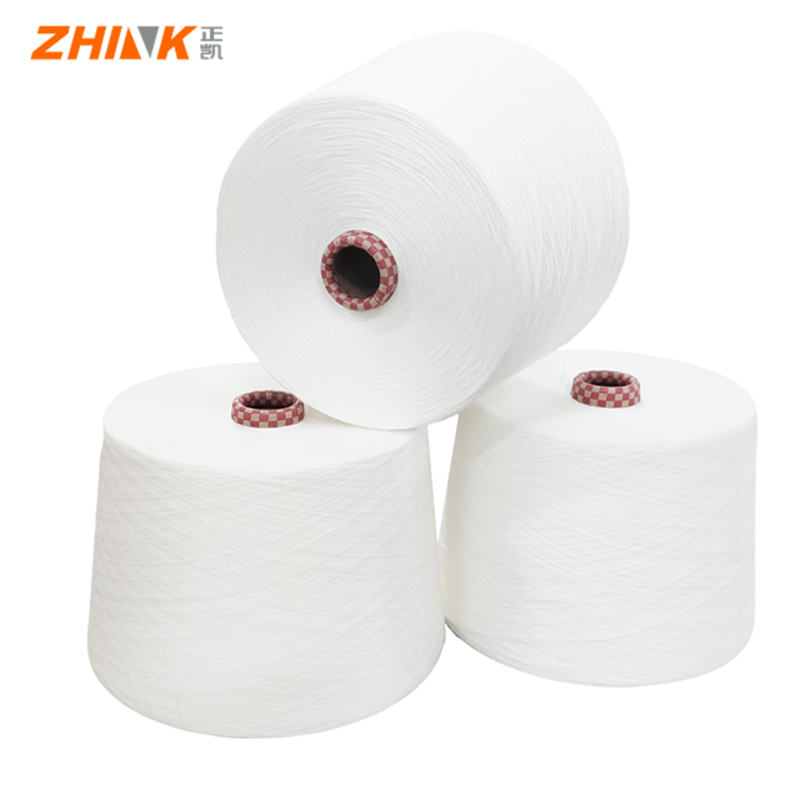
20s Flame retardant acrylic yarn
The Nuances of 20s Flame Retardant Acrylic Yarn
Understanding the unique qualities and challenges of working with flame retardant acrylic yarn—especially the 20s count—requires more than a textbook approach. It demands real-world experience, a touch of experimentation, and yes, even the occasional misstep. This yarn type, a mainstay in safety and functional apparel, beckons with its promise of protection but also challenges with its specific handling needs.
Unraveling the Basics
Let’s start with the basics. When we talk about 20s flame retardant acrylic yarn, we’re zeroing in on a specific count that influences not just the weight but also the texture and application. Now, not everyone might be well-versed in these fiber dimensions. Often, I’ve encountered industry colleagues mistakenly equating yarn count solely with thickness—it’s a bit more nuanced.
The 20s count is often a sweet spot, providing a balance between durability and flexibility. For those new to such terms, think of it like this: lower numbers mean heavier and thicker, while higher numbers point to finer threads. In practical applications, particularly in safety gear, the 20s range offers that Goldilocks zone.
Remember, this isn't the run-of-the-mill acrylic yarn. The flame retardant properties add an essential layer of complexity to its handling, especially during dyeing and weaving. A tip from the field: always check the manufacturer's specifications closely—Zhink New Material is renowned for its detailed guidelines, which you can find on their website.
Challenges and Considerations
Working with flame retardant yarn brings its own set of challenges. A recurring issue? The balance between maintaining flame retardant integrity and achieving the desired aesthetic finish. Early in my career, I learned this the hard way: aggressive dyeing techniques can sometimes strip the yarn of its protective features.
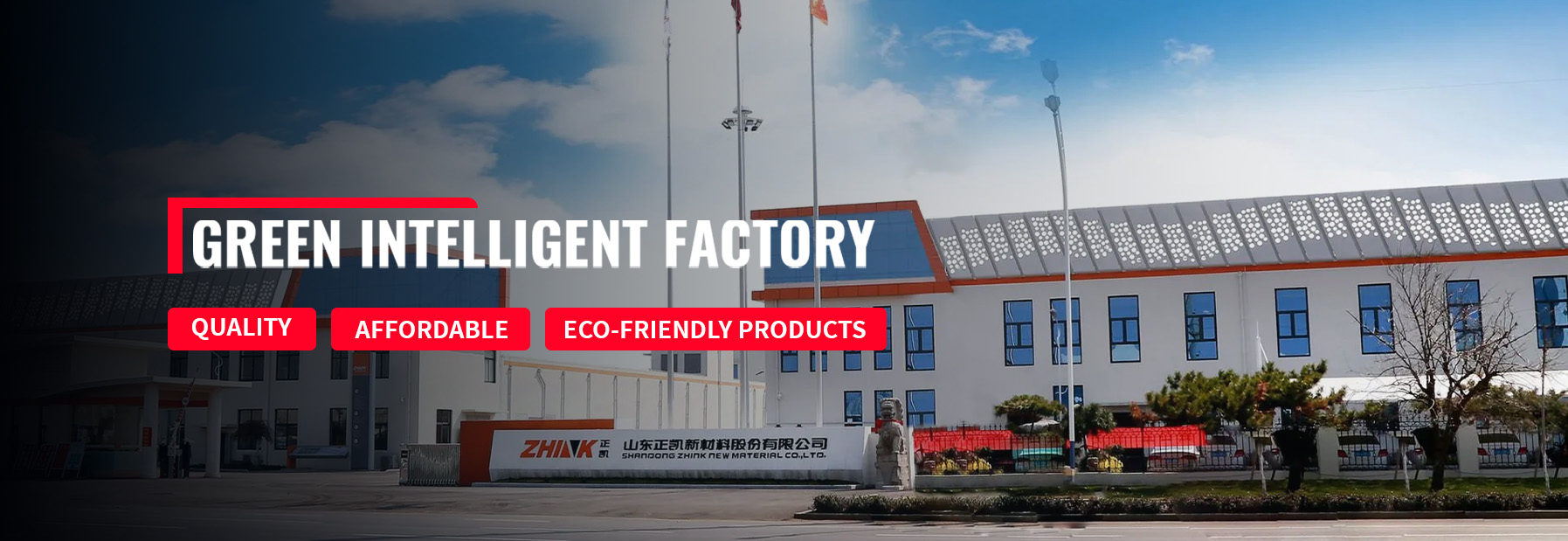
From my experience, collaboration with the suppliers is pivotal. With companies like SHANDONG ZHINK NEW MATERIAL CO., LTD, transparency is key. Their extensive R&D into textile materials often leads to breakthroughs that can assist in overcoming these challenges. They’re dedicated to pushing the envelope in textile innovation, which often provides the exact insights needed when the going gets tough.
For those venturing into this field, patience is equally as crucial as precision. The interplay of elements—temperature, chemical compositions—requires not just skill but a bit of intuition developed over time. And mistakes, as frustrating as they may seem, are often the most effective teachers.
Real-world Applications
Diving into the real world, flame retardant yarn sees extensive use in industries where safety is non-negotiable. Think uniforms for fire services or even specialized seating fabrics in public transport. The 20s count particularly stands out in making fabrics that are not overly heavy yet offer substantial protection.
One memorable project involved developing a fabric for a local transportation authority. Their need was for a durable material that could withstand constant wear, yet provide a level of fire safety. By using 20s flame retardant acrylic yarn, alongside constant liaising with suppliers, we found a viable, lasting solution.
Remember, the real art lies in the end-to-end process, from selecting the yarn to the final product deployment. A system integrator, so to speak, capable of aligning the thread’s potential with the real-life needs, particularly in safety-critical applications.
Lessons from the Field
If there’s any takeaway from years in this space, it’s that adaptability and a willingness to learn are crucial. This isn’t a stagnant field by any means. Innovations are frequent, and materials that seem revolutionary today might be standard tomorrow.
A practical reminder: don’t overlook the role of feedback loops. Engaging with the end users—be it firefighters, military personnel, or transport officials—can provide insights that might never surface in the lab or factory floor. It's about understanding their on-ground challenges and iterating accordingly.
With companies like SHANDONG ZHINK NEW MATERIAL CO., LTD, which are at the forefront of material science, there’s a constant push towards excellence. Their commitment can be seen not just in product quality but also in the collaborative approach they take with their clients. It’s this ethos of partnership and continuous development that can make all the difference.
Looking Forward
As we look to the future, it's clear that the role of flame retardant acrylic yarn in safety and functional applications is set only to grow. The ever-expanding breadth of its uses calls for a continuous cycle of learning, adaptation, and refined execution.
For those in the industry or considering entry, this is an exciting time. The pathways open with challenges, sure, but also with immense opportunities to innovate and elevate the standards of safety apparel. It's about taking each project as a new learning opportunity.
And as always, staying connected with companies like Zhink New Material through their website, sharing insights and industry developments, can pave the way for a more collaborative and fruitful journey in this textile domain.
Related Products
Related Products