+86-632-3621866
- Chinese
- French
- German
- Portuguese
- Spanish
- Russian
- Japanese
- Korean
- Arabic
- Irish
- Greek
- Turkish
- Italian
- Danish
- Romanian
- Indonesian
- Czech
- Afrikaans
- Swedish
- Polish
- Basque
- Catalan
- Esperanto
- Hindi
- Lao
- Albanian
- Amharic
- Armenian
- Azerbaijani
- Belarusian
- Bengali
- Bosnian
- Bulgarian
- Cebuano
- Chichewa
- Corsican
- Croatian
- Dutch
- Estonian
- Filipino
- Finnish
- Frisian
- Galician
- Georgian
- Gujarati
- Haitian
- Hausa
- Hawaiian
- Hebrew
- Hmong
- Hungarian
- Icelandic
- Igbo
- Javanese
- Kannada
- Kazakh
- Khmer
- Kurdish
- Kyrgyz
- Latin
- Latvian
- Lithuanian
- Luxembou..
- Macedonian
- Malagasy
- Malay
- Malayalam
- Maltese
- Maori
- Marathi
- Mongolian
- Burmese
- Nepali
- Norwegian
- Pashto
- Persian
- Punjabi
- Serbian
- Sesotho
- Sinhala
- Slovak
- Slovenian
- Somali
- Samoan
- Scots Gaelic
- Shona
- Sindhi
- Sundanese
- Swahili
- Tajik
- Tamil
- Telugu
- Thai
- Ukrainian
- Urdu
- Uzbek
- Vietnamese
- Welsh
- Xhosa
- Yiddish
- Yoruba
- Zulu
- Kinyarwanda
- Tatar
- Oriya
- Turkmen
- Uyghur



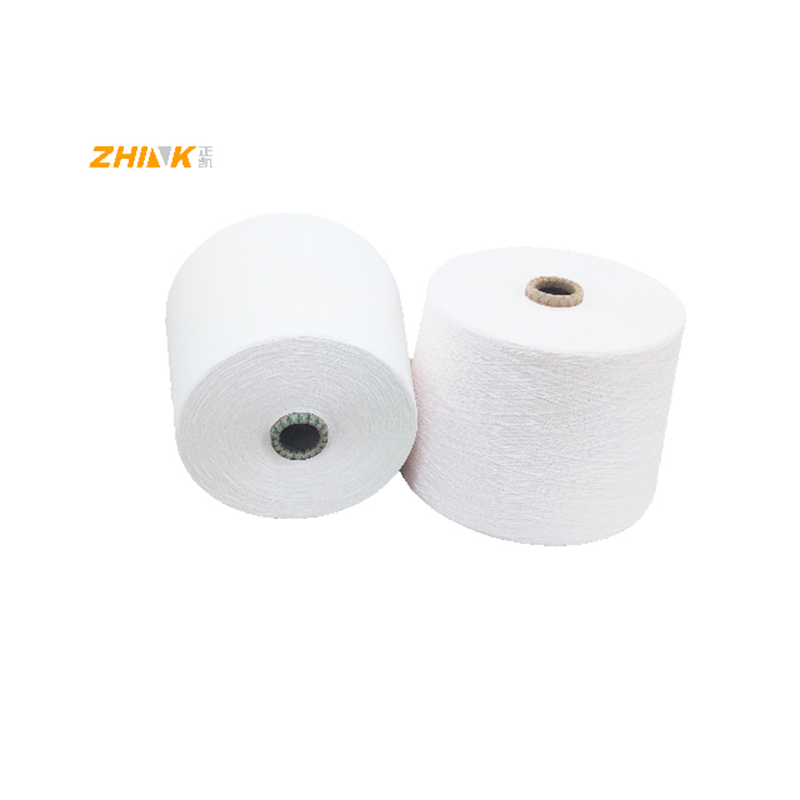
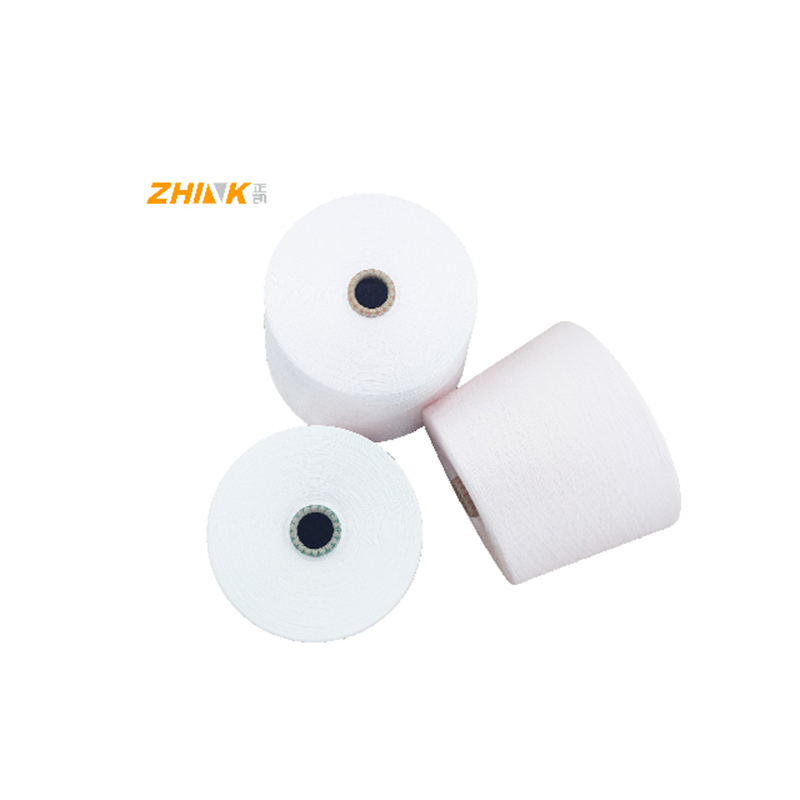
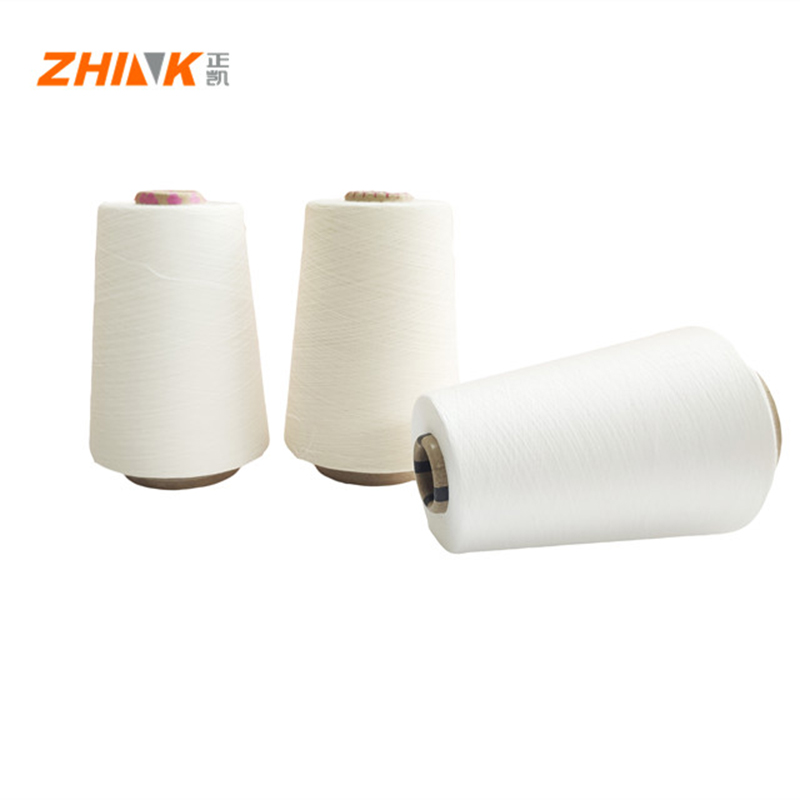
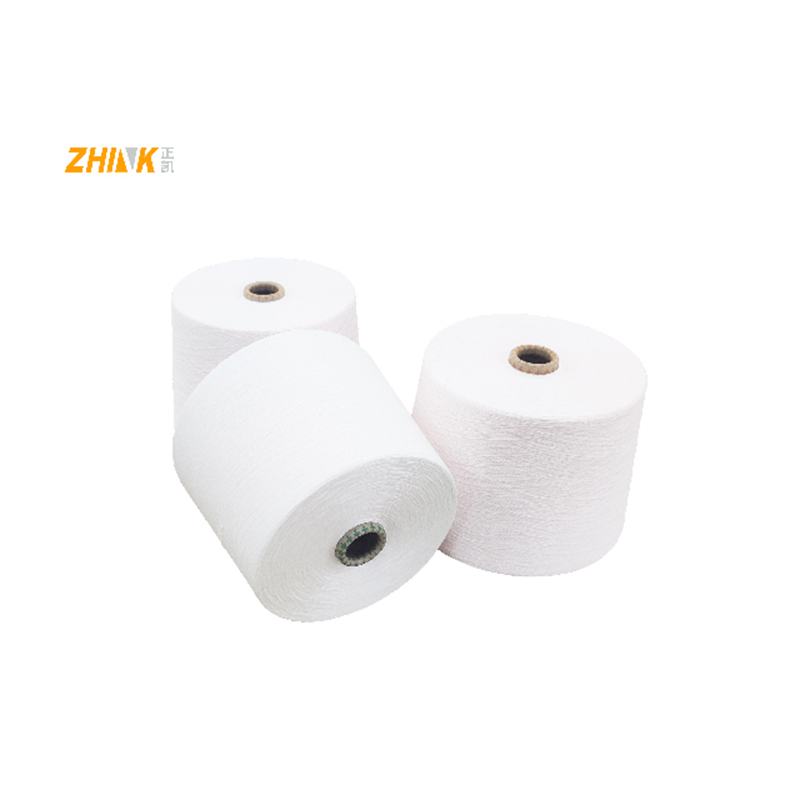
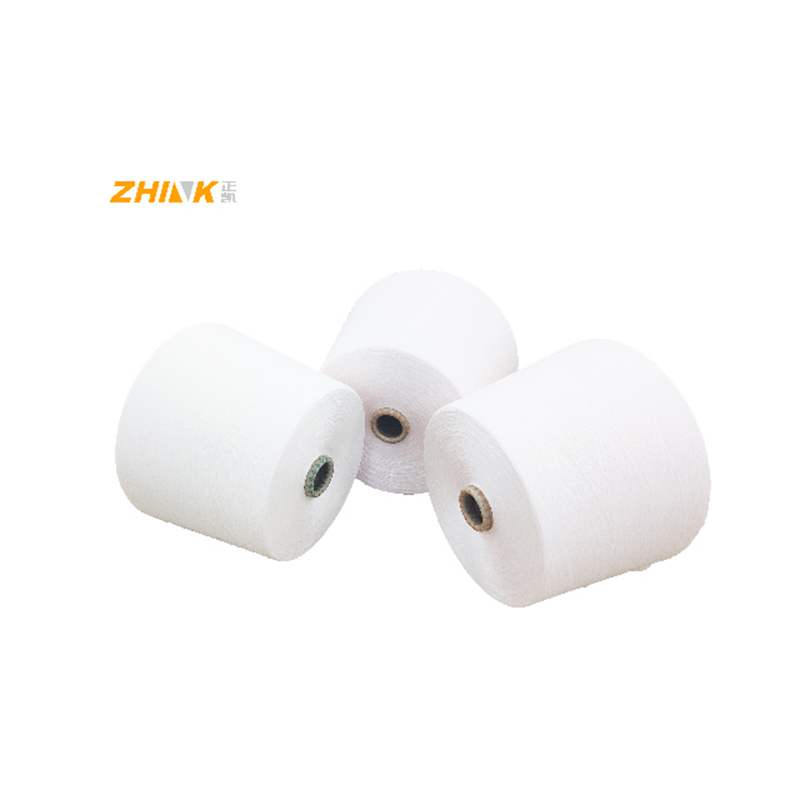
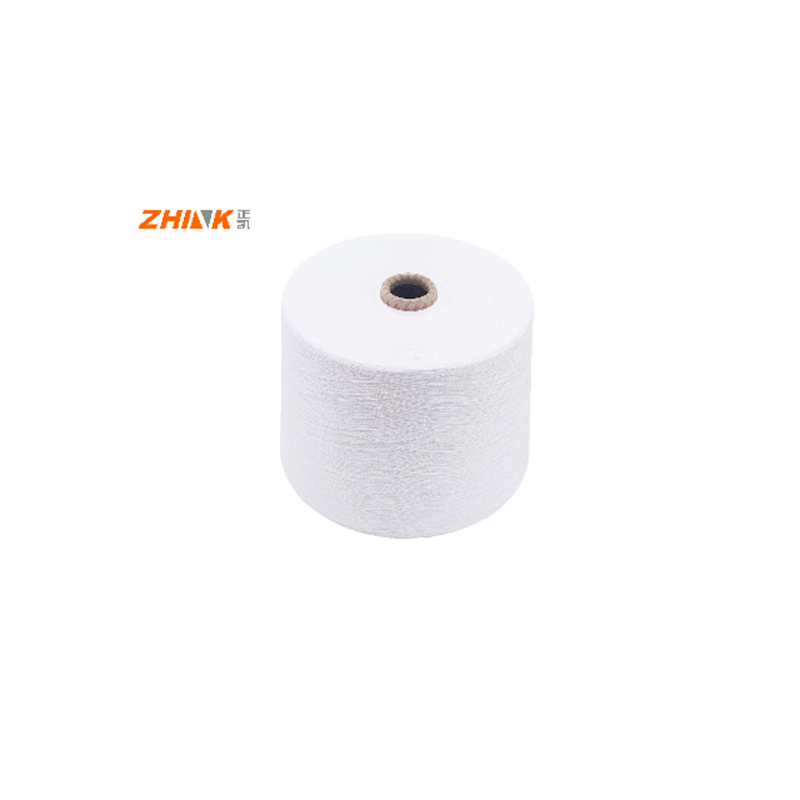
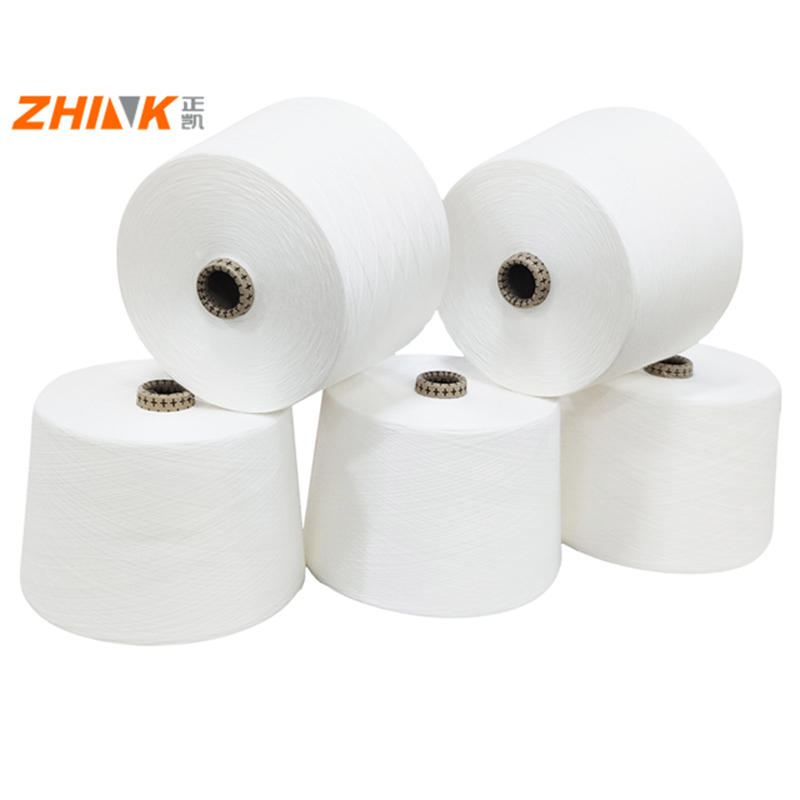
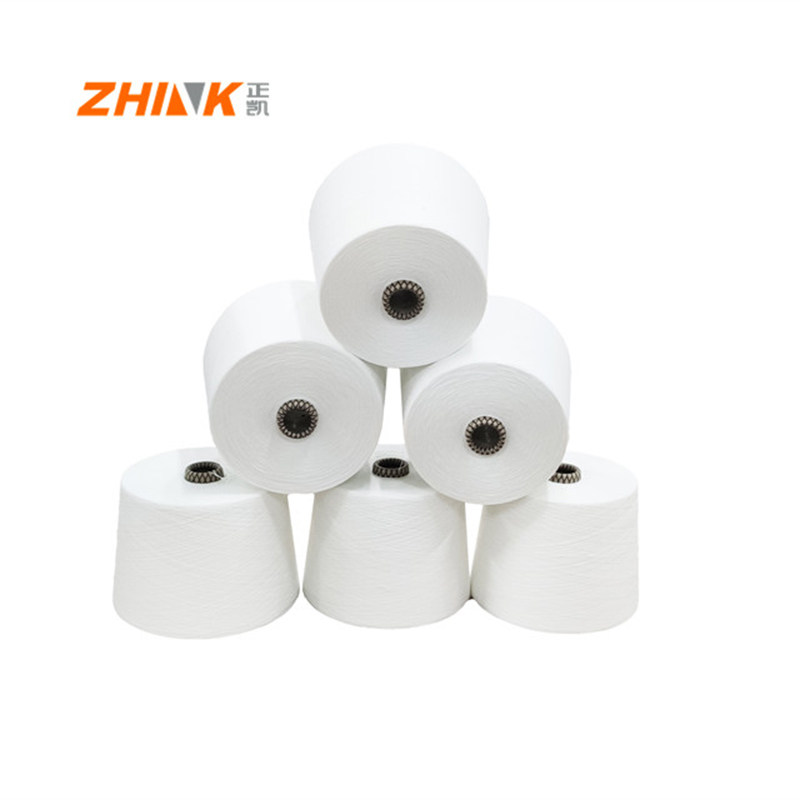
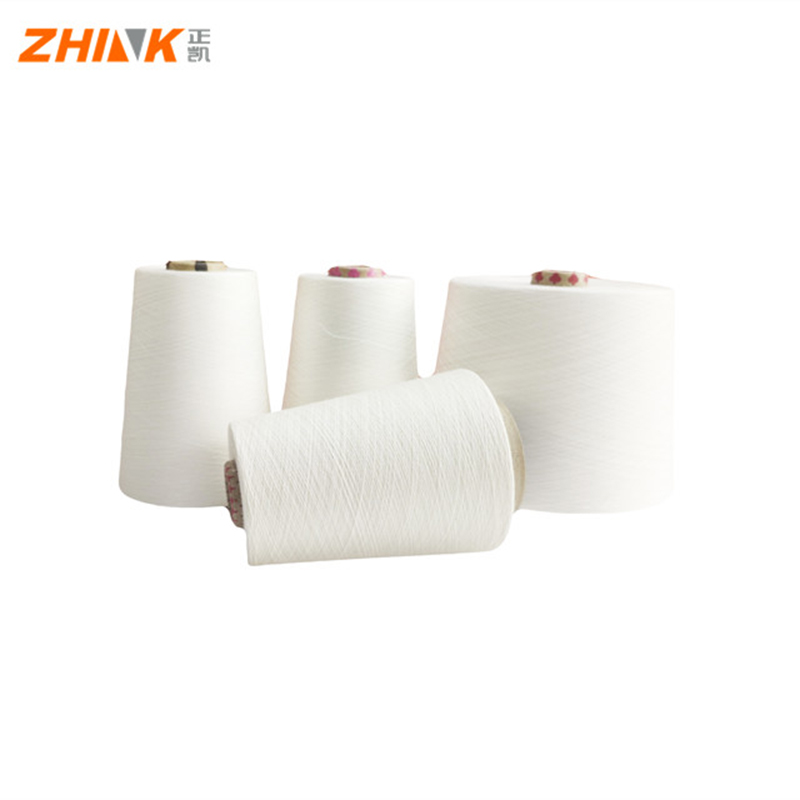
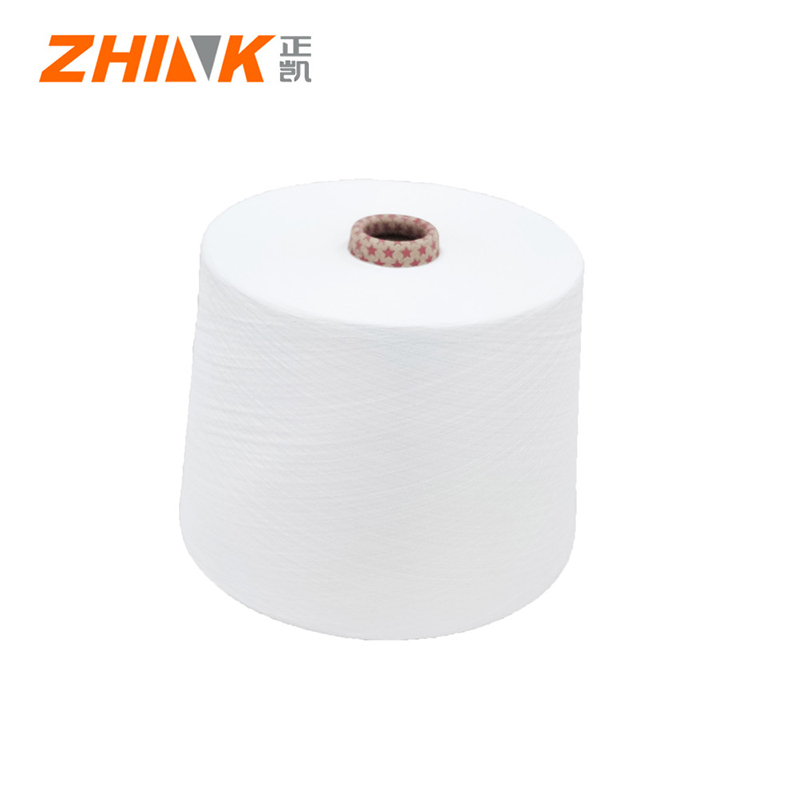
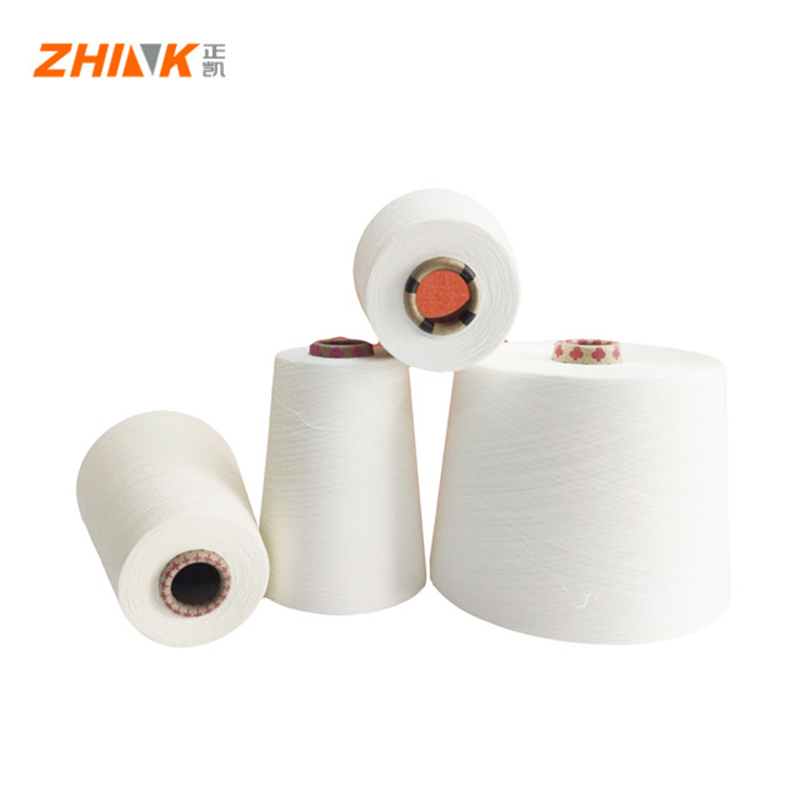
20s Flame retardant polyester yarn
Understanding Flame Retardant Polyester Yarn in the Textile Industry
Flame retardant polyester yarn, particularly the 20s variant, is a niche but critical component in the textile industry. It's designed not only to meet safety standards but also to enhance the durability and versatility of fabrics. Let’s delve into the nuances of this product, considering both its challenges and practical applications.
Why Focus on 20s Flame Retardant Polyester Yarn?
In the realm of textile production, the term '20s' refers to the yarn's thickness and spin count. The use of flame retardant polyester yarn is a safety imperative, especially in environments prone to fire hazards. One common misconception is that all flame retardant materials compromise comfort, which isn’t necessarily true. Good products strike a balance.
From my firsthand experience, dealing with yarn of this kind presents unique challenges. The integration of flame retardant properties often means altering the base polyester compound. This process can be complex, demanding precise chemical formulation to maintain fabric flexibility while ensuring it self-extinguishes upon contact with fire.
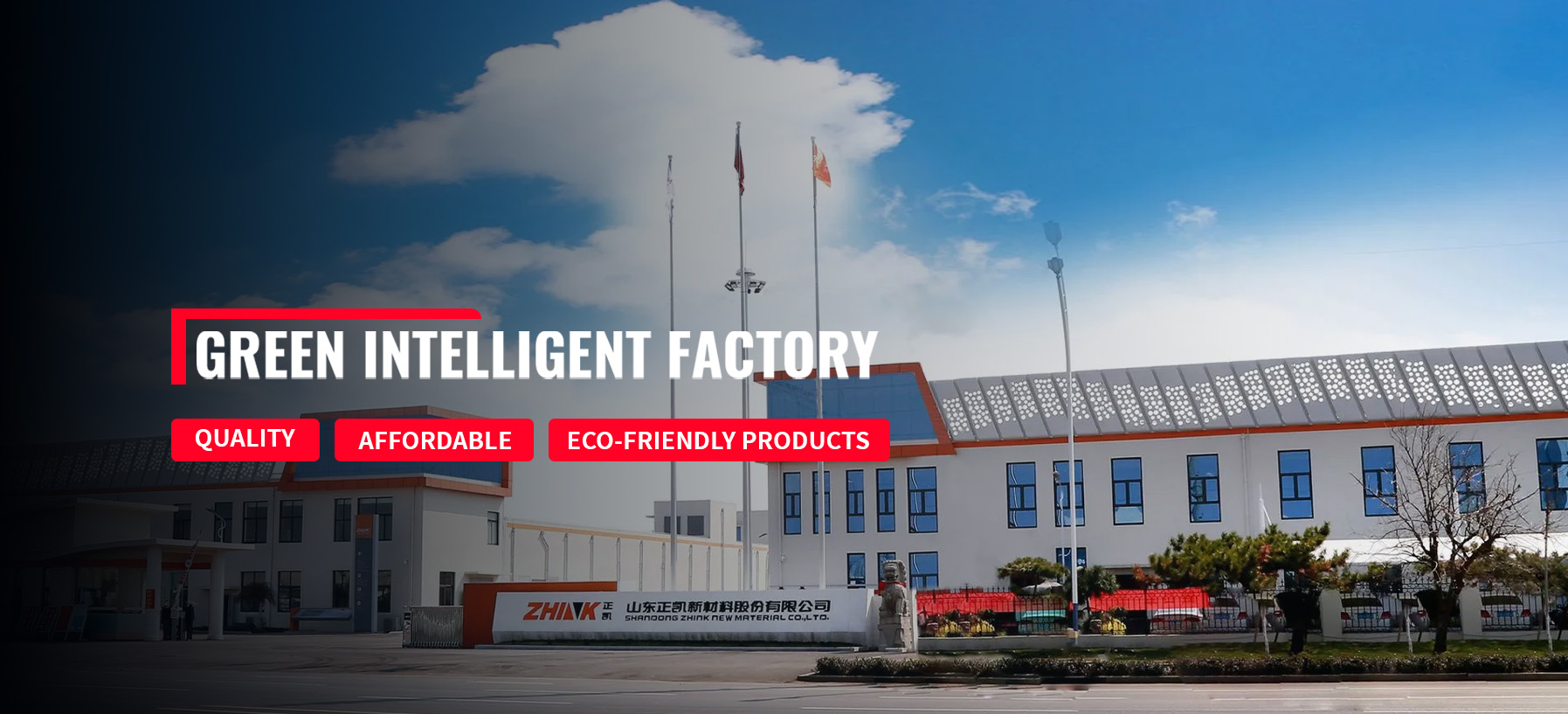
Companies like SHANDONG ZHINK NEW MATERIAL CO., LTD, accessible at their website, have pushed the innovation envelope here, offering products that meet regulatory standards without sacrificing fabric integrity.
Industry Challenges and Observations
One real-world challenge with manufacturing flame retardant yarn is consistency. Maintaining the properties across batches is critical. Uneven treatment can result in spots with reduced resistance, which isn’t acceptable. In practice, it involves sophisticated quality control processes, rather than relying solely on theoretical formulations.
I’ve faced issues where even minor variations in chemical treatments led to significant performance changes. This is particularly true for yarns like the 20s, where fine-tuning is more sensitive due to the yarn’s thickness and intended applications.
Furthermore, environmental considerations are increasingly significant. The industry strives for eco-friendly solutions, balancing flame retardancy with sustainability. Innovations here may involve using recycled materials without compromising safety.
Applications in Real-World Scenarios
Flame retardant polyester yarn is vital in making uniforms and textiles for first responders and industrial workers. Recently, I consulted on a project involving hospital furnishings, where safety was paramount. The 20s yarn we used provided not only safety but the durability required in high-traffic medical environments.
I recall a case involving theatre curtains, where aesthetics couldn’t be compromised. Working with Zhink New Material ensured a fabric that was both elegant and met stringent safety standards. Their yarn offered the dual benefits of customizable dyeing combined with effective flame retardancy.
In many scenarios, adopting flame retardant polyester yarn might be a matter of life and death. I’ve learned that ensuring top-tier quality and application specificity is critical across different fabric applications.
Exploring Alternatives and Innovations
Looking forward, there’s a notable shift towards developing bio-based flame retardants. From a technical perspective, this involves using plant-based chemicals, which potentially offer better environmental profiles. However, achieving reliable performance at a competitive price point remains a hurdle.
Engaging with SHANDONG ZHINK NEW MATERIAL CO., LTD offers insights into the forefront of these innovations. They’re testing various bio-additives to enhance the yarn’s safety features while minimizing ecological impact.
Adoption of such materials is not widespread yet, but the interest is growing. As industry professionals, we’re learning to weigh cost, effectiveness, and ethics in material selection like never before.
Conclusion and Future Insights
To encapsulate, the journey with flame retardant polyester yarn is ongoing. Companies like Zhink New Material are paving the way for future innovations that harmonize safety with sustainability. In coming years, I anticipate more breakthroughs that will hopefully address our current challenges with a fresh perspective.
Using my experience, I’m keen to see how industry demands shape these materials. Practical application is a testament to a yarn’s capability, and those of us in the field must stay vigilant, ensuring that advancements align with real-world needs.
Related Products
Related Products