+86-632-3621866
- Chinese
- French
- German
- Portuguese
- Spanish
- Russian
- Japanese
- Korean
- Arabic
- Irish
- Greek
- Turkish
- Italian
- Danish
- Romanian
- Indonesian
- Czech
- Afrikaans
- Swedish
- Polish
- Basque
- Catalan
- Esperanto
- Hindi
- Lao
- Albanian
- Amharic
- Armenian
- Azerbaijani
- Belarusian
- Bengali
- Bosnian
- Bulgarian
- Cebuano
- Chichewa
- Corsican
- Croatian
- Dutch
- Estonian
- Filipino
- Finnish
- Frisian
- Galician
- Georgian
- Gujarati
- Haitian
- Hausa
- Hawaiian
- Hebrew
- Hmong
- Hungarian
- Icelandic
- Igbo
- Javanese
- Kannada
- Kazakh
- Khmer
- Kurdish
- Kyrgyz
- Latin
- Latvian
- Lithuanian
- Luxembou..
- Macedonian
- Malagasy
- Malay
- Malayalam
- Maltese
- Maori
- Marathi
- Mongolian
- Burmese
- Nepali
- Norwegian
- Pashto
- Persian
- Punjabi
- Serbian
- Sesotho
- Sinhala
- Slovak
- Slovenian
- Somali
- Samoan
- Scots Gaelic
- Shona
- Sindhi
- Sundanese
- Swahili
- Tajik
- Tamil
- Telugu
- Thai
- Ukrainian
- Urdu
- Uzbek
- Vietnamese
- Welsh
- Xhosa
- Yiddish
- Yoruba
- Zulu
- Kinyarwanda
- Tatar
- Oriya
- Turkmen
- Uyghur


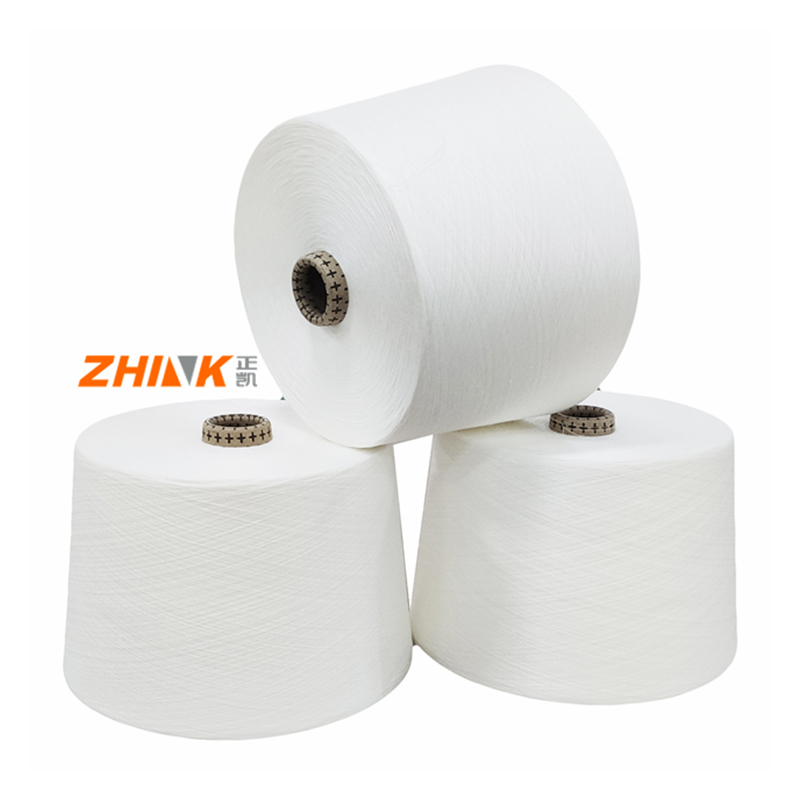
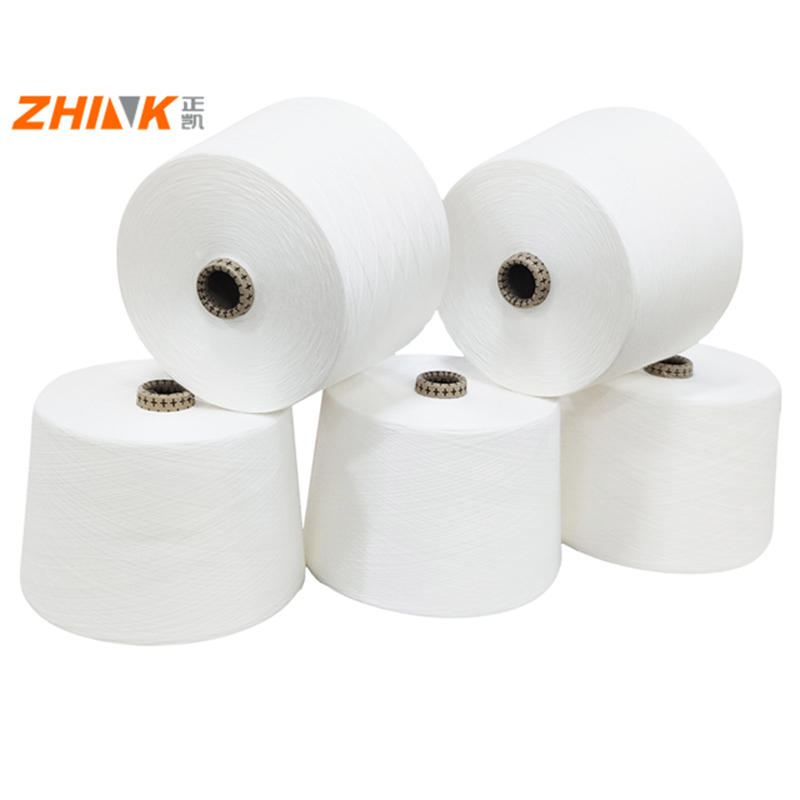
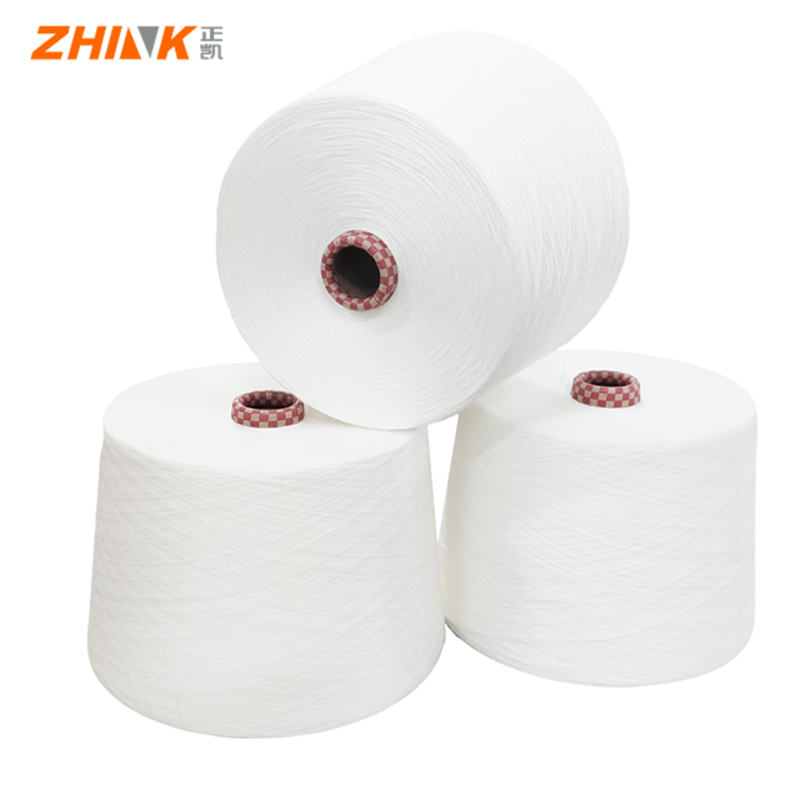
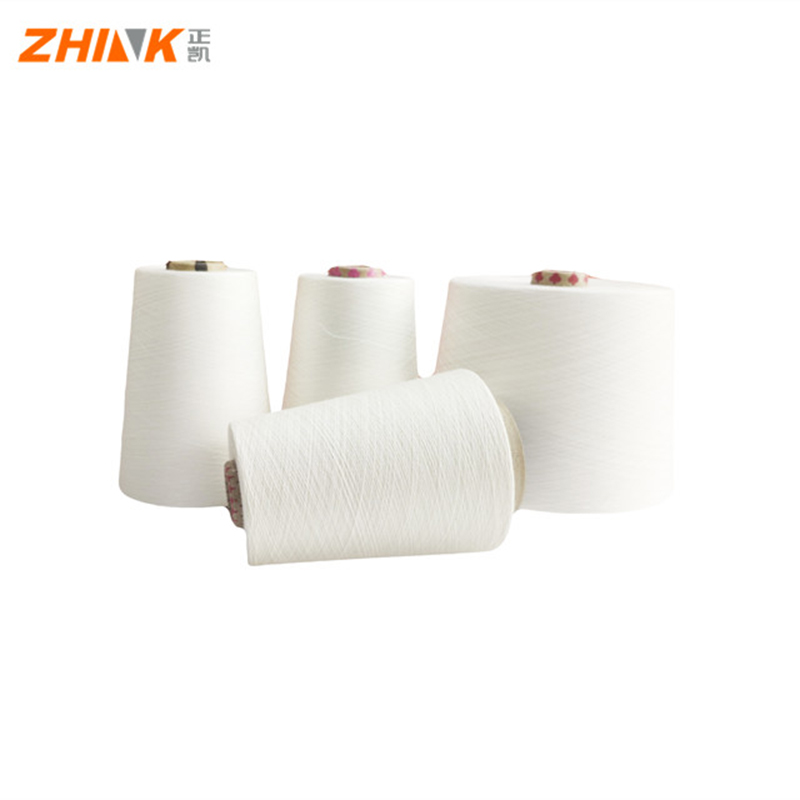
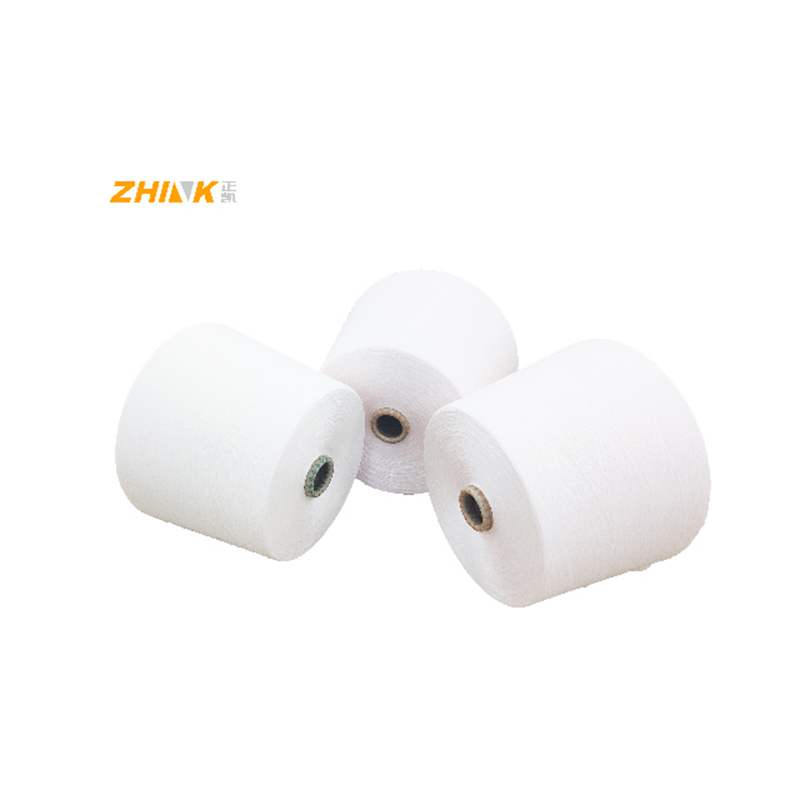
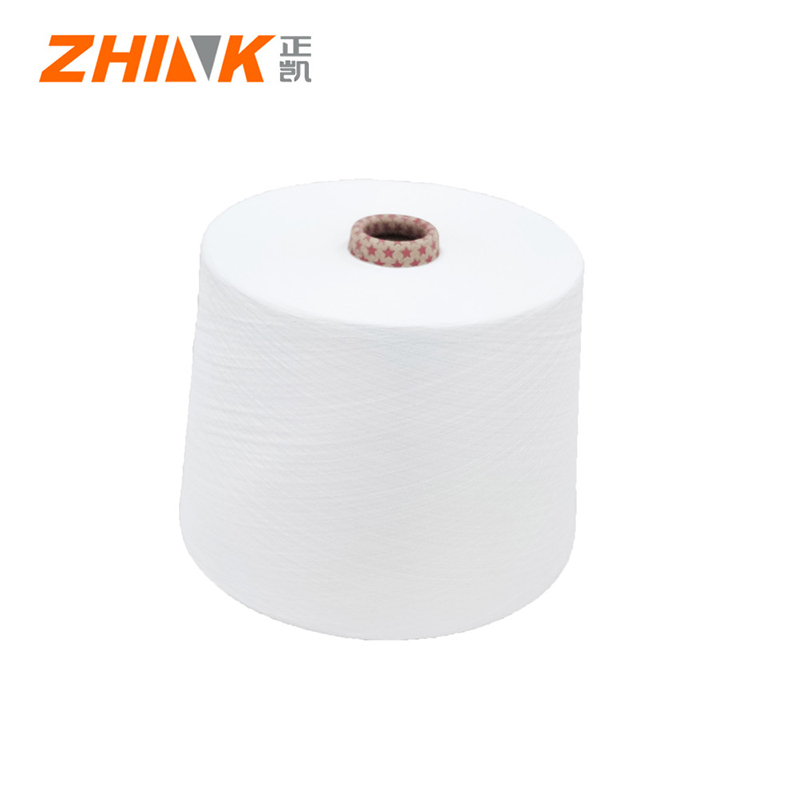
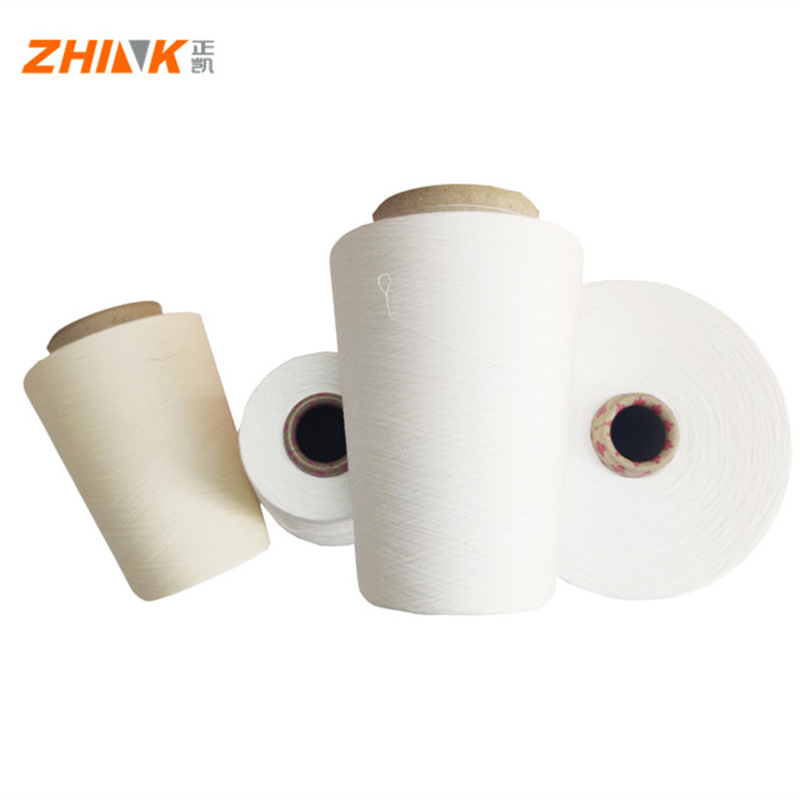
20s polyester yarn
The Intricacies of 20s Polyester Yarn
The textile world talks a lot about yarns, but when it comes to specific types like 20s polyester yarn, misunderstandings abound. It's often seen as just another component in fabric production, yet, its nuances require deeper exploration. Let's dive into what makes this yarn distinct and indispensable.
Understanding 20s Polyester Yarn
First, the “20s” refers to the yarn count, which is a measure of its fineness. In simpler terms, higher numbers mean finer threads. The 20s count strikes a balance between strength and softness, making it ideal for various fabrics. Many in the industry dismiss these details, lumping all polyester yarns together. This is a mistake.
Unlike cotton, where such numbers might indicate outright quality, with polyester, it’s more about the intended use. For instance, in my experience with manufacturers, this is often the sweet spot for sportswear. You see, durability is key there, without the yarn being too coarse.
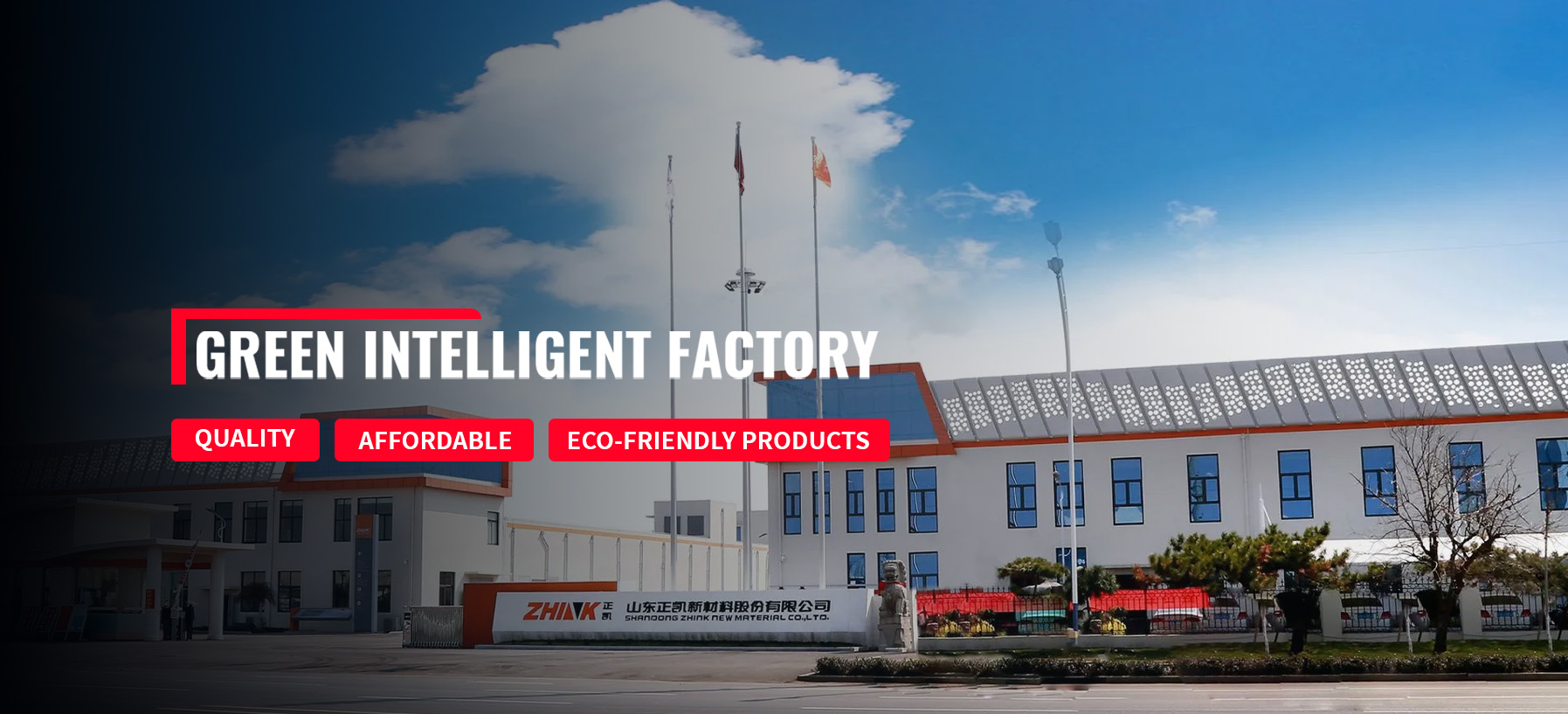
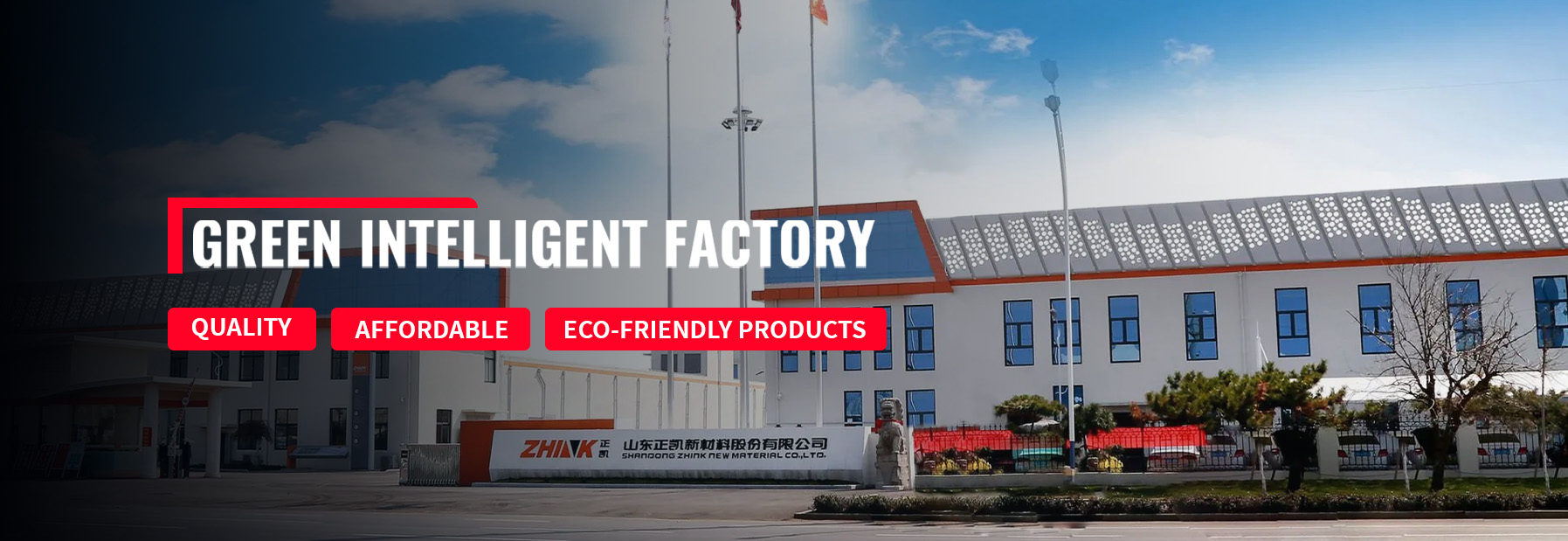
However, terms like “polyester” often trigger debates on sustainability. Traditionally, polyester has a bad rap because of its petroleum base. Yet, SHANDONG ZHINK NEW MATERIAL CO., LTD, which you can explore at their site, is pioneering greener production methods to counter this challenge.
The Production Process – More than Spinning
Making 20s polyester yarn isn’t just about spinning fibers. I remember visiting a plant and seeing the polymerization stage, the heart of polyester creation. It’s here that the raw material is transformed into long chains.
Now, extruding these chains into fibers involves precision. The melt spinning technique is popular, and any error here could mean uneven yarn quality. As someone overseeing production, ensuring consistency was a priority. A blend of tech and expertise makes that happen.
Once spun, texturizing follows, where the yarn gets its stretch and bulk. It’s not just technical – it’s an art. You need the perfect machine settings to align with the desired end-product feel. If you thought it was just about tension and twists, think again.
Real-World Applications
I've seen 20s polyester used across versatile applications. It’s a staple in home textiles, and I've worked on projects where it forms the core of upholstery fabric due to its robustness.
Sportswear is another big arena. Its inherent properties make it moisture-wicking, crucial for athletic apparel. At one point, a client lamented about vibrant colors not holding on polyester. The solution? Enhancing dyeing techniques – a bit of insider advice for those dabbling in this sector.
And these aren’t exceptions. Many clients from Zhink New Material have successfully navigated shifts in textile demands by innovating on these yarn properties.
The Challenges in the Field
But not all is smooth sailing. One of the hurdles I've seen is the market's rapid shift to eco-friendly alternatives. Clients increasingly question polyester's environmental standing.
Working with organizations like SHANDONG ZHINK NEW MATERIAL CO., LTD opens avenues. Their research into recycling technologies could power future polyester innovations. As someone constantly seeking better practices, collaboration becomes key.
Then there's consumer perception to tackle – an uphill battle, but one with potential. By improving recycling and production transparency, polyester's narrative can shift positively.
Future Prospects
The journey of 20s polyester yarn in textile isn’t static. We’re seeing an evolution with emerging tech like 3D knitting and smart textiles where these yarn properties are leveraged.
I’ve observed experimentation with blends to enhance qualities. Combining it with natural fibers like cotton offers breathable, durable fabrics. The industry must keep an eye on fusion opportunities.
In conclusion, what stands out is flexibility. Companies like Zhink lead the charge, evolving with market demands, ensuring yarn properties align with contemporary needs. We’re only scratching the surface of potential here.
Related Products
Related Products