
+86-632-3621866
- Chinese
- French
- German
- Portuguese
- Spanish
- Russian
- Japanese
- Korean
- Arabic
- Irish
- Greek
- Turkish
- Italian
- Danish
- Romanian
- Indonesian
- Czech
- Afrikaans
- Swedish
- Polish
- Basque
- Catalan
- Esperanto
- Hindi
- Lao
- Albanian
- Amharic
- Armenian
- Azerbaijani
- Belarusian
- Bengali
- Bosnian
- Bulgarian
- Cebuano
- Chichewa
- Corsican
- Croatian
- Dutch
- Estonian
- Filipino
- Finnish
- Frisian
- Galician
- Georgian
- Gujarati
- Haitian
- Hausa
- Hawaiian
- Hebrew
- Hmong
- Hungarian
- Icelandic
- Igbo
- Javanese
- Kannada
- Kazakh
- Khmer
- Kurdish
- Kyrgyz
- Latin
- Latvian
- Lithuanian
- Luxembou..
- Macedonian
- Malagasy
- Malay
- Malayalam
- Maltese
- Maori
- Marathi
- Mongolian
- Burmese
- Nepali
- Norwegian
- Pashto
- Persian
- Punjabi
- Serbian
- Sesotho
- Sinhala
- Slovak
- Slovenian
- Somali
- Samoan
- Scots Gaelic
- Shona
- Sindhi
- Sundanese
- Swahili
- Tajik
- Tamil
- Telugu
- Thai
- Ukrainian
- Urdu
- Uzbek
- Vietnamese
- Welsh
- Xhosa
- Yiddish
- Yoruba
- Zulu
- Kinyarwanda
- Tatar
- Oriya
- Turkmen
- Uyghur


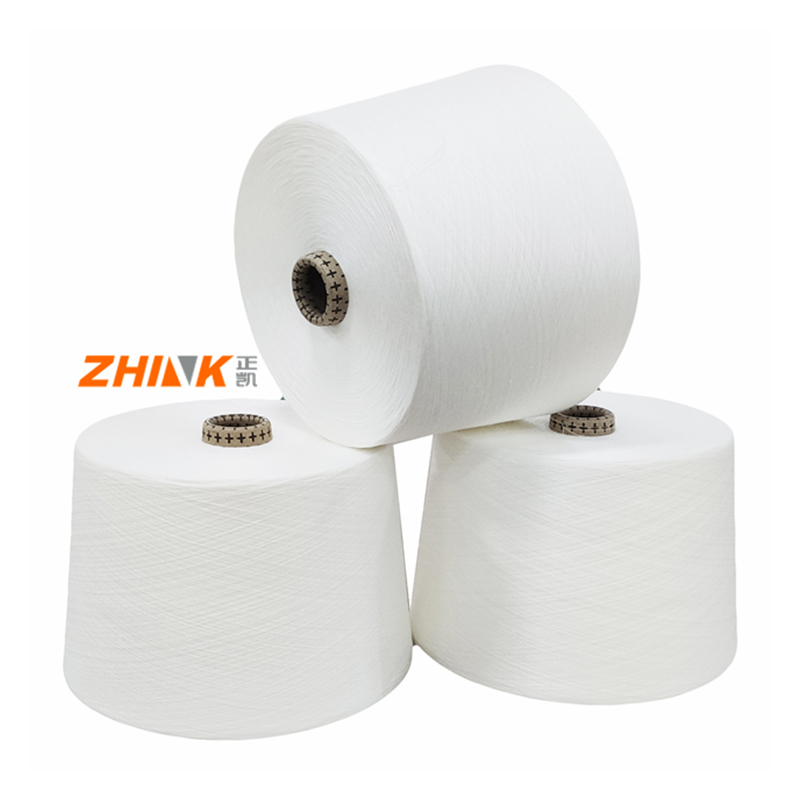
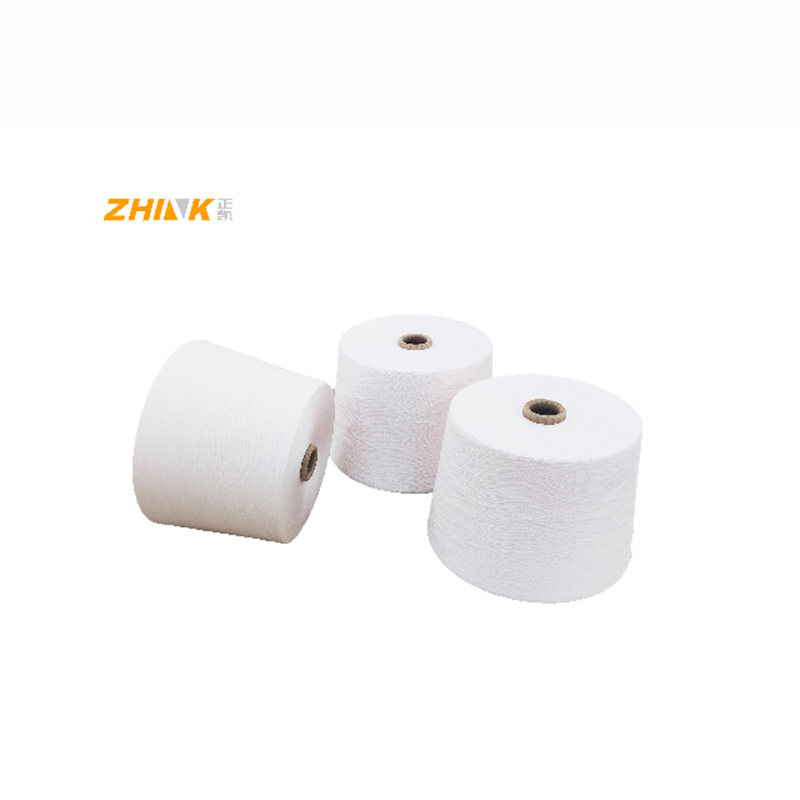
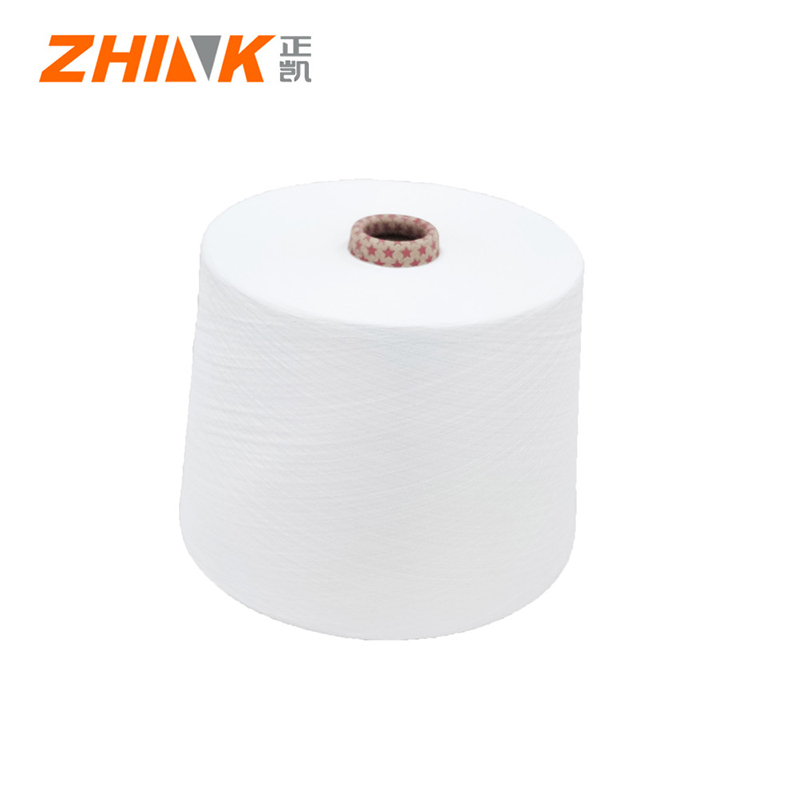
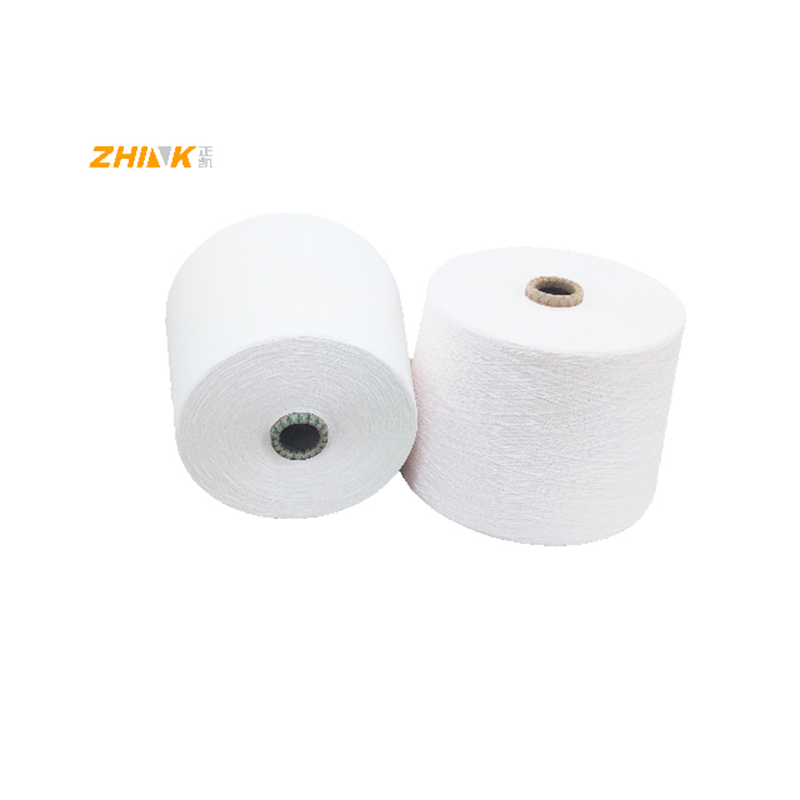
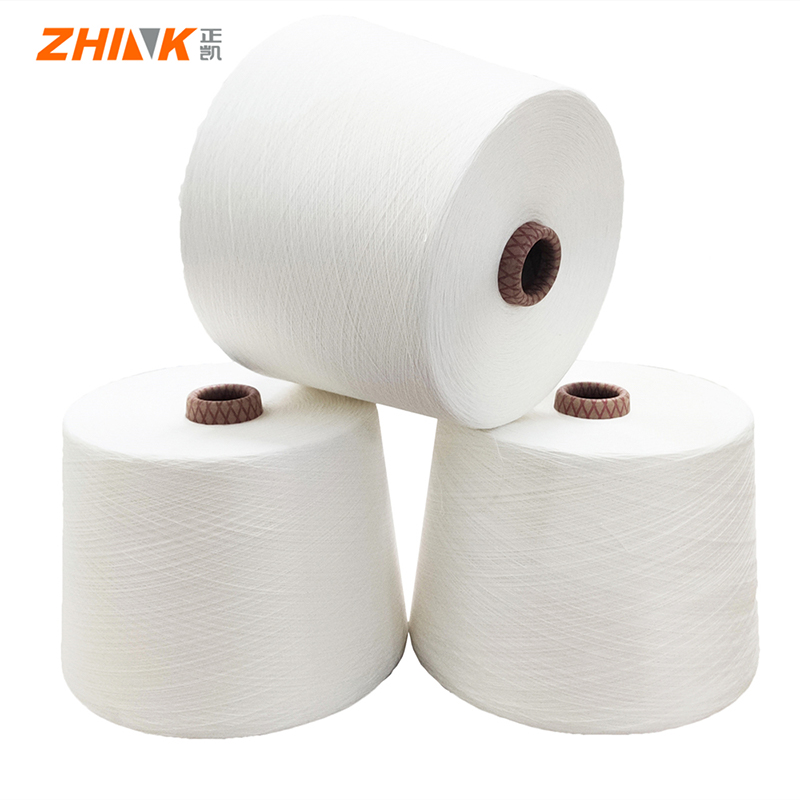
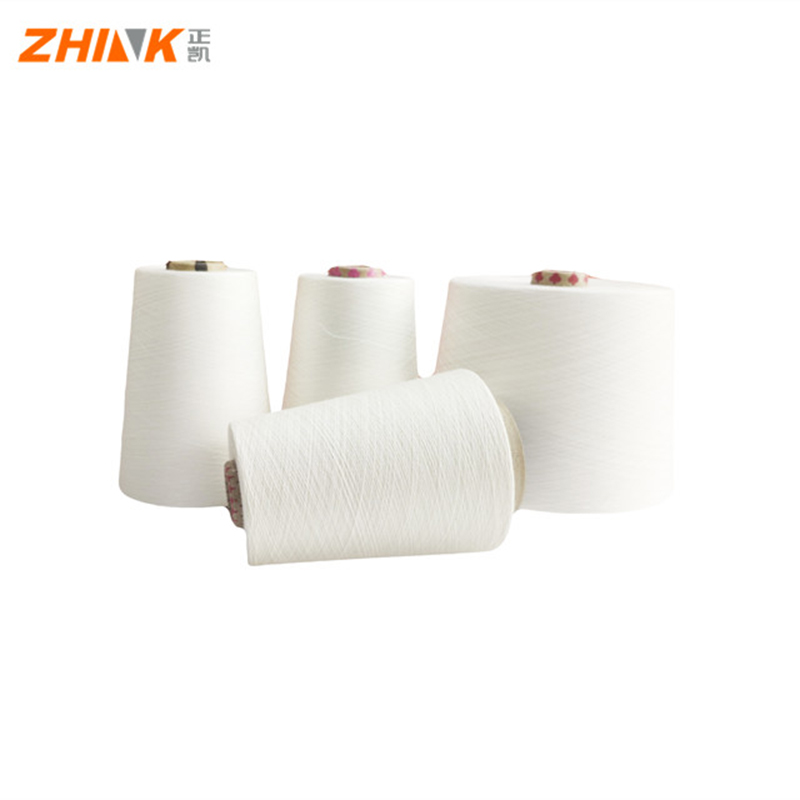
20s Recycled polyester yarn
Exploring the World of 20s Recycled Polyester Yarn
Understanding the true potential and application of 20s recycled polyester yarn requires both industry knowledge and practical experience. Let’s dive into its significance, misconceptions, and real-world application.
What is 20s Recycled Polyester Yarn?
20s recycled polyester yarn is often misunderstood as just another type of synthetic fiber. However, it represents much more, especially in terms of sustainability and innovation. When I first encountered it, I thought it was similar to typical polyester. But the recycled aspect opens up a different discussion altogether.
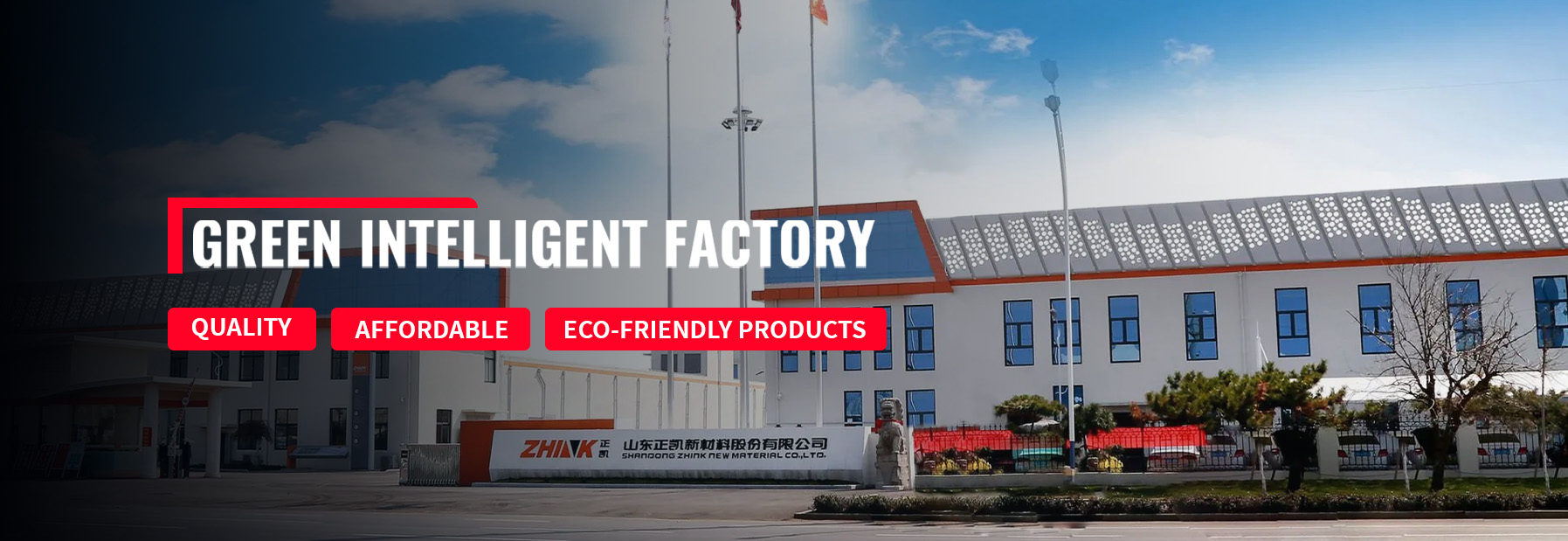
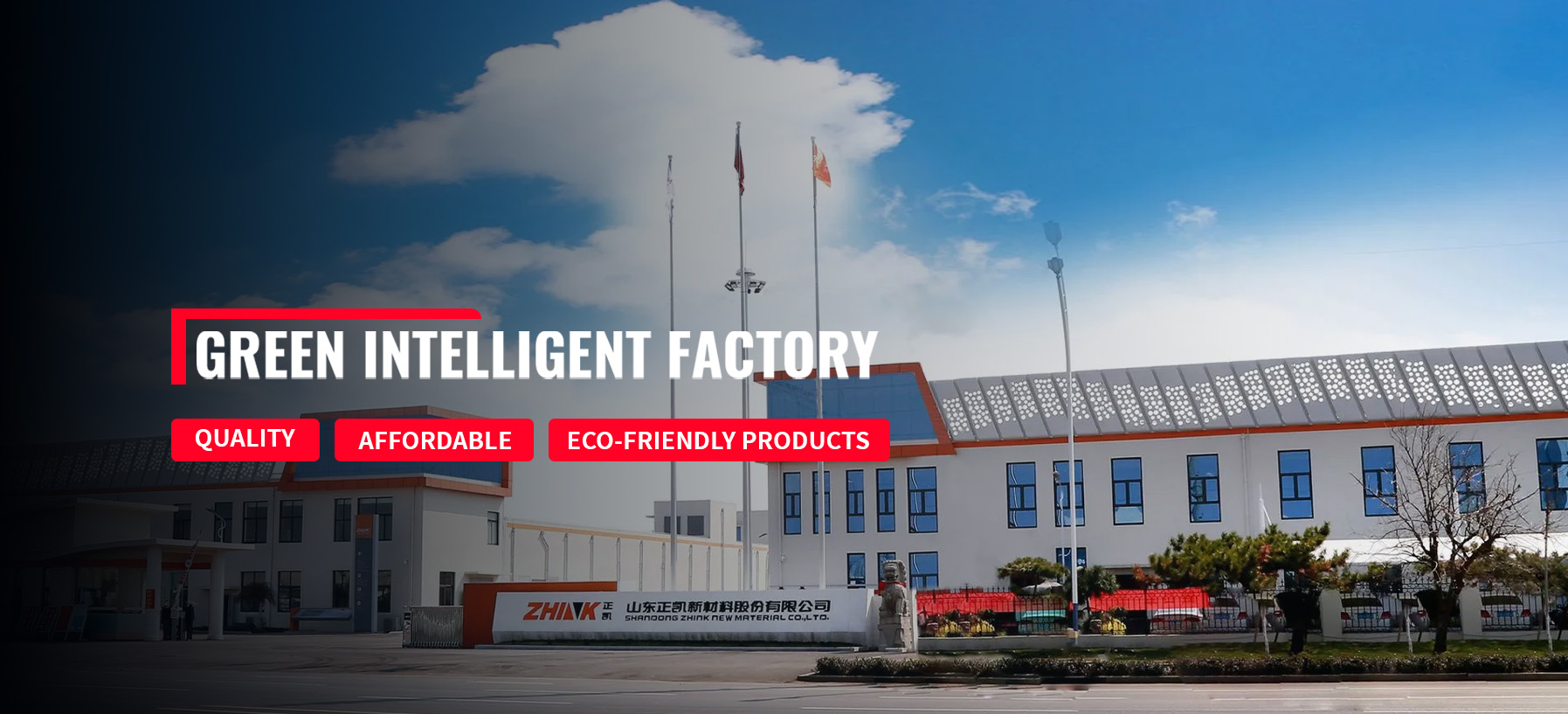
Unlike traditional polyester, recycled versions are created from post-consumer plastics. Companies like SHANDONG ZHINK NEW MATERIAL CO., LTD are at the forefront, specializing in developing this sustainable option. Their commitment is evident from their intense R&D efforts.
This non-virgin polyester not only reduces environmental impact but also performs comparably to its traditional counterpart. This makes it an attractive choice for eco-conscious manufacturers and consumers alike.
Striking the Balance: Quality vs. Sustainability
There’s often a balancing act between sustainability and quality with recycled materials. Initially, I was skeptical about the strength and durability of recycled polyester. However, practical situations have shown that with the right technology, like what Zhink New Material employs, it's possible to maintain high-quality standards.
One challenge in these early stages of working with recycled yarn was achieving consistent dye uptake. Surprisingly, this hurdle was overcome by tweaking dyeing processes rather than changing the yarn itself, which many might overlook.
The learning curve was steep. Companies had to adapt slowly, but the results were rewarding. The yarn’s usability in sectors ranging from fashion to home textiles was a real game-changer.
Real Applications and Case Studies
I recall a project where we integrated 20s recycled polyester yarn into athletic wear. The aim was to test its moisture-wicking properties. To our surprise, it performed equally well under pressure compared to conventional materials. Feedback from users was overwhelmingly positive.
Another interesting case involved upholstery fabric. Here, the yarn’s robustness was put to the test, with results showing impressive resistance to wear and tear. Again, Zhink New Material’s expertise in production played a significant role in achieving this.
These examples illustrate how versatile recycled yarn can be. The fabrications might be different, but the core benefits—durability and reduced environmental footprint—remain constant.
Challenges on the Production Line
Despite its advantages, working with recycled polyester isn't without its challenges. During production, even slight variations in raw material quality can lead to inconsistencies. The trick is in the sorting and cleaning phases, requiring robust systems and protocols.
Technical adjustments have to be made continually to cope with these variations. Patience and a willingness to experiment are crucial. This is where experienced engineers make a difference, overcoming hurdles that newer teams might struggle with.
Zhink New Material's website highlights their commitment to maintaining quality through stringent internal standards. Processes here are key, ensuring all output meets expectations and market demands.
Consumer Perception and Market Trends
There’s also a perceptual challenge. Many consumers don’t initially equate recycled with high-quality. Marketing strategies need to educate and inform, helping shift this perception positively, which is vital for broader adoption.
Market trends reveal growing acceptance, with more brands and companies showcasing recycled options. This increasing demand drives further innovation and pushes companies like Zhink New Material to continue refining their processes.
Ultimately, the potential of 20s recycled polyester yarn hinges not just on its inherent qualities, but on the evolving consumer mindset towards sustainability and the environment. Companies must adapt to both create and meet demand, which seems promising for the future of textile manufacturing.
Related Products
Related Products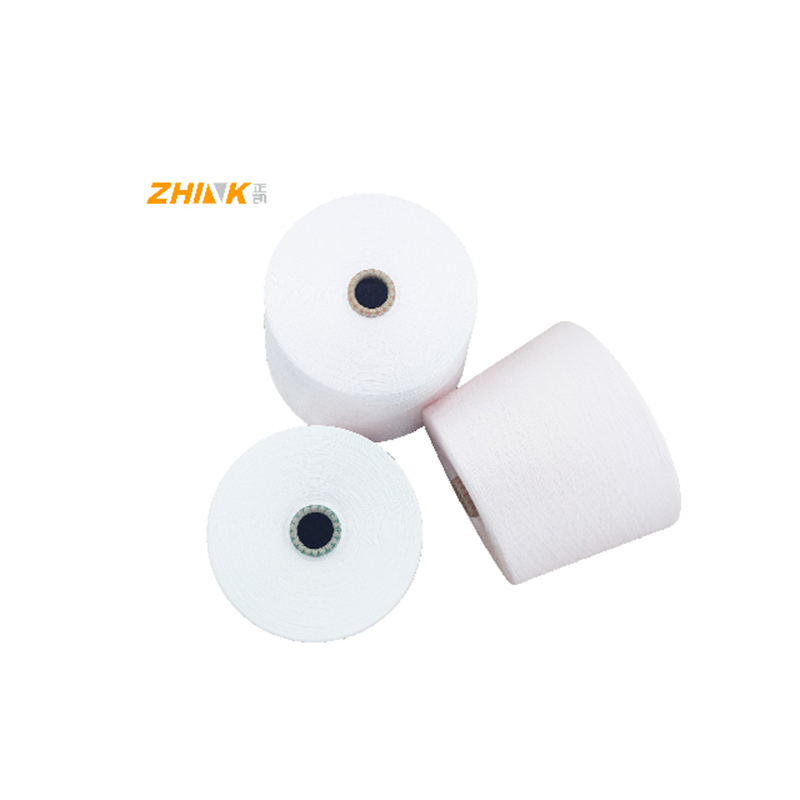
Best Selling Products
Best Selling Products


Related Search
Related Search- 100% Flame retardant acrylic siro compact
- Bulk acrylic/viscose mvs yarn
- 30/2 Recycled polyester yarn
- 100% Recycled polyester siro
- Polyester blended yarn for weaving
- Yellow polyester fiber
- PV yarn
- Recycled polyester spun yarn for knitting
- Flame retardant acrylic/viscose siro compact yarn
- Hollow polyester/ viscose yarn