+86-632-3621866
- Chinese
- French
- German
- Portuguese
- Spanish
- Russian
- Japanese
- Korean
- Arabic
- Irish
- Greek
- Turkish
- Italian
- Danish
- Romanian
- Indonesian
- Czech
- Afrikaans
- Swedish
- Polish
- Basque
- Catalan
- Esperanto
- Hindi
- Lao
- Albanian
- Amharic
- Armenian
- Azerbaijani
- Belarusian
- Bengali
- Bosnian
- Bulgarian
- Cebuano
- Chichewa
- Corsican
- Croatian
- Dutch
- Estonian
- Filipino
- Finnish
- Frisian
- Galician
- Georgian
- Gujarati
- Haitian
- Hausa
- Hawaiian
- Hebrew
- Hmong
- Hungarian
- Icelandic
- Igbo
- Javanese
- Kannada
- Kazakh
- Khmer
- Kurdish
- Kyrgyz
- Latin
- Latvian
- Lithuanian
- Luxembou..
- Macedonian
- Malagasy
- Malay
- Malayalam
- Maltese
- Maori
- Marathi
- Mongolian
- Burmese
- Nepali
- Norwegian
- Pashto
- Persian
- Punjabi
- Serbian
- Sesotho
- Sinhala
- Slovak
- Slovenian
- Somali
- Samoan
- Scots Gaelic
- Shona
- Sindhi
- Sundanese
- Swahili
- Tajik
- Tamil
- Telugu
- Thai
- Ukrainian
- Urdu
- Uzbek
- Vietnamese
- Welsh
- Xhosa
- Yiddish
- Yoruba
- Zulu
- Kinyarwanda
- Tatar
- Oriya
- Turkmen
- Uyghur



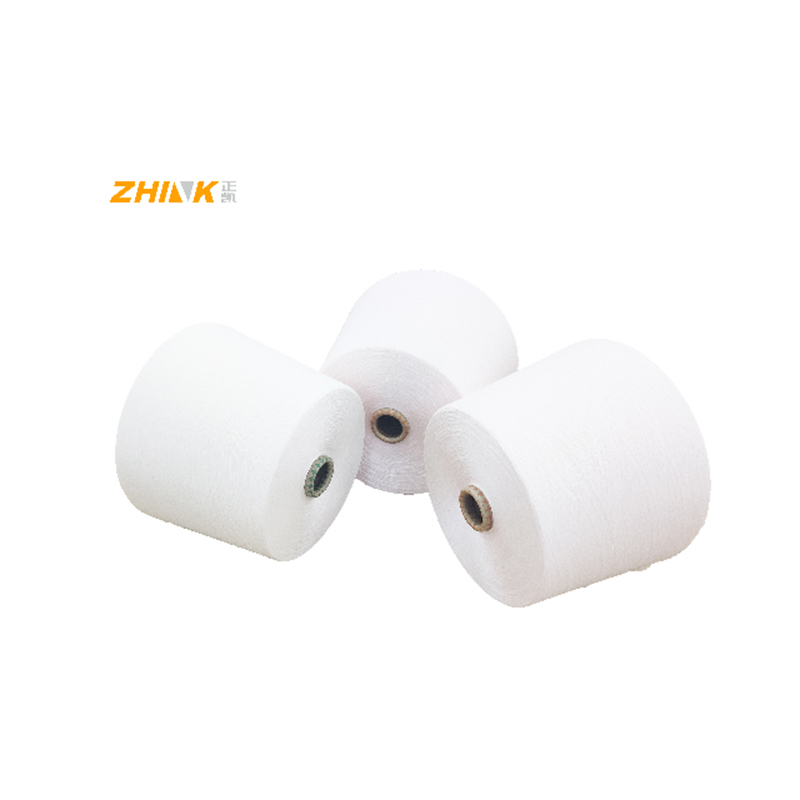
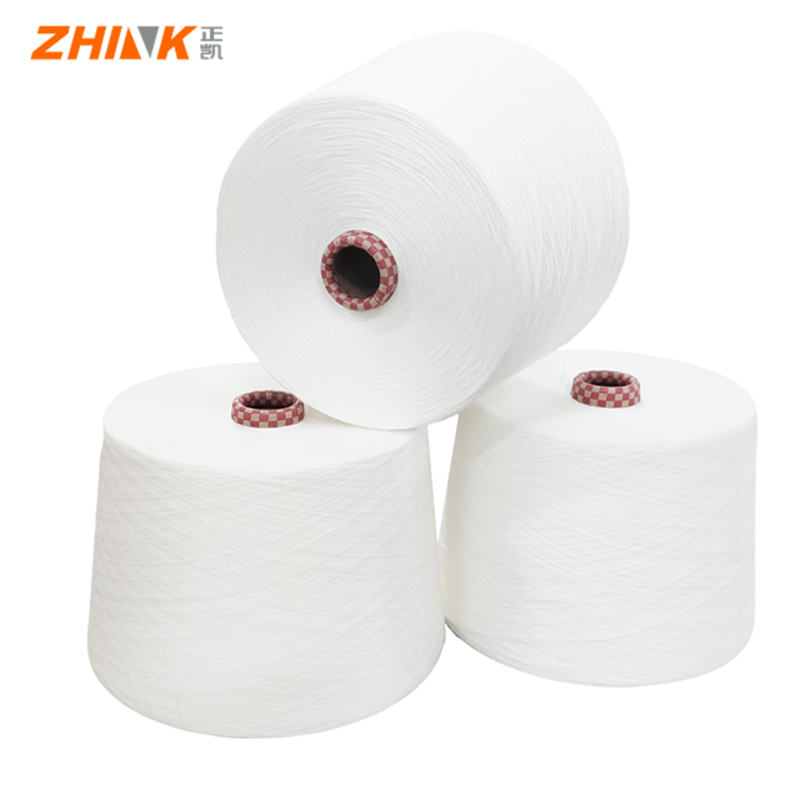
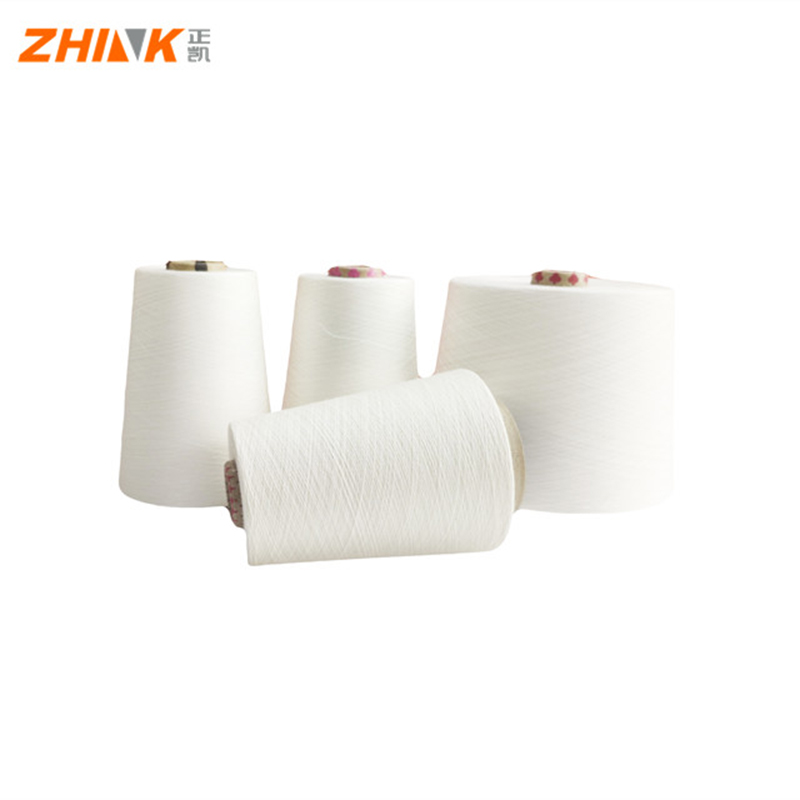
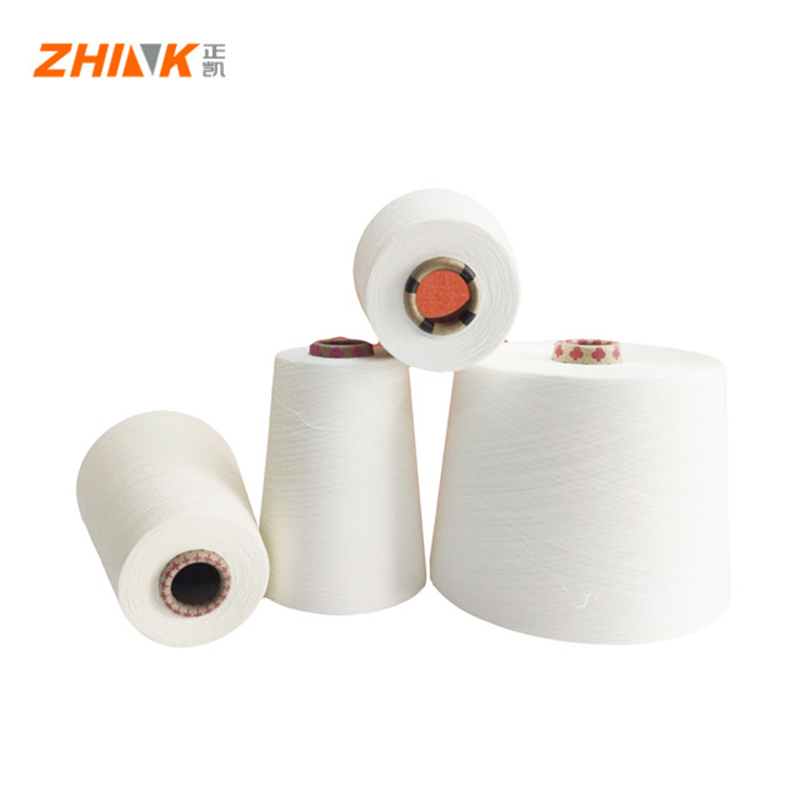
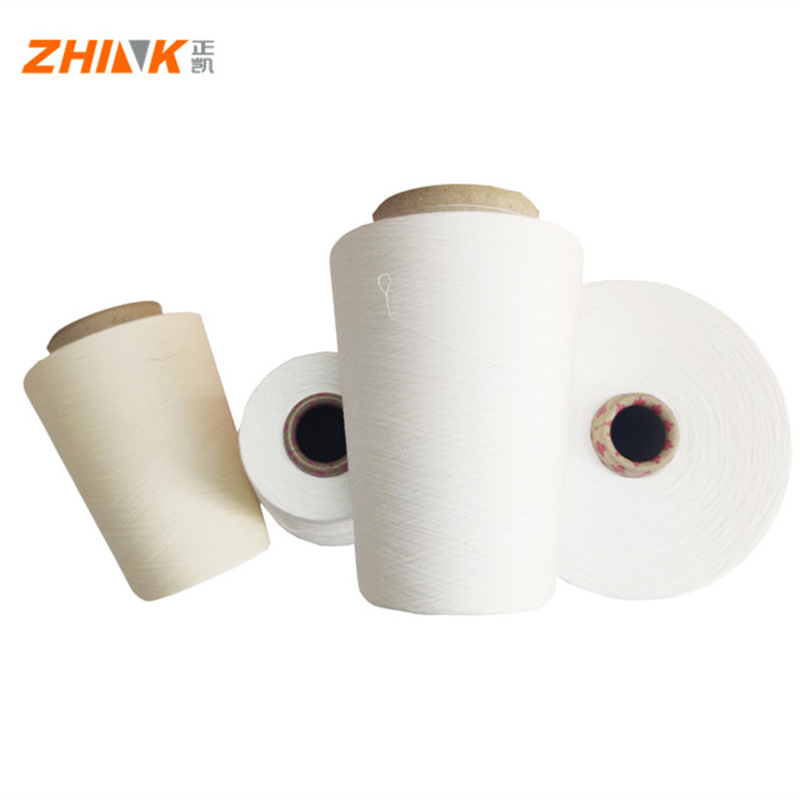
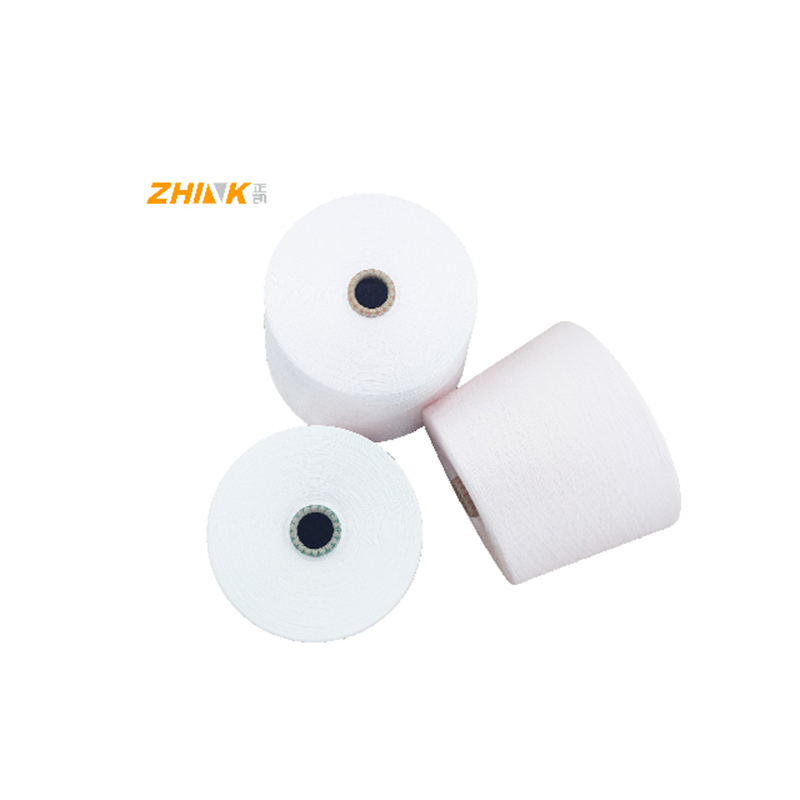
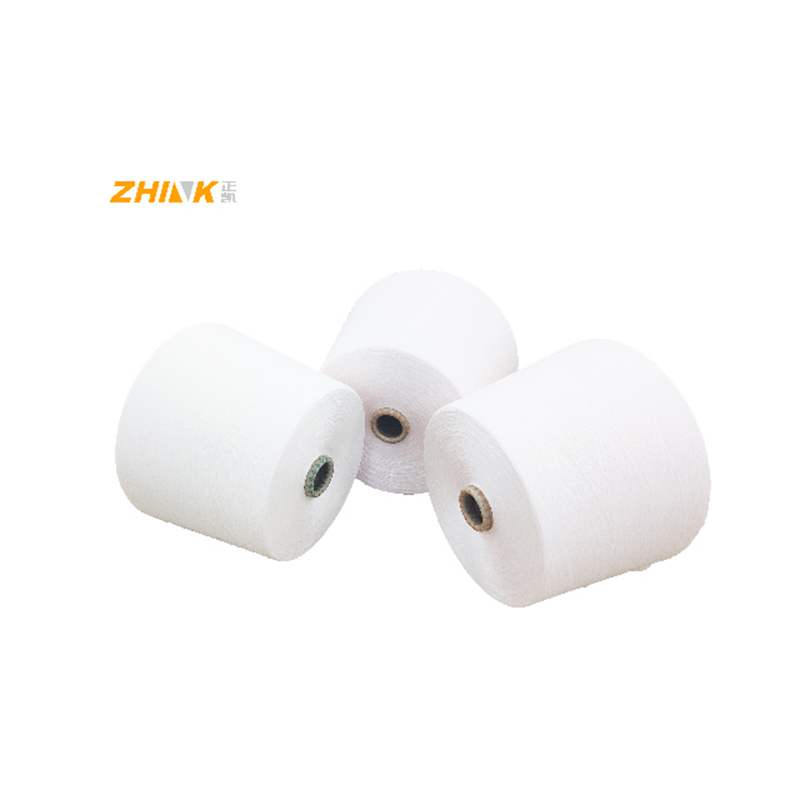
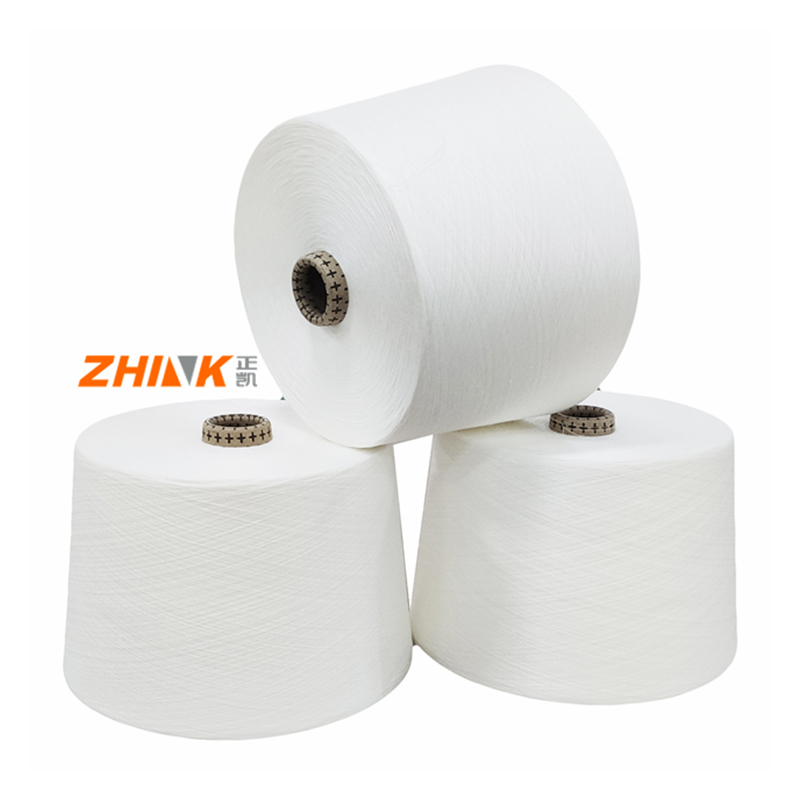
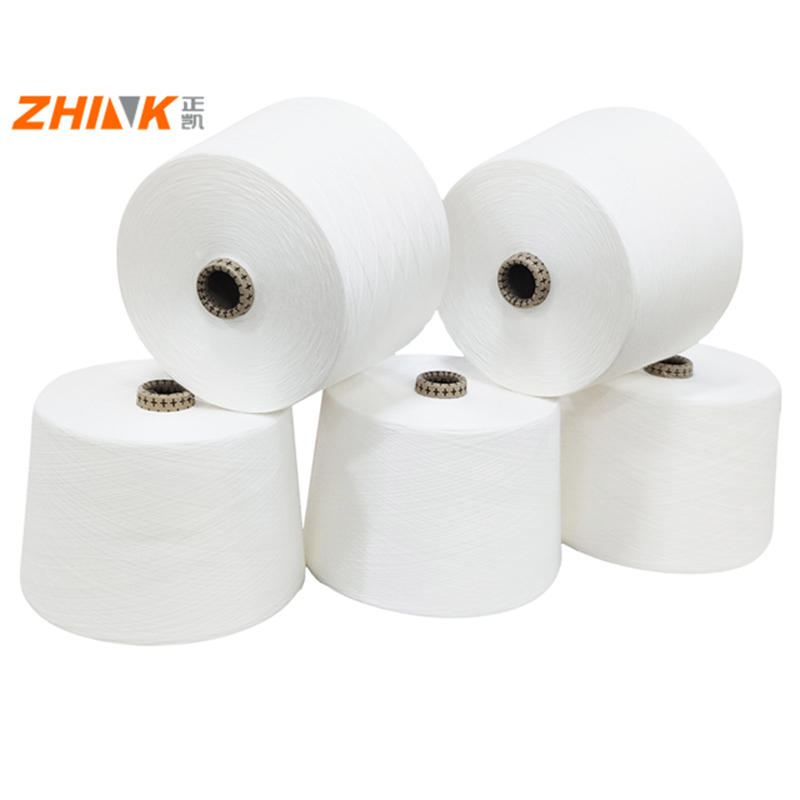
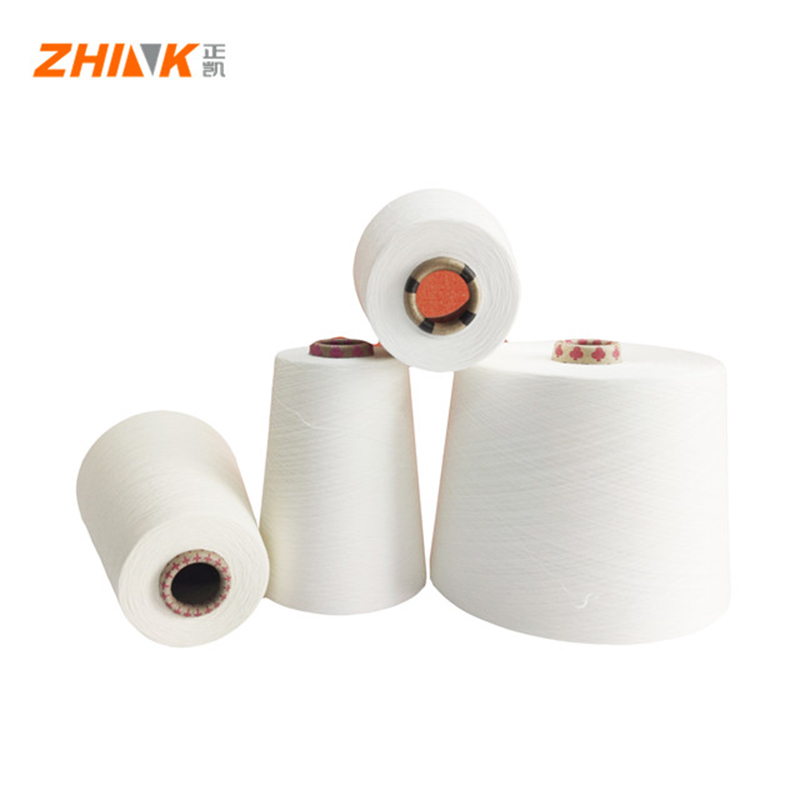
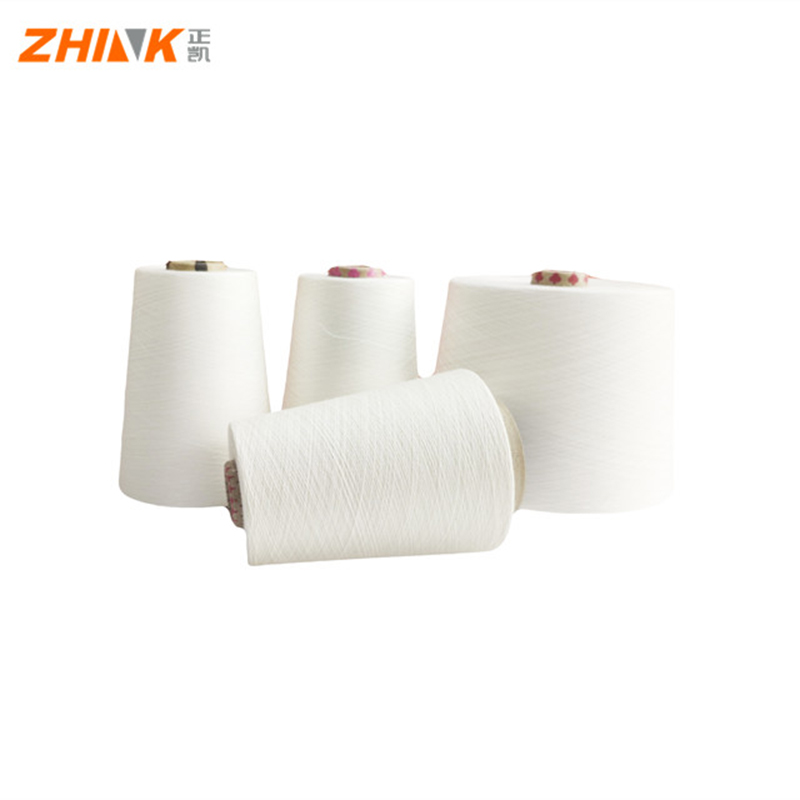
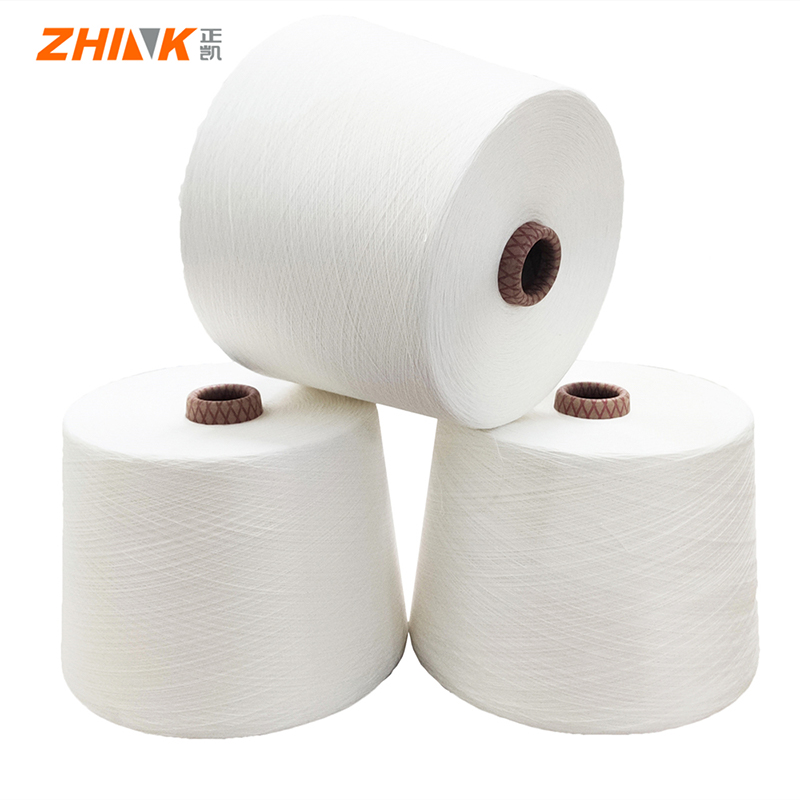
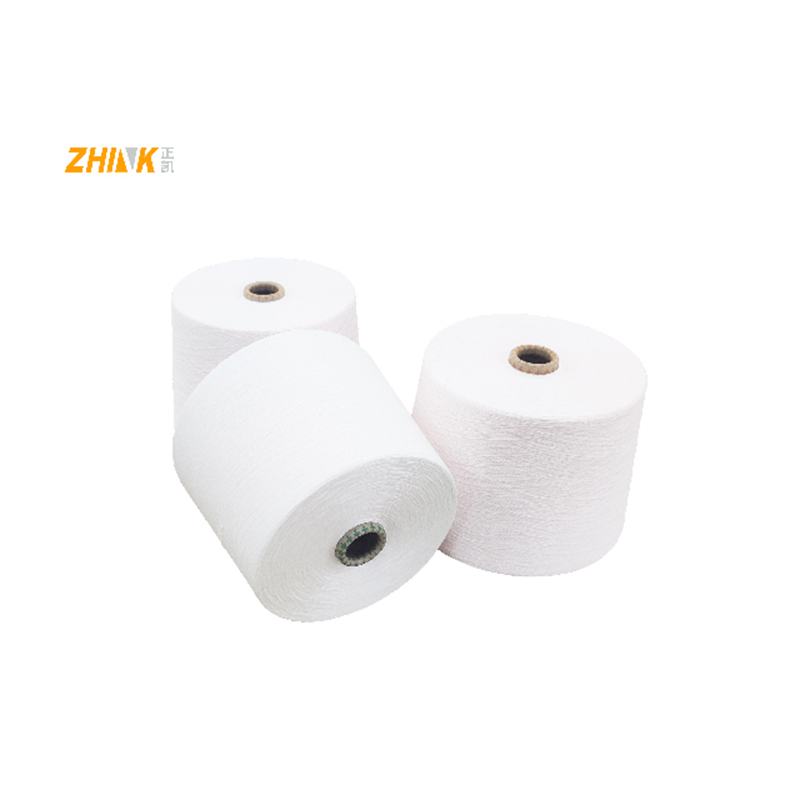
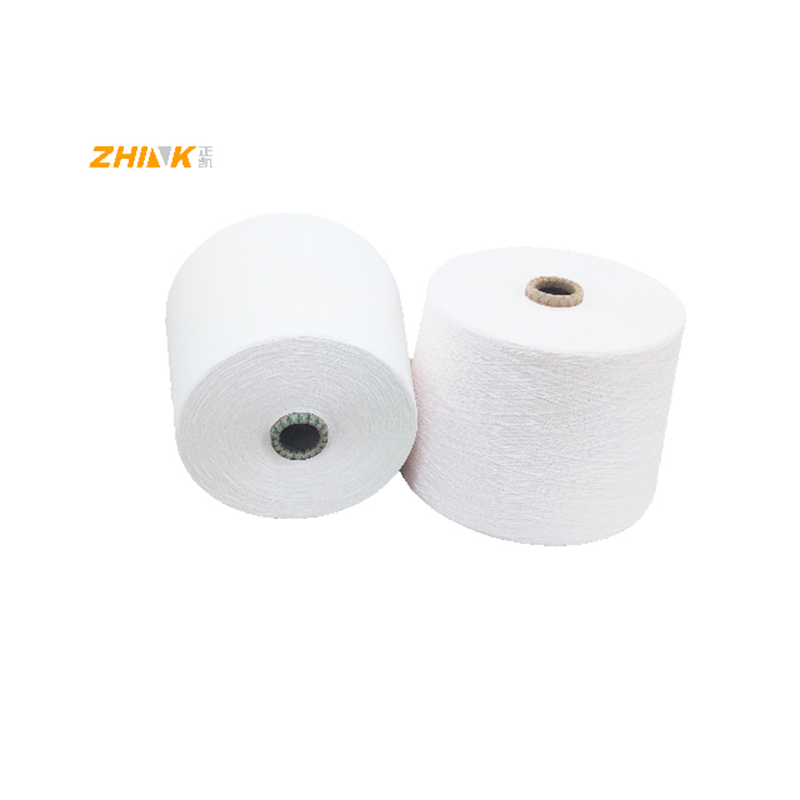
20s Solid acrylic yarn
The Intricate World of 20s Solid Acrylic Yarn
In the realm of textile manufacturing, the term 20s Solid acrylic yarn might seem like just another jargon. But behind this unassuming name lies a world of craftsmanship and expertise that shapes countless garments. So, what makes this specific yarn a mainstay in the industry?
Understanding 20s in Yarn Count
The “20s” in 20s Solid acrylic yarn refers to the yarn count, which is a unit of measure for the thickness of yarn. In the textile industry, a higher number indicates a finer yarn, whereas a lower number suggests a thicker yarn. Typically, a 20s yarn strikes a balance—neither too fine nor too bulky, making it versatile for various applications.
From my experience, when you’re working with 20s yarn, it’s ideal for knitting projects that require a good balance of texture and durability. It's often the go-to choice for garments meant to withstand regular wear, such as sweaters or outdoor apparel.
However, understanding the “20s” isn’t just about numbers. You’ve got to feel the yarn, work it through your fingers, and notice that it has the weight and resilience required for everyday fashion.
The Appeal of Solid Acrylic
One might ask, why choose acrylic yarn at all? Solid acrylic yarns are lauded for their durability and affordability, carving their niche in the textile market. Unlike natural fibers, acrylic yarn can imitate the texture and warmth of wool while resisting shrinkage and wrinkles—a combination that’s quite appealing for manufacturers and consumers alike.
I recalled a project some time back where acrylic yarn was the linchpin in meeting tight budget and care requirement constraints for a client. The end products, if handled properly, can even mimic the softness of more luxurious fibers.
Of course, while acrylic yarns are practical, anyone who's worked with them knows they can be a bit slippery to knit with. Beginners might need a bit of practice to handle them smoothly, but the learning curve is well worth it.
Challenges in Production
The creation of 20s Solid acrylic yarn involves several precise steps and technology. Here at places like SHANDONG ZHINK NEW MATERIAL CO., LTD, where you can learn more about our processes at Zhink New Material, the focus is on quality control and innovation.
Production challenges can include maintaining consistency in texture and color, which requires state-of-the-art machinery and a trained eye. One common issue is the visibility of minor defects in the yarn if the production line isn't meticulously managed. Hence, constant monitoring becomes crucial to ensure only top-quality yarns are produced.
Moreover, production doesn’t stop at making the yarn. Each batch undergoes rigorous testing to measure its tensile strength, dye absorption rate, and overall quality. This ensures that when a customer receives our yarn, it’s up to the highest standards.
Applications and Innovations
In terms of applications, the uses for 20s Solid acrylic yarn are nearly endless. You’ll find it in everything from cozy winter hats and scarves to insulated blankets and marketable sweaters.
Innovation also plays a crucial role in using this yarn type. For instance, by blending acrylic with other fibers, you can introduce properties like improved elasticity or enhanced moisture-wicking abilities. This customization is pivotal for meeting specific client needs or market trends.
I've seen firsthand the progression from utilizing simple patterns with solid acrylic to developing complex designs that blend aesthetics with functionality. Each project often involves collaboration with designers to capture trends without sacrificing the product's practicality.
Market Trends and Consumer Preferences
Currently, the market trend leans towards environmentally friendly production and sustainable sourcing. While acrylic itself is synthetic, there's a growing push to minimize its ecological footprint, something actively pursued at SHANDONG ZHINK NEW MATERIAL CO., LTD.
Consumers today are more informed and cautious about their textile purchases. They prefer products that not only serve their needs but do so without compromising their eco-values. As such, many manufacturers are now exploring recycled acrylic options.
Working in this industry, you quickly learn that staying ahead means adapting to these shifts. Flexibility and innovation in product offerings tend to be as vital as the product quality itself.
The Future of 20s Solid Acrylic Yarn
The future of 20s Solid acrylic yarn looks promising as it continues to evolve with technological advancements and consumer demands. This yarn shows a balance between old world craftsmanship and new world technology. Companies like ours, SHANDONG ZHINK NEW MATERIAL CO., LTD, are at the forefront, ensuring that we not only meet aging standards but set new ones. Find out more about our processes and innovations at Zhink New Material.
Looking forward, the integration of smart textiles with traditional yarns could open doors to even more fascinating developments. While predictions can be slippery, one thing is certain: adaptability will be key.
In conclusion, the dynamic world of 20s Solid acrylic yarn is more than just fiber and dye—it's about innovation, adaptation, and the ever-important touch of human creativity.
Related Products
Related Products