+86-632-3621866
- Chinese
- French
- German
- Portuguese
- Spanish
- Russian
- Japanese
- Korean
- Arabic
- Irish
- Greek
- Turkish
- Italian
- Danish
- Romanian
- Indonesian
- Czech
- Afrikaans
- Swedish
- Polish
- Basque
- Catalan
- Esperanto
- Hindi
- Lao
- Albanian
- Amharic
- Armenian
- Azerbaijani
- Belarusian
- Bengali
- Bosnian
- Bulgarian
- Cebuano
- Chichewa
- Corsican
- Croatian
- Dutch
- Estonian
- Filipino
- Finnish
- Frisian
- Galician
- Georgian
- Gujarati
- Haitian
- Hausa
- Hawaiian
- Hebrew
- Hmong
- Hungarian
- Icelandic
- Igbo
- Javanese
- Kannada
- Kazakh
- Khmer
- Kurdish
- Kyrgyz
- Latin
- Latvian
- Lithuanian
- Luxembou..
- Macedonian
- Malagasy
- Malay
- Malayalam
- Maltese
- Maori
- Marathi
- Mongolian
- Burmese
- Nepali
- Norwegian
- Pashto
- Persian
- Punjabi
- Serbian
- Sesotho
- Sinhala
- Slovak
- Slovenian
- Somali
- Samoan
- Scots Gaelic
- Shona
- Sindhi
- Sundanese
- Swahili
- Tajik
- Tamil
- Telugu
- Thai
- Ukrainian
- Urdu
- Uzbek
- Vietnamese
- Welsh
- Xhosa
- Yiddish
- Yoruba
- Zulu
- Kinyarwanda
- Tatar
- Oriya
- Turkmen
- Uyghur



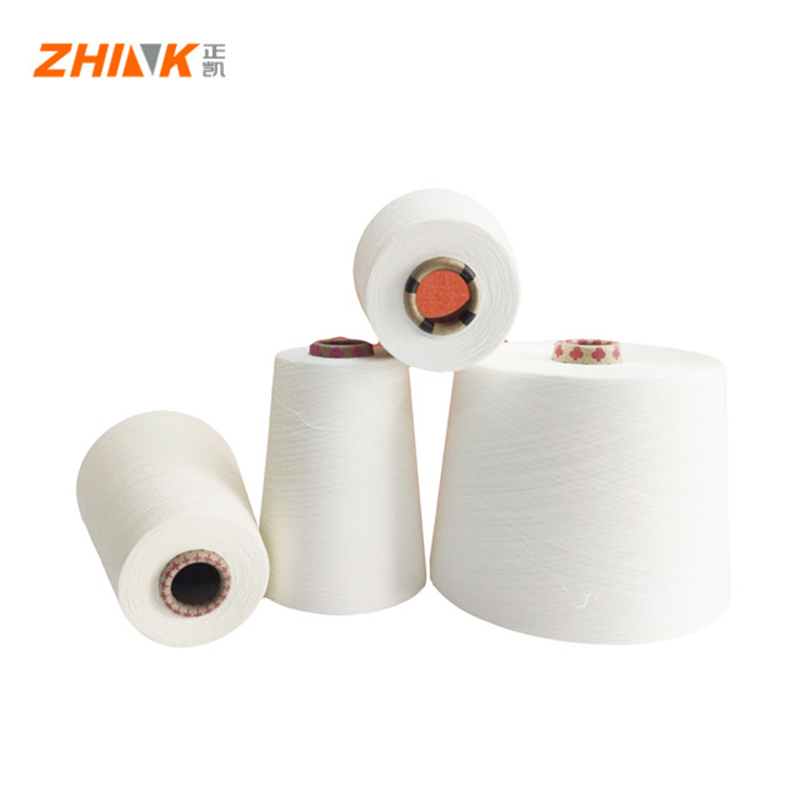
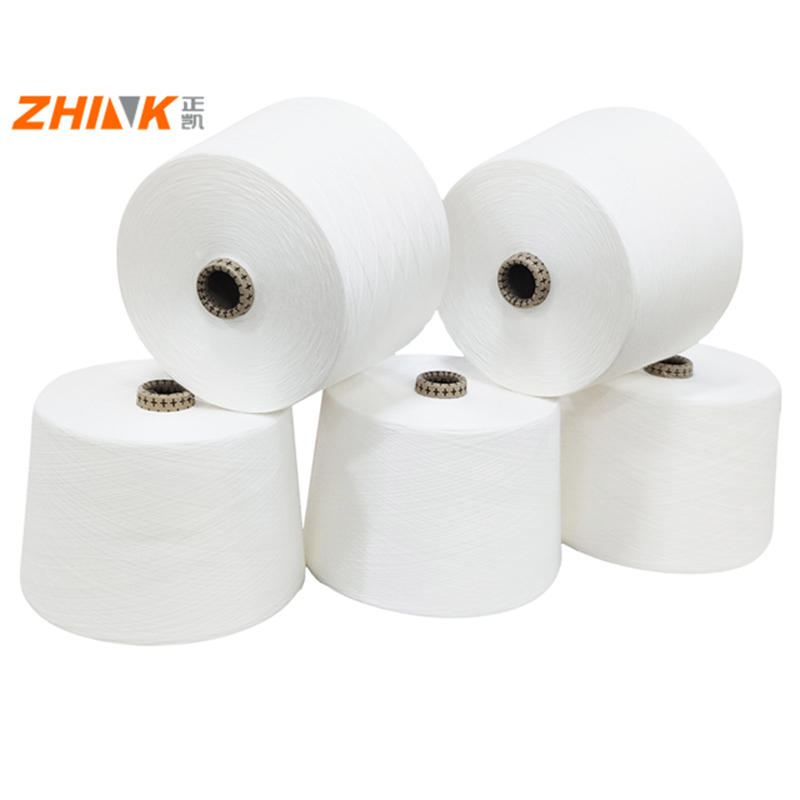
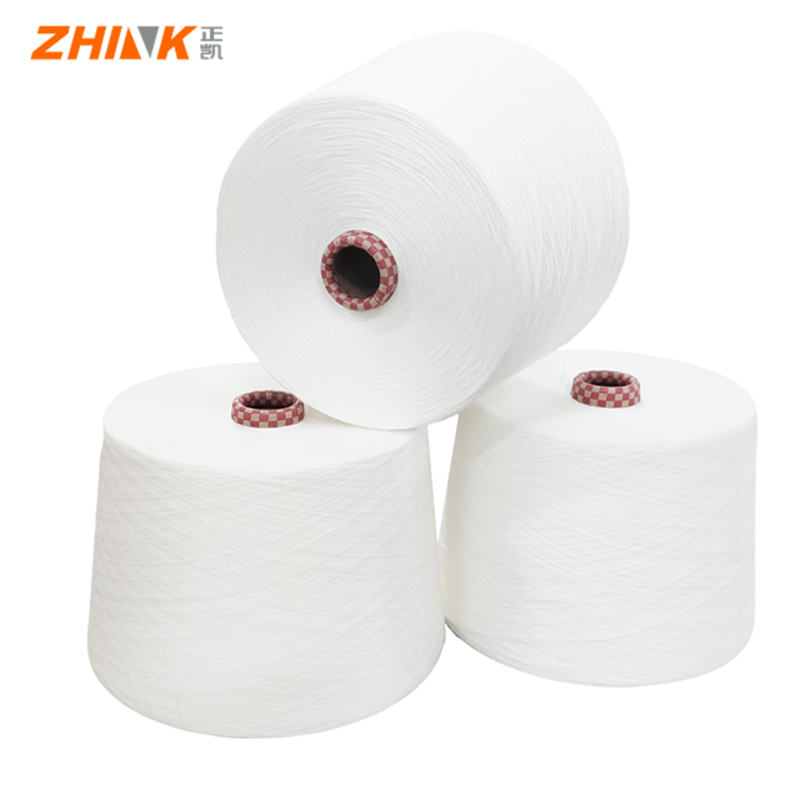
24s acrylic yarn
The Intricacies of 24s Acrylic Yarn in Textile Production
Understanding the unique characteristics of 24s acrylic yarn can significantly influence the outcome of textile products. It's not just about choosing a yarn; it's about knowing how it interacts with various fabrics and the end products we aim to create.
Decoding 24s Acrylic Yarn
The term 24s in acrylic yarn often perplexes both newcomers and seasoned professionals in the textile realm. To put it simply, the 24s refers to the yarn's count, dictating its thickness and the touch it’ll impart on the fabric. A higher count means finer yarn, impacting not just the tactile feel but also how the yarn knits or weaves into the fabric.
One common misconception is to assume all acrylic yarns behave similarly. However, those familiar with 24s acrylic yarn know it behaves remarkably different than its counterparts, particularly because of its versatility and robust nature. This makes it highly favored in producing both lightweight and durable garments.
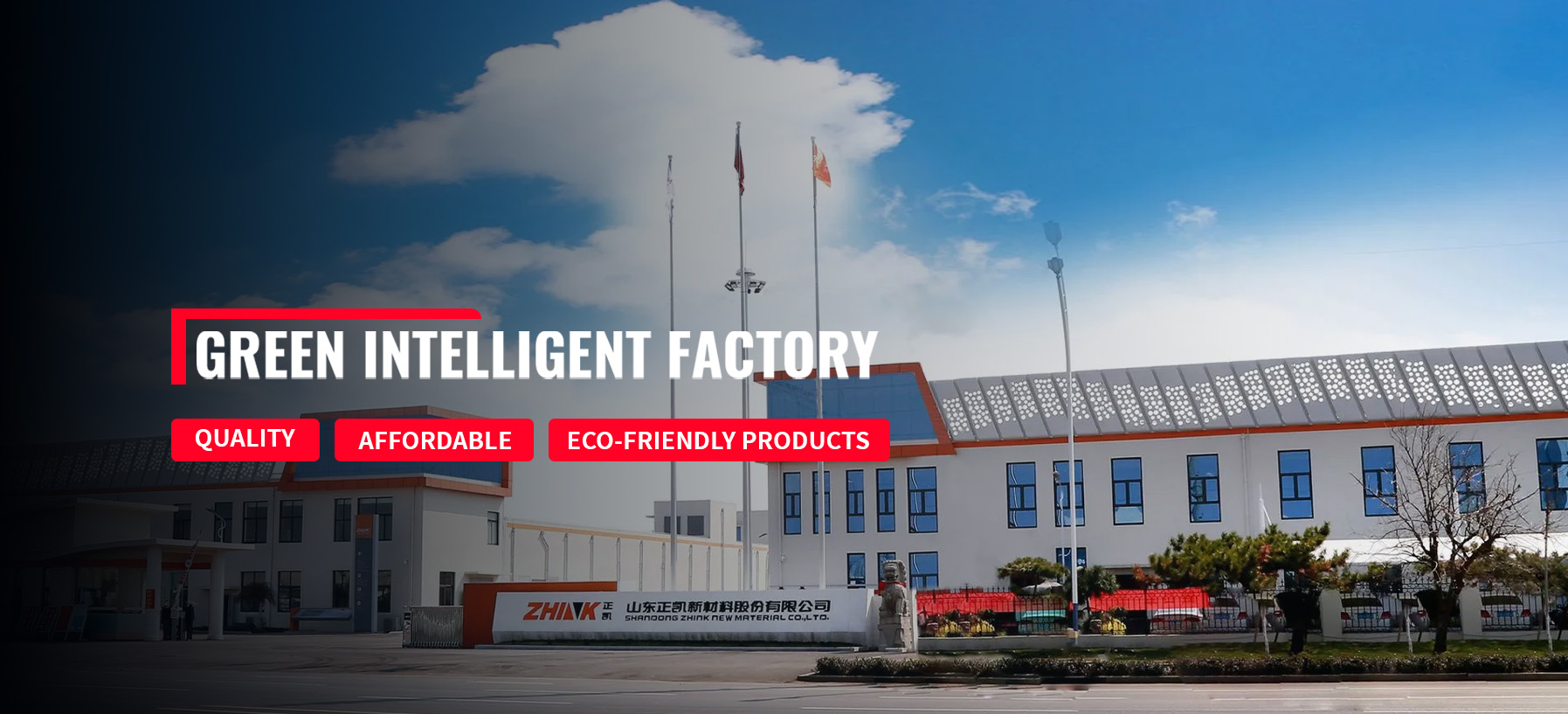
Working with SHANDONG ZHINK NEW MATERIAL CO., LTD, known for its innovative research and production techniques, reveals how they optimize yarn properties for varied applications. They have a knack for balancing strength and comfort, which isn’t an easy feat when you're dealing with synthetic fibers.
Facing Real-World Challenges
Any seasoned textile professional will tell you that theory often clashes with practice. For instance, a sudden change in humidity can change how the yarn behaves on the machine. I remember once a project sidelined due to underestimated weather impacts on 24s acrylic yarn, highlighting how crucial environmental controls are.
The SHANDONG ZHINK NEW MATERIAL CO., LTD's approach involves meticulous testing under varied conditions, curtailing potential setbacks. Their state-of-the-art facilities emphasize real-world applications that save time and resources.
Such rigorous testing reveals more than issues; it showcases the yarn's flexibility in various climates and settings, making it a reliable choice for diverse markets, especially where unpredictability is the norm.
Exploring Applications and Innovations
24s acrylic yarn has found niche applications due to its adaptability. In the realm of fast fashion, its quick-drying and washing-friendliness make it a preferred choice. But that’s only scratching the surface.
At SHANDONG ZHINK NEW MATERIAL CO., LTD, products crafted with precision from this yarn demonstrate enhanced durability while maintaining a trendy aesthetic. Their focus on sustainable and efficient textile solutions is evident in each product's lifecycle.
Their dedication to researching new material behavior encourages continuous improvements, pushing boundaries. It’s fascinating how this humble yarn intertwines with technology, offering innovations like anti-pilling and UV protection.
Learning from Previous Endeavors
It's not all smooth sailing, of course. Experimentation sometimes uncovers limitations. A batch once failed due to unexpected breakages under strain, reminding everyone involved that testing can't replicate every scenario.
Such experiences prompt a shift in approach, emphasizing reevaluation of the production line and the importance of feedback loops with both clients and developers. SHANDONG ZHINK NEW MATERIAL CO., LTD facilitates open channels for feedback, an invaluable resource for growth and adaptation.
Ultimately, it's these hiccups that lead to advances, whether it's refining the production process or discovering a new application for 24s acrylic yarn. Each challenge offers lessons that can transform the quality and applicability of textile innovations.
Future Prospects and Industry Trends
Looking forward, the role of 24s acrylic yarn in textiles promises to expand. As demands shift towards eco-friendly and multifunctional garments, the yarn's properties must evolve to stay relevant.
Collaborations with institutions and continuous research, as done by SHANDONG ZHINK NEW MATERIAL CO., LTD, are key. Their efforts at https://www.zhinkyarn.com provide insights into how emerging techniques might revolutionize textile production, staying ahead of market trends.
One thing’s clear: understanding and utilizing 24s acrylic yarn isn't just about the fiber itself—it's about embracing innovation and adapting to an ever-changing market landscape. This journey undoubtedly makes the textile industry a fascinating field for exploration.
Related Products
Related Products