+86-632-3621866
- Chinese
- French
- German
- Portuguese
- Spanish
- Russian
- Japanese
- Korean
- Arabic
- Irish
- Greek
- Turkish
- Italian
- Danish
- Romanian
- Indonesian
- Czech
- Afrikaans
- Swedish
- Polish
- Basque
- Catalan
- Esperanto
- Hindi
- Lao
- Albanian
- Amharic
- Armenian
- Azerbaijani
- Belarusian
- Bengali
- Bosnian
- Bulgarian
- Cebuano
- Chichewa
- Corsican
- Croatian
- Dutch
- Estonian
- Filipino
- Finnish
- Frisian
- Galician
- Georgian
- Gujarati
- Haitian
- Hausa
- Hawaiian
- Hebrew
- Hmong
- Hungarian
- Icelandic
- Igbo
- Javanese
- Kannada
- Kazakh
- Khmer
- Kurdish
- Kyrgyz
- Latin
- Latvian
- Lithuanian
- Luxembou..
- Macedonian
- Malagasy
- Malay
- Malayalam
- Maltese
- Maori
- Marathi
- Mongolian
- Burmese
- Nepali
- Norwegian
- Pashto
- Persian
- Punjabi
- Serbian
- Sesotho
- Sinhala
- Slovak
- Slovenian
- Somali
- Samoan
- Scots Gaelic
- Shona
- Sindhi
- Sundanese
- Swahili
- Tajik
- Tamil
- Telugu
- Thai
- Ukrainian
- Urdu
- Uzbek
- Vietnamese
- Welsh
- Xhosa
- Yiddish
- Yoruba
- Zulu
- Kinyarwanda
- Tatar
- Oriya
- Turkmen
- Uyghur


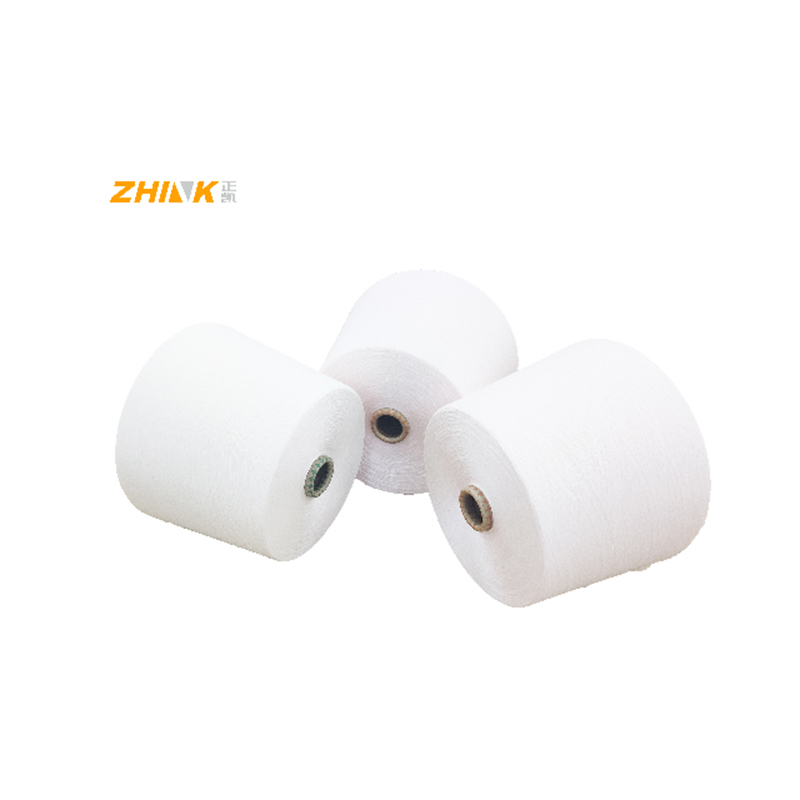
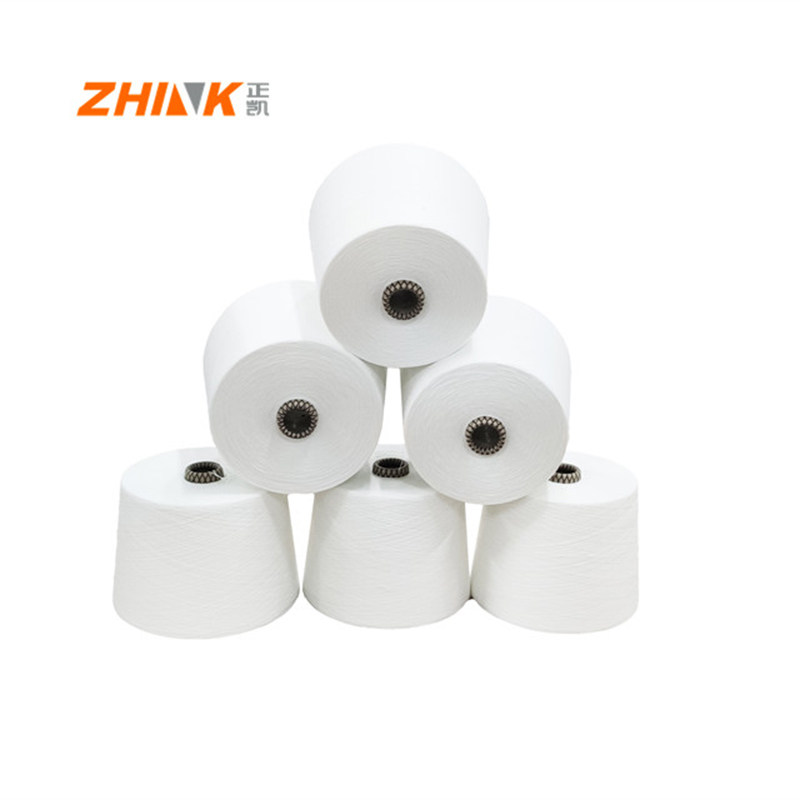
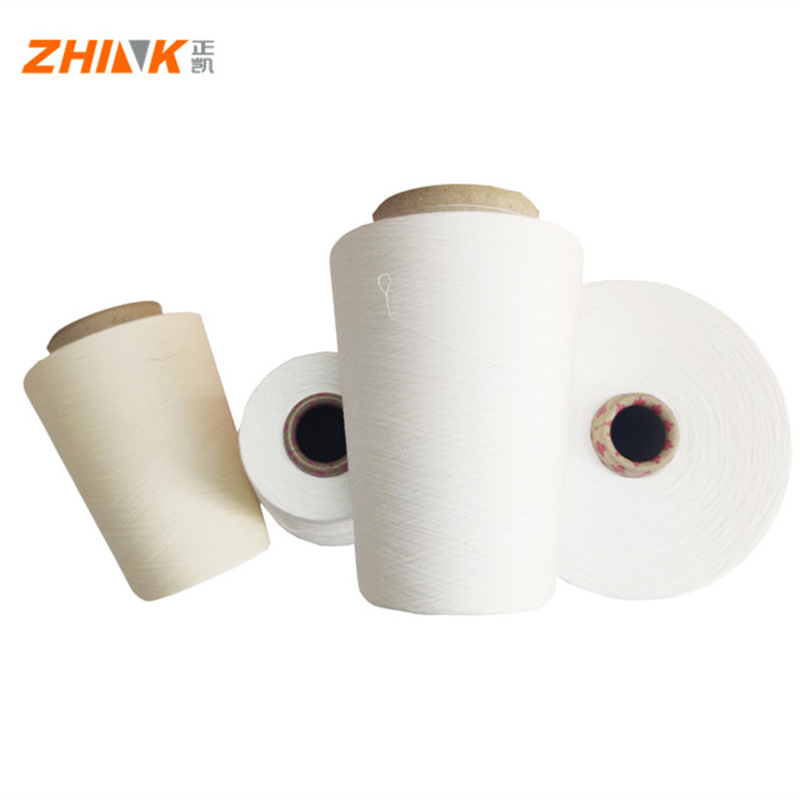
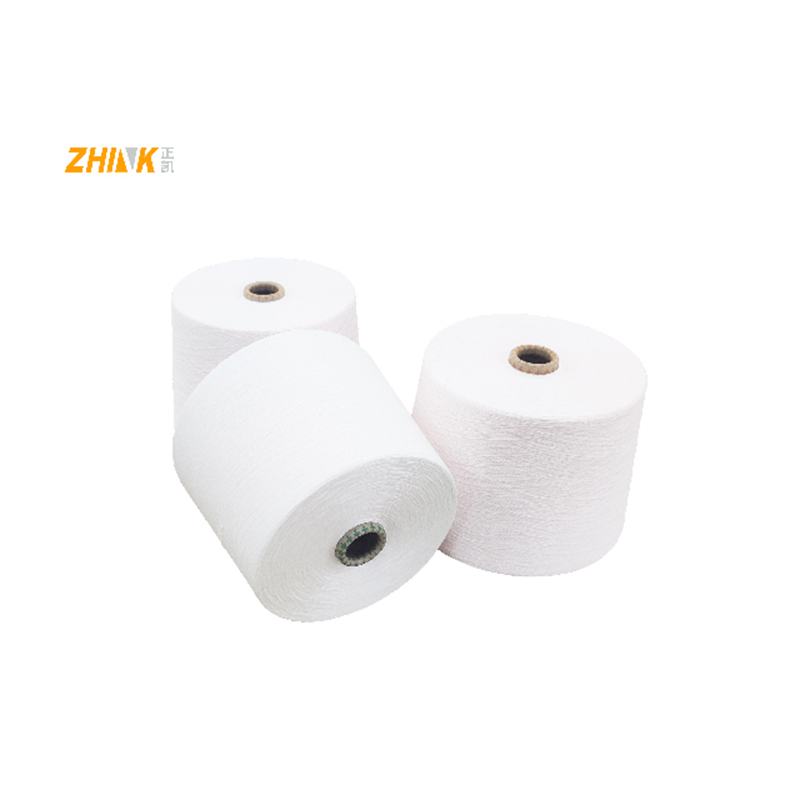
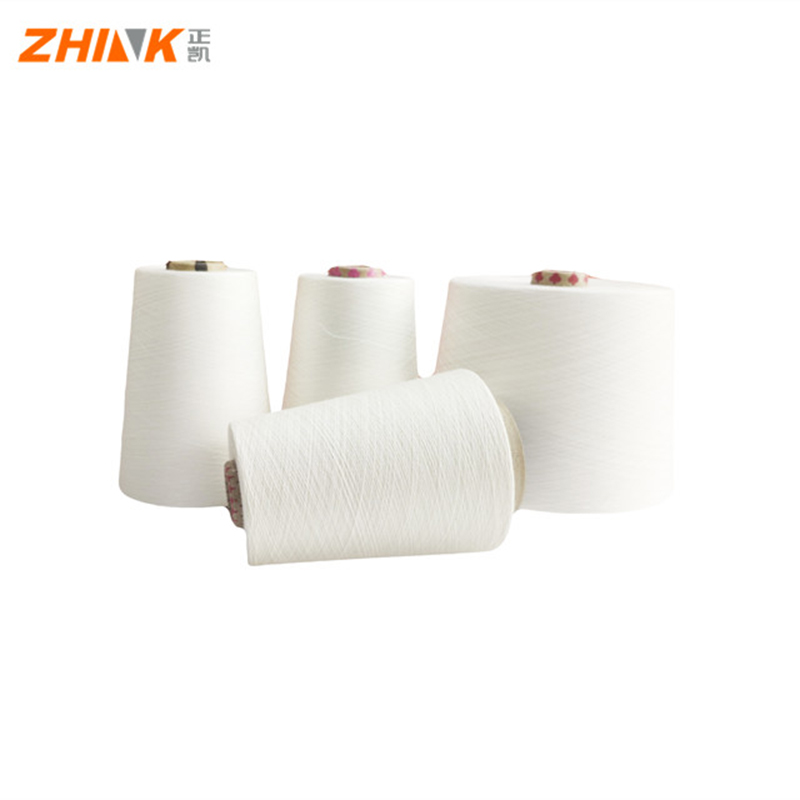
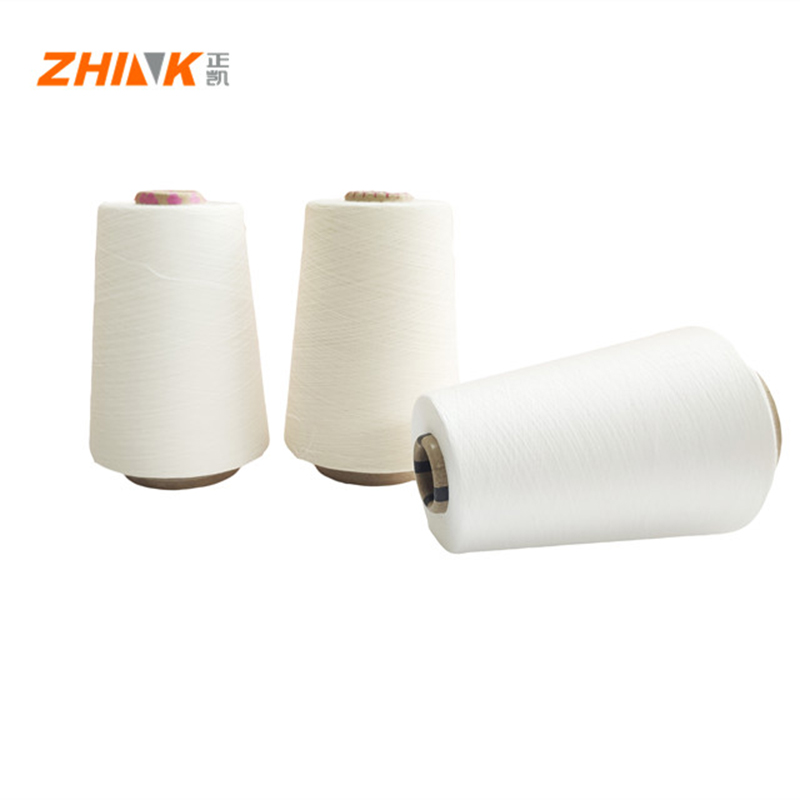
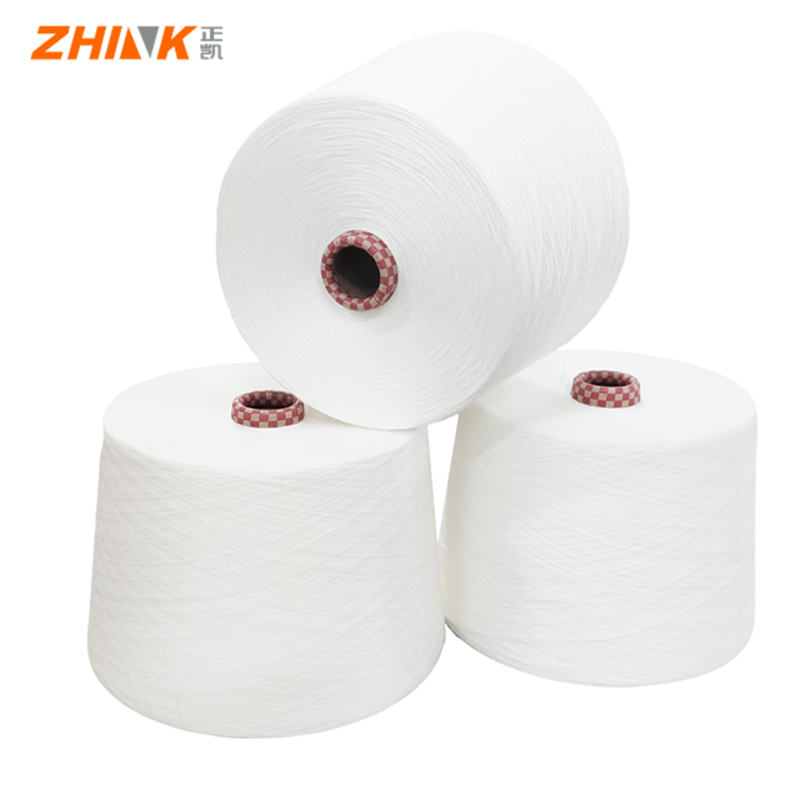
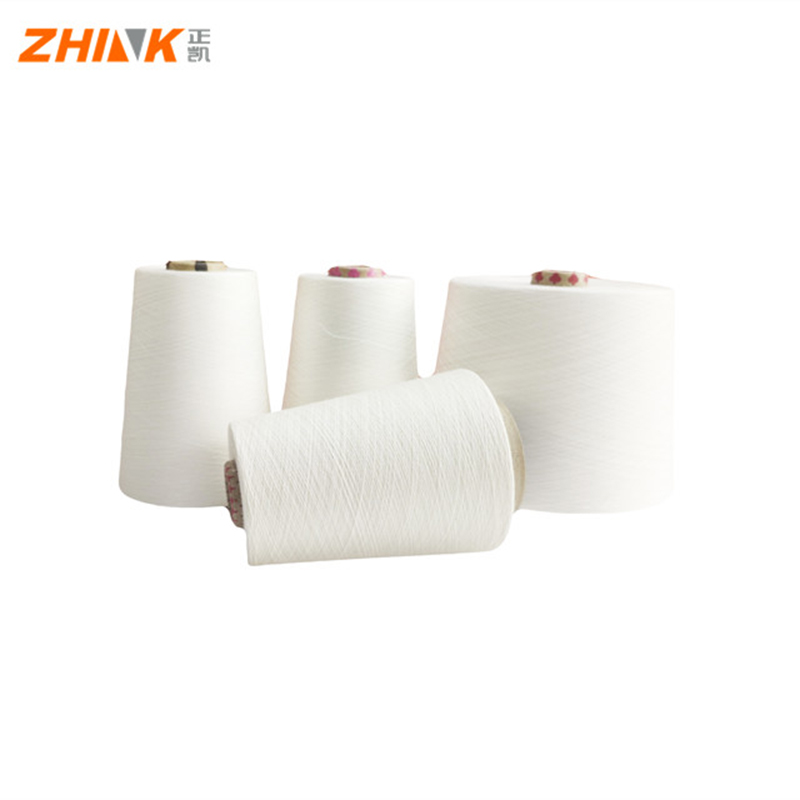
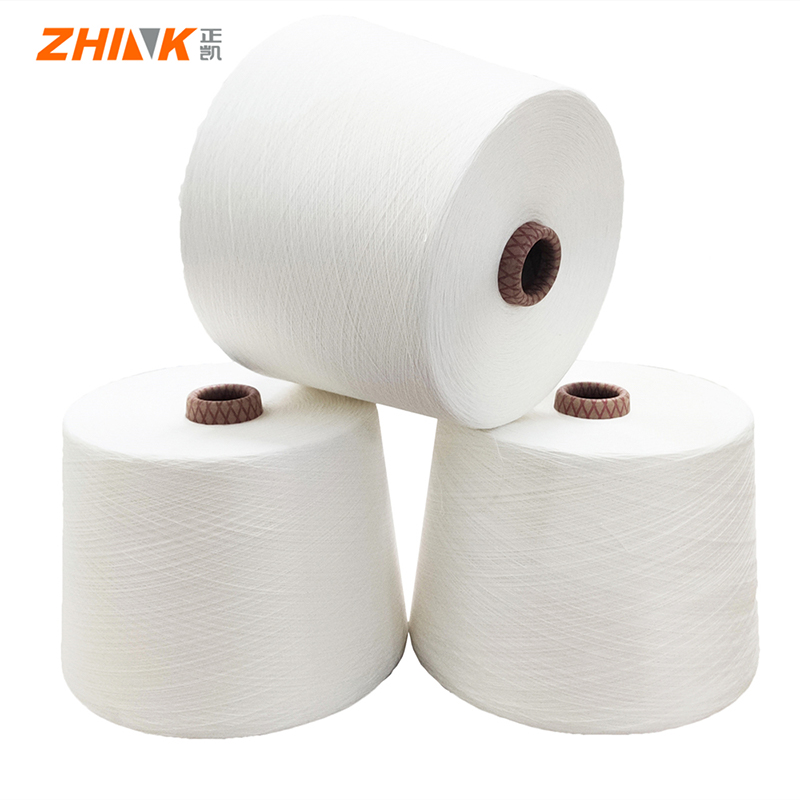
24s Cationic polyester yarn
The Versatility and Challenges of 24s Cationic Polyester Yarn
Arising from the confluence of innovation and necessity, the journey of developing 24s Cationic polyester yarn is as textured as the product itself—replete with both breakthroughs and stumbling blocks. In the textile industry, while the term may seem straightforward, its application and production tell a richer story, one that touches upon materials, techniques, and the evolving needs of modern consumers.
Decoding the Basics
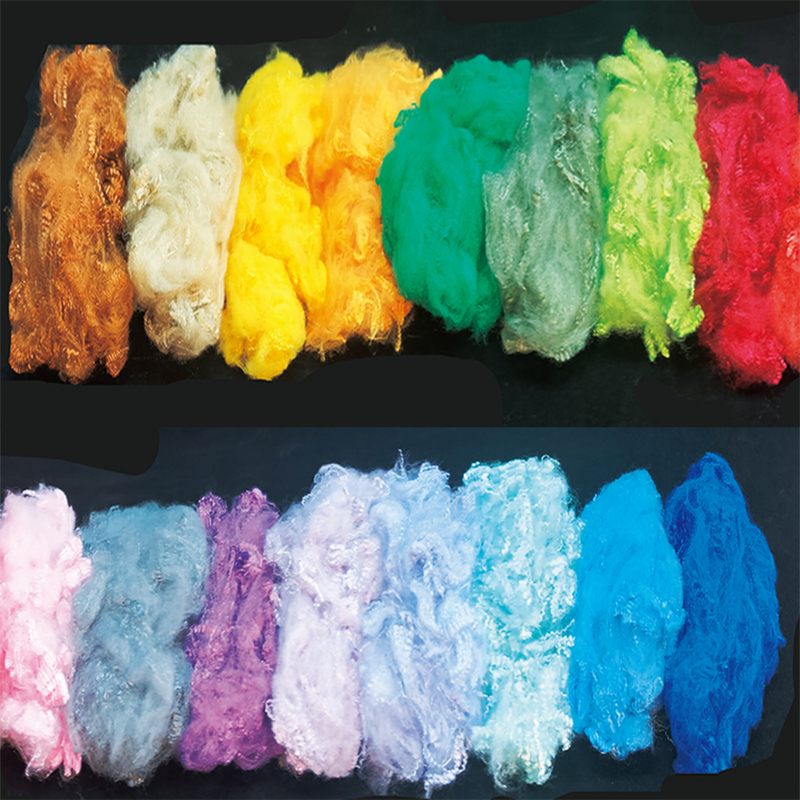
Before diving into specifics, let's demystify the term 24s Cationic polyester yarn. Essentially, “24s” refers to the yarn count, a measure of its thickness. It's crucial in determining the feel and application of the finished textile. Cationic polyester stands apart due to its unique dyeing properties, offering vibrant colors and enhanced fastness—quality that ordinary polyester often struggles to achieve.
From my experience, it’s this cationic element that shifts the game. When I first started working with these materials, the color retention seemed almost too good to be true. But there were pitfalls, too—like figuring out the right blend ratios and optimal dyeing temperatures. Once, during a particularly ambitious project, a miscalculation led to an entire batch with lackluster hues, a costly reminder of the precision this process demands.
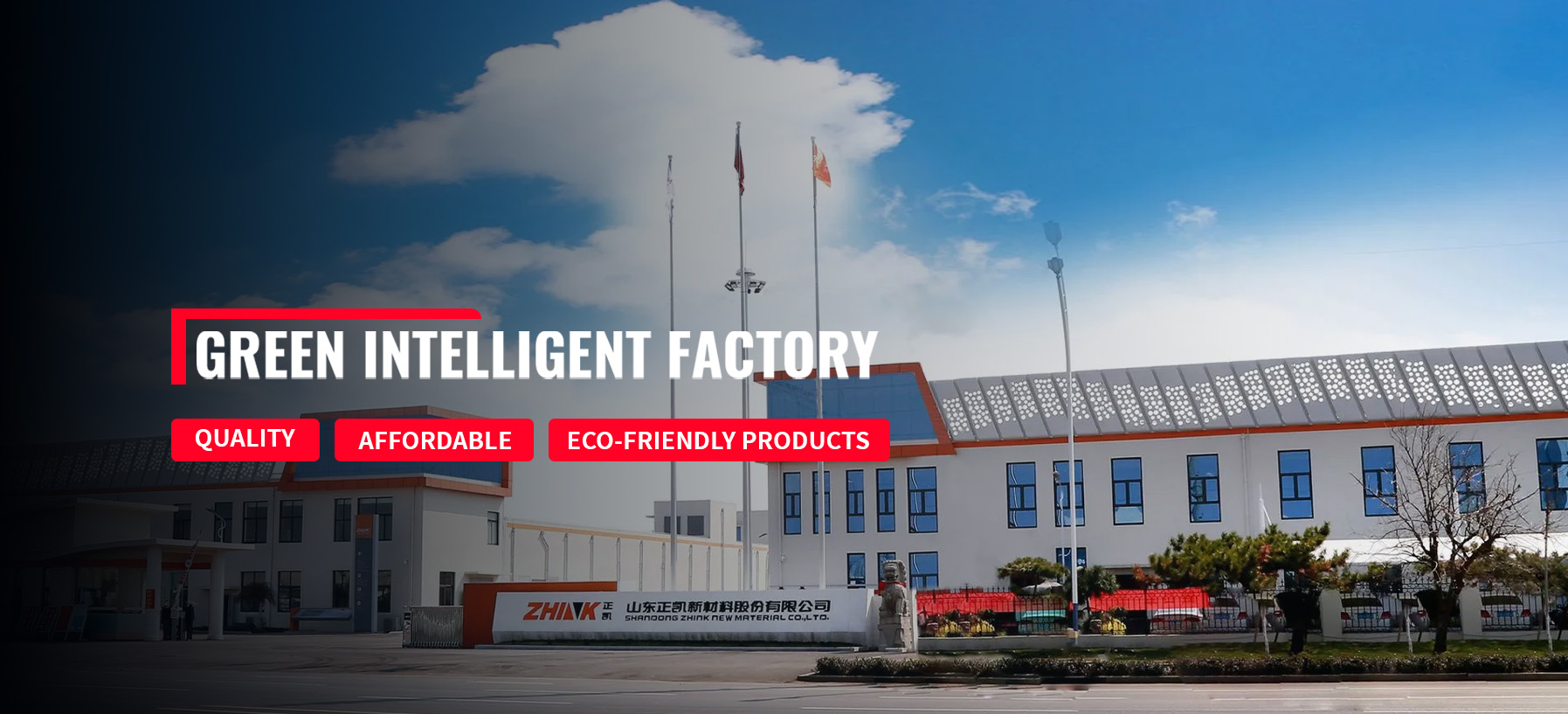
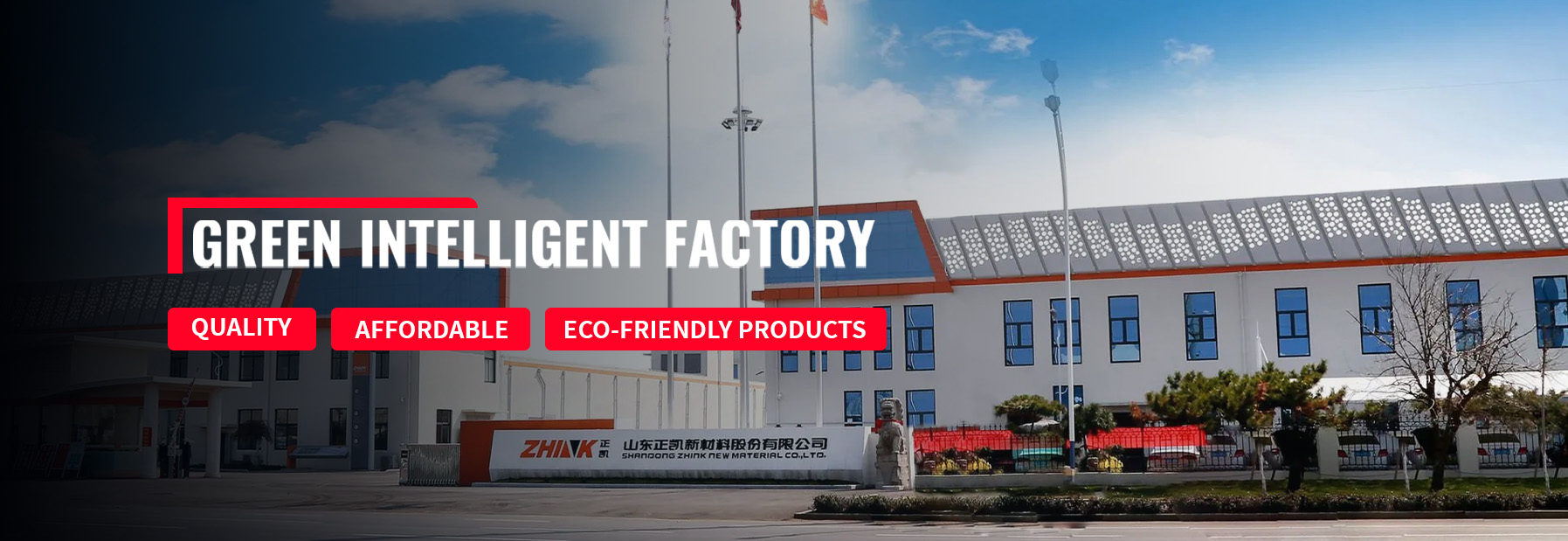
For those interested, more technical details and guidance can be accessed from companies like SHANDONG ZHINK NEW MATERIAL CO., LTD, with resources readily available on their site, https://www.zhinkyarn.com.
Manufacturing Insights
The production landscape of cationic polyester yarn is equally intriguing. It demands not only advanced machinery but also a profound understanding of the material properties. Integrating the cationic modification into polyester fibers involves meticulous adjustments during polymerization—a step I’ve seen transform a standard fiber plant into a hub of innovation.
During one of my site visits, the complexity of controlling factors such as temperature and pressure during the polymerization process struck me. The expertise needed to fine-tune these variables cannot be overstated. In some cases, even minor deviations could result in compromised fiber quality.
This has broader implications, particularly when scaling up production. Balancing quality and efficiency is a delicate act, often entwined with the operator’s skill and the machinery’s sophistication.
Application and Consumer Preferences
The consumer market's reception of 24s Cationic polyester yarn has been largely optimistic, thanks to its enhanced dyeability, durability, and cost-effectiveness. Products range from sports apparel to fashionable everyday wear, where consumers demand both aesthetics and performance.
Yet, there remains a persistent challenge: educating the end consumer. Despite its advantages, misconceptions about synthetic materials can lead to hesitancy. A memorable instance was during a product launch, where the need for an informed sales narrative became apparent—stories of innovation and responsibility behind these textiles helped shift perceptions decisively.
Retailers and brands play a crucial role here. They're not just selling products; they're bridging the knowledge gap between creators and consumers, a duty that requires ongoing effort and transparency.
Environmental Considerations
In today’s eco-conscious era, sustainability in textile production is paramount. The life cycle of cationic polyester yarn must be scrutinized, from production to disposal. Consumers are both interested in and critical of how their clothing impacts the planet.
The environmental dialogue around polyester involves energy consumption and the use of recyclables. Companies like Zhink New Material are increasingly addressing sustainability, yet there remains a tension between maintaining quality and reducing the carbon footprint.
I’ve often found myself in discussions pondering biodegradable alternatives and closed-loop recycling systems. These innovations promise to redefine industry standards, but implementing them requires collective effort across the supply chain.
Market Trends and Future Prospects
Looking forward, the market for cationic polyester yarn is burgeoning with possibilities. Innovations in bio-based polyester and enhanced recycling initiatives are poised to redefine the industry.
The path isn't without obstacles. Economic fluctuations and regulatory changes can pose significant risks. However, these challenges also drive ingenuity, pushing companies to adapt and evolve.
In conclusion, 24s Cationic polyester yarn represents a fascinating intersection of technology, creativity, and commerce. Its ongoing story is shaped by those who dare to innovate, learn from mistakes, and strive for excellence. For further reading and in-depth information, SHANDONG ZHINK NEW MATERIAL CO., LTD provides a wealth of resources that can illuminate the intricacies of this dynamic field.
Related Products
Related Products