
+86-632-3621866
- Chinese
- French
- German
- Portuguese
- Spanish
- Russian
- Japanese
- Korean
- Arabic
- Irish
- Greek
- Turkish
- Italian
- Danish
- Romanian
- Indonesian
- Czech
- Afrikaans
- Swedish
- Polish
- Basque
- Catalan
- Esperanto
- Hindi
- Lao
- Albanian
- Amharic
- Armenian
- Azerbaijani
- Belarusian
- Bengali
- Bosnian
- Bulgarian
- Cebuano
- Chichewa
- Corsican
- Croatian
- Dutch
- Estonian
- Filipino
- Finnish
- Frisian
- Galician
- Georgian
- Gujarati
- Haitian
- Hausa
- Hawaiian
- Hebrew
- Hmong
- Hungarian
- Icelandic
- Igbo
- Javanese
- Kannada
- Kazakh
- Khmer
- Kurdish
- Kyrgyz
- Latin
- Latvian
- Lithuanian
- Luxembou..
- Macedonian
- Malagasy
- Malay
- Malayalam
- Maltese
- Maori
- Marathi
- Mongolian
- Burmese
- Nepali
- Norwegian
- Pashto
- Persian
- Punjabi
- Serbian
- Sesotho
- Sinhala
- Slovak
- Slovenian
- Somali
- Samoan
- Scots Gaelic
- Shona
- Sindhi
- Sundanese
- Swahili
- Tajik
- Tamil
- Telugu
- Thai
- Ukrainian
- Urdu
- Uzbek
- Vietnamese
- Welsh
- Xhosa
- Yiddish
- Yoruba
- Zulu
- Kinyarwanda
- Tatar
- Oriya
- Turkmen
- Uyghur



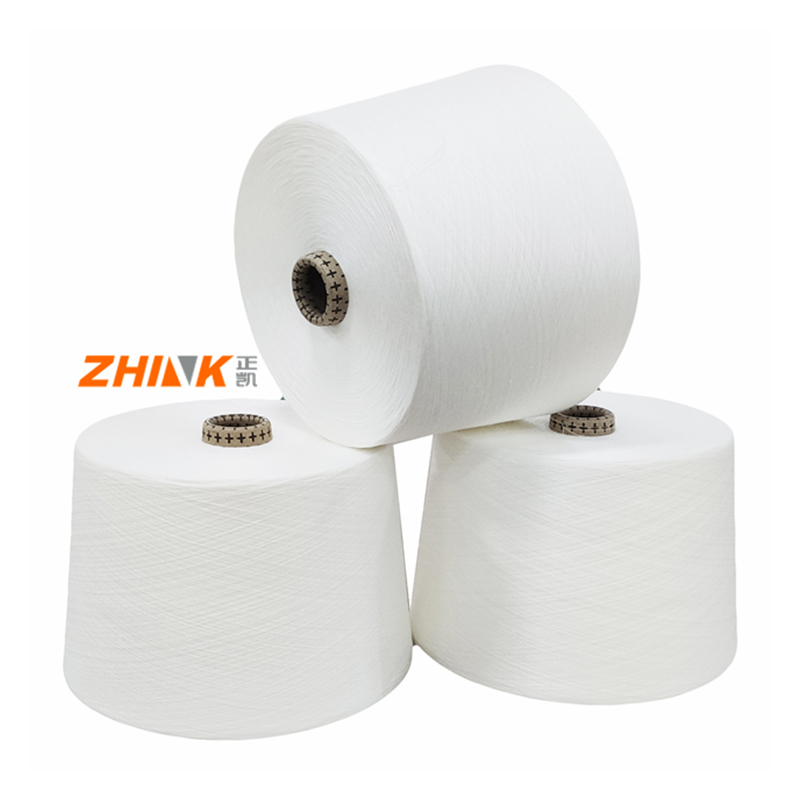
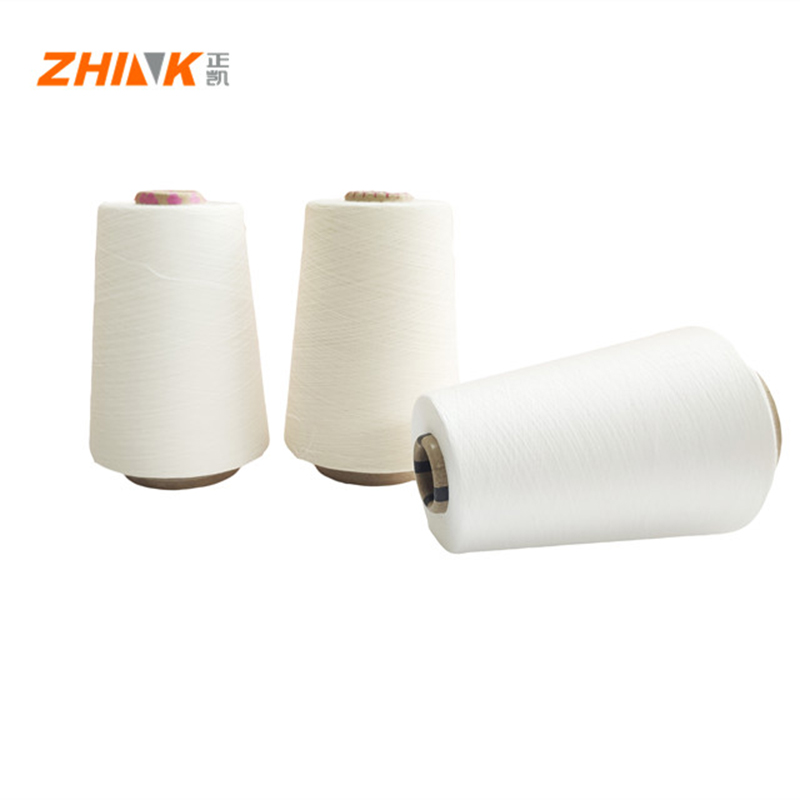
24s Flame retardant acrylic yarn
Exploring the World of 24s Flame Retardant Acrylic Yarn
24s Flame Retardant Acrylic Yarn has become a staple in various industries, yet many still harbor misconceptions about its properties and applications. Understanding its true nature and applications can unlock potential benefits for both manufacturers and consumers alike.
Understanding Flame Retardant Acrylic Yarn
When discussing flame retardant acrylic yarn, it's important to grasp what exactly 24s means. The 24s refers to the yarn's count, which defines its thickness and weight. This matters because different applications require different yarn properties. You'd be surprised how often this gets overlooked.
In the realm of flame retardancy, the yarn incorporates specific compounds during production that help inhibit ignition and self-extinguishes if it catches fire. This characteristic is crucial for safety in various textiles, especially in environments where fire hazards are a concern.
There's a common misconception that flame retardant yarns compromise on comfort or appearance. However, advancements led by companies like SHANDONG ZHINK NEW MATERIAL CO., LTD have made them nearly indistinguishable from their non-retardant counterparts. This balance between safety and aesthetic appeal is critical.
Applications and Benefits
The applications for flame retardant acrylic yarn are vast. It's widely used in home textiles, such as curtains and upholstery, and in the production of protective clothing for industrial workers. Each application has its specific requirements, demanding close collaboration between product developers and textile experts.
From my experience, working with companies like Zhink New Material, which specializes in the research and development of new textile materials, has revealed that a keen understanding of both the technical specifications and the practical applications is essential. Their innovations reflect a dedication to enhancing material properties without sacrificing user experience.
One interesting case: in developing textiles for the automotive industry, flame retardancy is non-negotiable. Acrylic yarns like these are favored because they offer the right blend of durability and safety. But selecting the right yarn is only half the battle; ensuring proper treatment and testing before mass production is equally crucial.
Challenges in Production
Producing flame retardant acrylic yarn isn't without its challenges. The incorporation of flame-retardant additives requires precise techniques to maintain the yarn's structural integrity. Get it wrong, and you might end up with a product that's either too brittle or loses its flame-retardant properties over time.
It's here that companies like Zhink New Material have made their mark, often employing rigorous quality control measures at various stages of production. Their attention to detail helps prevent costly errors down the line—a lesson learned from numerous projects.
Moreover, meeting regulatory standards is another hurdle. Different markets have different compliance requirements, which can complicate the production process. This necessitates a flexible yet robust production system, something that Zhink's streamlined R&D process seems to achieve well.
Sustainability Concerns
There's an increasing demand for sustainability in the textile industry, and flame retardant acrylic yarn is no exception. Balancing flame retardancy with eco-friendly practices is a growing focus and presents a unique set of challenges.
Environmentally conscious consumers are pushing manufacturers to reduce the environmental impact of flame retardant treatments. Innovations in this space are ongoing, with developments in biodegradable and less toxic chemicals showing promise.
Zhink New Material, through its relentless focus on R&D, is exploring various sustainable solutions in this direction. It's a fine line between innovation and tradition, but the industry is inching closer to more sustainable practices.
Future Trends
As we look to the future, the evolution of flame retardant acrylic yarn appears promising. Technological advances and material science innovations are likely to result in even more sophisticated and efficient solutions.
AI and data analytics are starting to play a role in predicting yarn performance, enabling manufacturers to fine-tune properties before physical testing begins. This could significantly speed up development cycles and reduce waste.
Ultimately, companies like Zhink New Material are at the forefront, ready to capitalize on these technological advances, sustaining their commitment to quality and innovation. With the groundwork they've laid, the future of flame retardant acrylic yarn looks both safe and sustainable.
Related Products
Related Products

Best Selling Products
Best Selling Products
Related Search
Related Search- 30/2 Flame retardant polyester yarn
- 100% Bulk acrylic acrylic ring
- Cationic polyester yarn
- Recycled polyester/Modal vortex yarn
- pure Hollow polyester yarn
- cationic polyester/ viscose spandex yarn
- Recycled PSF AA
- Flame retardant acrylic/viscose ring spun yarn
- A100/POLYESTER/WOOL 50/28/22 siro compact yarn
- Viscose blended yarn for weaving