+86-632-3621866
- Chinese
- French
- German
- Portuguese
- Spanish
- Russian
- Japanese
- Korean
- Arabic
- Irish
- Greek
- Turkish
- Italian
- Danish
- Romanian
- Indonesian
- Czech
- Afrikaans
- Swedish
- Polish
- Basque
- Catalan
- Esperanto
- Hindi
- Lao
- Albanian
- Amharic
- Armenian
- Azerbaijani
- Belarusian
- Bengali
- Bosnian
- Bulgarian
- Cebuano
- Chichewa
- Corsican
- Croatian
- Dutch
- Estonian
- Filipino
- Finnish
- Frisian
- Galician
- Georgian
- Gujarati
- Haitian
- Hausa
- Hawaiian
- Hebrew
- Hmong
- Hungarian
- Icelandic
- Igbo
- Javanese
- Kannada
- Kazakh
- Khmer
- Kurdish
- Kyrgyz
- Latin
- Latvian
- Lithuanian
- Luxembou..
- Macedonian
- Malagasy
- Malay
- Malayalam
- Maltese
- Maori
- Marathi
- Mongolian
- Burmese
- Nepali
- Norwegian
- Pashto
- Persian
- Punjabi
- Serbian
- Sesotho
- Sinhala
- Slovak
- Slovenian
- Somali
- Samoan
- Scots Gaelic
- Shona
- Sindhi
- Sundanese
- Swahili
- Tajik
- Tamil
- Telugu
- Thai
- Ukrainian
- Urdu
- Uzbek
- Vietnamese
- Welsh
- Xhosa
- Yiddish
- Yoruba
- Zulu
- Kinyarwanda
- Tatar
- Oriya
- Turkmen
- Uyghur


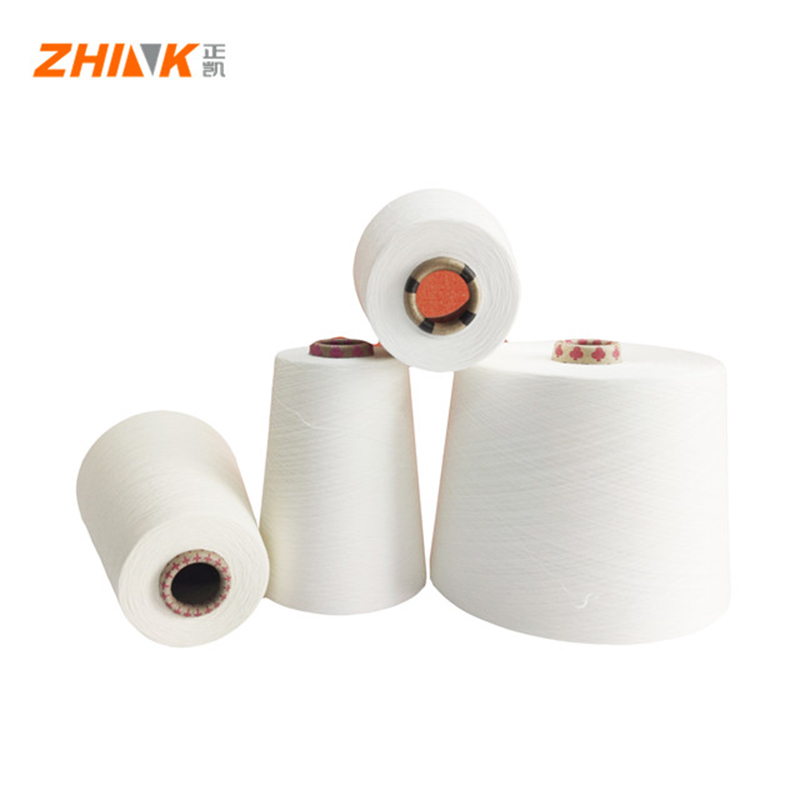
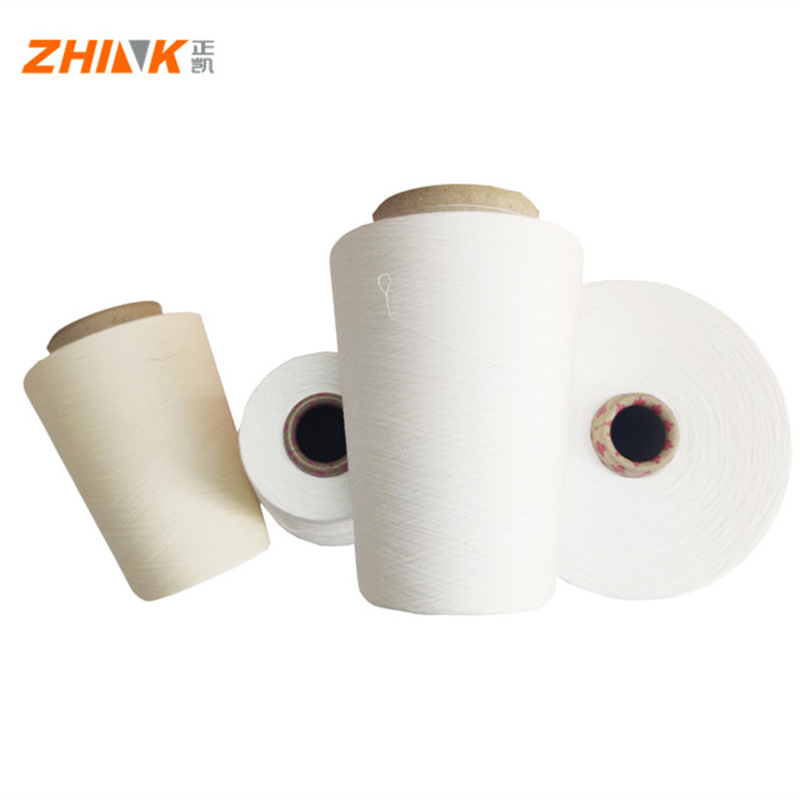
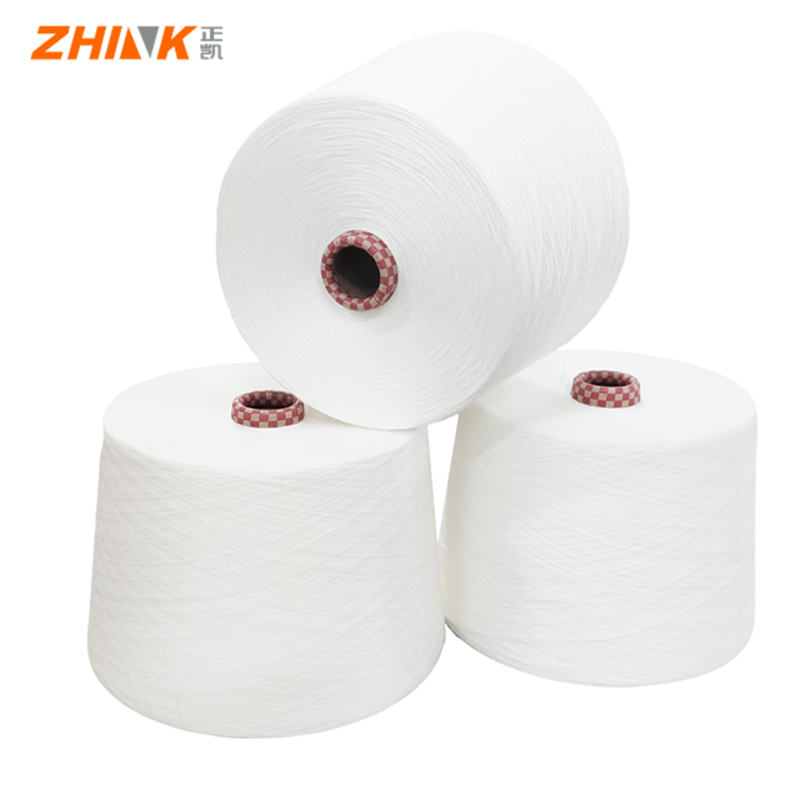
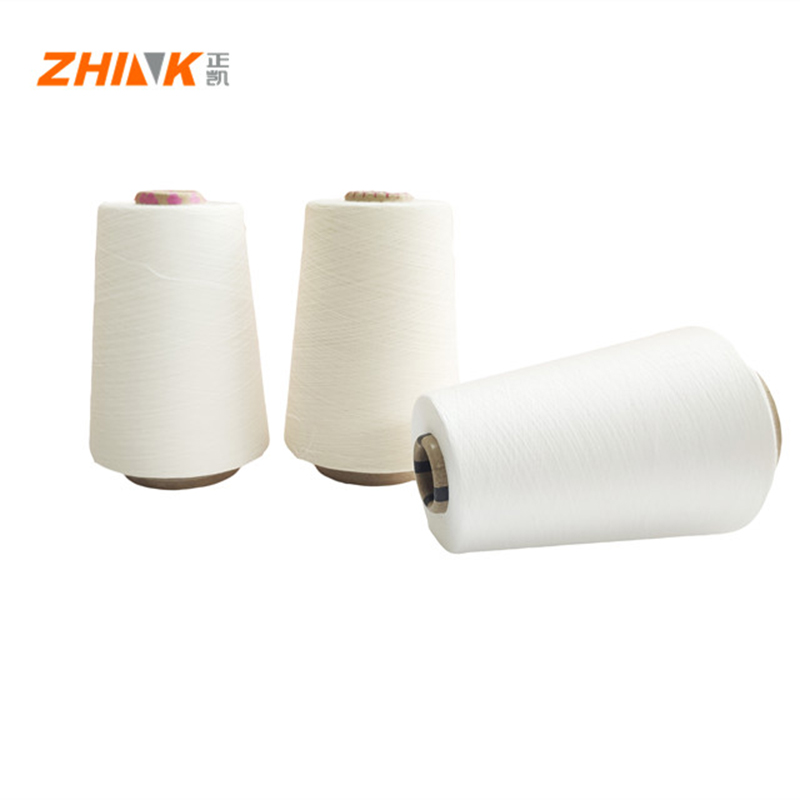
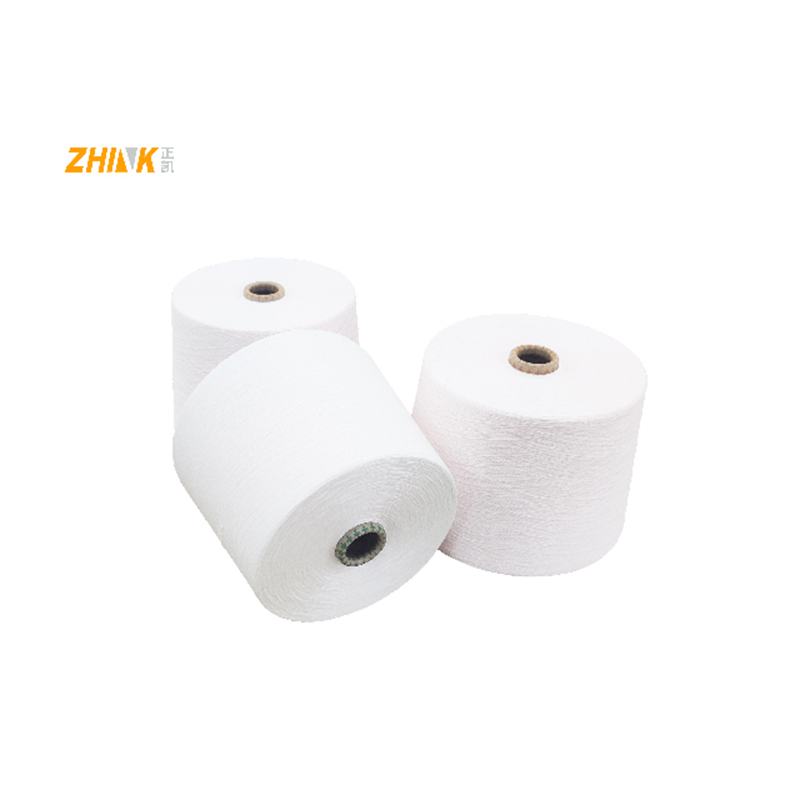
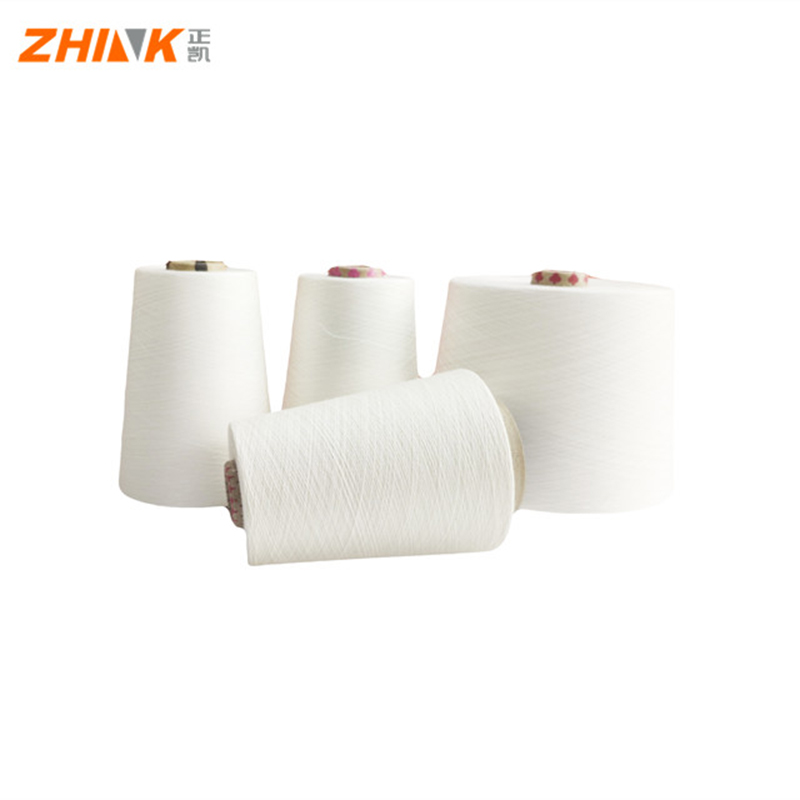
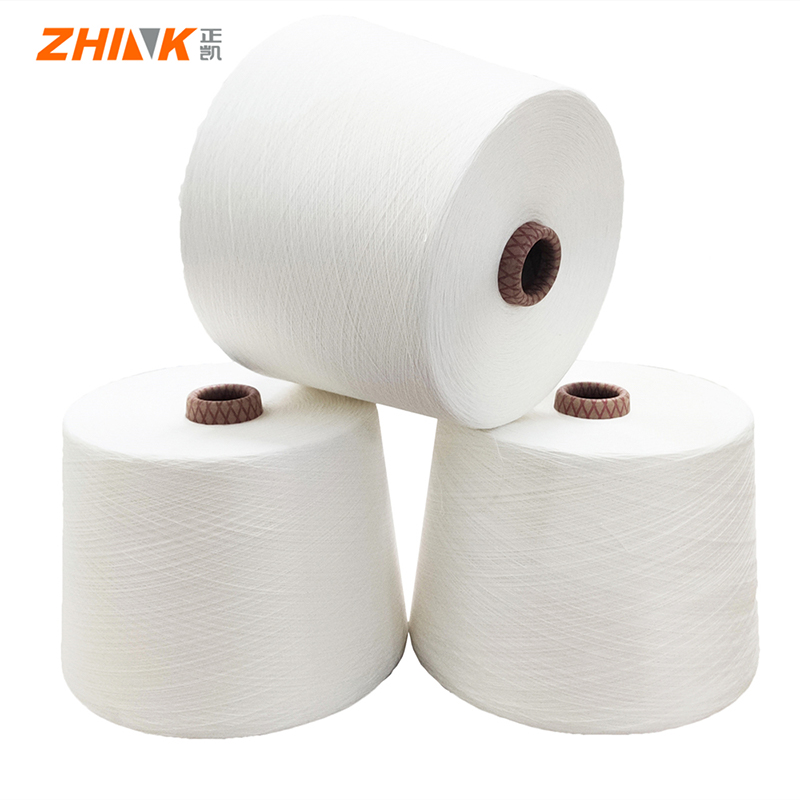
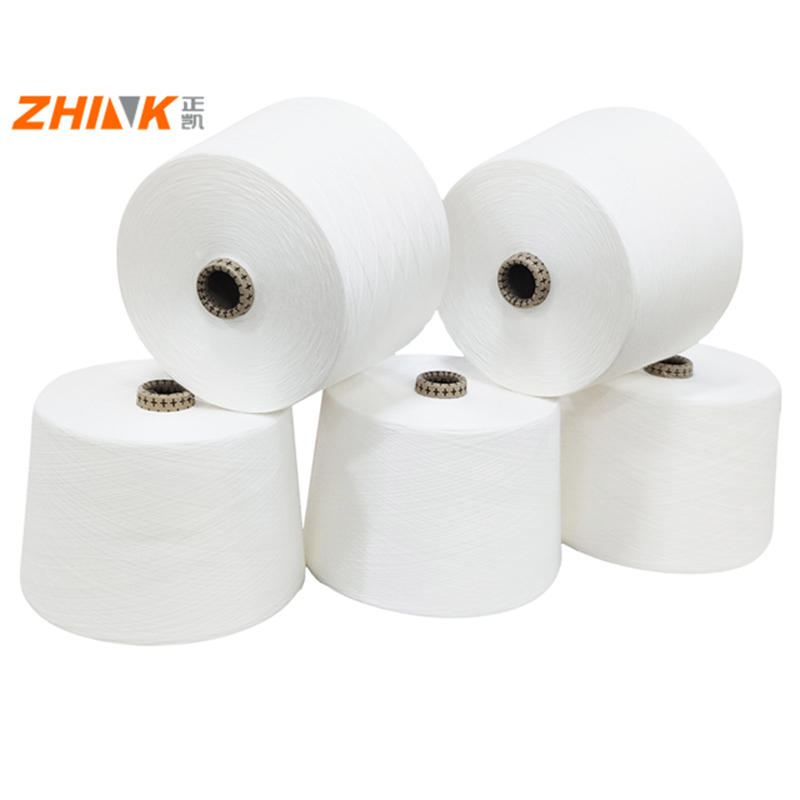
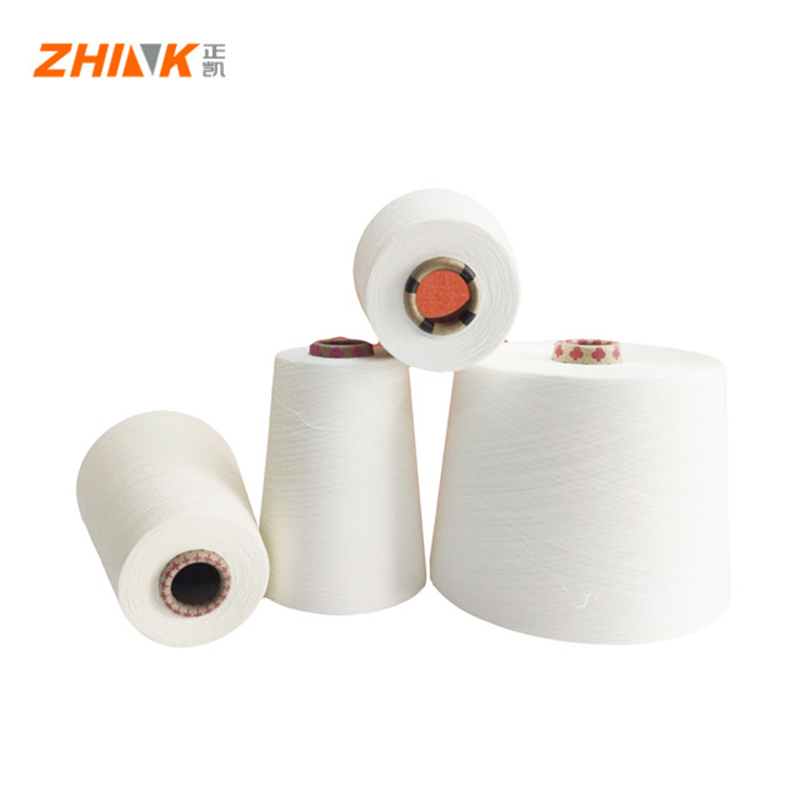
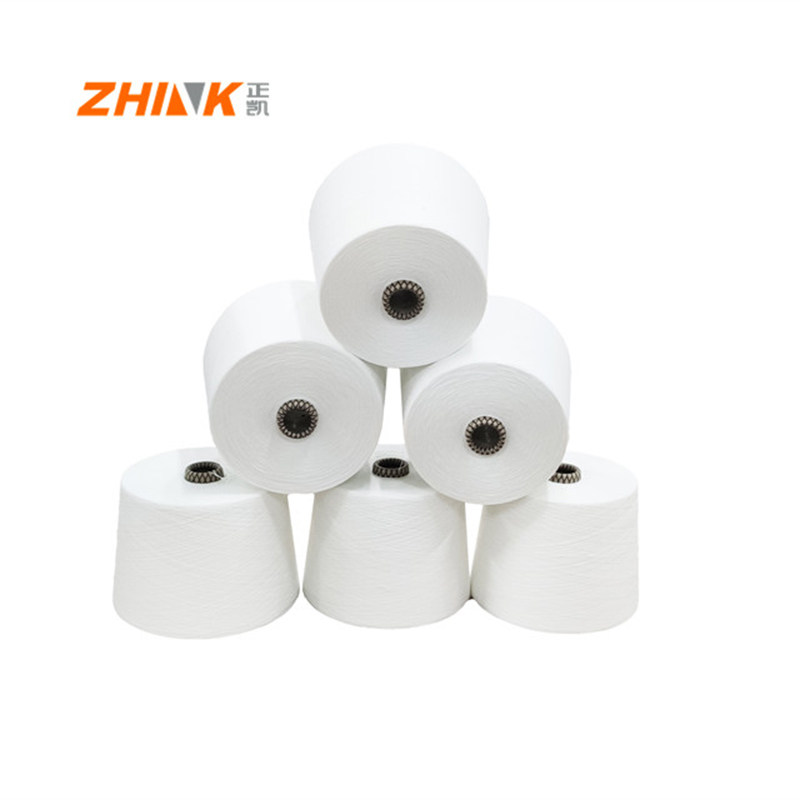
24s Flame retardant polyester yarn
Understanding 24s Flame Retardant Polyester Yarn
Exploring the intricacies of 24s flame retardant polyester yarn reveals much about its pivotal role in textiles, particularly in safety-focused applications. With growing attention on maintaining both durability and fire safety, polyester yarn emerges as a crucial element in textile engineering.
The Basics of Flame Retardant Yarns
Let's start with a fundamental question: why flame retardant? It's crucial to recognize that not all polyester yarns are created with safety in mind. Standard polyester might perform well under normal conditions, but its behavior under heat can be a deal-breaker. Flame retardant variants are engineered to resist ignition, providing an added layer of security.
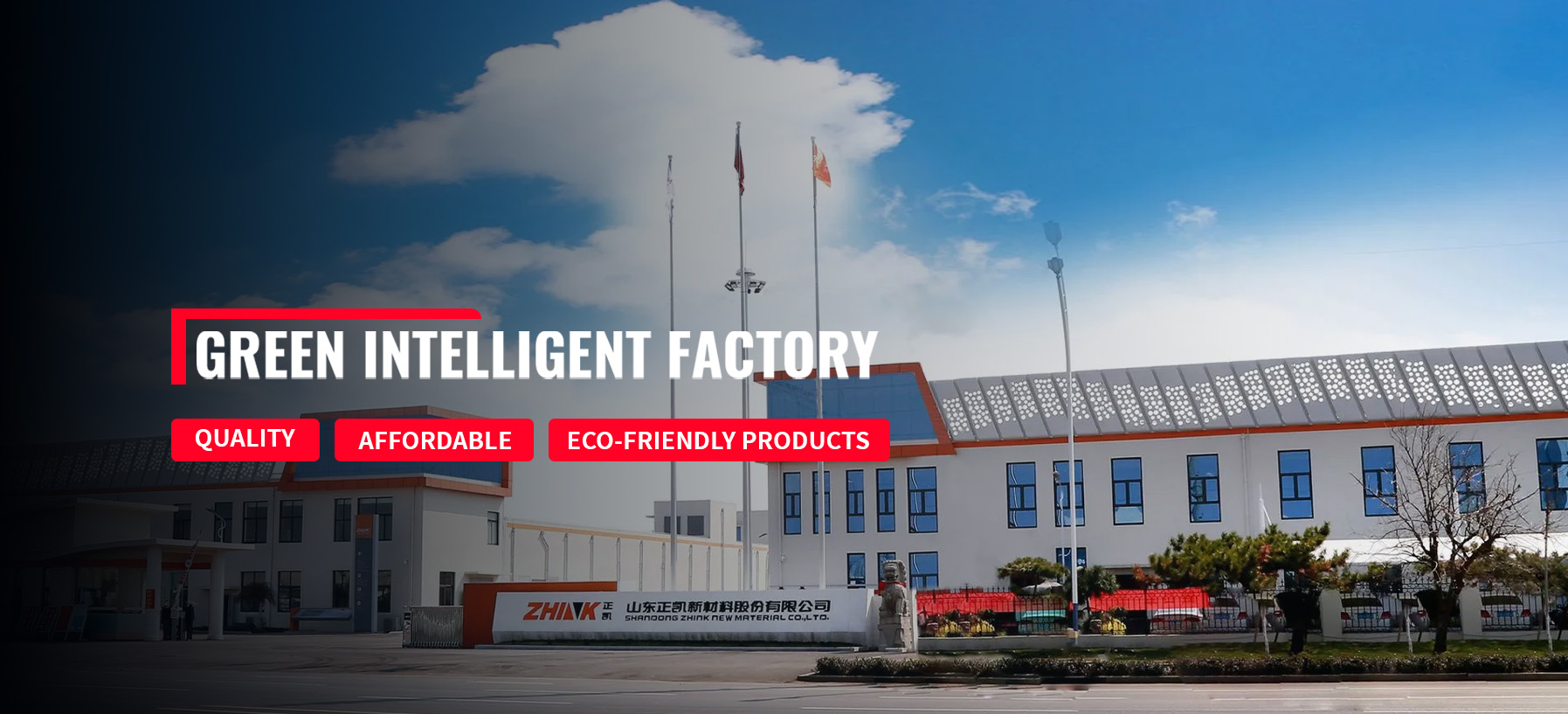
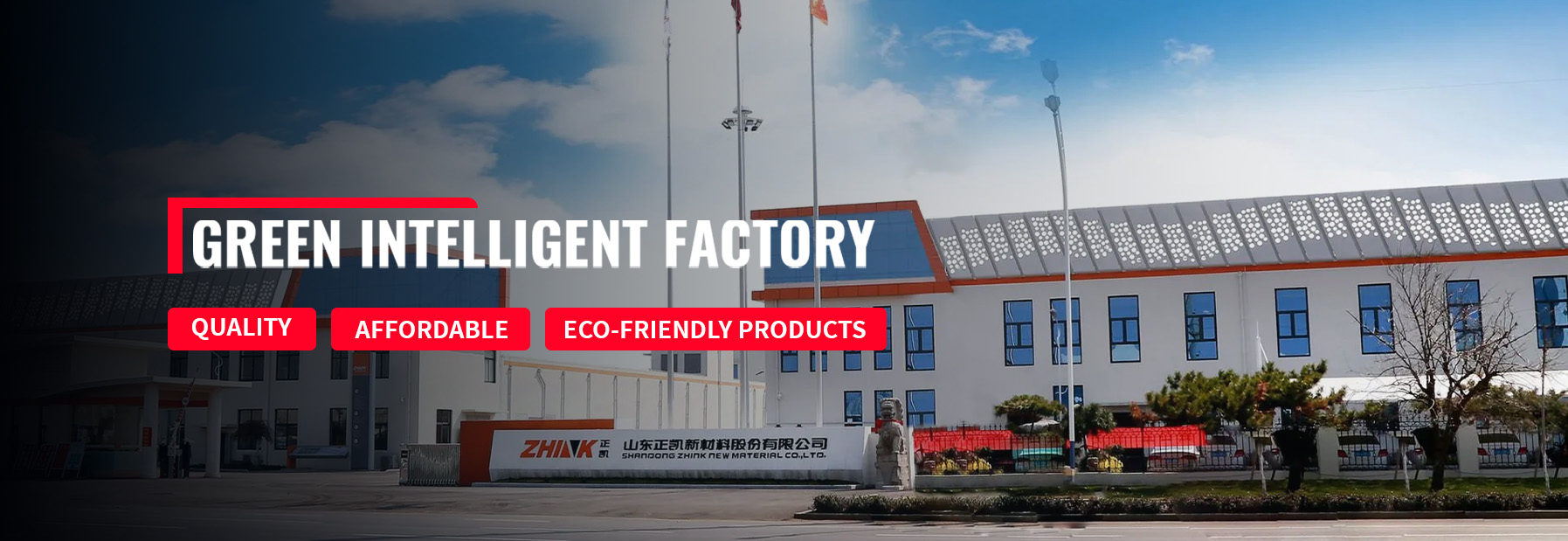
A question often arises about how flame retardant properties affect the yarn's functionality. Does it compromise strength or flexibility? From experience, I can assure you that modern technological advancements, like those adopted by companies such as SHANDONG ZHINK NEW MATERIAL CO., LTD, have made impressive strides. Their focus isn’t just on safety but also on maintaining yarn's utility across applications.
Another important aspect is the count system. Here, 24s refers to the yarn count, indicating a specific thickness and weight. This particular specification finds a balance between durability and lightness, which is ideal for a variety of textile needs.
Applications in Industry
Where does 24s flame retardant polyester yarn mostly find its use? Typically, it's favored in industries where safety is paramount—such as in uniforms for industrial workers, firefighters, and upholstery fabrics. The need for materials that can withstand heat and potential flames is obvious in these settings.
I once worked on a project for a client in the automotive sector, where this yarn was pivotal in producing seat covers. The challenge was not merely resisting ignition but maintaining comfort and durability—a dual requirement that demanded both expertise and precision.
Textile engineers like those at Zhink New Material, specializing in R&D, understand the nuanced demands of these applications, creating products that meet stringent safety standards without sacrificing quality.
Challenges and Solutions
Despite its benefits, working with flame retardant yarns isn't without challenges. One common issue is the trade-off between safety and aesthetics. In some cases, the treatment process might slightly alter color fastness or finish.
In practice, solutions often involve pre-production testing and adjustments. For instance, Zhink's approach involves extensive batch testing and quality control, ensuring that each spool of yarn meets the necessary specifications before it reaches the market.
Additionally, staying abreast of new developments in chemical treatments and production techniques can dramatically improve the end product. This includes staying flexible and innovative, something that Zhink's sustained commitment to R&D demonstrates.
Market Trends in Flame Retardant Materials
The demand for flame retardant solutions is evolving. There's been an uptrend in environmentally friendly variants, driven by both regulation and consumer demand. Clients are becoming increasingly aware of eco-toxicity issues surrounding traditional retardants.
The adaptation process isn't immediate; companies have had to pivot strategies. I recall discussing these shifts with industry peers at a recent textile conference. The emphasis was clear—balance innovation with sustainability without compromising on safety.
Zhink New Material's approach, evident through their evolving product lines, embraces this dual objective by incorporating greener alternatives wherever possible.
Future Prospects and Conclusion
What's next for flame retardant polyester yarn? The focus is undeniably on enhancing the protective qualities while reducing any negative environmental impact. Innovations in biodegradable flame retardants and alternative fibers are on the horizon.
For a company like Zhink, already at the forefront with their dedication to innovation and quality, the path seems set toward blending performance with responsibility. This involves embracing new materials and partnerships that foster sustainable growth.
In essence, the journey with these specialized yarns is ongoing, guided by both past experiences and future aspirations, ensuring that every strand produced today meets the demands of tomorrow.
Related Products
Related Products