+86-632-3621866
- Chinese
- French
- German
- Portuguese
- Spanish
- Russian
- Japanese
- Korean
- Arabic
- Irish
- Greek
- Turkish
- Italian
- Danish
- Romanian
- Indonesian
- Czech
- Afrikaans
- Swedish
- Polish
- Basque
- Catalan
- Esperanto
- Hindi
- Lao
- Albanian
- Amharic
- Armenian
- Azerbaijani
- Belarusian
- Bengali
- Bosnian
- Bulgarian
- Cebuano
- Chichewa
- Corsican
- Croatian
- Dutch
- Estonian
- Filipino
- Finnish
- Frisian
- Galician
- Georgian
- Gujarati
- Haitian
- Hausa
- Hawaiian
- Hebrew
- Hmong
- Hungarian
- Icelandic
- Igbo
- Javanese
- Kannada
- Kazakh
- Khmer
- Kurdish
- Kyrgyz
- Latin
- Latvian
- Lithuanian
- Luxembou..
- Macedonian
- Malagasy
- Malay
- Malayalam
- Maltese
- Maori
- Marathi
- Mongolian
- Burmese
- Nepali
- Norwegian
- Pashto
- Persian
- Punjabi
- Serbian
- Sesotho
- Sinhala
- Slovak
- Slovenian
- Somali
- Samoan
- Scots Gaelic
- Shona
- Sindhi
- Sundanese
- Swahili
- Tajik
- Tamil
- Telugu
- Thai
- Ukrainian
- Urdu
- Uzbek
- Vietnamese
- Welsh
- Xhosa
- Yiddish
- Yoruba
- Zulu
- Kinyarwanda
- Tatar
- Oriya
- Turkmen
- Uyghur



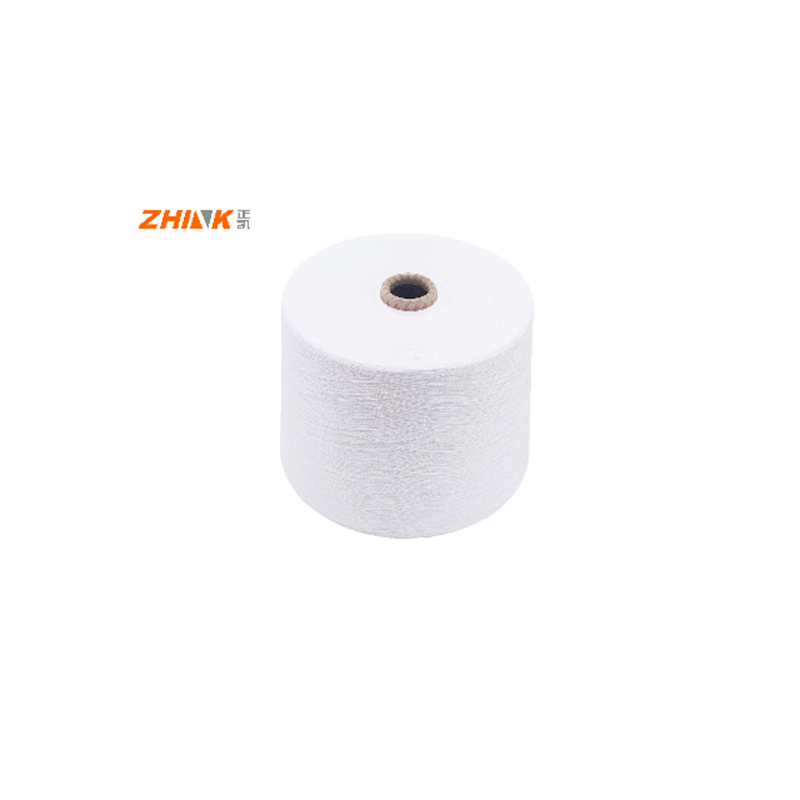
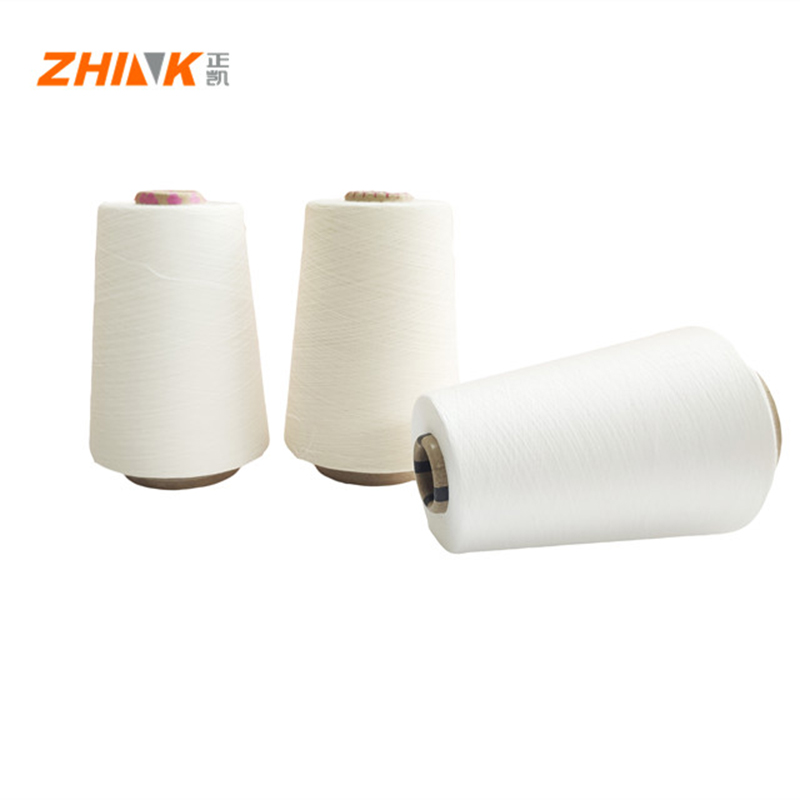
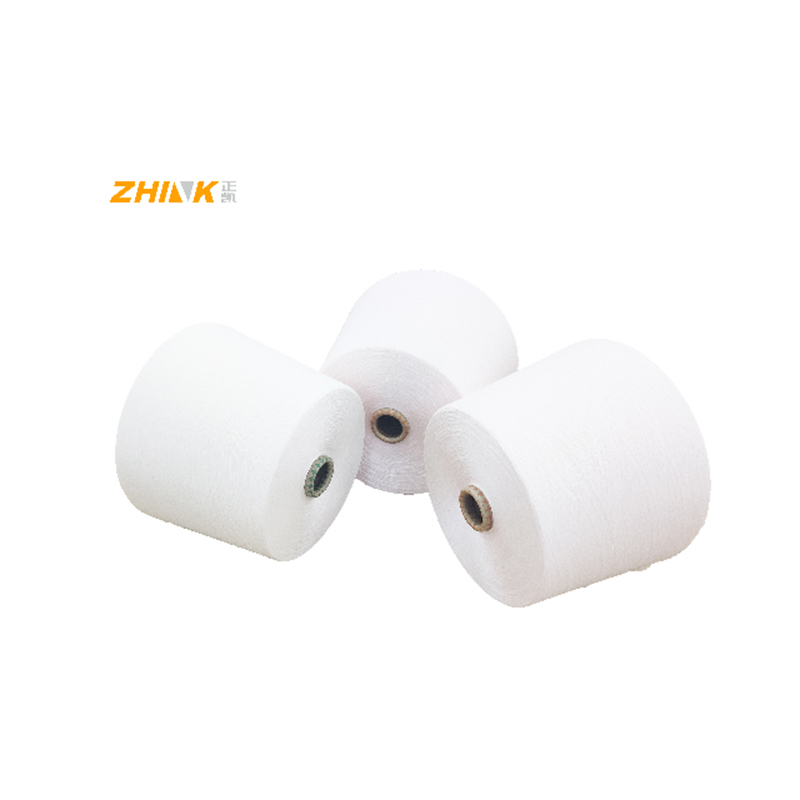
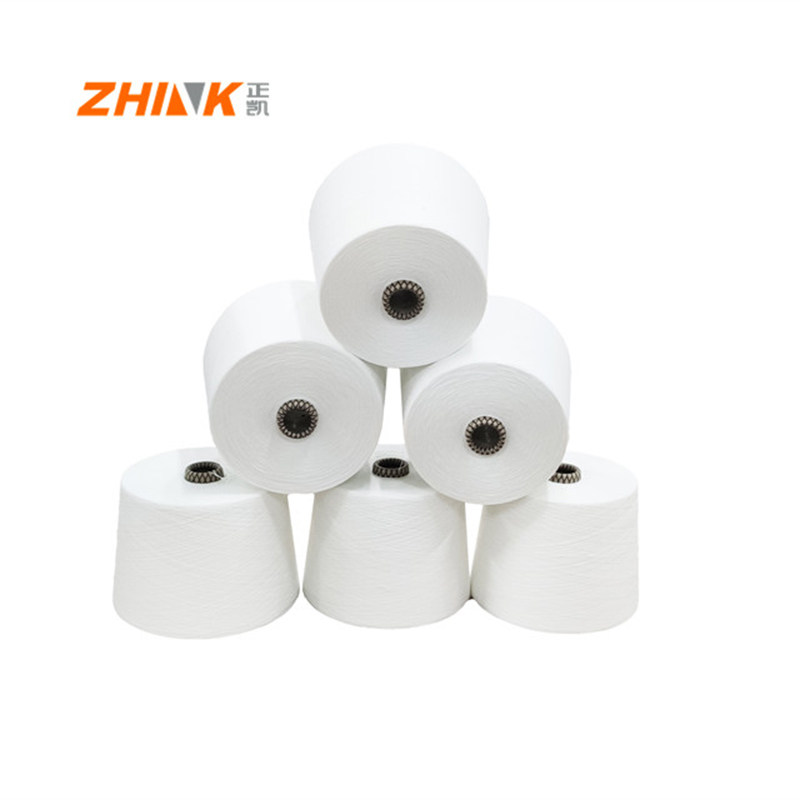
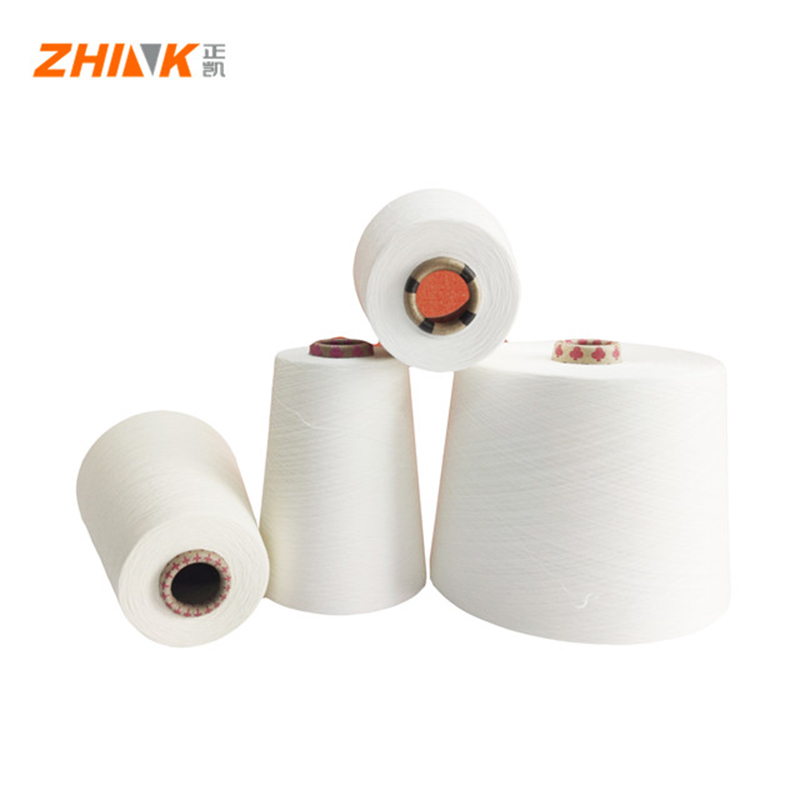
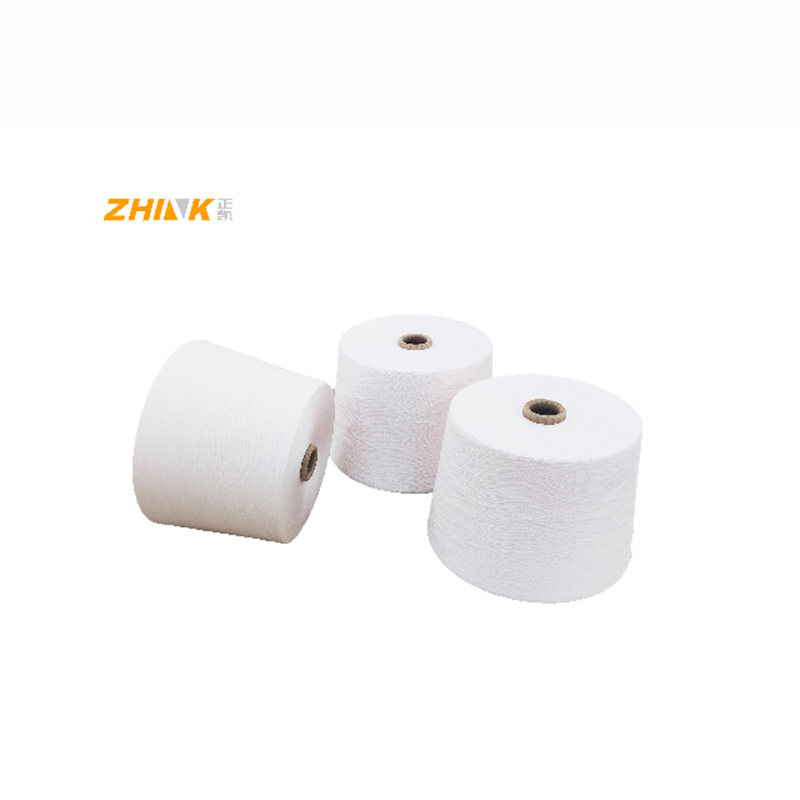
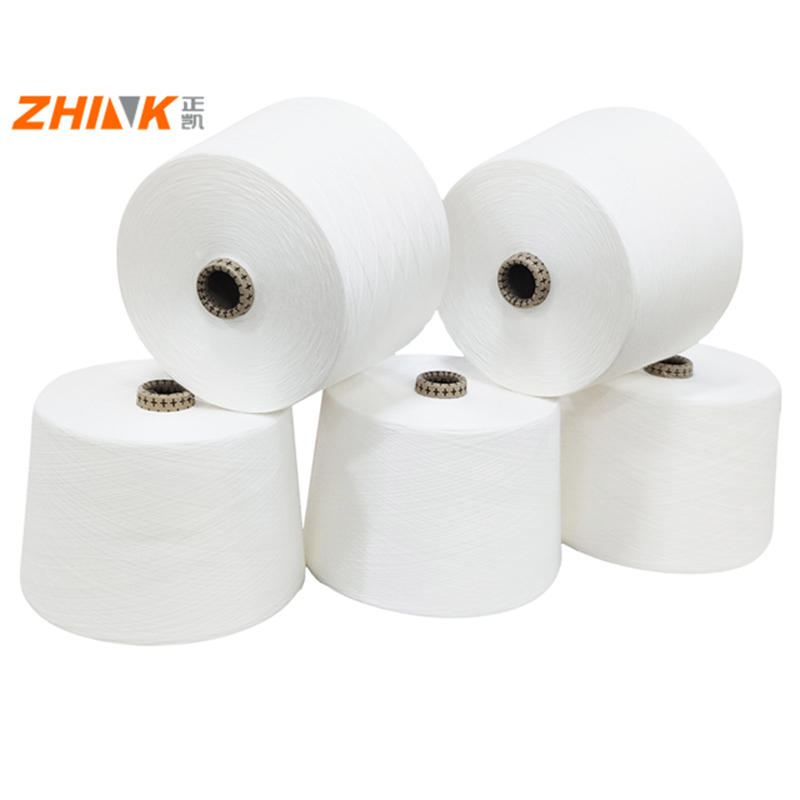
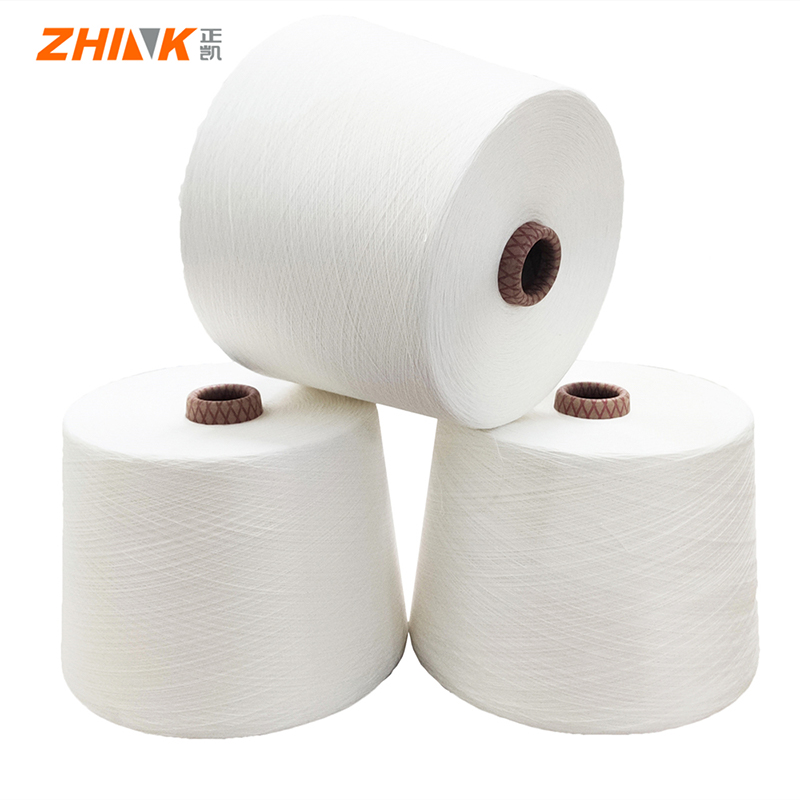
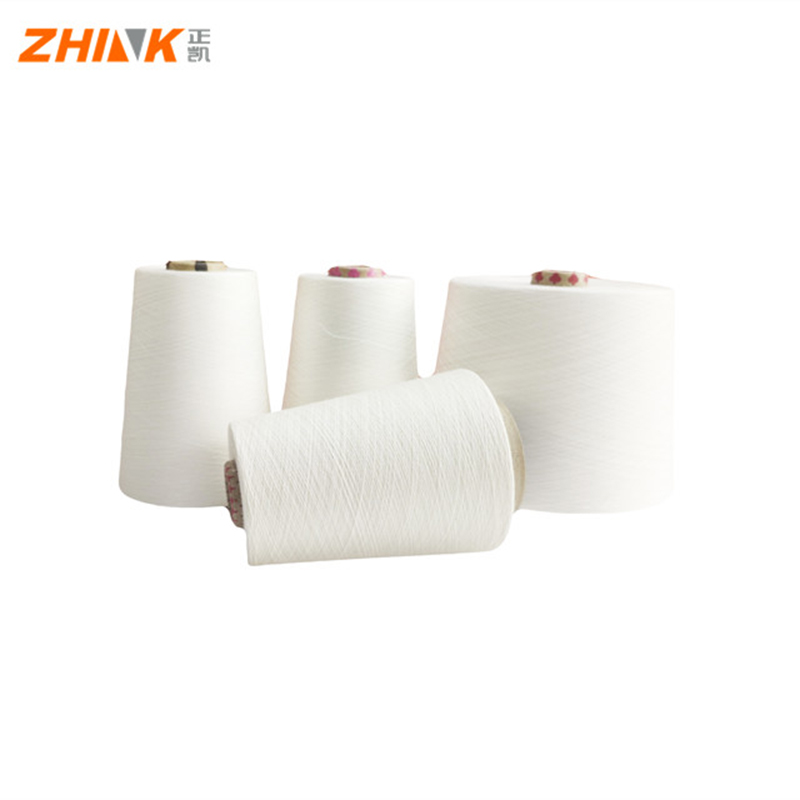
24s Recycled polyester yarn
The Role of 24s Recycled Polyester Yarn in Modern Textiles
Understanding the nuances of 24s Recycled polyester yarn can seem daunting with so much jargon swirling around. Is it merely another eco-buzzword, or does it hold more value? Let's break it down. This type of yarn is a standout for its sustainable nature, but there's more beneath the surface that industry insiders like us truly appreciate.
An Overview of 24s Recycled Polyester Yarn
At its core, 24s Recycled polyester yarn is made from post-consumer waste, often sourced from discarded PET bottles. It plays a critical role in reducing landfill waste—a pressing issue in our field. I've seen firsthand in manufacturing settings how this transformation occurs, from bottles to yarn, and it's always intriguing.
We've all heard about the recycling process, but have you ever watched a PET bottle become a spool of yarn? It's a bit magical, really. SHANDONG ZHINK NEW MATERIAL CO., LTD has shown significant prowess in this; their facilities streamline the process efficiently. Their expertise ensures the quality of the yarn isn't compromised, which can sometimes be a concern with recycled materials.
What sets the 24s variant apart? It's the fineness, the touch. When we talk about 24s, we refer to a specific thickness and twist, making it suitable for various textile applications. I've personally used it in multiple projects and noticed how it complements both strength and softness. The blend is an art itself.
Industry Challenges and Misconceptions
The adoption of Recycled polyester yarn isn't without its challenges. There's a lingering misconception that recycled materials are inferior in quality. I admit, I too was skeptical at the beginning, particularly when faced with clients who were equally apprehensive. Over time, consistent quality checks and tried-and-tested applications dispelled these doubts.
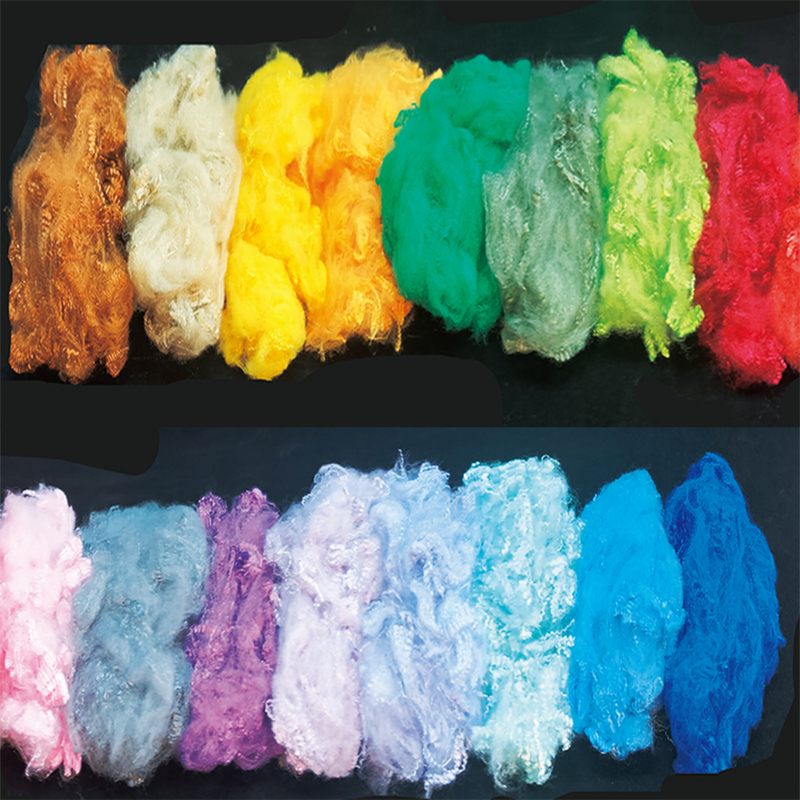
A key issue is the variability in color matching. Recycling yields inconsistencies, and achieving uniform colors can be tricky. In a particular project, I recall spending days adjusting dye formulas to cope with this natural variability. However, with advancements and companies like Zhink New Material spearheading research, these hurdles are gradually being overcome.
There's also the cost factor. While recycled polyester might be cheaper to produce in bulk long term, the initial set-up investment can be higher. It's a balance between sustainability and economics, a balancing act we, as industry practitioners, often juggle. Yet, the long-term environmental benefits and brand value make it a worthy endeavor.
Practical Applications
So, where do we see Recycled polyester yarn making an impact? In my experience, sportswear and outdoor textiles have been significant beneficiaries. The material's durability is a perfect fit for these applications where wear and tear are daily adversities. Not to mention, the increasing consumer demand for sustainable products is turning the market tide.
Another promising area is fashion. With brands increasingly turning towards eco-friendly materials, recycled yarns have found a respectable space. I've watched fashion designers at shows proudly flaunting their eco-friendly credentials, with collections featuring recycled polyester as a centerpiece.
SHANDONG ZHINK NEW MATERIAL CO., LTD, via their website https://www.zhinkyarn.com, provides ample examples of how contemporary applications are evolving. Seeing the translation of these concepts into tangible outcomes is quite rewarding.
The Technical Aspects of Yarn Production
Diving a bit deeper into the technical realm, the production of 24s Recycled polyester yarn relies on meticulous control systems. From my times watching over spinning operations, maintaining consistent tension and speed is key to ensuring quality.
Advanced machinery is employed to gauge and adjust these parameters automatically. In one instance, during a site visit, I observed how real-time monitoring systems made immediate corrections, enhancing the yarn’s consistency. Technology has molded this industry significantly, something we can't overlook.
Beyond the tech, there's also human expertise. Operators at Zhink New Material, for example, significantly contribute to the overall quality and innovation. Their hands-on experience and quick problem-solving skills often fill the gaps that machines cannot address.
Future Directions in Recycled Yarn Innovation
Looking forward, innovations in recycled yarns are inevitable. I've participated in discussions where the potential for mixing recycled polyester with natural fibers was highlighted. This combination could redefine textile durability and comfort.
At times, I've imagined how the integration of smart textile solutions could leverage recycled polyester as a base. Think sensors or adaptive clothing. It's a realm bustling with possibilities, and industry leaders are taking tentative yet exciting steps.
In conclusion, while challenges remain, the path of 24s Recycled polyester yarn is laden with opportunities. The journey, from skepticism to admiration, has been a personal one, and observing its evolution in real-time is a testament to the dynamic nature of the textile industry. As practitioners, our role is to keep pushing these boundaries further.
Related Products
Related Products