
+86-632-3621866
- Chinese
- French
- German
- Portuguese
- Spanish
- Russian
- Japanese
- Korean
- Arabic
- Irish
- Greek
- Turkish
- Italian
- Danish
- Romanian
- Indonesian
- Czech
- Afrikaans
- Swedish
- Polish
- Basque
- Catalan
- Esperanto
- Hindi
- Lao
- Albanian
- Amharic
- Armenian
- Azerbaijani
- Belarusian
- Bengali
- Bosnian
- Bulgarian
- Cebuano
- Chichewa
- Corsican
- Croatian
- Dutch
- Estonian
- Filipino
- Finnish
- Frisian
- Galician
- Georgian
- Gujarati
- Haitian
- Hausa
- Hawaiian
- Hebrew
- Hmong
- Hungarian
- Icelandic
- Igbo
- Javanese
- Kannada
- Kazakh
- Khmer
- Kurdish
- Kyrgyz
- Latin
- Latvian
- Lithuanian
- Luxembou..
- Macedonian
- Malagasy
- Malay
- Malayalam
- Maltese
- Maori
- Marathi
- Mongolian
- Burmese
- Nepali
- Norwegian
- Pashto
- Persian
- Punjabi
- Serbian
- Sesotho
- Sinhala
- Slovak
- Slovenian
- Somali
- Samoan
- Scots Gaelic
- Shona
- Sindhi
- Sundanese
- Swahili
- Tajik
- Tamil
- Telugu
- Thai
- Ukrainian
- Urdu
- Uzbek
- Vietnamese
- Welsh
- Xhosa
- Yiddish
- Yoruba
- Zulu
- Kinyarwanda
- Tatar
- Oriya
- Turkmen
- Uyghur



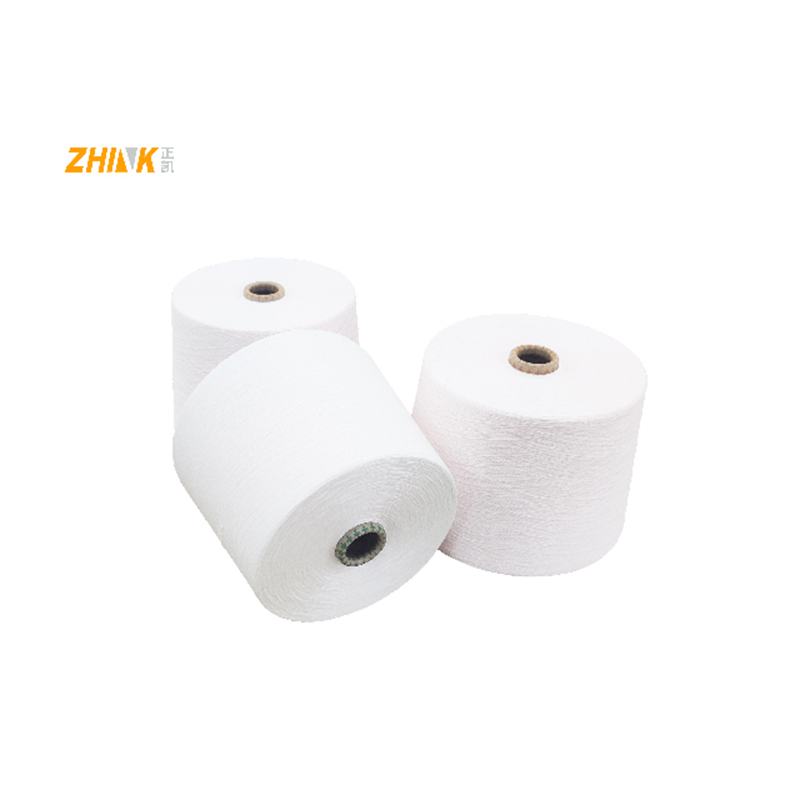
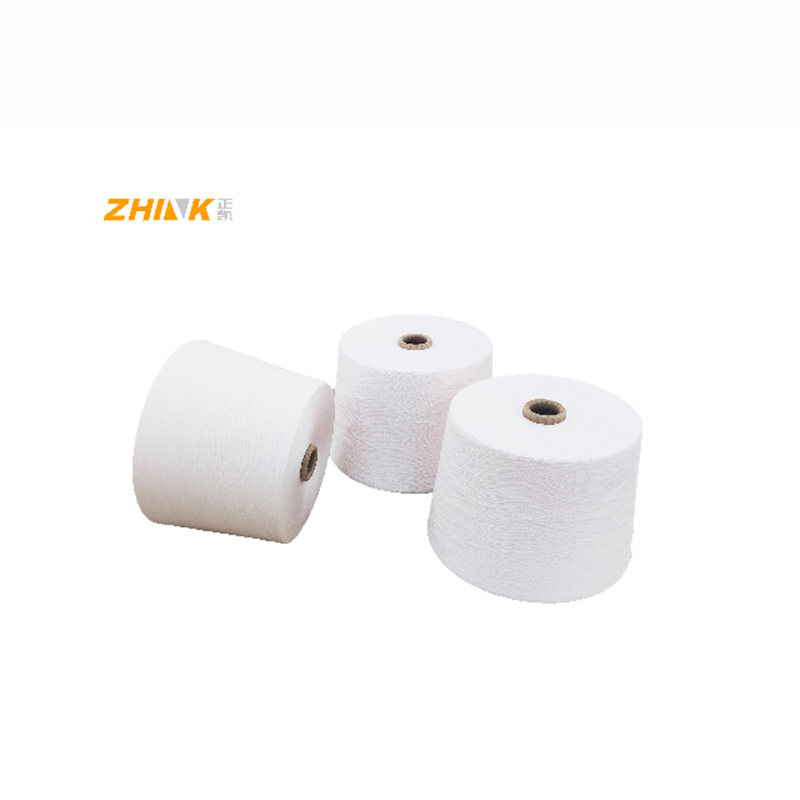
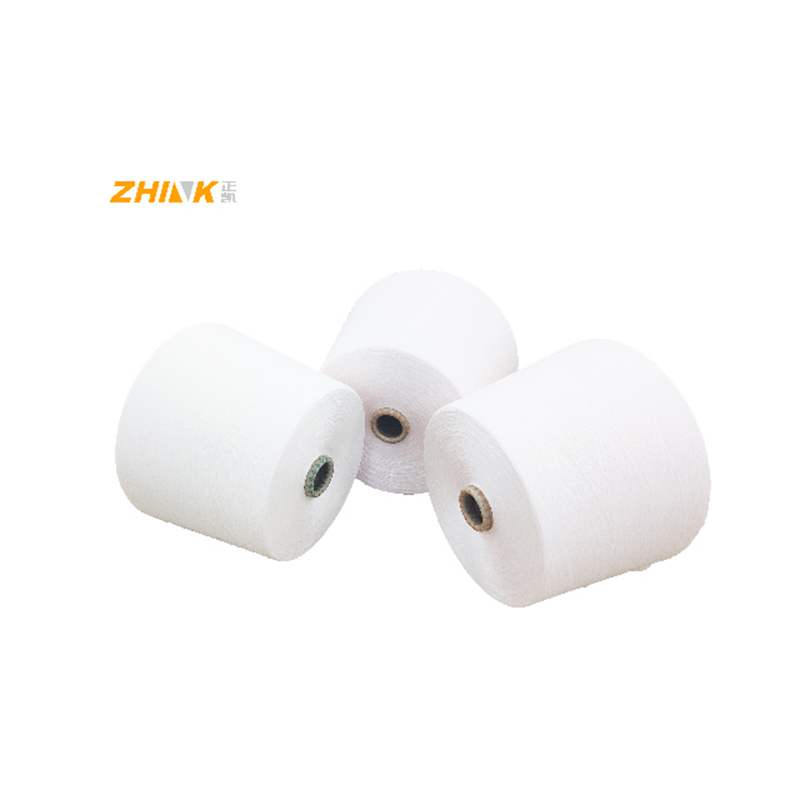
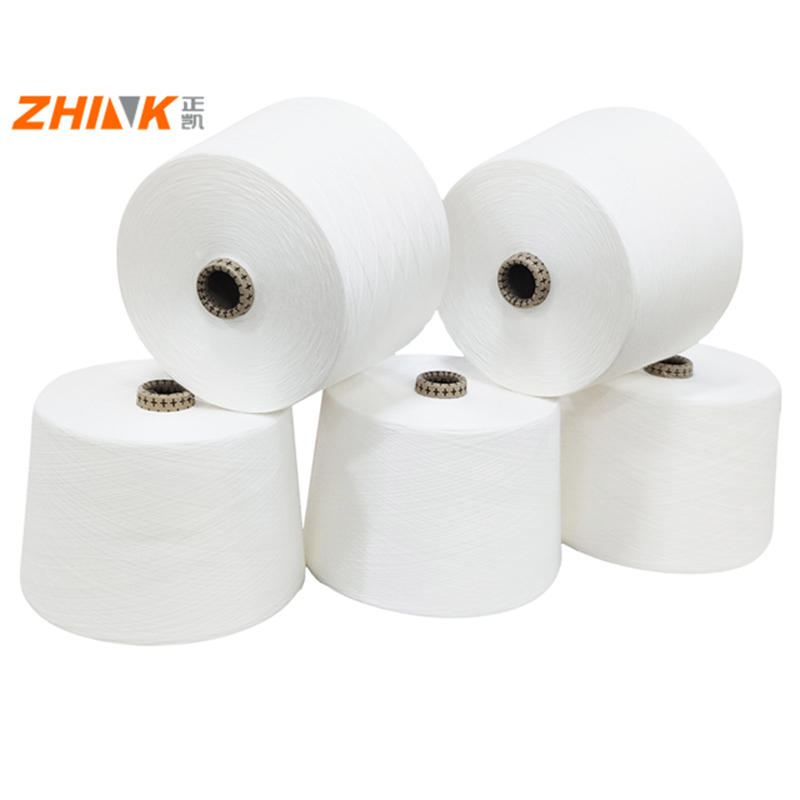
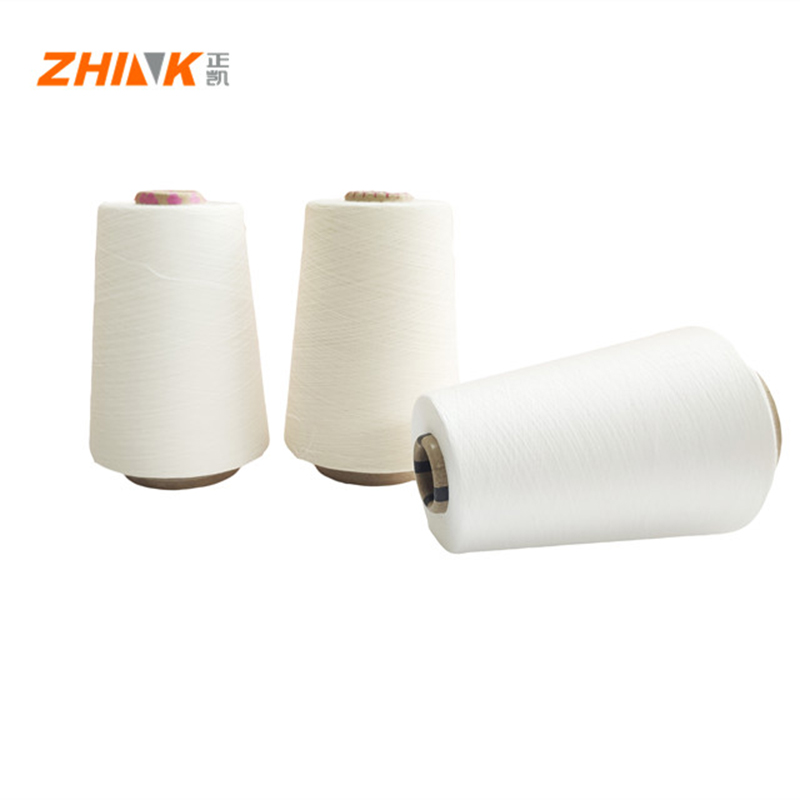
25S/1 Hollow polyester/ viscose slub yarn
Exploring the Versatile 25S/1 Hollow Polyester/Viscose Slub Yarn
The world of yarn is as complex as it is fascinating, and one of the most intriguing products within this domain is the 25S/1 Hollow polyester/viscose slub yarn. Many misconceptions surround it, but this yarn offers unique advantages that can’t be ignored, especially if you’re involved in textile manufacturing or fashion design.
Understanding the Basics
At its core, the 25S/1 Hollow polyester/viscose slub yarn is characterized by its slubby texture, which provides a distinctive and tactile appearance. This is achieved by intentionally introducing thicker and thinner sections along the yarn. This specific variety combines polyester and viscose fibers, which together bring strength and softness—a balance not always easy to achieve.
Polyester is known for its durability and resistance to stretching and shrinking, while viscose brings a touch of luxury with its silky texture. When these fibers are hollow, it introduces a new level of softness and insulation. From my experience, the way these fibers complement each other is nothing short of impressive and offers flexibility in terms of end-use applications.
A common error is assuming all slub yarns perform the same. In reality, variations like fiber composition greatly influence the fabric's final drape and texture. The construction of 25S/1 yarn makes it ideal for casual wear and home textiles, where comfort and aesthetics are paramount.
Practical Applications
Let's talk practical use. I once worked with a textile manufacturer that produced high-quality curtains using this type of yarn. The resulting fabric not only draped well but also provided an attractive, textured look that customers loved. This example underlines the yarn's suitability for decorative purposes without sacrificing utility.
Another application I’ve encountered is in apparel, specifically lightweight sweaters. The hollow nature of the yarn offers thermal properties without adding weight, making it ideal for climates where temperatures fluctuate. The slub texture adds an element of design interest without needing additional patterns.
However, integrating this yarn into mass manufacturing isn't without its challenges. During one project, we experienced some difficulty with tension settings on automated looms, which affected the texture consistency. Adjustments had to be carefully monitored, which brought to light the importance of precise machine calibration when working with hollow fibers.
Challenges and Solutions
In terms of challenges, hollow yarns can sometimes lead to issues with dye uptake. Since these yarns absorb dyes differently, it requires testing to ensure consistent colors across production batches. In my time with SHANDONG ZHINK NEW MATERIAL CO., LTD, we engaged in extensive trials which involved tweaking dye formulas and adapting processing times. The solutions we found contributed to more vivid and consistent colorways, a traditional weak point for many yarns of this type.
Another complexity lies in the spinning process. The creation of slub effects necessitates specialized machinery and a high level of control over production parameters. This needs a cooperative effort between machine operators and quality control personnel. When done right, though, the results are undeniably appealing.
Finally, from a cost perspective, these yarns can be slightly more expensive than standard yarns due to their complexity. However, the added value in terms of aesthetics and performance justifies this premium, especially in niche markets where these factors are highly valued.
Future Trends
Looking forward, innovations continue to emerge in this space. For instance, eco-friendly options are being explored, such as recycled polyester blends. At Zhink New Material, ongoing R&D efforts, as detailed on their website (https://www.zhinkyarn.com), focus on sustainability without compromising the desirable properties of the yarn.
The demand for textiles that are both functional and fashionable continues to grow. The hollow polyester/viscose slub yarn fits into this niche well, offering both visual uniqueness and practical benefits. As more designers and manufacturers discover its benefits, we can expect to see even more applications evolve.
In conclusion, working with 25S/1 Hollow polyester/viscose slub yarn can be both challenging and rewarding. The key is to understand its unique characteristics and plan production processes accordingly. As trends lean towards textured fabrics with diverse applications, this yarn positions itself as a valuable player in the textile industry.
Related Products
Related Products



Best Selling Products
Best Selling Products
Related Search
Related Search- polyester/modal siro compact yarn
- Flame retardant acrylic/viscose 50/50 yarn
- Lyocell blended yarn for weaving
- Hollow polyester/ viscose spandex yarn
- polyester/bamboo siro yarn
- modal/cahsmere blended yarn for knitting
- 10D*88mm
- Tiger yellow polyester fiber
- 100% Hollow polyester siro
- polyester/Combed cotton 60/40 yarn