+86-632-3621866
- Chinese
- French
- German
- Portuguese
- Spanish
- Russian
- Japanese
- Korean
- Arabic
- Irish
- Greek
- Turkish
- Italian
- Danish
- Romanian
- Indonesian
- Czech
- Afrikaans
- Swedish
- Polish
- Basque
- Catalan
- Esperanto
- Hindi
- Lao
- Albanian
- Amharic
- Armenian
- Azerbaijani
- Belarusian
- Bengali
- Bosnian
- Bulgarian
- Cebuano
- Chichewa
- Corsican
- Croatian
- Dutch
- Estonian
- Filipino
- Finnish
- Frisian
- Galician
- Georgian
- Gujarati
- Haitian
- Hausa
- Hawaiian
- Hebrew
- Hmong
- Hungarian
- Icelandic
- Igbo
- Javanese
- Kannada
- Kazakh
- Khmer
- Kurdish
- Kyrgyz
- Latin
- Latvian
- Lithuanian
- Luxembou..
- Macedonian
- Malagasy
- Malay
- Malayalam
- Maltese
- Maori
- Marathi
- Mongolian
- Burmese
- Nepali
- Norwegian
- Pashto
- Persian
- Punjabi
- Serbian
- Sesotho
- Sinhala
- Slovak
- Slovenian
- Somali
- Samoan
- Scots Gaelic
- Shona
- Sindhi
- Sundanese
- Swahili
- Tajik
- Tamil
- Telugu
- Thai
- Ukrainian
- Urdu
- Uzbek
- Vietnamese
- Welsh
- Xhosa
- Yiddish
- Yoruba
- Zulu
- Kinyarwanda
- Tatar
- Oriya
- Turkmen
- Uyghur



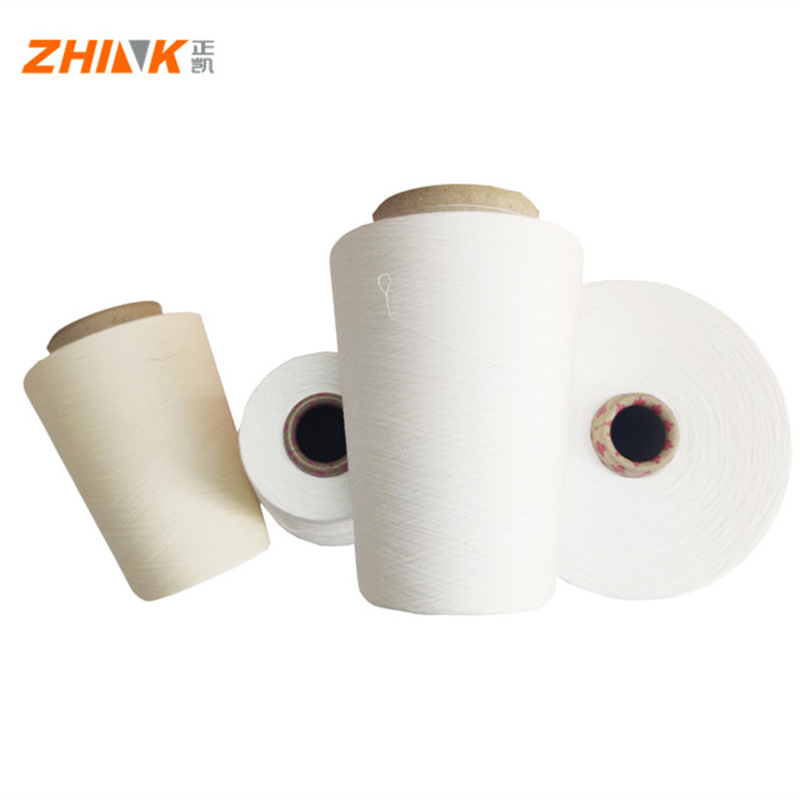
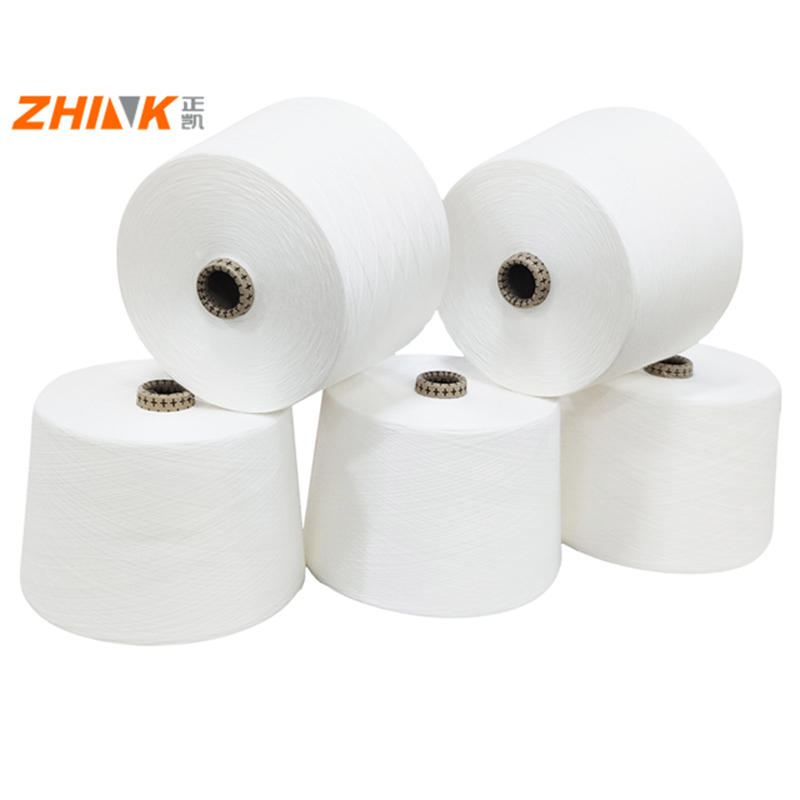
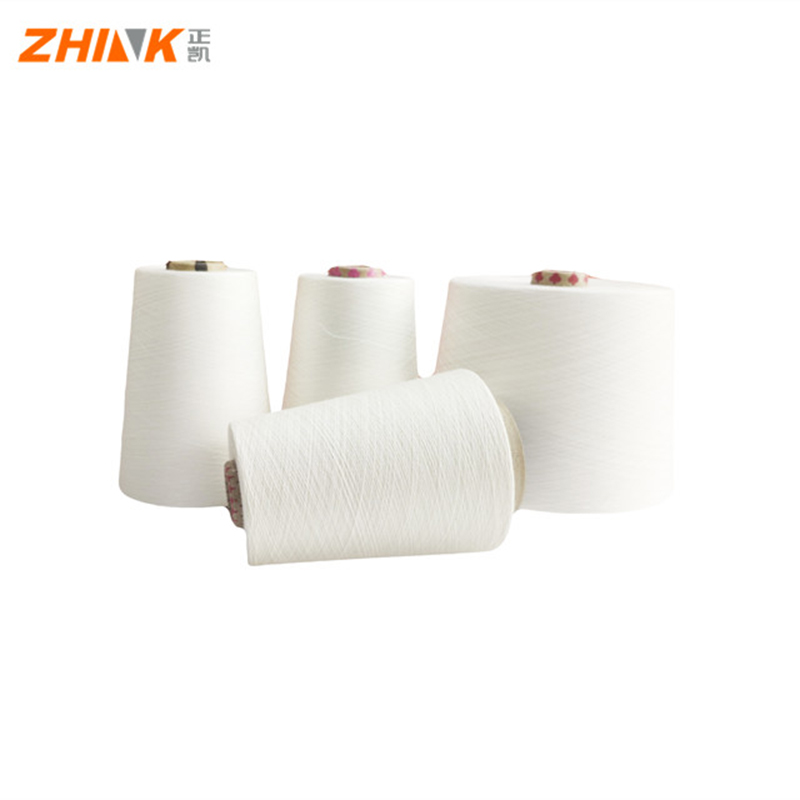
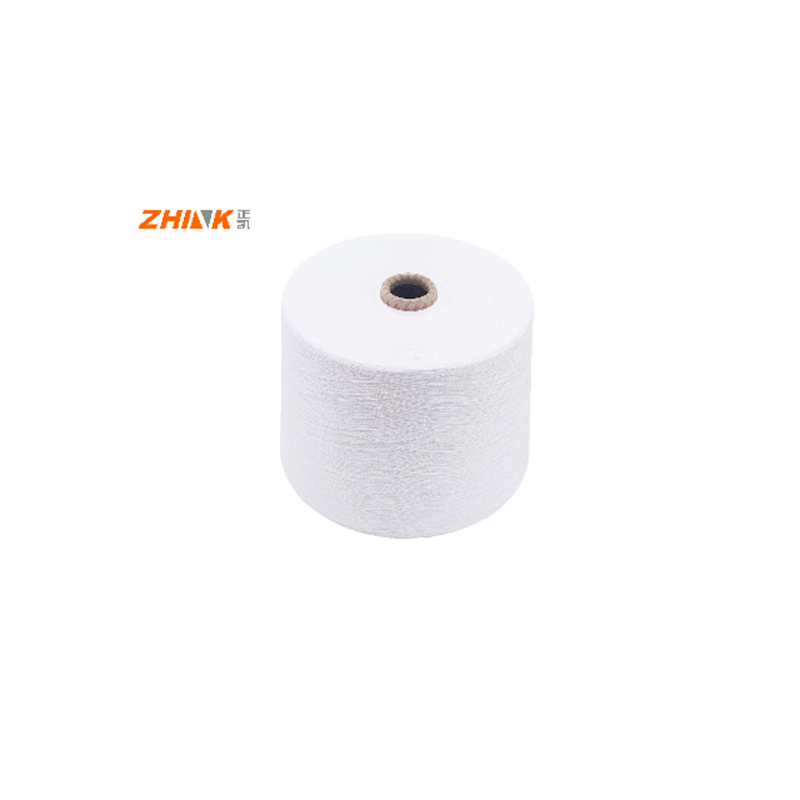
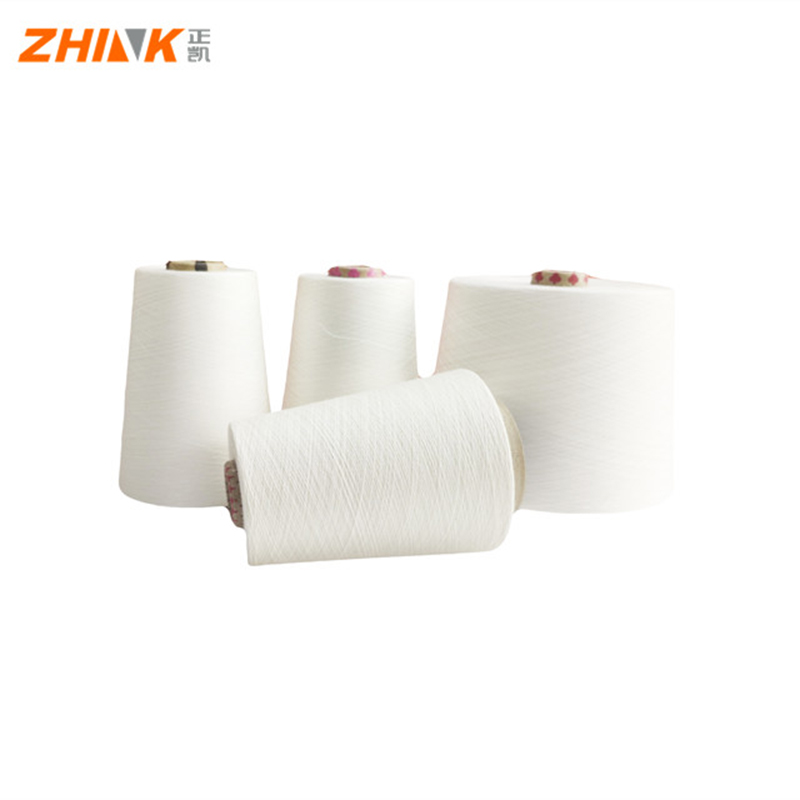
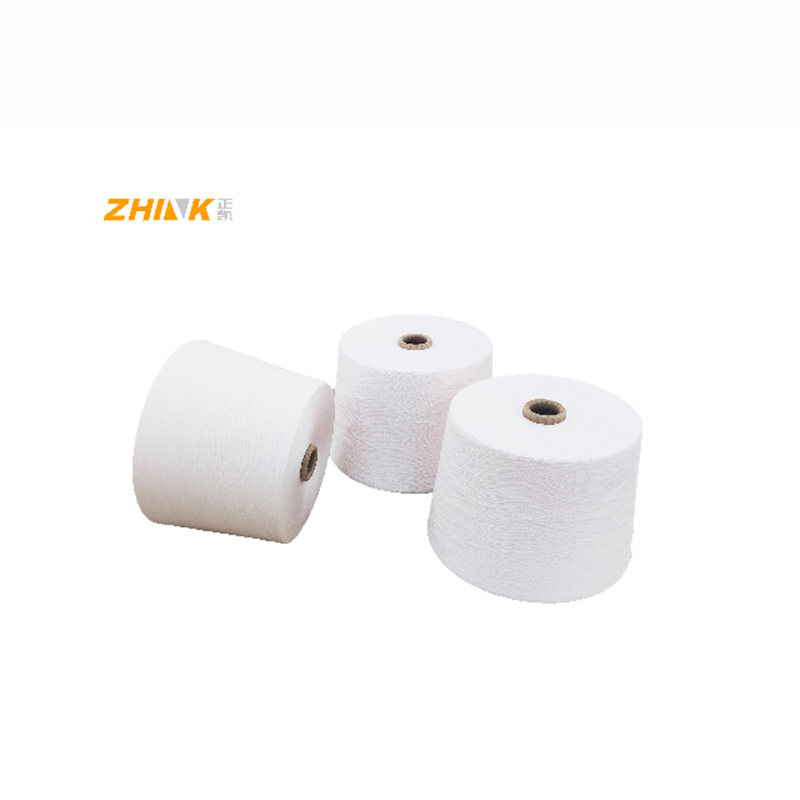
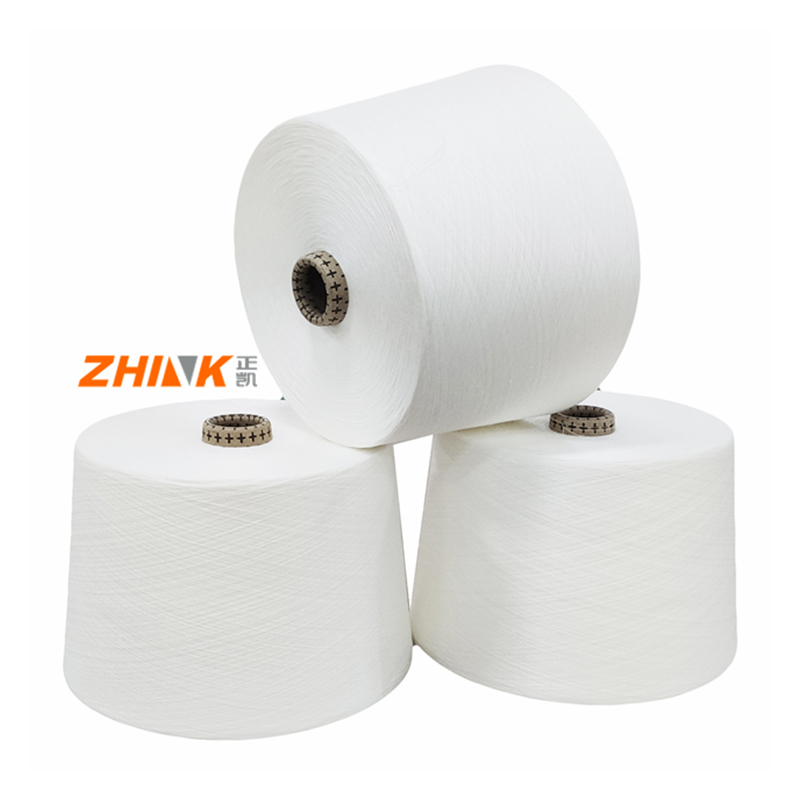
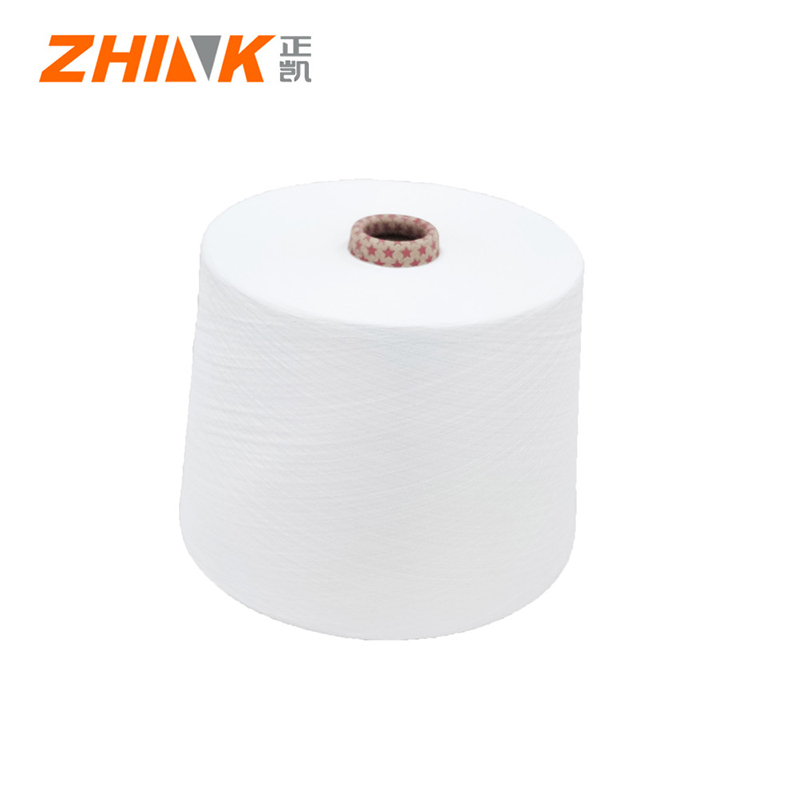
25s Hollow polyester yarn
The Practical Insights into 25s Hollow Polyester Yarn
The world of textile materials is nuanced and often misunderstood by those not directly within the industry. The term 25s Hollow polyester yarn, for example, might sound like just another technical specification, but it encapsulates a realm of possibilities and challenges in textile manufacturing. Having spent a considerable amount of time working with polyester yarns, I've encountered numerous surprises that come from diving deep into these fibers' nuances.
Understanding the Basics of Hollow Yarn
At its core, hollow polyester yarn is about more than just being lightweight. The 'hollow' nature means it traps air, offering an interesting dynamic between weight and warmth. One of the early lessons I learned was that this form of yarn could drastically improve insulation while maintaining breathability—an essential feature for sportswear and outdoor attire.
However, this is where things get tricky. Manufacturing 25s Hollow polyester yarn involves a precise process of spinning, and any inconsistency can lead to weaknesses in the fabric. Early on, when I participated in trials with SHANDONG ZHINK NEW MATERIAL CO., LTD, we faced challenges maintaining uniform hollowness. The expertise of Zhink, rooted in their broad R&D experience, proved invaluable in refining these production techniques.
It’s worth noting that this variety of yarn is not just about functionalities; there are aesthetic considerations too. The luster and drape can vary significantly depending on the conditions set during its creation. At Zhink, we spent several iterations tweaking our dye processes to ensure the end product not only felt right but looked right under varying conditions.
Diving into Production Dynamics
The journey from raw polyester to finished yarn is fraught with small, yet critical steps. One of the most crucial is the spinning process itself. Creating 25s Hollow polyester yarn requires a fine-tuned approach to avoid inconsistencies. Initial test runs, particularly the first ones at Zhink, taught us that even minor temperature fluctuations could lead to problems down the line.
Addressing these challenges meant setting in place rigorous quality control measures. Regular checks and balances, field trials, and constant feedback loops became standard practice. As I recall, there was a particularly enlightening moment when a seemingly negligible variation in feed rate exposed a potentially costly flaw. We adjusted, learned, and ensured it didn't repeat.
Yet, solving one problem often unearths another. The complex balancing of machine settings and material quality continually calls upon our adaptive skills. Sometimes, a small tweak—say, altering the fiber blend ratio—yields significant improvements in durability without compromising softness or performance.
Practical Applications in the Industry
Understanding how these fibers perform in the real world isn’t just about lab tests but observing them in action. One of the most impressive applications of 25s Hollow polyester yarn is in performance wear. The athletes testing our materials reported an unexpected level of comfort and freedom of movement, which was a testament to our efforts at Zhink.
The thermal regulation aspect of these yarns means they are highly coveted in making thermal gear, especially in markets with extreme weather conditions. During one particularly bitter winter, field tests in these climates provided us real-life data, which was instrumental in further optimizing our production lines.
But there's also innovation at the more creative end of the spectrum. Hollow yarns lend themselves to experimental designs in high fashion, where lightweight yet voluminous materials are in vogue. Working alongside fashion designers gives manufactories like ours a fresh perspective that often leads to exciting, lucrative niches.
The Challenges and the Road Ahead
Despite the achievements, working with hollow polyester yarns isn't without its ongoing challenges. For starters, the balance between cost-efficiency and quality is a perennial tug-of-war. Raw material prices, coupled with technological investments, dictate strategy and product pricing.
At SHANDONG ZHINK NEW MATERIAL CO., LTD, future-proofing our operations becomes even more essential. We continuously look toward incorporating sustainable practices—a forward-thinking agenda, aligning with global textile trends. And while innovation is at the heart of development, achieving greener production requires industry-wide collaboration.
Looking ahead, the potential applications of 25s Hollow polyester yarn continue to expand. As research fuels better techniques, and improvements become tangible, it’s an exciting frontier for any textile professional. This material isn't just part of the fabric; it’s part of the future.
Related Products
Related Products