+86-632-3621866
- Chinese
- French
- German
- Portuguese
- Spanish
- Russian
- Japanese
- Korean
- Arabic
- Irish
- Greek
- Turkish
- Italian
- Danish
- Romanian
- Indonesian
- Czech
- Afrikaans
- Swedish
- Polish
- Basque
- Catalan
- Esperanto
- Hindi
- Lao
- Albanian
- Amharic
- Armenian
- Azerbaijani
- Belarusian
- Bengali
- Bosnian
- Bulgarian
- Cebuano
- Chichewa
- Corsican
- Croatian
- Dutch
- Estonian
- Filipino
- Finnish
- Frisian
- Galician
- Georgian
- Gujarati
- Haitian
- Hausa
- Hawaiian
- Hebrew
- Hmong
- Hungarian
- Icelandic
- Igbo
- Javanese
- Kannada
- Kazakh
- Khmer
- Kurdish
- Kyrgyz
- Latin
- Latvian
- Lithuanian
- Luxembou..
- Macedonian
- Malagasy
- Malay
- Malayalam
- Maltese
- Maori
- Marathi
- Mongolian
- Burmese
- Nepali
- Norwegian
- Pashto
- Persian
- Punjabi
- Serbian
- Sesotho
- Sinhala
- Slovak
- Slovenian
- Somali
- Samoan
- Scots Gaelic
- Shona
- Sindhi
- Sundanese
- Swahili
- Tajik
- Tamil
- Telugu
- Thai
- Ukrainian
- Urdu
- Uzbek
- Vietnamese
- Welsh
- Xhosa
- Yiddish
- Yoruba
- Zulu
- Kinyarwanda
- Tatar
- Oriya
- Turkmen
- Uyghur



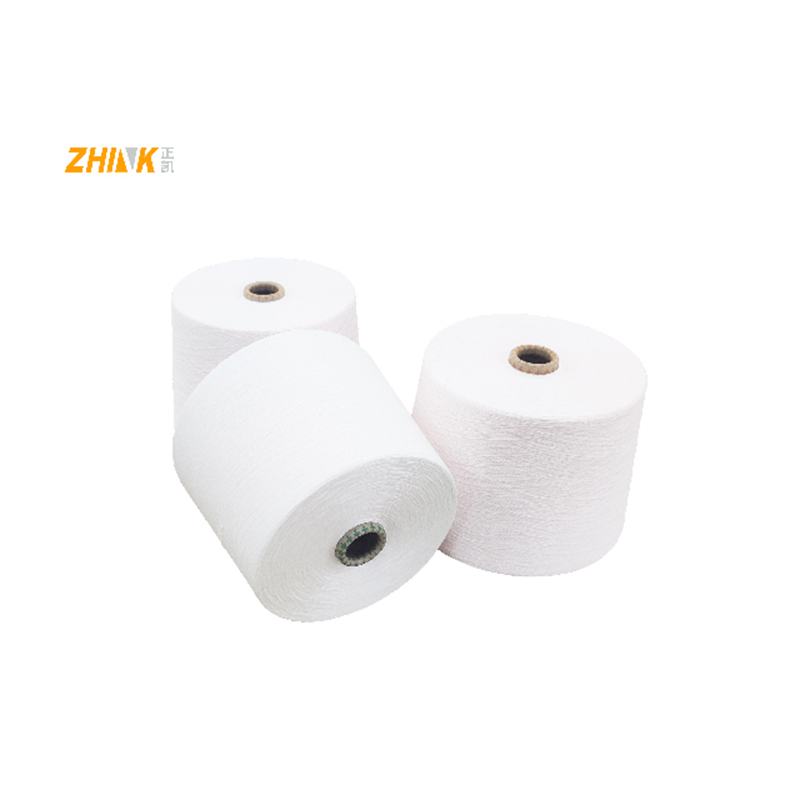
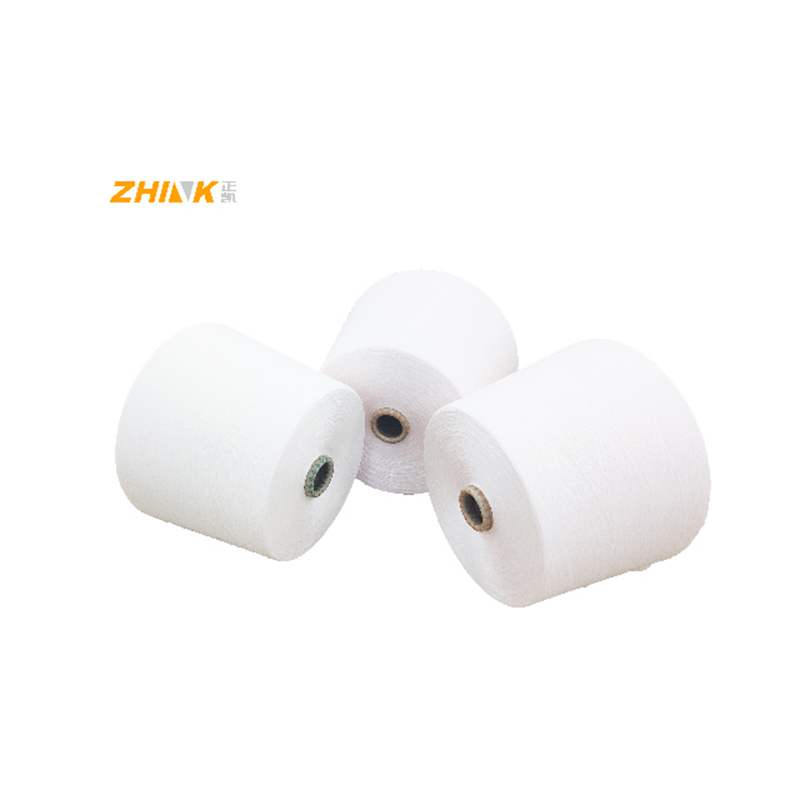
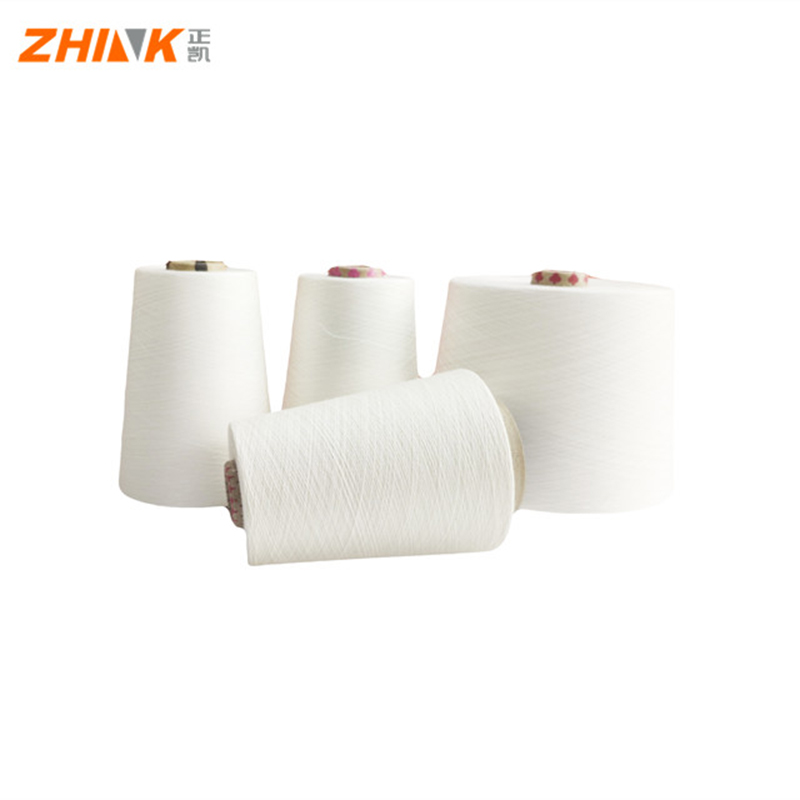
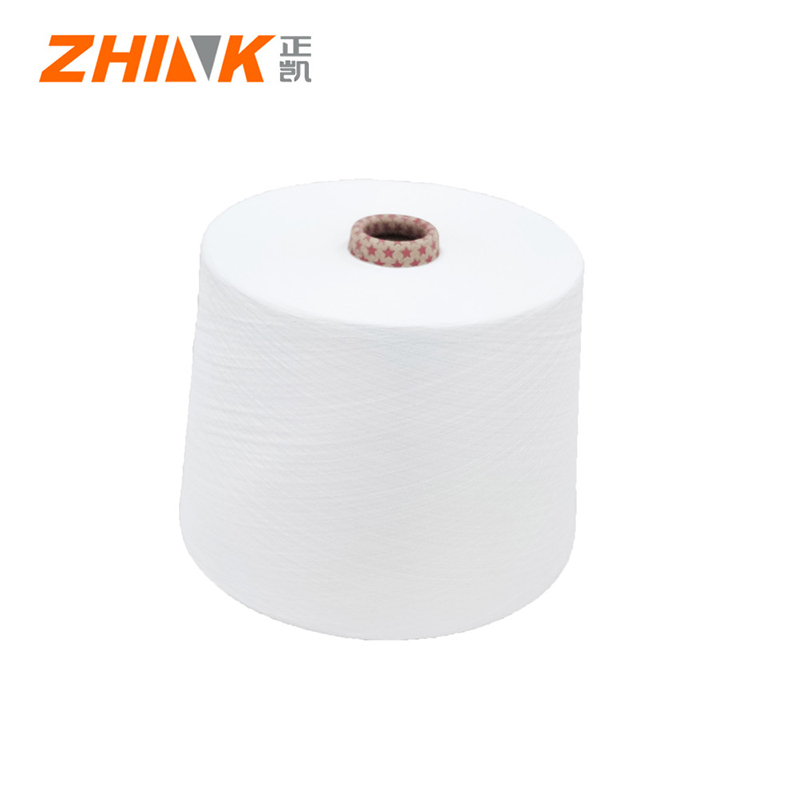
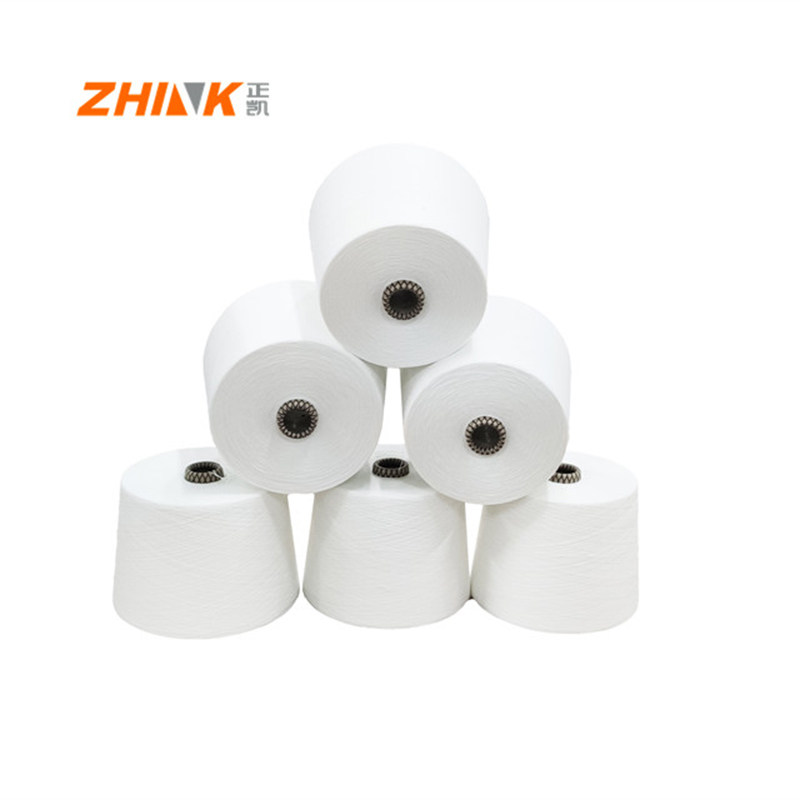
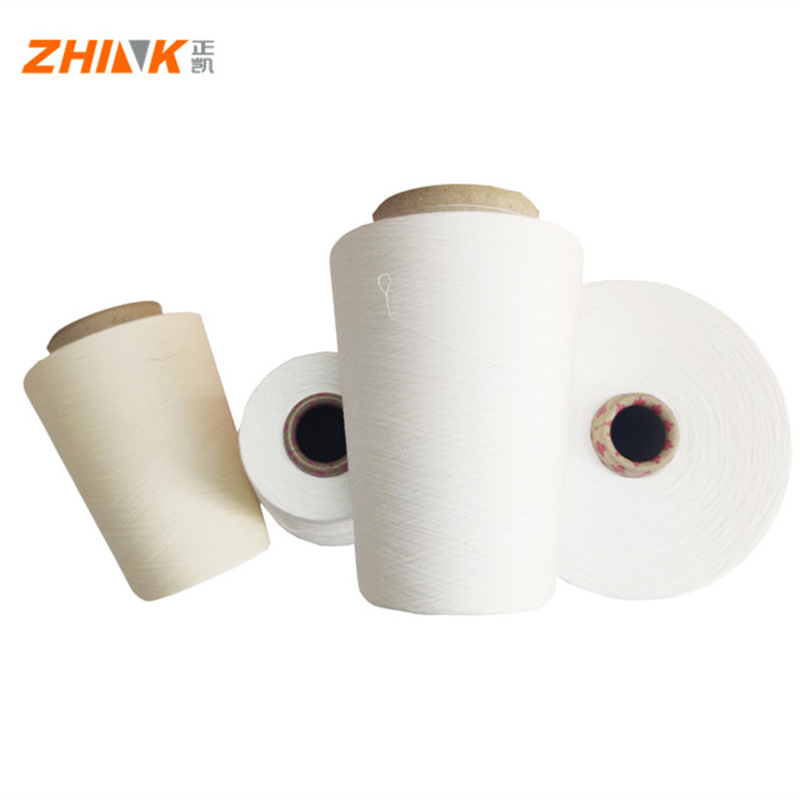
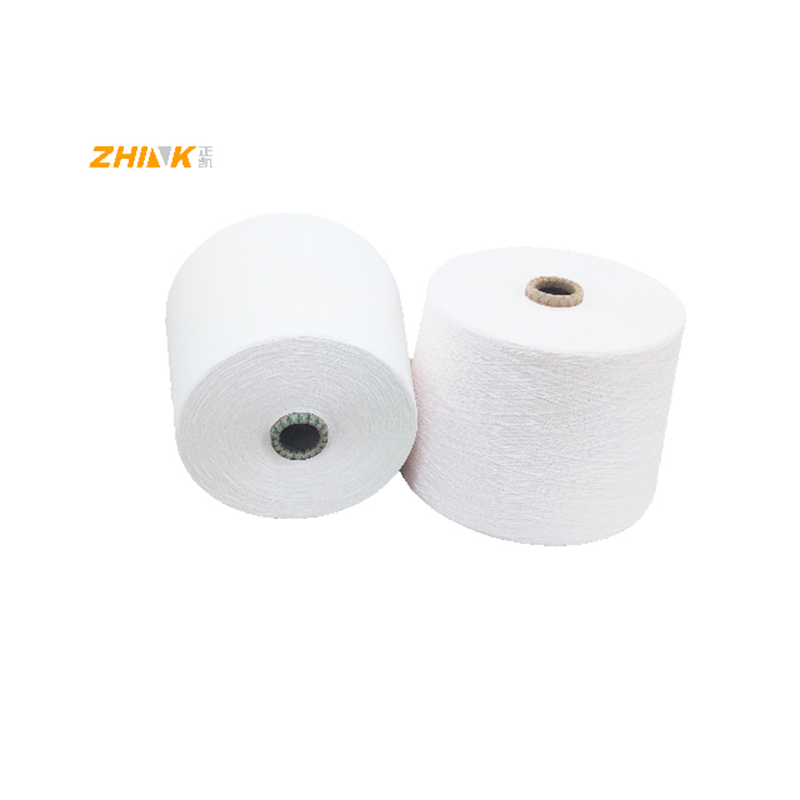
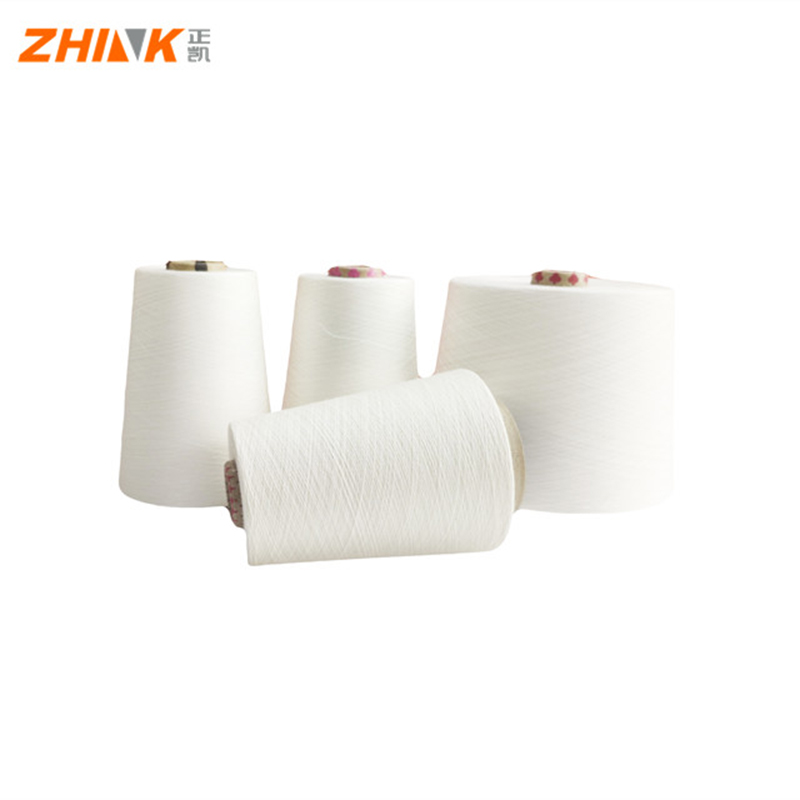
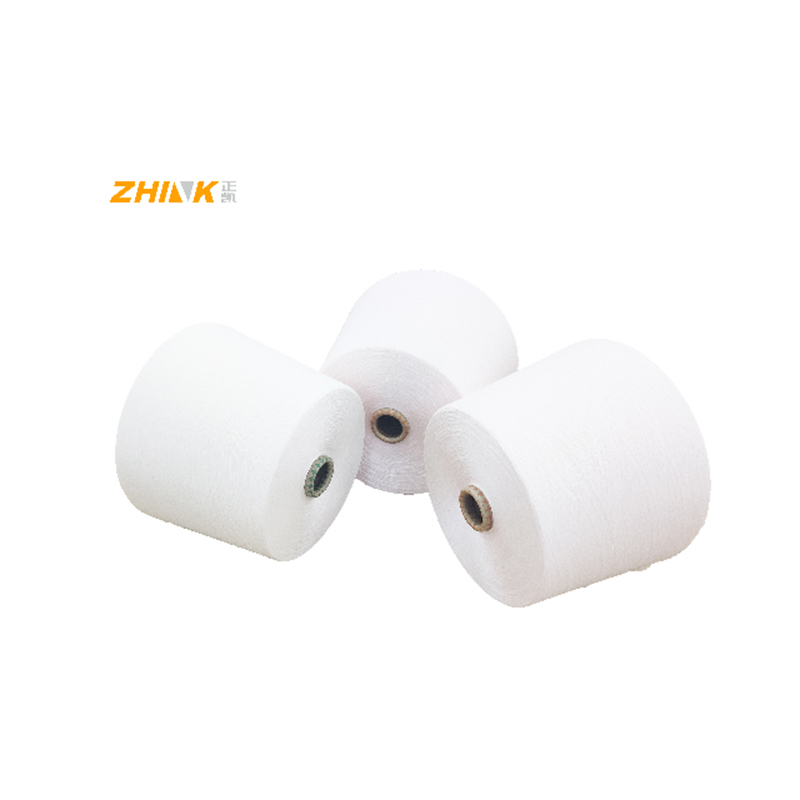
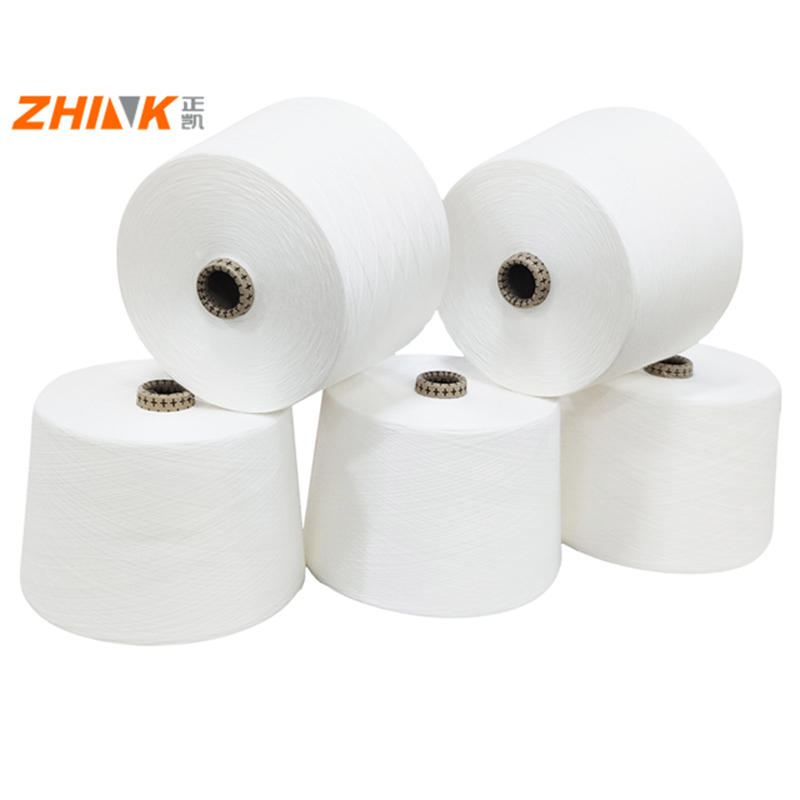
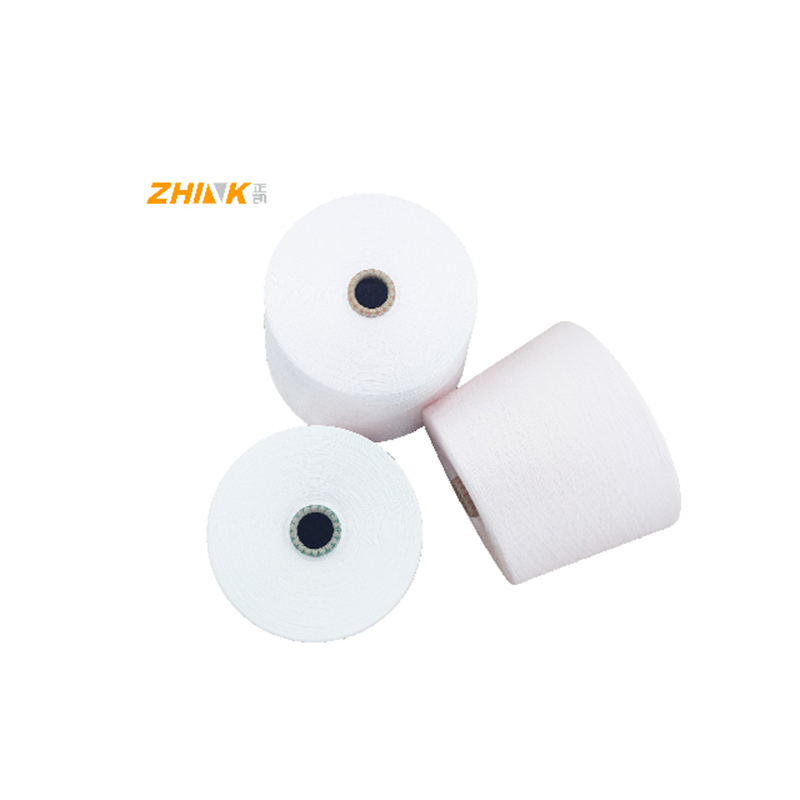
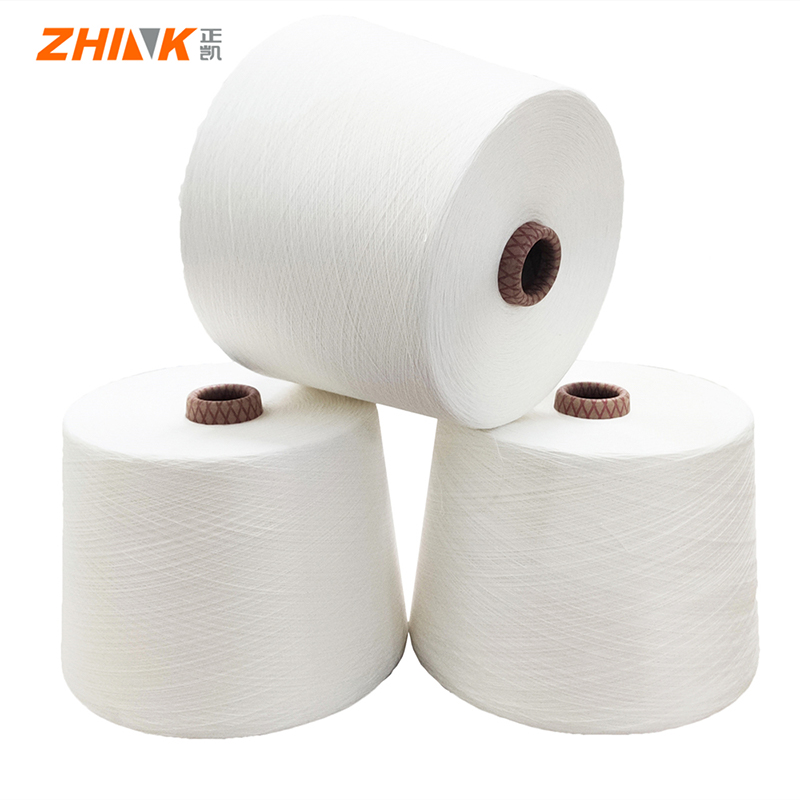
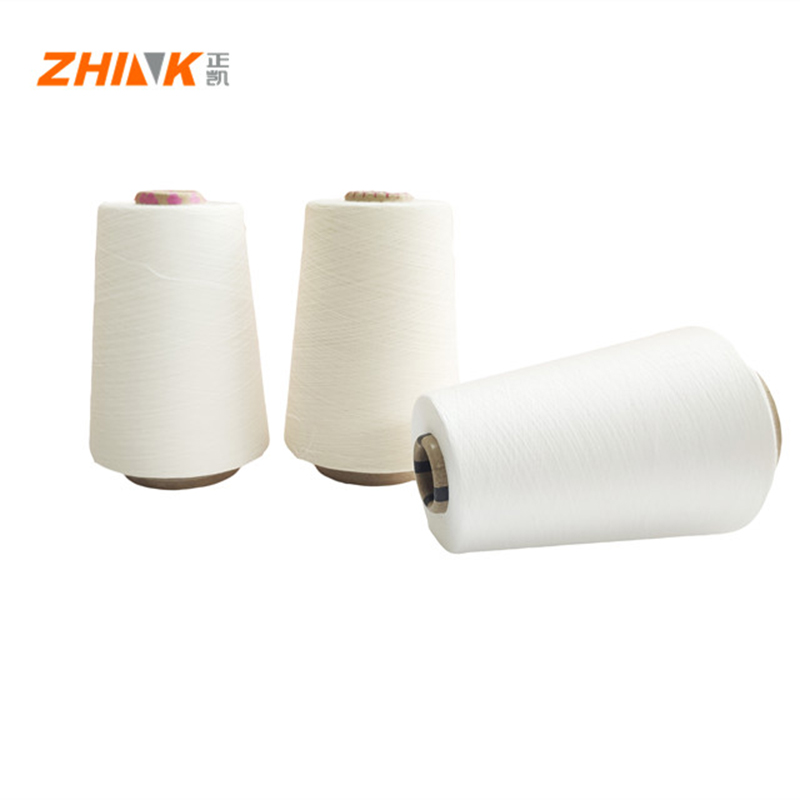
30/2 acrylic yarn
The Intricacies of 30/2 Acrylic Yarn: Insights and Experiences
30/2 acrylic yarn might sound like just another thread to an outsider, but it's a world in itself for textile professionals. This staple in knitting and weaving carries unique challenges and potential that go far beyond its ratio. For those in the industry, understanding its nuances can spell the difference between a stellar product and a complete miss.
Understanding 30/2 Acrylic Yarn: Common Misconceptions
Many in the textile world start with a basic misconception—assuming that all yarns in the 30/2 category behave similarly. But if you've ever experimented with this specific type, you'll know there's more beneath the surface. The term 30/2 refers to the yarn's structure: '30' for the count and '2' for the ply. It’s not just numbers; it influences everything from texture to durability.
At SHANDONG ZHINK NEW MATERIAL CO., LTD, a valuable insight is that 30/2 acrylic yarn requires nuanced handling during manufacturing. While some believe it behaves like cotton, its synthetic nature adds layers to its properties. These complexities impact decision-making processes, from production to application.
One practical example: The tension settings. This yarn doesn't stretch and recover like natural fibers, which leads to surprises if one isn't prepared. I've seen teams rework textiles because of unexpected pilling or imbalance in stretch.
Real-World Applications and Challenges
My personal journey with 30/2 acrylic yarn involved both triumphs and learning curves. Using it in high-speed knitting machinery, adjustments are crucial. Machines set for cotton might choke on acrylic if one isn't cautious. Tension, speed, and the needle size can dramatically affect outcomes.
A case that comes to mind is when a team used it for a client requiring soft yet resilient fabric. They anticipated cotton-like behavior but had to recalibrate machine tensions and experiment with stitch density to achieve the desired hand feel. Failures led to success—and these experiences were invaluable.
Moreover, when integrating it with other fibers, the unique nature of 30/2 acrylic yarn stands out. Unlike polyester or wool blends, it doesn't always mold to expectations. Adjustments must be made mid-production to maintain quality.
Insights from SHANDONG ZHINK NEW MATERIAL CO., LTD
Being at Zhink New Material, it's crucial to remember the environmental aspects. Acrylic yarn, while artificial, has benefits in sustainability when approached thoughtfully. We've explored greener production techniques, reducing emissions while maintaining the fiber's integrity.
The journey from conception to production brings practical tasks such as overcoming static issues—common in synthetics. This requires an understanding of how the yarn interacts with machinery and other materials. Practically speaking, it’s a dance between technology and texture.
Our team consistently evaluates the market's evolving needs. Customers today appreciate transparency and eco-awareness. Thus, our approach to 30/2 acrylic yarn emphasizes not only on its functional characteristics but also how it fits into a sustainable industry.
The Art and Science of Yarn Selection
The choice between various types of yarns, including 30/2 acrylic yarn, is both an art and a science. Factors like colorfastness, wear and tear, and aesthetic compatibility weigh heavily. Often, designers’ initial sketches are revised post-discussion with production specialists.
One often-overlooked aspect is how acrylic compares cost-wise to natural fibers. It’s more economical, yet balancing cost against quality is continually a part of the decision-making process, particularly when customer satisfaction hangs in the balance.
Teams often relay experiences of artworks coming to life. It's one thing to conceptualize a knitted masterpiece; another to realize it with precision. Each thread, each ply, matters significantly in this process.
Future Horizons: Innovations and Expectations
Looking ahead, the consistent development in the acrylic sector is something we closely monitor at SHANDONG ZHINK NEW MATERIAL CO., LTD. Innovations come almost seasonally, yet the core properties of the yarn remain much the same, demanding respect and understanding.
There’s always anticipation around new blends and finishes. Could there be a self-adjusting tension in yarn? We watch and wait—and also strive to contribute through research and development at our Shanghai base. Every advancement offers another layer of potential in creating versatile, resilient textiles.
To conclude, working with 30/2 acrylic yarn isn’t merely about understanding a product—it's about navigating a complex web of expectations, challenges, and continuous learning. As with many in this sector, we strive not just to adapt, but to innovate and push the envelope further.
Related Products
Related Products