+86-632-3621866
- Chinese
- French
- German
- Portuguese
- Spanish
- Russian
- Japanese
- Korean
- Arabic
- Irish
- Greek
- Turkish
- Italian
- Danish
- Romanian
- Indonesian
- Czech
- Afrikaans
- Swedish
- Polish
- Basque
- Catalan
- Esperanto
- Hindi
- Lao
- Albanian
- Amharic
- Armenian
- Azerbaijani
- Belarusian
- Bengali
- Bosnian
- Bulgarian
- Cebuano
- Chichewa
- Corsican
- Croatian
- Dutch
- Estonian
- Filipino
- Finnish
- Frisian
- Galician
- Georgian
- Gujarati
- Haitian
- Hausa
- Hawaiian
- Hebrew
- Hmong
- Hungarian
- Icelandic
- Igbo
- Javanese
- Kannada
- Kazakh
- Khmer
- Kurdish
- Kyrgyz
- Latin
- Latvian
- Lithuanian
- Luxembou..
- Macedonian
- Malagasy
- Malay
- Malayalam
- Maltese
- Maori
- Marathi
- Mongolian
- Burmese
- Nepali
- Norwegian
- Pashto
- Persian
- Punjabi
- Serbian
- Sesotho
- Sinhala
- Slovak
- Slovenian
- Somali
- Samoan
- Scots Gaelic
- Shona
- Sindhi
- Sundanese
- Swahili
- Tajik
- Tamil
- Telugu
- Thai
- Ukrainian
- Urdu
- Uzbek
- Vietnamese
- Welsh
- Xhosa
- Yiddish
- Yoruba
- Zulu
- Kinyarwanda
- Tatar
- Oriya
- Turkmen
- Uyghur


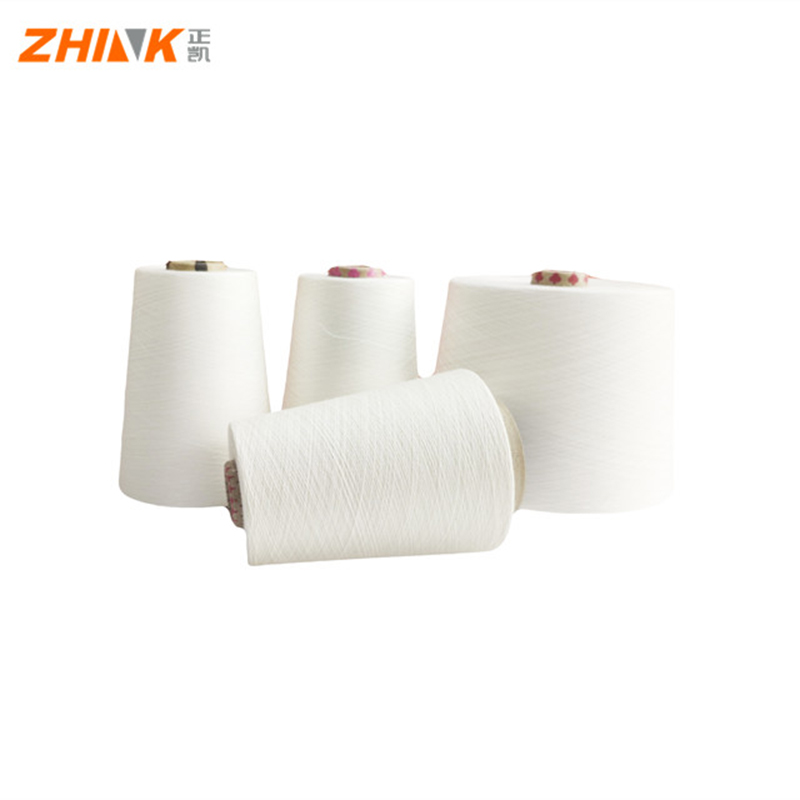
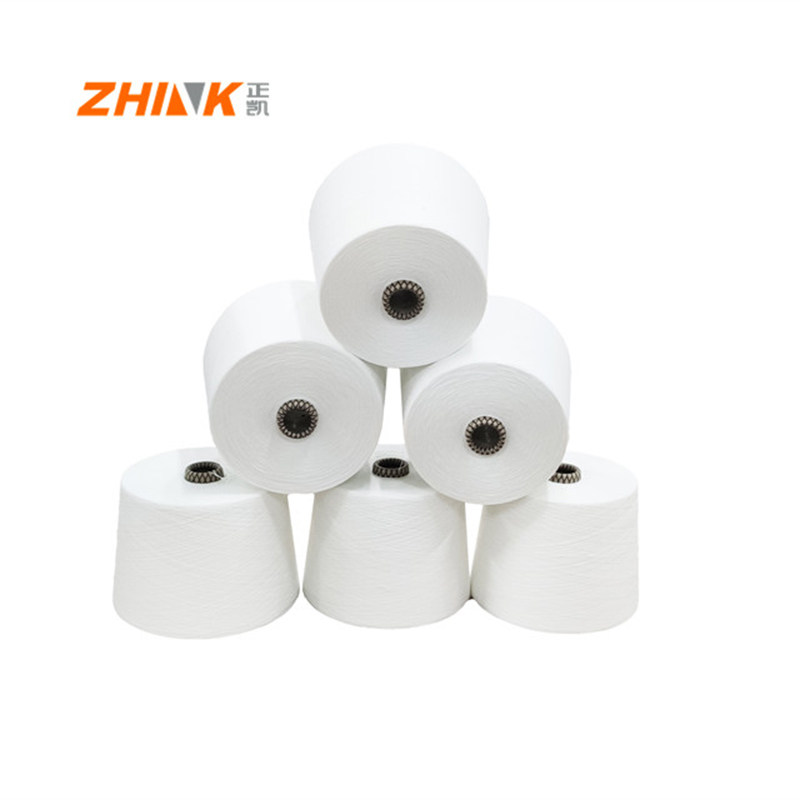
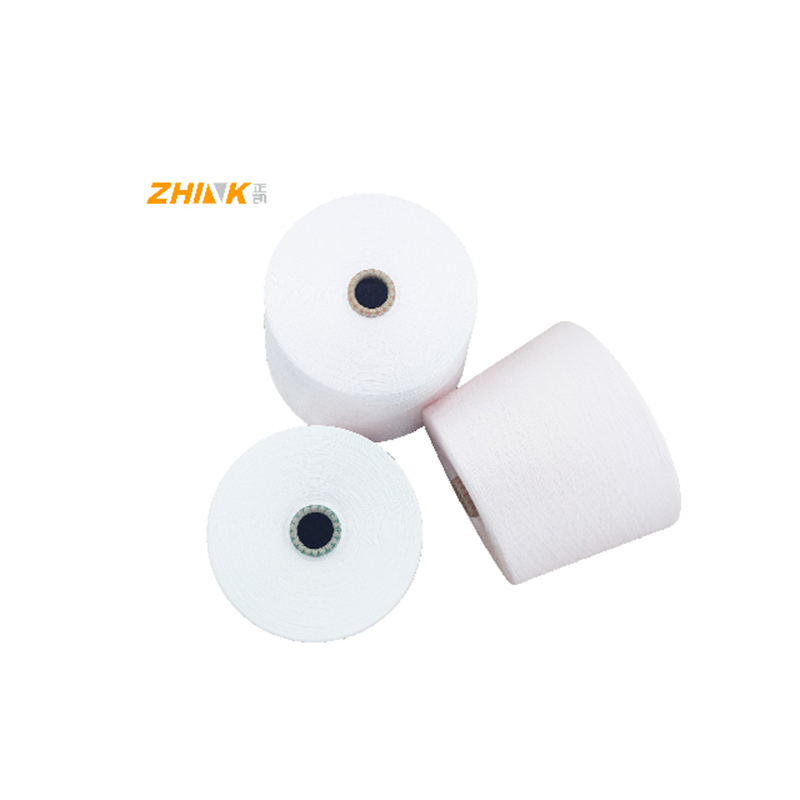
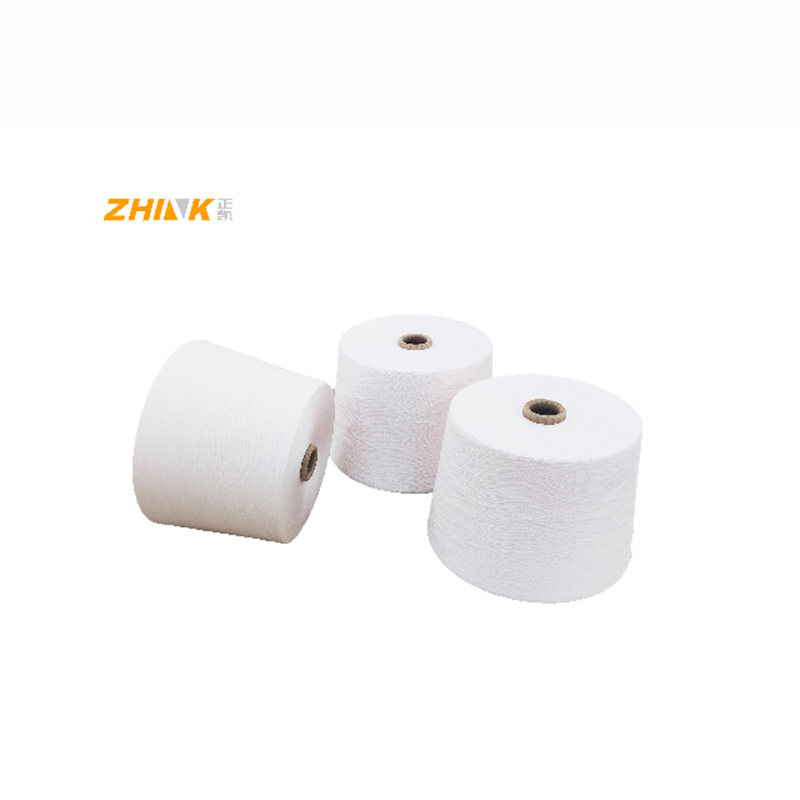
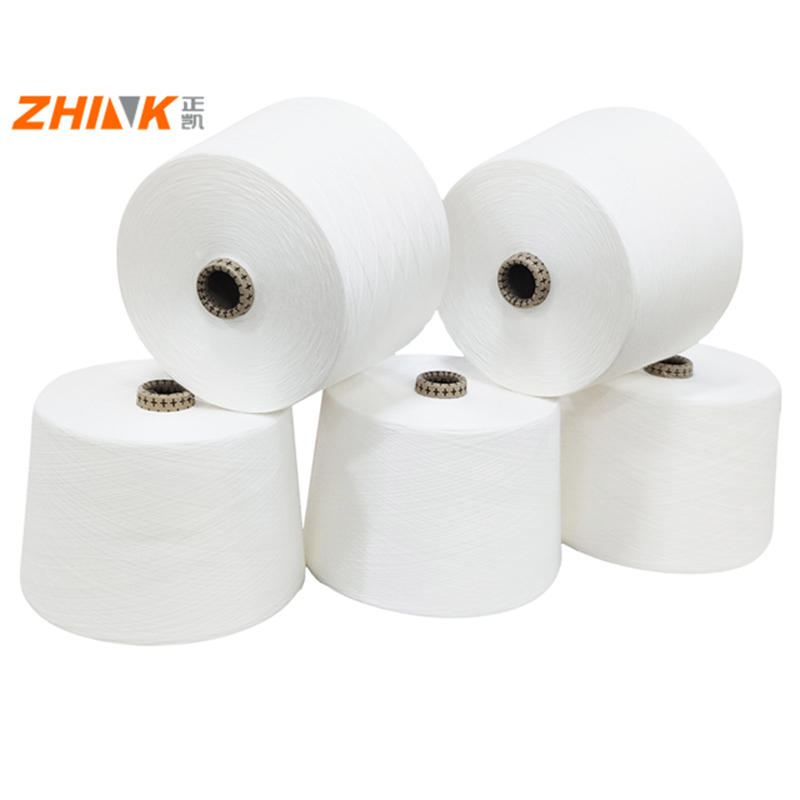
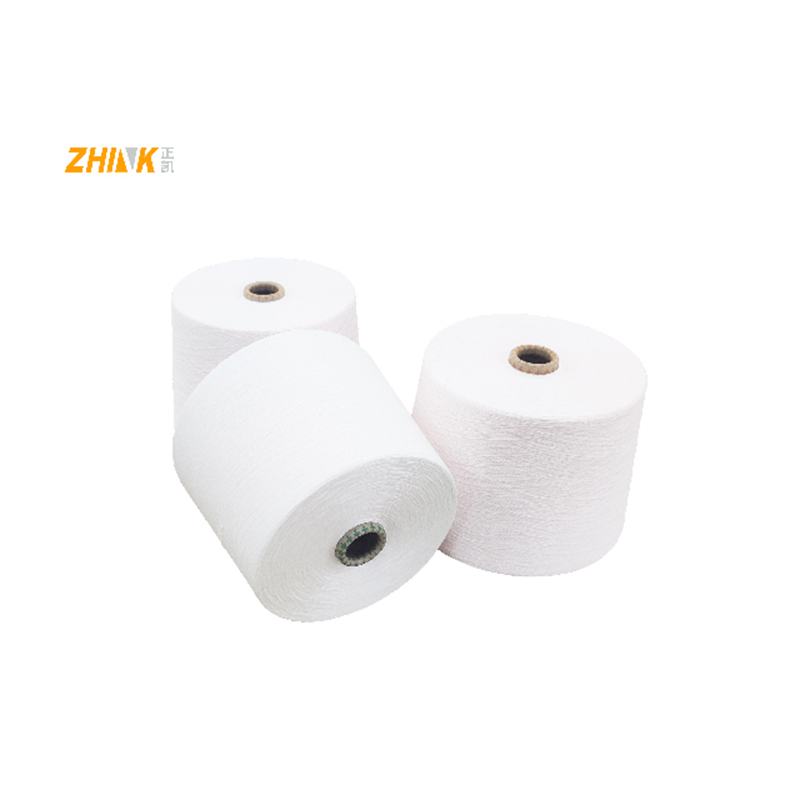
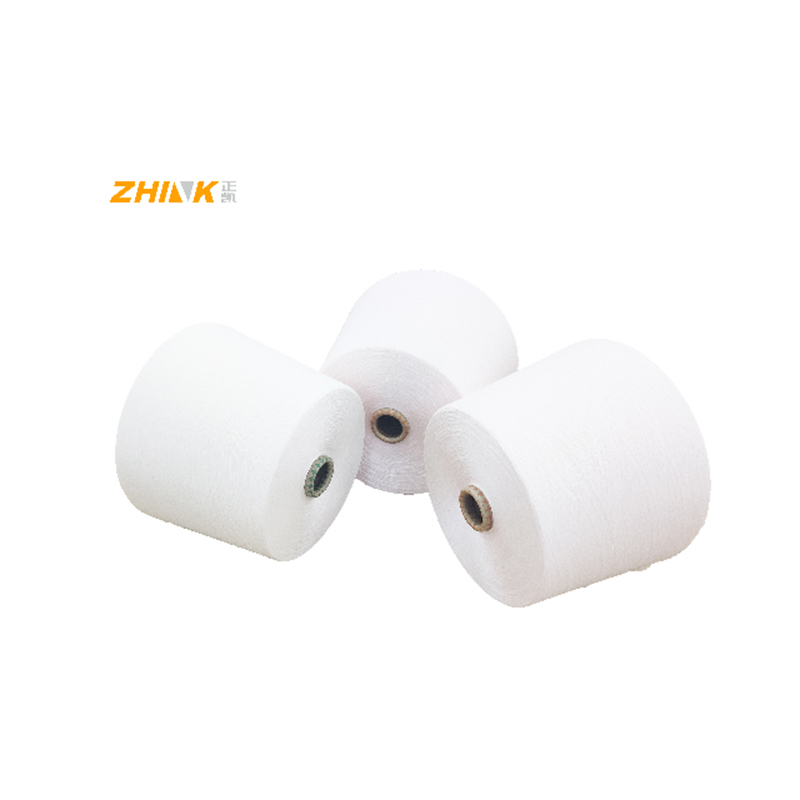
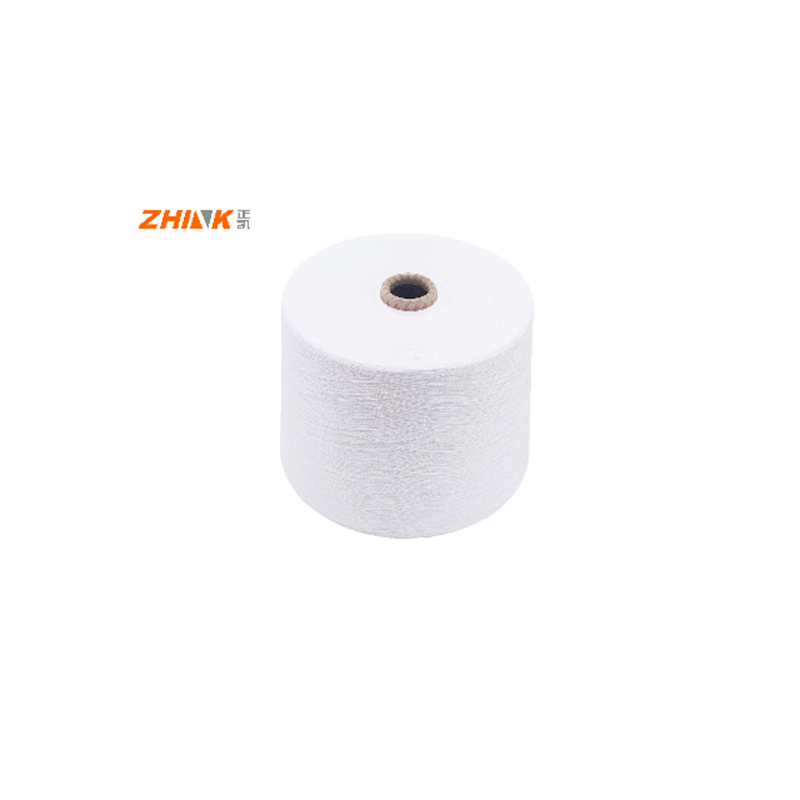
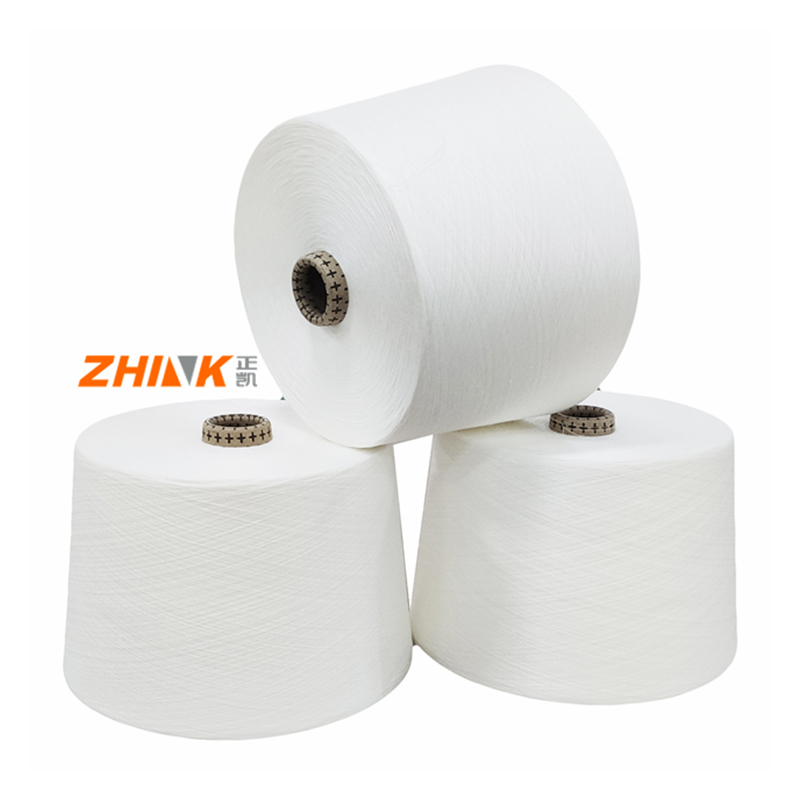
30/2 bamboo yarn
Understanding 30/2 Bamboo Yarn: Insights from the Industry
30/2 bamboo yarn is a fascinating material, embraced by both commercial manufacturers and home knitters for its unique blend of strength and softness. Despite growing popularity, there's quite a bit of confusion about what 30/2 really signifies. Let's delve deeper into the nuances of this textile marvel.
The Basics of 30/2 Bamboo Yarn
When we talk about 30/2 bamboo yarn, we're diving into a specific world of textile metrics and properties. The '30' denotes the yarn's count, a system that reflects yarn thickness or fineness. Meanwhile, the '/2' designates the ply—it's a two-ply yarn, which means twisting two strands together. This essentially yields a yarn that's robust yet delicately fine, making it ideal for both weaving and intricate knitwork.
Such yarns are not just about metrics but the tactile experience they offer. In my time working with different yarn types, bamboo consistently stands out for its smooth feel and natural sheen. There's an innate coolness, almost a whisper of nature, that seems to carry from the plant into the finished fiber.
Nonetheless, a common error many encounter is equating bamboo yarn with other plant-based fibers. Yes, bamboo is sustainable and often likened to cotton, but it behaves differently in the dyeing and knitting processes, requiring a keen attention to detail.
Industrial Insights and Personal Experiences
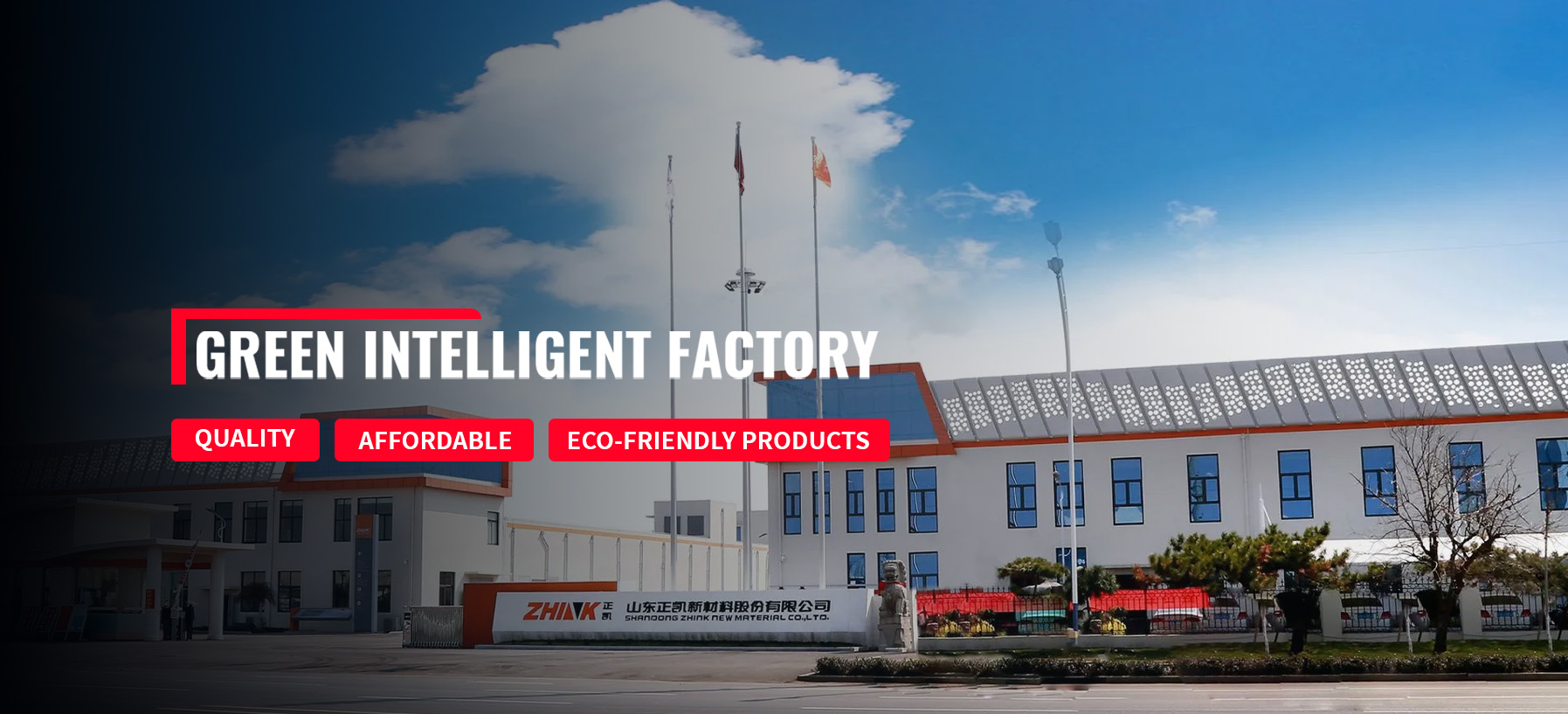
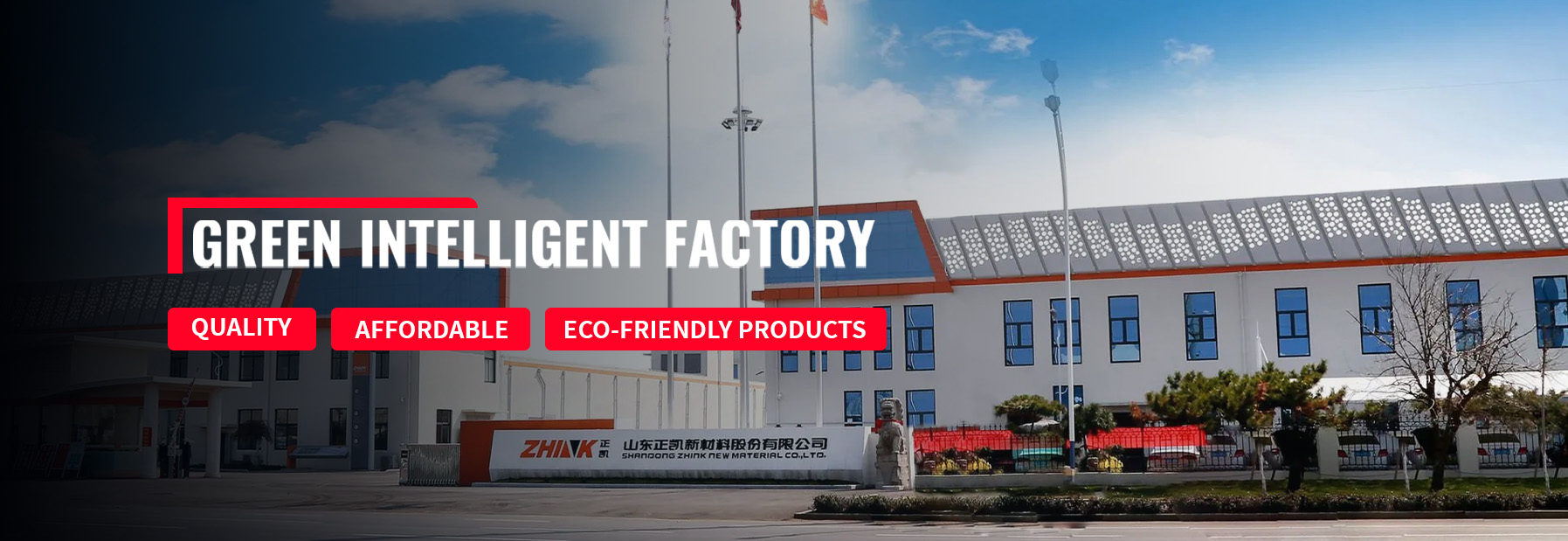
At SHANDONG ZHINK NEW MATERIAL CO., LTD, where we focus extensively on innovative textiles, we've seen how 30/2 bamboo yarn opens doors for creativity. Our website, Zhink Yarn, provides detailed information about our materials and applications.
I recall a specific project where consistent yarn tension was pivotal. With bamboo, achieving this balance is both a science and an art, informed by familiarity with the yarn's inherent elasticity. It's less forgiving than cotton or wool; thus, adjustments during spinning and weaving can be crucial.
The process can be meticulous, especially under tight manufacturing demands. Yet, when executed correctly, the results speak for themselves—not just in durability but in the unique luster and breathable comfort that bamboo offers.
Navigating Challenges and Missteps
Not every attempt with 30/2 bamboo yarn is straightforward. A memorable mix-up involved a blend ratio error during a production run, where the stretch started misaligning in finished garments. The lesson here was clear: precise measurement and consistency are paramount.
Moreover, dyeing bamboo can pose significant challenges. Its natural absorption properties can lead to surprising variations in color. However, through testing and calibration, we've developed more stable dye methodologies, enhancing the vibrancy without sacrificing the yarn quality.
Addressing these challenges on our production floors has been instrumental in refining both our process and product reliability, ensuring our clients receive only the best.
Sustainability and Market Trends
30/2 bamboo yarn isn't just a material; it's part of a larger movement towards sustainability in textiles. Unlike other materials, bamboo is renowned for its eco-friendly growth cycle—it thrives with minimal water and without pesticides.
In various market analyses, notably within our operations at SHANDONG ZHINK NEW MATERIAL, the trending trajectory leans heavily into sustainable, ethical production. The demand for eco-conscious materials continues to rise, and bamboo is at the forefront of this shift.
This sustainability trend resonates widely, impacting everything from fabric finishing standards to packaging innovations. For instance, developers look to utilize less plastic and more compostable materials in shipping bamboo yarn products.
Final Thoughts on 30/2 Bamboo Yarn
Reflecting on my experiences, both within professional settings at Zhink New Material and personal projects, 30/2 bamboo yarn stands out for its appealing balance of form and function. It's a yarn that requires respect—not just for its properties, but for its potential impact on a sustainable future.
The journey with bamboo yarn is as rewarding as it is demanding, filled with lessons and opportunities to push textile boundaries. As the textile industry evolves, embracing such innovative materials will be vital, not just for business but for the planet.
Through continuous research and a commitment to quality, companies like SHANDONG ZHINK NEW MATERIAL CO., LTD are paving the way for more sustainable textile practices worldwide.
Related Products
Related Products