+86-632-3621866
- Chinese
- French
- German
- Portuguese
- Spanish
- Russian
- Japanese
- Korean
- Arabic
- Irish
- Greek
- Turkish
- Italian
- Danish
- Romanian
- Indonesian
- Czech
- Afrikaans
- Swedish
- Polish
- Basque
- Catalan
- Esperanto
- Hindi
- Lao
- Albanian
- Amharic
- Armenian
- Azerbaijani
- Belarusian
- Bengali
- Bosnian
- Bulgarian
- Cebuano
- Chichewa
- Corsican
- Croatian
- Dutch
- Estonian
- Filipino
- Finnish
- Frisian
- Galician
- Georgian
- Gujarati
- Haitian
- Hausa
- Hawaiian
- Hebrew
- Hmong
- Hungarian
- Icelandic
- Igbo
- Javanese
- Kannada
- Kazakh
- Khmer
- Kurdish
- Kyrgyz
- Latin
- Latvian
- Lithuanian
- Luxembou..
- Macedonian
- Malagasy
- Malay
- Malayalam
- Maltese
- Maori
- Marathi
- Mongolian
- Burmese
- Nepali
- Norwegian
- Pashto
- Persian
- Punjabi
- Serbian
- Sesotho
- Sinhala
- Slovak
- Slovenian
- Somali
- Samoan
- Scots Gaelic
- Shona
- Sindhi
- Sundanese
- Swahili
- Tajik
- Tamil
- Telugu
- Thai
- Ukrainian
- Urdu
- Uzbek
- Vietnamese
- Welsh
- Xhosa
- Yiddish
- Yoruba
- Zulu
- Kinyarwanda
- Tatar
- Oriya
- Turkmen
- Uyghur



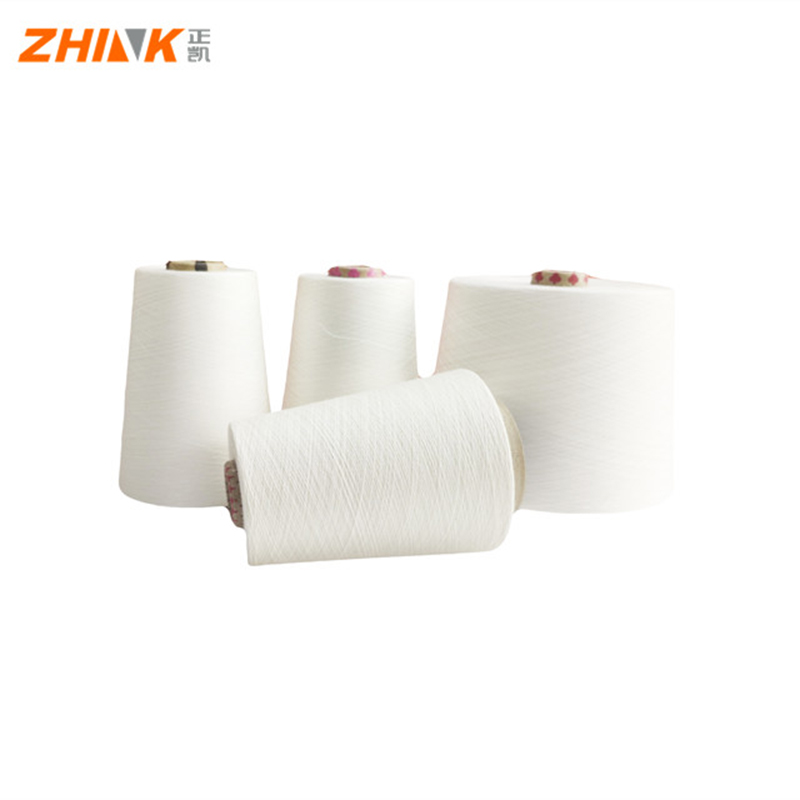
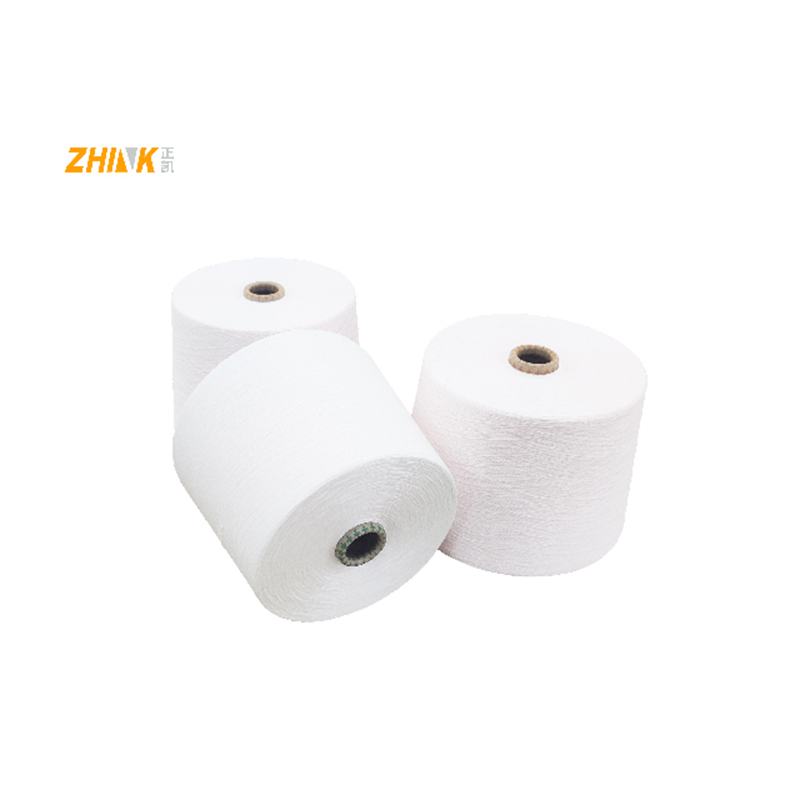
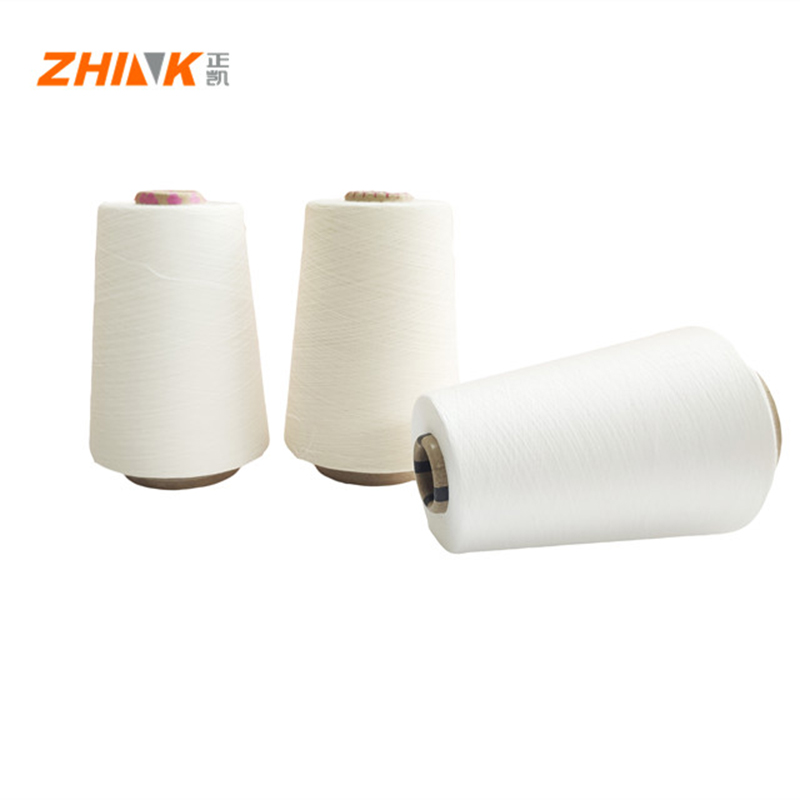
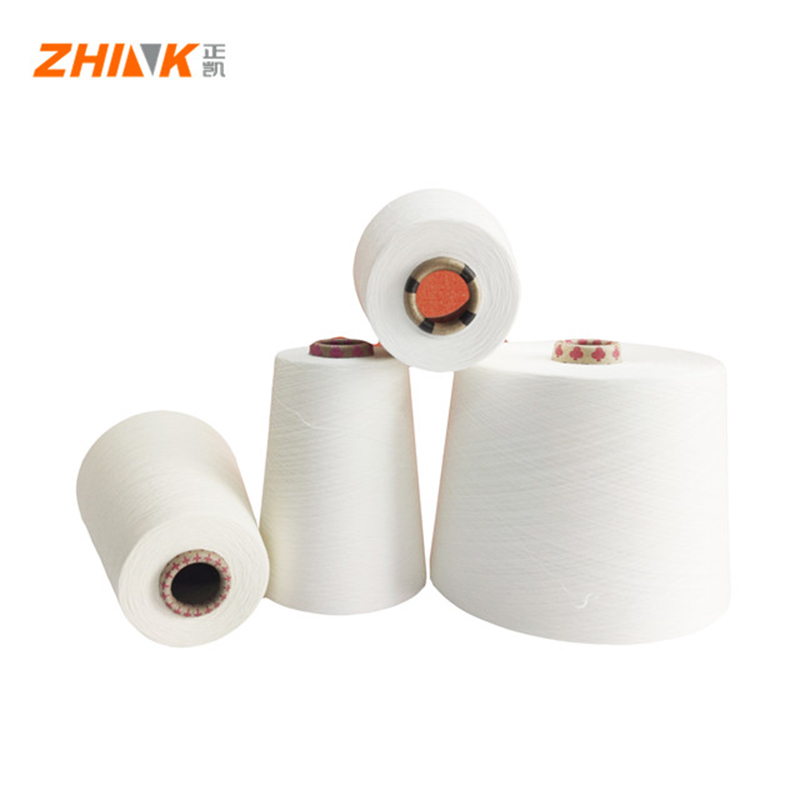
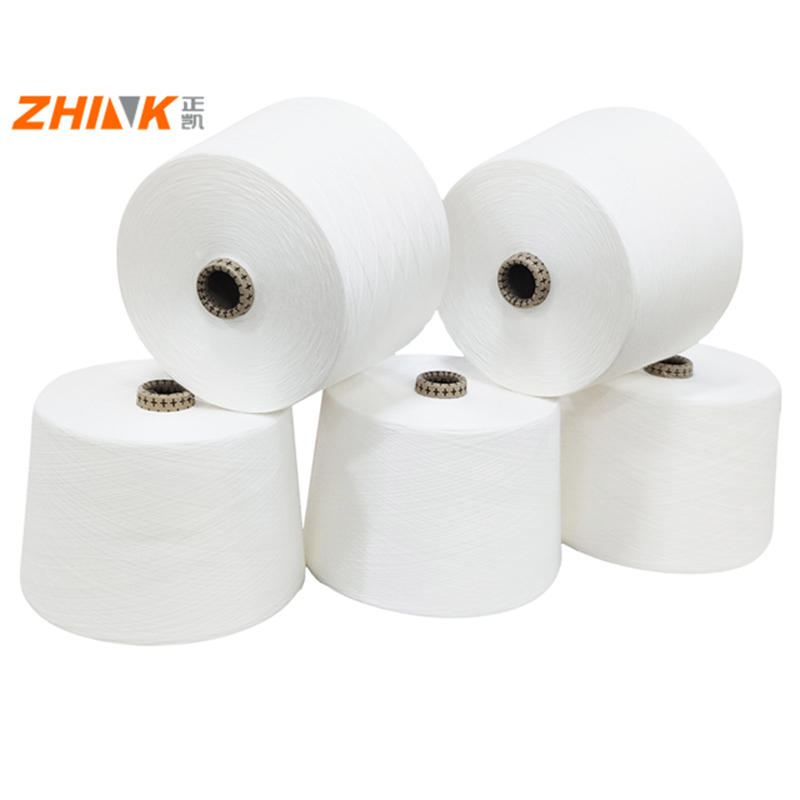
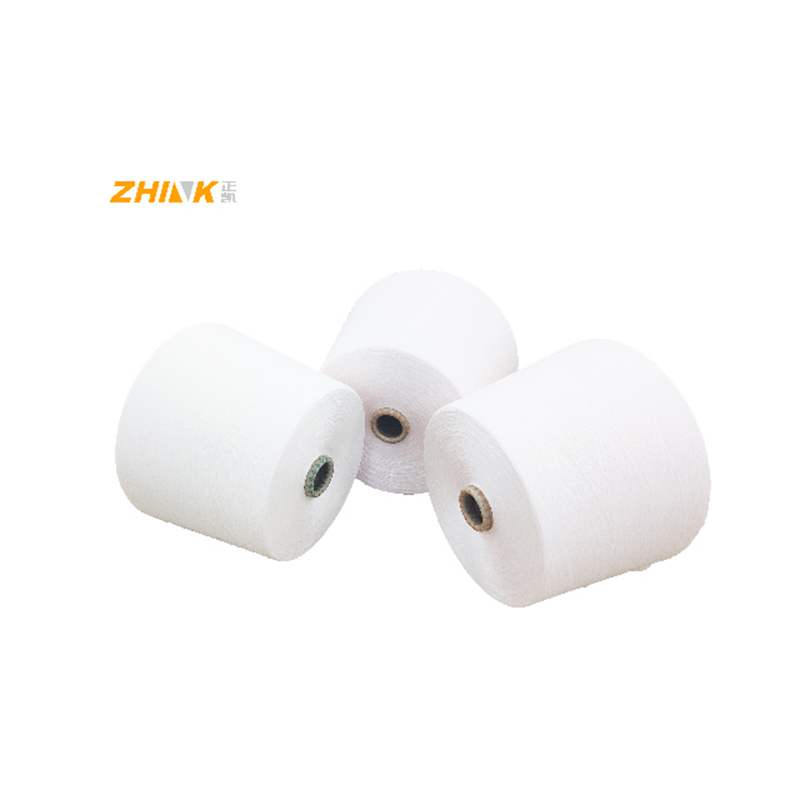
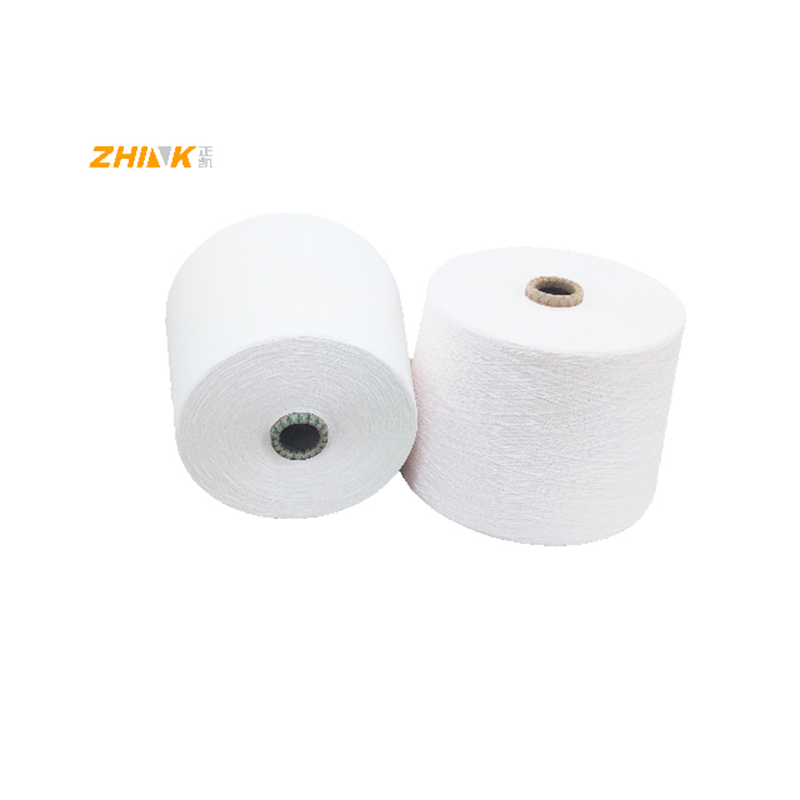
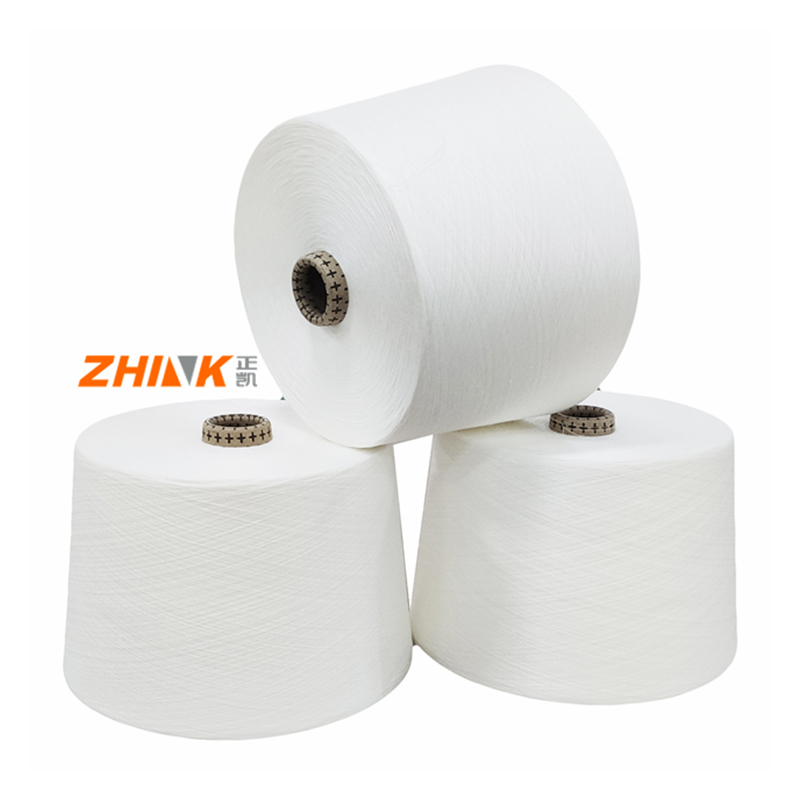
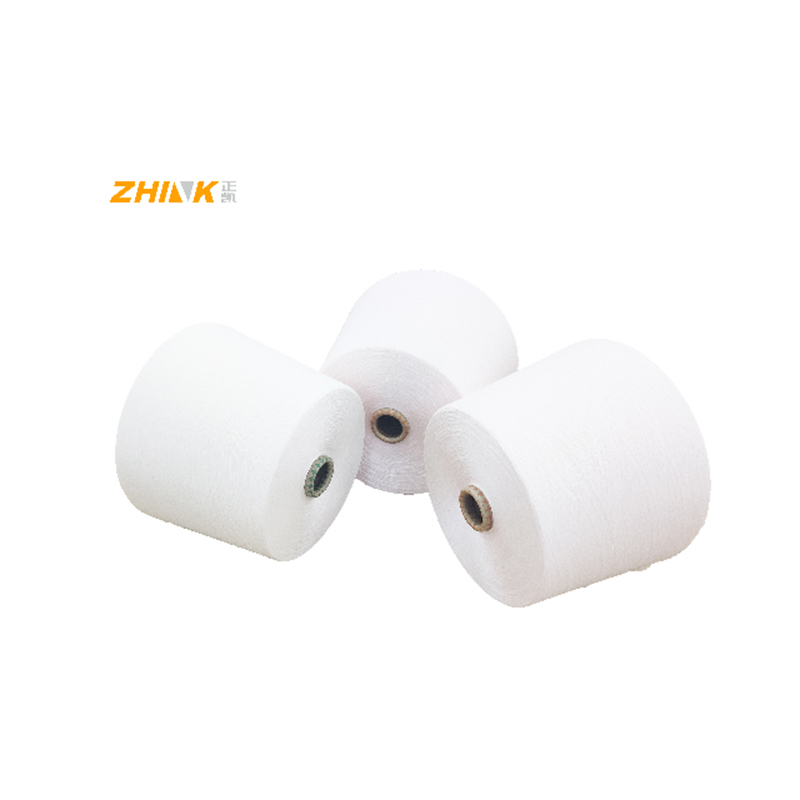
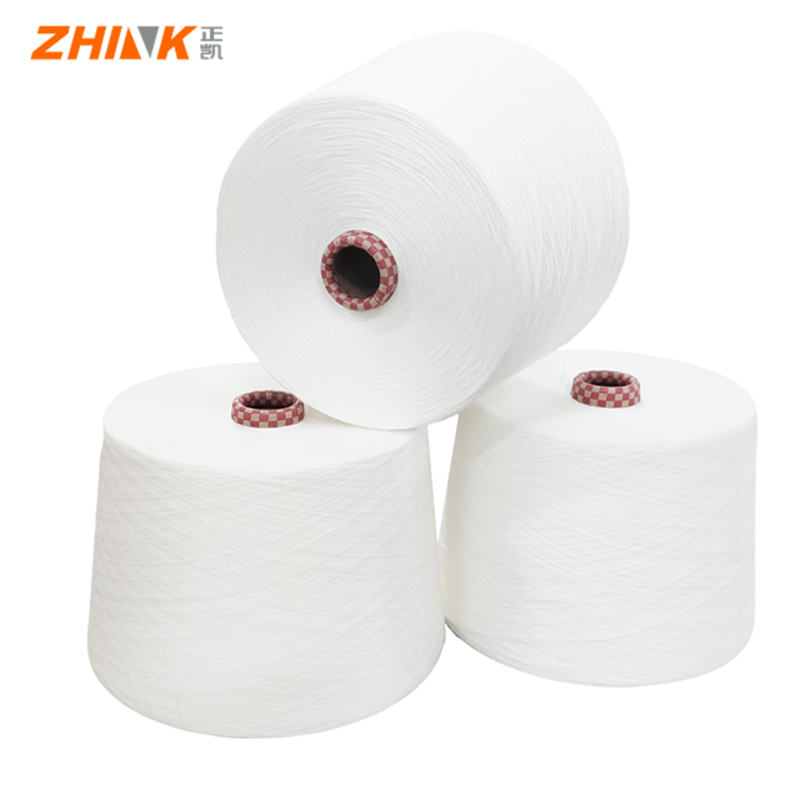
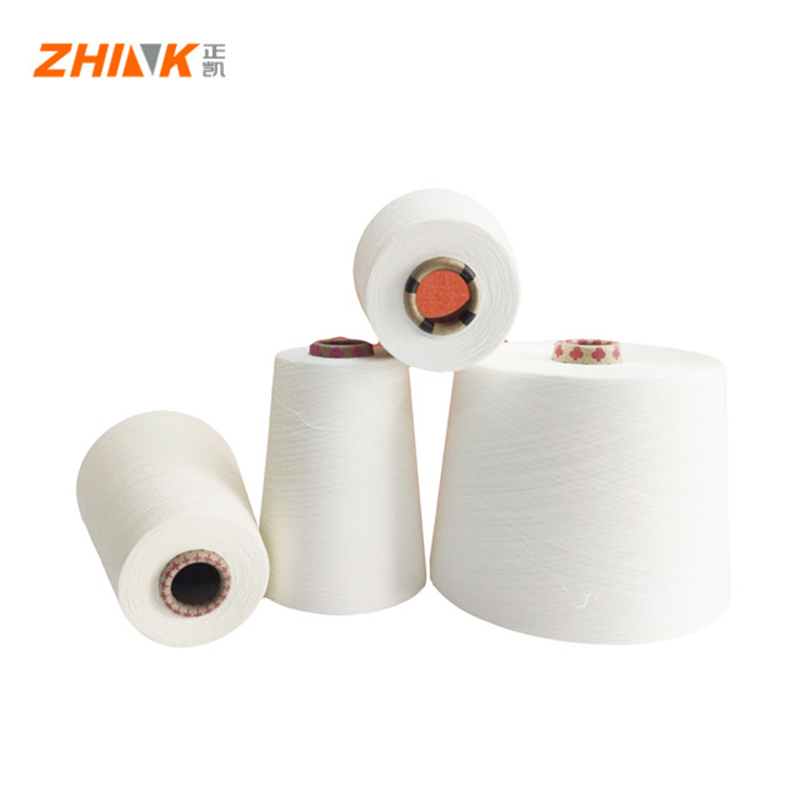
30/2 Cationic polyester yarn
Exploring 30/2 Cationic Polyester Yarn: Insights and Applications
30/2 Cationic Polyester Yarn is transforming textile production with its unique properties. Dive into the specifics of why this yarn is becoming a staple in the industry and how it differs from standard polyester options.
Understanding Cationic Polyester
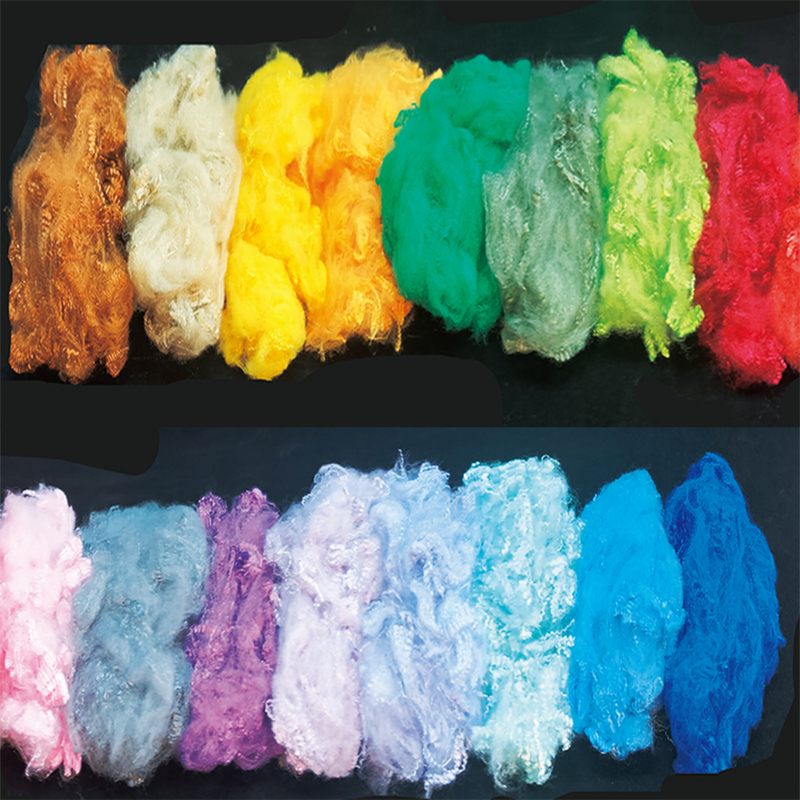
First off, let's address a common misconception: cationic yarn isn't just a fancier term for colored polyester. Indeed, the term cationic refers to the yarn's capability to hold dye more efficiently. Through a process involving modified polymer structures, these fibers grasp dye better, resulting in vibrant and enduring colors.
When I initially started working with this yarn, my main concern was its behavior during dyeing cycles. Traditional polyesters often struggle with retaining color intensity, but cationic polyester yarn proved me wrong. It absorbed colors quickly and maintained them even after several washes, surpassing my expectations based on past experiences.
In terms of feel, these yarns are smoother and often offer a softer texture, making them suitable for various applications that demand both functionality and aesthetics. But what about practical applications?
Applications in Modern Textiles
Perhaps you're wondering where 30/2 Cationic Polyester Yarn fits into the broader textile landscape. Well, its enhanced dye capability makes it ideal for sportswear and outdoor fabrics, where color vibrancy is as important as fabric performance. I recall a project for a sports brand where they needed their jerseys to pop visually. Using this yarn was a game changer.
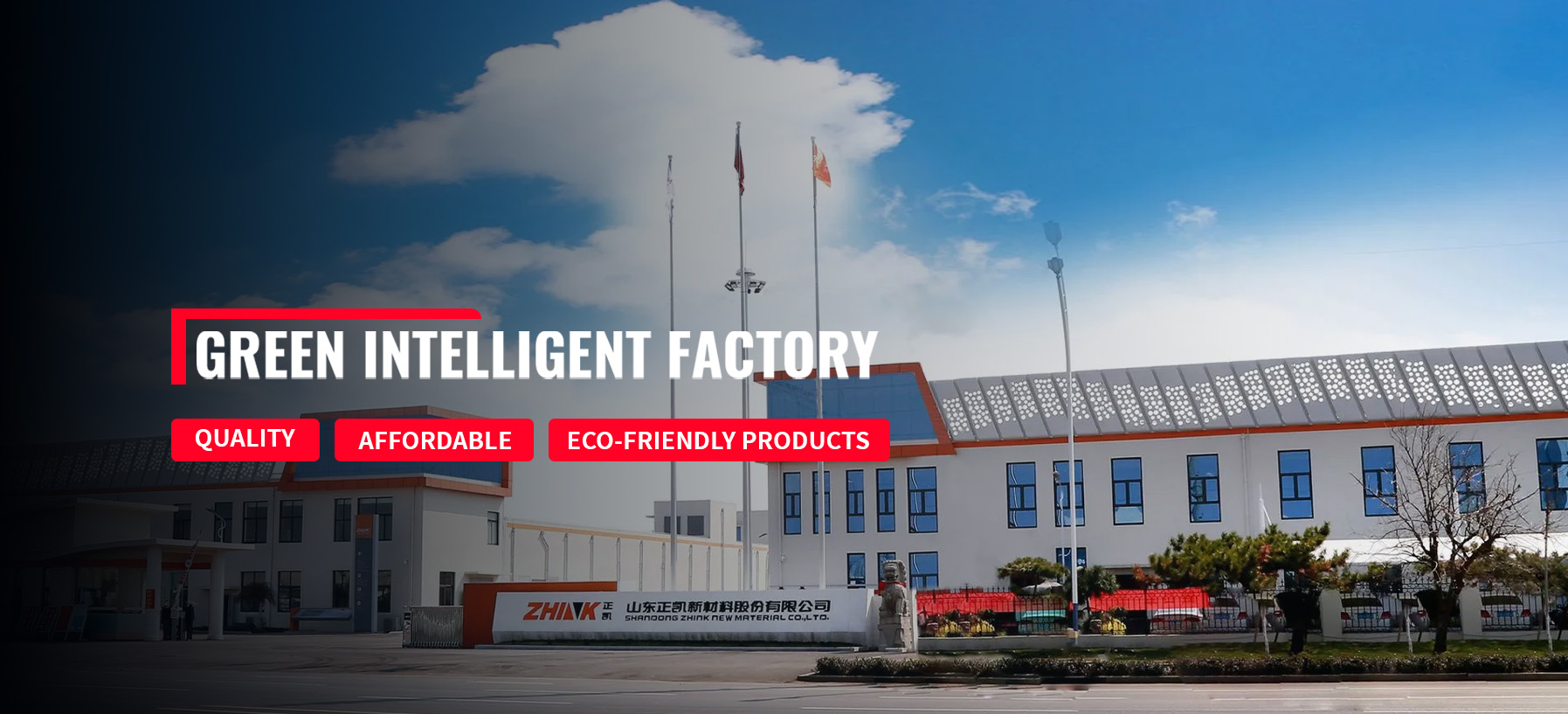
SHANDONG ZHINK NEW MATERIAL CO., LTD, a pioneer in textile innovations, often incorporates these yarns in their fabric designs. According to their site Zhink New Material, innovation in materials like 30/2 cationic yarn aligns with their mission to push the boundaries of textile capabilities.
It's not just about aesthetics, though. The yarn offers superior moisture-wicking capabilities, making it an excellent choice for performance-driven clothing. My colleagues often emphasize how critical it is to balance form with function, and this material meets both criteria seamlessly.
Challenges in Usage
Nevertheless, working with 30/2 Cationic Polyester Yarn isn't without its challenges. For instance, its propensity to hold dye can be a double-edged sword. If improperly processed, it may result in overly saturated colors that don’t align with a client's vision. This requires a delicate touch and experienced hands during the dyeing process.
When our team at a local workshop decided to experiment with blending this yarn with other fibers, the customization options expanded, though it was tricky. We had to constantly tweak the dyeing formula to ensure uniformity. It’s a bit like cooking; sometimes you need that extra pinch of salt to bring everything together.
Another issue we encountered was ensuring that the yarn maintained its mechanical properties after multiple dyeing processes. Frequent checks and balances were necessary to safeguard its integrity, and this sometimes meant going back to the drawing board.
Technical Insights: What Makes It Special?
Technically speaking, the backbone of cationic polyester lies in its molecular structure. The yarn's unique polymer modification provides reactive sites for dyes, ensuring a seamless and tenacious bond. When I initially read this in theoretical papers, it seemed abstract. Only after field experience did the practical implications become clear.
The 30/2 specification indicates a particular weight and twist, which are crucial for its performance in end products. On paper, this might seem trivial, but in reality, even a minor change in these specs can alter the yarn's properties dramatically.
While consulting with SHANDONG ZHINK NEW MATERIAL CO., LTD on a project, we explored various yarn weights to tailor the textile's functionality to specific needs. It became evident that even slight alterations in the yarn’s twist could make or break a textile product's performance.
Navigating Market Trends
It's essential to also consider where the market for cationic polyester yarns is heading. Consumer demand for sustainable fashion nudges industries towards materials that uphold both aesthetic and environmental standards. This type of yarn is positioned well, given its longevity and the potential for lower environmental impact due to less resource-intensive dyeing.
Our industry discussions often revolve around sustainability. A recurring theme is how to manufacture products that don't just meet current needs but anticipate future ones. By reducing water use and enhancing fabric durability, these yarns play a part in a more sustainable future.
Ultimately, those in textile manufacturing or design need to stay attuned to these innovations. Upgrading to materials like 30/2 Cationic Polyester Yarn can keep companies competitive. From my observations, companies integrating these textiles are often at the forefront, driving trends rather than following them.
Related Products
Related Products