+86-632-3621866
- Chinese
- French
- German
- Portuguese
- Spanish
- Russian
- Japanese
- Korean
- Arabic
- Irish
- Greek
- Turkish
- Italian
- Danish
- Romanian
- Indonesian
- Czech
- Afrikaans
- Swedish
- Polish
- Basque
- Catalan
- Esperanto
- Hindi
- Lao
- Albanian
- Amharic
- Armenian
- Azerbaijani
- Belarusian
- Bengali
- Bosnian
- Bulgarian
- Cebuano
- Chichewa
- Corsican
- Croatian
- Dutch
- Estonian
- Filipino
- Finnish
- Frisian
- Galician
- Georgian
- Gujarati
- Haitian
- Hausa
- Hawaiian
- Hebrew
- Hmong
- Hungarian
- Icelandic
- Igbo
- Javanese
- Kannada
- Kazakh
- Khmer
- Kurdish
- Kyrgyz
- Latin
- Latvian
- Lithuanian
- Luxembou..
- Macedonian
- Malagasy
- Malay
- Malayalam
- Maltese
- Maori
- Marathi
- Mongolian
- Burmese
- Nepali
- Norwegian
- Pashto
- Persian
- Punjabi
- Serbian
- Sesotho
- Sinhala
- Slovak
- Slovenian
- Somali
- Samoan
- Scots Gaelic
- Shona
- Sindhi
- Sundanese
- Swahili
- Tajik
- Tamil
- Telugu
- Thai
- Ukrainian
- Urdu
- Uzbek
- Vietnamese
- Welsh
- Xhosa
- Yiddish
- Yoruba
- Zulu
- Kinyarwanda
- Tatar
- Oriya
- Turkmen
- Uyghur


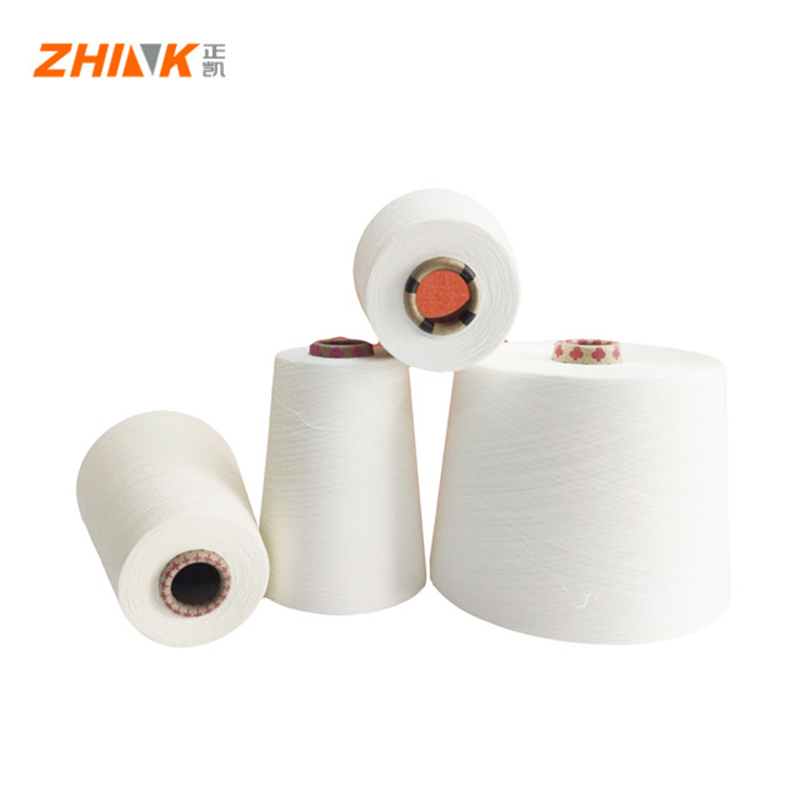
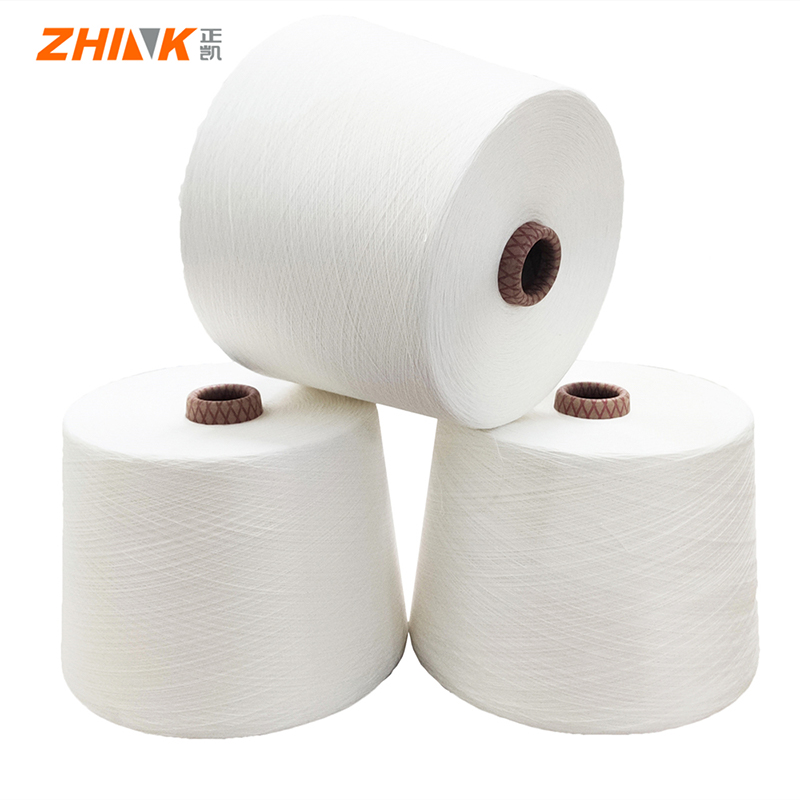
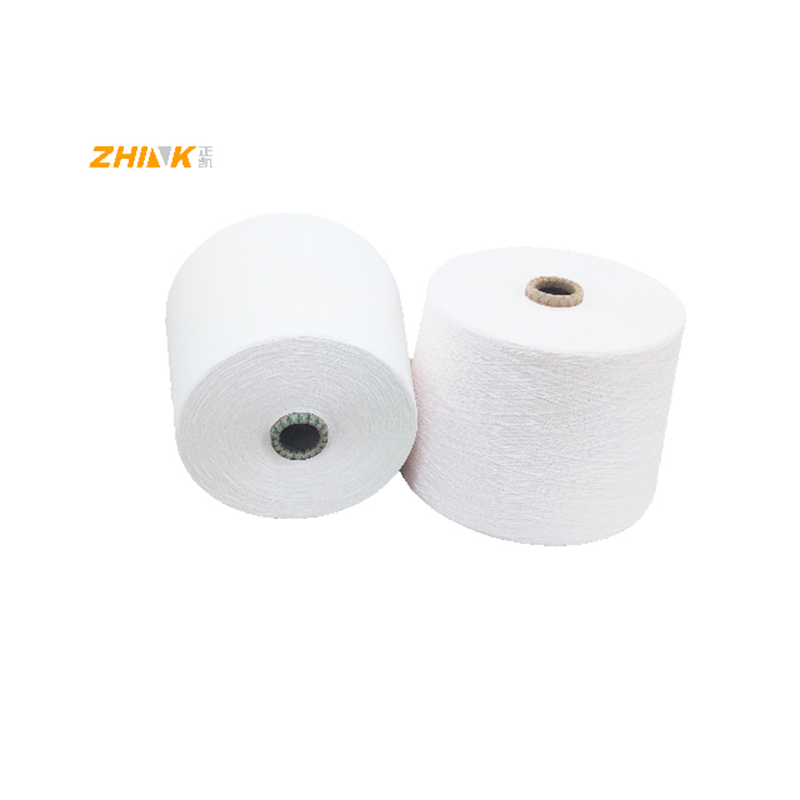
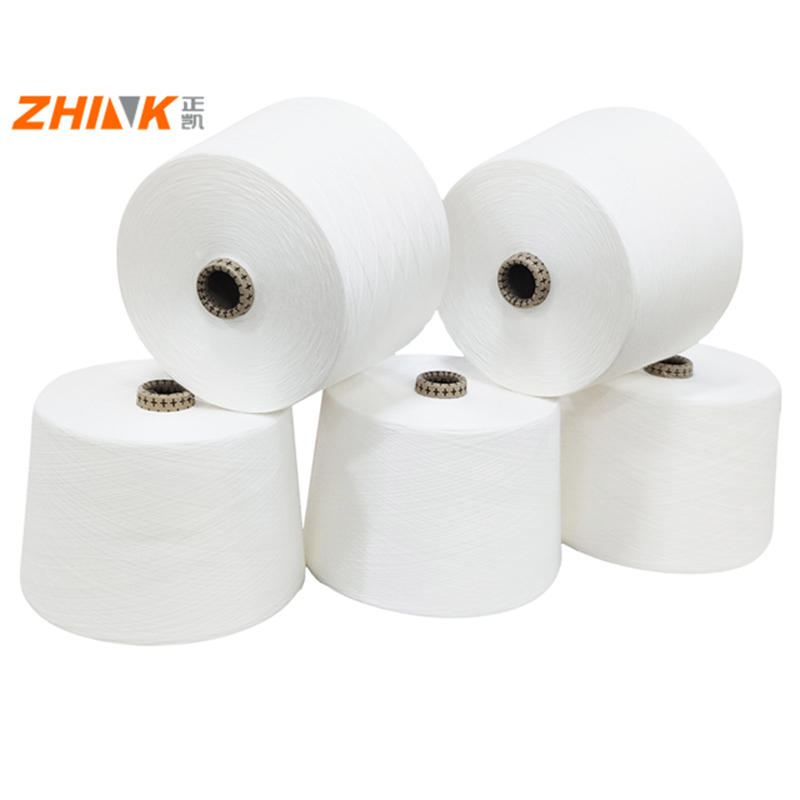
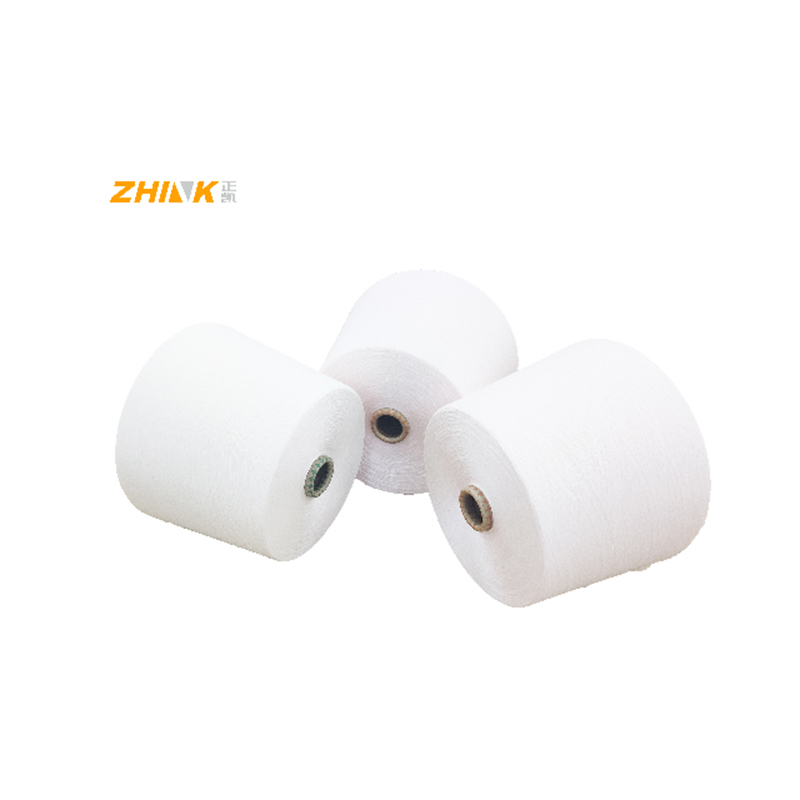
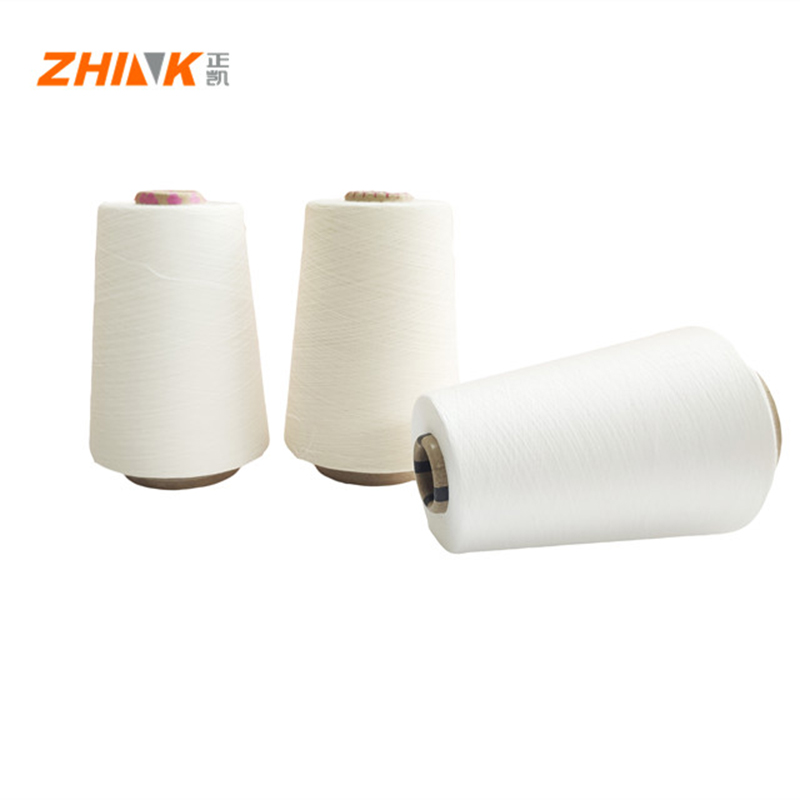
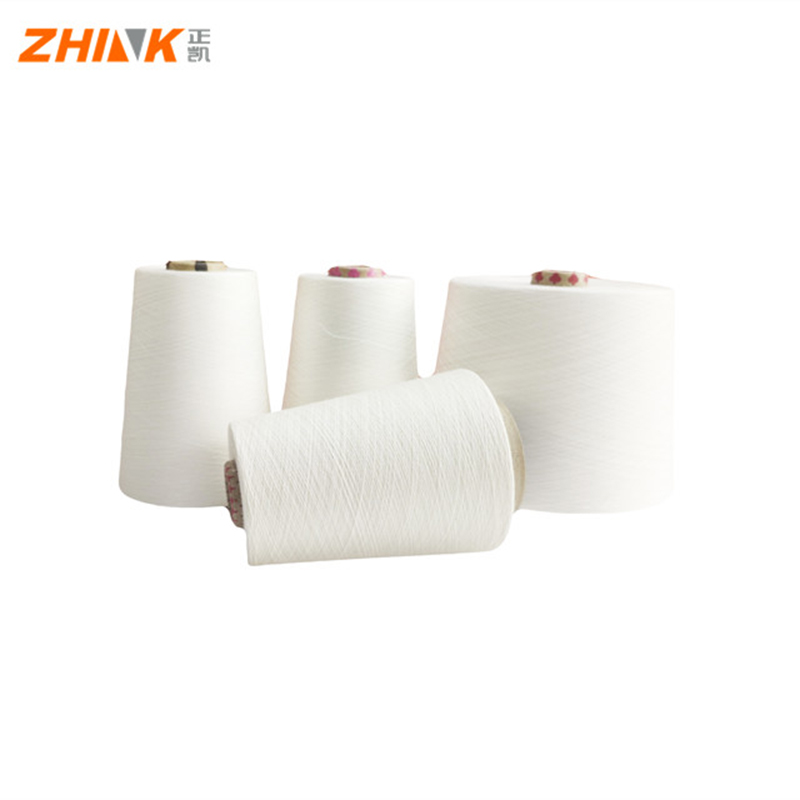
30/2 Flame retardant acrylic yarn
The Versatile World of 30/2 Flame Retardant Acrylic Yarn
The phrase 30/2 Flame Retardant Acrylic Yarn might sound like textile jargon, but for those in the industry, it's a staple in safety-focused fabrics. This special yarn offers a blend of safety and functionality, yet there's more than meets the eye. Let's delve into its intricacies and understand why it's gaining traction.
Understanding Flame Retardant Properties
When we talk about flame retardant properties, we're addressing a critical safety requirement in many industries. These yarns undergo special treatments or use inherent materials to resist ignition. But don't mistake them for being completely fireproof; they're more accurately resistant to fire spread.
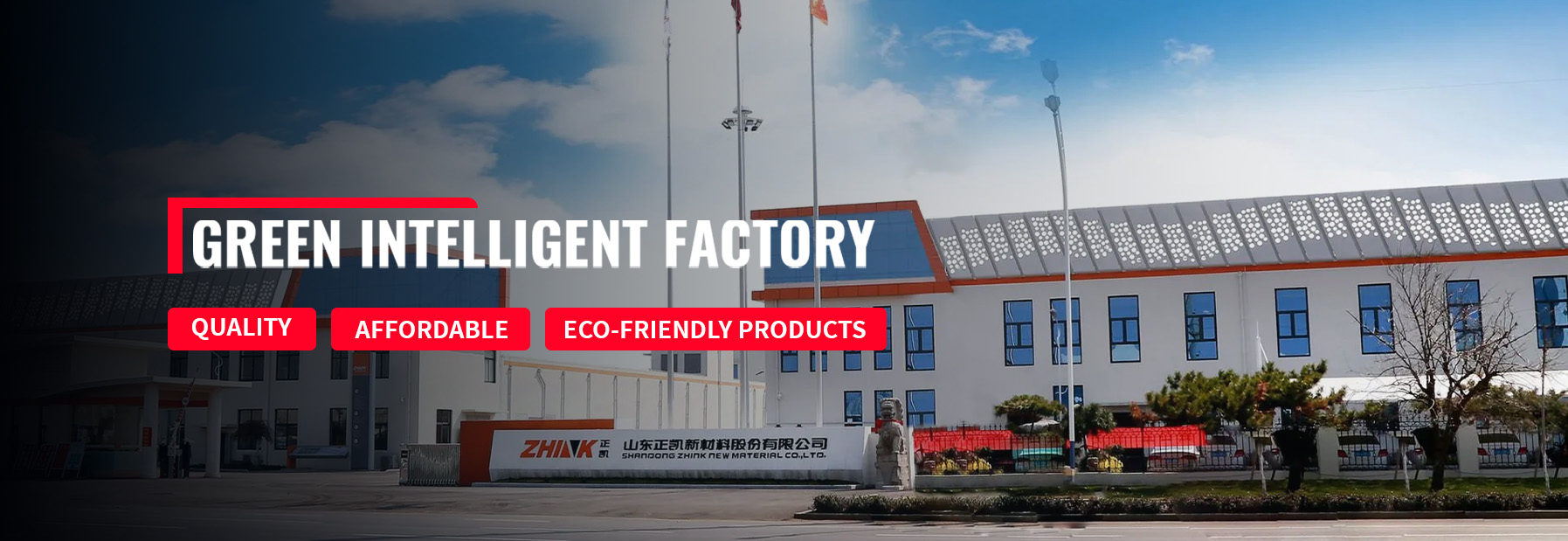
In my experience, handling these yarns requires understanding both the technical specs and the real-world application. Once, on a project with SHANDONG ZHINK NEW MATERIAL CO., LTD, we explored various compositions to ensure compliance with safety regulations without compromising on texture.
These trials taught us that while standards set the baseline, actual performance can vary based on spinning techniques and environmental conditions. It's not just about the yarn, but the interplay of all elements involved.
The Role of Acrylic in Yarn Production
Acrylic yarn is prized for its wool-like feel and affordability, making it suitable for diverse applications. In the case of flame retardant variants, the challenge lies in maintaining acrylic's inherent softness while enhancing safety features.
At Zhink New Material, the focus is on balancing these aspects. You wouldn't believe the number of tests involved to achieve the perfect equilibrium. We use proprietary processes to embed flame retardant properties during production, and it's a meticulous dance of chemistry and engineering.
I recall a particular setback where an early batch lost softness post-treatment. It reminded us that every modification, no matter how minor, can ripple through the entire product lifecycle.
Applications Across Industries
The versatility of 30/2 flame retardant acrylic yarn is best seen through its widespread use. From automotive interiors to protective clothing, the demand is robust. Let's say you're outfitting an office with new upholstery; the safety aspect becomes non-negotiable.
SHANDONG ZHINK NEW MATERIAL CO., LTD, with its comprehensive range, caters to varied needs, always keeping safety and quality at the forefront. But the application isn't a mere technicality—it's about matching consumer expectations with distinctive characteristics.
Different sectors have unique requirements, and so customization is key. I've seen adjustments in yarn weight or finish to suit specific demands, a flexibility that is crucial for competitive advantage.
Environmental and Compliance Challenges
Environmental considerations are an integral aspect of our work. Flame retardant treatments often involve chemicals that raise sustainability concerns. Compliance and eco-friendliness must go hand in hand—an aspect deeply ingrained in Zhink New Material's ethos.
Regulations ensure safety but also demand responsible production approaches. Navigating this landscape requires continual adaptation. In certain markets, meeting stringent emissions targets is a hurdle yet necessary to align with global standards.
I've witnessed firsthand the challenges in retrofitting existing facilities to meet new compliance measures—a complex but rewarding endeavor in upholding our commitment to sustainable practices.
The Future of Flame Retardant Yarn
The journey doesn't end here. The future holds exciting innovations in the realm of 30/2 flame retardant acrylic yarn. Emerging technologies promise new coatings and treatments that could redefine existing paradigms.
As stakeholders, our role is not just to meet current demands but to anticipate new trends and challenges. The research team at Zhink is constantly at the forefront, exploring how novel fibers can be integrated into flame retardant solutions.
Ultimately, the pursuit is about creating textiles that are not only safe but also fundamentally aligned with modern design aesthetics and environmental stewardship—a balance that will shape the next generation of textiles. For more information, you can visit our website at Zhink Yarn.
Related Products
Related Products