+86-632-3621866
- Chinese
- French
- German
- Portuguese
- Spanish
- Russian
- Japanese
- Korean
- Arabic
- Irish
- Greek
- Turkish
- Italian
- Danish
- Romanian
- Indonesian
- Czech
- Afrikaans
- Swedish
- Polish
- Basque
- Catalan
- Esperanto
- Hindi
- Lao
- Albanian
- Amharic
- Armenian
- Azerbaijani
- Belarusian
- Bengali
- Bosnian
- Bulgarian
- Cebuano
- Chichewa
- Corsican
- Croatian
- Dutch
- Estonian
- Filipino
- Finnish
- Frisian
- Galician
- Georgian
- Gujarati
- Haitian
- Hausa
- Hawaiian
- Hebrew
- Hmong
- Hungarian
- Icelandic
- Igbo
- Javanese
- Kannada
- Kazakh
- Khmer
- Kurdish
- Kyrgyz
- Latin
- Latvian
- Lithuanian
- Luxembou..
- Macedonian
- Malagasy
- Malay
- Malayalam
- Maltese
- Maori
- Marathi
- Mongolian
- Burmese
- Nepali
- Norwegian
- Pashto
- Persian
- Punjabi
- Serbian
- Sesotho
- Sinhala
- Slovak
- Slovenian
- Somali
- Samoan
- Scots Gaelic
- Shona
- Sindhi
- Sundanese
- Swahili
- Tajik
- Tamil
- Telugu
- Thai
- Ukrainian
- Urdu
- Uzbek
- Vietnamese
- Welsh
- Xhosa
- Yiddish
- Yoruba
- Zulu
- Kinyarwanda
- Tatar
- Oriya
- Turkmen
- Uyghur



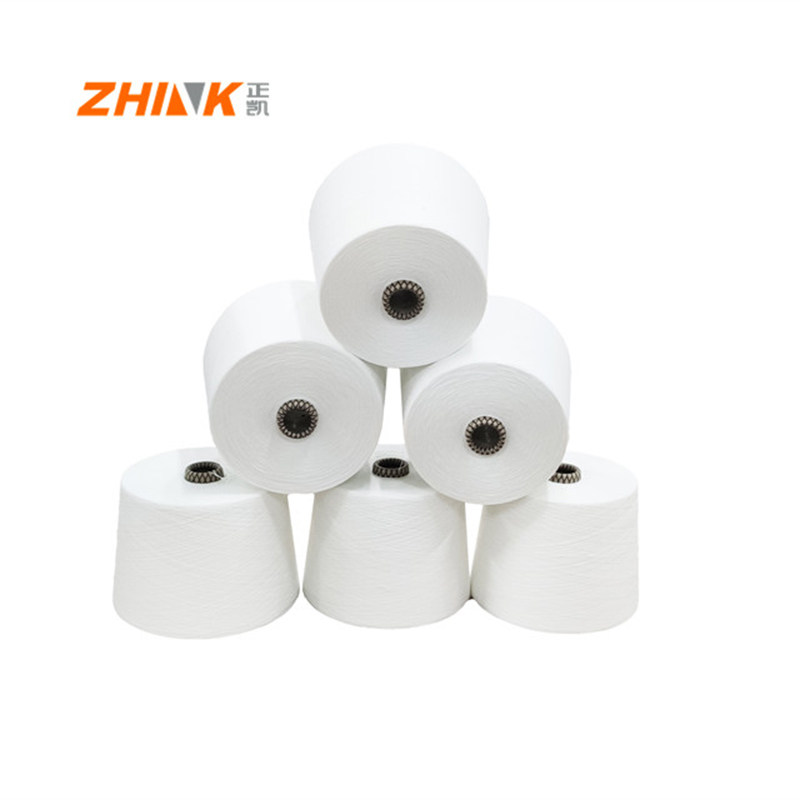
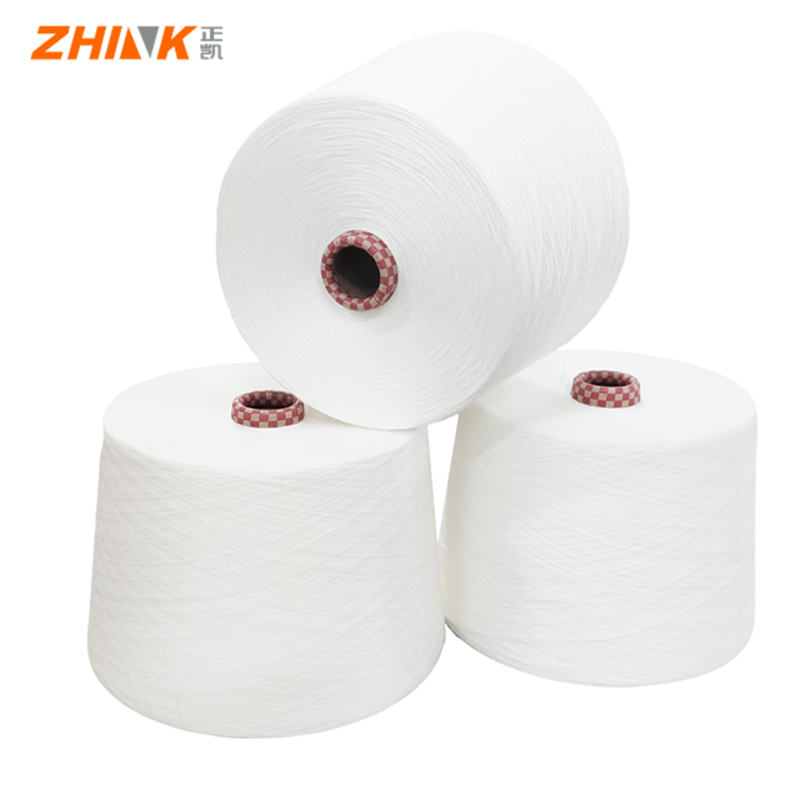
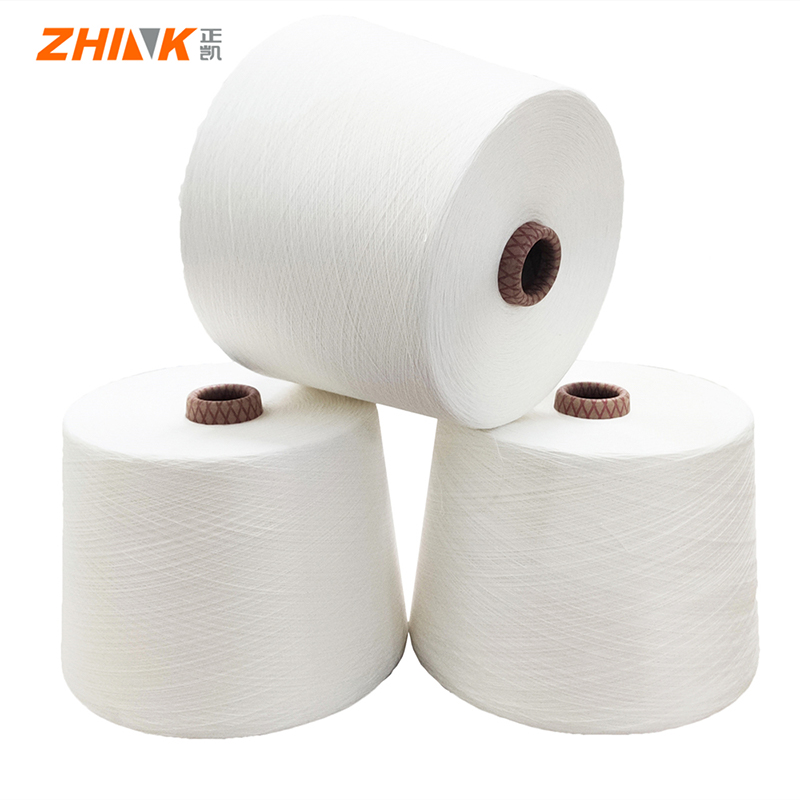
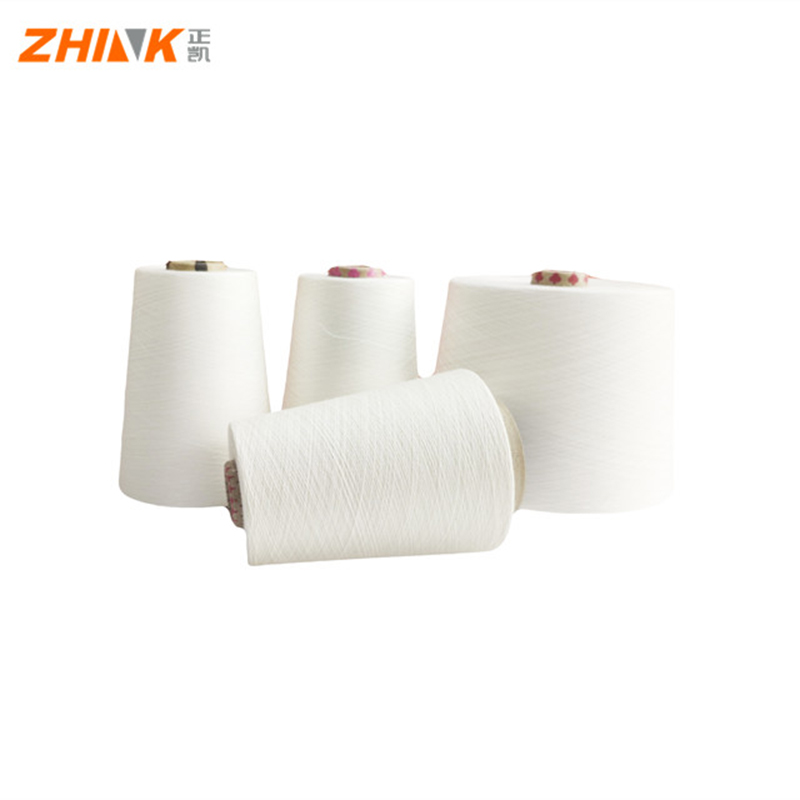
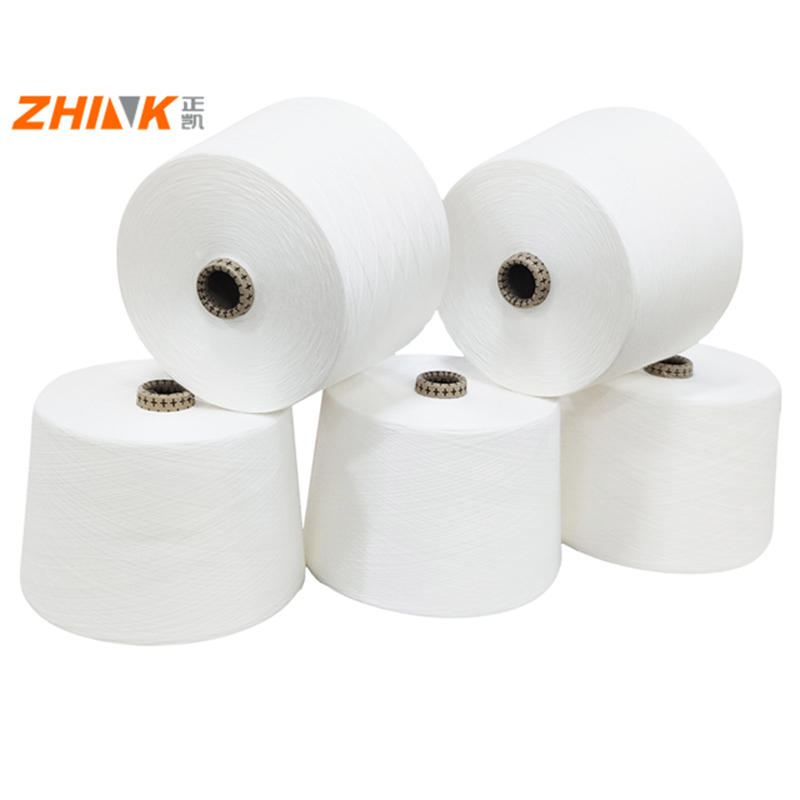
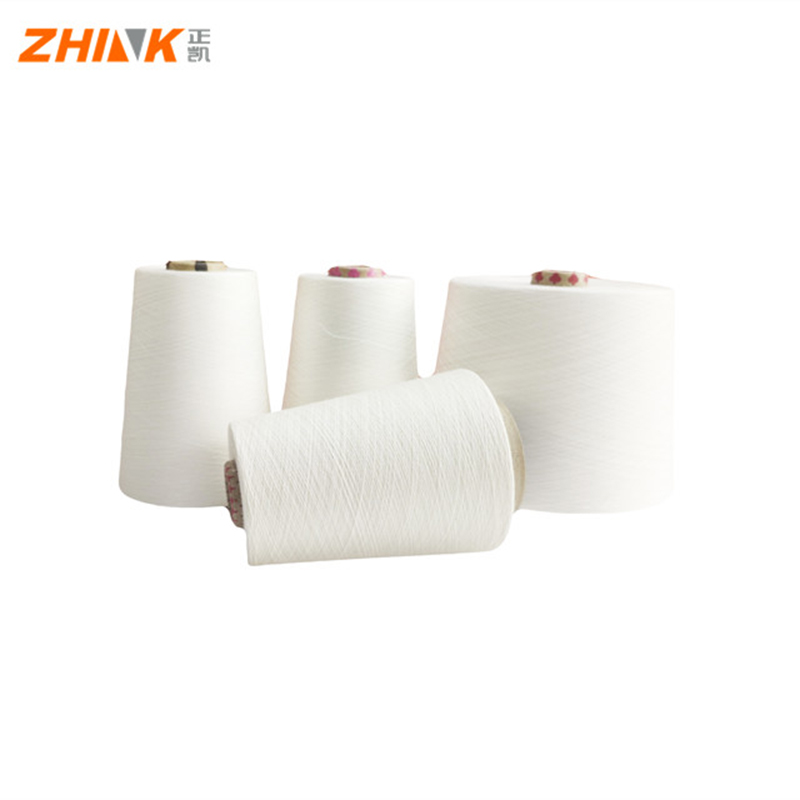
30/2 Flame retardant polyester yarn
Exploring the Dynamic World of Flame Retardant Polyester Yarn
Navigating the intricacies of 30/2 Flame retardant polyester yarn can be surprisingly nuanced. It’s not just about weaving threads together; it’s a dance of chemistry, safety standards, and textile innovation. Let me walk you through some insights and the occasional curveball I've encountered in this field.
Understanding the Basics
When we talk about 30/2 Flame retardant polyester yarn, there’s an immediate tendency to think about fire safety. And yes, that’s a major component. The yarn is crafted to resist ignition and slow down the burn rate, making it invaluable in industries where fire safety is paramount. But there's more beneath the surface. It's a complex blend, often requiring precise engineering.
One common misconception is that flame retardant properties are solely reliant on chemical treatments. While chemicals play a significant role, the structure of the polyester itself is designed to resist high temperatures. It’s this blend of materials science and chemistry that gives the yarn its unique properties.
I’ve observed many newcomers to the field focus solely on the chemical aspect, overlooking the textile engineering involved. In reality, crafting a quality yarn involves close attention to the filament’s core properties as much as its surface treatments.
Challenges in Production
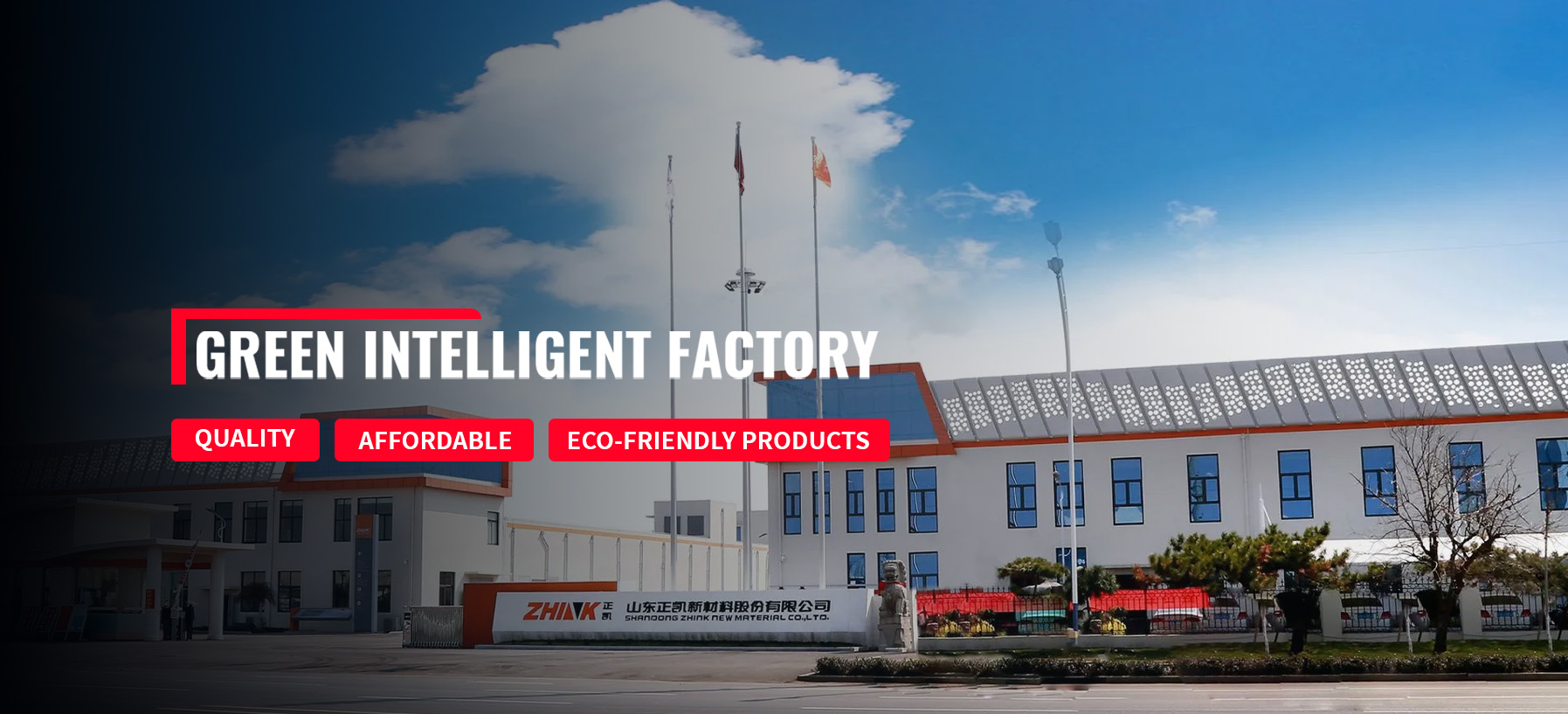
Producing flame retardant polyester yarn isn't without its hurdles. At SHANDONG ZHINK NEW MATERIAL CO., LTD, where we specialize in such materials, consistency is key. One challenge is ensuring uniformity across batches to meet stringent safety standards. Variability can affect not just performance, but industrial applications where precision matters.
During one of our earlier production runs, a slight deviation in chemical application caused unexpected results. Although the effects were minor, it highlighted the critical nature of quality control. Consistency in both the yarn’s tensile strength and its flame retardant capability is a must.
Our approach involves constant testing at each stage. It’s tedious, sure, but there’s no room for error where safety is concerned. Many might think the process is linear; it’s actually more cyclical, with feedback loops ensuring adjustments are made as needed.
Practical Applications and Considerations
The end-use of 30/2 Flame retardant polyester yarn is as varied as you can imagine. From upholstery in commercial transports to protective clothing, its versatility stands out. But practical application doesn’t just depend on meeting safety standards; it often requires a blend of properties tailored to specific environments.
Take for instance our work with transportation seating. Here, the yarn's wear resistance is as crucial as its flame retardant properties. No one wants a fabric that frays quickly, even if it’s the safest option in a fire scenario.
Moreover, different industries have slightly varying standards for flame retardancy. Being abreast with each sector’s requirements can help tailor the product more specifically. It’s not a one-size-fits-all situation.
Innovations on the Horizon
With textile innovation, staying stagnant isn’t an option. At Zhink New Material, research and development are at the forefront. We continually explore new compounds and blends that enhance performance while maintaining eco-friendliness.
There’s an emerging demand for sustainability in flame retardants. Transitioning to more biodegradable and non-toxic alternatives is not just an environmental imperative but a competitive one as well. The market's shifting, and being proactive is key.
Finding that balance often requires a multidisciplinary approach, pulling in experts from various fields to refine both the product and the process. It’s no simple feat, but the resultant innovations could set new industry benchmarks.
A Personal Reflection
Having spent years in this field, I’ve come to appreciate the complexity and challenges of developing and producing flame retardant polyester yarn. It’s more than just fibers spun together; it's a manifestation of technical expertise and a commitment to safety and quality.
Every successful batch is a product of collective effort, from the chemists to the engineers. SHANDONG ZHINK NEW MATERIAL CO., LTD's role in pioneering these innovations is simply one part of a larger tapestry of ongoing advancement.
Ultimately, staying curious, adapting, and learning from every misstep along the way remains pivotal. That’s what makes this journey not just intricate but incredibly rewarding. For more insights and information, my colleagues and I are always exploring new opportunities—visit us at ZHINK New Material to learn more about our ongoing projects and innovations.
Related Products
Related Products