+86-632-3621866
- Chinese
- French
- German
- Portuguese
- Spanish
- Russian
- Japanese
- Korean
- Arabic
- Irish
- Greek
- Turkish
- Italian
- Danish
- Romanian
- Indonesian
- Czech
- Afrikaans
- Swedish
- Polish
- Basque
- Catalan
- Esperanto
- Hindi
- Lao
- Albanian
- Amharic
- Armenian
- Azerbaijani
- Belarusian
- Bengali
- Bosnian
- Bulgarian
- Cebuano
- Chichewa
- Corsican
- Croatian
- Dutch
- Estonian
- Filipino
- Finnish
- Frisian
- Galician
- Georgian
- Gujarati
- Haitian
- Hausa
- Hawaiian
- Hebrew
- Hmong
- Hungarian
- Icelandic
- Igbo
- Javanese
- Kannada
- Kazakh
- Khmer
- Kurdish
- Kyrgyz
- Latin
- Latvian
- Lithuanian
- Luxembou..
- Macedonian
- Malagasy
- Malay
- Malayalam
- Maltese
- Maori
- Marathi
- Mongolian
- Burmese
- Nepali
- Norwegian
- Pashto
- Persian
- Punjabi
- Serbian
- Sesotho
- Sinhala
- Slovak
- Slovenian
- Somali
- Samoan
- Scots Gaelic
- Shona
- Sindhi
- Sundanese
- Swahili
- Tajik
- Tamil
- Telugu
- Thai
- Ukrainian
- Urdu
- Uzbek
- Vietnamese
- Welsh
- Xhosa
- Yiddish
- Yoruba
- Zulu
- Kinyarwanda
- Tatar
- Oriya
- Turkmen
- Uyghur



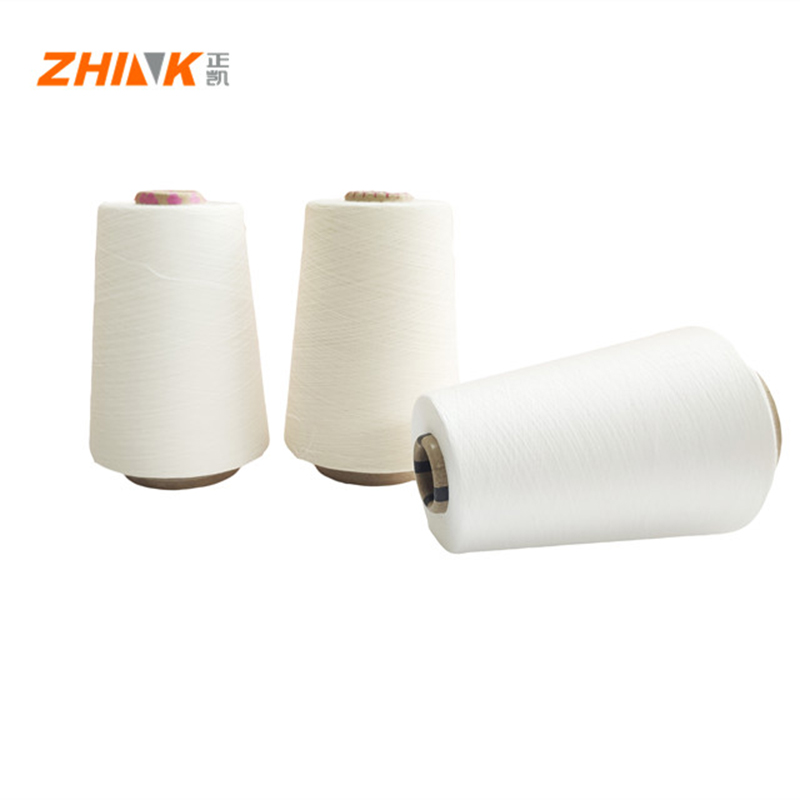
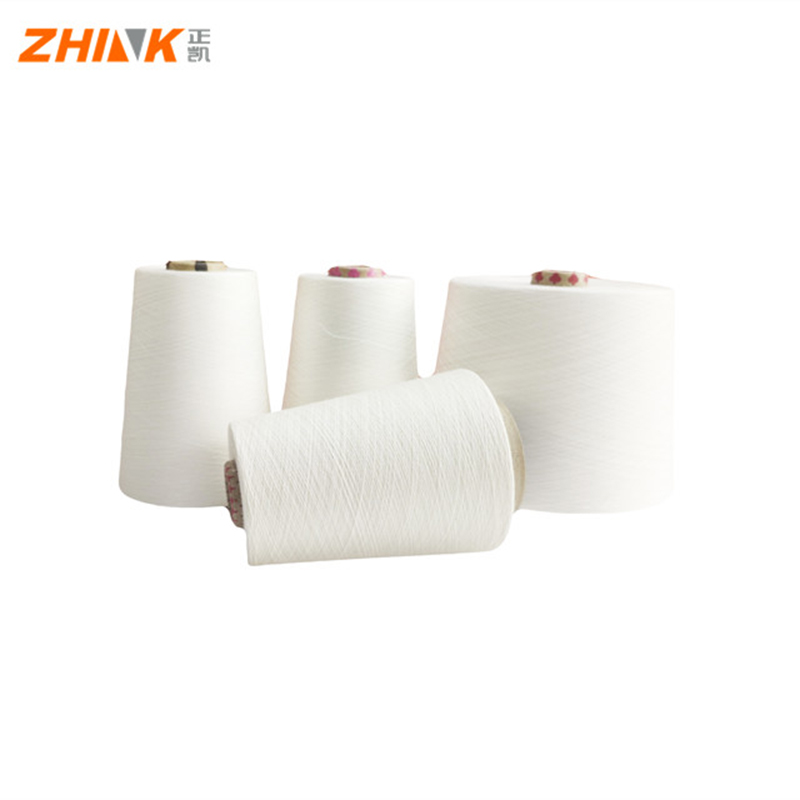
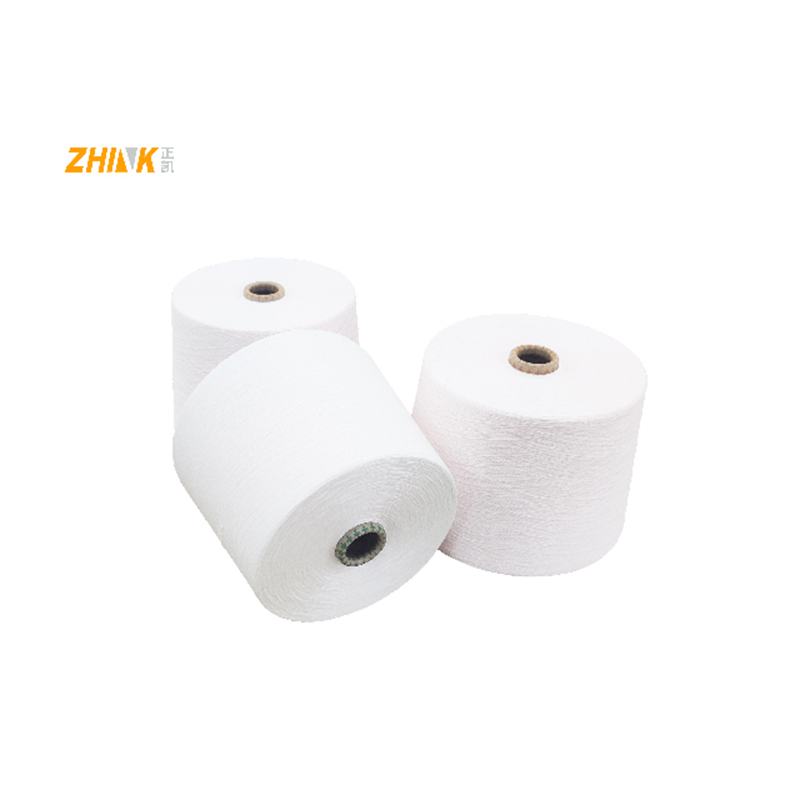
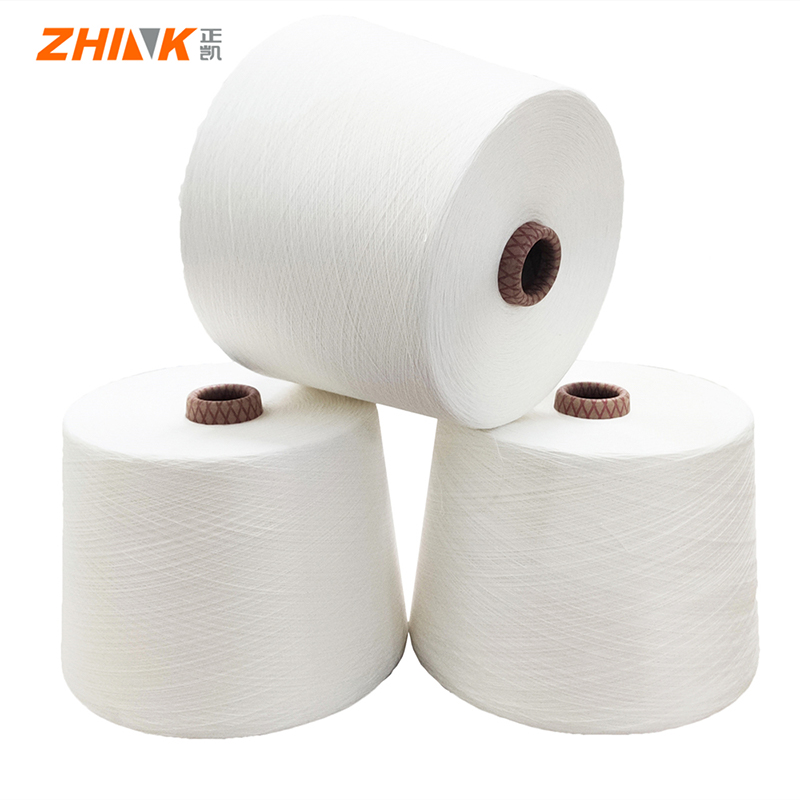
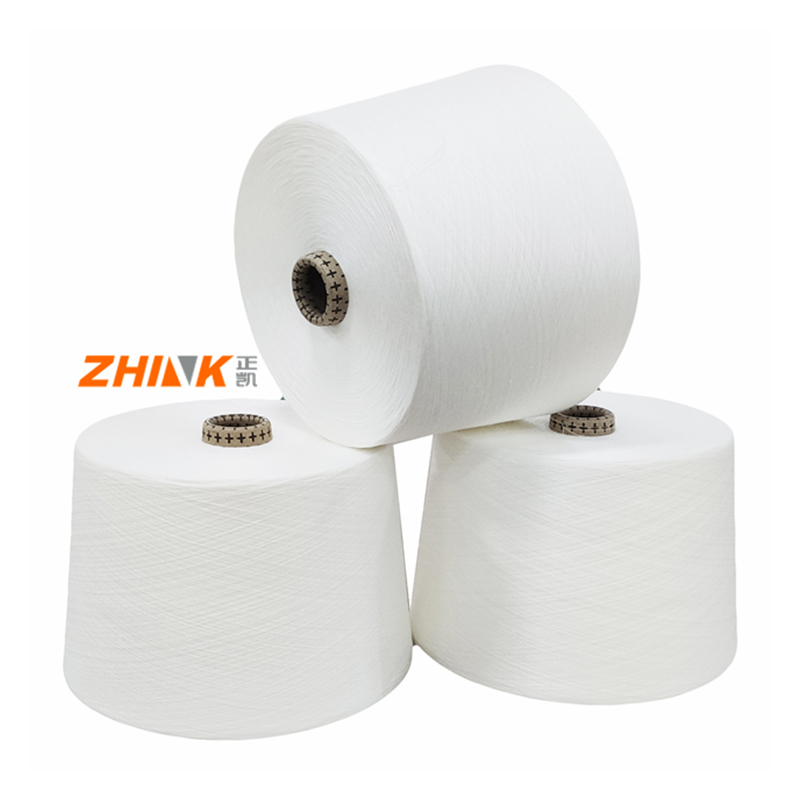
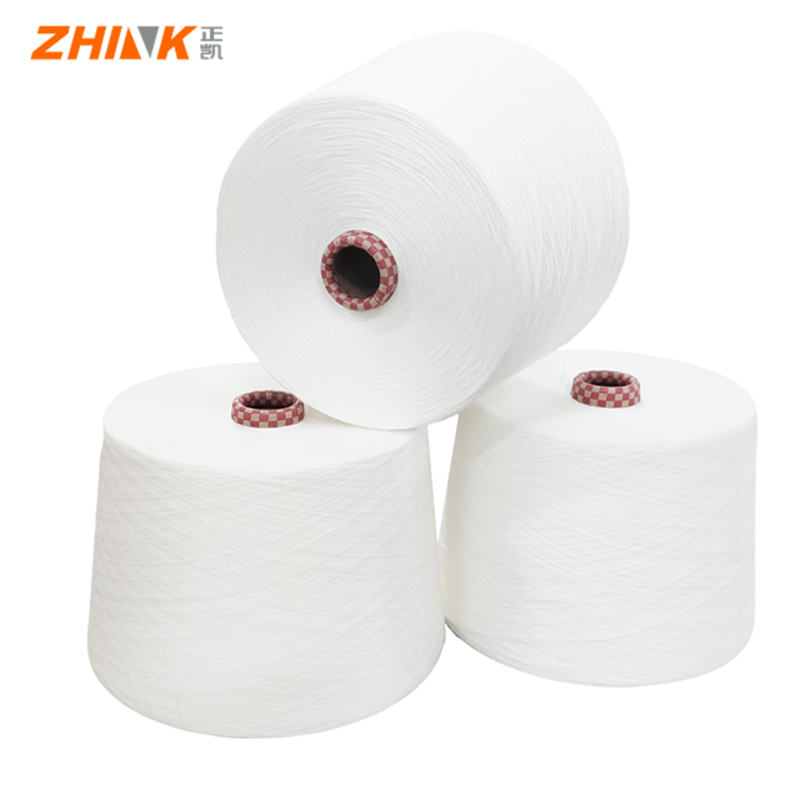
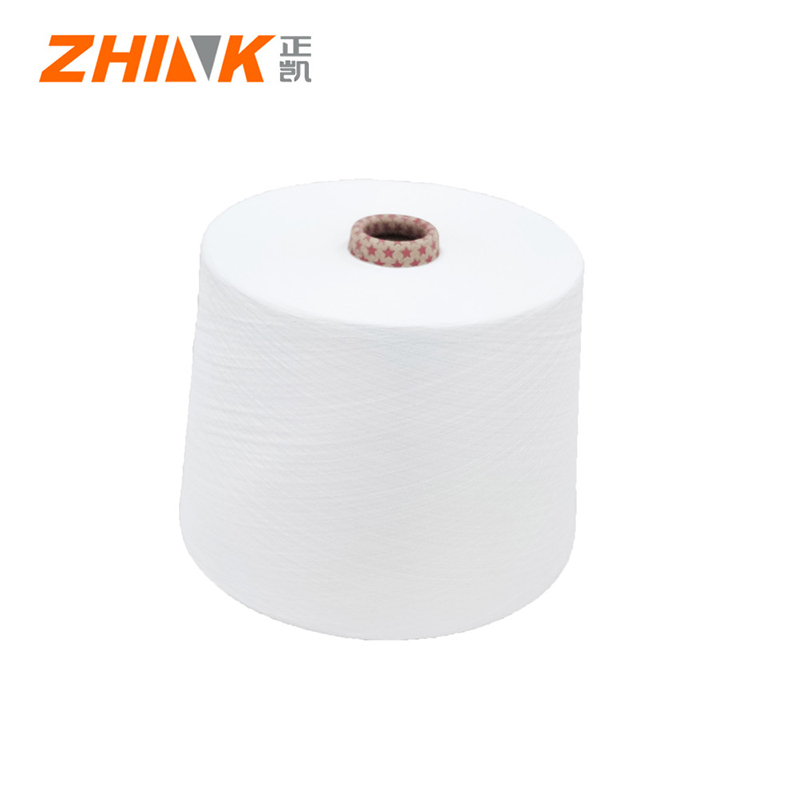
30/2 Lyocell yarn
The Intricacies of 30/2 Lyocell Yarn: A Weaver’s Insight
When diving into the world of yarns, the magic of 30/2 Lyocell yarn often gets lost amidst industry jargon. It's a fiber that marries sustainability with versatility, yet its nuances can be complex. Let's unpack its characteristics, potential pitfalls, and why it may just be the missing piece in your textile projects.
A Closer Look at 30/2 Lyocell Yarn
So, what exactly is 30/2 Lyocell yarn? It’s a type of yarn with a 30-denier count, spun in a 2-ply structure. This means it’s both fine and strong, ideal for creating lightweight yet durable fabrics. Lyocell, derived from wood pulp, is renowned for its eco-friendly attributes, thanks to its closed-loop production process. But there’s more to it than just numbers and sustainability.
From my observations working with Zhink New Material—which specializes in innovative textiles—we’ve found that 30/2 Lyocell strikes a balance between softness and resilience. Its fineness lends a silky texture to finished products while maintaining strong tensile strength. This is key for garments that need to stand the test of time while feeling great against the skin.
However, not all that glitters is gold. Although a fantastic material, Lyocell can be tricky. It’s highly absorbent, which is great for dyeing but can lead to shrinkage if not pre-treated properly. Without adequate pre-washing, you may end up with fabrics that alter shape post-production, a costly mistake if overlooked.
Challenges and Considerations
In practice, a common misstep is underestimating the yarn's moisture sensitivity. I've seen countless designers run into issues with tension and uneven seams due to the yarn’s smoothness. The yarn's slipperiness can be managed with the right tension setting, but it takes a bit of trial and error.
Stitch definition is another point worth considering. The fineness of 30/2 Lyocell lends itself beautifully to intricate stitch patterns, allowing the details to shine. But it’s a double-edged sword; any inconsistencies in technique become immediately apparent. Patience and precision are paramount.
Incorporating this yarn requires forethought. From handling to weaving, a gentle touch is needed. The rewards, however, are well worth the effort when you see the final product—a harmonious blend of elegance and durability.
Environmental Impact and Sustainability
One of the things I appreciate about working at Zhink New Material (visit us at www.zhinkyarn.com) is our commitment to sustainability. The Lyocell process poses minimal harm to the environment, using less water and ensuring that solvents are recycled efficiently. This positions it as a conscious choice for eco-aware creators.
However, this does bring up practical considerations. Sustainable materials often carry a heftier price tag, and Lyocell is no exception. In budgeting your projects, it’s crucial to weigh the environmental benefits against the cost implications. For many, the long-term benefits of a lower carbon footprint justify the initial investment.
Moreover, understanding the end-of-life scenarios for Lyocell products can inform decisions. The biodegradability is a major plus, but ensuring disposal methods complement this eco-friendliness helps complete the sustainability loop.
Market Trends and Applications
The interest in fabrics like 30/2 Lyocell yarn is on the rise, especially in markets that value sustainability without compromising quality. In our work at Zhink, we’ve catered to an array of sectors—from high-end fashion to interior textiles—proving its versatile applications.
One fascinating application is in the realm of intimate wear. The yarn’s natural moisture-wicking properties make it ideal for such garments, offering both comfort and functionality. Similarly, its hypoallergenic qualities make it a preferred choice for sensitive skin products.
This adaptability extends to blends, too. Mixing Lyocell with cotton or wool can result in hybrid materials that capture the best properties of each. Experimenting with blends can lead to innovative textiles, offering unique value propositions in competitive markets.
Concluding Thoughts: Is 30/2 Lyocell Yarn Right For You?
After all’s said and done, deciding if 30/2 Lyocell yarn fits your needs requires balancing its benefits with potential challenges. Its sustainable nature and tactile appeal are undeniable, but so are the careful considerations in handling it.
From my perspective, if you're willing to engage with the learning curve and adapt to its characteristics, Lyocell can elevate your textile projects substantially. At SHANDONG ZHINK NEW MATERIAL CO., LTD., our journey with Lyocell continues to yield inspiring outcomes, pushing the boundaries of sustainable textile innovation.
In essence, 30/2 Lyocell yarn is more than just a sustainable choice—it's a commitment to quality, innovation, and the future of textile craftsmanship.
Related Products
Related Products