+86-632-3621866
- Chinese
- French
- German
- Portuguese
- Spanish
- Russian
- Japanese
- Korean
- Arabic
- Irish
- Greek
- Turkish
- Italian
- Danish
- Romanian
- Indonesian
- Czech
- Afrikaans
- Swedish
- Polish
- Basque
- Catalan
- Esperanto
- Hindi
- Lao
- Albanian
- Amharic
- Armenian
- Azerbaijani
- Belarusian
- Bengali
- Bosnian
- Bulgarian
- Cebuano
- Chichewa
- Corsican
- Croatian
- Dutch
- Estonian
- Filipino
- Finnish
- Frisian
- Galician
- Georgian
- Gujarati
- Haitian
- Hausa
- Hawaiian
- Hebrew
- Hmong
- Hungarian
- Icelandic
- Igbo
- Javanese
- Kannada
- Kazakh
- Khmer
- Kurdish
- Kyrgyz
- Latin
- Latvian
- Lithuanian
- Luxembou..
- Macedonian
- Malagasy
- Malay
- Malayalam
- Maltese
- Maori
- Marathi
- Mongolian
- Burmese
- Nepali
- Norwegian
- Pashto
- Persian
- Punjabi
- Serbian
- Sesotho
- Sinhala
- Slovak
- Slovenian
- Somali
- Samoan
- Scots Gaelic
- Shona
- Sindhi
- Sundanese
- Swahili
- Tajik
- Tamil
- Telugu
- Thai
- Ukrainian
- Urdu
- Uzbek
- Vietnamese
- Welsh
- Xhosa
- Yiddish
- Yoruba
- Zulu
- Kinyarwanda
- Tatar
- Oriya
- Turkmen
- Uyghur



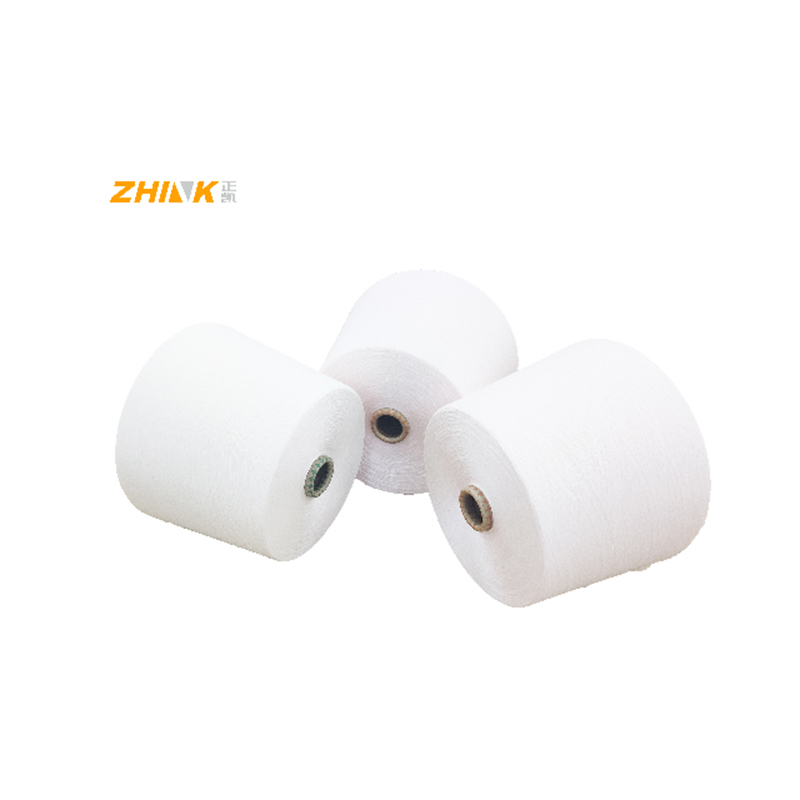
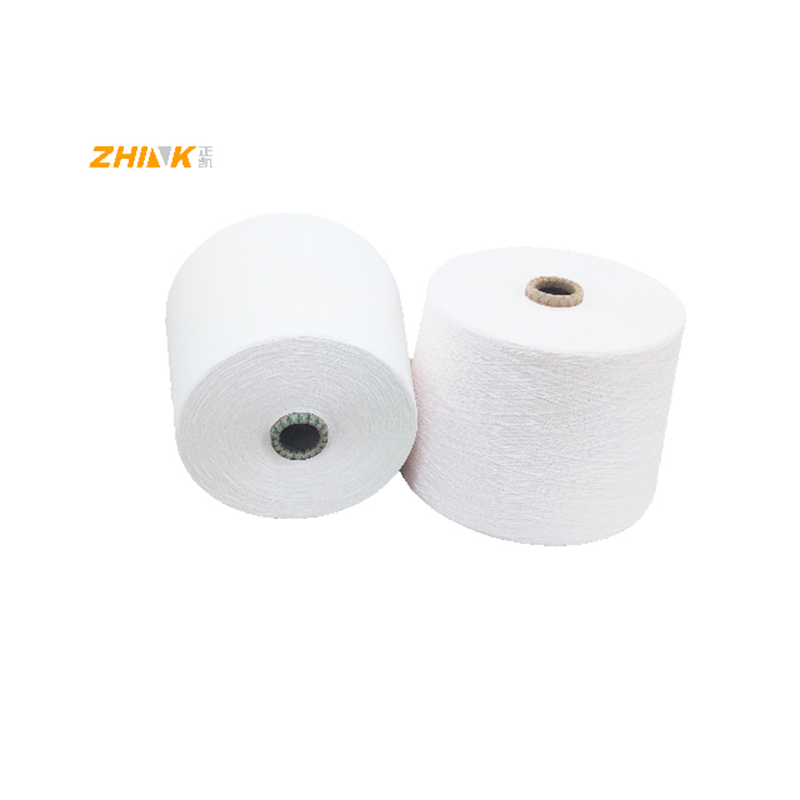
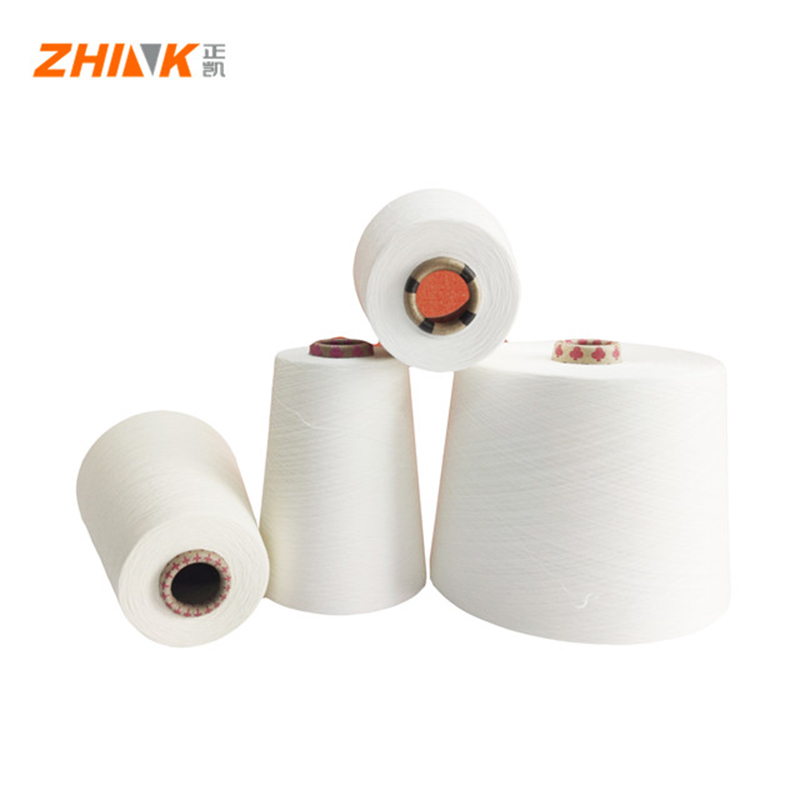
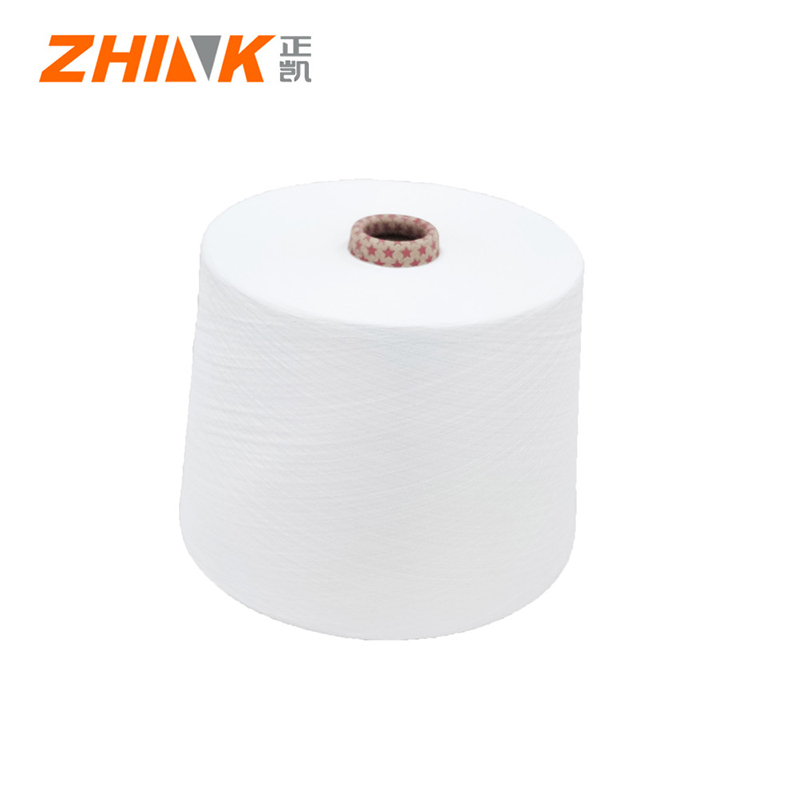
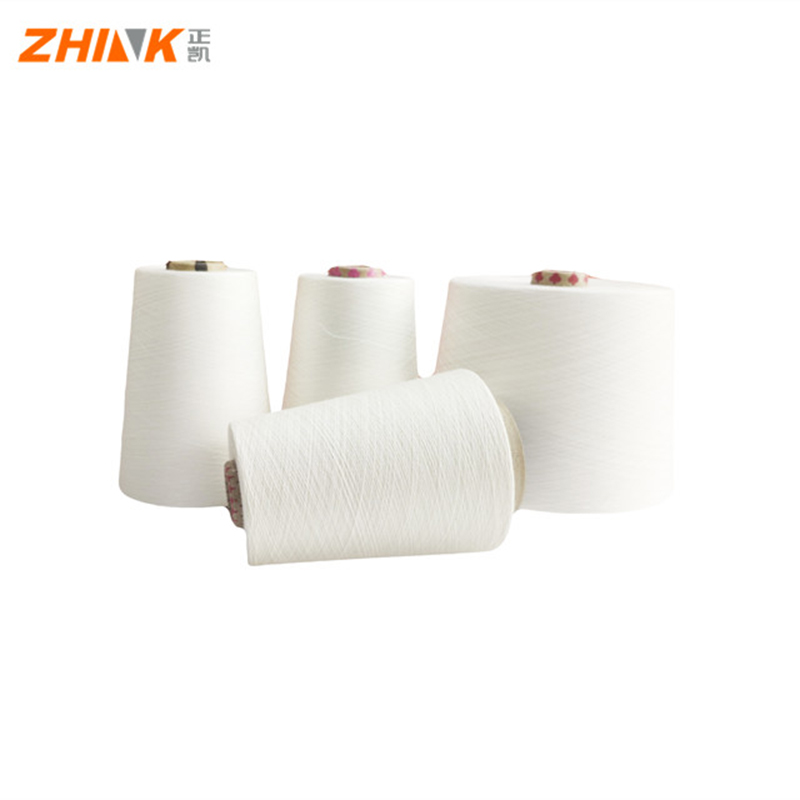
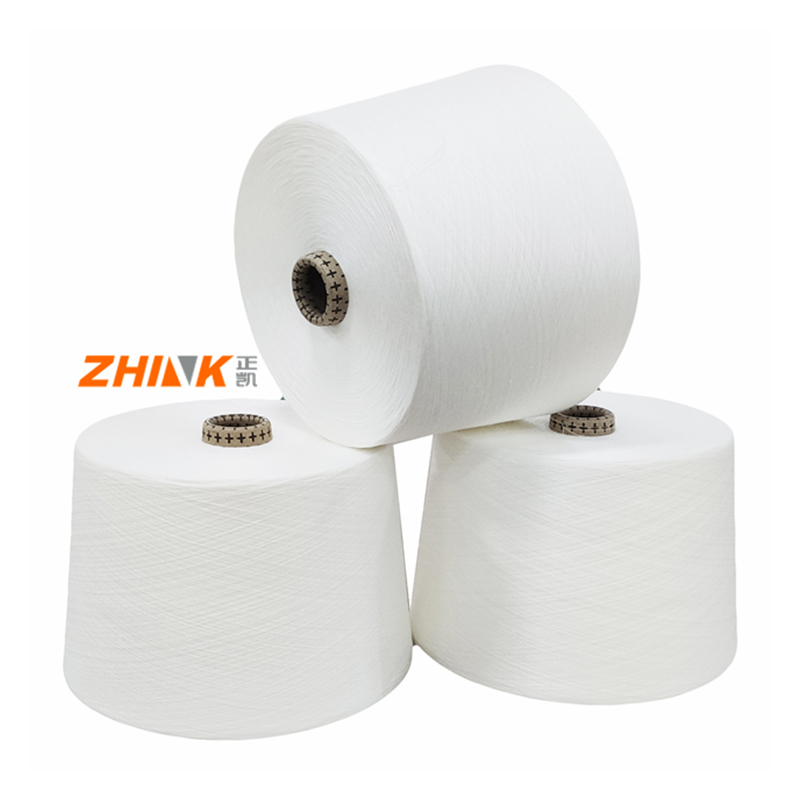
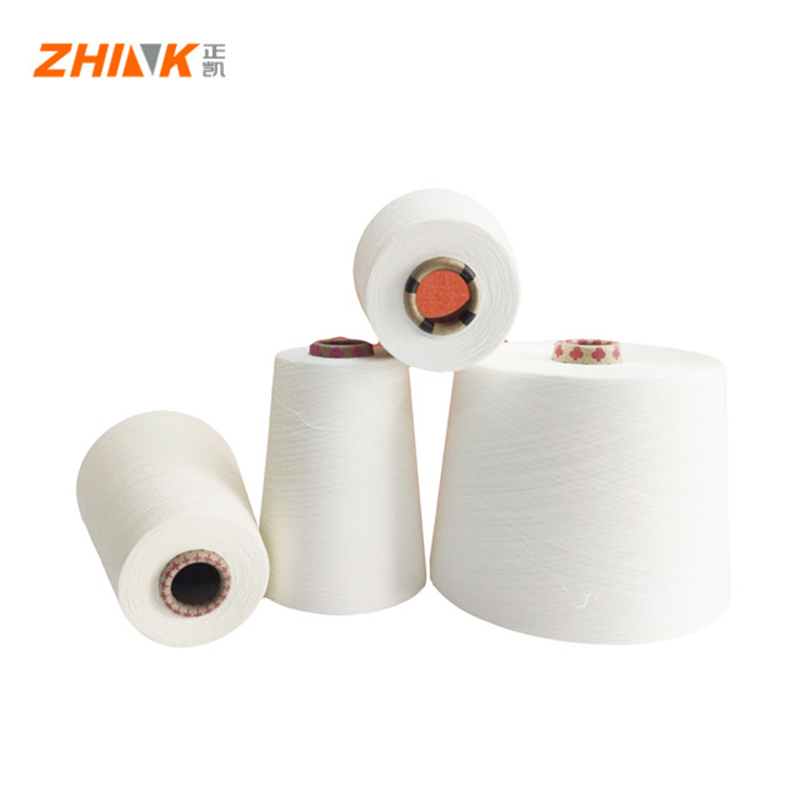
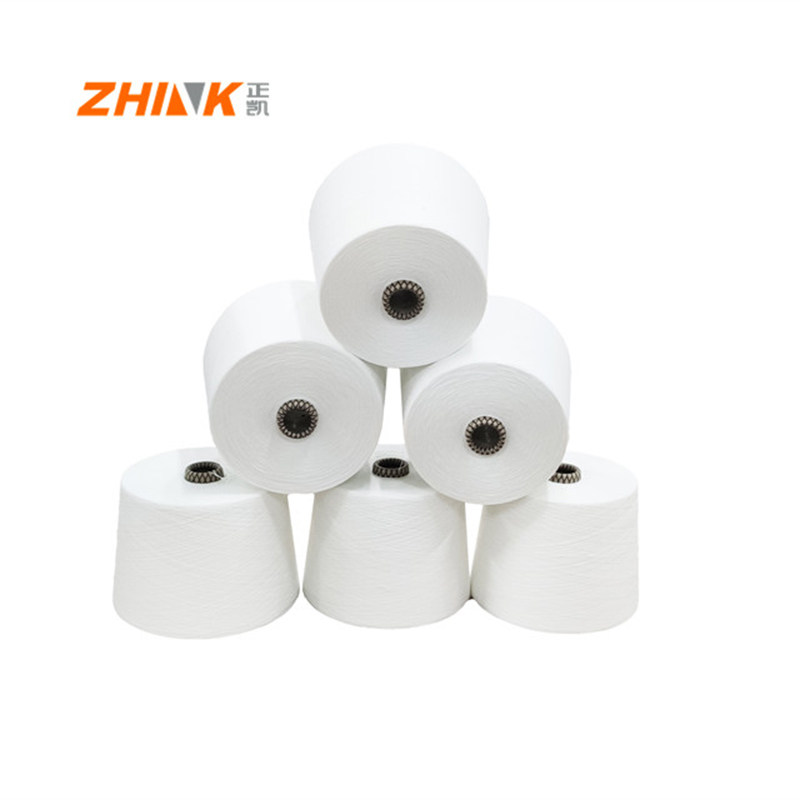
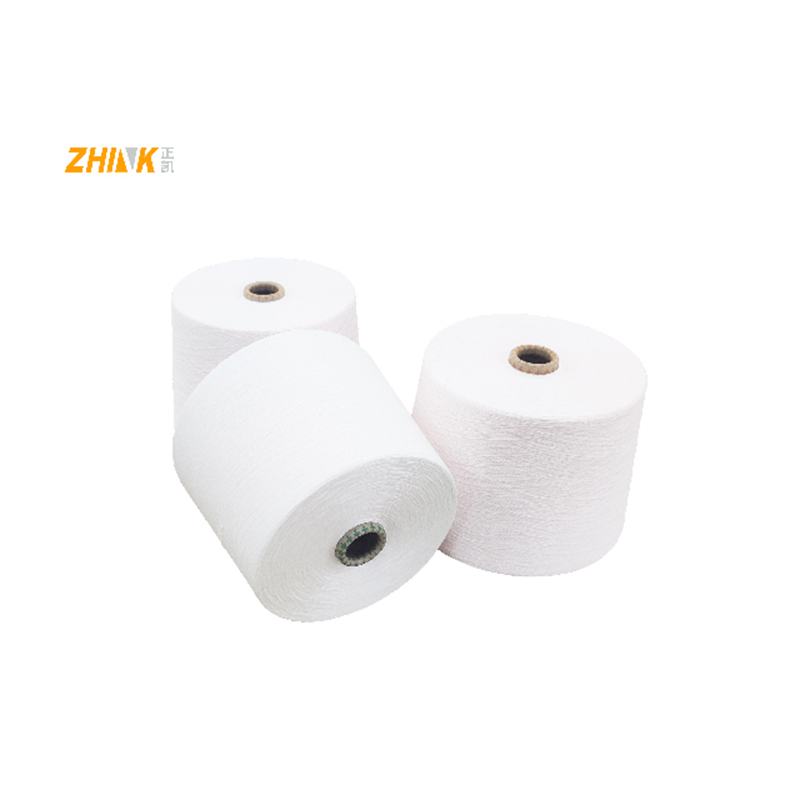
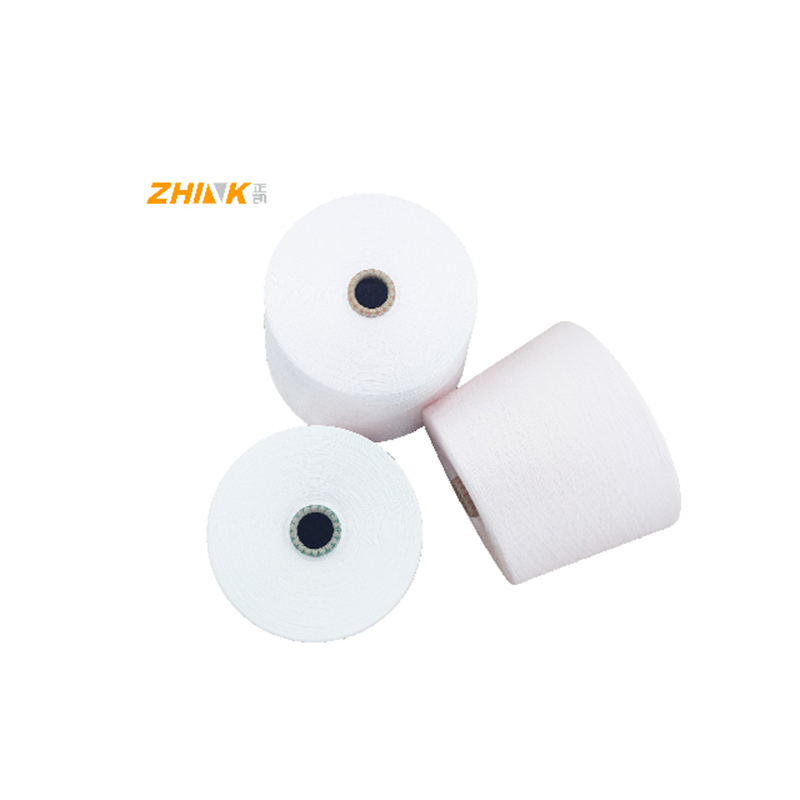
30/2 modal yarn
Exploring the Unique Qualities of 30/2 Modal Yarn
30/2 modal yarn is a term often heard but perhaps not fully understood in the textile industry. This yarn combines the silky qualities of modal with a specific yarn count that appeals to many fabric designers. What does this mean for your next project?
Understanding 30/2 Modal Yarn
The notion of 30/2 indicates a specific yarn count and twist, which offers a blend of durability and smoothness. Count 30 typically refers to a finer yarn, yet when paired with the division by 2, it denotes a 2-ply construction, enhancing the strength and uniformity. This particular structure is what sets this yarn apart, creating fabrics that have superior drape and softness.
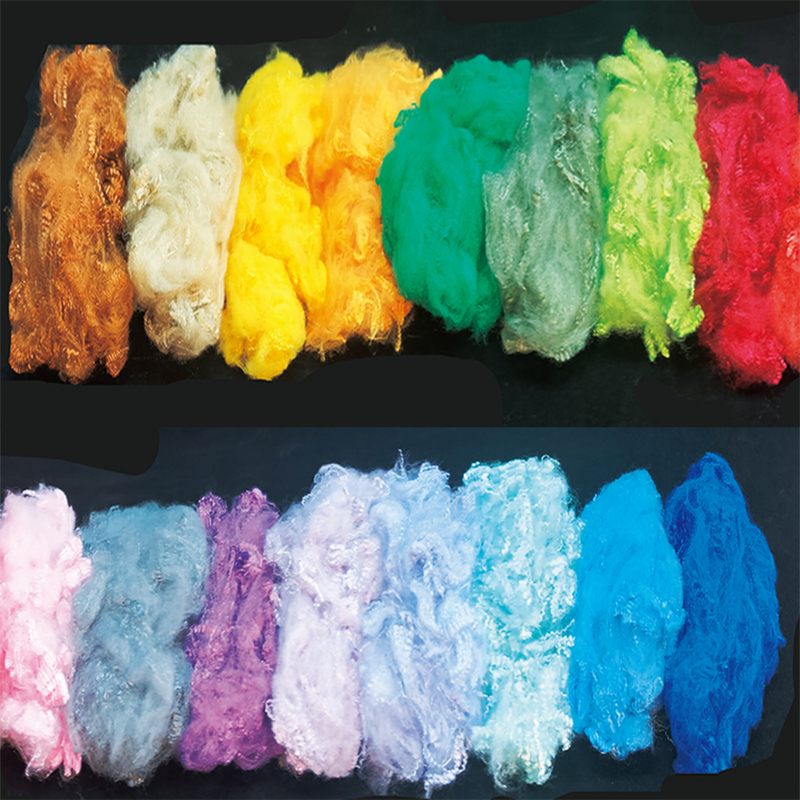
Modal itself is a type of rayon made from beech trees, renowned for its breathability and eco-friendly characteristics. This makes the 30/2 modal yarn an attractive option for sustainable fabric solutions. Having worked with it, I can say it's one of those materials that feel as good as it looks.
However, a common mistake is to treat all modal yarns the same. The meticulous nature of the 30/2 count requires attention to detail during processing, ensuring the finished product maintains its integrity. Mistakes in measurement or handling can lead to distortions, which is why precision in manufacturing is crucial. SHANDONG ZHINK NEW MATERIAL CO., LTD is a company well-versed in these intricacies, offering products that reflect careful craftsmanship.
Applications in Fashion and Beyond
In fashion, the 30/2 modal yarn is celebrated for its versatility and comfort. It's particularly popular in high-quality garments where the fabric must feel luxurious yet remain functional. I recall a project involving modal-cotton blends, where the result was both lustrous and resilient — a true testament to the yarn's capability.
But its use isn't restricted to clothing alone. Home textiles such as bed linens and towels benefit from the yarn's absorbency and softness, qualities that elevate everyday items to a more refined level. The key is selecting the right blend and weave to optimize the yarn's qualities.
Sometimes, though, the application isn't straightforward. Certain designs might not benefit from the yarn's fluid nature, and that's something we learned the hard way. Tailoring and finishing techniques had to be adjusted to accommodate the yarn's characteristics, a valuable lesson in matching material to design intent.
Challenges in Production
Producing 30/2 modal yarn involves specific challenges, mostly associated with maintaining the consistency and quality of the fibers. As mentioned via Zhink New Material's website, the focus should be on embracing innovative technologies and methodologies.
For budget-conscious projects, balancing cost and quality can often pose a dilemma. Sometimes cheaper modal variants might be tempting, but these often compromise the fabric's overall quality and lifespan. The decision, therefore, leans heavily on desired end-use and audience expectations.
Furthermore, eco-friendliness is a factor to consider. While modal is inherently environmentally better than other synthetic fibers, ensuring that the production process adheres to sustainable practices adds value to the material, underscoring the importance of working with a vendor committed to such standards, like Zhink New Material.
Innovations in Yarn Technology
The textile industry is ever-evolving, and innovations in yarn technology are at the forefront of this transformation. Modal yarn's advancement reflects greater trends towards combining comfort with technical performance — a field where 30/2 modal yarn excels.
Recent developments have also seen modal being blended with other fibers, enhancing qualities like stretch and recovery without sacrificing softness. During a development phase, I witnessed one such blend leveraging both modal and elastane, producing activewear that felt both snug and unwaveringly smooth.
Nonetheless, with any innovation, trial and error play a significant role. Some blends work seamlessly; others might not due to unforeseen interactions at the molecular level. Remaining adaptive and willing to experiment is key, as every iteration brings us closer to the optimal fiber mix.
Future Prospects for 30/2 Modal Yarn
Looking ahead, 30/2 modal yarn continues to hold promise in both traditional and novel applications. With an increasing demand for sustainable materials, this yarn type is positioned well to meet these needs.
An exciting frontier is the potential for smart textiles, integrating sensory technology without sacrificing fabric qualities. Imagine garments that not only feel good but respond intelligently to environmental changes — 30/2 modal might just be part of this textile future.
Ultimately, whether you're a designer or a manufacturer, understanding the nuances of 30/2 modal yarn can inform better material choices and lead to products that resonate with modern consumer values, advocating for comfort, sustainability, and style in equal measure.
Related Products
Related Products