+86-632-3621866
- Chinese
- French
- German
- Portuguese
- Spanish
- Russian
- Japanese
- Korean
- Arabic
- Irish
- Greek
- Turkish
- Italian
- Danish
- Romanian
- Indonesian
- Czech
- Afrikaans
- Swedish
- Polish
- Basque
- Catalan
- Esperanto
- Hindi
- Lao
- Albanian
- Amharic
- Armenian
- Azerbaijani
- Belarusian
- Bengali
- Bosnian
- Bulgarian
- Cebuano
- Chichewa
- Corsican
- Croatian
- Dutch
- Estonian
- Filipino
- Finnish
- Frisian
- Galician
- Georgian
- Gujarati
- Haitian
- Hausa
- Hawaiian
- Hebrew
- Hmong
- Hungarian
- Icelandic
- Igbo
- Javanese
- Kannada
- Kazakh
- Khmer
- Kurdish
- Kyrgyz
- Latin
- Latvian
- Lithuanian
- Luxembou..
- Macedonian
- Malagasy
- Malay
- Malayalam
- Maltese
- Maori
- Marathi
- Mongolian
- Burmese
- Nepali
- Norwegian
- Pashto
- Persian
- Punjabi
- Serbian
- Sesotho
- Sinhala
- Slovak
- Slovenian
- Somali
- Samoan
- Scots Gaelic
- Shona
- Sindhi
- Sundanese
- Swahili
- Tajik
- Tamil
- Telugu
- Thai
- Ukrainian
- Urdu
- Uzbek
- Vietnamese
- Welsh
- Xhosa
- Yiddish
- Yoruba
- Zulu
- Kinyarwanda
- Tatar
- Oriya
- Turkmen
- Uyghur


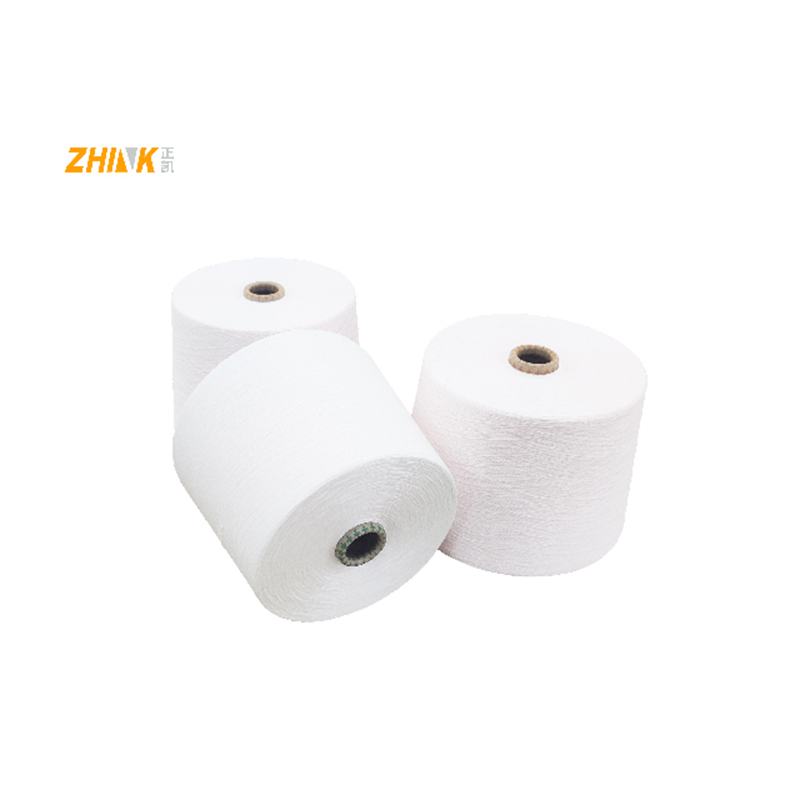
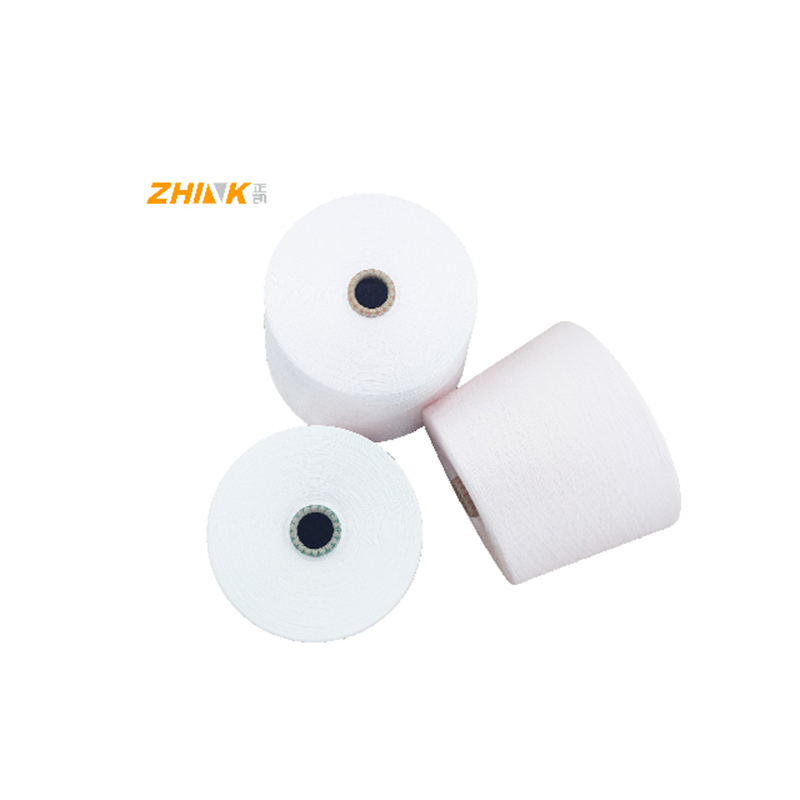
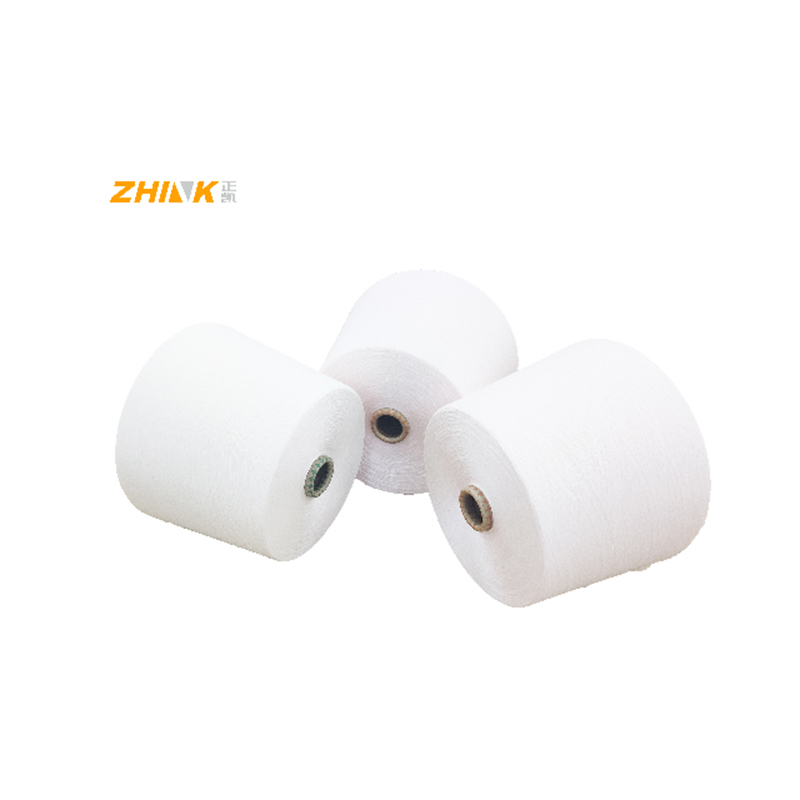
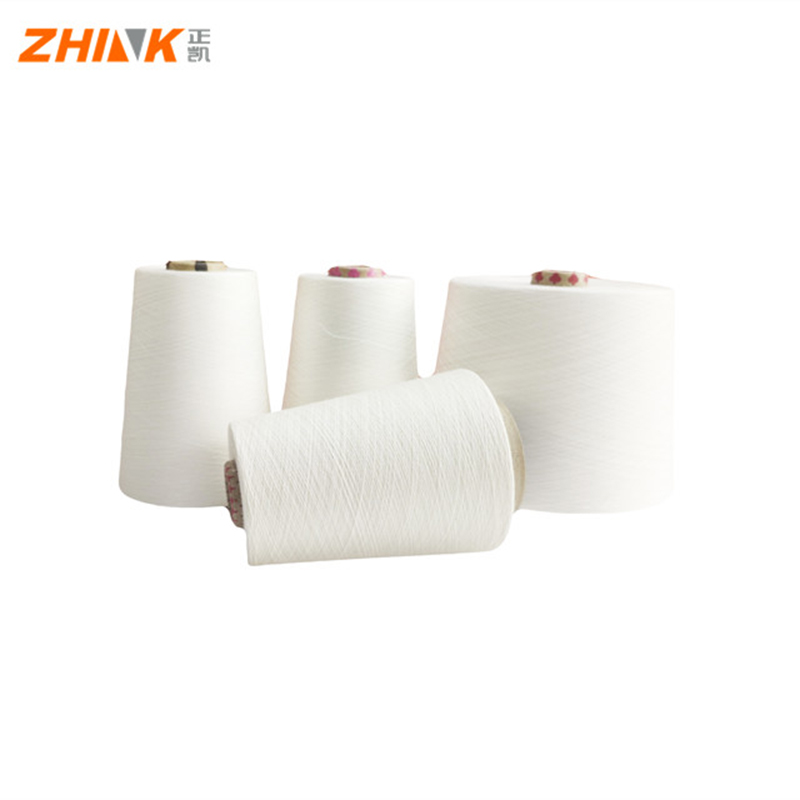
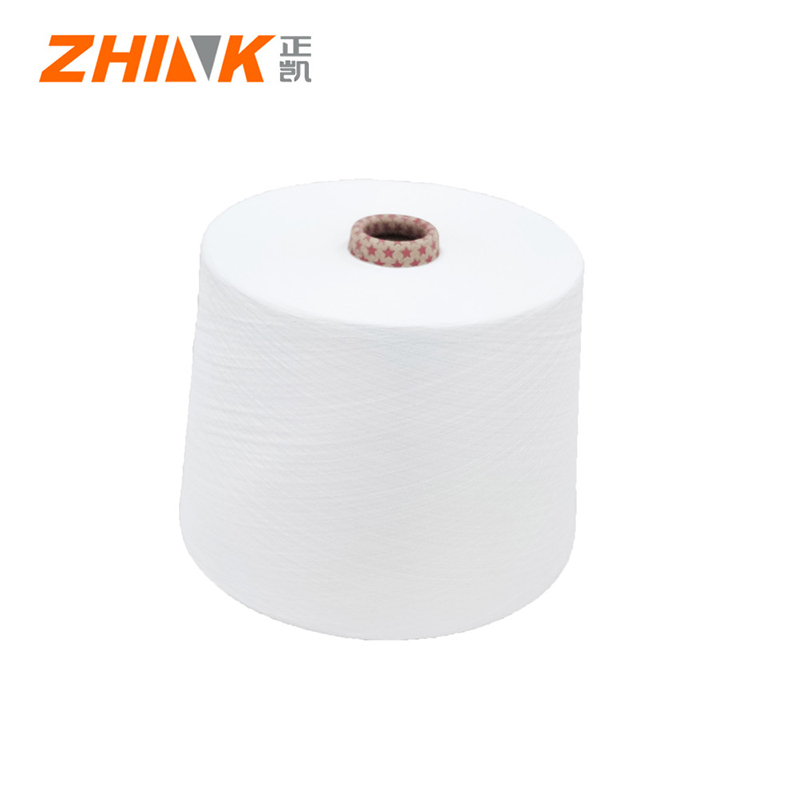
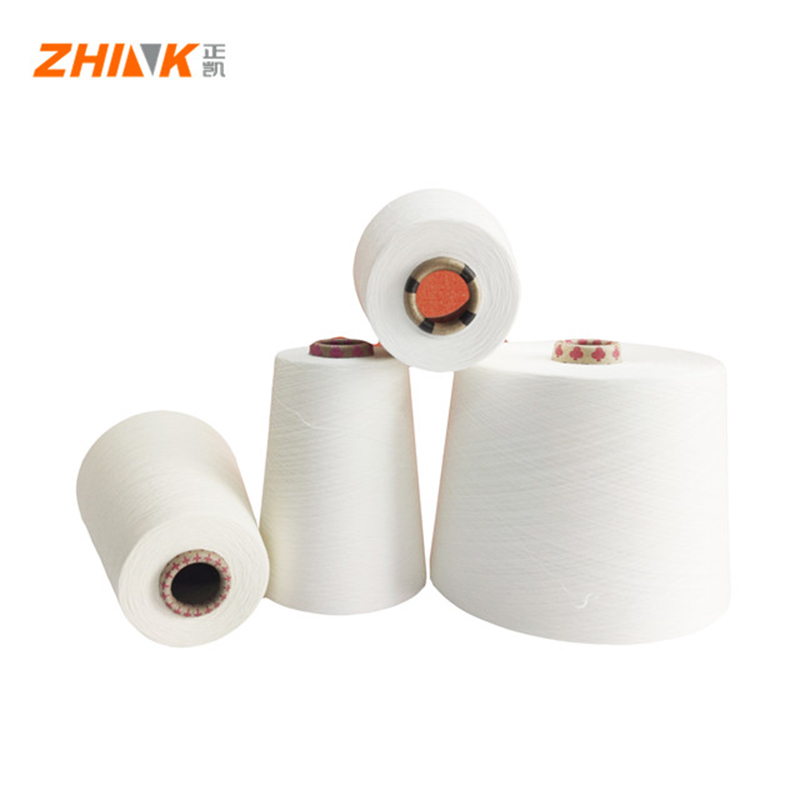
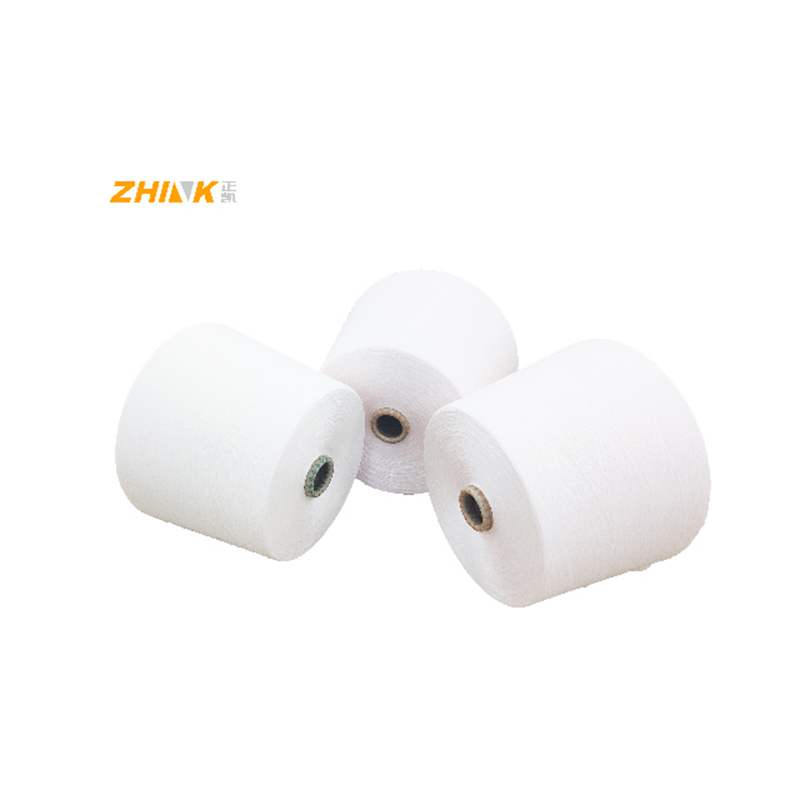
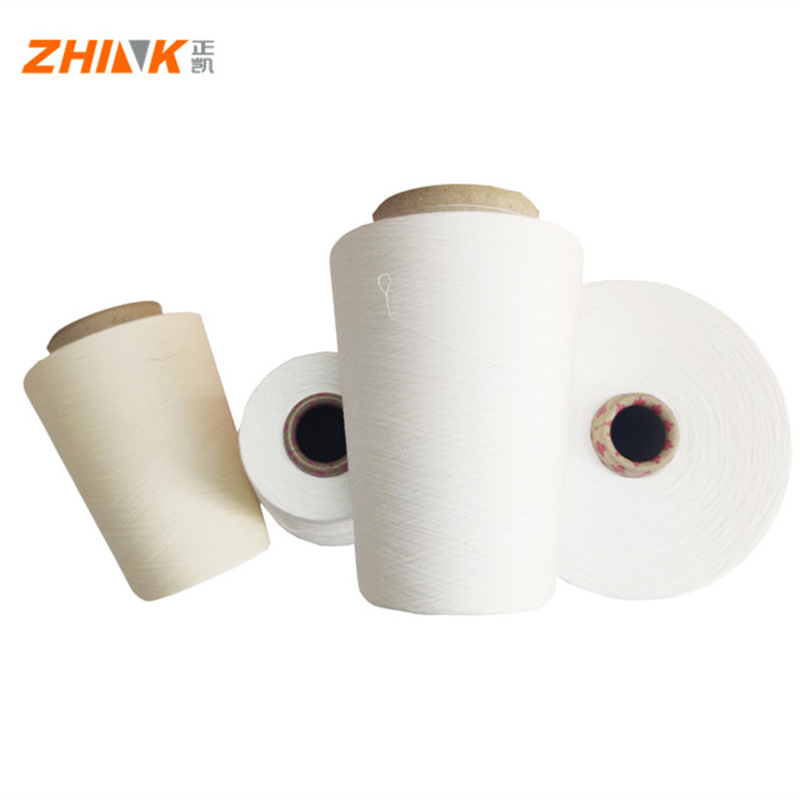
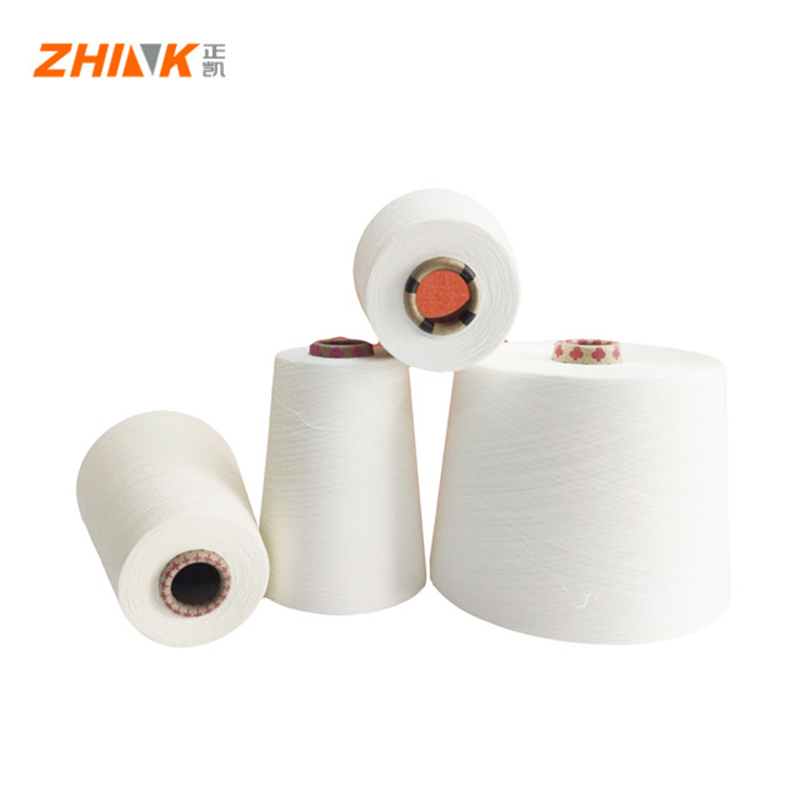
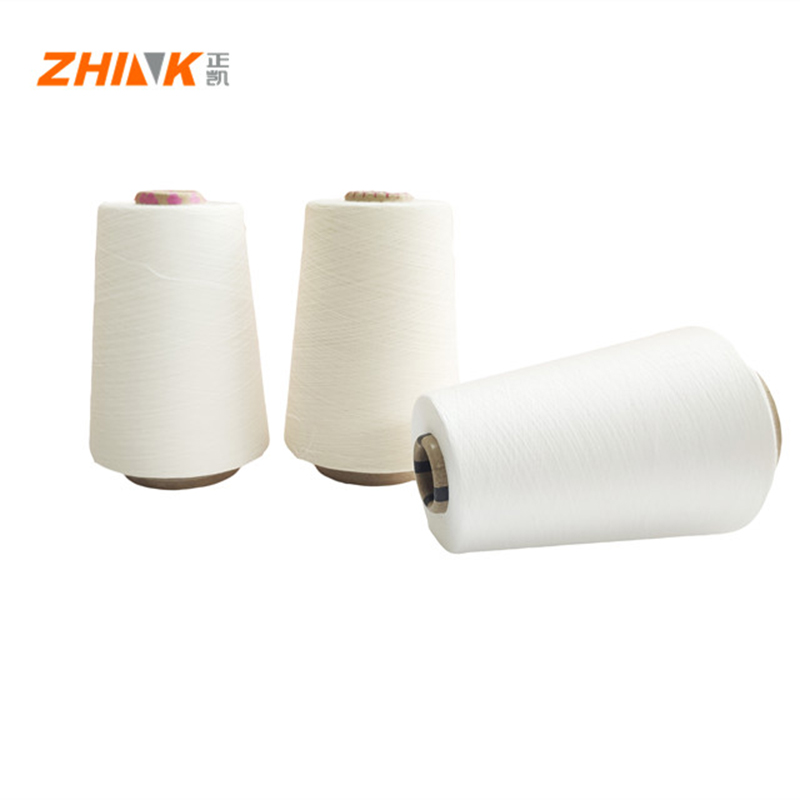
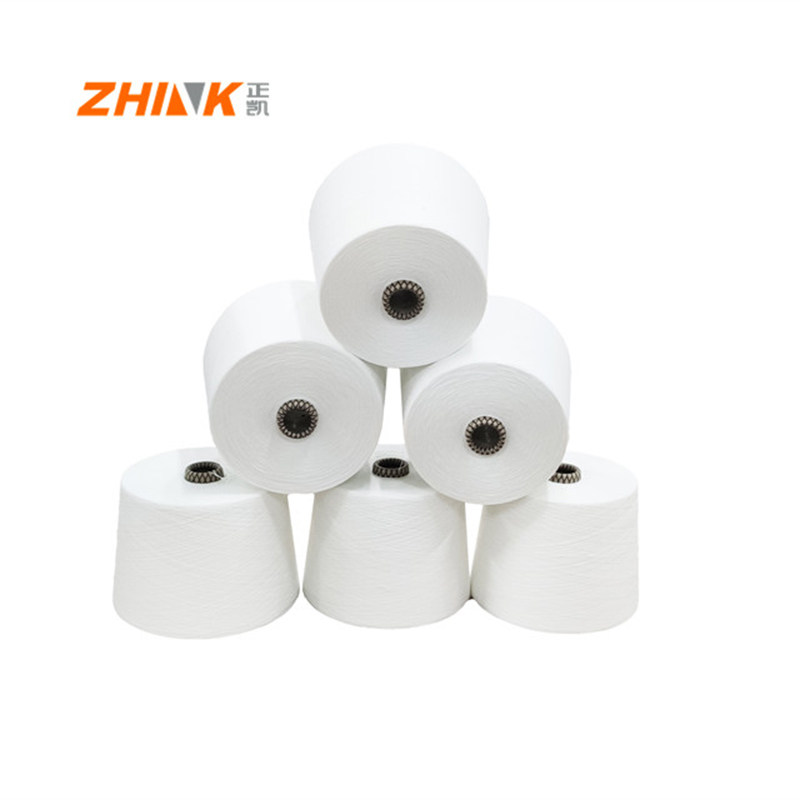
30/2 Recycled polyester yarn
Understanding 30/2 Recycled Polyester Yarn: Insights from Practice
The textile industry is no stranger to buzzwords, and 30/2 recycled polyester yarn seems to be a recurring topic. While it's easy to get caught up in the eco-friendly hype, there are intricacies and challenges that set it apart. This yarn is not just a number but a marker of sustainability efforts, technical properties, and production complexities. Let’s delve into what makes it truly distinct.
The Essence of 30/2 Recycled Polyester Yarn
First off, the numbers. 30/2 refers to the yarn count and ply structure. In textile terms, the '30' indicates the yarn's fineness while the '2' denotes that it's a two-ply yarn. This particular combination strikes a balance between strength and softness, making it suitable for various applications, from garments to home textiles. Yet, in practice, achieving this perfect balance isn't straightforward—there's an art to spinning and weaving that only comes with experience.
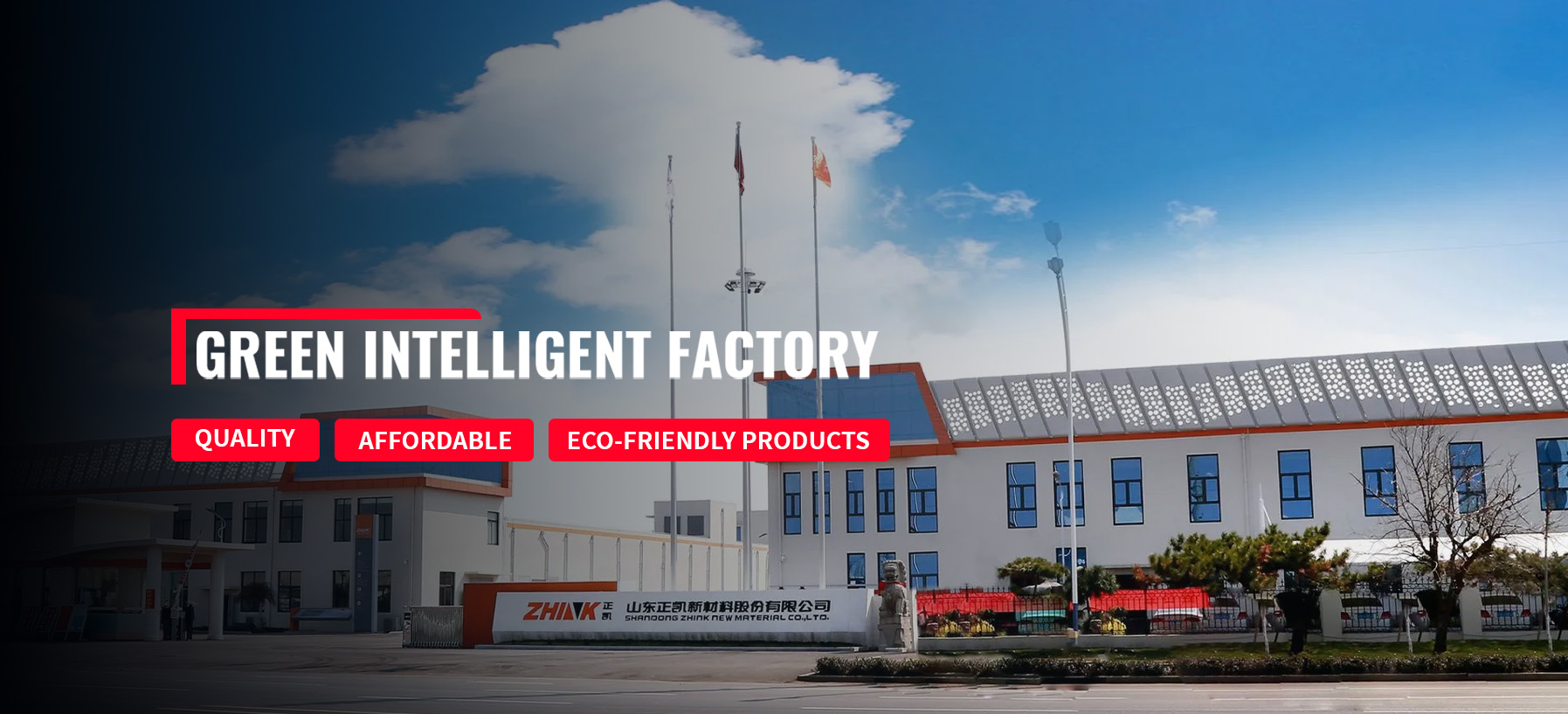
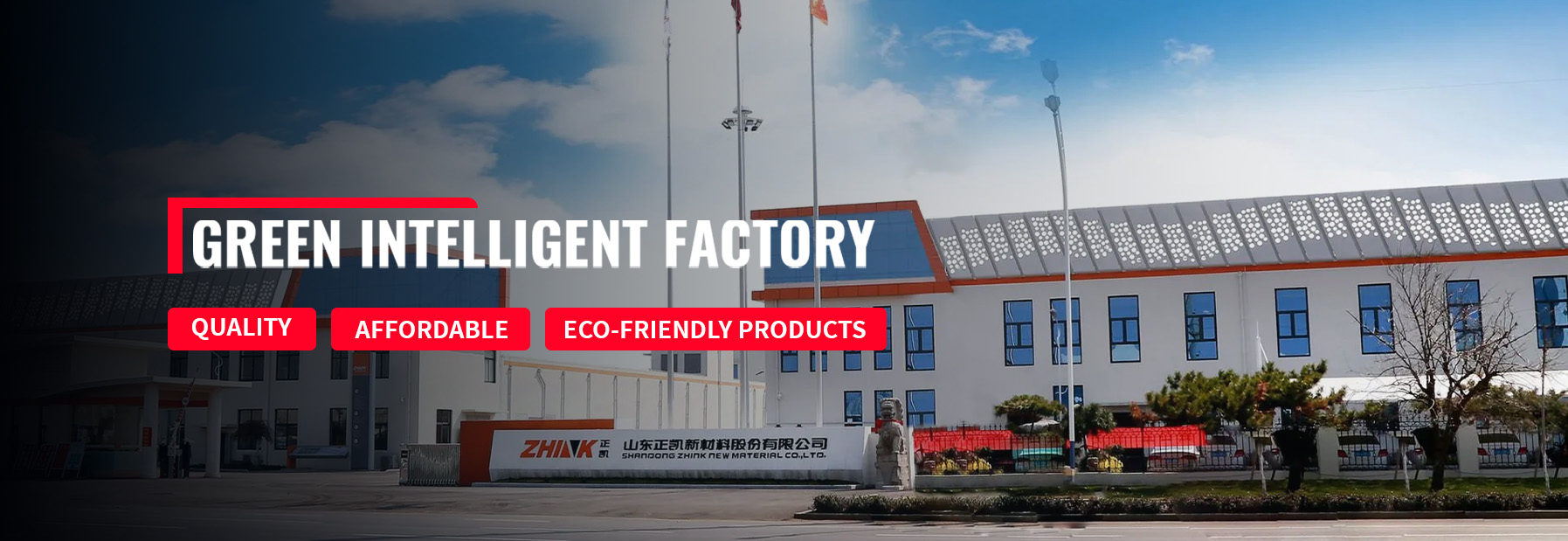
Now, let’s talk about the 'recycled' part. Here’s where it gets interesting. The drive towards sustainability has led companies like SHANDONG ZHINK NEW MATERIAL CO., LTD, which specializes in developing new textile materials, to invest heavily in recycling technologies. What sets their process apart is not just turning old plastic bottles into polyester but ensuring the quality and consistency mimic that of virgin polyester.
However, working with recycled materials isn’t always smooth sailing. In my experience, maintaining dye consistency can be tricky. The base color of the recycled pellets can vary, impacting the final hue. It’s a subtle variance, but one that a discerning eye will spot, especially in large batch productions.
Challenges in Production and Quality Control
Quality control is another critical area. During one project, we faced a significant challenge when impurities in the recycled raw material led to yarn breakage during weaving. We traced the issue back to a supplier error, emphasizing the necessity of stringent checks at every stage. Indeed, quality control processes in a firm like Zhink involve not just end-product testing but begins from the procurement of raw materials through to the final yarn production.
Moreover, the properties of 30/2 recycled polyester yarn require careful handling. In my practical trials, the tension during knitting had to be meticulously adjusted to prevent pilling, especially in blends. There’s a learning curve, and real-world experience shapes how we use such yarn effectively.
Cost and market competitiveness are additional considerations. Recycled yarn isn't inherently cheaper. There’s a perception that recycled should be low-cost, but the reality involves extensive processing and quality assurance which drives up costs. At Zhink, leveraging technical expertise helps optimize these processes, delivering quality without excessive pricing.
Application and End-Use Considerations
Let's get into practical applications. The versatility of 30/2 recycled polyester yarn is notable. It fits well into sportswear, offering moisture-wicking properties, and eco-conscious fashion lines due to its sustainability edge. The yarn’s structure, thanks to its count and ply, provides a good drape—critical for clothing that requires aesthetics and comfort.
The yarn also finds utility in home textiles—think bedsheets and pillow covers. The challenge, however, lies in consumer perception. Despite advancements, some consumers remain skeptical about the durability of recycled materials. In response, demonstrating through guided tours or open factory days has been my strategy to bridge the knowledge gap, showcasing the robust production processes.
Feedback from clients is invaluable. One notable feedback loop involved a major retailer who had concerns about fabric handfeel. Post several iterations, adjusting spinning techniques, we met their requirements. This iterative process is a testament to the collaborative nature of the industry.
The Role of Innovation and R&D
Finally, innovation drives this sector forward. At SHANDONG ZHINK NEW MATERIAL CO., LTD, a significant part of their mandate is research and development. Constantly improving fiber blending techniques remains at the forefront of their operations. The firm’s online presence at https://www.zhinkyarn.com highlights their commitment to advancing textile technology.
In practice, staying ahead meant experimenting with novel blends. One such test involved incorporating plant-based fibers to enhance eco-friendliness without compromising integrity. This kind of R&D is both science and art, requiring a deep understanding of material science.
At the end of the day, utilizing 30/2 recycled polyester yarn isn't just about being part of the sustainability trend. It merges technical know-how with environmental responsibility, presenting an opportunity to create impactful textiles. While there are hurdles to navigate, the potential rewards, from both business and ecological perspectives, make it a worthy endeavor.
Conclusion
In wrapping up, it’s essential to recognize that recycled yarns like the 30/2 recycled polyester yarn offer more than environmental benefits—they're indicative of where the future of textiles is headed. Bridging the gap between eco-consciousness and functionality is no easy task, but as industry practices evolve, companies like Zhink underscore the potential to innovate responsibly.
For professionals in the field or those looking to utilize this yarn, it’s clear that understanding the production, challenges, and applications from a practical viewpoint is key to fully leveraging its potential. As we push toward more sustainable solutions, informed choices will define the next era of textile innovation.
Related Products
Related Products