+86-632-3621866
- Chinese
- French
- German
- Portuguese
- Spanish
- Russian
- Japanese
- Korean
- Arabic
- Irish
- Greek
- Turkish
- Italian
- Danish
- Romanian
- Indonesian
- Czech
- Afrikaans
- Swedish
- Polish
- Basque
- Catalan
- Esperanto
- Hindi
- Lao
- Albanian
- Amharic
- Armenian
- Azerbaijani
- Belarusian
- Bengali
- Bosnian
- Bulgarian
- Cebuano
- Chichewa
- Corsican
- Croatian
- Dutch
- Estonian
- Filipino
- Finnish
- Frisian
- Galician
- Georgian
- Gujarati
- Haitian
- Hausa
- Hawaiian
- Hebrew
- Hmong
- Hungarian
- Icelandic
- Igbo
- Javanese
- Kannada
- Kazakh
- Khmer
- Kurdish
- Kyrgyz
- Latin
- Latvian
- Lithuanian
- Luxembou..
- Macedonian
- Malagasy
- Malay
- Malayalam
- Maltese
- Maori
- Marathi
- Mongolian
- Burmese
- Nepali
- Norwegian
- Pashto
- Persian
- Punjabi
- Serbian
- Sesotho
- Sinhala
- Slovak
- Slovenian
- Somali
- Samoan
- Scots Gaelic
- Shona
- Sindhi
- Sundanese
- Swahili
- Tajik
- Tamil
- Telugu
- Thai
- Ukrainian
- Urdu
- Uzbek
- Vietnamese
- Welsh
- Xhosa
- Yiddish
- Yoruba
- Zulu
- Kinyarwanda
- Tatar
- Oriya
- Turkmen
- Uyghur


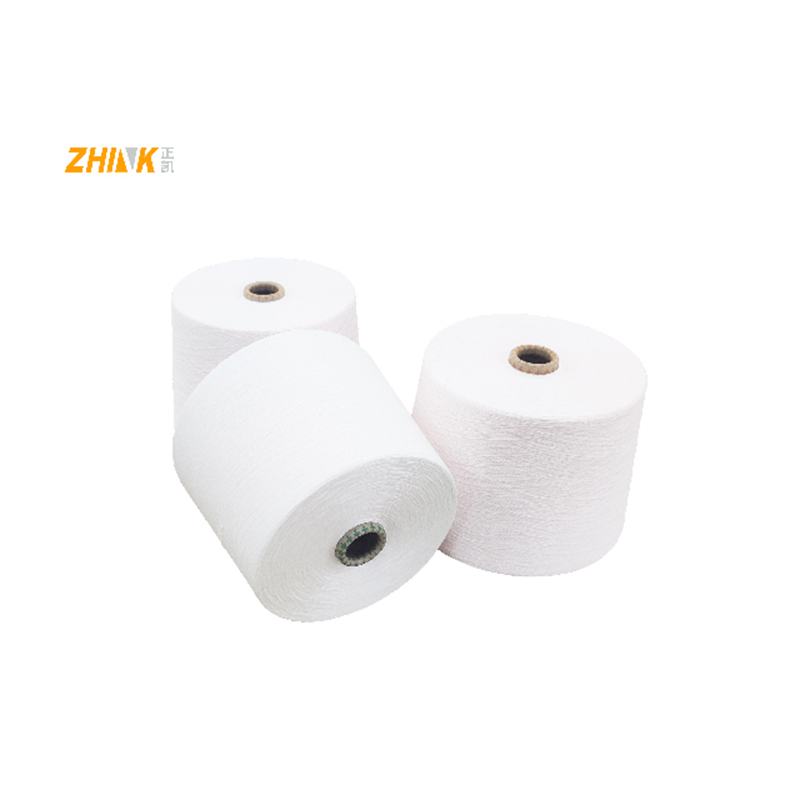
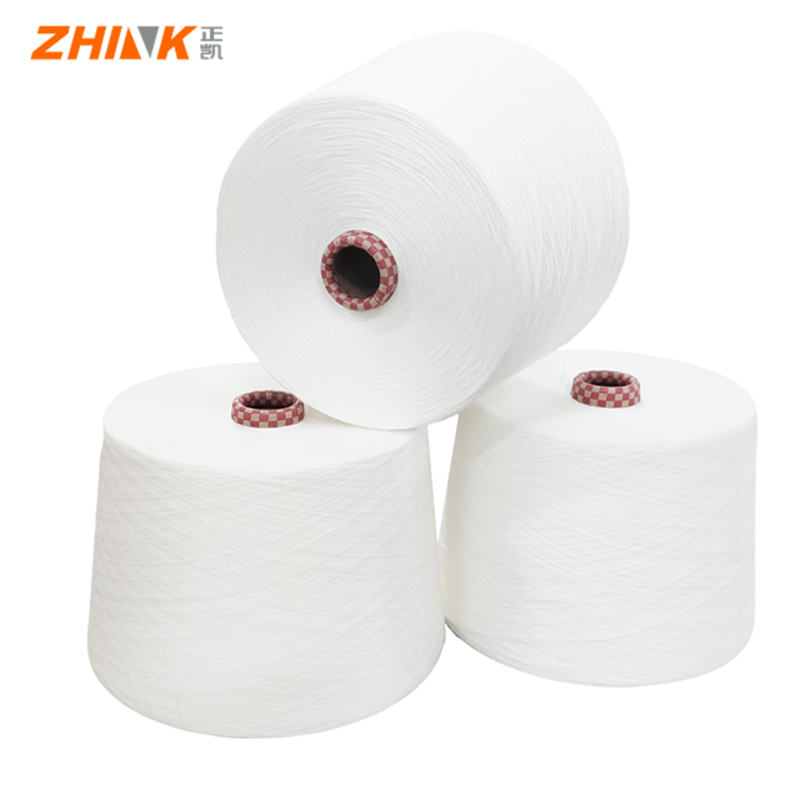
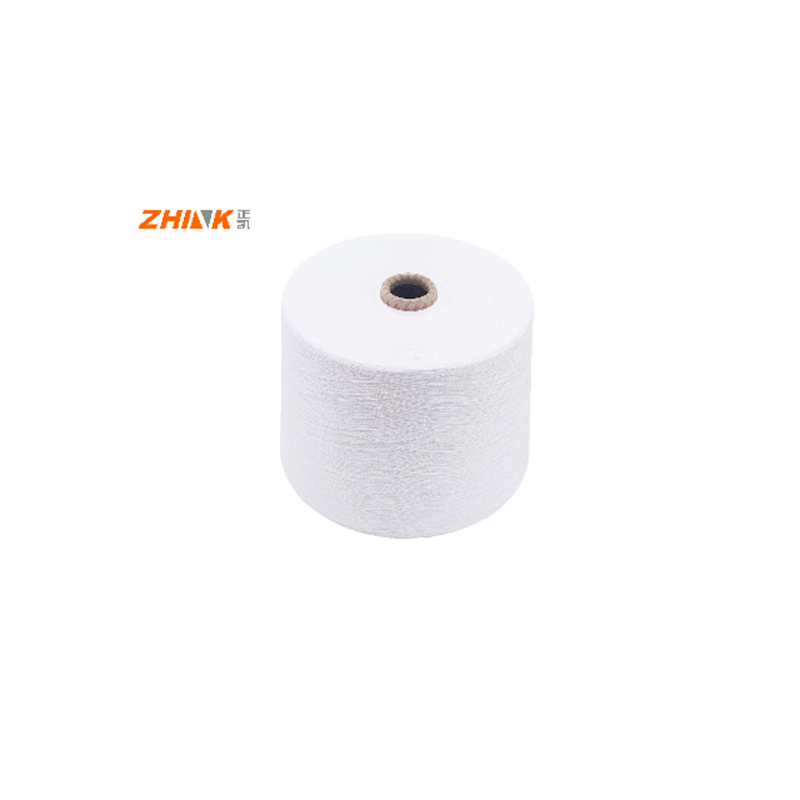
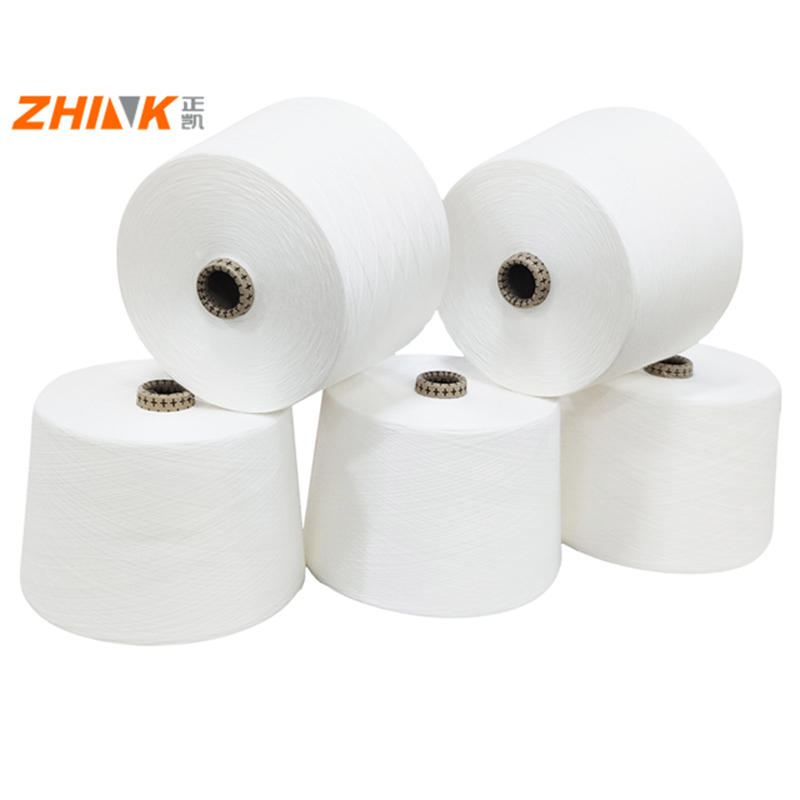
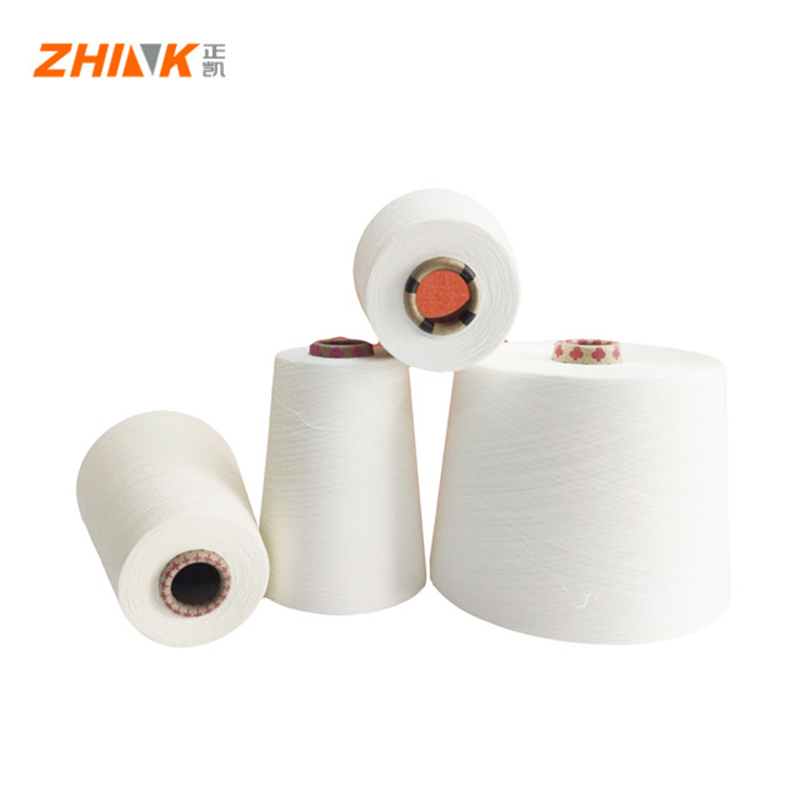
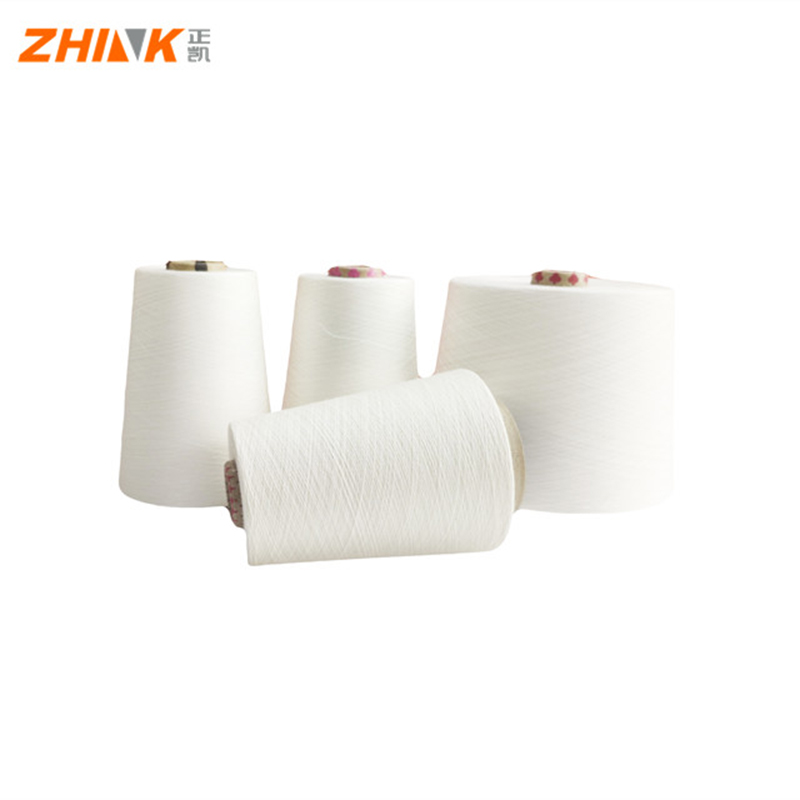
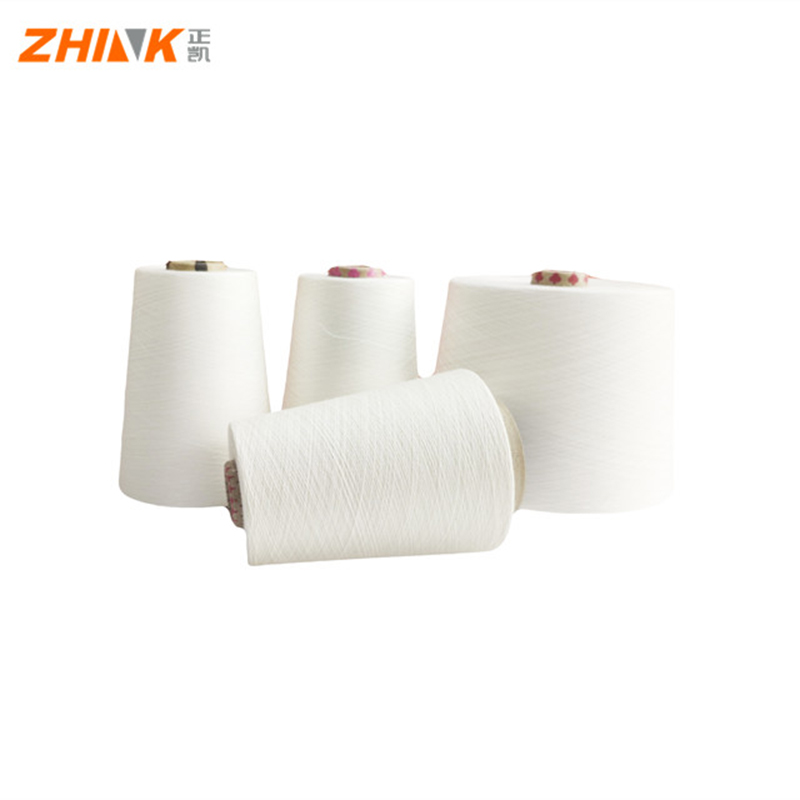
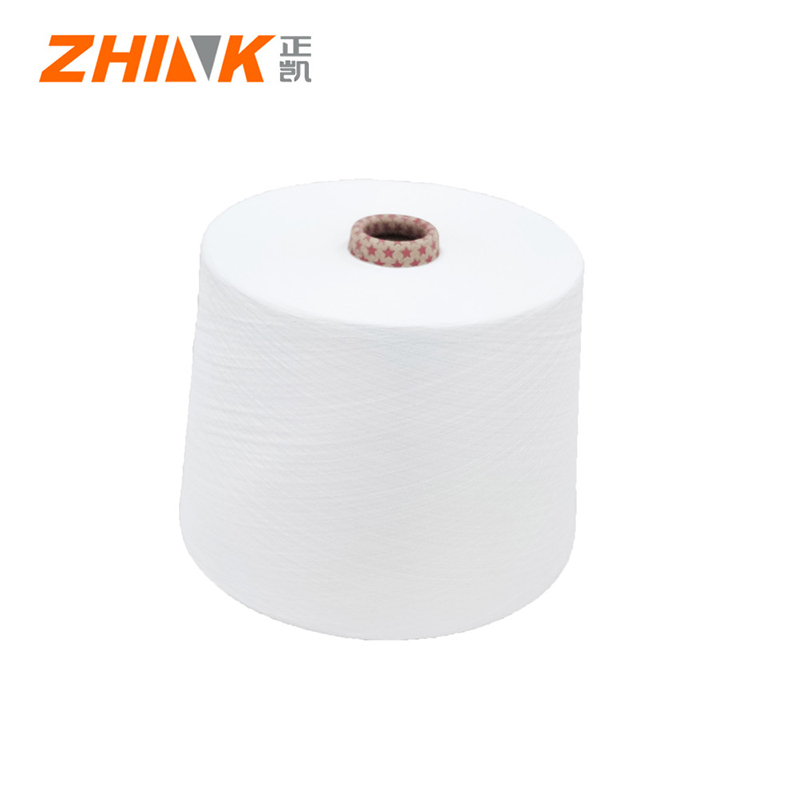
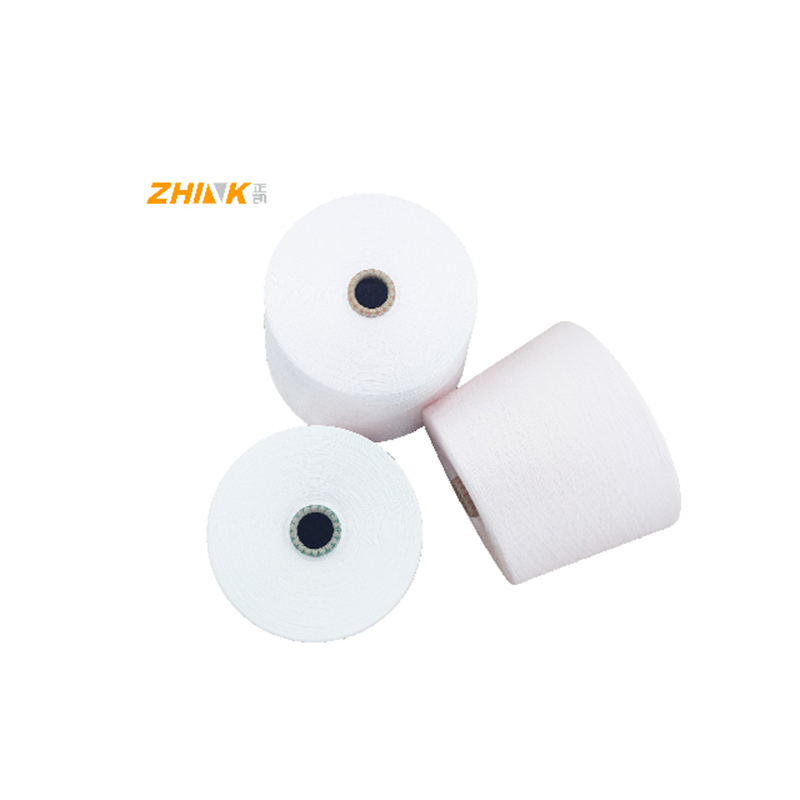
30/2 viscose yarn
The Art and Science of 30/2 Viscose Yarn
Exploring the world of 30/2 viscose yarn can be an eye-opener for those venturing into textile manufacturing. As someone who has spent considerable time on the production floor, there’s much to share about this versatile material. The nuances—those little details—can make all the difference in quality and application.
Understanding 30/2 Viscose Yarn
First off, let's clarify what the 30/2 viscose yarn designation means. 30/2 refers to the yarn count. It’s a blend of 30 yarns twisted together as a double-ply. The numbers might seem trivial, but the implications on strength and texture are significant. Viscose threads are known for their silk-like feel, and this count is popular in the fashion industry for creating lighter, breathable fabrics.
In practice, I’ve seen manufacturers wrestle with maintaining consistent quality in the spinning process. The key lies in precise control over humidity and temperature. An overlooked factor yet critical in maintaining the yarn's integrity and softness. It requires constant monitoring—don’t assume things will just fall into place.
This leads to another common pitfall: dyeing. Viscose, being semi-synthetic, can be finicky with dyes. A lesson learned the hard way is to always test the dye on a small batch before going all in. I've witnessed an entire batch ruined because the dye reacted unpredictably, turning the yarn into something more akin to a damp dishcloth than luxurious fabric.
Applications and Advantages
The applications for 30/2 viscose yarn are vast. From fashion garments to upholstery, its versatility is one of its biggest selling points. In our workshops at Zhink New Material, we’ve found that customers appreciate the combination of softness and strength. This yarn commands a premium not just for its feel but also for its drape and luster.
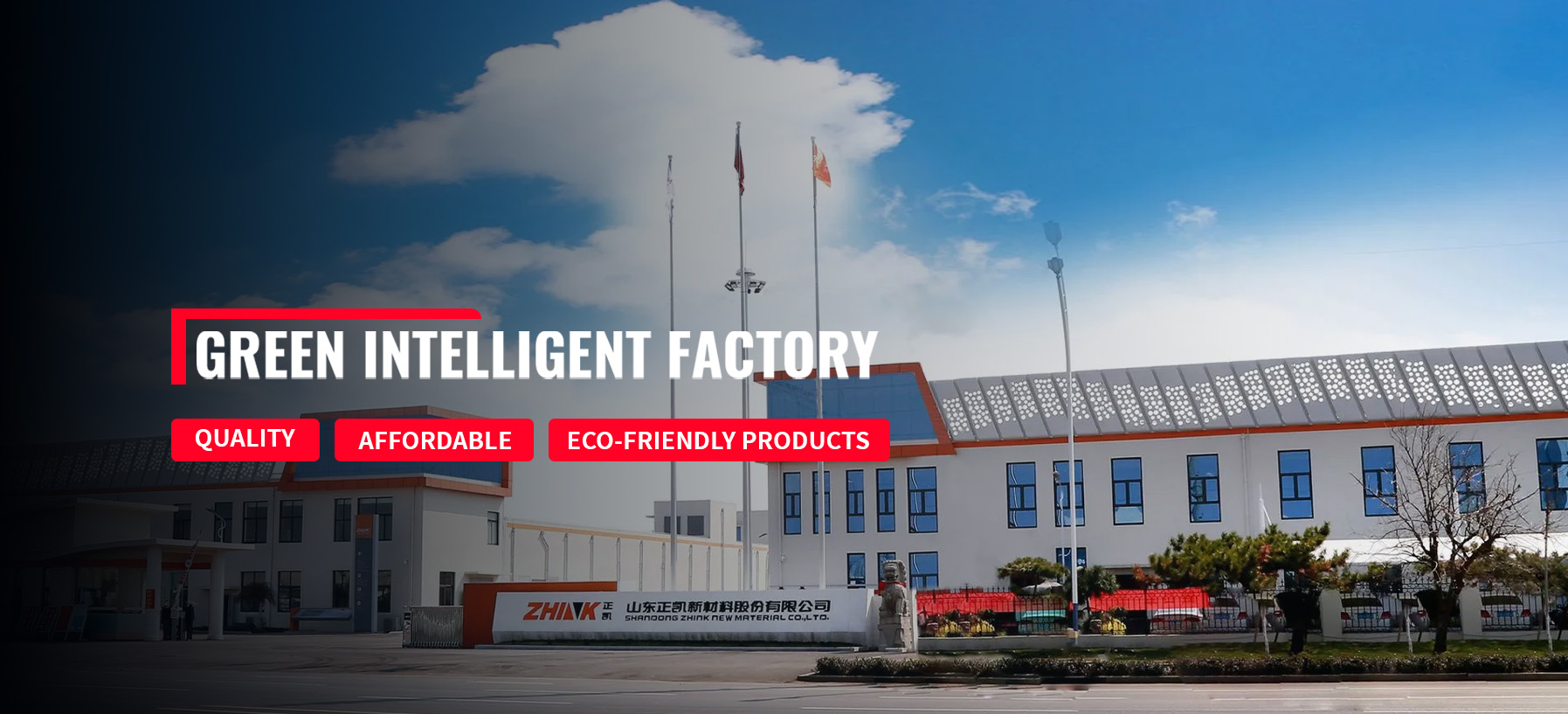
Our website, SHANDONG ZHINK NEW MATERIAL CO., LTD, provides a catalogue showcasing various uses—from elegant dresses to more practical bedding solutions. What often amazes clients is how such a seemingly delicate material can be robust enough for everyday wear.
I remind clients that despite its advantages, 30/2 viscose still enjoys a best fit in gentle applications. It’s not meant for heavy-duty use—another beginner mistake I’ve seen is attempting to use this for something like denim. Trust me, stick with its strengths: flexibility, comfort, and aesthetic appeal.
Challenges in Production
Quality control is paramount. When it comes to viscose, any inconsistency can lead to elasticity issues—a familiar frustration on shop floors. Machines need to be precisely calibrated, something we've stressed countless times in training sessions. One misalignment can lead to batches that don’t meet customer expectations.
Additionally, the environmental impact of production requires attention. Viscose, while a more sustainable option compared to some synthetics, still involves chemical processes that need proper management. In our research at Zhink New Material, we're actively seeking ways to minimize this footprint while ensuring product quality.
Often overlooked, but equally crucial, is how storage affects 30/2 viscose yarn. I’ve encountered numerous scenarios where improper storage conditions lead to moisture absorption, causing the yarn to weaken or even develop mildew. Always stress the importance of a controlled environment post-production.
Insights from the Field
Having overseen large-scale productions, one key insight is the importance of understanding customer needs and translating them into technical specifications. Sometimes clients envision a final product that requires modifications to the yarn itself—a challenge that can be both daunting and rewarding.
It’s not just about the technical aspects; there’s a human side to this industry. Building relationships with suppliers can lead to insights and innovations you might miss otherwise. Good rapport has saved us countless hours and resources by avoiding unnecessary trial and error.
Finally, it’s the little experiments that often lead to breakthroughs. Time and again, we've stumbled upon improvements through trial, feedback loops, and sometimes, sheer happenstance. Not everything needs a structured experiment—sometimes, just give things a try. The adaptable nature of 30/2 viscose yarn lends itself well to such explorations.
Conclusion and Future Prospects
Reflecting on my journey with 30/2 viscose yarn, it's clear that while the basics provide a foundation, the nuances truly elevate the material. The path from raw material to finished product is ridden with opportunities for creativity and improvement.
With the rapid advancements in textile technology, I foresee exciting developments in the near future. Enhanced environmental practices, improved dyeing techniques, and better blending options are just the tip of the iceberg. As we move forward, leveraging both technology and tradition will be key.
For those interested in diving deeper, our platform at SHANDONG ZHINK NEW MATERIAL CO., LTD remains open, offering a wealth of resources and expert insights into this ever-evolving textile landscape. There's always more to learn and explore, whether you're a seasoned professional or just starting out.
Related Products
Related Products