+86-632-3621866
- Chinese
- French
- German
- Portuguese
- Spanish
- Russian
- Japanese
- Korean
- Arabic
- Irish
- Greek
- Turkish
- Italian
- Danish
- Romanian
- Indonesian
- Czech
- Afrikaans
- Swedish
- Polish
- Basque
- Catalan
- Esperanto
- Hindi
- Lao
- Albanian
- Amharic
- Armenian
- Azerbaijani
- Belarusian
- Bengali
- Bosnian
- Bulgarian
- Cebuano
- Chichewa
- Corsican
- Croatian
- Dutch
- Estonian
- Filipino
- Finnish
- Frisian
- Galician
- Georgian
- Gujarati
- Haitian
- Hausa
- Hawaiian
- Hebrew
- Hmong
- Hungarian
- Icelandic
- Igbo
- Javanese
- Kannada
- Kazakh
- Khmer
- Kurdish
- Kyrgyz
- Latin
- Latvian
- Lithuanian
- Luxembou..
- Macedonian
- Malagasy
- Malay
- Malayalam
- Maltese
- Maori
- Marathi
- Mongolian
- Burmese
- Nepali
- Norwegian
- Pashto
- Persian
- Punjabi
- Serbian
- Sesotho
- Sinhala
- Slovak
- Slovenian
- Somali
- Samoan
- Scots Gaelic
- Shona
- Sindhi
- Sundanese
- Swahili
- Tajik
- Tamil
- Telugu
- Thai
- Ukrainian
- Urdu
- Uzbek
- Vietnamese
- Welsh
- Xhosa
- Yiddish
- Yoruba
- Zulu
- Kinyarwanda
- Tatar
- Oriya
- Turkmen
- Uyghur


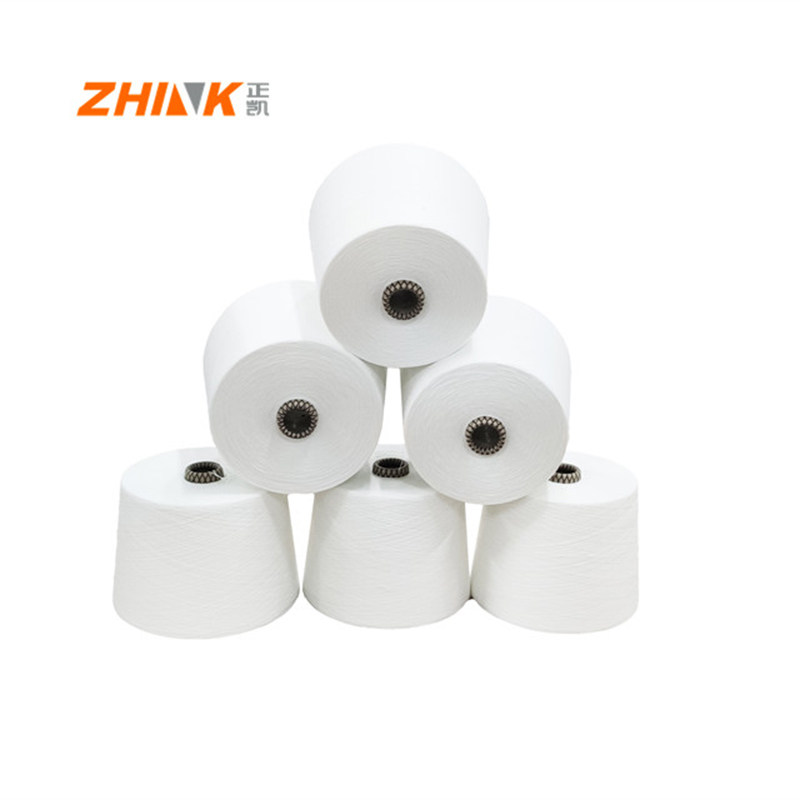
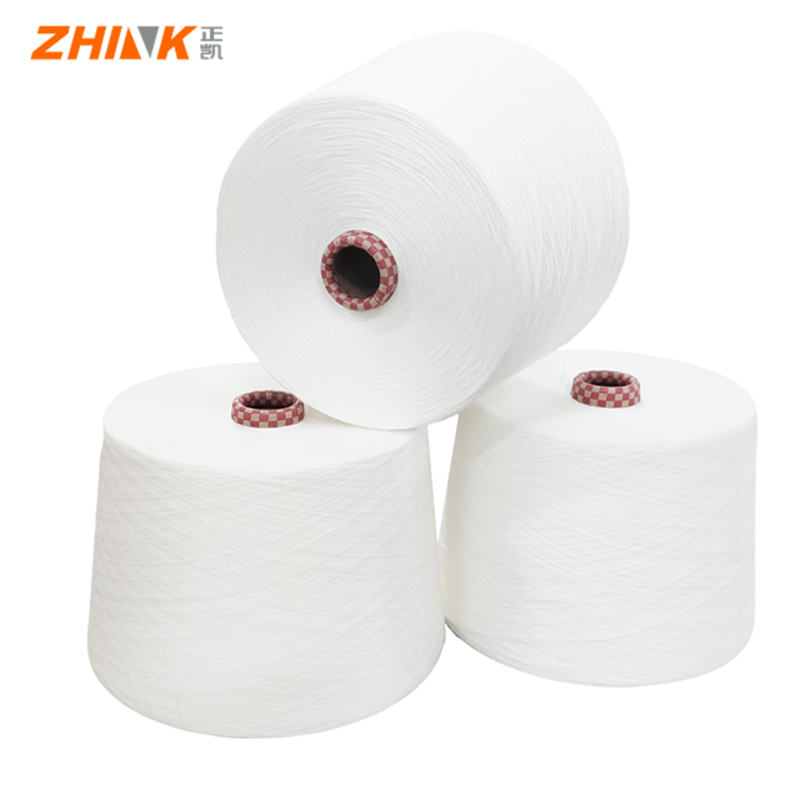
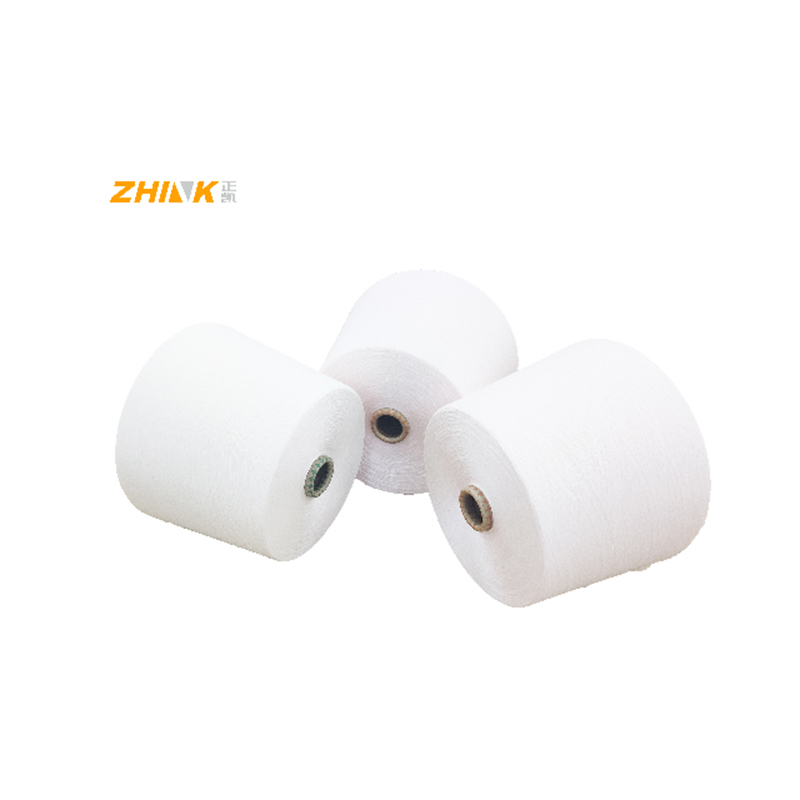
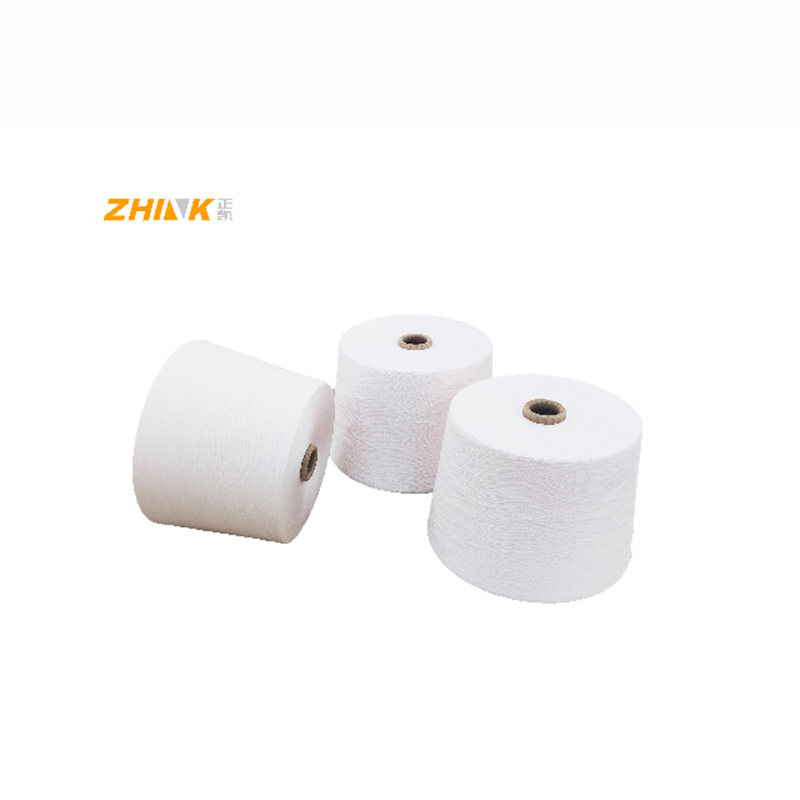
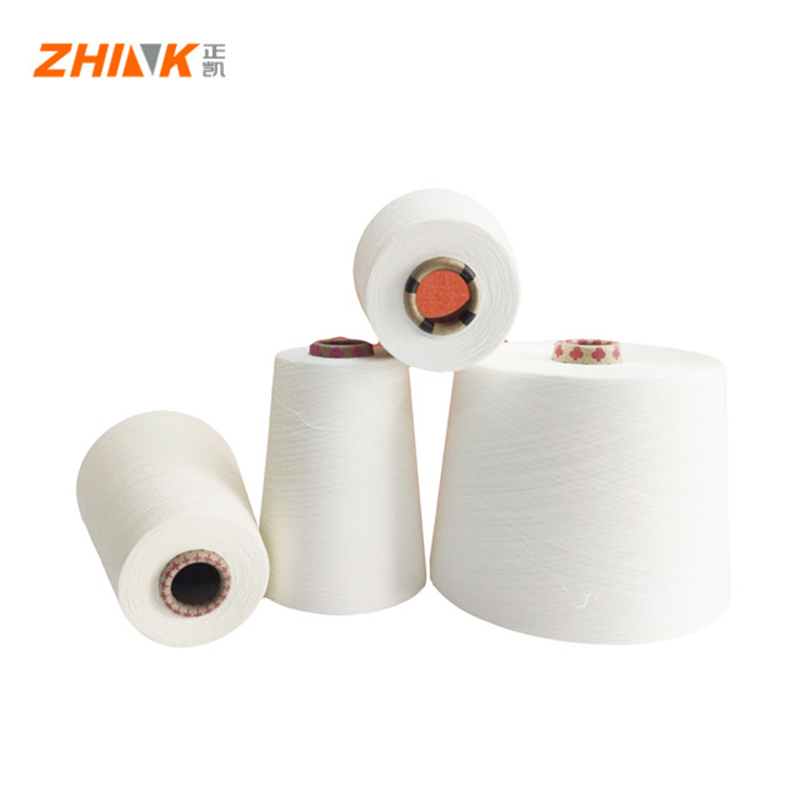
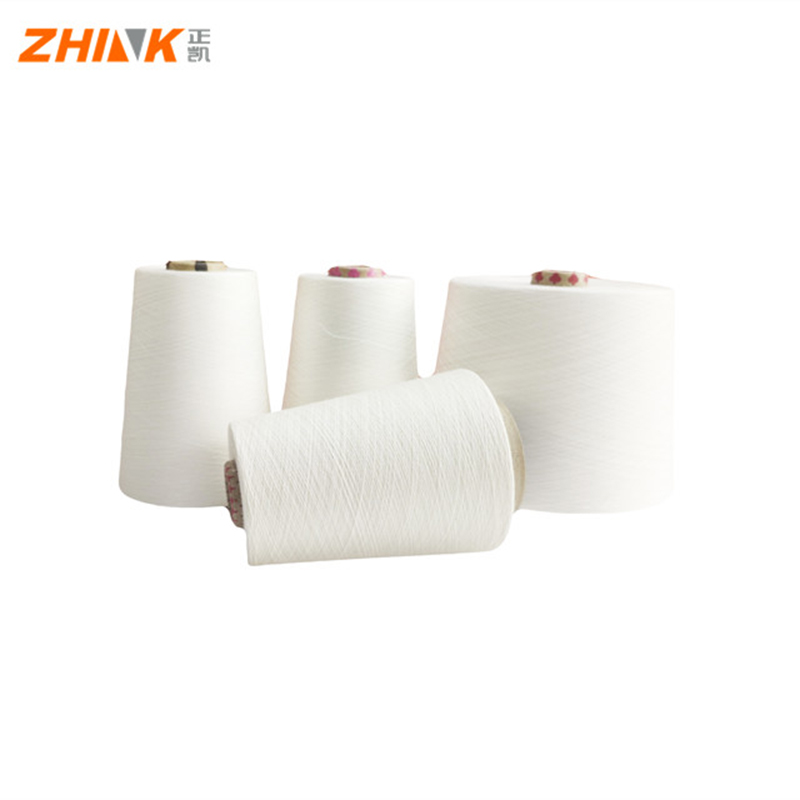
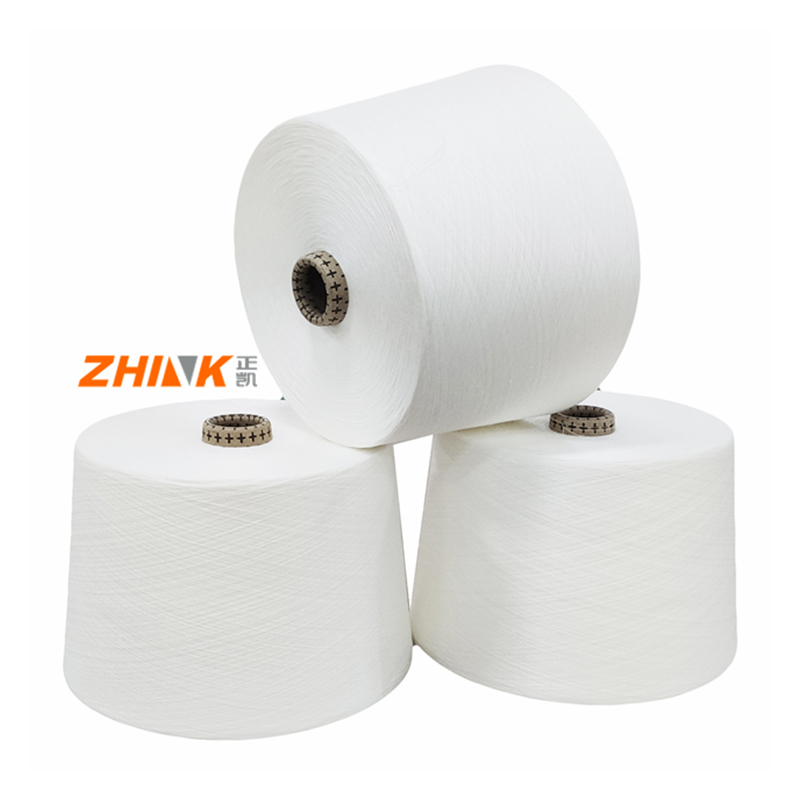
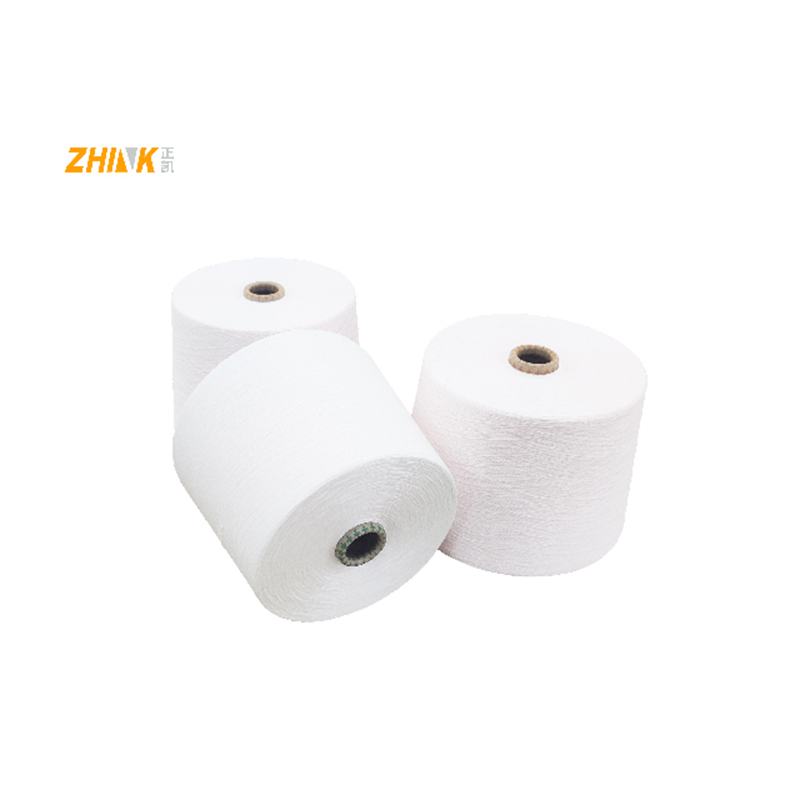
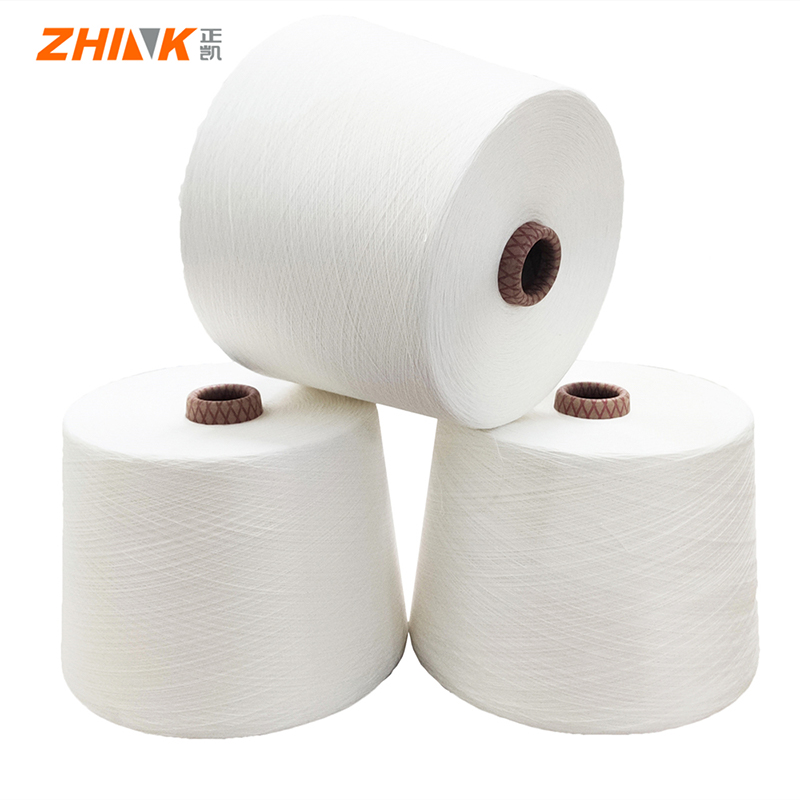
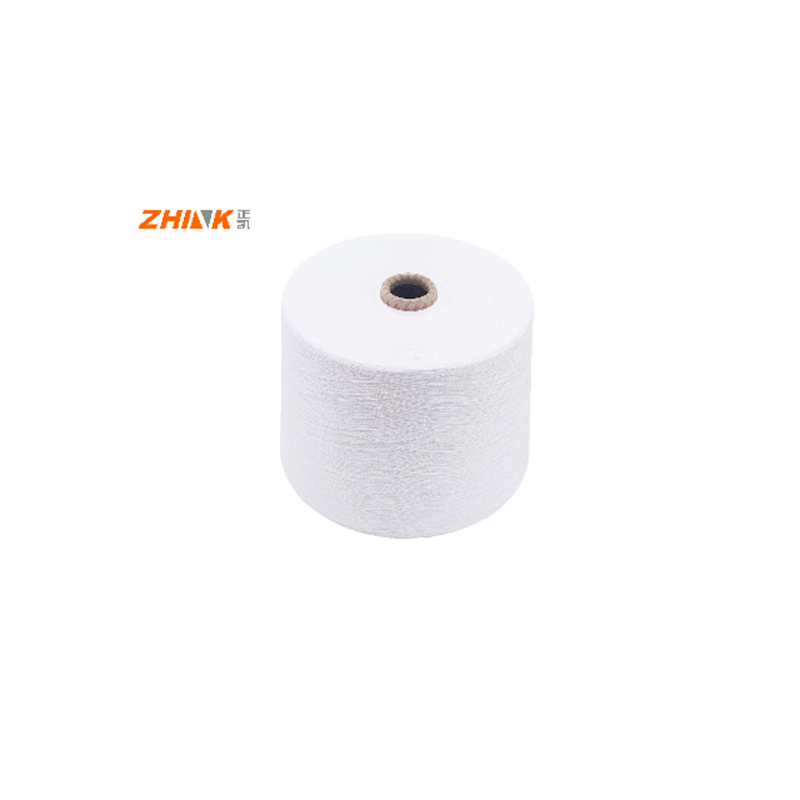
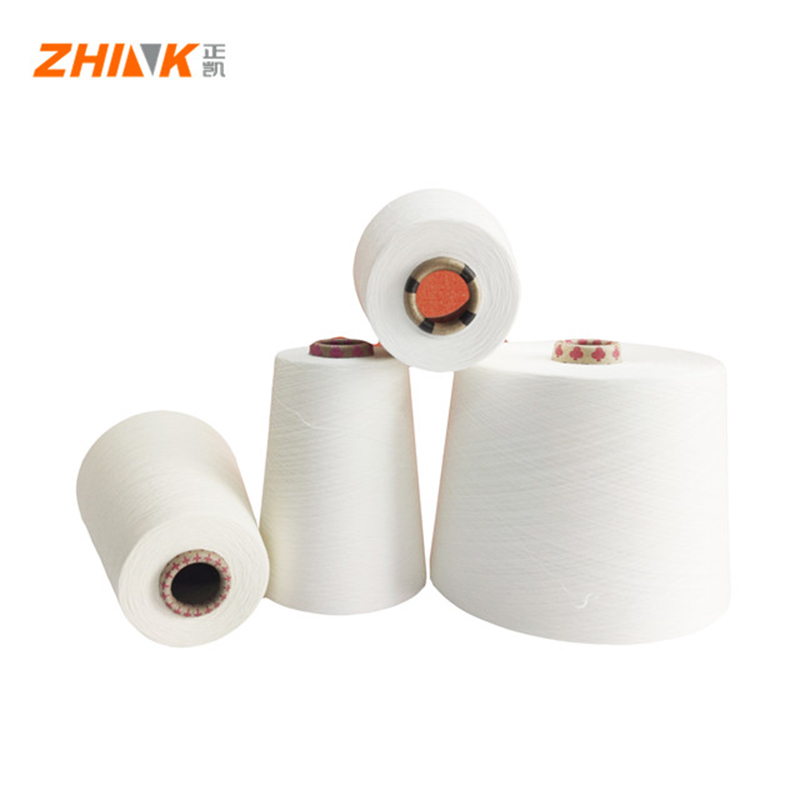
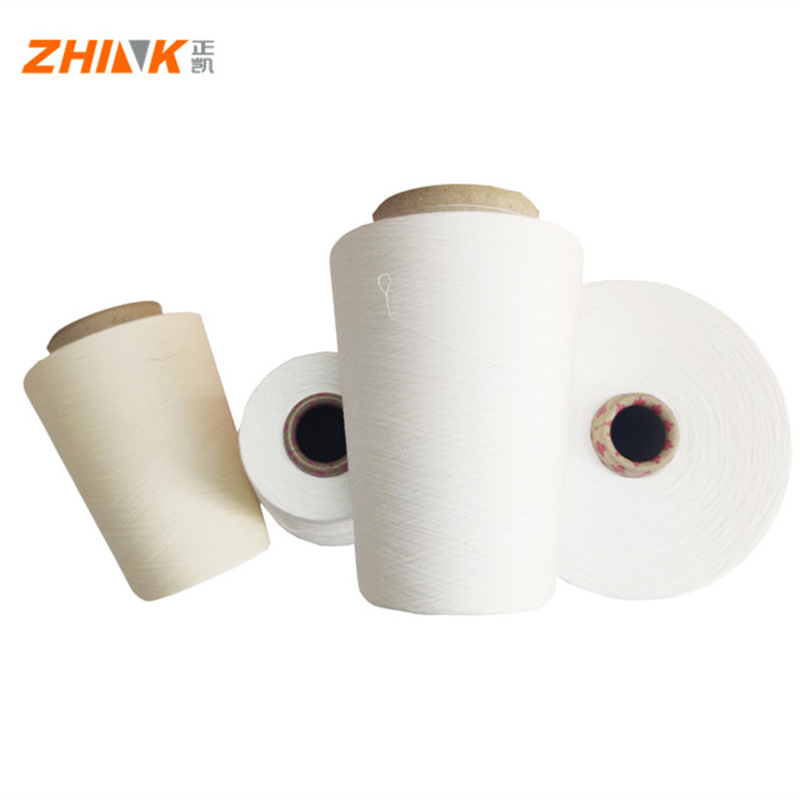
30s Lyocell yarn
Understanding 30s Lyocell Yarn: Insights and Experiences
The world of textiles is vast and complex, with specific nuances that often require a seasoned hand to navigate effectively. One such element is 30s Lyocell yarn, a product that brings both excitement and confusion in equal measure. While many appreciate its eco-friendly reputation and luxurious feel, others are faced with questions about its practical applications and quality standards. This piece delves into the core aspects of 30s Lyocell yarn, drawing from real-world experiences and observations.
What is 30s Lyocell Yarn?
First off, let’s touch on what we mean by 30s Lyocell yarn. The 30s refers to the yarn count, a measure indicating the fineness of the yarn. In practical terms, a higher yarn count means finer yarn. Lyocell, on the other hand, is known for its sustainable production, derived from the wood pulp of trees like eucalyptus. It's often applauded for its high strength, moisture management, and soft, smooth feel.
In practice, when you're working with 30s Lyocell yarn, you find it has superb drape and breathability, making it ideal for garments that need to feel light against the skin. This fineness also means it takes dye exceptionally well, retaining vibrant colors that are sure to make any textile project pop.
However, it’s not all straightforward. Issues like its cost, compared to other yarns like cotton, and handling during production can often weigh on a decision. In my own experience, I've seen some hesitate to use Lyocell precisely because of these factors.
Challenges of Working with 30s Lyocell Yarn
Handling 30s Lyocell yarn can be a bit of an art. The fineness demands precision; otherwise, you might find yourself faced with troubles like snapping during spinning or uneven textures. I recall a project where a single wrong setting on a spinning machine spelled disaster, with thread breakages occurring at every turn.
Given these challenges, it’s crucial to have the right equipment and conditions. Factors such as humidity and temperature in your workspace can affect the yarn’s behavior significantly. Regular checks and fine-tuning of settings are not just recommended, they’re essential if you’re aiming for consistency.
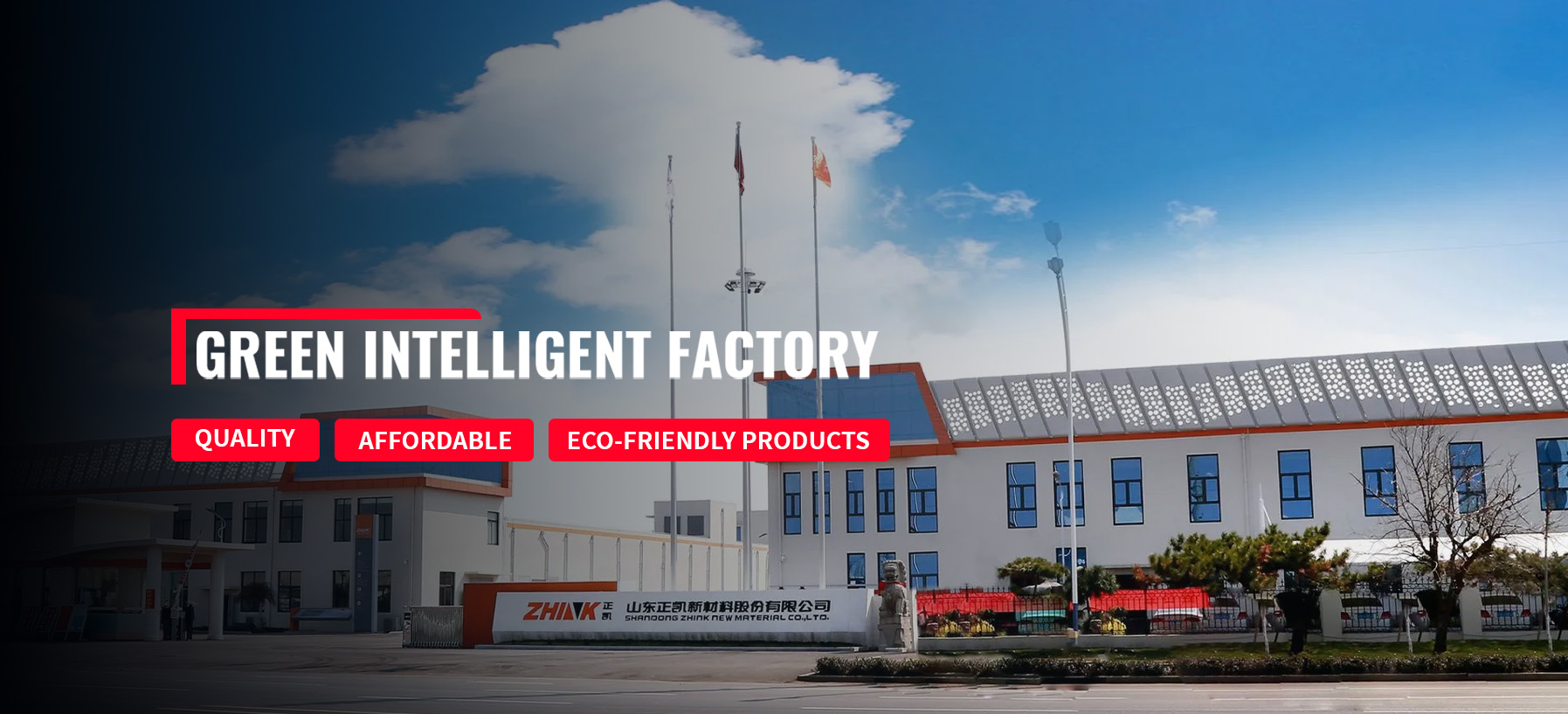
Cost considerations also come into play. Many businesses, especially smaller ones, may view Lyocell as expensive. However, aligning with suppliers like SHANDONG ZHINK NEW MATERIAL CO., LTD can help mitigate some of these concerns, offering strategic sourcing and solutions. More about their offerings can be found at their website.
Applications in the Textile Industry
The end use of 30s Lyocell yarn in the industry tends toward premium clothing lines. Its natural sheen and smooth touch make it highly desirable in the fashion industry, often used in shirts, dresses, and even luxury bed linens. But here lies an interesting observation: there is real potential in blending Lyocell with other fibers.
For instance, combining it with cotton or wool opens up a new range of textures and applications. In one textile mill I visited, they were experimenting with Lyocell-cotton blends, finding a perfect balance of softness and strength. These blends can lower costs while maintaining quality, which is a crucial consideration for manufacturers.
Another application is in non-woven textiles where Lyocell demonstrates excellent absorbency. This property has been tapped into for products such as wipes and medical textiles, where it adds value due to its biodegradable nature and gentle feel.
Sustainability and Market Trends
Sustainability is a buzzword that bears repeating, especially when discussing Lyocell. Produced with a closed-loop process that recycles the solvent, Lyocell is crafted with a focus on reducing environmental impact. In today's market, this aspect cannot be overstated, with consumers and brands alike increasingly leaning towards greener options.
The growth in demand for eco-friendly textiles aligns with wider industry trends. Many brands are committing to sustainability, making Lyocell highly attractive. The increased consumer awareness has caused a significant shift, with producers under pressure to provide transparency regarding sourcing and production processes.
Businesses like Zhink New Material are at the forefront of this shift, leading the charge with innovative, sustainable textile solutions. Keeping an eye on their developments might just offer a window into the future of the industry.
Future Prospects and Personal Reflections
So, where is the trend of 30s Lyocell yarn heading? In my view, there’s a bright future ahead, characterized by advancements in fiber technology and increased adoption across various sectors. The textile industry stands at a crossroads where innovation must meet environmental responsibility, an area where Lyocell yarn fits perfectly.
From personal experience, patience and precision can make all the difference in working with this fiber. The learning curve can be steep, but the rewards for getting it right are substantial, both in product quality and sustainability credentials.
Ultimately, as manufacturers refine their techniques and overcome cost and production challenges, I anticipate Lyocell will occupy a more significant share of the market. As always, staying informed and adaptable is key.
Related Products
Related Products