+86-632-3621866
- Chinese
- French
- German
- Portuguese
- Spanish
- Russian
- Japanese
- Korean
- Arabic
- Irish
- Greek
- Turkish
- Italian
- Danish
- Romanian
- Indonesian
- Czech
- Afrikaans
- Swedish
- Polish
- Basque
- Catalan
- Esperanto
- Hindi
- Lao
- Albanian
- Amharic
- Armenian
- Azerbaijani
- Belarusian
- Bengali
- Bosnian
- Bulgarian
- Cebuano
- Chichewa
- Corsican
- Croatian
- Dutch
- Estonian
- Filipino
- Finnish
- Frisian
- Galician
- Georgian
- Gujarati
- Haitian
- Hausa
- Hawaiian
- Hebrew
- Hmong
- Hungarian
- Icelandic
- Igbo
- Javanese
- Kannada
- Kazakh
- Khmer
- Kurdish
- Kyrgyz
- Latin
- Latvian
- Lithuanian
- Luxembou..
- Macedonian
- Malagasy
- Malay
- Malayalam
- Maltese
- Maori
- Marathi
- Mongolian
- Burmese
- Nepali
- Norwegian
- Pashto
- Persian
- Punjabi
- Serbian
- Sesotho
- Sinhala
- Slovak
- Slovenian
- Somali
- Samoan
- Scots Gaelic
- Shona
- Sindhi
- Sundanese
- Swahili
- Tajik
- Tamil
- Telugu
- Thai
- Ukrainian
- Urdu
- Uzbek
- Vietnamese
- Welsh
- Xhosa
- Yiddish
- Yoruba
- Zulu
- Kinyarwanda
- Tatar
- Oriya
- Turkmen
- Uyghur


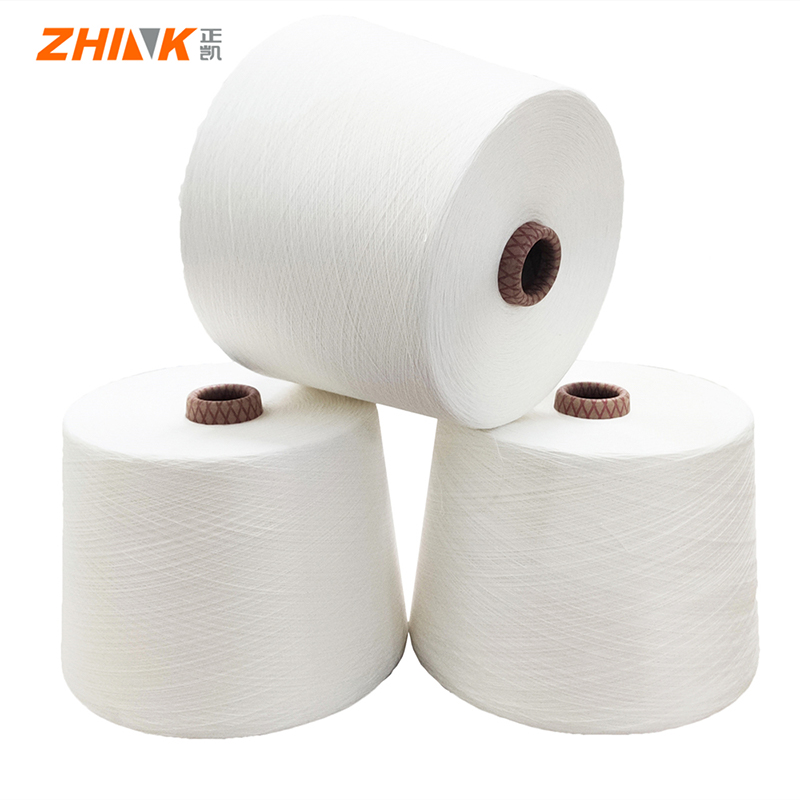
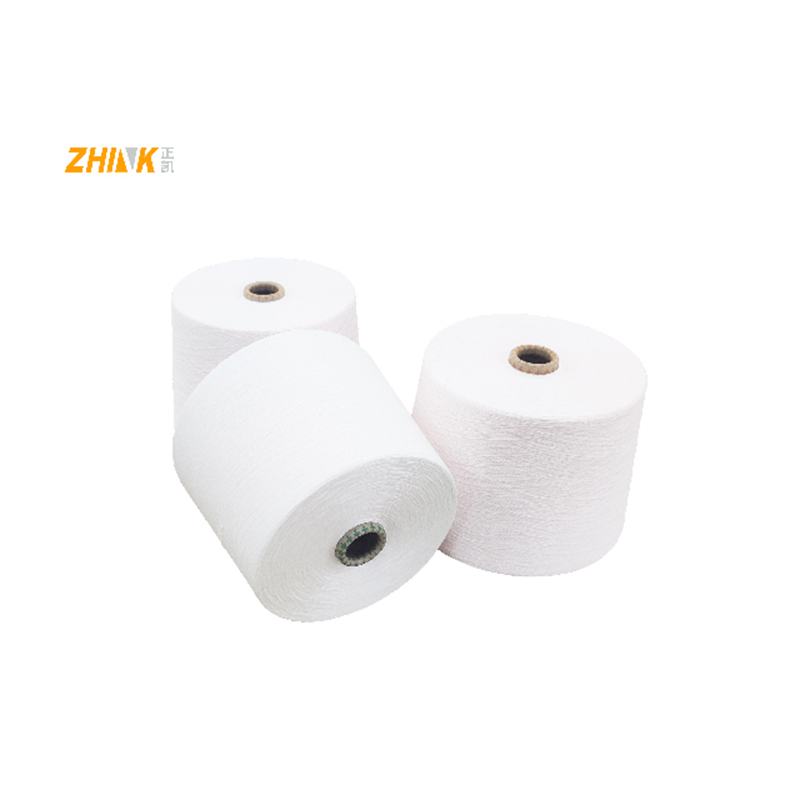
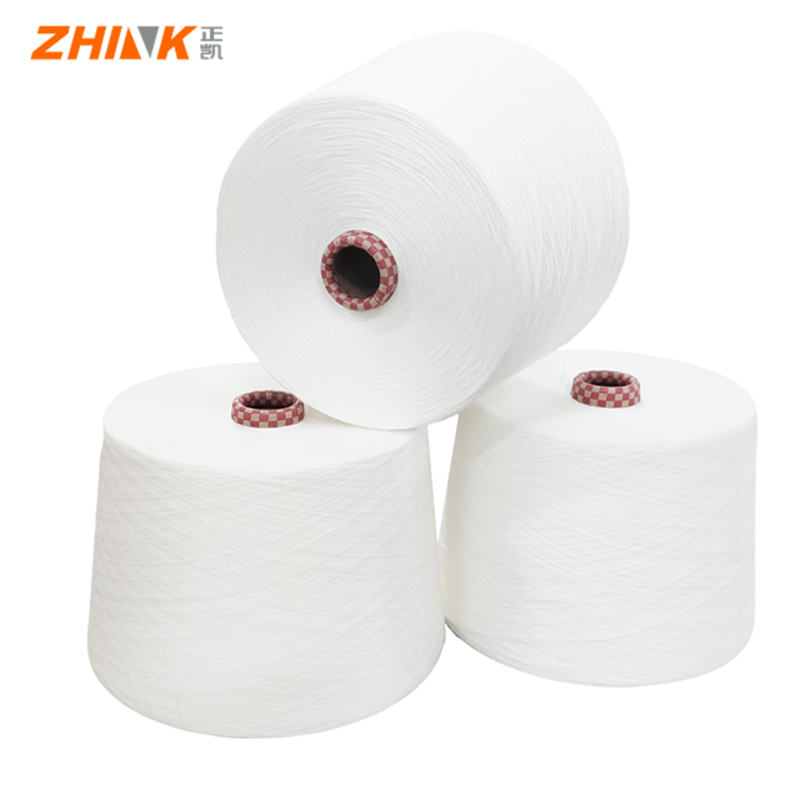
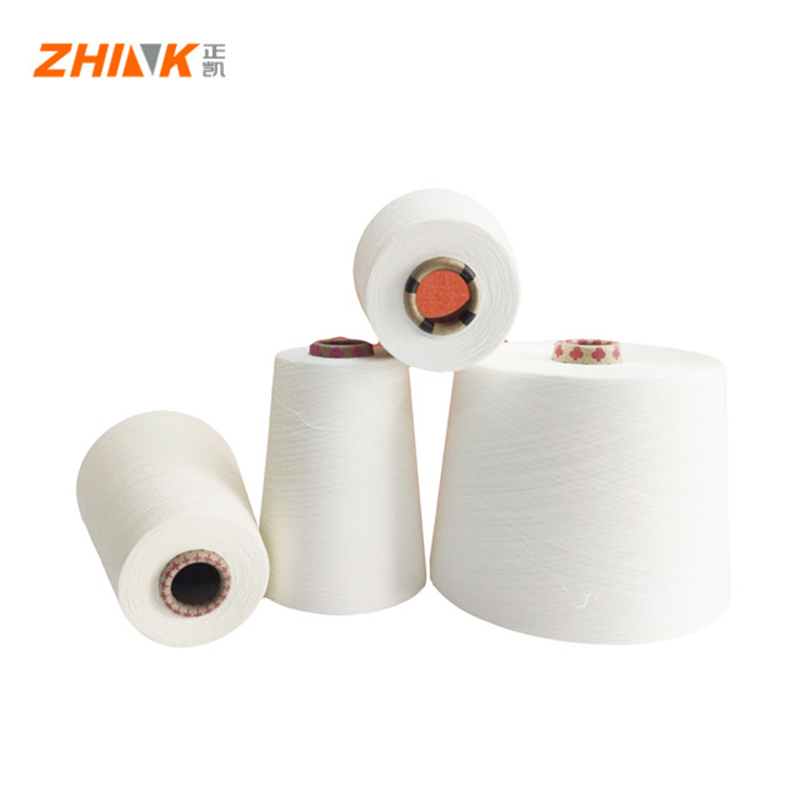
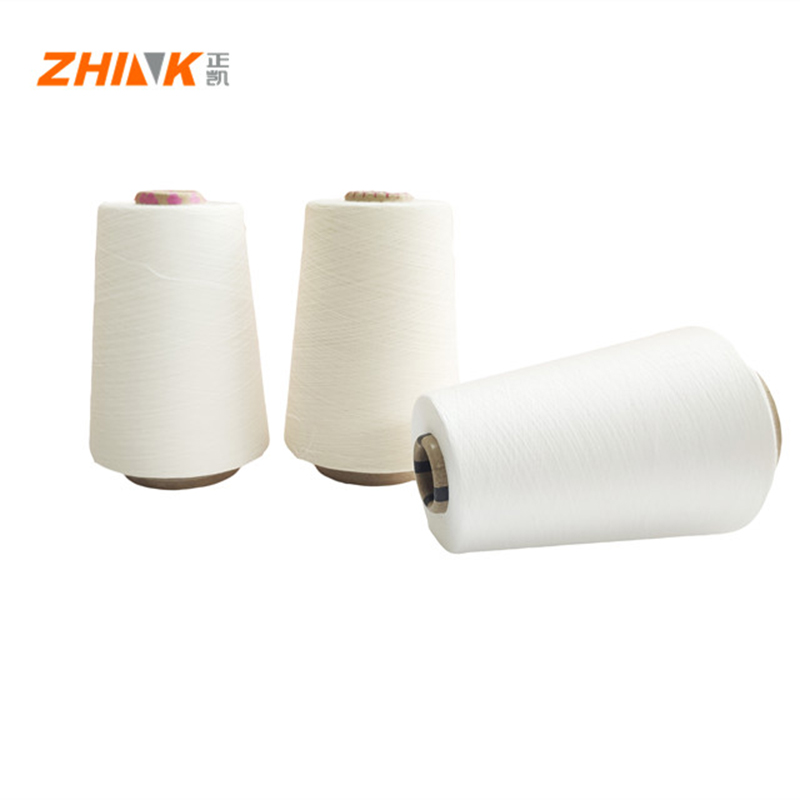
32s bamboo yarn
Exploring the Characteristics and Applications of 32s Bamboo Yarn
32s bamboo yarn is more than just a buzzword in the textile industry; it's a material that blends sustainability and versatility. With its unique properties, it's becoming a staple in modern garment technology, offering opportunities and posing challenges for manufacturers and designers alike.
Understanding 32s Bamboo Yarn
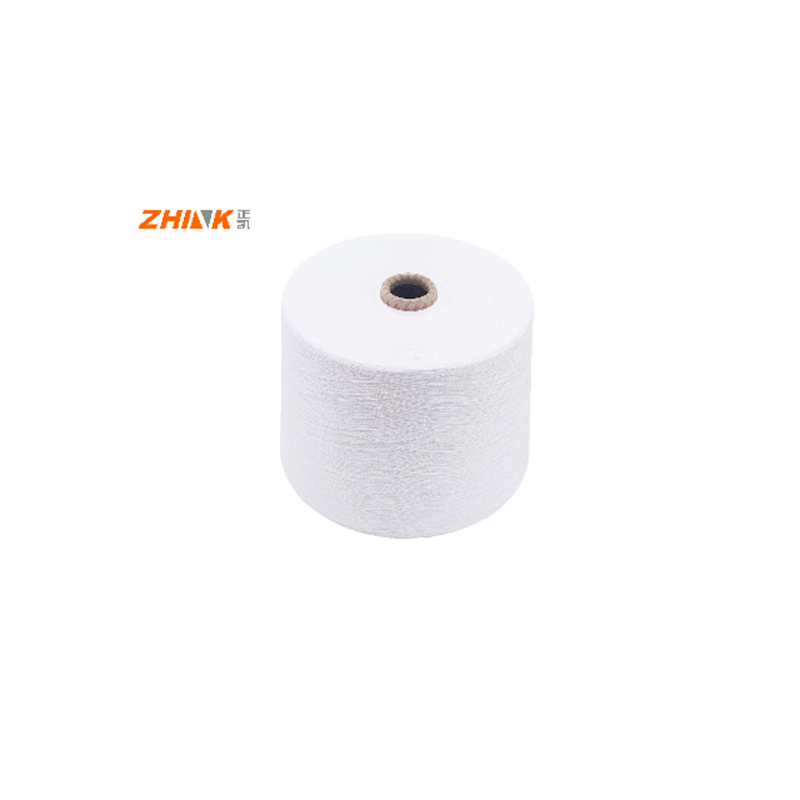
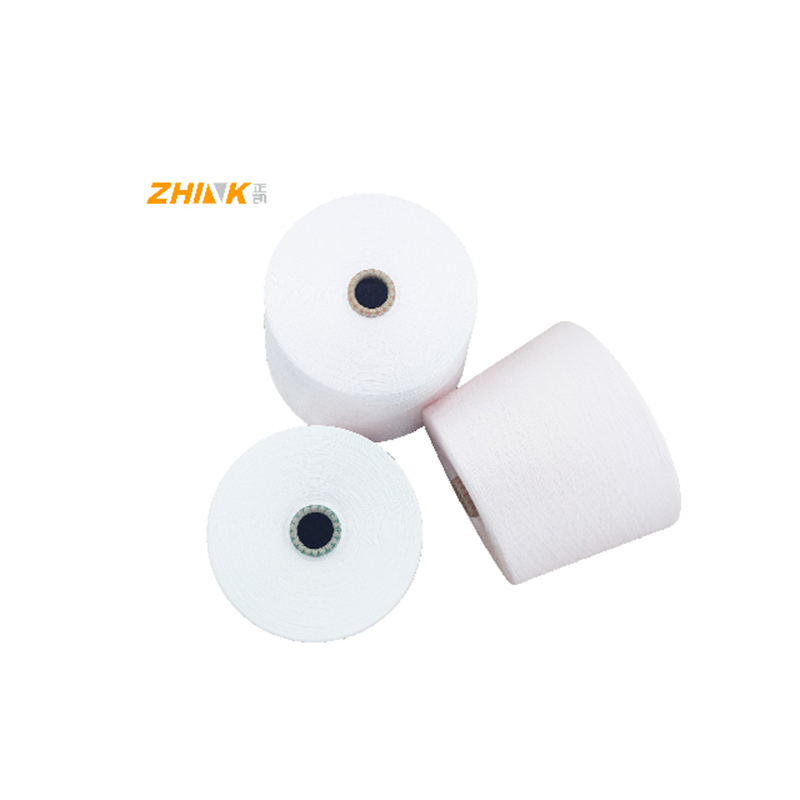
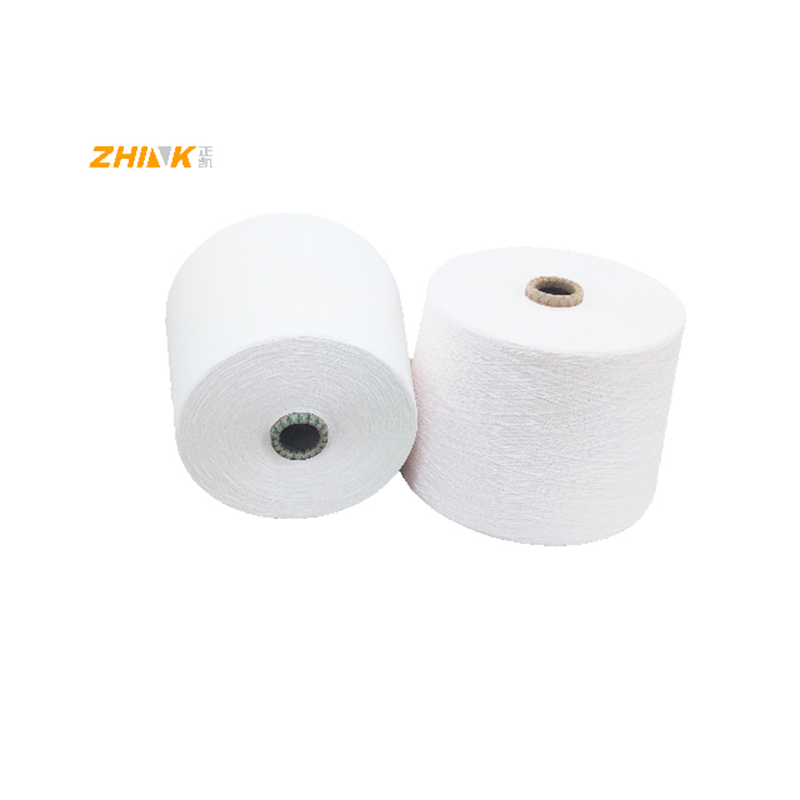
So what exactly is 32s bamboo yarn? To put it simply, the 32s refers to the yarn count—a measure that denotes the thickness of the yarn. In this context, it signifies a medium-fine thickness, making it suitable for a variety of applications. The bamboo element brings in a whole other dimension with its eco-friendly reputation and soft, silky feel.
From my experience, there's often confusion between bamboo yarn and bamboo fiber. While both stem from the same source, the processing path sets them apart. The yarn typically involves a viscose process, where bamboo pulp is transformed into fibers and then spun into yarn. This method lends the yarn its characteristic smoothness, though it does raise some environmental considerations.
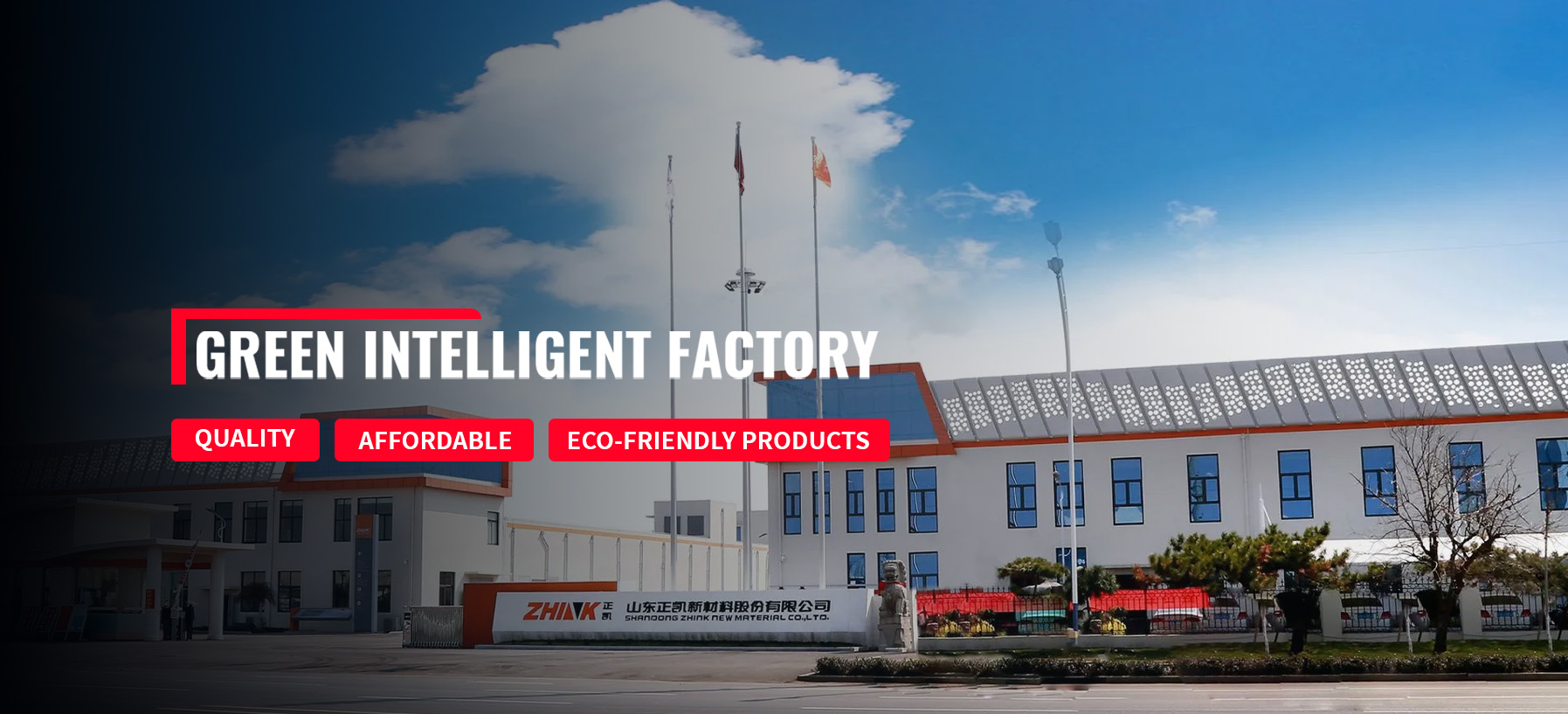
I recall a project with SHANDONG ZHINK NEW MATERIAL CO., LTD, where we experimented with bamboo yarn for summer wearables. The yarn's breathability was a major selling point, but achieving the right dyeing consistency required a few trial-and-error rounds due to the unique absorbency of the material.
The Sustainable Appeal
Bamboo's reputation as a sustainable resource often attracts environmentally conscious brands. The plant's rapid growth rate and low pesticide requirement make it a compelling alternative to cotton. However, the manufacturing process can be chemically intensive, a nuance often missed in marketing pitches.
At Zhink New Material, as I observed, there's always a push towards refining the production methods. Efforts are ongoing to adopt greener chemicals and technologies. We once trialed an enzymatic process that promised lower emissions, though the cost implications need more thorough assessment before wide adoption.
As someone deeply involved in material development, it's clear that combining eco-friendliness with performance is no straightforward task. The ongoing dialogue between sustainability and practicality fuels much of the innovation in this space.
Applications in Fashion and Beyond
In applications, 32s bamboo yarn finds its niche in both casual and high-end fashion. The softness and drape of the fabric make it ideal for summer dresses, shirts, and babywear, areas where comfort tops the priority list. However, its texture and sheen also lend a subtle luxury that designers love to explore.
I remember working on a line of home textiles where bamboo's antimicrobial properties were a standout feature. The yarn's natural resistance to bacteria and mold, coupled with its hypoallergenic nature, makes it excellent for bedding and towels—products where resilience and hygiene are critical.
These applications showcase the yarn's flexibility, but one challenge I've seen is maintaining consistency across batches. Bamboo yarn’s sensitivity to humidity and temperature variations can lead to slight discrepancies in fabric weight and finish, requiring meticulous control during production.
Navigating Market Expectations
Market trends heavily influence how materials like 32s bamboo yarn realign their roles in the industry. There's a growing consumer demand for traceability, pushing companies to provide transparency about sourcing and manufacturing practices.
Transparency efforts at Zhink New Material include initiatives like detailed labeling and customer education campaigns. On one occasion, we held workshops that demonstrated the yarn's life cycle—from plantation to product—enhancing consumer trust.
Still, aligning expectations between cost and sustainability remains an industry-wide negotiation. As with any natural product, fluctuations in raw material availability can impact pricing, which may challenge the competitive positioning of bamboo yarn compared to synthetics.
The Future of Bamboo Yarn
Looking forward, the future of 32s bamboo yarn seems promising, though not without its hurdles. Innovations in sustainable processing and hybrid blends will likely dictate the material's trajectory. Interest in bio-based dyes and finishes could further boost its eco-credentials, aligning with the zero-waste aspirations of the textile sector.
While visiting a trade show, I noticed a surge in collaborative projects between tech companies and textile firms aimed at achieving higher durability without compromising environmental goals. Exciting times lie ahead, as interdisciplinary approaches might unlock new potentials for bamboo yarn.
In summary, whether as a textile engineer, a fashion designer, or a conscientious consumer, the attraction to bamboo yarn often stems from a balance of aesthetics, comfort, and sustainability. As the industry evolves, those leveraging the strengths of this material will likely lead the charge in creating products that meet the needs of both people and the planet. For more information, companies like SHANDONG ZHINK NEW MATERIAL CO., LTD are pioneering these innovations and offer deeper insights into this exciting domain at their website, https://www.zhinkyarn.com.
Related Products
Related Products