+86-632-3621866
- Chinese
- French
- German
- Portuguese
- Spanish
- Russian
- Japanese
- Korean
- Arabic
- Irish
- Greek
- Turkish
- Italian
- Danish
- Romanian
- Indonesian
- Czech
- Afrikaans
- Swedish
- Polish
- Basque
- Catalan
- Esperanto
- Hindi
- Lao
- Albanian
- Amharic
- Armenian
- Azerbaijani
- Belarusian
- Bengali
- Bosnian
- Bulgarian
- Cebuano
- Chichewa
- Corsican
- Croatian
- Dutch
- Estonian
- Filipino
- Finnish
- Frisian
- Galician
- Georgian
- Gujarati
- Haitian
- Hausa
- Hawaiian
- Hebrew
- Hmong
- Hungarian
- Icelandic
- Igbo
- Javanese
- Kannada
- Kazakh
- Khmer
- Kurdish
- Kyrgyz
- Latin
- Latvian
- Lithuanian
- Luxembou..
- Macedonian
- Malagasy
- Malay
- Malayalam
- Maltese
- Maori
- Marathi
- Mongolian
- Burmese
- Nepali
- Norwegian
- Pashto
- Persian
- Punjabi
- Serbian
- Sesotho
- Sinhala
- Slovak
- Slovenian
- Somali
- Samoan
- Scots Gaelic
- Shona
- Sindhi
- Sundanese
- Swahili
- Tajik
- Tamil
- Telugu
- Thai
- Ukrainian
- Urdu
- Uzbek
- Vietnamese
- Welsh
- Xhosa
- Yiddish
- Yoruba
- Zulu
- Kinyarwanda
- Tatar
- Oriya
- Turkmen
- Uyghur



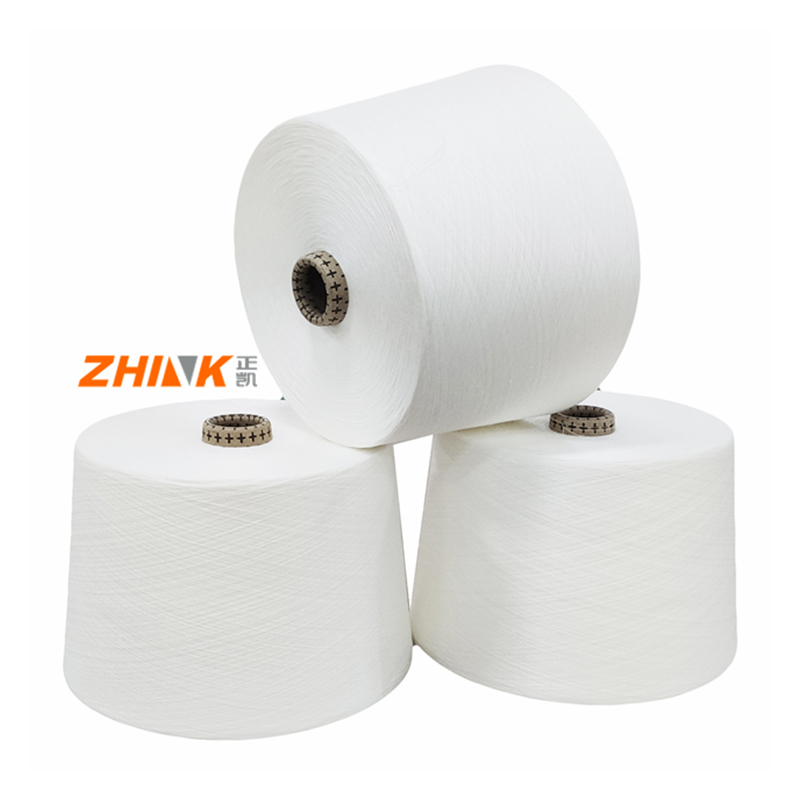
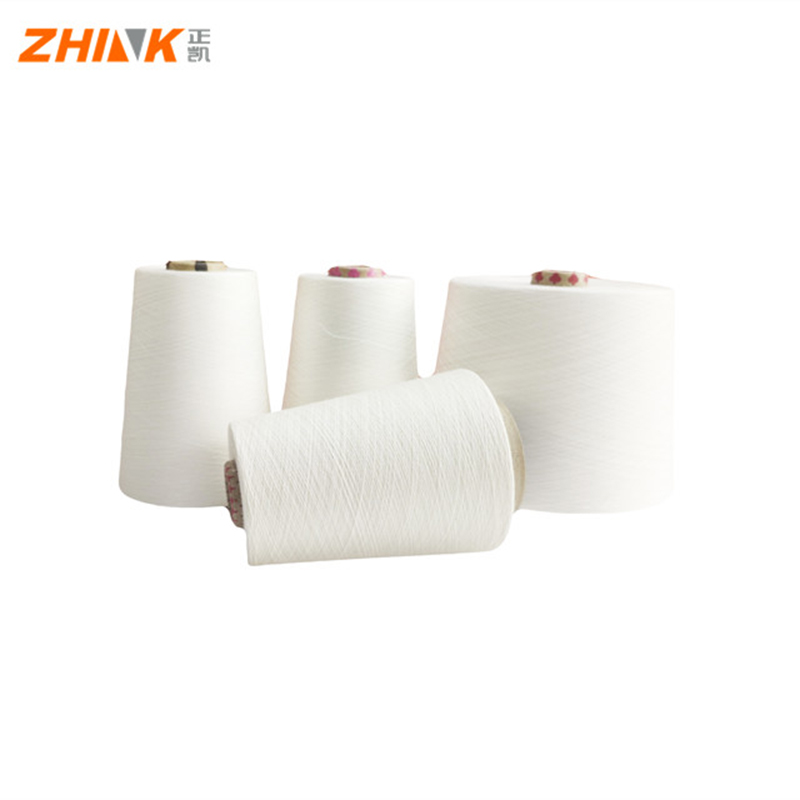
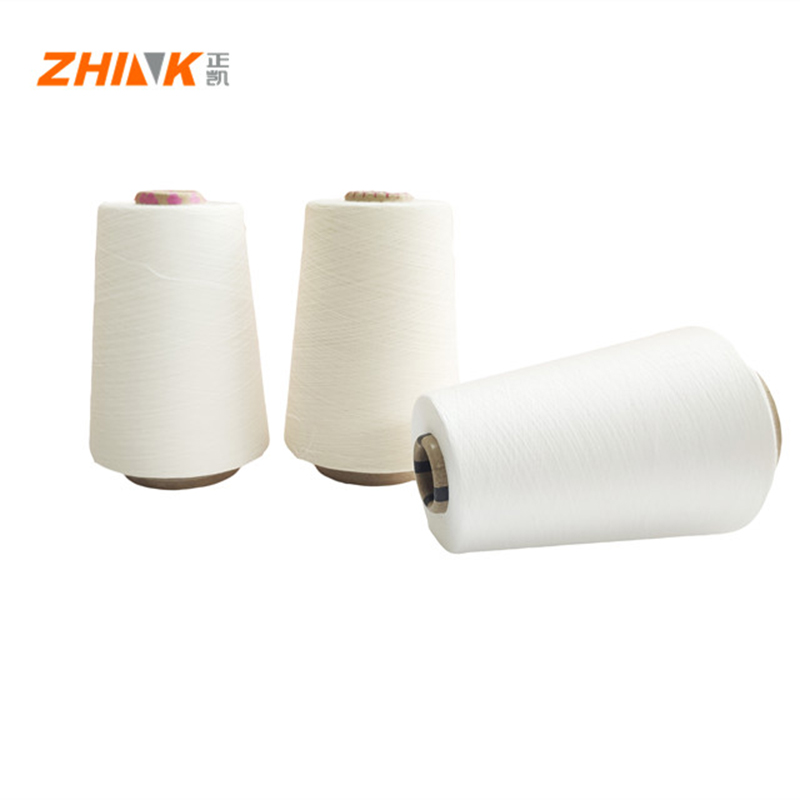
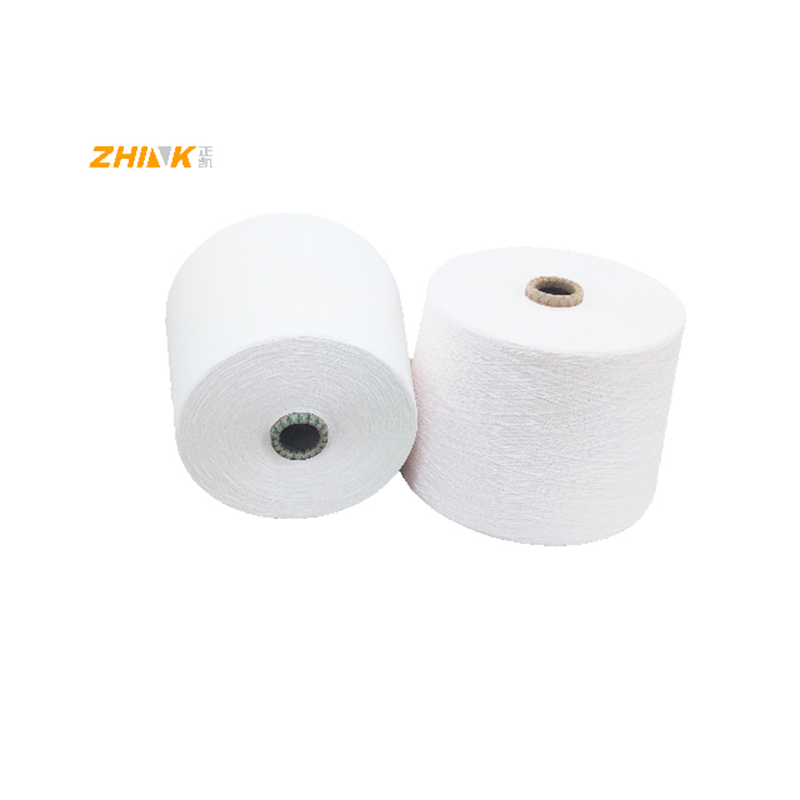
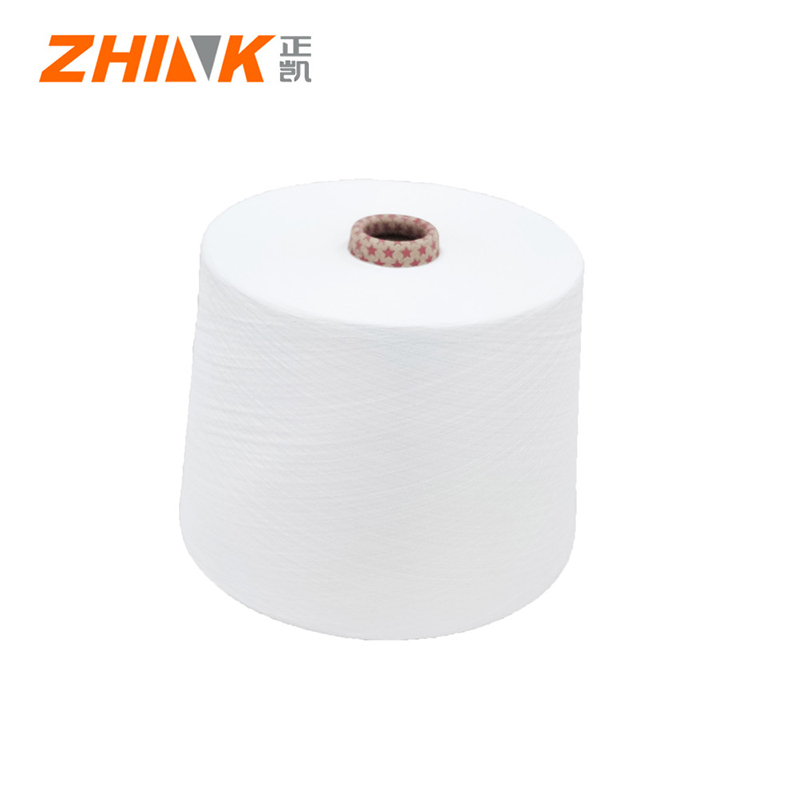
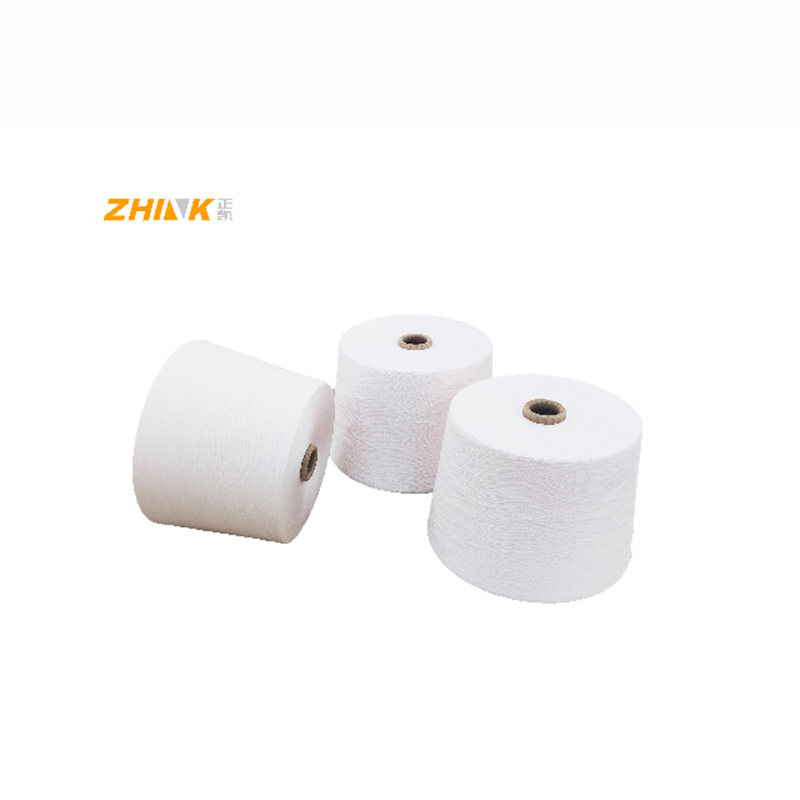
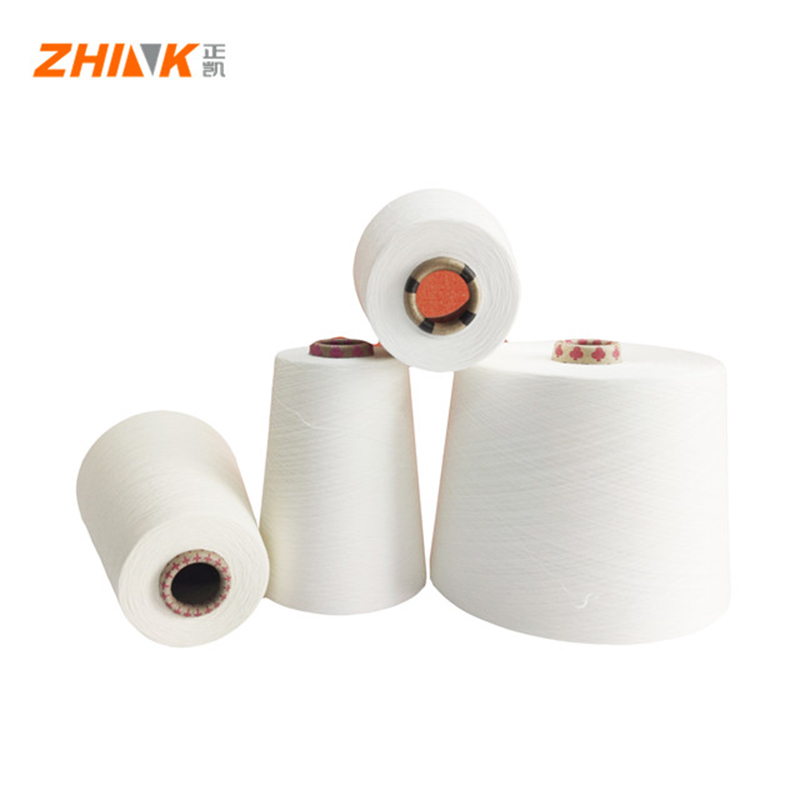
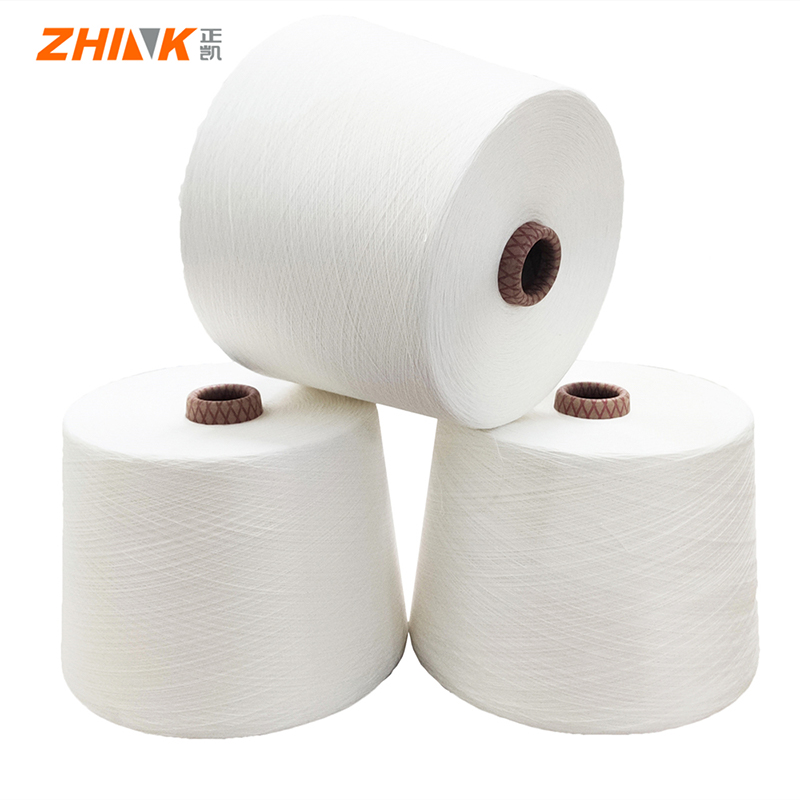
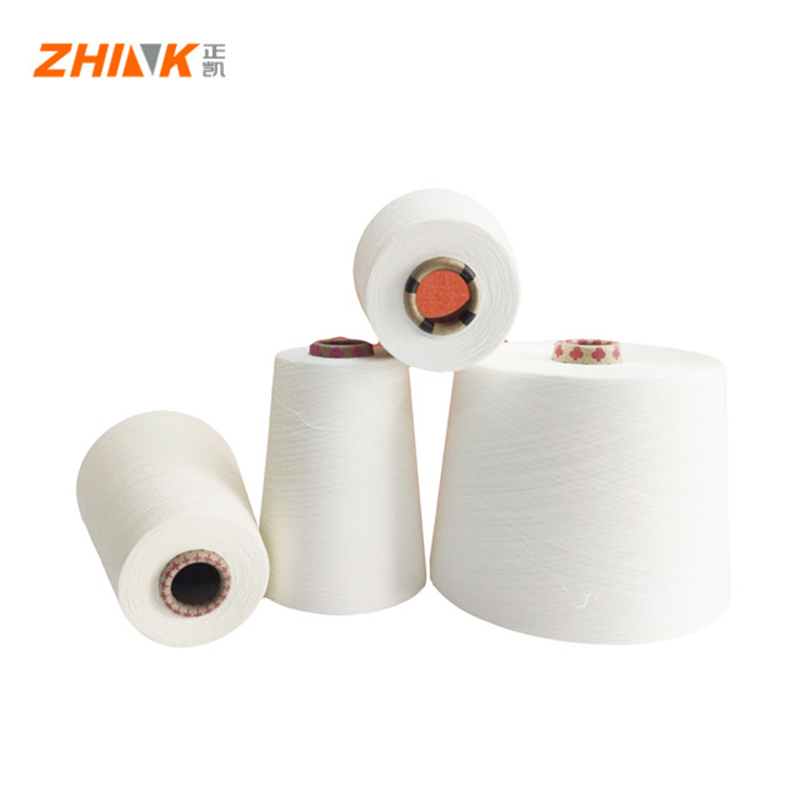
32s viscose yarn
The Intricacies of 32s Viscose Yarn: Insights from the Field
When it comes to textiles, the choice of yarn can make or break your final product. Understanding the peculiarities of 32s viscose yarn is crucial for manufacturers aiming to create quality, versatile fabrics. Yet, misconceptions abound—often leading to costly mistakes or inefficient processes.
The Basics of 32s Viscose Yarn
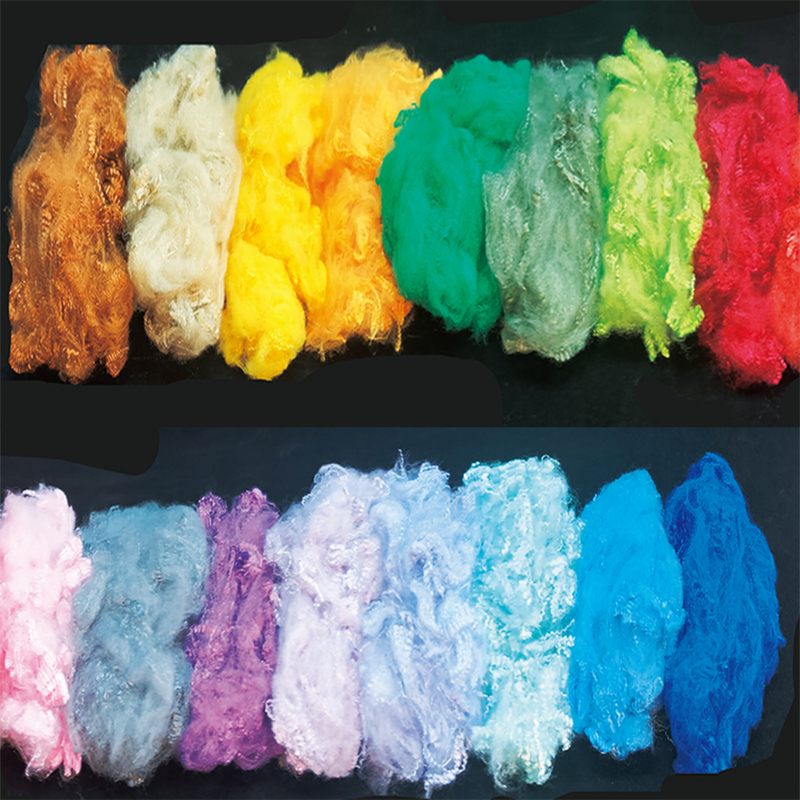
Viscose, derived from cellulose, possesses unique qualities that have made it an industry staple. Specifically, the '32s' nomenclature refers to the yarn's count, a pivotal aspect in determining fabric weight and texture. Now, what exactly makes 32s stand out? It's that balance of strength and finesse; you get a delicate feel without sacrificing durability. If you’ve ever handled it, you’ll know it’s lightweight without feeling insubstantial.
However, working with viscose isn't always straightforward. Many assume that its silk-like softness equates to fragility, but that's a misconception. With the right techniques, 32s viscose can withstand various treatments. This flexibility is one reason it's found in everything from fashion to home textiles.
At SHANDONG ZHINK NEW MATERIAL CO., LTD, we’ve delved into viscose's intricacies during our R&D ventures. The preliminary trials with 32s were challenging; we encountered issues with dye uniformity. Yet, with continual refinement, our products now boast consistent, vibrant colors that define our brand.
Why Choose 32s Viscose Yarn?
Not all yarns are created equal. For manufacturers, the choice to use 32s is often a decision rooted in versatility. It straddles the line between economy and luxury. This yarn's finesse allows it to mimic more expensive materials while maintaining an accessible price point.
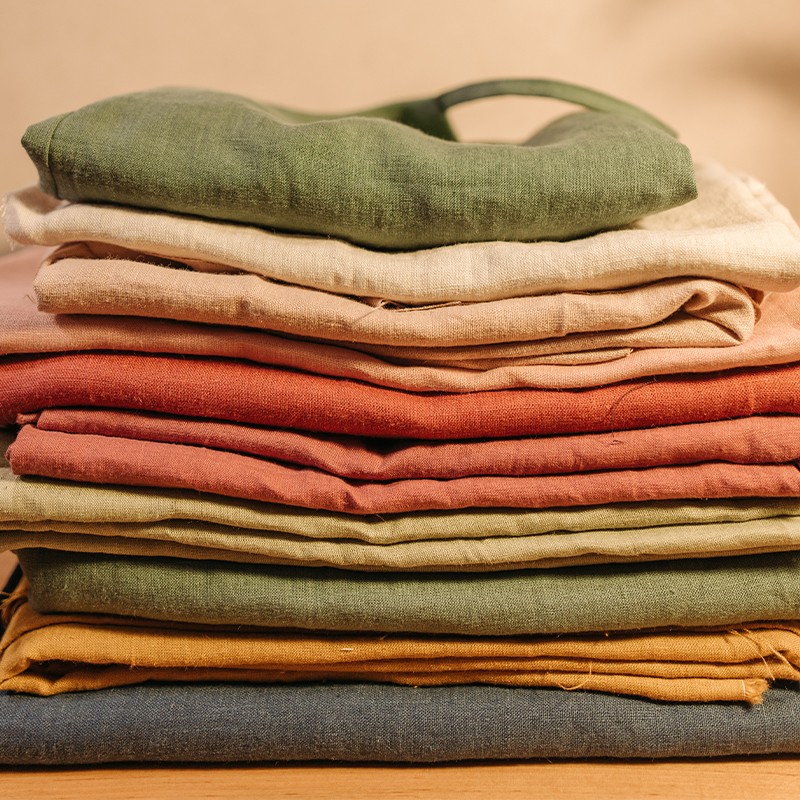
The tactile quality of viscose is another strong selling point. Apparel brands, for instance, favor it for its comfort and breathability. From personal observations, customers often comment on how good viscose garments feel. There's an inherent drape and sheen that enhances the aesthetic appeal of the finished product.
But beware: mishandling during production can compromise these benefits. Humidity levels during spinning, and later during fabric storage, need careful monitoring. We’ve found that a controlled environment dramatically reduces flaws, so it’s something we prioritize here at Zhink New Material.
Production Insights at SHANDONG ZHINK
In our facility, we emphasize innovation in producing 32s viscose yarn. It begins with careful material selection. Not all cellulose sources yield the same quality viscose. We've fine-tuned relationships with suppliers to ensure consistency, which is critical when scaling production.
We employ a proprietary process in our manufacturing that minimizes environmental impact. Viscose production is notorious for its chemical demands, but it's manageable with greener methods. Our commitment to sustainability is unwavering, a stance appreciated by partners and clients alike.
Reflecting on past initiatives, a significant advancement was our shift towards closed-loop systems. This reduced waste, increased efficiency, and aligned with our environmental goals. The transition wasn't without its hurdles—balancing cost and technology proved tricky, yet essential for long-term viability.
Market Trends and Consumer Insights
Market trends often fluctuate, but demand for viscose remains robust. In recent discussions, industry peers have noted a shift in consumer preference towards natural, sustainable materials. Here, 32s viscose shines given its biodegradable nature.
Moreover, the versatility of 32s extends its appeal across multiple sectors. From fashion to home textiles, the demand persists, driven by new applications we continually explore. The feedback loop from end-consumers has been integral, guiding enhancements in product offerings.
There's also growing interest in blends that incorporate 32s viscose yarn. Integrating it with other fibers can yield fascinating properties—be it increased elasticity or enhanced moisture-wicking capabilities. Exploration in this arena is a focus for our team as we look to innovate within textiles.
Challenges and Future Prospects
Despite its allure, working with viscose poses challenges. Moisture's impact on fiber integrity requires ongoing attention. Here at Zhink, we've refined our techniques based on rigorous testing and industry collaboration.
The future of 32s viscose yarn looks promising, especially within sustainable textile initiatives. We're already seeing shifts in material sourcing and production approaches to cater to eco-conscious consumers. At SHANDONG ZHINK NEW MATERIAL CO., LTD, these ongoing developments guide our strategic planning.
As we move forward, embracing technology without losing sight of artisanal craftsmanship will be key. Whether it’s through innovative production methods or unexpected material pairings, the journey with 32s viscose yarn continues to unfold in intriguing ways.
Related Products
Related Products