+86-632-3621866
- Chinese
- French
- German
- Portuguese
- Spanish
- Russian
- Japanese
- Korean
- Arabic
- Irish
- Greek
- Turkish
- Italian
- Danish
- Romanian
- Indonesian
- Czech
- Afrikaans
- Swedish
- Polish
- Basque
- Catalan
- Esperanto
- Hindi
- Lao
- Albanian
- Amharic
- Armenian
- Azerbaijani
- Belarusian
- Bengali
- Bosnian
- Bulgarian
- Cebuano
- Chichewa
- Corsican
- Croatian
- Dutch
- Estonian
- Filipino
- Finnish
- Frisian
- Galician
- Georgian
- Gujarati
- Haitian
- Hausa
- Hawaiian
- Hebrew
- Hmong
- Hungarian
- Icelandic
- Igbo
- Javanese
- Kannada
- Kazakh
- Khmer
- Kurdish
- Kyrgyz
- Latin
- Latvian
- Lithuanian
- Luxembou..
- Macedonian
- Malagasy
- Malay
- Malayalam
- Maltese
- Maori
- Marathi
- Mongolian
- Burmese
- Nepali
- Norwegian
- Pashto
- Persian
- Punjabi
- Serbian
- Sesotho
- Sinhala
- Slovak
- Slovenian
- Somali
- Samoan
- Scots Gaelic
- Shona
- Sindhi
- Sundanese
- Swahili
- Tajik
- Tamil
- Telugu
- Thai
- Ukrainian
- Urdu
- Uzbek
- Vietnamese
- Welsh
- Xhosa
- Yiddish
- Yoruba
- Zulu
- Kinyarwanda
- Tatar
- Oriya
- Turkmen
- Uyghur


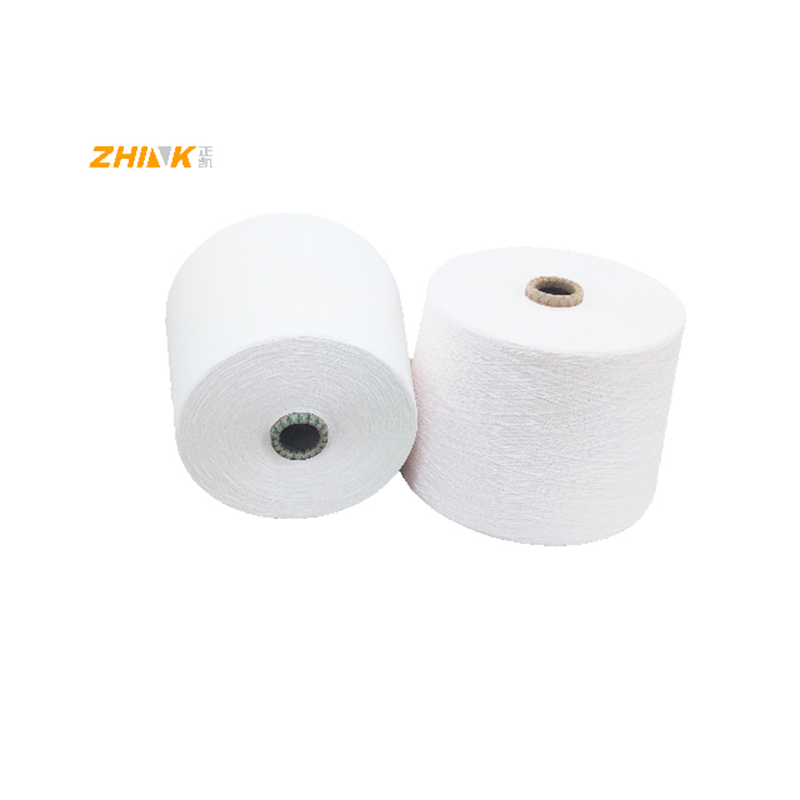
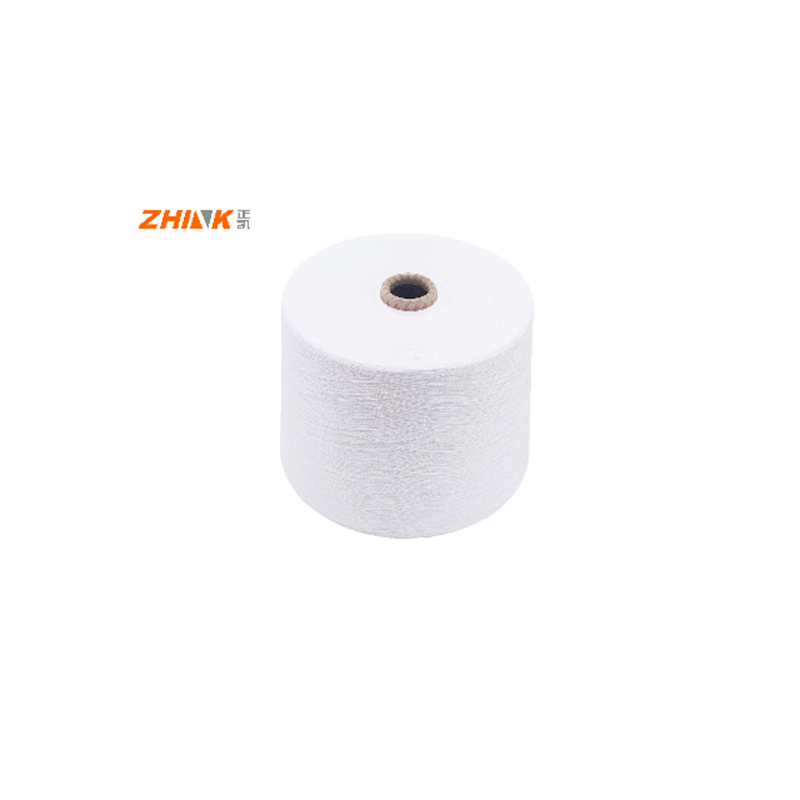
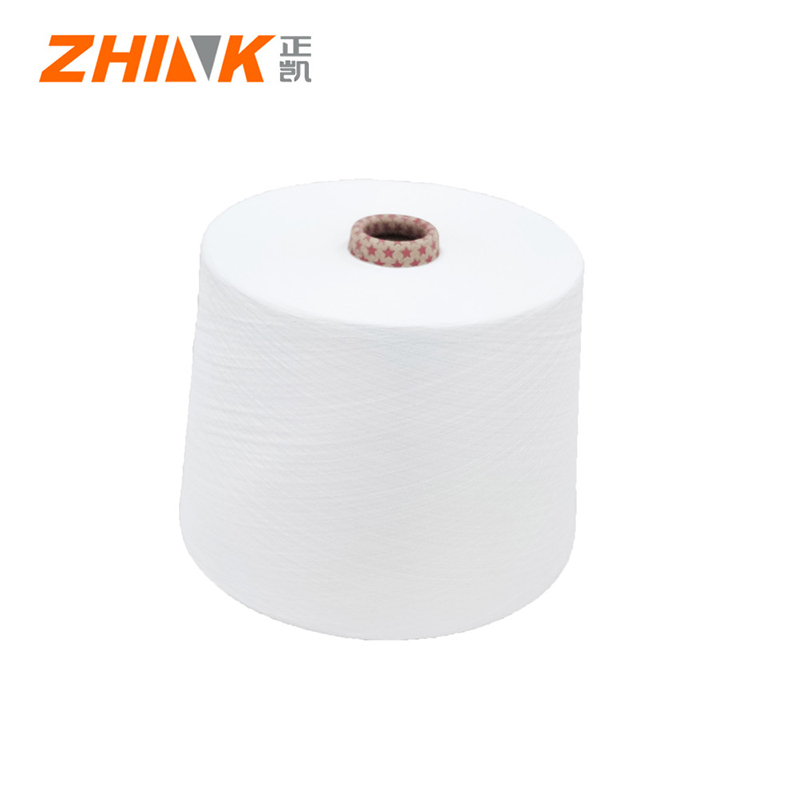
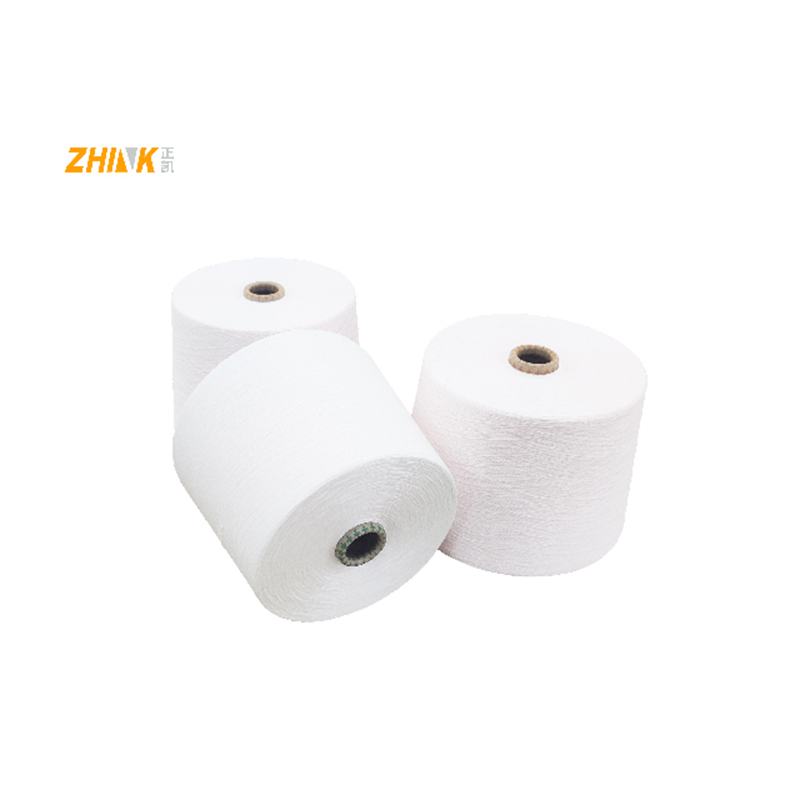
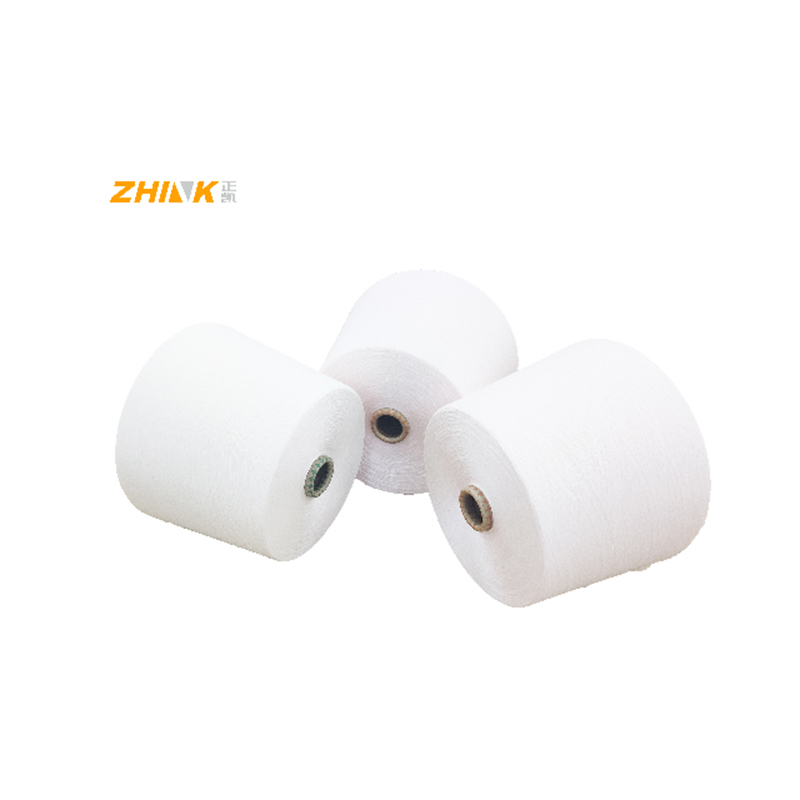
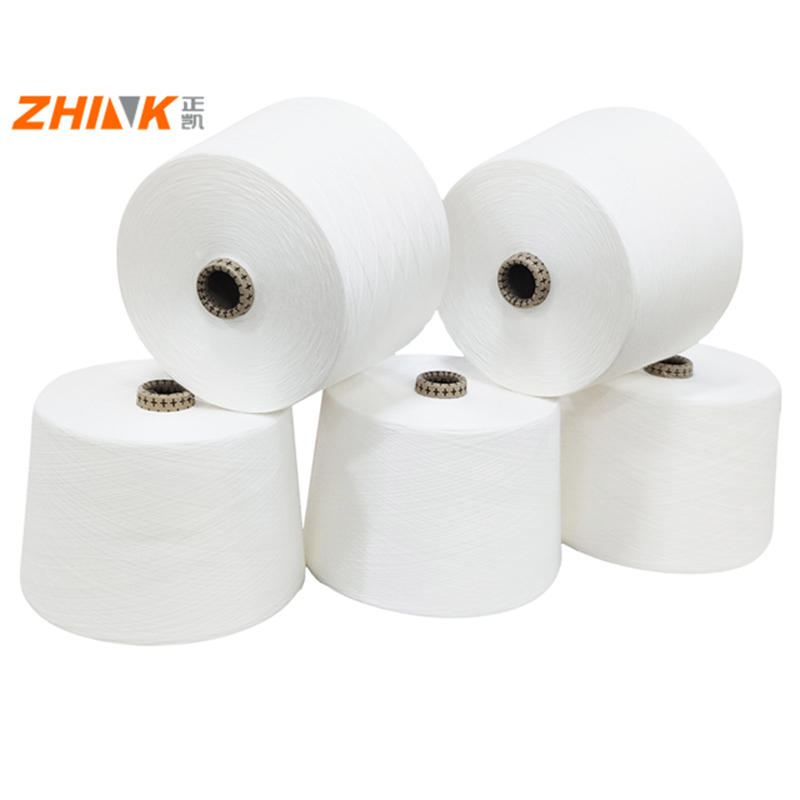
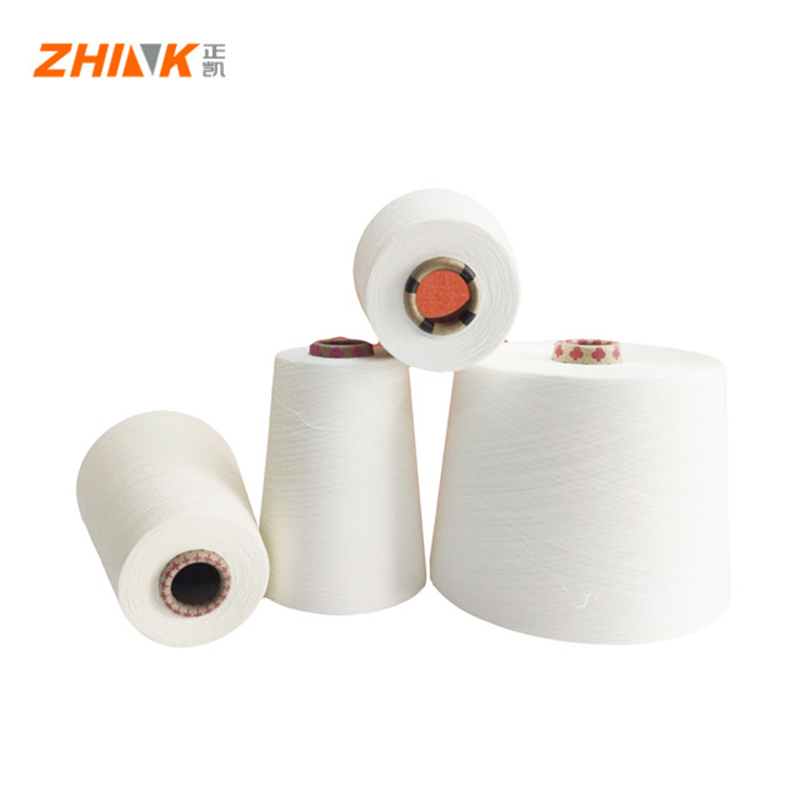
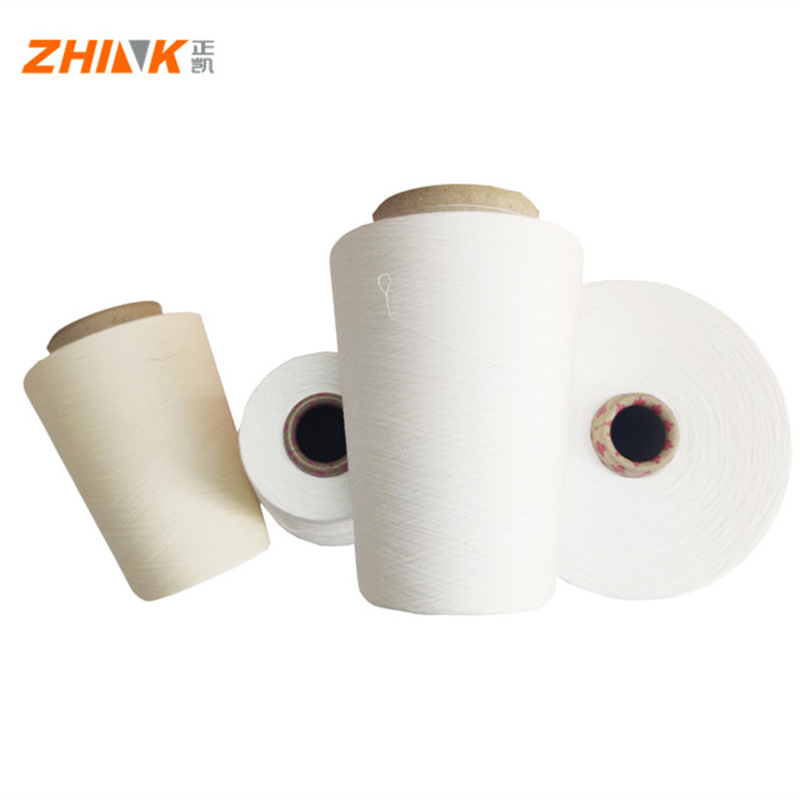
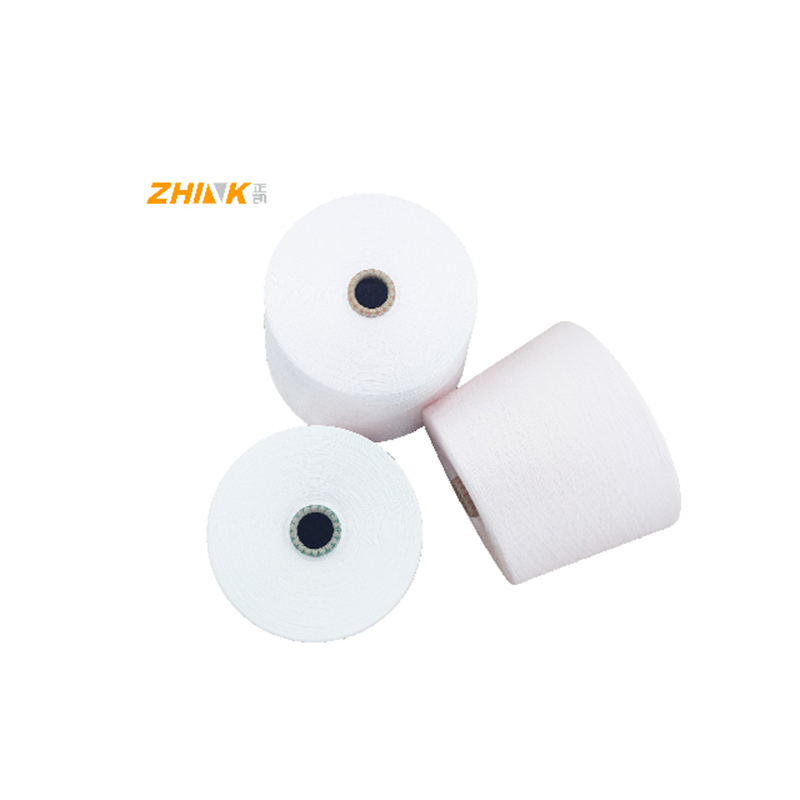
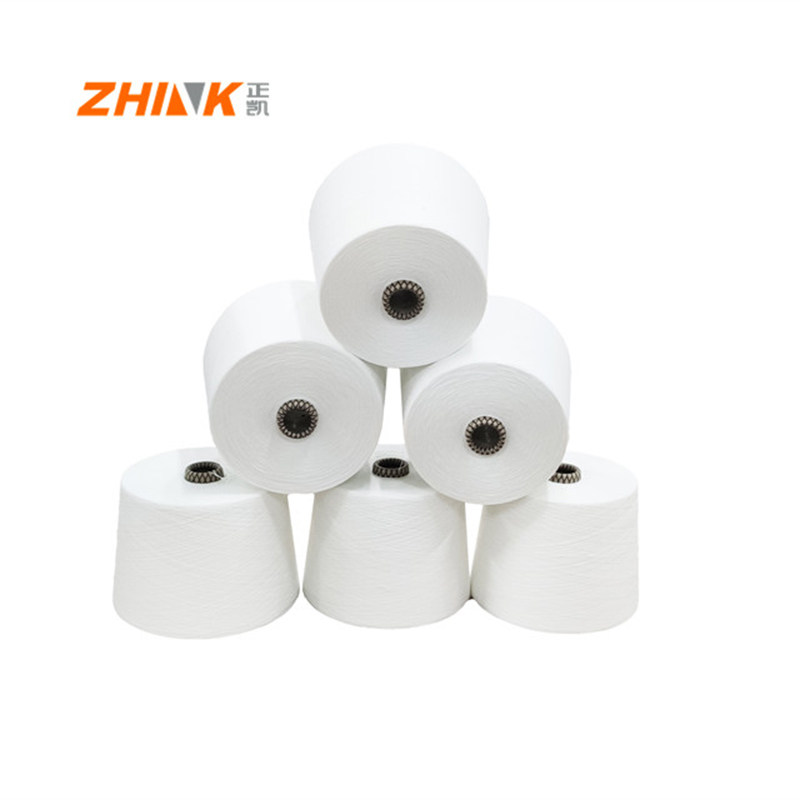
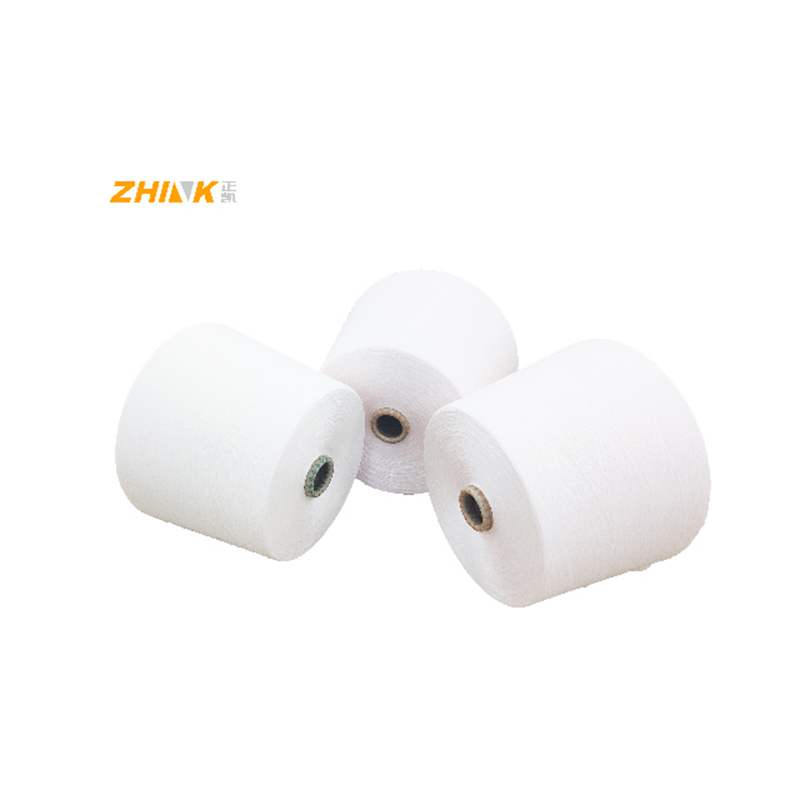
4.44dtex*38mm
The Dynamics of 4.44dtex38mm Fibers in Textile Manufacturing
Exploring the intricacies of 4.44dtex38mm fibers reveals a blend of precision engineering and practical applications. It's a lens into both innovation and everyday use, connecting high-end textile development with grounded practicality.
Understanding 4.44dtex38mm
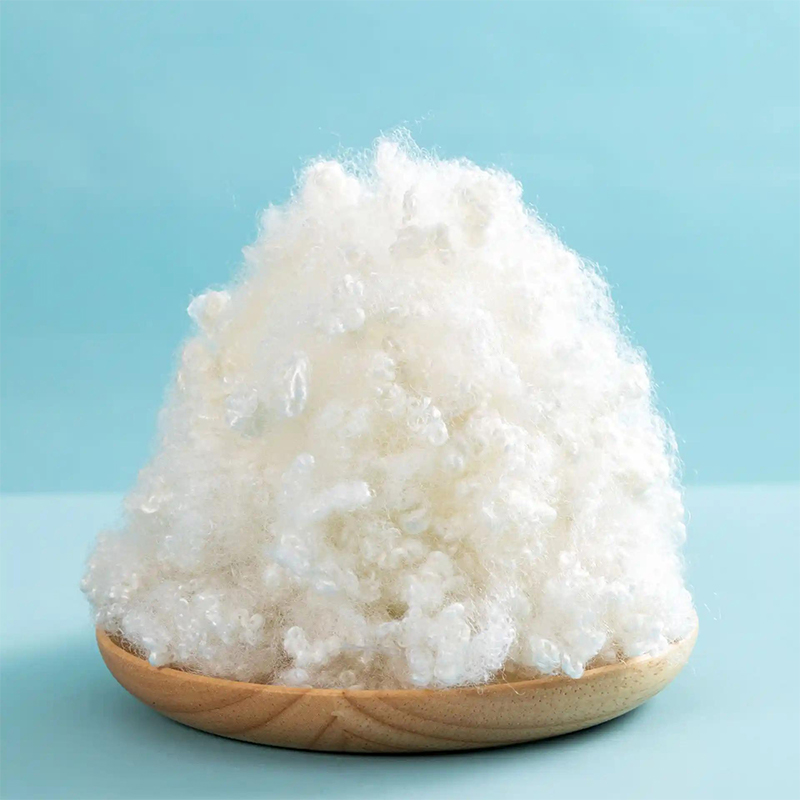
When we mention 4.44dtex38mm, it essentially refers to a specific measure of fiber thickness and length. The dtex, or decitex, measures the mass in grams per 10,000 meters. Thus, 4.44dtex implies a thin, versatile type of fiber—often prized for its balance between strength and flexibility. The 38mm indicates the length, making it suitable for various blending processes.
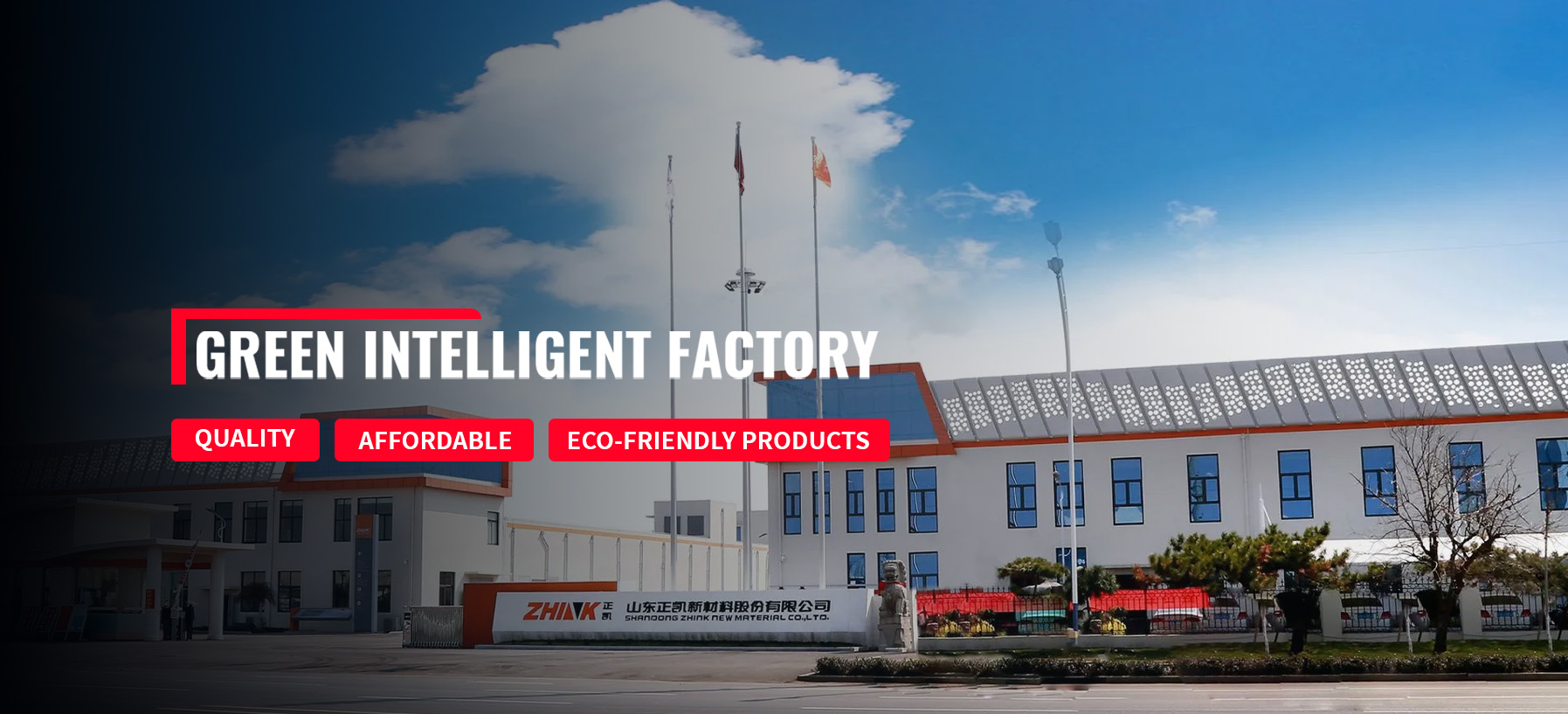
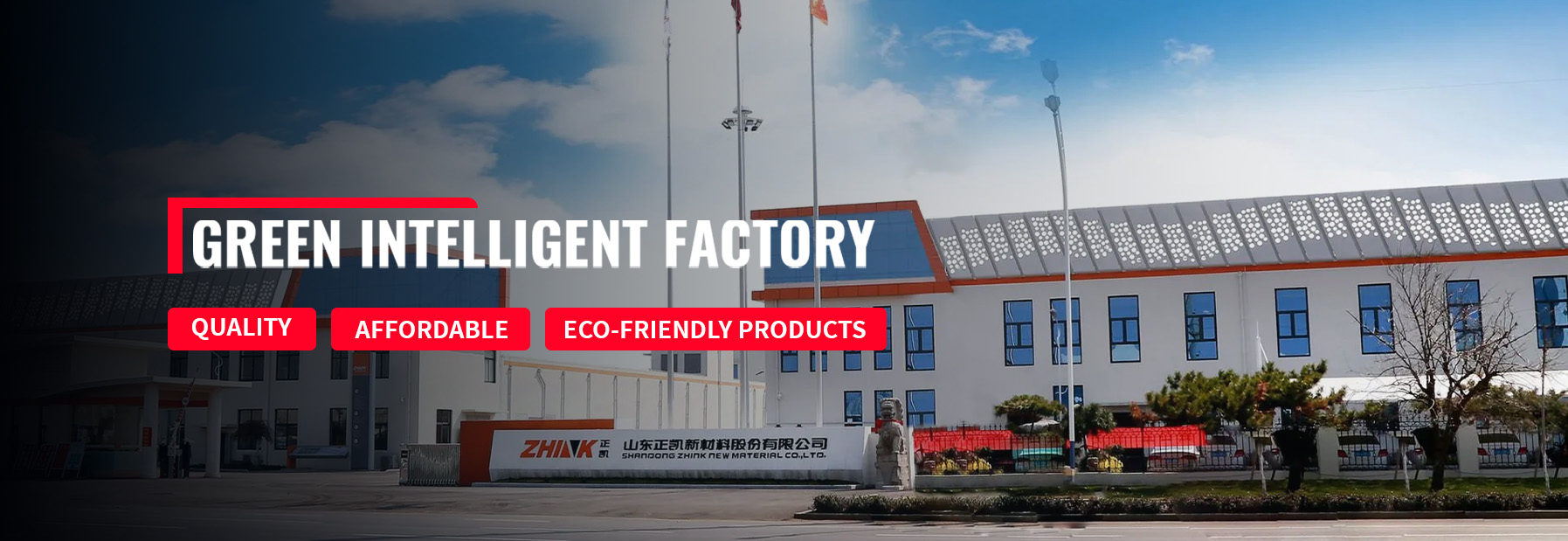
With increasing demand for lightweight yet durable materials, fibers like these find their place in high-performance clothing. For instance, SHANDONG ZHINK NEW MATERIAL CO., LTD (see their offerings at here) consistently utilizes such specifications in its innovative textile solutions.
However, it's crucial to recognize that there's a gap between industry expert knowledge and everyday understanding. People often confuse finer fibers with fragility, yet in controlled conditions, their performance in wear resistance is unmatched.
Applications and Material Properties
The application of fibers like 4.44dtex38mm spans various domains—from athleisure to industrial uses. In wearable tech, these fibers contribute to flexibility and breathability. You'd notice how they hold dye remarkably well, a perk not fully appreciated until you consider the vibrant, sustained colors in activewear.
Beyond garments, one might see their use in medical textiles or filtration products. Their dimensional stability and consistent quality make them ideal for non-wovens as well. I've personally seen them perform in settings where reliability is non-negotiable.
It's fascinating how Zhink New Material weaves these fibers into specialized products. Their site elaborates further on the blend of R&D and practical manufacturing.
Challenges in Production
Despite their advantages, producing 4.44dtex38mm fibers isn't without hurdles. Precision in manufacturing is paramount. You'd think it’s just a matter of machines, but often, it's the human touch—decisions made in the process—that ensures quality. The calibration of machinery to handle such specific fibers can be unpredictable.
Issues like humidity control, temperature regulation, and machinery maintenance play critical roles. I recall a setup where a minor oversight in temperature calibration led to batch-wide inconsistencies, an expensive lesson in the importance of environment standards.
A company like Zhink rounds out these challenges with dedicated R&D, driving improvements you might not see but can certainly feel in the final product.
Market Trends and Consumer Expectations
Consumers today expect the textiles they wear or use to go beyond traditional limitations. Take the athleisure boom as an example—demanding fibers that resist water but breathe, something that 4.44dtex38mm caters to beautifully.
In discussions with industry peers, the emphasis on sustainability also repeatedly surfaces. How do we balance eco-friendly processes with high-performance outcomes? It's a question driving forward companies like SHANDONG ZHINK NEW MATERIAL CO., LTD.
What amplifies intrigue is that these fibers are pushed beyond apparel, stepping into packaging and other non-textile applications. Zhink’s adaptability here is particularly notable as they redefine what's possible with textile fibers. Their latest projects are publicly detailed on their website.
Innovations in Fiber Technology
Talking about fiber innovation isn't complete without mentioning the advancements in polymer chemistry. The ability to engineer fibers at such specifications like 4.44dtex38mm represents constant evolution in the field.
This precision opens doors to hybrid materials, enhancing properties like thermal resistance or UV protection. Something I observed, thanks to Zhink’s effort, is their development of smart textiles that respond to environmental factors.
The horizon for these fibers is vast, as is their transformative potential. And as we explore these possibilities, it's reassuring to have organizations like Zhink leading the charge, embracing change and innovation in textiles.
Related Products
Related Products