+86-632-3621866
- Chinese
- French
- German
- Portuguese
- Spanish
- Russian
- Japanese
- Korean
- Arabic
- Irish
- Greek
- Turkish
- Italian
- Danish
- Romanian
- Indonesian
- Czech
- Afrikaans
- Swedish
- Polish
- Basque
- Catalan
- Esperanto
- Hindi
- Lao
- Albanian
- Amharic
- Armenian
- Azerbaijani
- Belarusian
- Bengali
- Bosnian
- Bulgarian
- Cebuano
- Chichewa
- Corsican
- Croatian
- Dutch
- Estonian
- Filipino
- Finnish
- Frisian
- Galician
- Georgian
- Gujarati
- Haitian
- Hausa
- Hawaiian
- Hebrew
- Hmong
- Hungarian
- Icelandic
- Igbo
- Javanese
- Kannada
- Kazakh
- Khmer
- Kurdish
- Kyrgyz
- Latin
- Latvian
- Lithuanian
- Luxembou..
- Macedonian
- Malagasy
- Malay
- Malayalam
- Maltese
- Maori
- Marathi
- Mongolian
- Burmese
- Nepali
- Norwegian
- Pashto
- Persian
- Punjabi
- Serbian
- Sesotho
- Sinhala
- Slovak
- Slovenian
- Somali
- Samoan
- Scots Gaelic
- Shona
- Sindhi
- Sundanese
- Swahili
- Tajik
- Tamil
- Telugu
- Thai
- Ukrainian
- Urdu
- Uzbek
- Vietnamese
- Welsh
- Xhosa
- Yiddish
- Yoruba
- Zulu
- Kinyarwanda
- Tatar
- Oriya
- Turkmen
- Uyghur



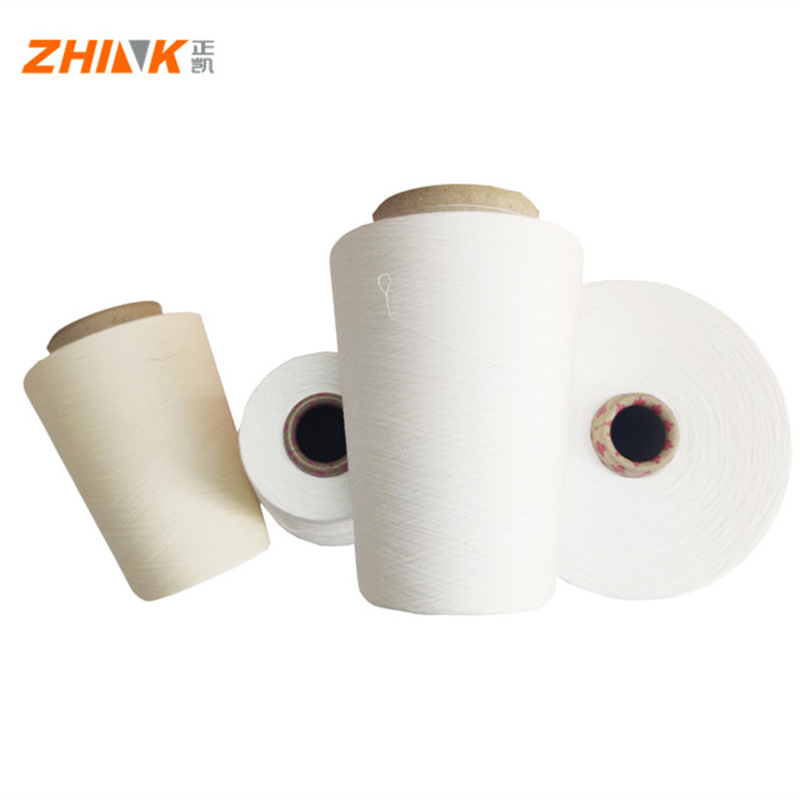
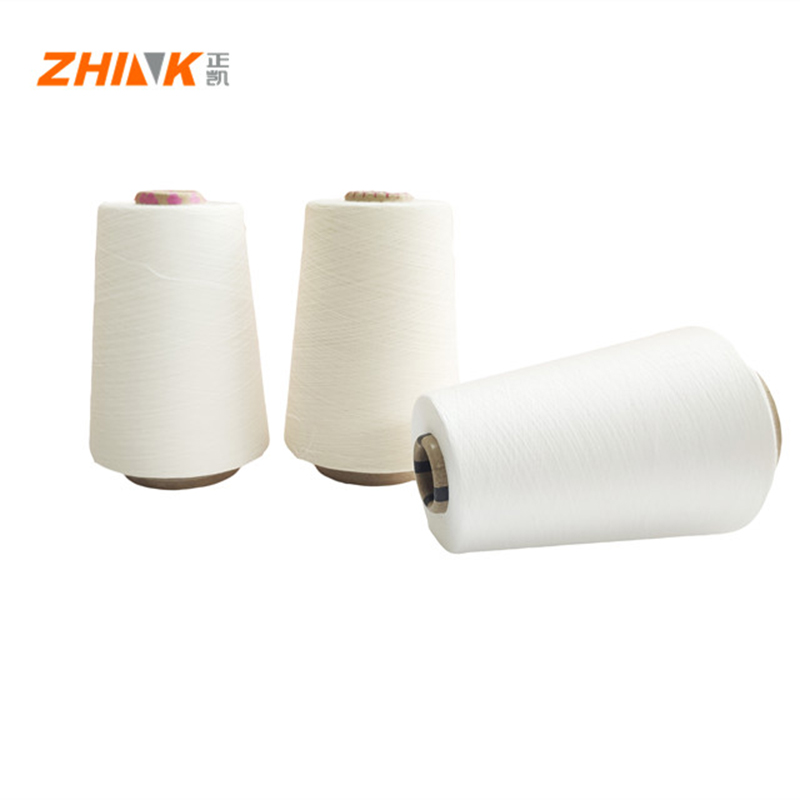
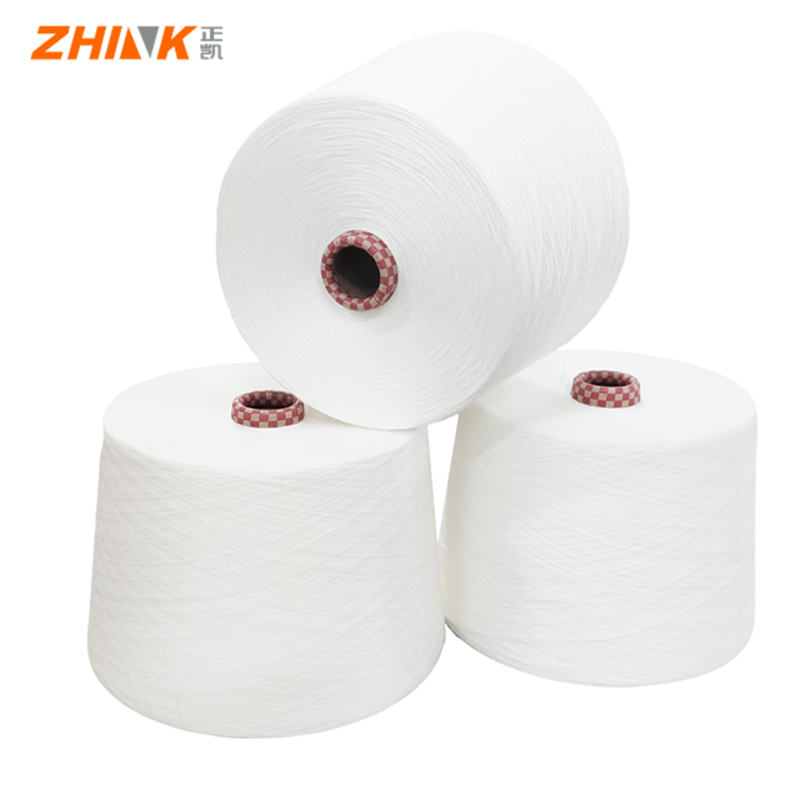
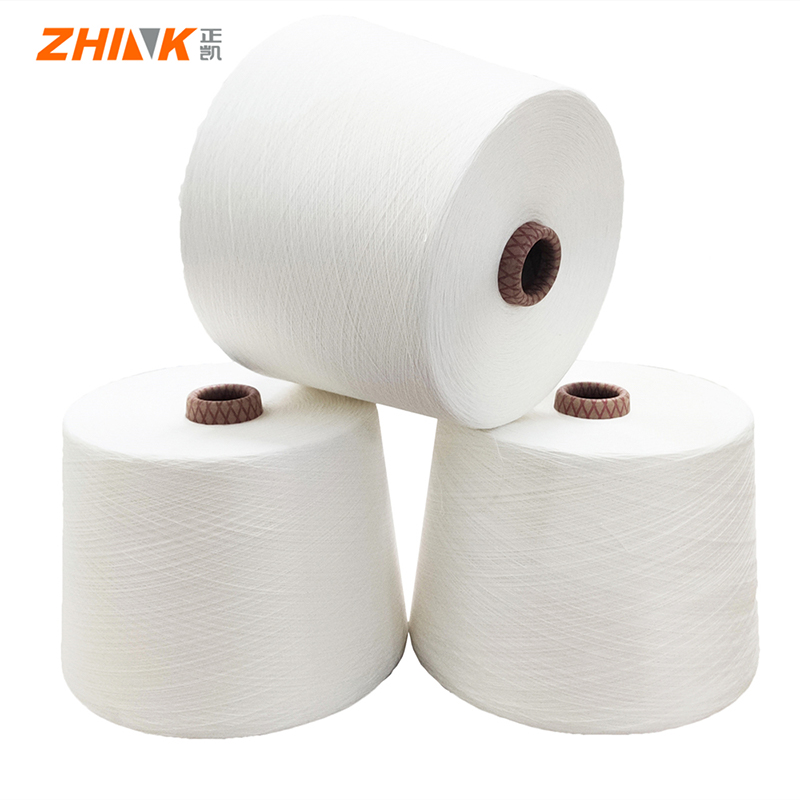
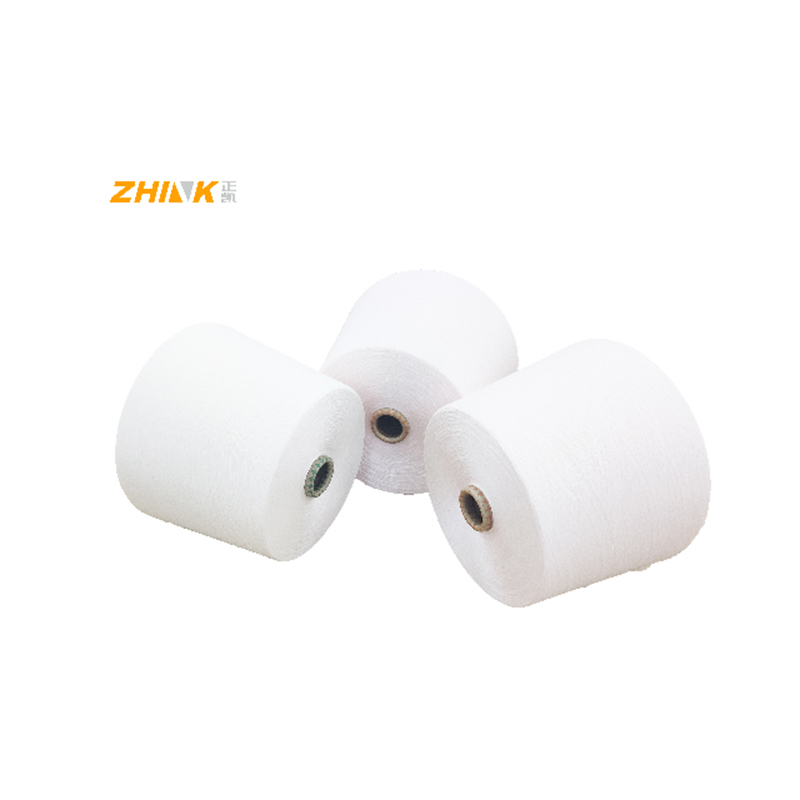
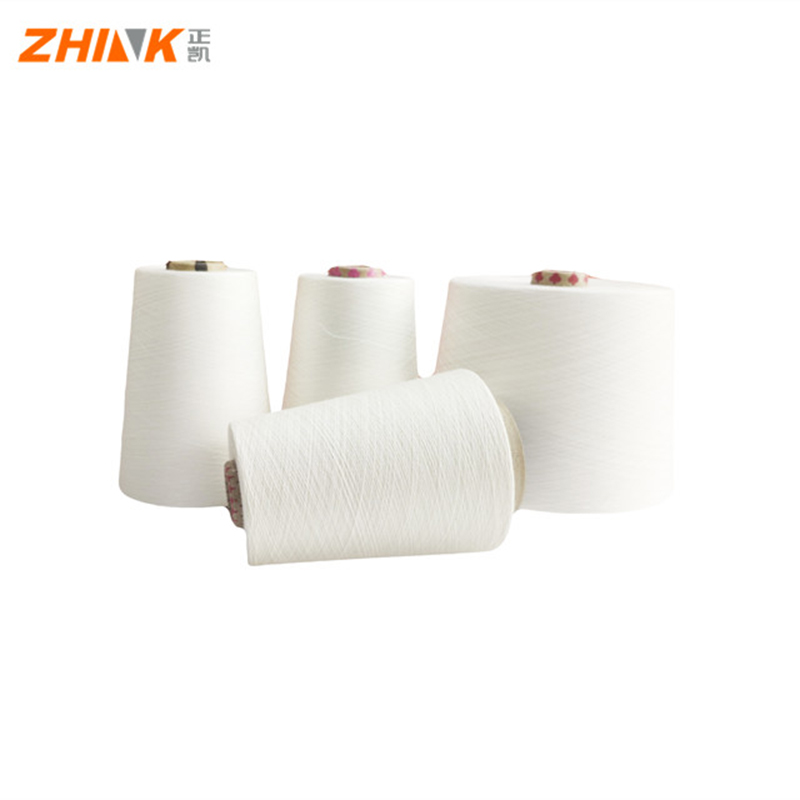
40s acrylic yarn
The World of 40s Acrylic Yarn: Insights and Observations
40s acrylic yarn is often a misunderstood player in the textile industry. It's versatile, yes, but what really defines its uniqueness? As someone immersed in this world, let’s dismantle a few myths and explore the reality of working with these fibers.
Understanding 40s Acrylic Yarn
When we talk about 40s acrylic yarn, we're diving into a blend of performance and accessibility. A '40s' in textile terms refers to the yarn count, indicating a specific thickness and weight that balances well between durability and softness. But it’s not just numbers; each batch has its quirks.
In practice, this yarn is prized for its versatility. It responds well to dyes, which can make it quite appealing for various applications in fashion and home textiles. When I worked on a project involving bright, intricate patterns, it was crucial to understand the properties of this yarn to maximize color uptake and binding.
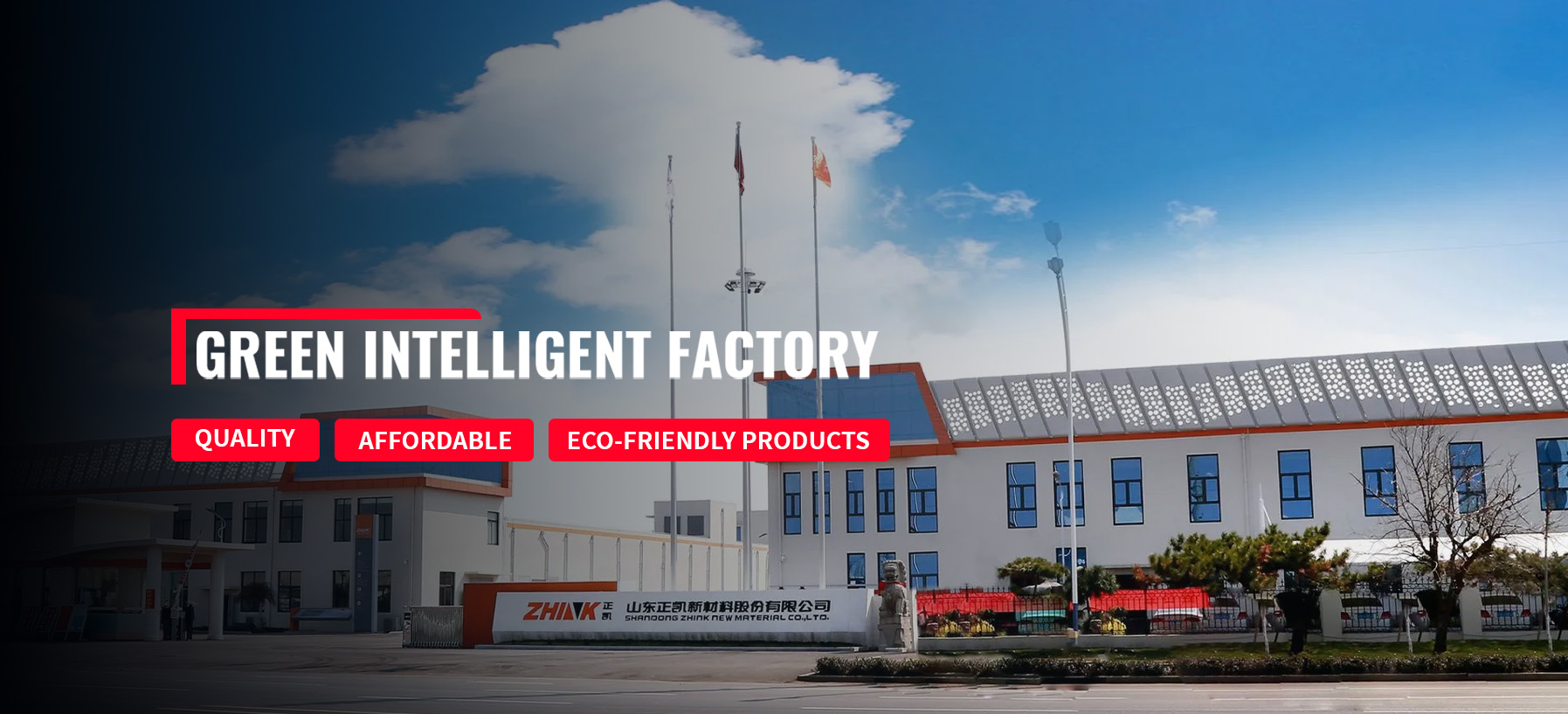
However, don't expect perfection. There are occasional challenges with consistency. Sometimes, dye lots can vary slightly. It’s one reason why diligent quality control remains essential, something we emphasize heavily at SHANDONG ZHINK NEW MATERIAL CO., LTD.
Real-world Application Nuances
One common issue with acrylic yarn is its tendency to pill. This was a significant concern for a client looking to produce high-end knitwear. While acrylic offers cost efficiency and a good hand feel, understanding finishing techniques is critical to minimize pilling, such as heat setting which stabilizes the fibers.
At SHANDONG ZHINK NEW MATERIAL CO., LTD, we constantly seek innovative ways to process our yarns. Our R&D efforts are focused on enhancing fiber durability without compromising the aesthetics or tactile qualities. Visit our site for more insights into these advances.
Another intriguing aspect is the environmental debate. Acrylic is synthetic, yes, but it's evolving. We’re exploring recycling methods that could potentially reduce the environmental footprint of acrylic yarn production. It’s a long road but a crucial one.
Lessons from Production Challenges
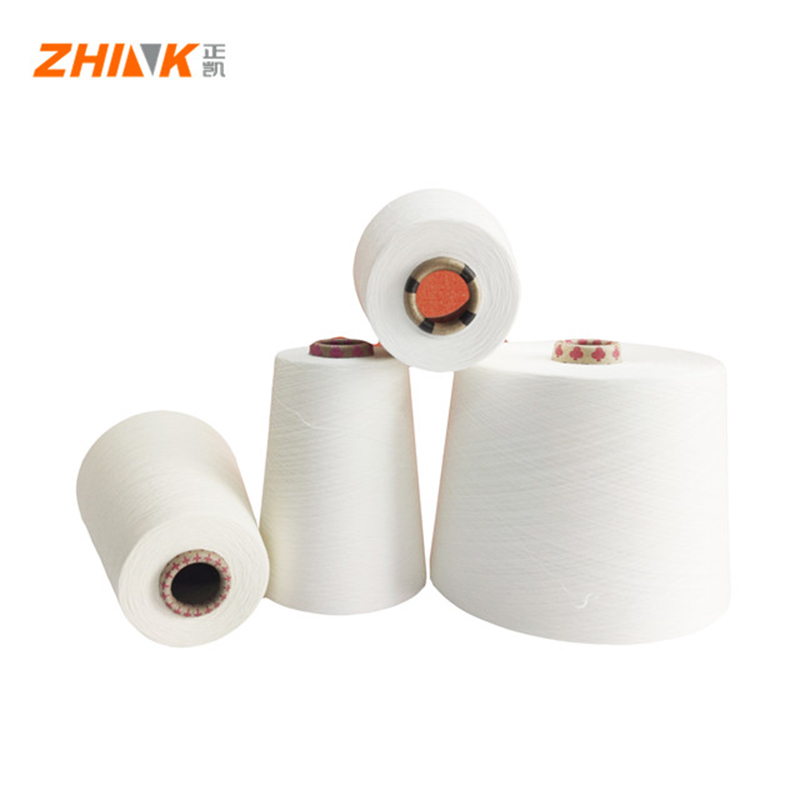
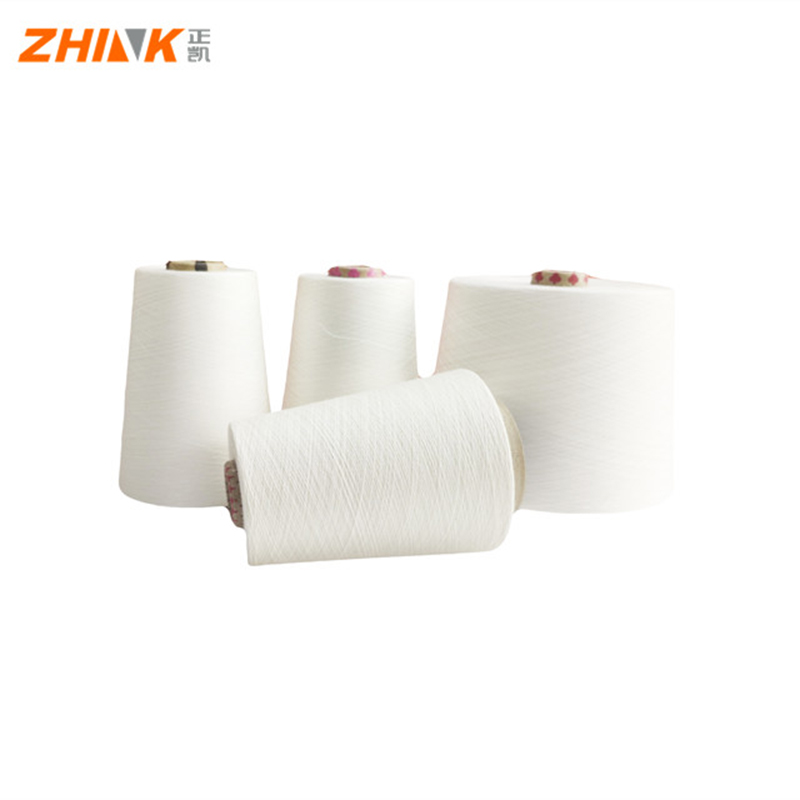
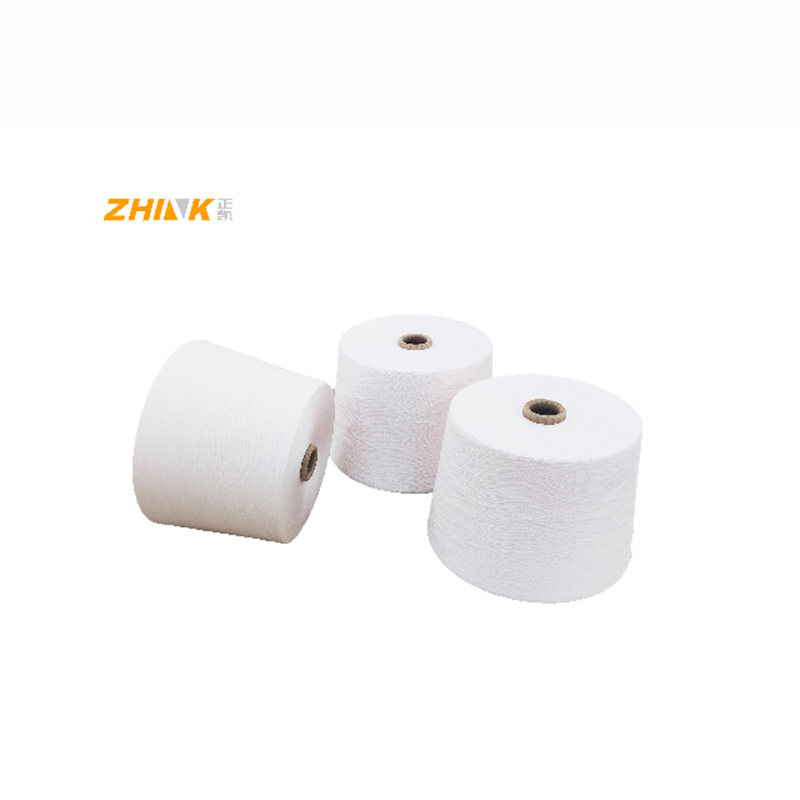
In the production line, handling 40s acrylic can be tricky. One vivid memory is of a batch where the tension settings were slightly off, causing uneven winding on cones. It’s a subtle mistake, but it can lead to major inefficiencies down the line, especially if you’re running larger looms.
Machine settings and monitoring metrics are vital. Consistency checks, ongoing training for machine operators, and regularly updating equipment form the backbone of our manufacturing process. Experience has taught us there's no room for complacency.
The learning curve can be steep, but it’s these challenges that refine both our processes and final products. By maintaining vigilant oversight, mistakes become less frequent, reaffirming the value of experience.
Market Positioning and Customer Expectations
Understanding consumer needs for 40s acrylic yarn is equally essential. It's not just about creating a product but crafting a solution. Customers increasingly value the balance between quality, price, and sustainability. Discussions with clients often revolve around these tripod factors, informing our production methods and product lines.
For example, when approached for eco-friendly textiles, we take a transparent approach, showcasing our efforts in sustainable production. Our yarns are tested for harmful substances, aligning with stringent standards, and we communicate these practices clearly on our website.
This transparency helps set realistic expectations and fosters stronger client relationships. As the market dynamically shifts, adapting quickly and effectively is imperative to maintaining competitiveness.
Future Perspectives for 40s Acrylic Yarn
Looking forward, innovation is the key to unlocking the full potential of 40s acrylic yarn. As technology advances, integrating new processes can reshape the landscape. For instance, we’re looking at softer blends by incorporating natural fibers that can complement acrylic’s qualities.
An ongoing project involves experimenting with bio-based additives to enhance biodegradability. These projects are not without risk, but by being at the cutting edge, we’re laying the groundwork for the future of sustainable textiles.
In conclusion, understanding 40s acrylic yarn requires a blend of hands-on experience and an openness to evolving techniques. It’s not just about producing yarn but about transforming it into an asset that aligns with modern demands — something we continually strive for at SHANDONG ZHINK NEW MATERIAL CO., LTD.
Related Products
Related Products