+86-632-3621866
- Chinese
- French
- German
- Portuguese
- Spanish
- Russian
- Japanese
- Korean
- Arabic
- Irish
- Greek
- Turkish
- Italian
- Danish
- Romanian
- Indonesian
- Czech
- Afrikaans
- Swedish
- Polish
- Basque
- Catalan
- Esperanto
- Hindi
- Lao
- Albanian
- Amharic
- Armenian
- Azerbaijani
- Belarusian
- Bengali
- Bosnian
- Bulgarian
- Cebuano
- Chichewa
- Corsican
- Croatian
- Dutch
- Estonian
- Filipino
- Finnish
- Frisian
- Galician
- Georgian
- Gujarati
- Haitian
- Hausa
- Hawaiian
- Hebrew
- Hmong
- Hungarian
- Icelandic
- Igbo
- Javanese
- Kannada
- Kazakh
- Khmer
- Kurdish
- Kyrgyz
- Latin
- Latvian
- Lithuanian
- Luxembou..
- Macedonian
- Malagasy
- Malay
- Malayalam
- Maltese
- Maori
- Marathi
- Mongolian
- Burmese
- Nepali
- Norwegian
- Pashto
- Persian
- Punjabi
- Serbian
- Sesotho
- Sinhala
- Slovak
- Slovenian
- Somali
- Samoan
- Scots Gaelic
- Shona
- Sindhi
- Sundanese
- Swahili
- Tajik
- Tamil
- Telugu
- Thai
- Ukrainian
- Urdu
- Uzbek
- Vietnamese
- Welsh
- Xhosa
- Yiddish
- Yoruba
- Zulu
- Kinyarwanda
- Tatar
- Oriya
- Turkmen
- Uyghur


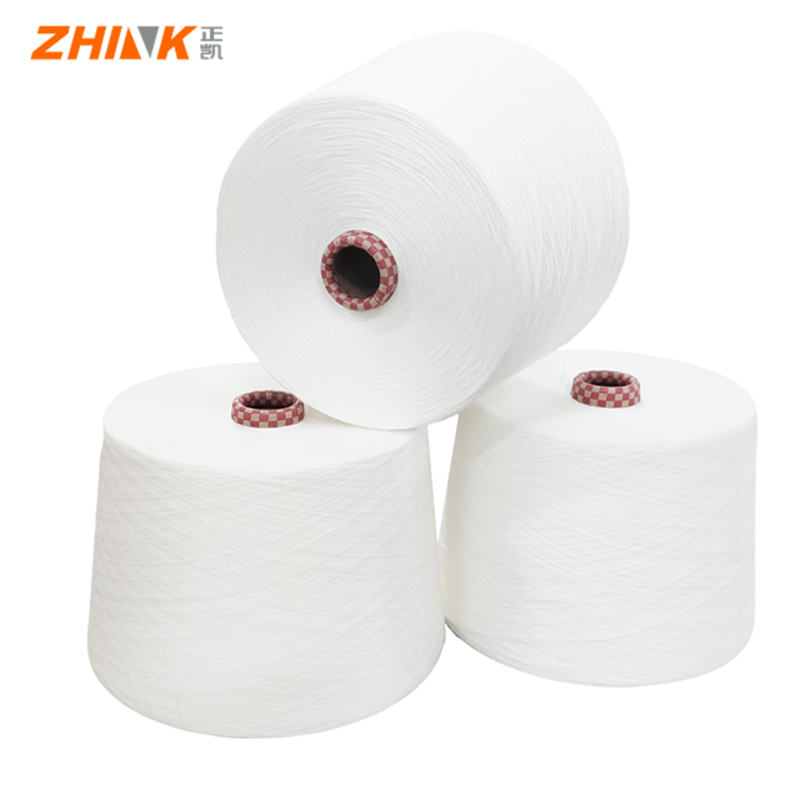
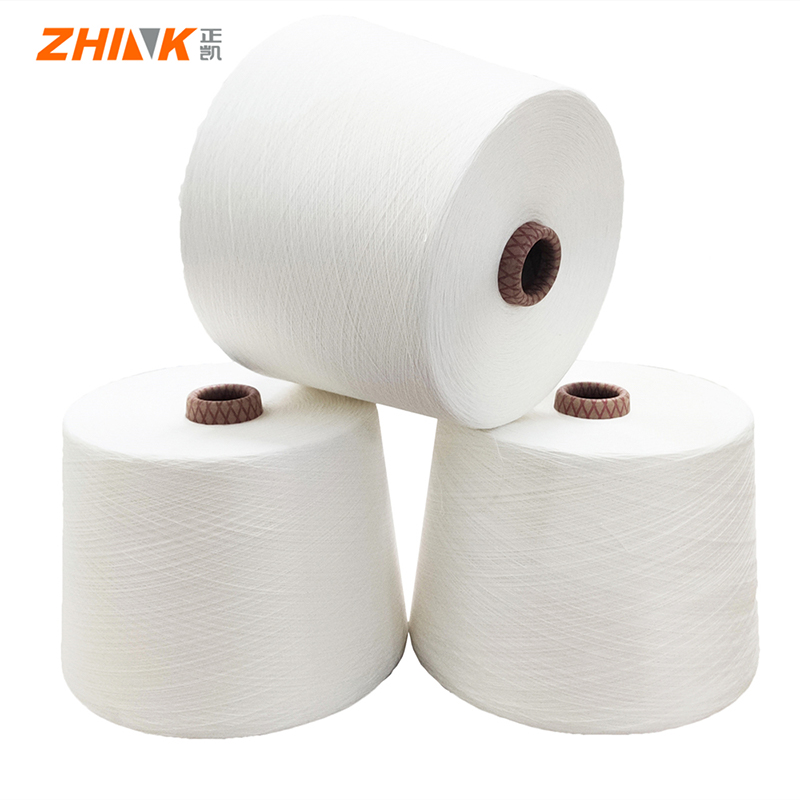
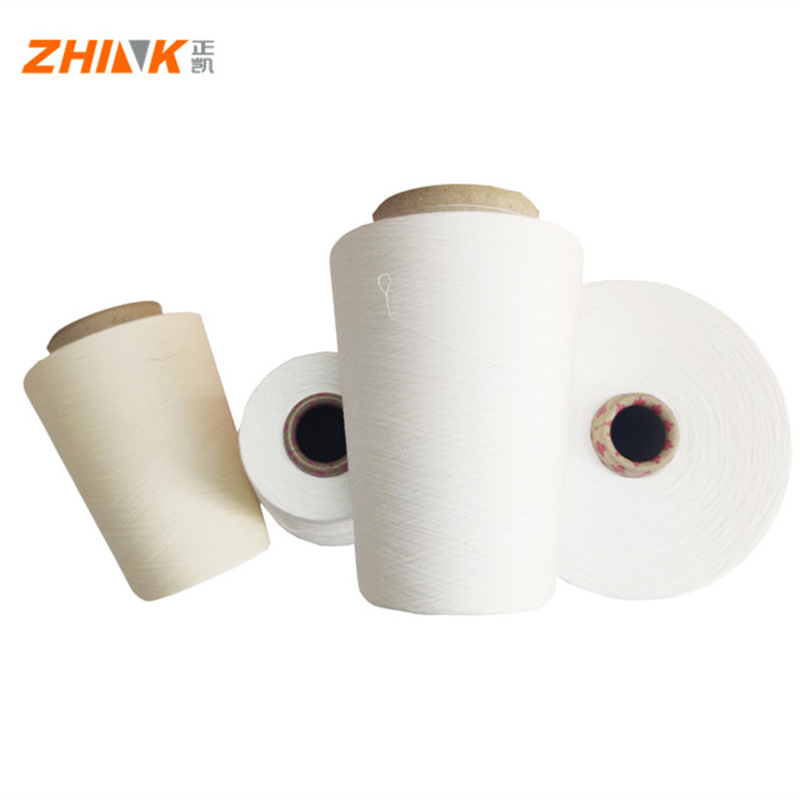
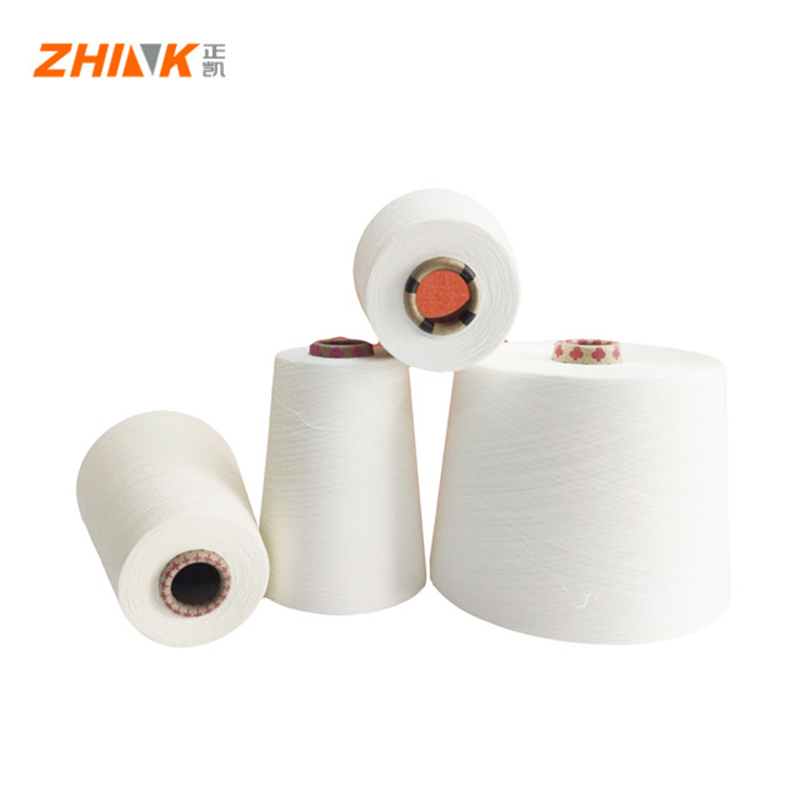
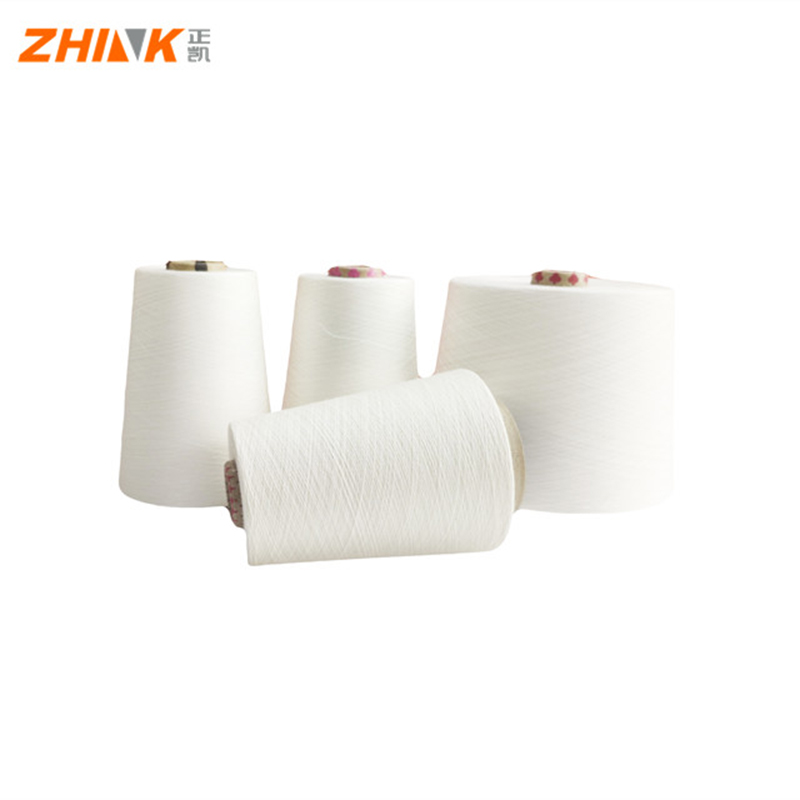
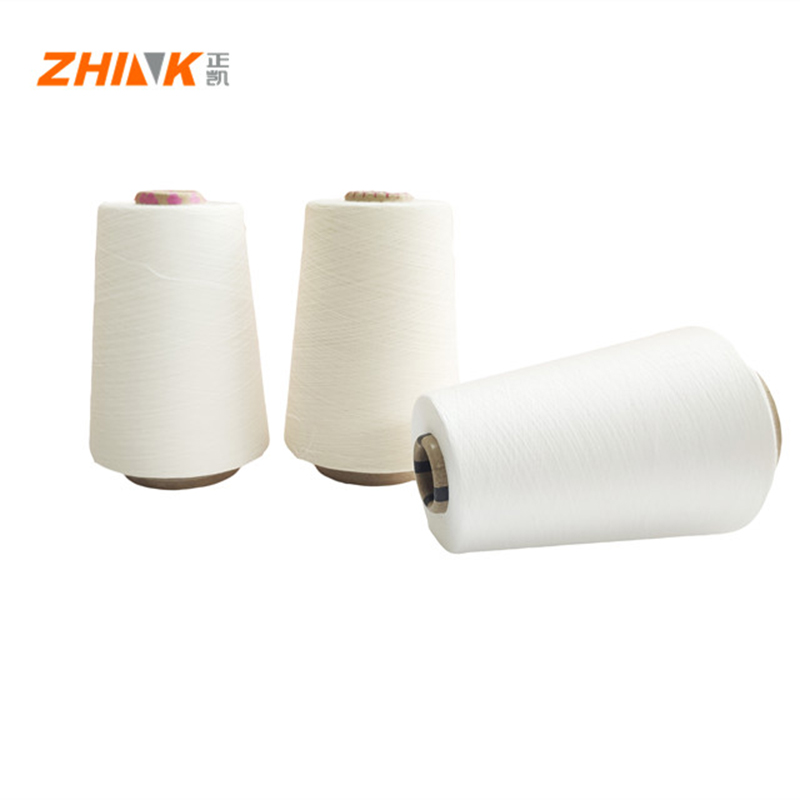
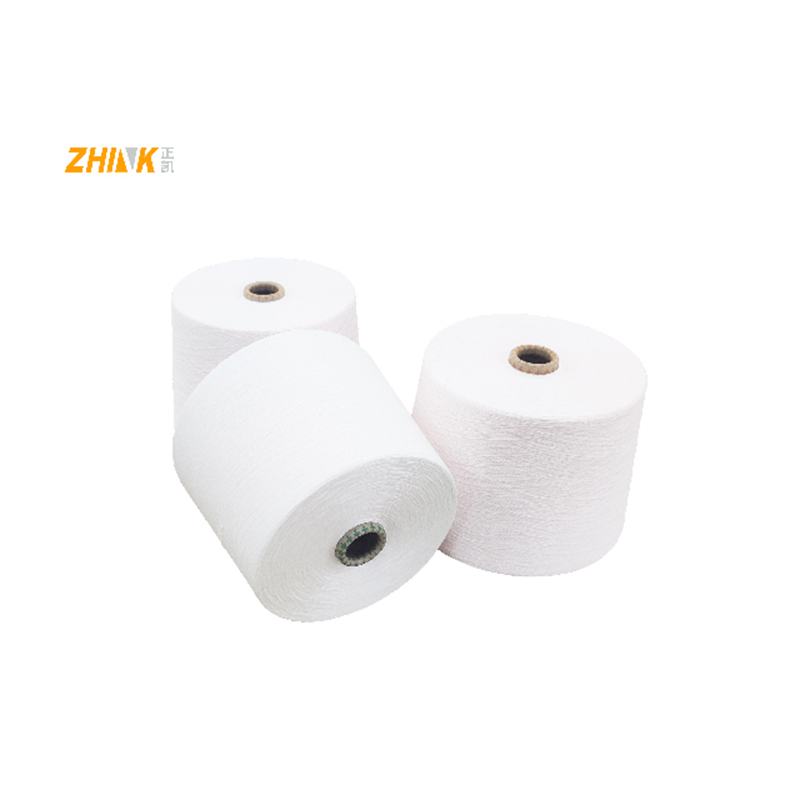
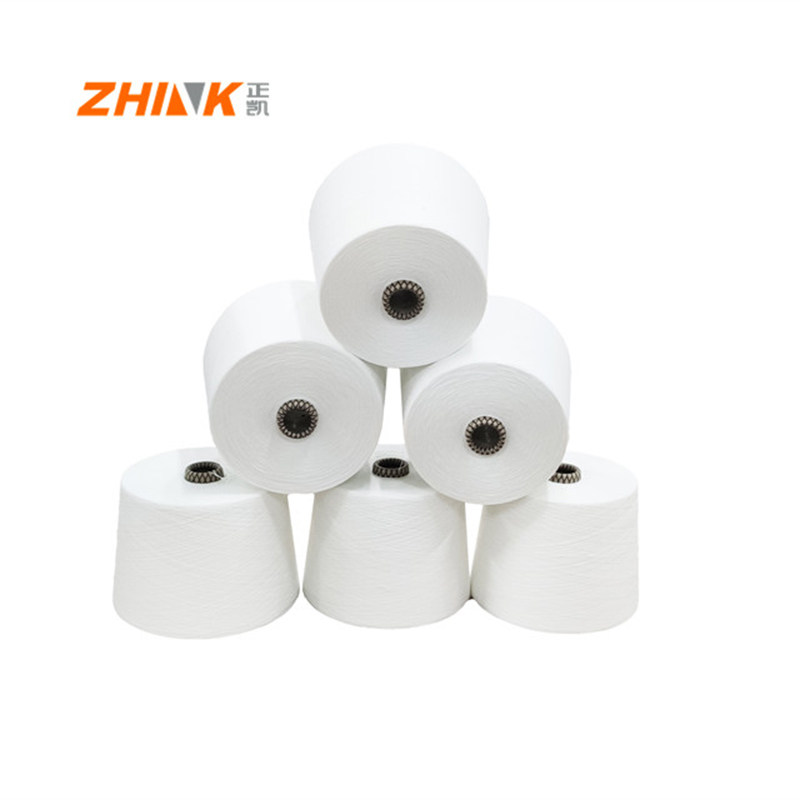
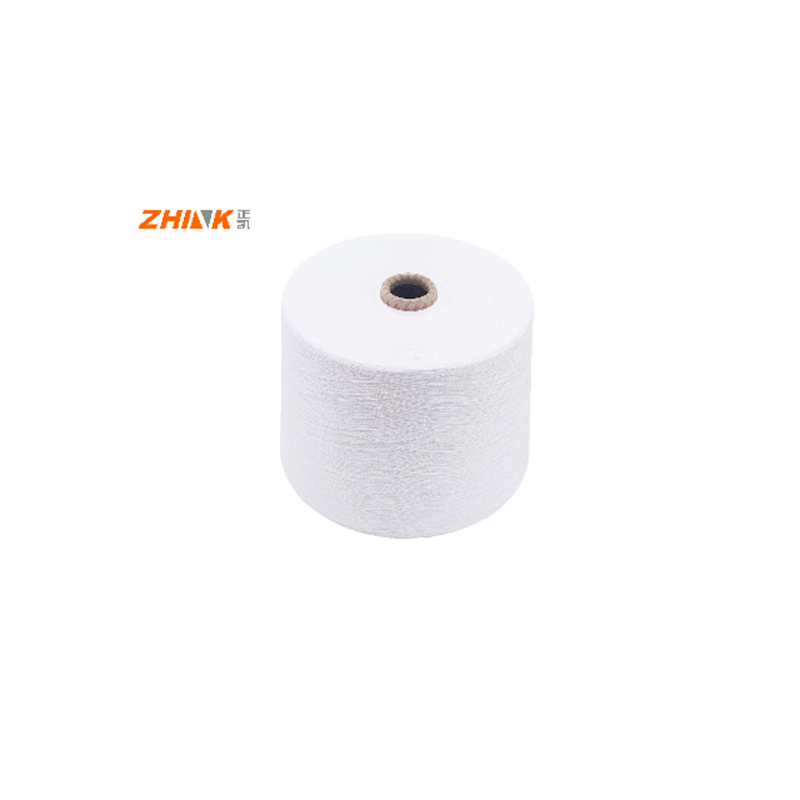
40s Flame retardant acrylic yarn
Exploring the Nuances of 40s Flame Retardant Acrylic Yarn
Understanding flame retardant acrylic yarns, especially the 40s variant, requires more than a cursory glance. These materials are crucial in industries where safety, durability, and performance meet. However, misconceptions abound, particularly about their application and efficacy.
The Basics of 40s Flame Retardant Acrylic Yarn
When discussing 40s flame retardant acrylic yarn, the 40s denotes the yarn count, which directly affects the fabric's weight and texture. Higher numbers mean finer threads. For industrial uses, combining finesse and durability is paramount. It's not uncommon for those new to the industry to overlook how these counts affect fabric behavior under stress.
Flame-retardant properties are not achieved by mere surface coatings. The intricacy lies in integrating fire-resistant compounds into the yarn during production. Typically, this makes the material more costly but invaluable for specific use cases like uniforms in high-risk jobs.
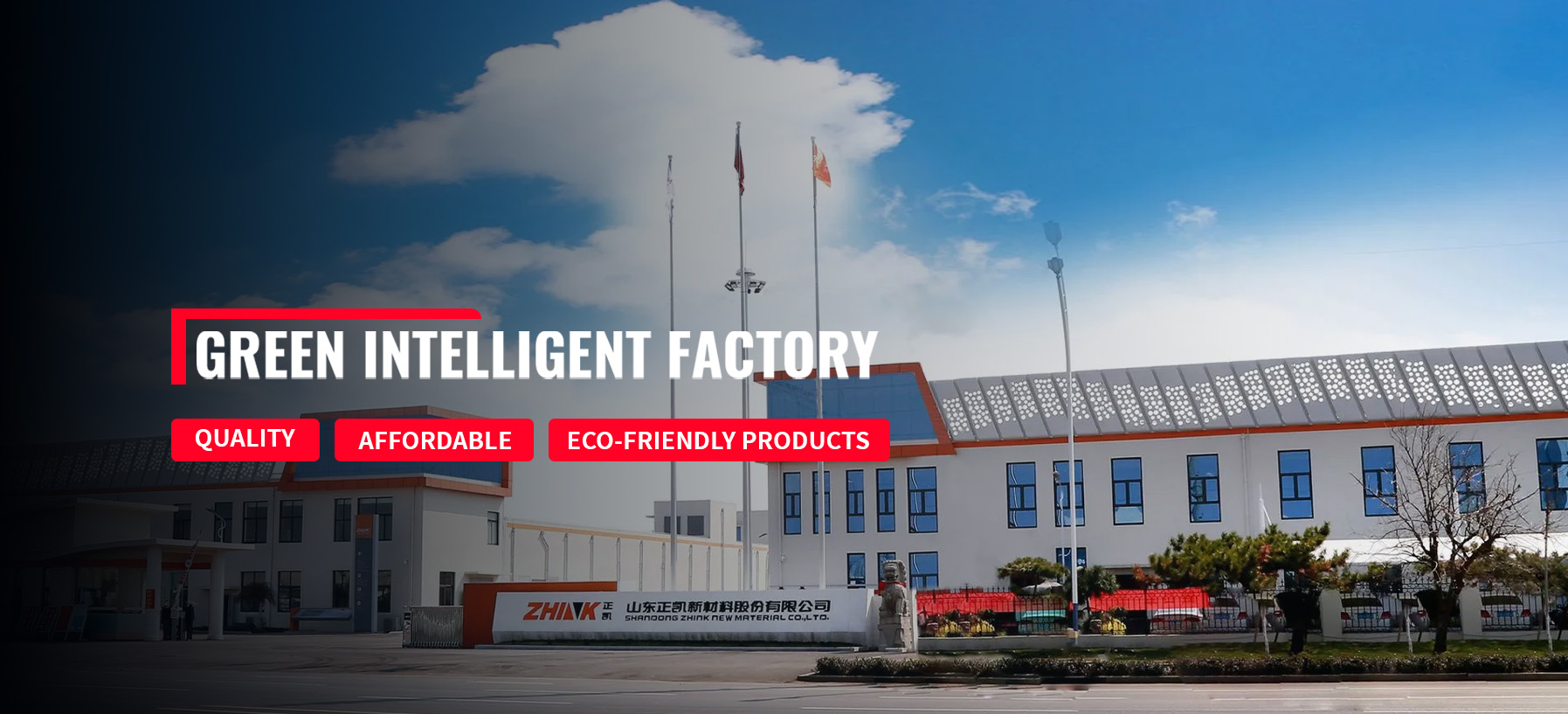
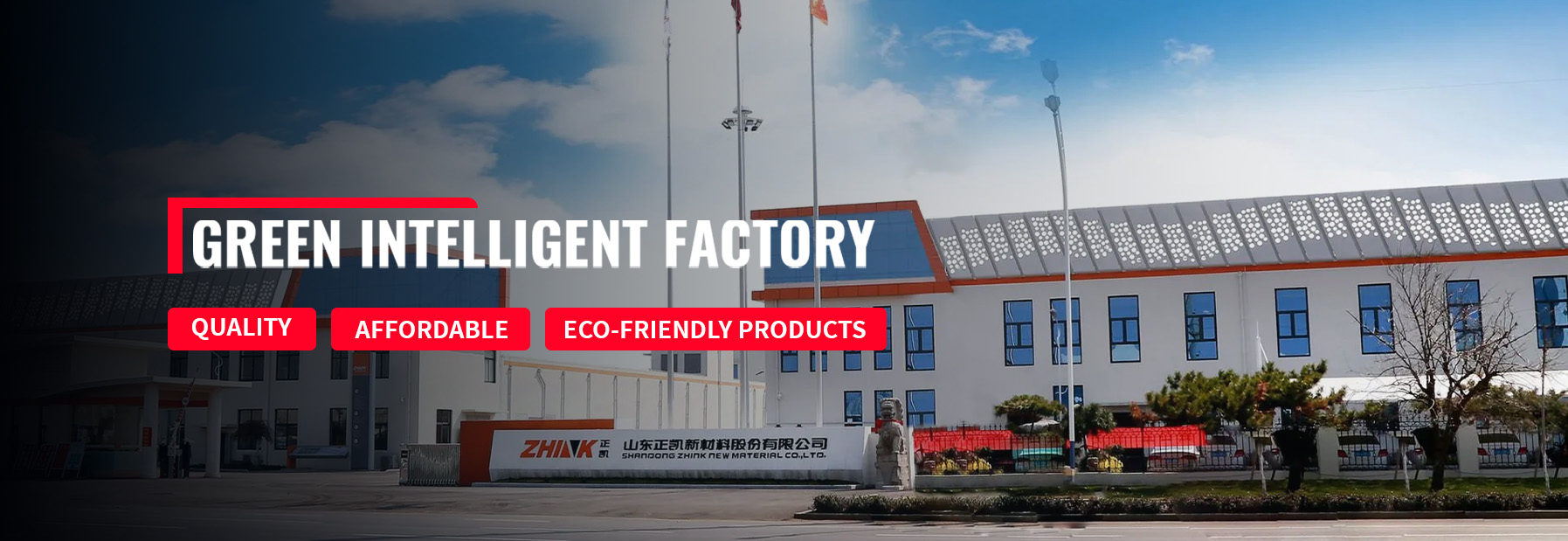
Companies like SHANDONG ZHINK NEW MATERIAL CO., LTD are at the forefront, pushing innovations in textiles. Their focus on developing state-of-the-art materials ensures they remain industry leaders. Their website, https://www.zhinkyarn.com, offers a deeper dive into their extensive product range.
Common Misunderstandings
A frequent error is assuming all flame retardant yarns are alike. In reality, differences in chemical treatments and base materials make some better suited for specific tasks. The key is in testing, not merely specifications. Understanding these differences requires a tactile approach — feeling the yarn, testing its heat resistance, and analyzing how it reacts during real-life applications.
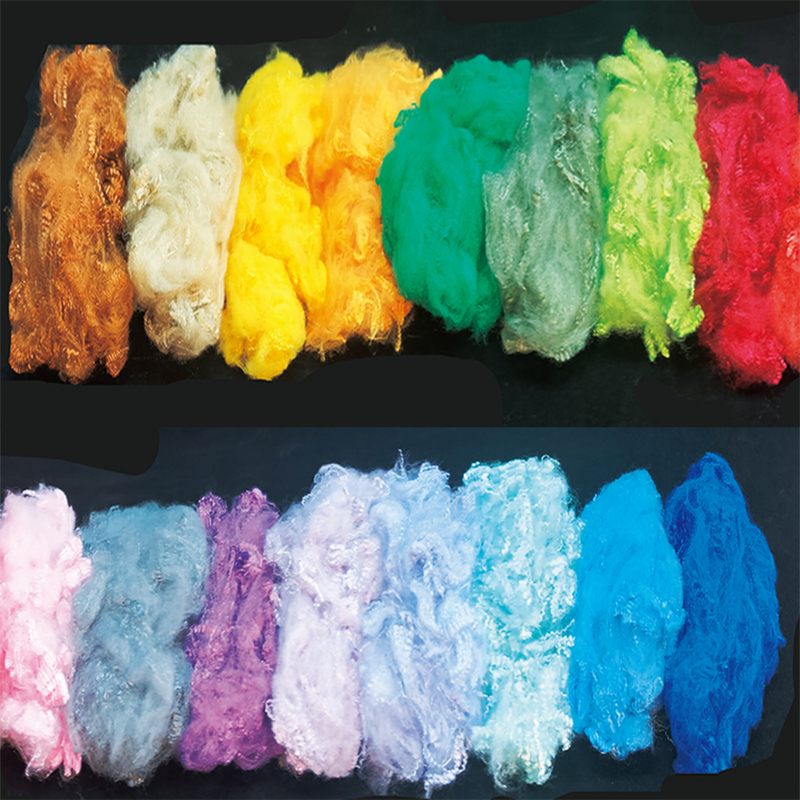
Then, there’s the question of color and aesthetics. Contrary to popular belief, these yarns are not strictly utilitarian and dull. Modern technology accommodates aesthetic versatility without compromising safety — a mark of real progress in textile innovations.
The myth that fire-retardant features degrade rapidly over time is another misconception. While wear and environmental factors eventually play a role, quality products often retain protective qualities well beyond expected durations. Always check for certifications that guarantee longevity.
Applications and Limitations
These yarns find their place in the making of protective clothing, upholstery, and industrial textiles. In each case, the challenges differ. For instance, in high-performance clothing, breathability might be a concern — a trade-off between safety and comfort. But the gains in safety are generally worth these sacrifices.
Something often skipped in discussions is how these materials handle environmental impacts. Unlike some belief systems that categorize synthetics as uniformly detrimental, many modern flame-retardant acrylics strive for eco-friendliness. Developments at Zhink New Material reflect these efforts, emphasizing sustainable production processes.
Not all applications require flame retardancy, which risks overkill and unnecessary expense. Assessing the environment and identifying real risks should precede final fiber selection to ensure savings in cost and resources.
Challenges in Development
Creating flame retardant acrylic yarn is a balancing act. You’re looking at continuous refinements in chemical treatments to enhance efficacy without undermining yarn integrity. SHANDONG ZHINK NEW MATERIAL CO., LTD, through its cutting-edge research, addresses these issues with precision craft.
There’s also the factor of regulation compliance. Differing global standards mean that a one-size-fits-all approach is rarely feasible. Adapting to local requirements while maintaining quality across the board is both a challenge and an opportunity for innovation.
Economic factors can't be ignored. Achieving a viable balance between cost and performance demands ongoing research and field testing. It's about finding equilibrium — ensuring top-notch safety without pricing out potential adopters.
Outlooks and Evolution
With technology continually advancing, the future promises exciting developments. The demand for lighter, more flexible, and yet robust yarns drives ongoing innovation. Continuous feedback loops between textile engineers, manufacturers, and end-users propel the evolution of these materials.
Despite challenges, the trajectory is positive. Companies like Zhink carry the torch, pioneering in textile creation and production. Advances could soon see these yarns playing roles we haven't entirely envisioned yet, branching into new industries as requirements evolve.
To keep up with these dynamic changes, remaining engaged with industry leaders such as SHANDONG ZHINK NEW MATERIAL CO., LTD and exploring their offerings becomes essential. It's a space where tradition meets innovation, constantly redefining the benchmarks.
Related Products
Related Products