+86-632-3621866
- Chinese
- French
- German
- Portuguese
- Spanish
- Russian
- Japanese
- Korean
- Arabic
- Irish
- Greek
- Turkish
- Italian
- Danish
- Romanian
- Indonesian
- Czech
- Afrikaans
- Swedish
- Polish
- Basque
- Catalan
- Esperanto
- Hindi
- Lao
- Albanian
- Amharic
- Armenian
- Azerbaijani
- Belarusian
- Bengali
- Bosnian
- Bulgarian
- Cebuano
- Chichewa
- Corsican
- Croatian
- Dutch
- Estonian
- Filipino
- Finnish
- Frisian
- Galician
- Georgian
- Gujarati
- Haitian
- Hausa
- Hawaiian
- Hebrew
- Hmong
- Hungarian
- Icelandic
- Igbo
- Javanese
- Kannada
- Kazakh
- Khmer
- Kurdish
- Kyrgyz
- Latin
- Latvian
- Lithuanian
- Luxembou..
- Macedonian
- Malagasy
- Malay
- Malayalam
- Maltese
- Maori
- Marathi
- Mongolian
- Burmese
- Nepali
- Norwegian
- Pashto
- Persian
- Punjabi
- Serbian
- Sesotho
- Sinhala
- Slovak
- Slovenian
- Somali
- Samoan
- Scots Gaelic
- Shona
- Sindhi
- Sundanese
- Swahili
- Tajik
- Tamil
- Telugu
- Thai
- Ukrainian
- Urdu
- Uzbek
- Vietnamese
- Welsh
- Xhosa
- Yiddish
- Yoruba
- Zulu
- Kinyarwanda
- Tatar
- Oriya
- Turkmen
- Uyghur



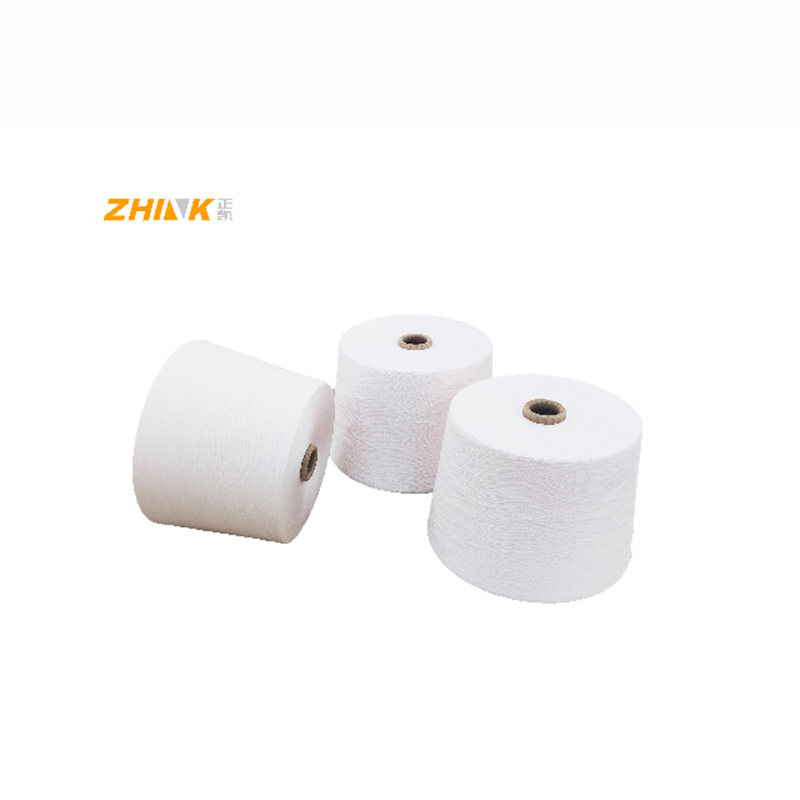
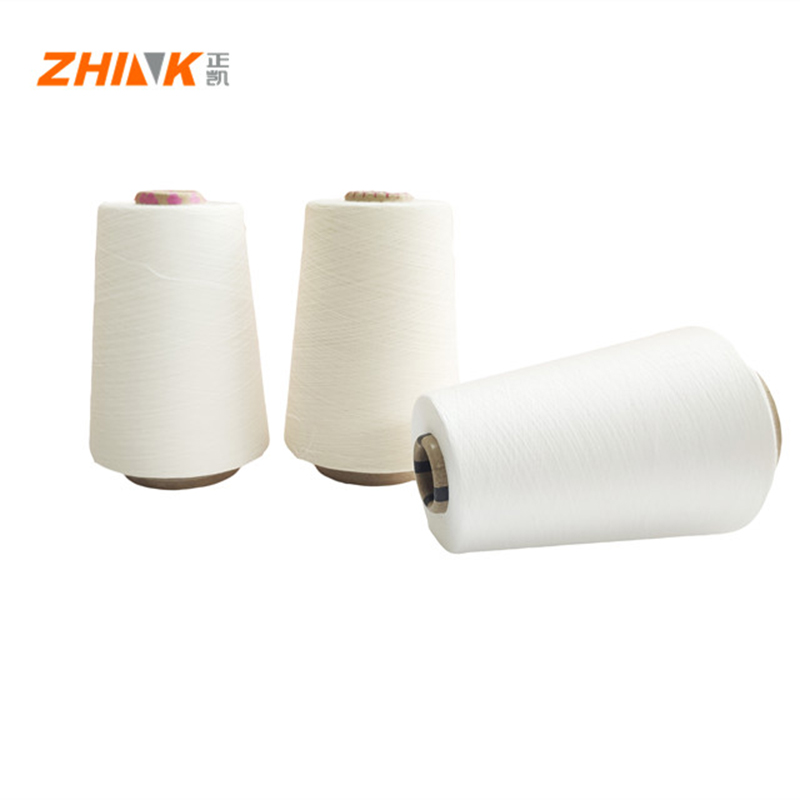
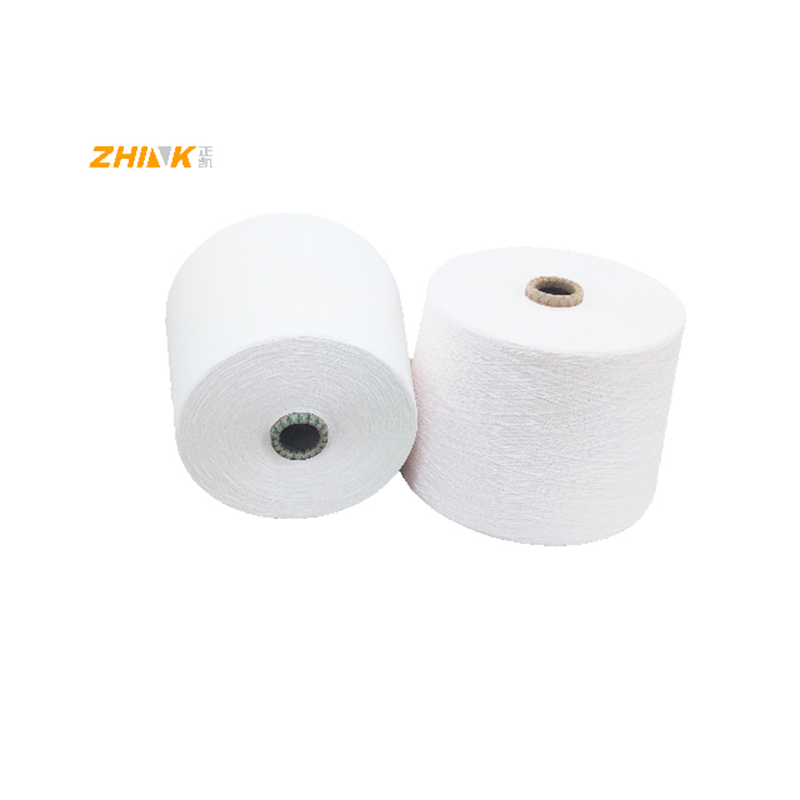
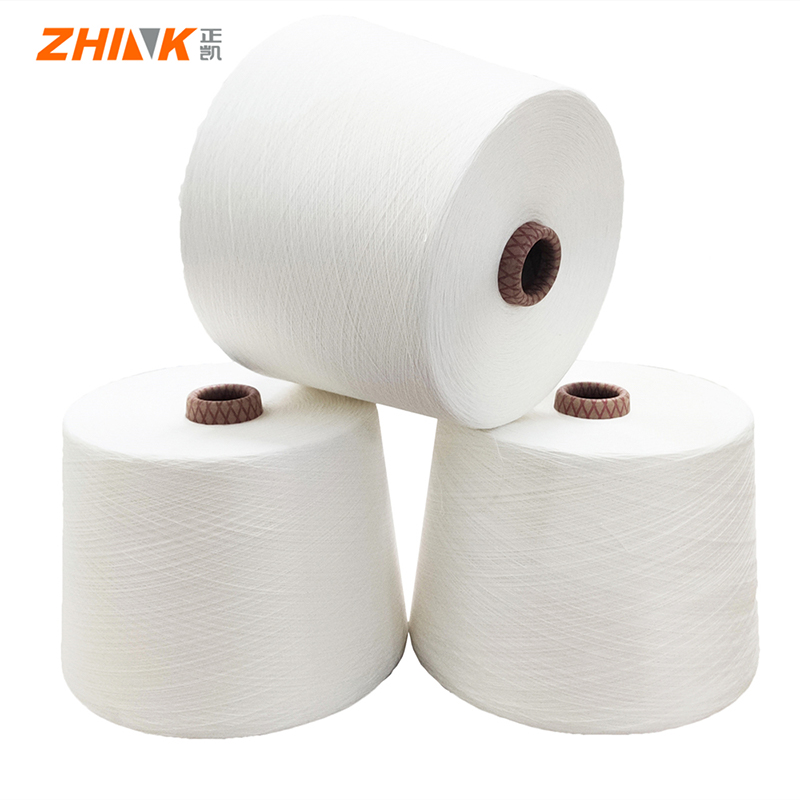
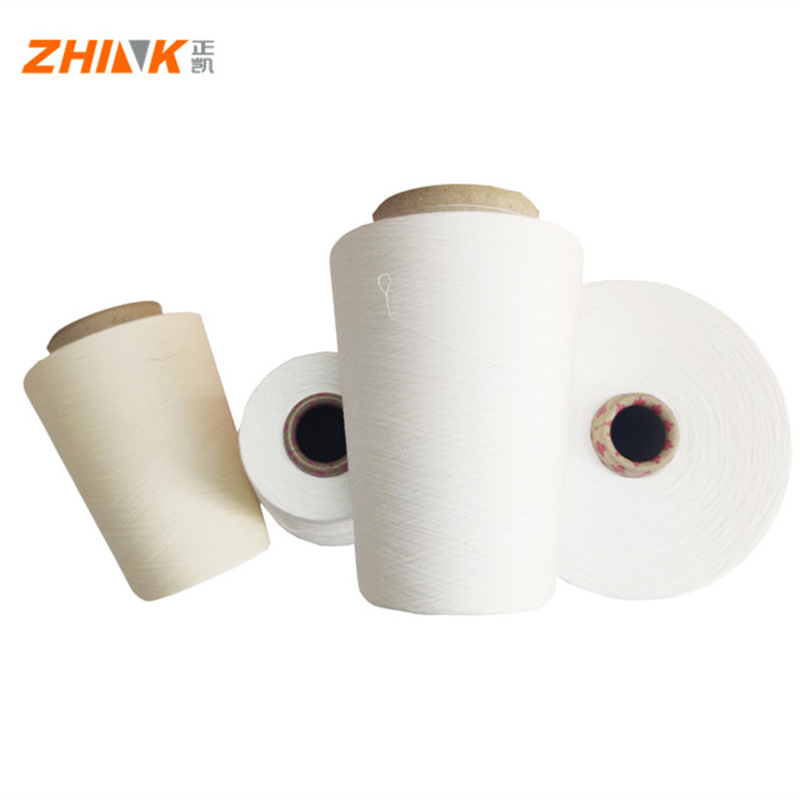
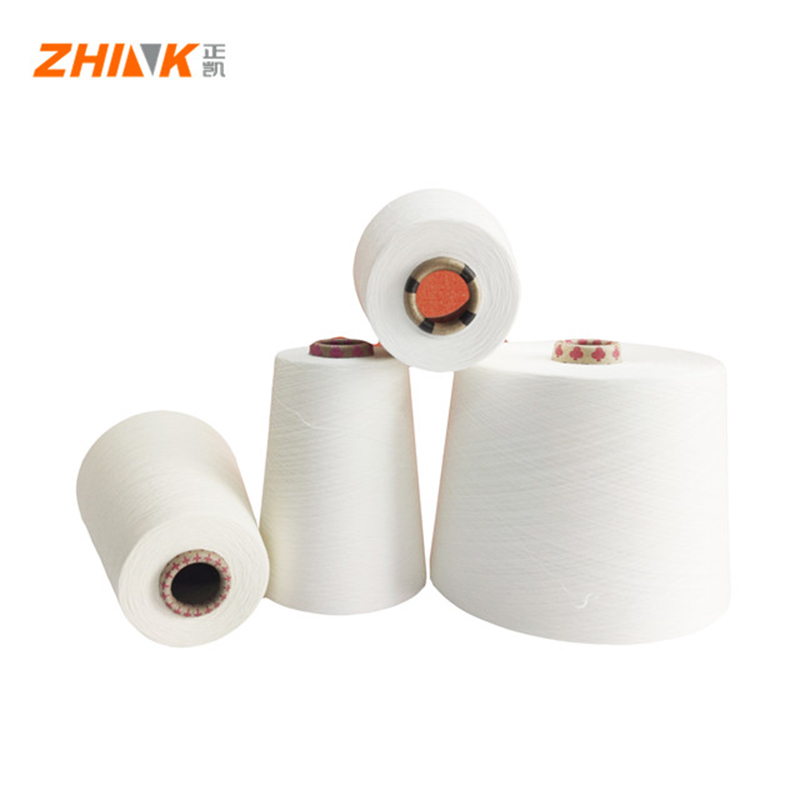
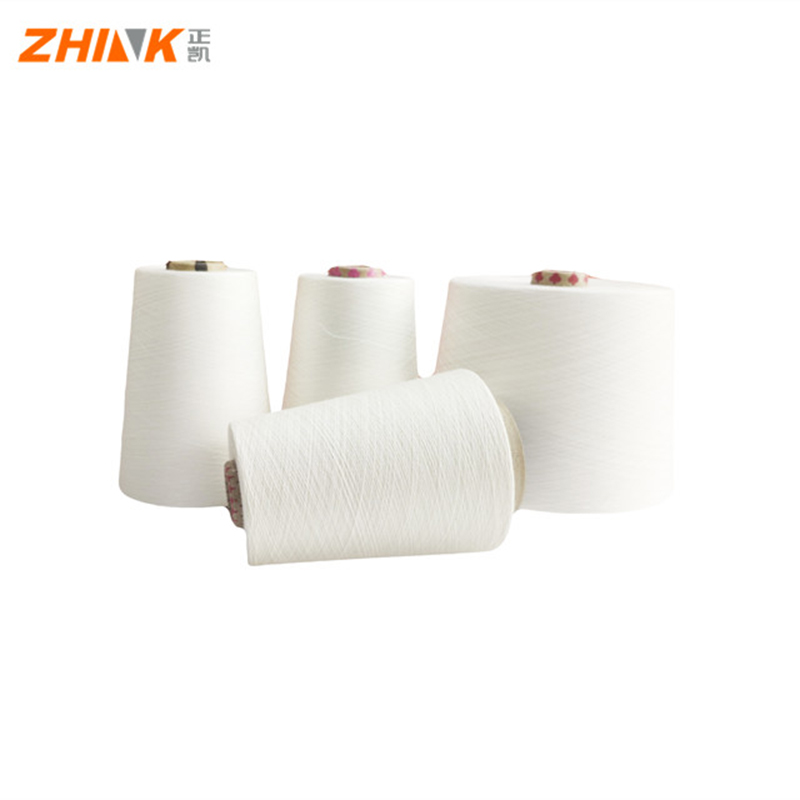
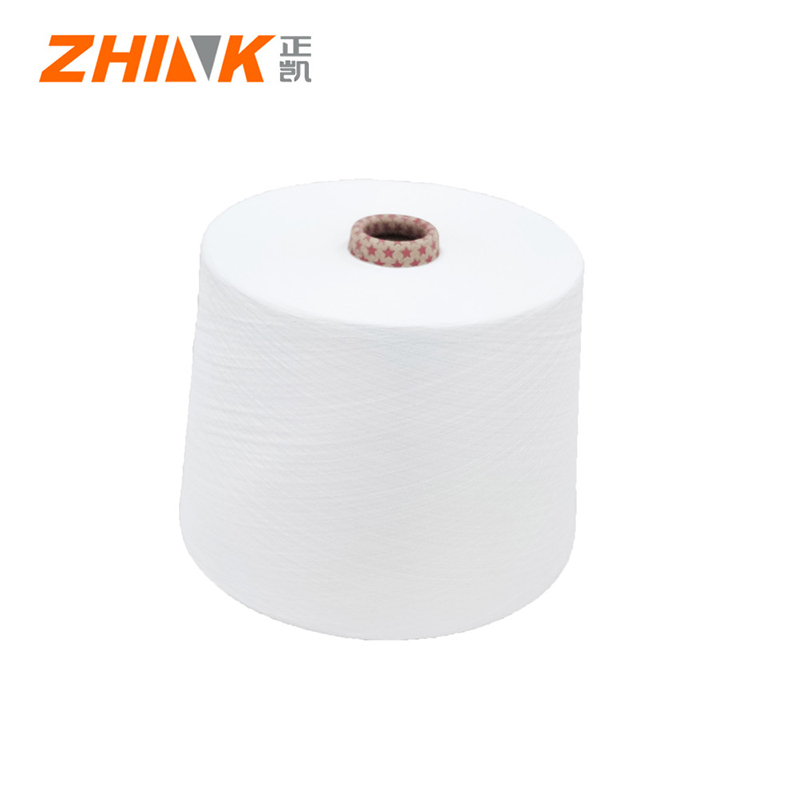
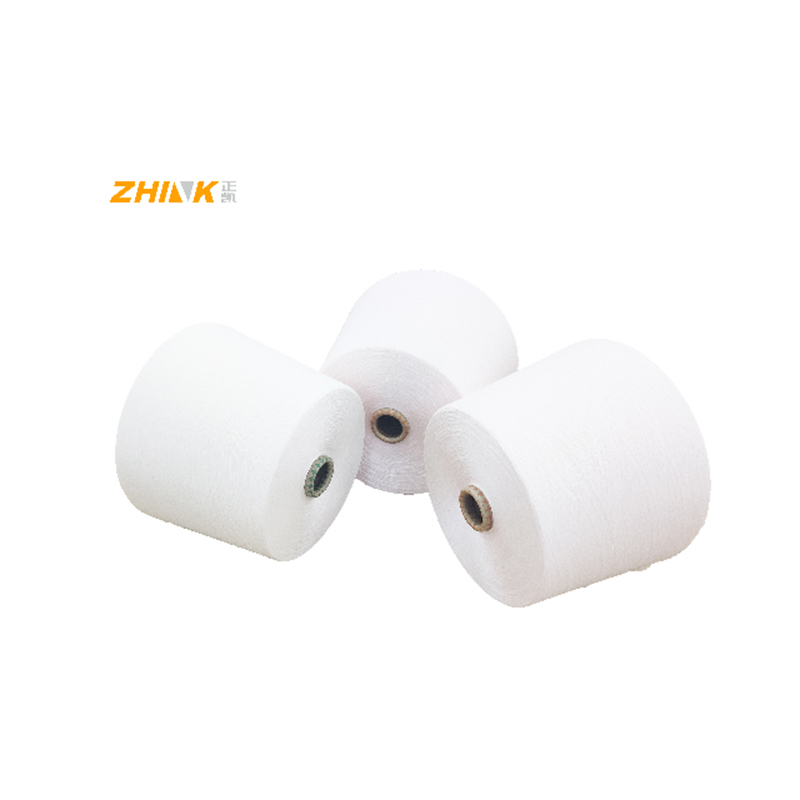
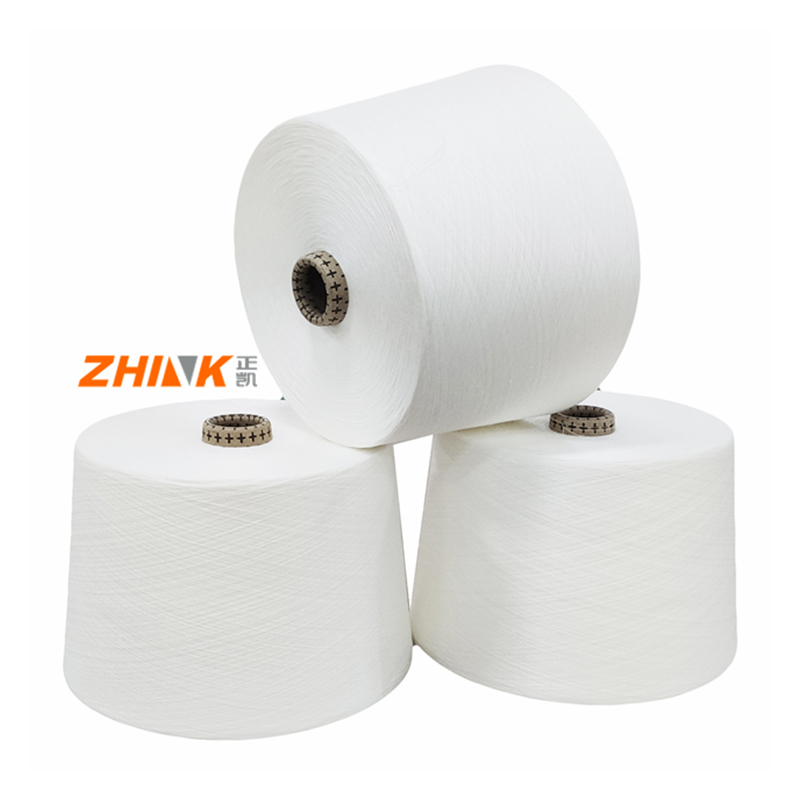
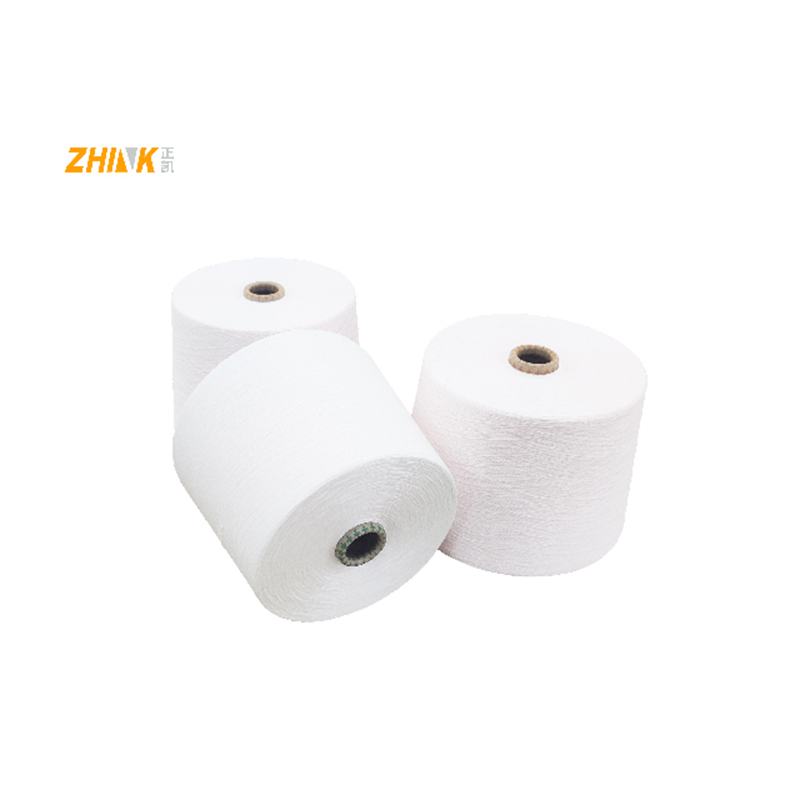
40s modal yarn
Unraveling the Charm of 40s Modal Yarn
The textile industry often finds itself swayed by trends, but the enduring appeal of 40s modal yarn is not just another fleeting fashion. This yarn, celebrated for its remarkable softness and strength, has captured the hearts of both manufacturers and consumers worldwide. Yet, there are nuances and challenges in working with it that only a seasoned professional might truly appreciate.
Understanding 40s Modal Yarn
Modal, a type of rayon, is derived from beech tree pulp. It's known for its high wet strength and excellent absorbency. But why specifically the '40s' count? Simply put, it's about the yarn's thickness. In the industry, '40s' denotes a fine, lightweight yarn, ideal for creating soft yet durable textiles. Many beginners mistakenly equate higher counts with inferior quality—this couldn't be further from the truth with modal.
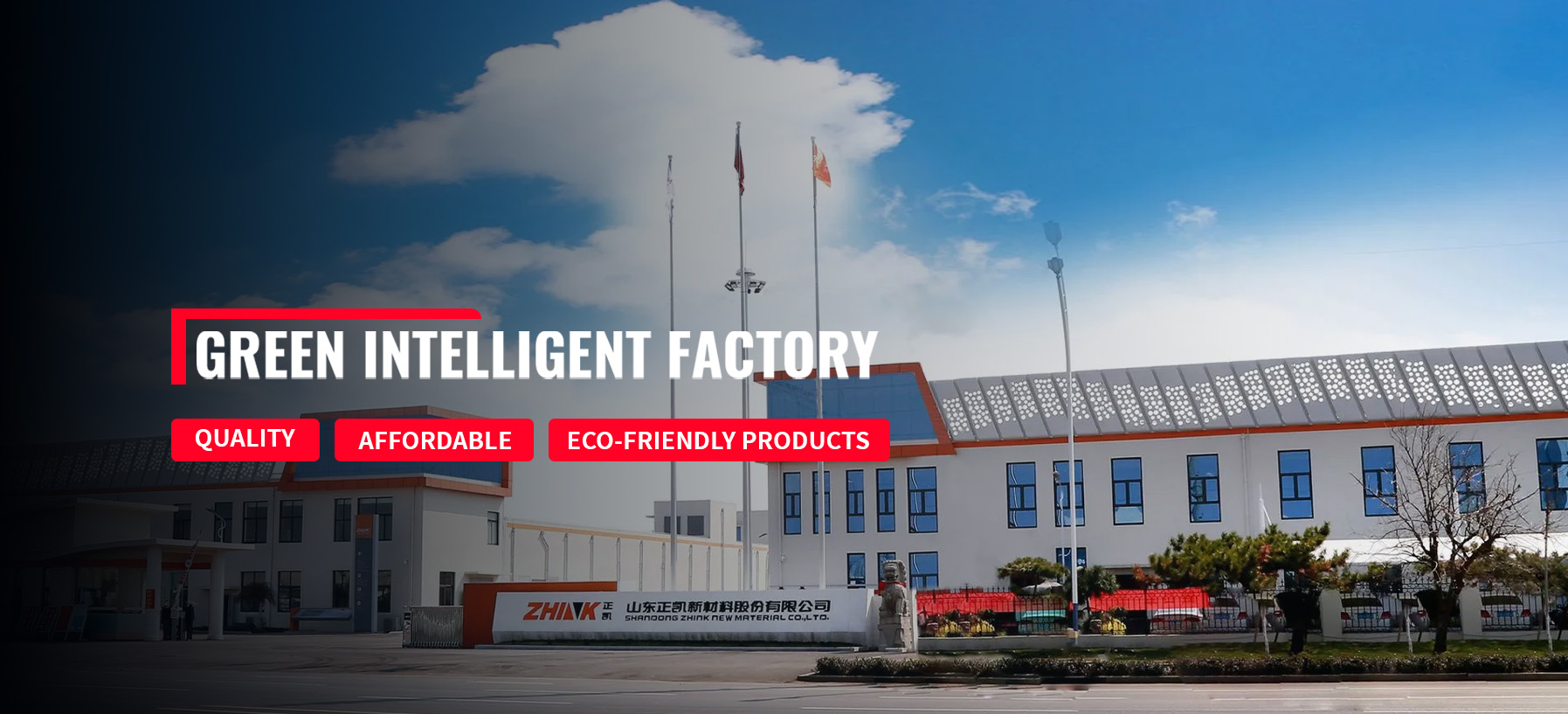
From my time working at SHANDONG ZHINK NEW MATERIAL CO., LTD, where we focus on the research and development of new textile materials, I've seen firsthand how adaptable 40s modal can be. Whether in sheets or everyday wear, its uses seem endless. Our team often discusses its transformative potential during design phases, considering how it balances comfort and longevity. More details about our work can be found on our website: Zhink Yarn.
However, let's not gloss over the challenges. Modal, by nature, can be a sensitive material, requiring precise handling during production to maintain its structural integrity. Working with finer counts like 40s means operating under tighter tolerances—something our experienced technicians constantly navigate.
The Production Process Nuances
One aspect that often goes unnoticed is the careful sourcing of raw materials. The quality of the beech pulp directly influences the final output. At our facility, we have a rigorous screening process, ensuring every batch meets a quality threshold. It's not just about meeting standards; it's about surpassing them to craft a yarn that stands up to the wear and tear of everyday life.
In production, achieving consistent yarn requires impeccable machinery maintenance. I remember an instance where a slight misalignment in equipment led to a run of uneven yarn. While such occurrences are rare, they underscore the necessity for vigilance. Ensuring machine precision is as vital as the raw materials used.
Moreover, a balance needs to be found between speed and temperature control in the spinning process. Too fast, and the yarn loses its signature softness; too slow, and efficiency drops. These are the decisions that keep us on our toes, marrying craftsmanship with industrial process.
Applications in Modern Textiles
The versatility of 40s modal yarn can't be overstated. In recent years, we've seen increased demand from eco-conscious brands. Its biodegradability makes it a favorite choice among those aiming for sustainable lines. We've partnered with numerous fashion houses, helping bring their eco-visions to life without sacrificing quality or appeal.
Modal lends itself beautifully to activewear. Its breathability and moisture-wicking properties make it ideal for high-performance wear. We recently collaborated on a project producing a range of activewear garments, and the feedback was overwhelmingly positive—highlighting modal's capability to merge function with fashion.
Nevertheless, as with any material, understanding its limits is crucial. While modal excels in many applications, outdoor gear demanding extreme conditions might require blend integration. Here, modal's strength lies in its ability to enhance comfort without overshadowing functionality.
Challenges and Considerations
Yet, for all its merits, working with 40s modal yarn is not without its pitfalls. Shrinkage can be a challenge during washing if not properly preshrunk, which we've learned to address through proprietary finishing processes at Zhink New Material.
There's also the matter of cost. High-quality modal isn't the cheapest material on the market, and understanding the cost-benefit balance is essential for any manufacturer. We work closely with clients, providing data and insights to make informed decisions about fabric selection based on their target markets.
Finally, constant innovation is key. In the ever-evolving textile landscape, staying stagnant is not an option. We prioritize research and development, seeking enhancements in modal properties, aiming for even greater softness and resilience.
Concluding Thoughts
In conclusion, 40s modal yarn is a tapestry of complexities woven with opportunities. At SHANDONG ZHINK NEW MATERIAL CO., LTD, our journey with this material is ongoing, filled with trials and triumphs. Anyone looking to harness the potential of modal must approach it with respect for its intricacies and a willingness to learn from each twist and turn. More than just a material, modal is part of a narrative of sustainability and innovation—a tale we're proud to be part of.
Our experience underscores that whether it's in the lab, on the production line, or in the finished garment, the story of 40s modal yarn is rich and vibrant, much like the yarn itself.
Related Products
Related Products