
+86-632-3621866
- Chinese
- French
- German
- Portuguese
- Spanish
- Russian
- Japanese
- Korean
- Arabic
- Irish
- Greek
- Turkish
- Italian
- Danish
- Romanian
- Indonesian
- Czech
- Afrikaans
- Swedish
- Polish
- Basque
- Catalan
- Esperanto
- Hindi
- Lao
- Albanian
- Amharic
- Armenian
- Azerbaijani
- Belarusian
- Bengali
- Bosnian
- Bulgarian
- Cebuano
- Chichewa
- Corsican
- Croatian
- Dutch
- Estonian
- Filipino
- Finnish
- Frisian
- Galician
- Georgian
- Gujarati
- Haitian
- Hausa
- Hawaiian
- Hebrew
- Hmong
- Hungarian
- Icelandic
- Igbo
- Javanese
- Kannada
- Kazakh
- Khmer
- Kurdish
- Kyrgyz
- Latin
- Latvian
- Lithuanian
- Luxembou..
- Macedonian
- Malagasy
- Malay
- Malayalam
- Maltese
- Maori
- Marathi
- Mongolian
- Burmese
- Nepali
- Norwegian
- Pashto
- Persian
- Punjabi
- Serbian
- Sesotho
- Sinhala
- Slovak
- Slovenian
- Somali
- Samoan
- Scots Gaelic
- Shona
- Sindhi
- Sundanese
- Swahili
- Tajik
- Tamil
- Telugu
- Thai
- Ukrainian
- Urdu
- Uzbek
- Vietnamese
- Welsh
- Xhosa
- Yiddish
- Yoruba
- Zulu
- Kinyarwanda
- Tatar
- Oriya
- Turkmen
- Uyghur


40s viscose yarn price
Understanding the Dynamics of 40s Viscose Yarn Price
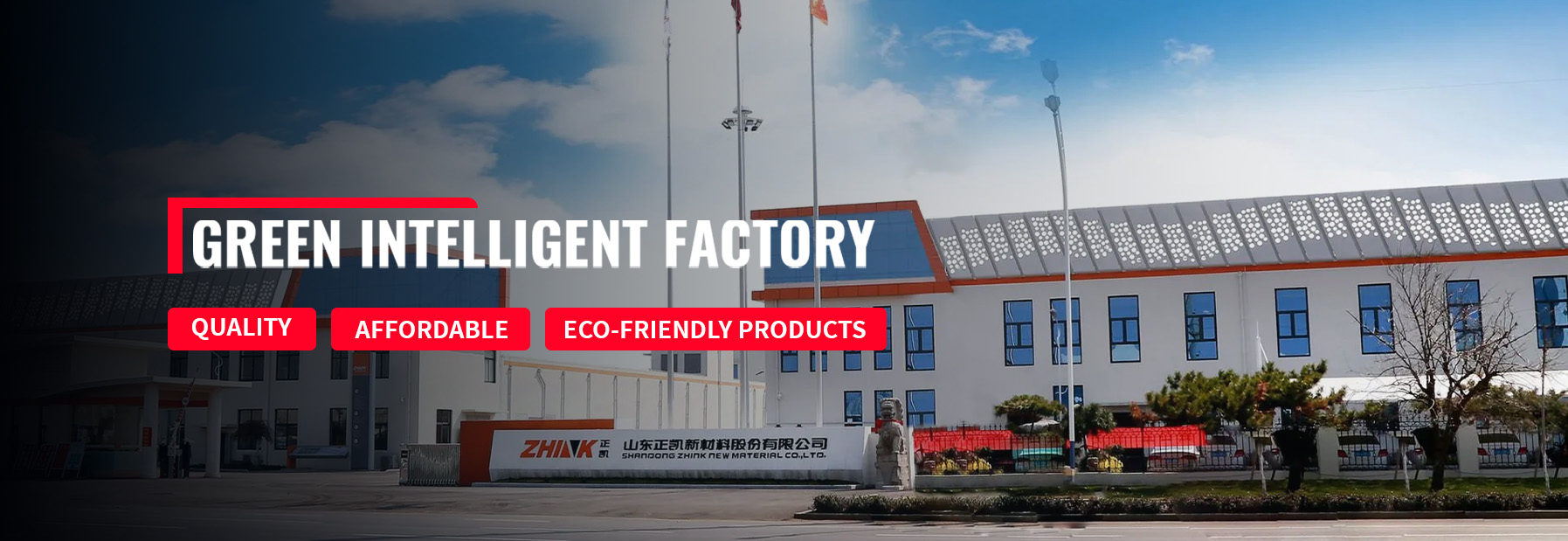
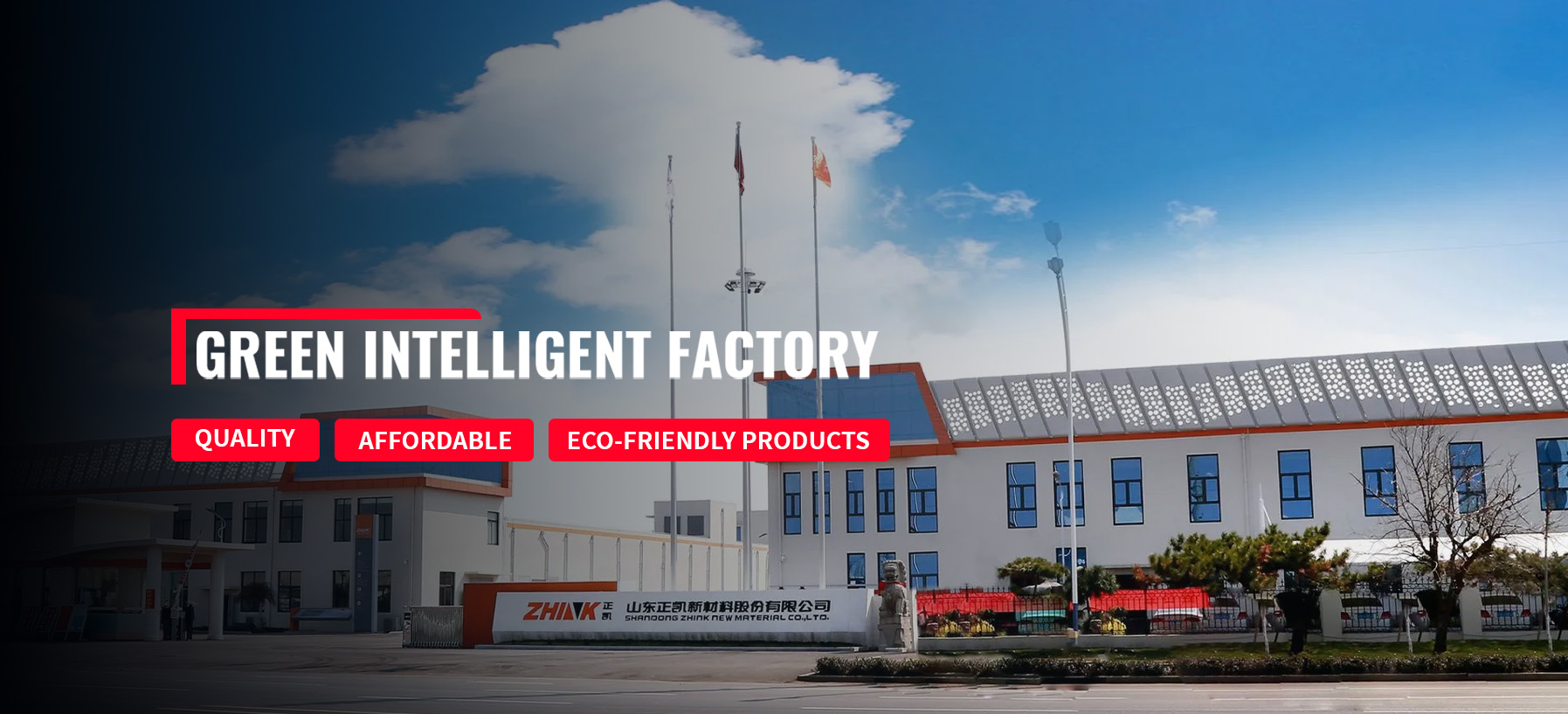
Delving into the world of 40s viscose yarn pricing, we find a complex interplay of factors that influence cost and availability. This exploration unveils both predictable elements and unexpected nuances affecting this specific yarn segment. Key players like SHANDONG ZHINK NEW MATERIAL CO., LTD provide valuable insights into these market dynamics.
The Basics of Viscose Yarn
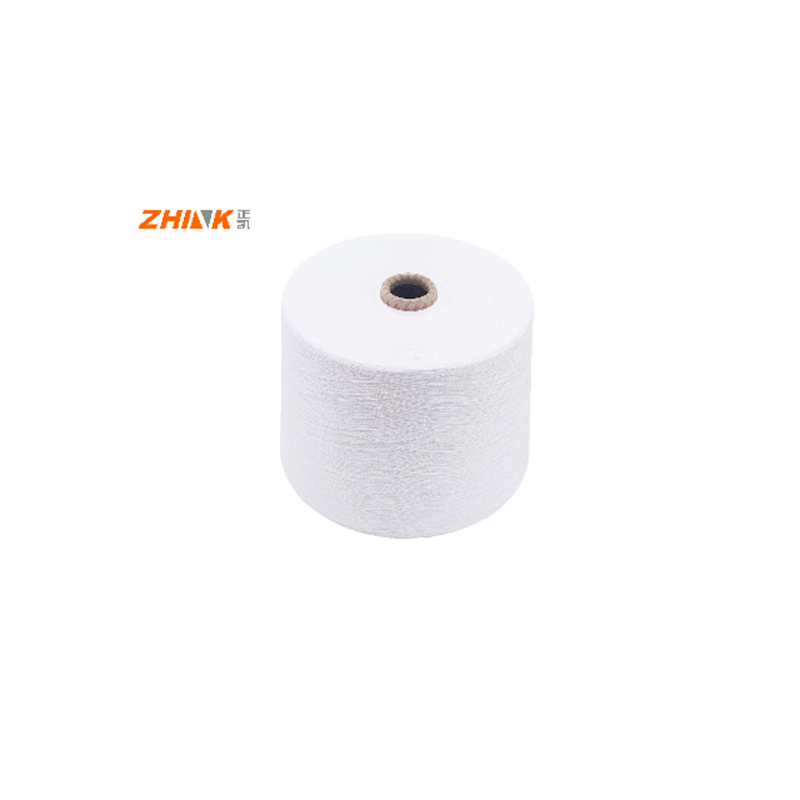
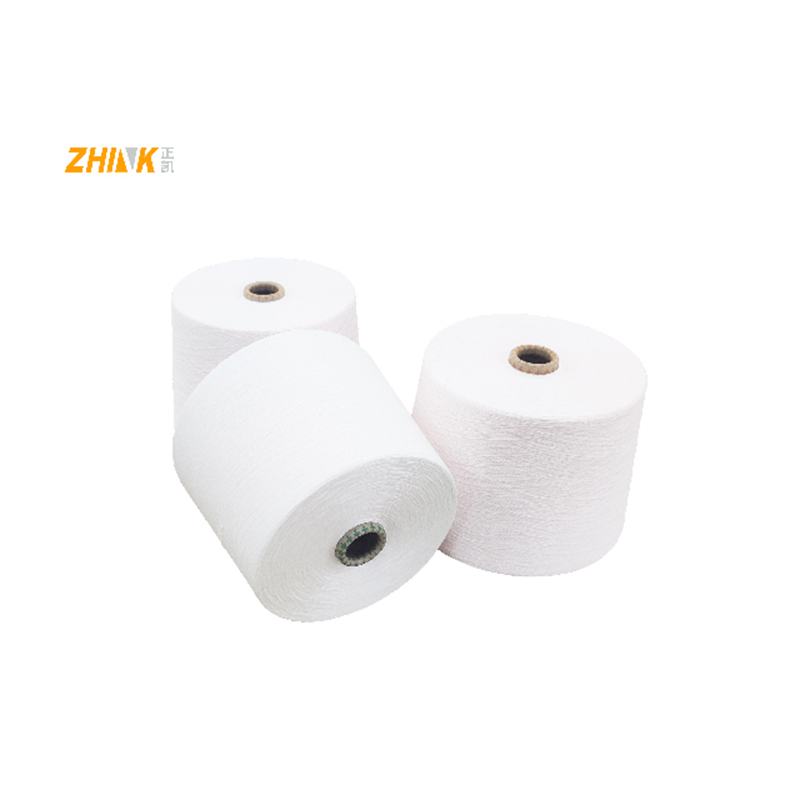
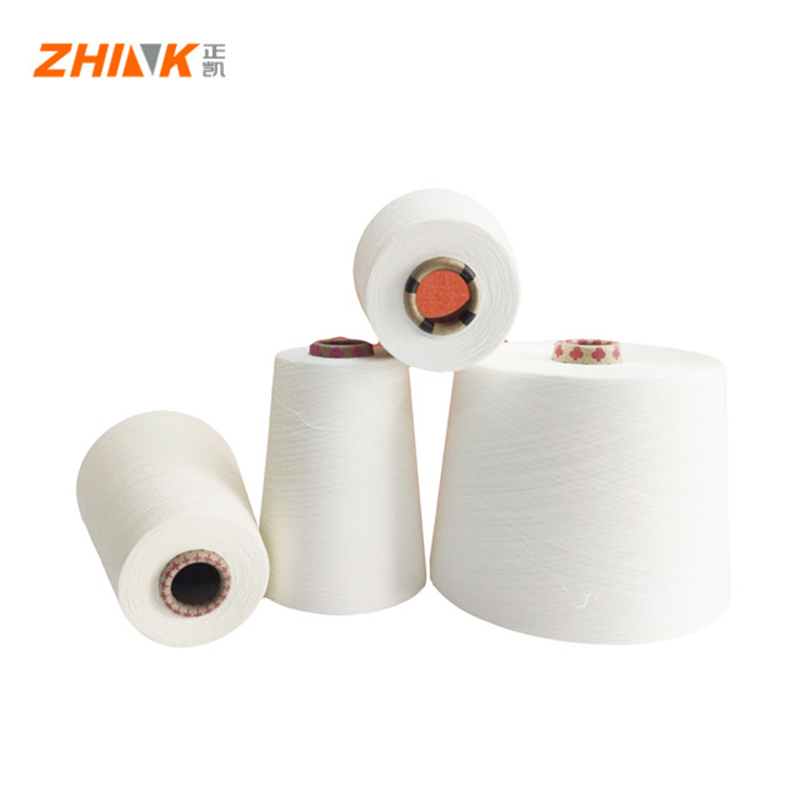
Viscose yarn, known for its silk-like feel and versatility, often finds itself at the heart of price fluctuations. Specifically, the 40s count, a measure of yarn thickness, demands a closer look. It's finer than typical yarns, necessitating more raw material per length unit, which naturally impacts cost. Many overlook how raw material prices directly influence the final product pricing.
Factors such as pulp quality and processing efficiency play a critical role. Companies like Zhink New Material, which specializes in advanced textile materials, often innovate to optimize these aspects, indirectly shaping price trends. Their focus on R&D at Zhink's website reflects this commitment.
Seasonal demand also plays a part. Fashion trends dictate yarn consumption patterns, influencing base pricing as manufacturers, designers, and retailers adjust their needs according to consumer behavior.
Impact of Global Market Trends
Global economic climates and international trade policies undeniably sway yarn prices. Tariffs, trade agreements, and geopolitical tensions can disrupt supply chains, affecting availability and pricing of viscose yarn substantially. In recent years, shifts in trade dynamics have posed significant hurdles for producers.
Companies like SHANDONG ZHINK NEW MATERIAL navigate these waters with strategic sourcing and diversified production capabilities. Their agile response to market changes ensures competitive pricing while maintaining quality standards.
This agility is crucial, especially during sudden market shifts, when established relationships with suppliers can make a significant difference in mitigating raw material cost increases.
Production Costs and Technological Advancements
The production process, including energy consumption and technology integration, affects 40s viscose yarn price. Newer technologies that enhance production efficiency can reduce costs, a strategy employed by forward-thinking companies within the textile sector.
For instance, Zhink New Material's investment in cutting-edge machinery exemplifies how adopting technology can streamline operations. This investment often results in reduced overheads, contributing to more stable pricing.
Yet, it's not just about technology. Skilled labor and rigorous quality checks remain essential, ensuring that despite cost-cutting measures, the product retains its inherent quality—important for maintaining brand integrity and customer trust.
Environmental and Ethical Considerations
With growing awareness around sustainability, producers face pressure to adopt eco-friendly practices, impacting production costs. While this can raise prices initially, many brands and consumers now prioritize sustainable practices over purely economic concerns.
At Zhink, sustainable production is a cornerstone of their operations. By focusing on environmentally accountable methods, they carve out a niche in an increasingly conscientious market, which can justify slightly higher pricing due to eco-premiums.
This shift highlights a broader trend where ethical and sustainable practices become integral to competitive pricing strategies, catering to a new wave of eco-conscious consumers.
Future Directions in Viscose Yarn Pricing
Looking ahead, several factors will likely dictate future pricing. Advances in biotechnology may offer alternative production techniques, potentially lowering costs while improving sustainability—key for staying ahead in the textile industry.
Additionally, as brands like SHANDONG ZHINK NEW MATERIAL push for innovation, the integration of bio-based raw materials may emerge as a game-changer, offering both environmental and economic benefits.
Ultimately, understanding the layers of influence on 40s viscose yarn price empowers industry players to make informed decisions, balancing cost with quality, and innovation with tradition.
Related Products
Related Products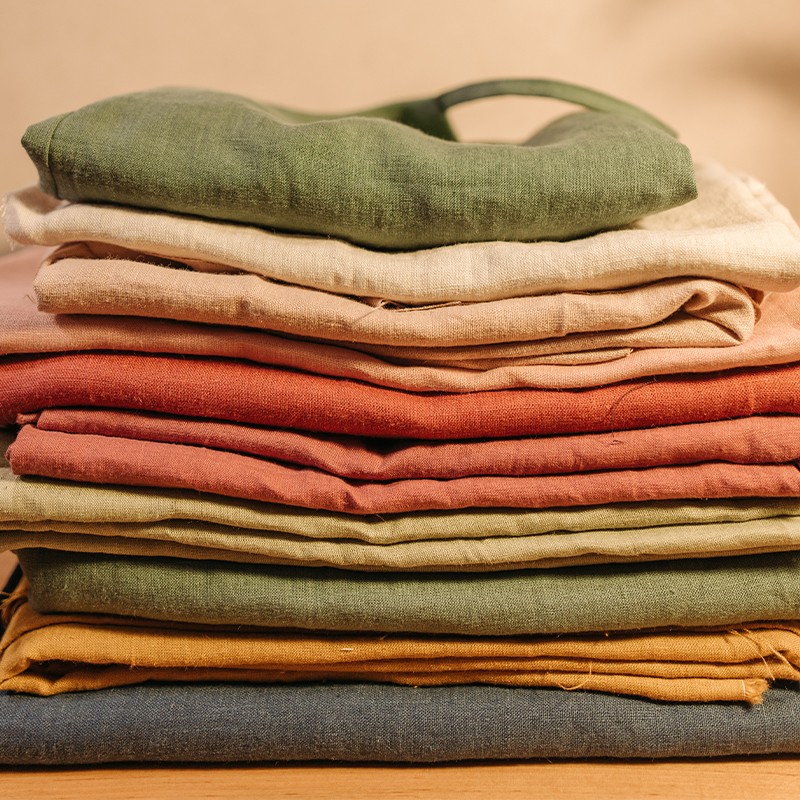

Best Selling Products
Best Selling Products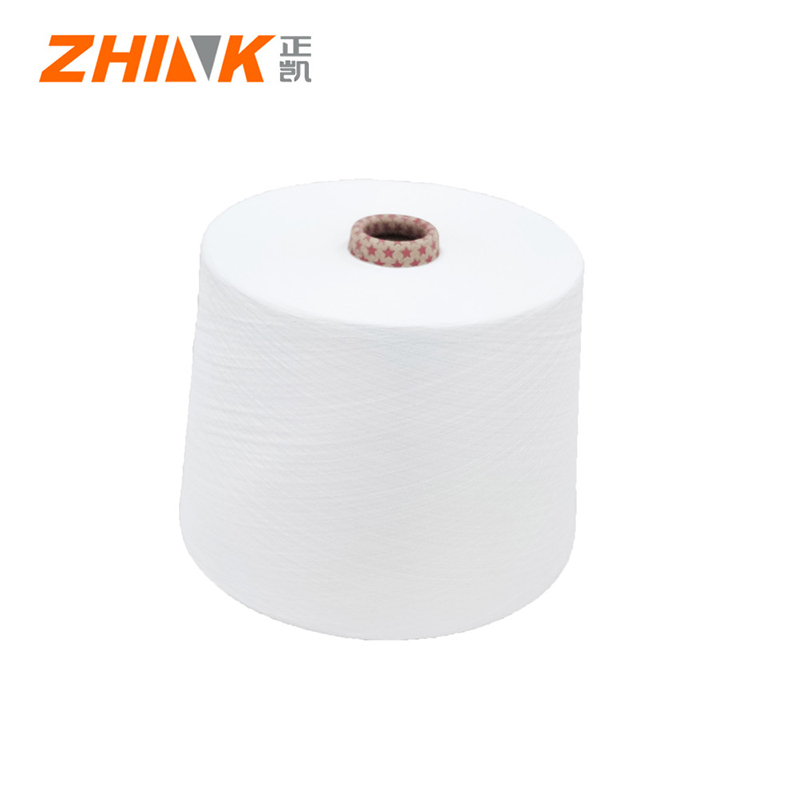


Related Search
Related Search- polyester/Lyocell blended yarn
- 100% Cationic polyester vortex
- recycled polyester staple fiber
- 100% acrylic yarn for weaving
- linen blend yarn
- cotton silk blend yarn
- Solid acrylic/viscose vortex yarn
- polyester/tencel/wool 70/20/10 32S
- A100/viscose/copper ammonia/linen 50/30/10/10 30S
- Cationic polyester fiber yarn