+86-632-3621866
- Chinese
- French
- German
- Portuguese
- Spanish
- Russian
- Japanese
- Korean
- Arabic
- Irish
- Greek
- Turkish
- Italian
- Danish
- Romanian
- Indonesian
- Czech
- Afrikaans
- Swedish
- Polish
- Basque
- Catalan
- Esperanto
- Hindi
- Lao
- Albanian
- Amharic
- Armenian
- Azerbaijani
- Belarusian
- Bengali
- Bosnian
- Bulgarian
- Cebuano
- Chichewa
- Corsican
- Croatian
- Dutch
- Estonian
- Filipino
- Finnish
- Frisian
- Galician
- Georgian
- Gujarati
- Haitian
- Hausa
- Hawaiian
- Hebrew
- Hmong
- Hungarian
- Icelandic
- Igbo
- Javanese
- Kannada
- Kazakh
- Khmer
- Kurdish
- Kyrgyz
- Latin
- Latvian
- Lithuanian
- Luxembou..
- Macedonian
- Malagasy
- Malay
- Malayalam
- Maltese
- Maori
- Marathi
- Mongolian
- Burmese
- Nepali
- Norwegian
- Pashto
- Persian
- Punjabi
- Serbian
- Sesotho
- Sinhala
- Slovak
- Slovenian
- Somali
- Samoan
- Scots Gaelic
- Shona
- Sindhi
- Sundanese
- Swahili
- Tajik
- Tamil
- Telugu
- Thai
- Ukrainian
- Urdu
- Uzbek
- Vietnamese
- Welsh
- Xhosa
- Yiddish
- Yoruba
- Zulu
- Kinyarwanda
- Tatar
- Oriya
- Turkmen
- Uyghur



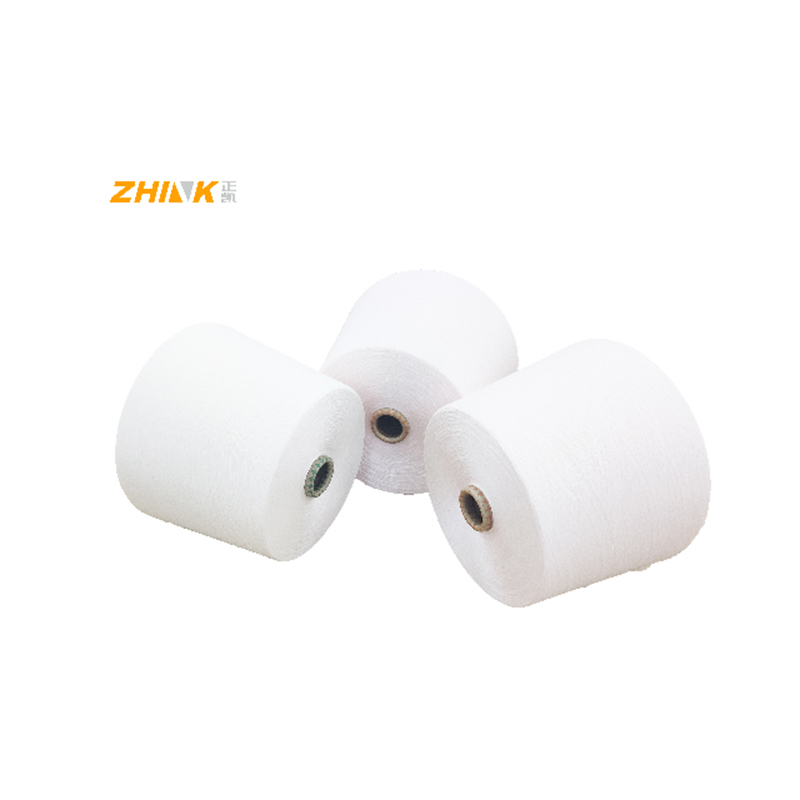
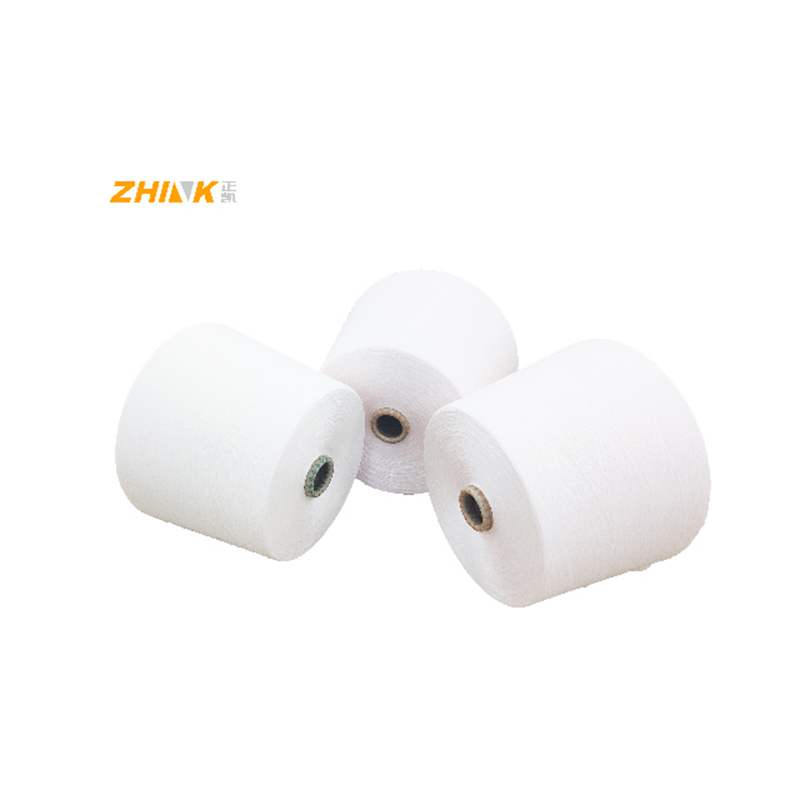
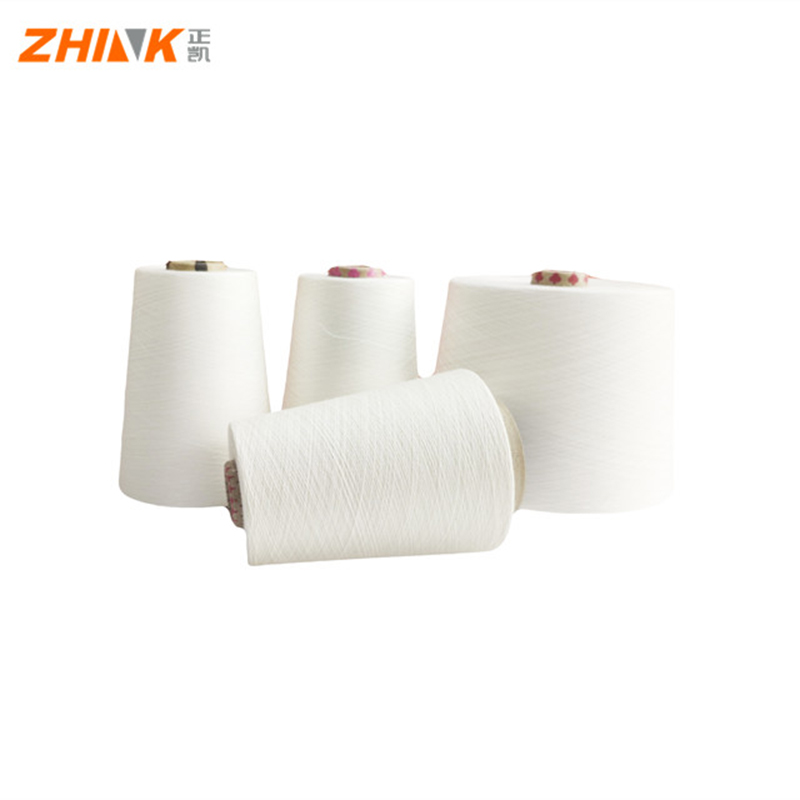
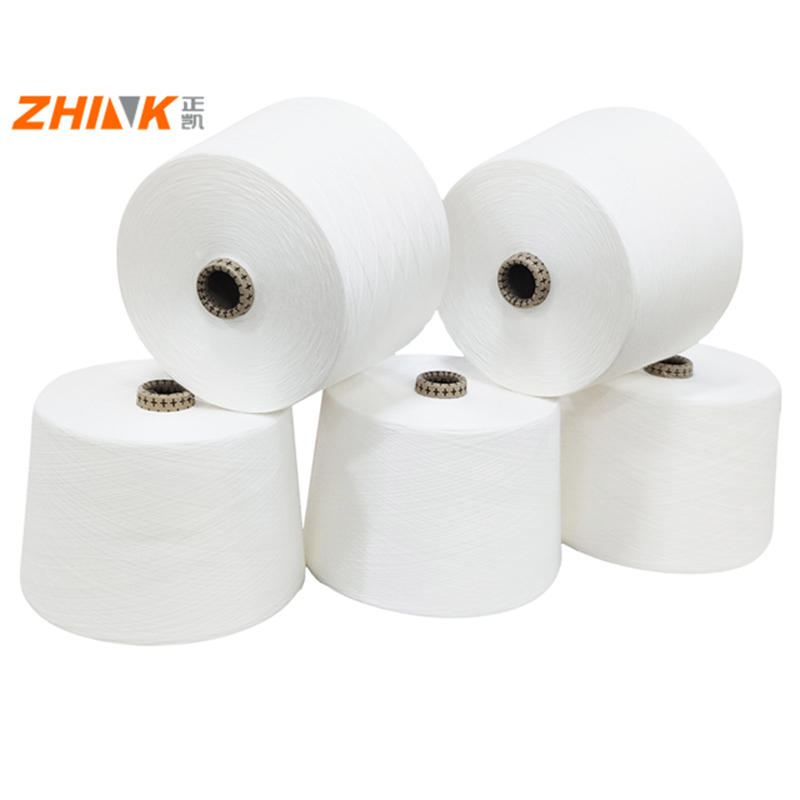
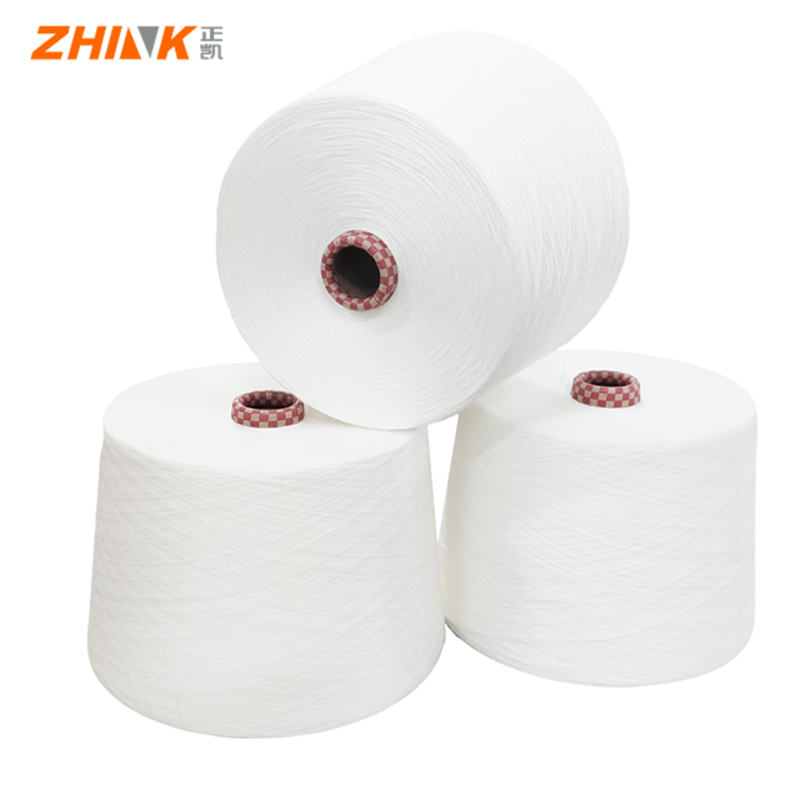
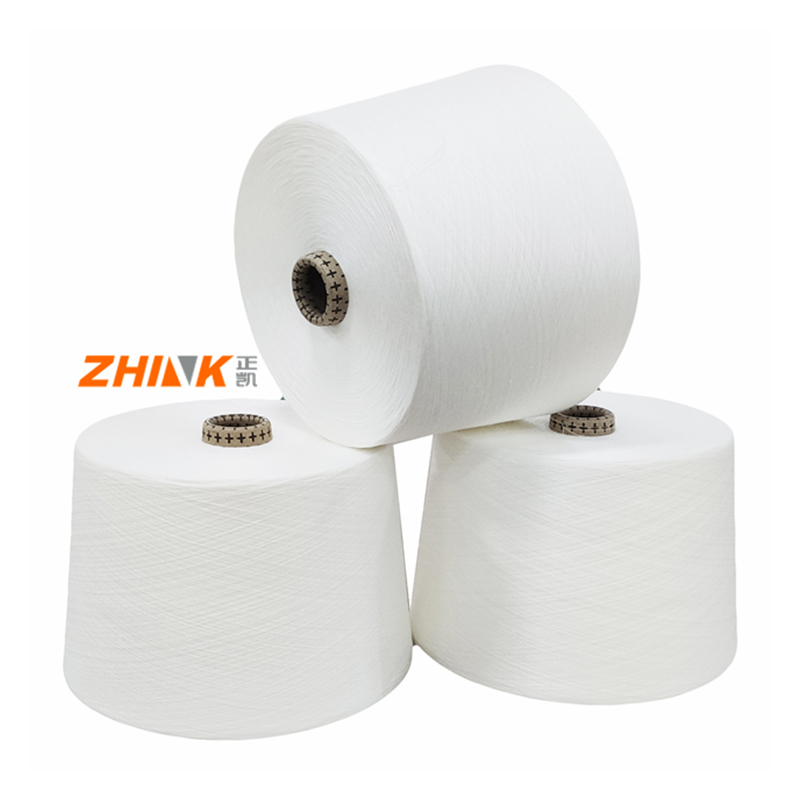
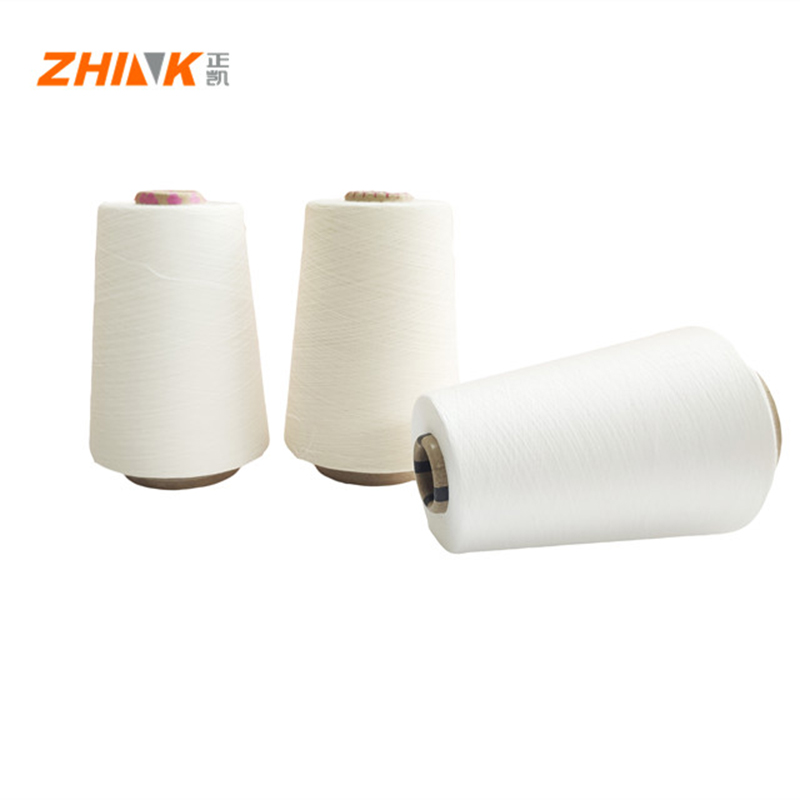
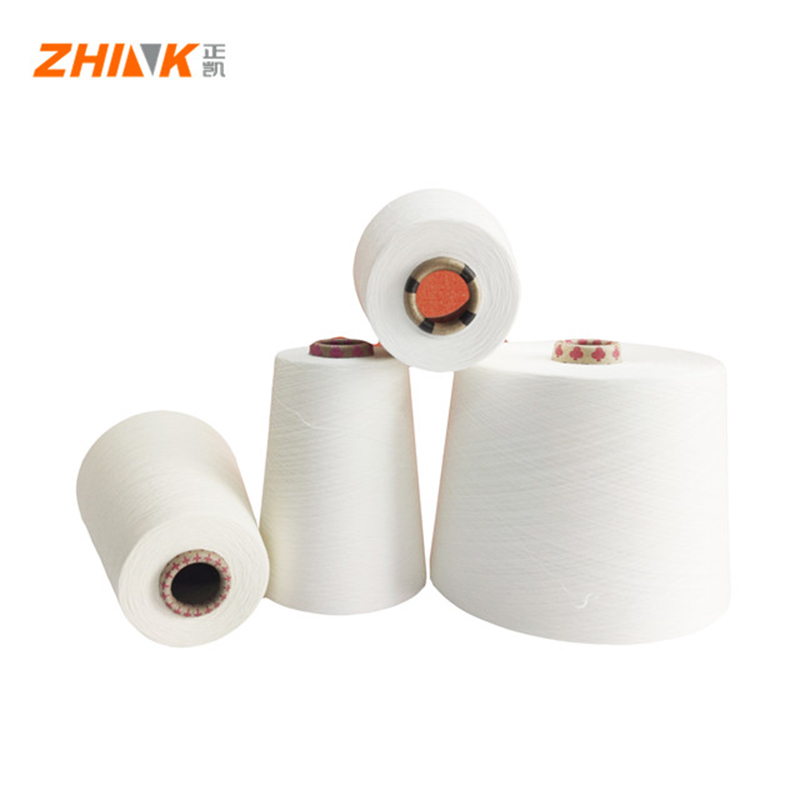
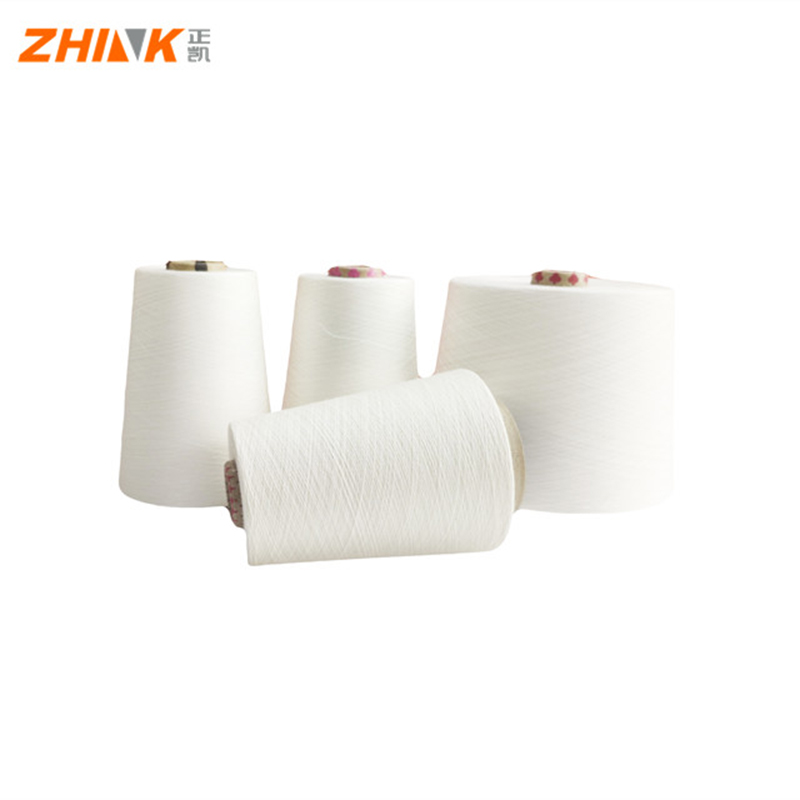
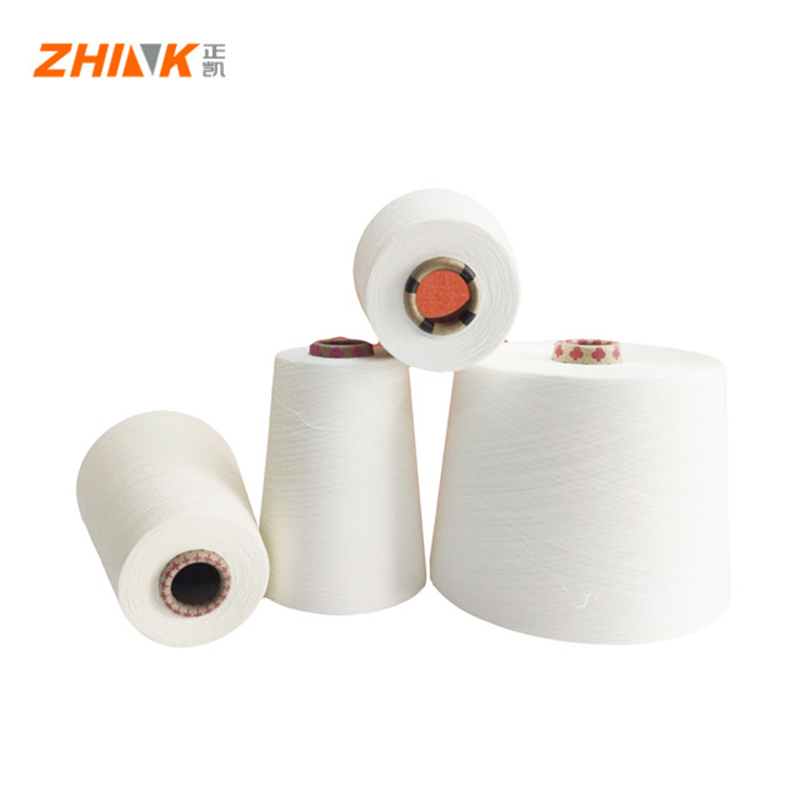
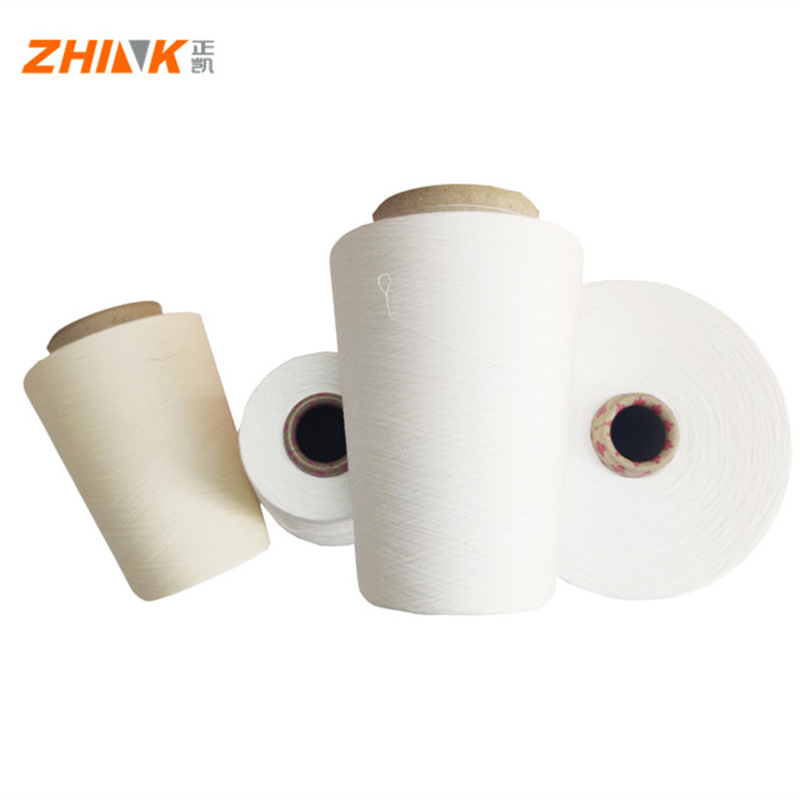
50 cotton 50 acrylic yarn
The Versatility of 50 Cotton 50 Acrylic Yarn
50 cotton 50 acrylic yarn is a blend that brings together the best of both worlds. It’s not just popular in knitting circles; it’s a rock star in practical applications, offering both comfort and durability. Let's explore why this blend is a favorite among industry professionals and hobbyists alike.
Understanding the Blend
At a glance, the idea of mixing cotton and acrylic seems straightforward, but there’s a certain nuance here. Cotton is beloved for its natural feel and breathability, while acrylic offers resilience and ease of care. Combining them creates a yarn that is soft yet tough—an ideal choice for numerous projects.
From my experience, one of the most practical aspects of this blend is how it behaves when knitted. It doesn’t stretch out of shape easily, which is critical when you’re working on pieces that demand long-term wearability. Plus, it holds color well, a boon for vibrant patterns.
However, it’s not without its quirks. Anyone who’s spent time with it knows that tension settings can make or break your project. Too tight, and you lose the softness; too loose, and the structure suffers. It’s a delicate balance.
Common Applications
The versatility of 50 cotton 50 acrylic yarn shows in its applications. Sweaters and cardigans are obvious choices, given their need for warmth and comfort. But it doesn’t stop there. Home décor, like throws and cushion covers, benefits from its robustness.
Personally, I’ve found success using this blend in crafting baby garments. Given its hypoallergenic qualities, it provides a gentle touch on sensitive skin—which is precisely what you want for little ones. The washability doesn’t hurt either, as anything made for children will see plenty of laundering.
And then there’s the unexpected—outdoor gear. Yes, you read right. Items like picnic blankets, thanks to acrylic’s weather-resistant properties, see this blend as an underappreciated gem.
Challenges in Use
That said, there are challenges with 50 cotton 50 acrylic yarn. Join any knitting community, and you’ll hear tales of splitting yarns or inconsistent tension. It’s happened to me more times than I care to admit. The fibers can sometimes resist staying twisted, which can be a real headache during complex stitches.
Also, if you’re aiming for immaculate finishings, the mixed fiber thickness might surprise you. Blocking, in particular, demands attention. I’ve learned to be patient, ensuring even moisture distribution to achieve the desired block.
Yet, these challenges are part of the charm. Overcoming them teaches you plenty about the craft, and the resulting project often feels doubly rewarding.
Industrial Insights
Looking beyond individual use, companies like SHANDONG ZHINK NEW MATERIAL CO., LTD leverage this blend for innovative textile solutions. Zhink New Material's commitment to R&D means advancements keep evolving in this space. They focus on enhancing fiber qualities, tackling common issues like pilling and environmental resilience.
Industry innovations have started to address another common critique: environmental impact. While acrylic isn’t inherently sustainable, blending it with cotton reduces each piece's overall footprint. Zhink is at the frontier, developing more sustainable processes and materials.
The business side of textiles often mirrors the challenges faced by individual crafters, scaled to industrial proportions. Efficiency, consistency, and market appeal battle with cost-effectiveness and ecological responsibility.
Making a Decision
Choosing 50 cotton 50 acrylic yarn depends heavily on your project's needs. If you value durability with a decent level of softness, this is your pick. It blends practicality with a touch of luxury, something that makes it attractive for both seasoned and novice crafters.
For me, its charm lies in its adaptability. In many projects, it’s less about the fiber itself and more about what you make of it. Crafting demands attention, patience, and a willingness to handle surprises—qualities well-matched by this yarn.
In the end, whether you’re crafting from your living room or sourcing for commercial production, understanding your materials offers an edge. As trends shift, the timelessness of a solid blend remains evident.
Related Products
Related Products