+86-632-3621866
- Chinese
- French
- German
- Portuguese
- Spanish
- Russian
- Japanese
- Korean
- Arabic
- Irish
- Greek
- Turkish
- Italian
- Danish
- Romanian
- Indonesian
- Czech
- Afrikaans
- Swedish
- Polish
- Basque
- Catalan
- Esperanto
- Hindi
- Lao
- Albanian
- Amharic
- Armenian
- Azerbaijani
- Belarusian
- Bengali
- Bosnian
- Bulgarian
- Cebuano
- Chichewa
- Corsican
- Croatian
- Dutch
- Estonian
- Filipino
- Finnish
- Frisian
- Galician
- Georgian
- Gujarati
- Haitian
- Hausa
- Hawaiian
- Hebrew
- Hmong
- Hungarian
- Icelandic
- Igbo
- Javanese
- Kannada
- Kazakh
- Khmer
- Kurdish
- Kyrgyz
- Latin
- Latvian
- Lithuanian
- Luxembou..
- Macedonian
- Malagasy
- Malay
- Malayalam
- Maltese
- Maori
- Marathi
- Mongolian
- Burmese
- Nepali
- Norwegian
- Pashto
- Persian
- Punjabi
- Serbian
- Sesotho
- Sinhala
- Slovak
- Slovenian
- Somali
- Samoan
- Scots Gaelic
- Shona
- Sindhi
- Sundanese
- Swahili
- Tajik
- Tamil
- Telugu
- Thai
- Ukrainian
- Urdu
- Uzbek
- Vietnamese
- Welsh
- Xhosa
- Yiddish
- Yoruba
- Zulu
- Kinyarwanda
- Tatar
- Oriya
- Turkmen
- Uyghur



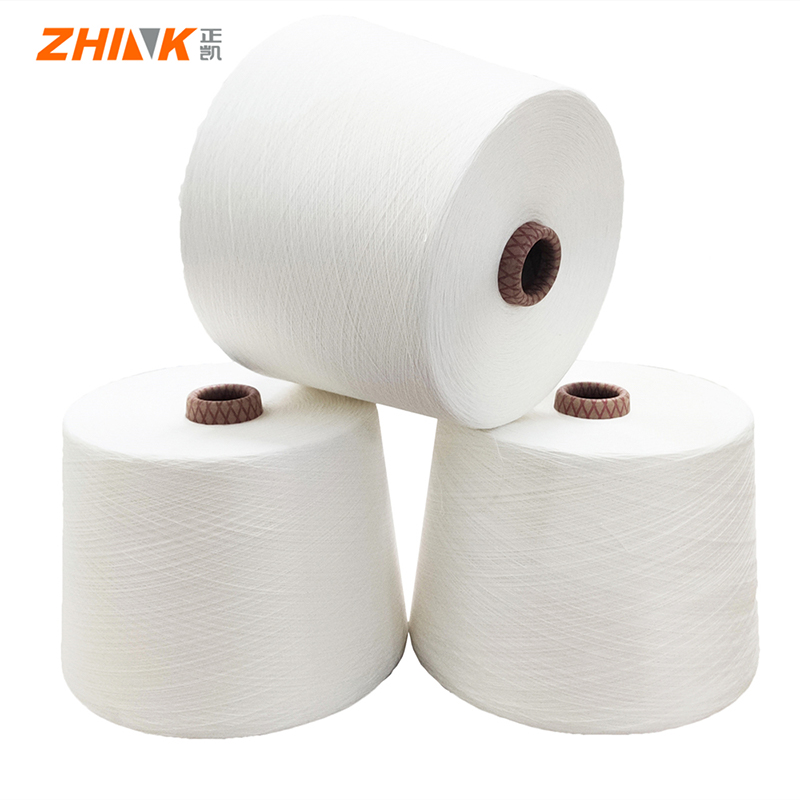
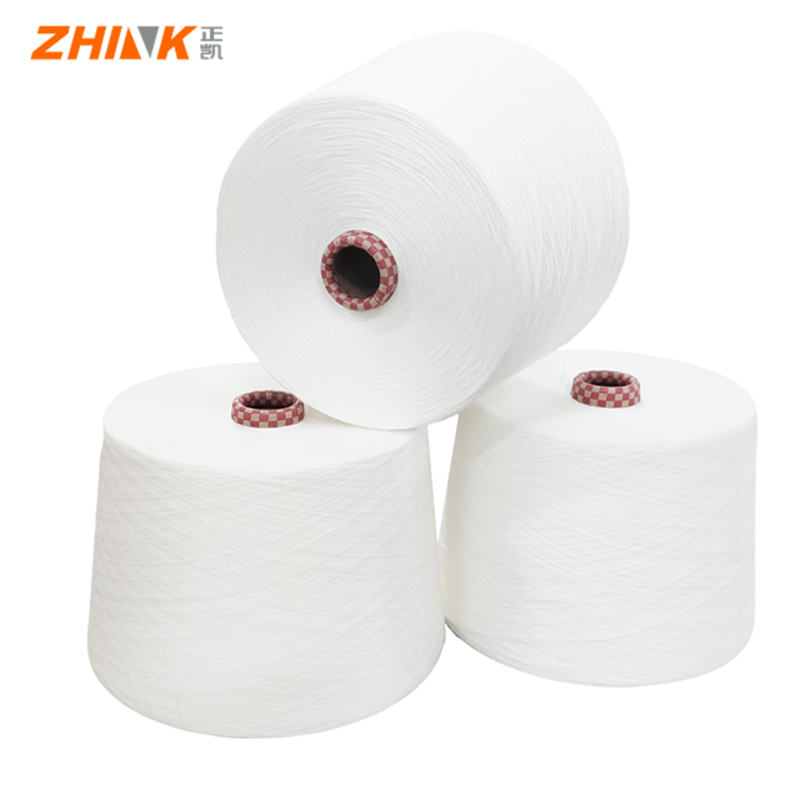
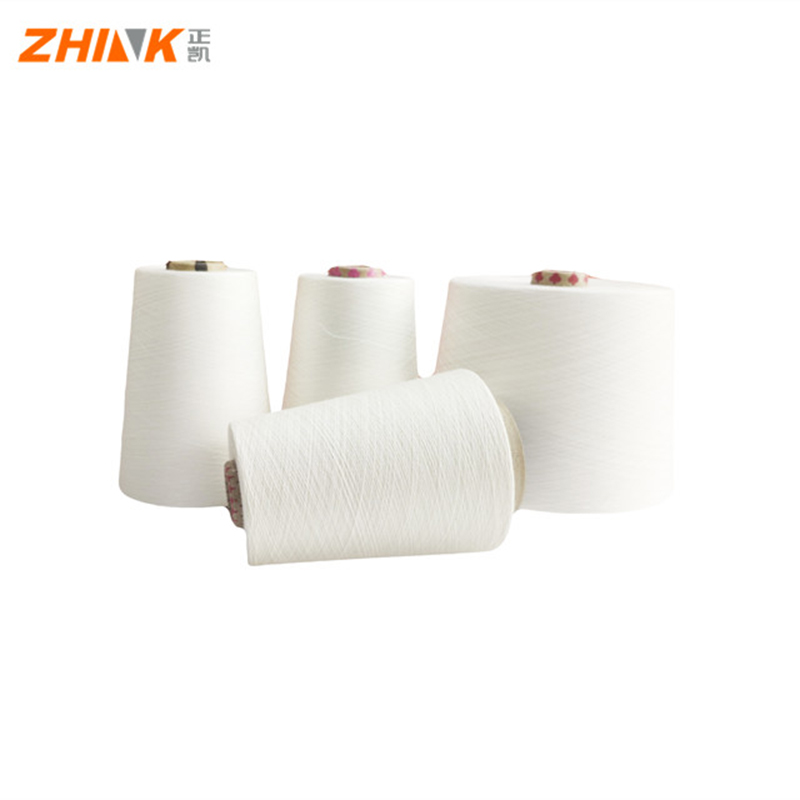
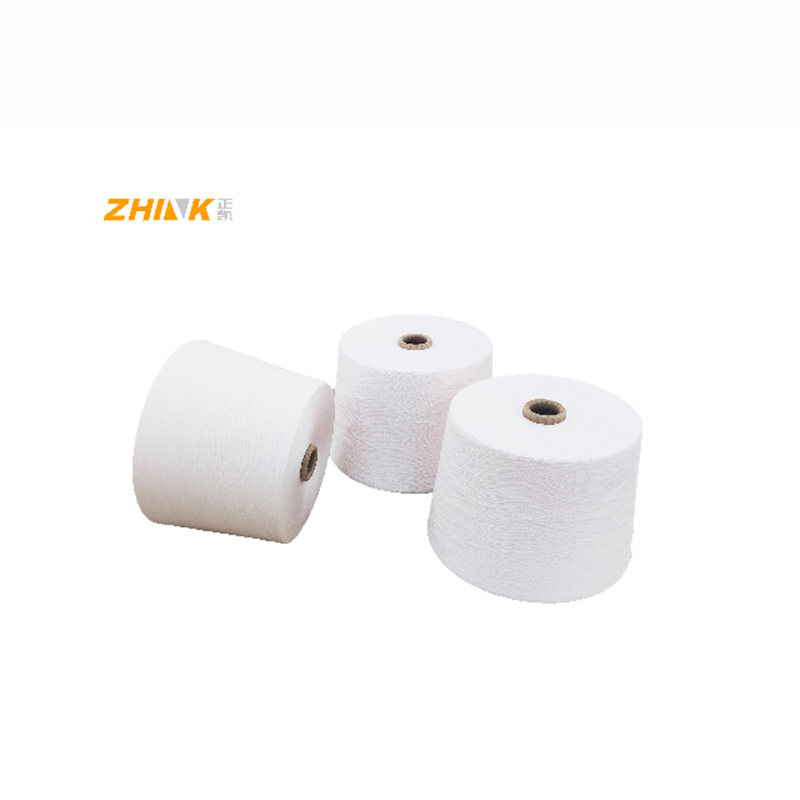
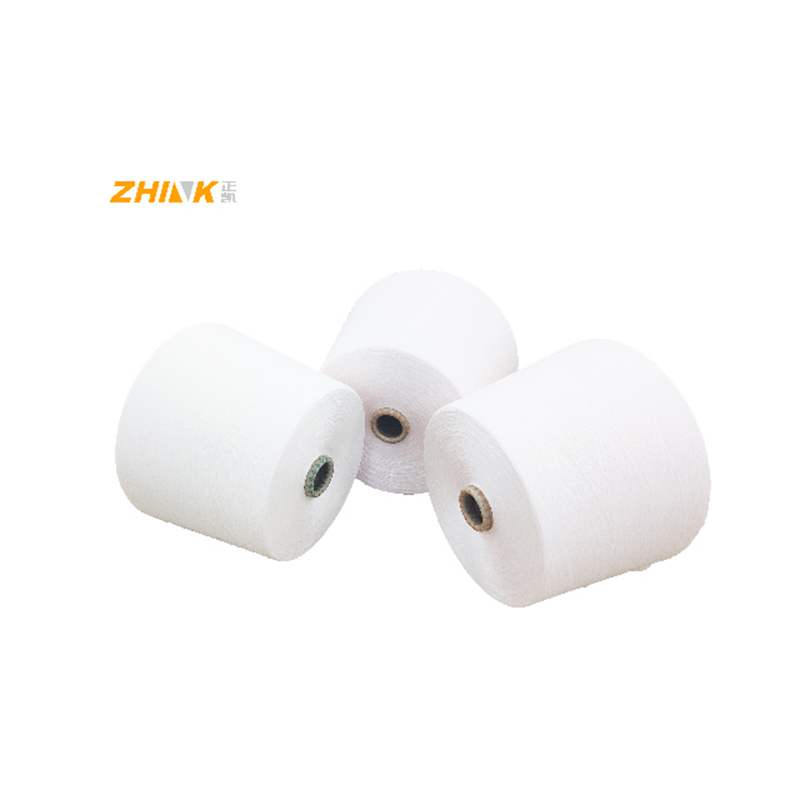
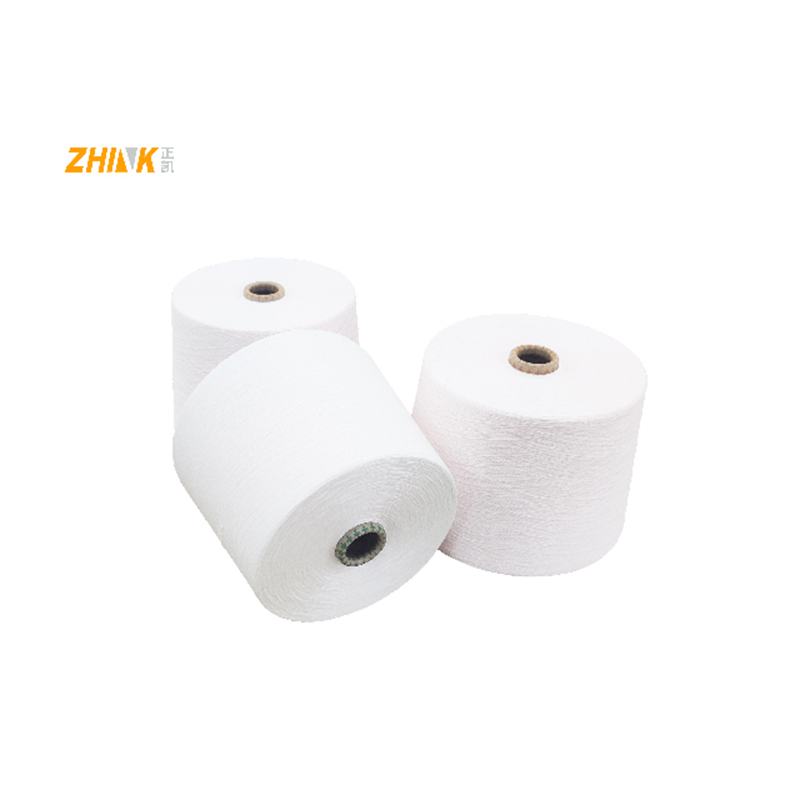
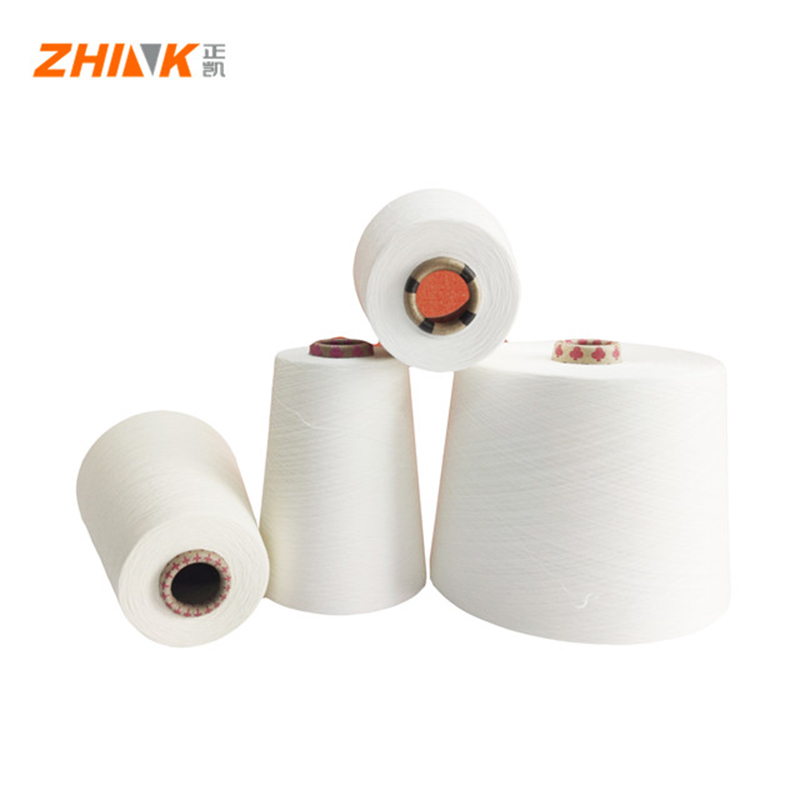
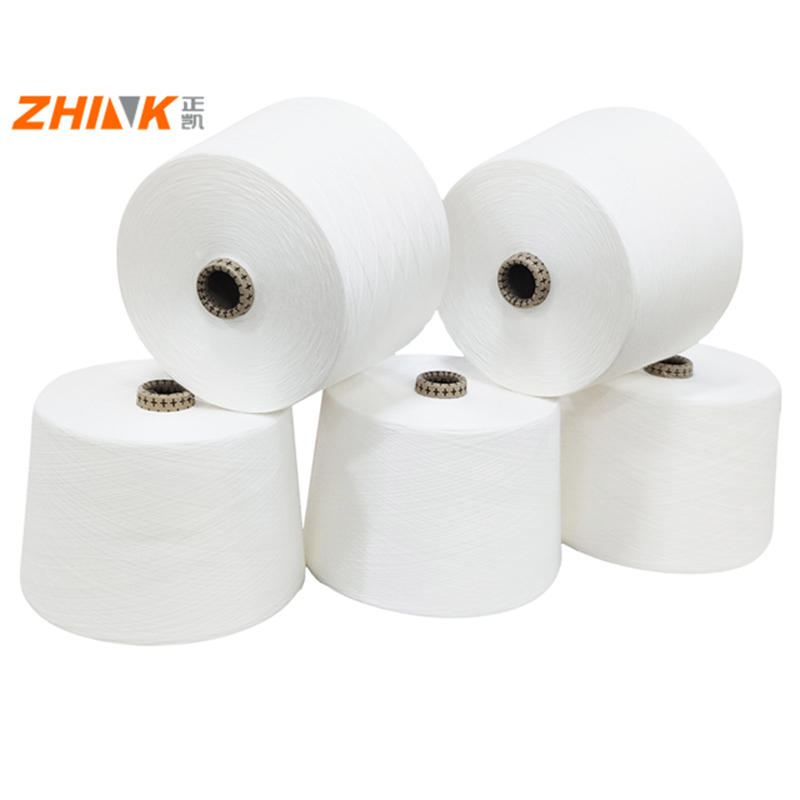
50 cotton 50 polyester yarn
The Intricacies of 50 Cotton 50 Polyester Yarn
The unique blend of 50 cotton 50 polyester yarn offers a versatile solution for textile manufacturers. It's not just about combining two fibers; it's about striking a balance between comfort and durability. Many in the industry may misunderstand this blend, considering it a compromise rather than a creative synergy.
Understanding the Blend
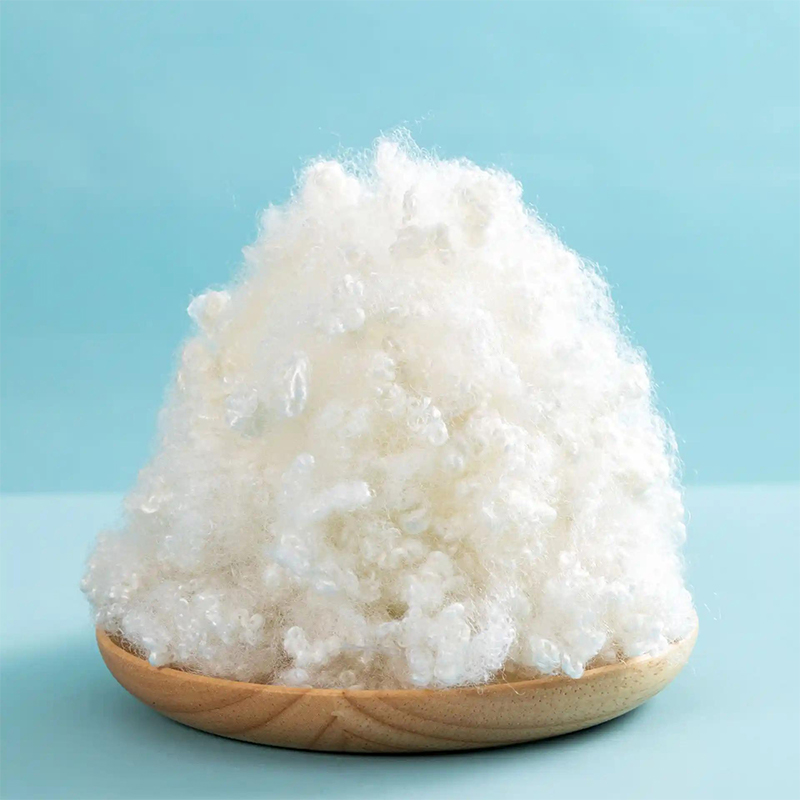
It's critical to first appreciate what each component brings to the table. Cotton, known for its softness and breathability, offers comfort that's hard to match. On the other hand, polyester is valued for its strength and resistance to wrinkles and shrinking. When you merge the two, you get a fabric that's often more than the sum of its parts.
Companies like SHANDONG ZHINK NEW MATERIAL CO., LTD, located at Zhink Yarn, understand this balance well. They focus on the research and development to ensure that the 50 cotton 50 polyester yarn meets various manufacturing needs while maintaining quality.
However, this blend isn't a one-size-fits-all solution. Its effectiveness largely depends on the intended use of the fabric. For example, it's perfect for casual wear but might not serve as well in high-end fashion where pure fabrics often reign supreme.
Real-World Applications
In practical terms, this yarn blend is commonly used in t-shirts, bedsheets, and certain types of apparel. It offers good durability, which is why athletic wear manufacturers sometimes opt for it. The mix retains color well and withstands numerous washes, an essential factor for daily wear garments.
I’ve seen this particularly in the fast fashion industry. The quick turnaround and economic efficiency this blend offers are undeniable. But there are caveats. Overuse without considering the final garment’s context can lead to a product that, while durable, may not stand out in a competitive market.
Meanwhile, the industry finds itself navigating issues of sustainability. While polyester poses environmental challenges, innovations are emerging to make production more eco-friendly. Companies like Zhink New Material are investigating these prospects, paving the way for improvements.
Challenges with the Blend
Despite its advantages, working with this yarn isn't without its hurdles. One notable challenge is controlling the pilling, which can occur more readily in this blend compared to pure cotton textiles. This necessitates careful production techniques to maintain a smooth finish over time.
The dyeing process, too, requires a skilled approach. Cotton and polyester absorb dyes differently, which means achieving a consistent color can be tricky. It’s here that the expertise of manufacturers who specialize in blended textiles becomes crucial.
Some firms, like SHOANDONG ZHINK NEW MATERIAL CO., LTD, are at the forefront of addressing these issues. By investing in research, they aim to minimize such challenges, ensuring their products meet consumer expectations.
Future of Blended Yarns
Looking ahead, the future of 50 cotton 50 polyester yarn seems promising but complex. As more companies like those featured on Zhink Yarn explore innovative methods, we may witness a transformation in how these blends are produced and perceived.
One area ripe for development is enhancing the sustainability of polyester. With eco-friendly alternatives on the rise, such innovations could make this already popular blend even more appealing to environmentally conscious consumers.
The ongoing dialogue in the textile world regarding adaptability and innovation suggests this blend isn’t just a fleeting trend. It stands as a testament to the capabilities of modern textile engineering, ready to meet tomorrow’s demands.
Conclusion: Is It Right for You?
Ultimately, whether or not to use 50 cotton 50 polyester yarn depends on your goals. If you're seeking a balance between comfort and durability with a nod toward cost-effectiveness, this blend fits the bill.
However, it's not without its intricacies. Engaging with experienced producers like those at SHANDONG ZHINK NEW MATERIAL CO., LTD can provide you with the knowledge and product quality needed to make the most of this versatile yarn.
The journey with blended textiles is undoubtedly complex, marked by experiments and learning. But it’s exactly this evolving nature that makes it a rewarding area for exploration and continued growth.
Related Products
Related Products