+86-632-3621866
- Chinese
- French
- German
- Portuguese
- Spanish
- Russian
- Japanese
- Korean
- Arabic
- Irish
- Greek
- Turkish
- Italian
- Danish
- Romanian
- Indonesian
- Czech
- Afrikaans
- Swedish
- Polish
- Basque
- Catalan
- Esperanto
- Hindi
- Lao
- Albanian
- Amharic
- Armenian
- Azerbaijani
- Belarusian
- Bengali
- Bosnian
- Bulgarian
- Cebuano
- Chichewa
- Corsican
- Croatian
- Dutch
- Estonian
- Filipino
- Finnish
- Frisian
- Galician
- Georgian
- Gujarati
- Haitian
- Hausa
- Hawaiian
- Hebrew
- Hmong
- Hungarian
- Icelandic
- Igbo
- Javanese
- Kannada
- Kazakh
- Khmer
- Kurdish
- Kyrgyz
- Latin
- Latvian
- Lithuanian
- Luxembou..
- Macedonian
- Malagasy
- Malay
- Malayalam
- Maltese
- Maori
- Marathi
- Mongolian
- Burmese
- Nepali
- Norwegian
- Pashto
- Persian
- Punjabi
- Serbian
- Sesotho
- Sinhala
- Slovak
- Slovenian
- Somali
- Samoan
- Scots Gaelic
- Shona
- Sindhi
- Sundanese
- Swahili
- Tajik
- Tamil
- Telugu
- Thai
- Ukrainian
- Urdu
- Uzbek
- Vietnamese
- Welsh
- Xhosa
- Yiddish
- Yoruba
- Zulu
- Kinyarwanda
- Tatar
- Oriya
- Turkmen
- Uyghur



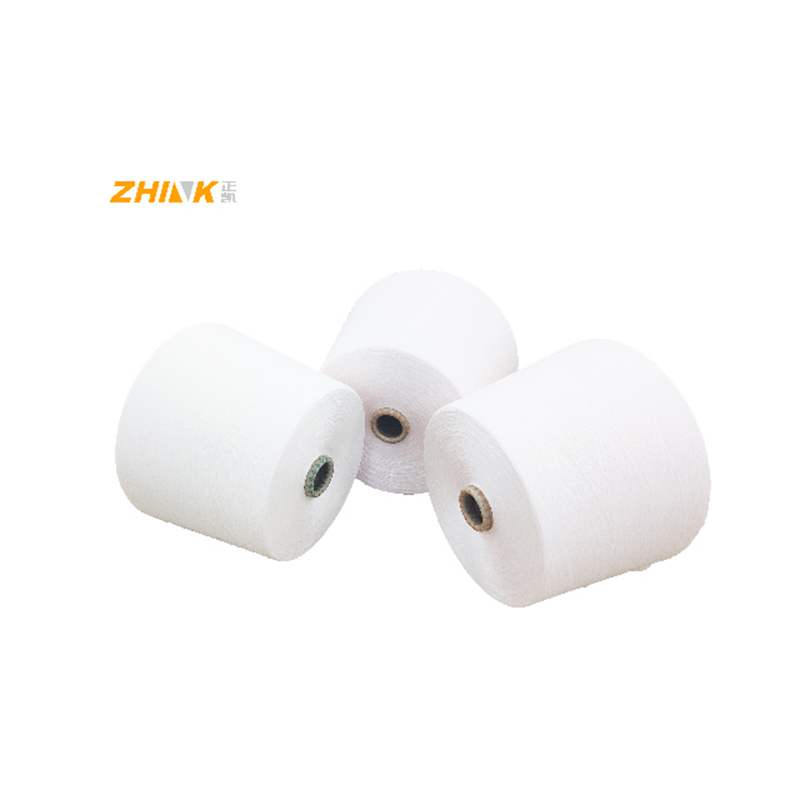
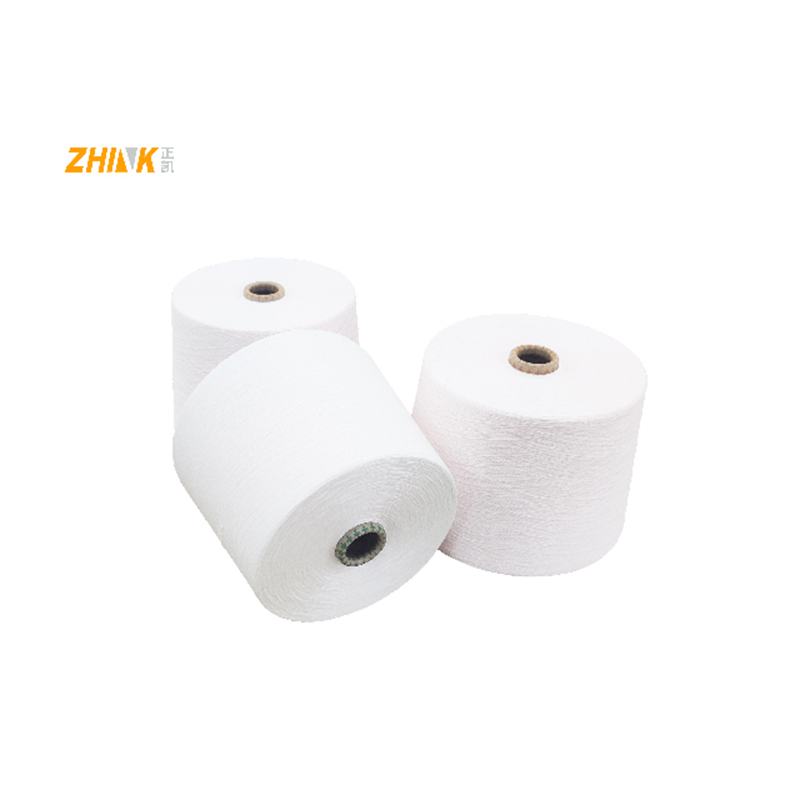
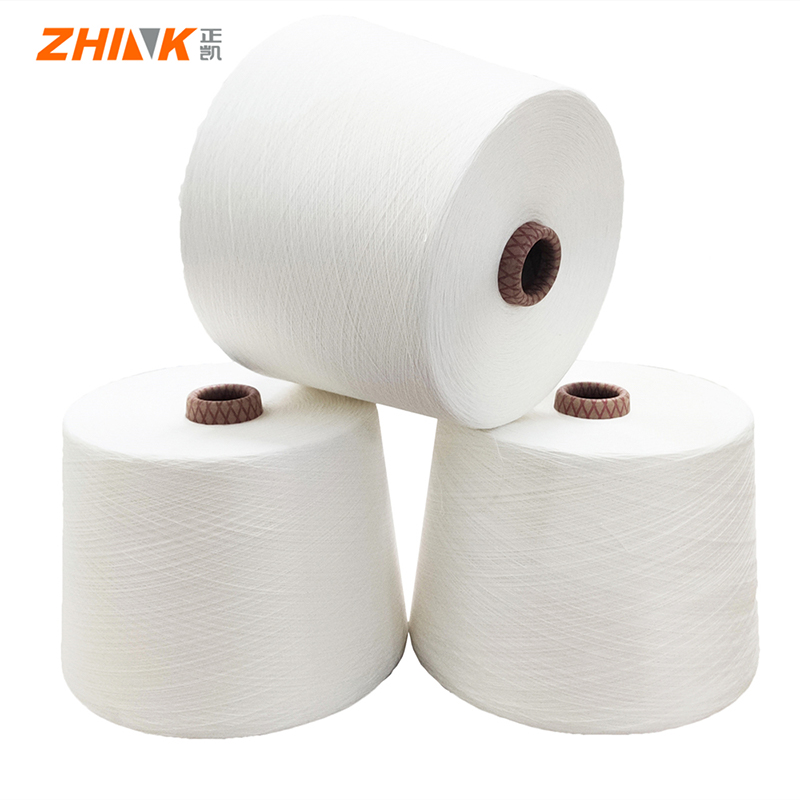
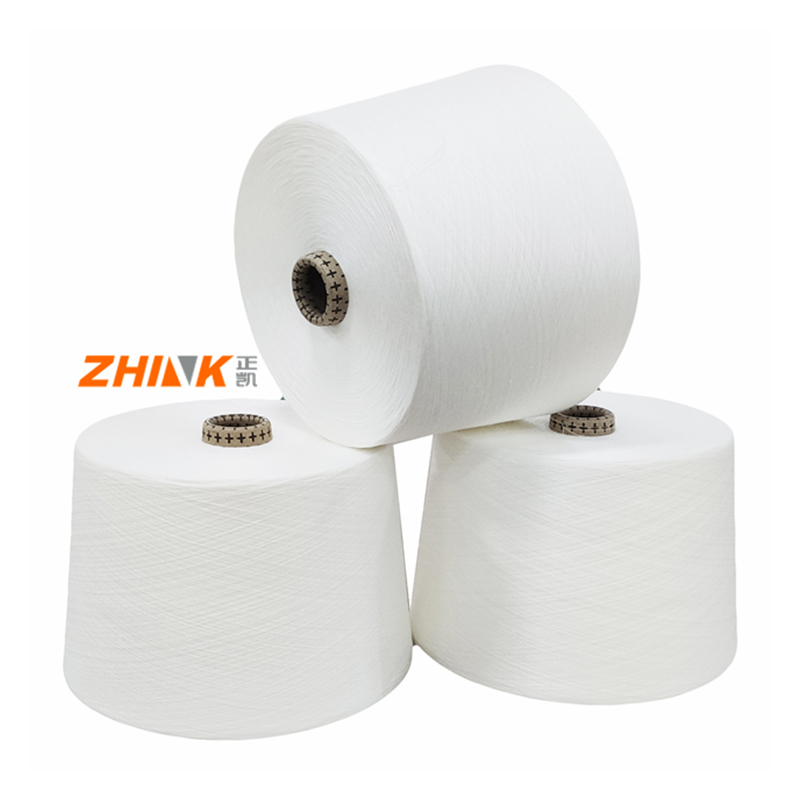
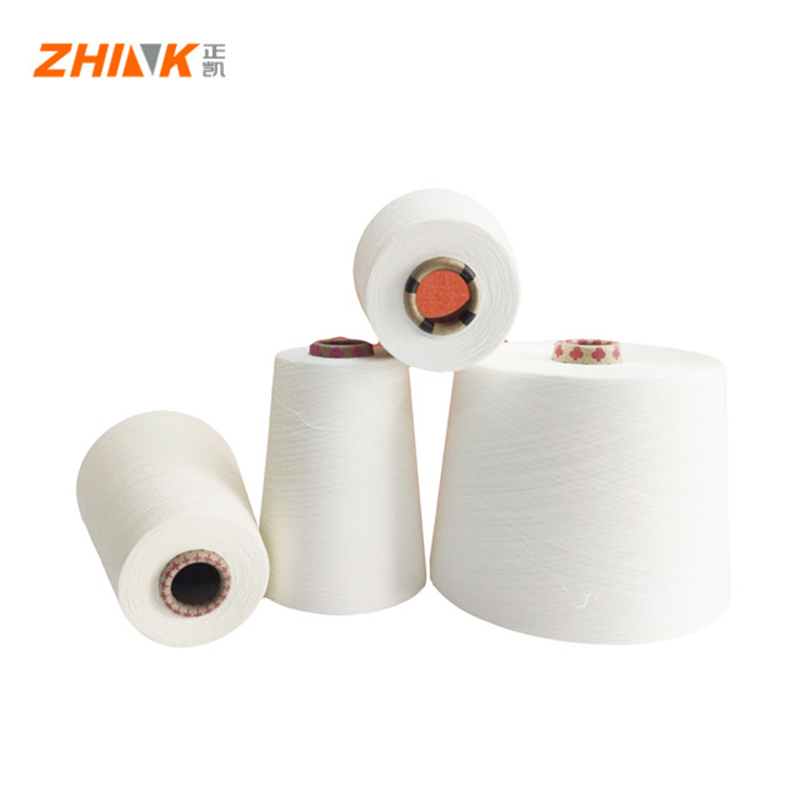
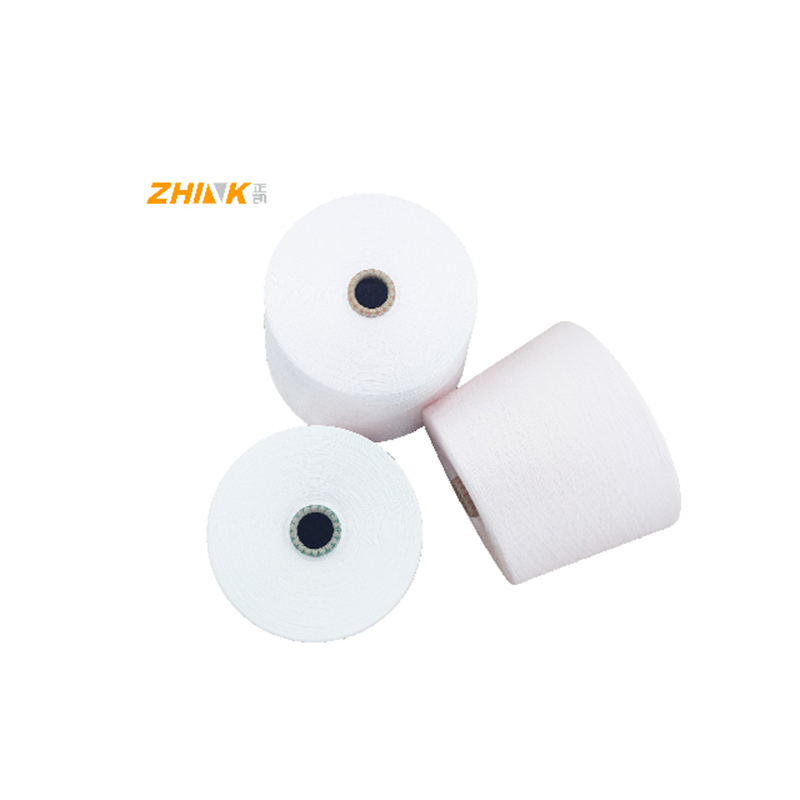
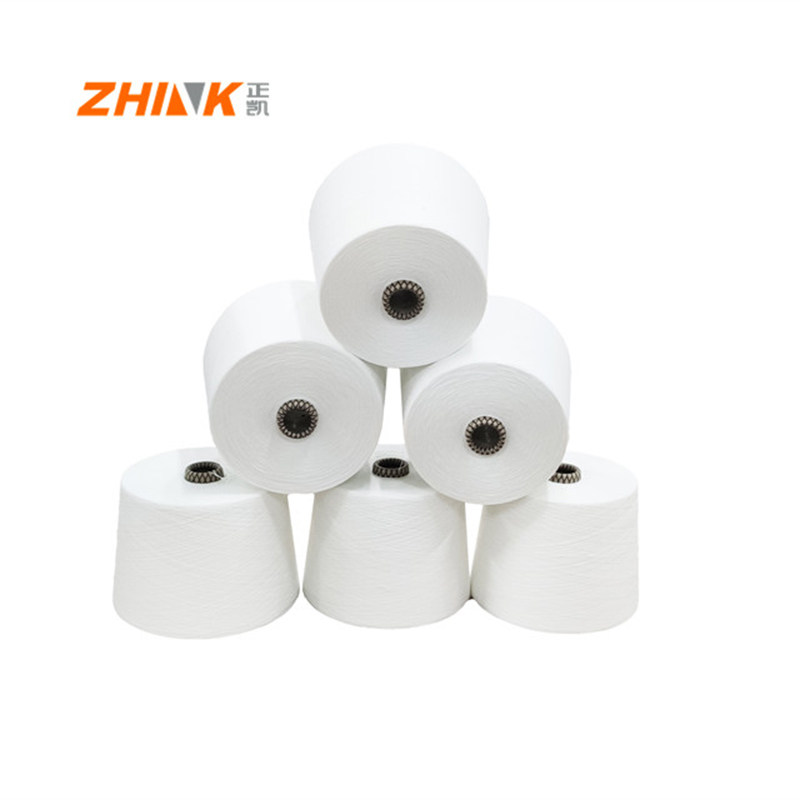
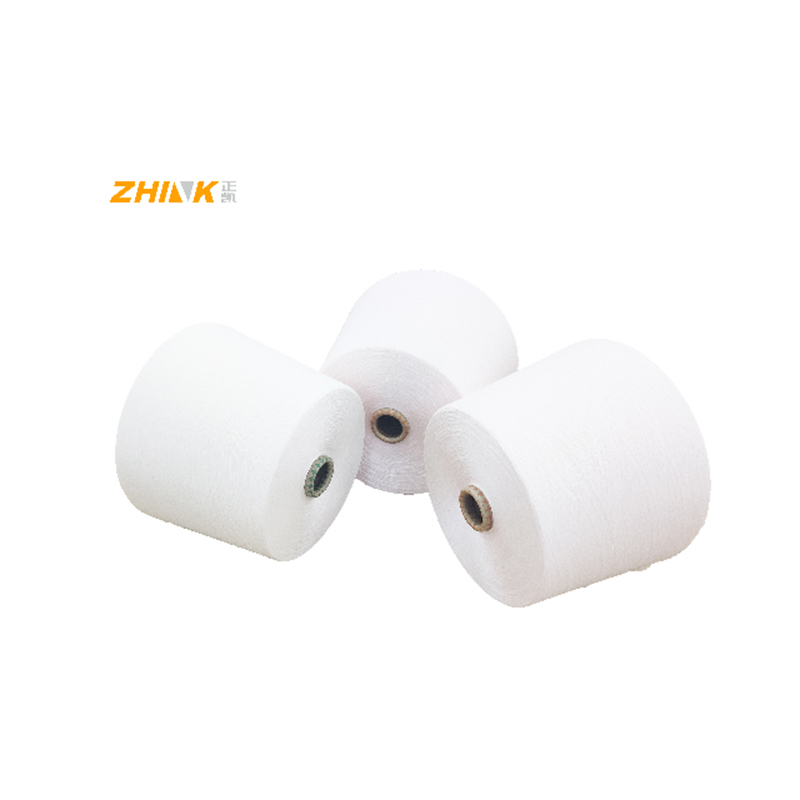
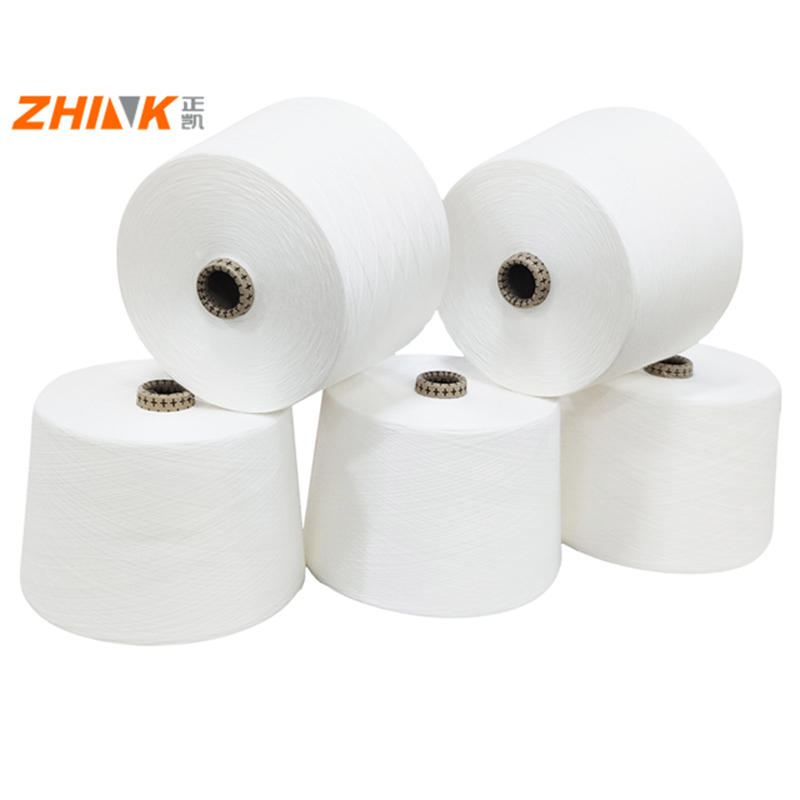
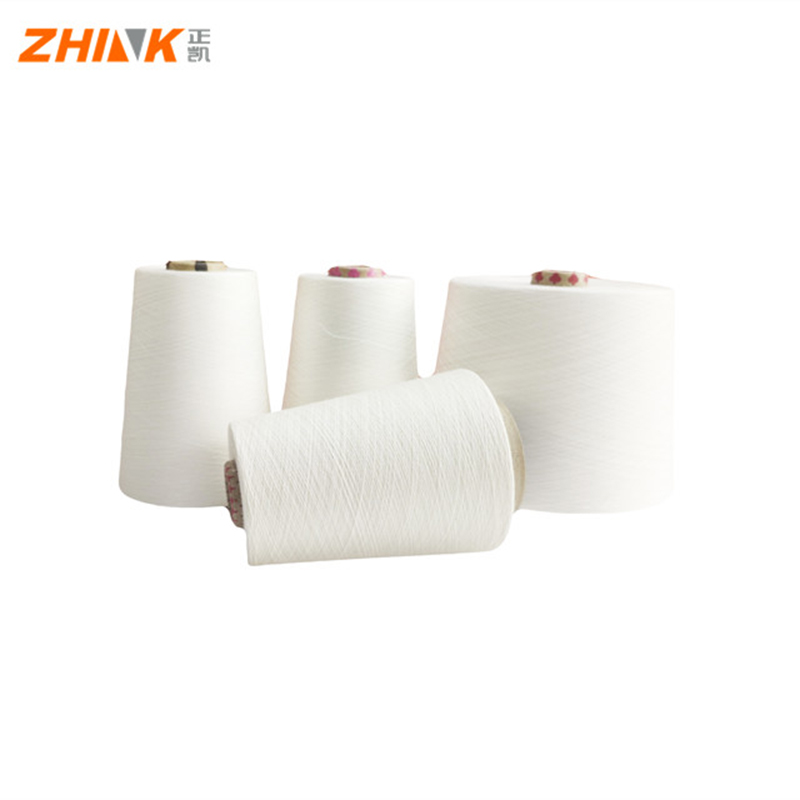
50s Lyocell yarn
The Allure and Challenges of 50s Lyocell Yarn
In the world of textile innovation, 50s Lyocell yarn stands out for its versatility and sustainability. But what's the reality like behind the scenes? Let's dive into the nuances, where industry expertise meets real-world application.
Understanding 50s Lyocell Yarn
50s Lyocell yarn, commonly known for its eco-friendly profile, is gaining traction among manufacturers. Yet, many still misunderstand its full potential. It’s not just a green alternative; the fabric it creates offers a silk-like finish with high absorbency. These properties make it ideal for both fashion and functional textiles.
During my early days experimenting with 50s Lyocell, I learned the hard way that its delicate nature requires specific handling techniques. For instance, tension settings need to be exact, otherwise, you risk breakage. It isn’t just about knowing the theory; one has to feel it between the fingers, understand its response to different conditions.
Working closely with SHANDONG ZHINK NEW MATERIAL CO., LTD, renowned for their dedication to innovative textiles, I've observed how they navigate these challenges with precision. Their production techniques optimize the inherent properties of Lyocell, creating yarns that meet both ecological and performance standards.
The Practical Challenges in Production
The production of 50s Lyocell yarn is not devoid of hurdles. The main challenge lies in the spinning process. Due to its high moisture absorption, Lyocell can swell, impacting its mechanical properties. I've seen teams at Zhink New Material carefully control the humidity during production, using a variety of sensors and controls to maintain quality.
There's also the matter of dyeing. Its absorbency, while beneficial for comfort, means that colors can sometimes bleed or appear inconsistent. A colleague once shared a story where a promising batch turned out unevenly dyed due to overlooked water quality. Experience teaches us to never underestimate these variables.
Despite these challenges, the rewards of successfully producing high-quality 50s Lyocell yarn make the painstaking attention to detail worth it. The resulting fabrics are not only environmentally friendly but also exquisite in quality and feel.
The Market and Consumer Perspective
From consumer feedback I've gathered, the sensory experience of Lyocell-made products—especially the softness and breathability—often overshadows the initial sticker shock due to its higher production costs. People are willing to pay for quality they can perceive and touch.
On the commercial side, brands emphasizing sustainability find 50s Lyocell yarn appealing. The narrative of reducing carbon footprints and offering biodegradable options resonates well with a modern clientele prioritizing eco-conscious choices.
For instance, fashion brands have started tapping into textile suppliers like Zhink New Material, who cater to this demand for responsible luxury. By collaborating on customized yarns, these brands ensure their products remain a cut above in both aesthetics and ecological impact.
Comparative Insights with Other Yarns
When stacked against cotton or polyester, 50s Lyocell yarn offers a unique intersection of environmental benefits and luxurious textures. Unlike conventional cotton, which is water-intensive, Lyocell provides a sustainable alternative without sacrificing comfort.
Polyester, on the other hand, while durable and cheaper, lacks breathability. I remember testing out a blend where we sought to marry polyester's resilience with Lyocell's breathability—a balance that required careful planning and iterative adjustments.
Finding suitable blends or treatments to enhance performance without compromising sustainability is a continuous experiment. It’s where creativity meets practicality, and it often happens in dynamic environments like the labs at Zhink New Material.
Future Directions and Innovations
The future of 50s Lyocell yarn seems promising with emerging technologies and increasing environmental awareness. Innovations in textile engineering are set to expand its applications, from high-performance sportswear to luxury home textiles.
Collaborations remain key. Partnerships between research-driven companies like Zhink New Material and consumer brands prove crucial. These ventures ensure that as textiles evolve, they not only meet the technical demands of modern usage but also align with global sustainability goals.
In hindsight, the journey with 50s Lyocell yarn is one of constant adaptation and learning. From my experiences, it’s evident that success lies in thoughtful innovation—a principle that will undoubtedly guide future explorations in textile science.
Related Products
Related Products