+86-632-3621866
- Chinese
- French
- German
- Portuguese
- Spanish
- Russian
- Japanese
- Korean
- Arabic
- Irish
- Greek
- Turkish
- Italian
- Danish
- Romanian
- Indonesian
- Czech
- Afrikaans
- Swedish
- Polish
- Basque
- Catalan
- Esperanto
- Hindi
- Lao
- Albanian
- Amharic
- Armenian
- Azerbaijani
- Belarusian
- Bengali
- Bosnian
- Bulgarian
- Cebuano
- Chichewa
- Corsican
- Croatian
- Dutch
- Estonian
- Filipino
- Finnish
- Frisian
- Galician
- Georgian
- Gujarati
- Haitian
- Hausa
- Hawaiian
- Hebrew
- Hmong
- Hungarian
- Icelandic
- Igbo
- Javanese
- Kannada
- Kazakh
- Khmer
- Kurdish
- Kyrgyz
- Latin
- Latvian
- Lithuanian
- Luxembou..
- Macedonian
- Malagasy
- Malay
- Malayalam
- Maltese
- Maori
- Marathi
- Mongolian
- Burmese
- Nepali
- Norwegian
- Pashto
- Persian
- Punjabi
- Serbian
- Sesotho
- Sinhala
- Slovak
- Slovenian
- Somali
- Samoan
- Scots Gaelic
- Shona
- Sindhi
- Sundanese
- Swahili
- Tajik
- Tamil
- Telugu
- Thai
- Ukrainian
- Urdu
- Uzbek
- Vietnamese
- Welsh
- Xhosa
- Yiddish
- Yoruba
- Zulu
- Kinyarwanda
- Tatar
- Oriya
- Turkmen
- Uyghur



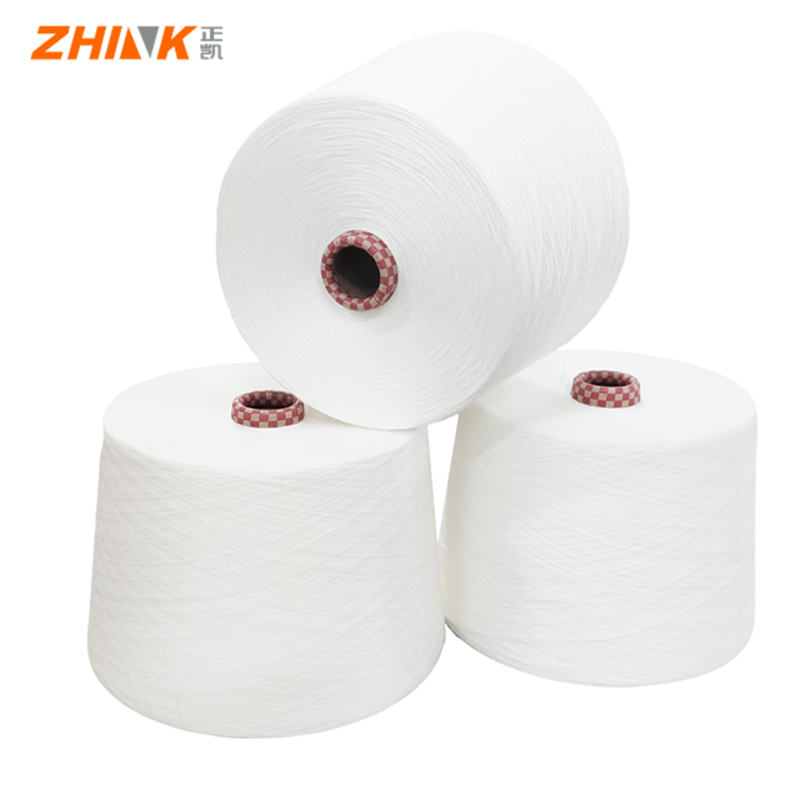
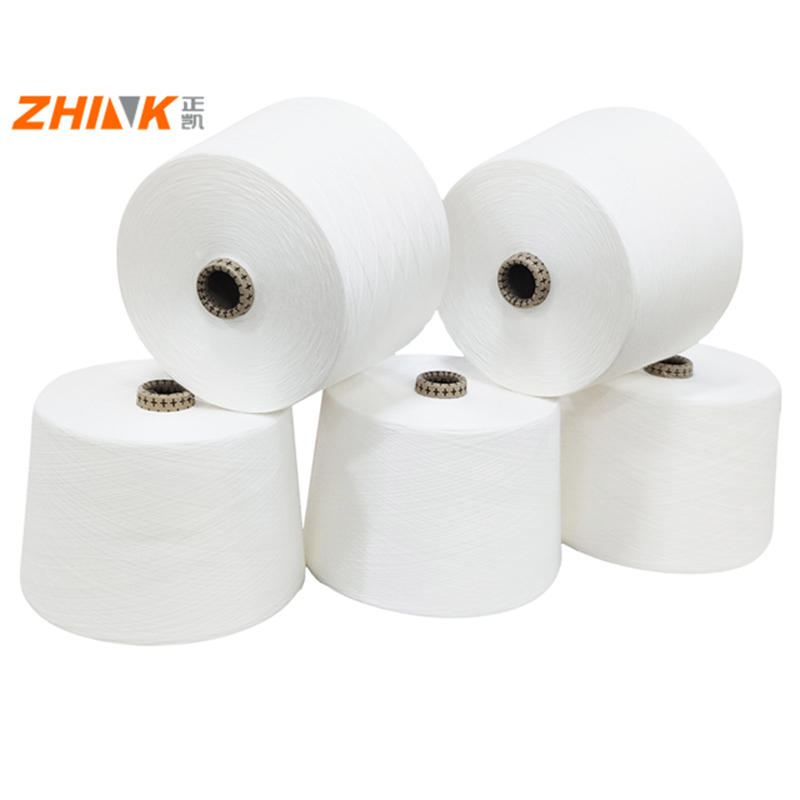
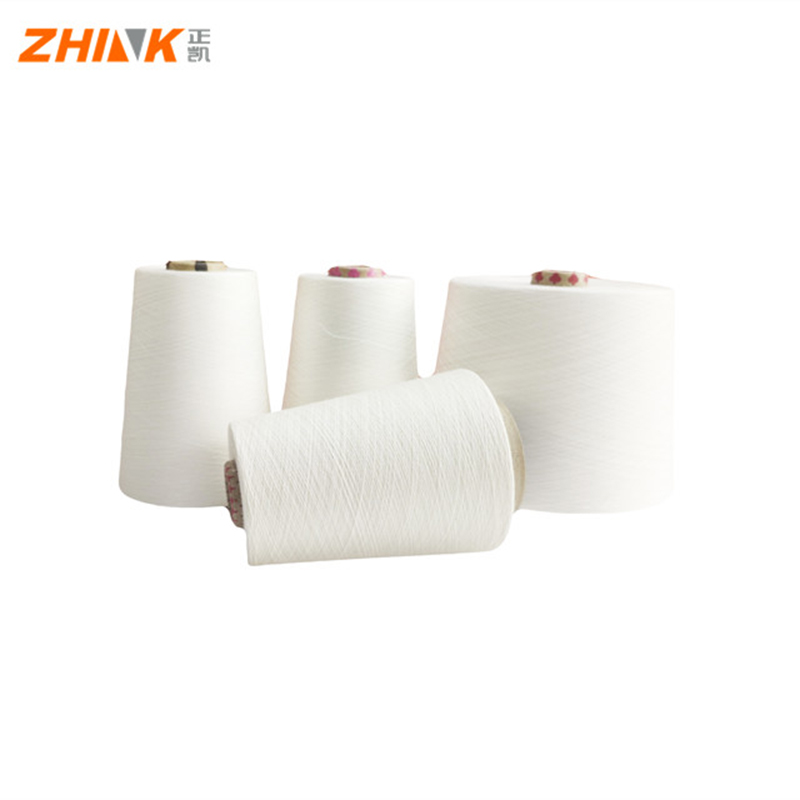
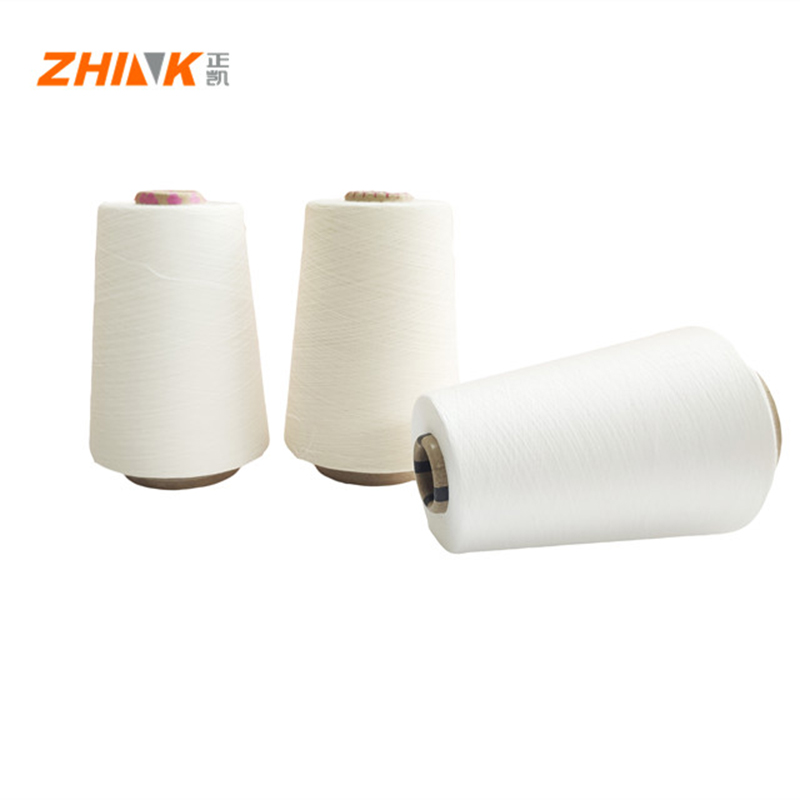
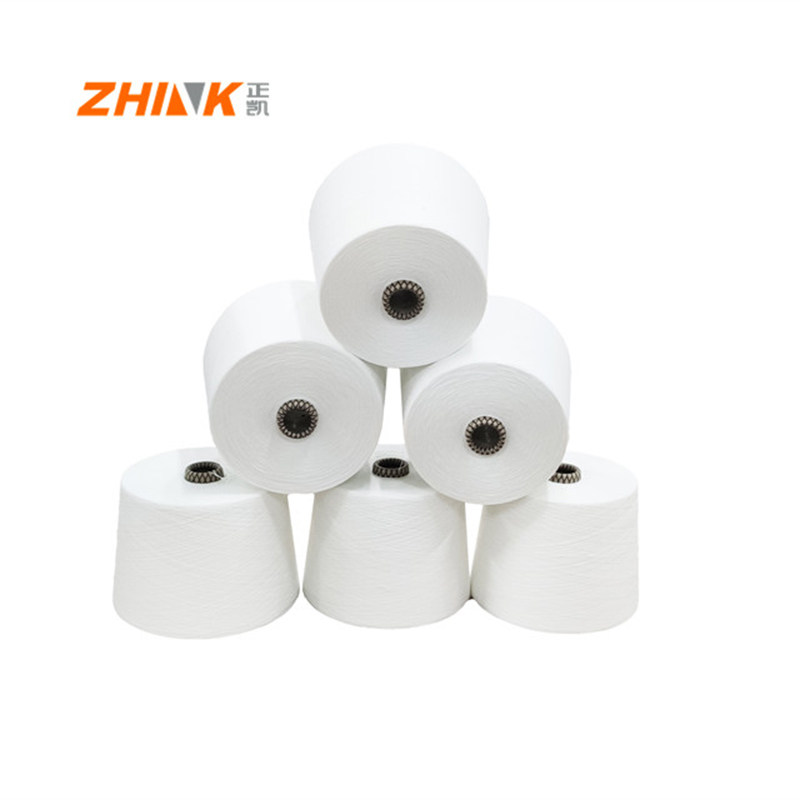
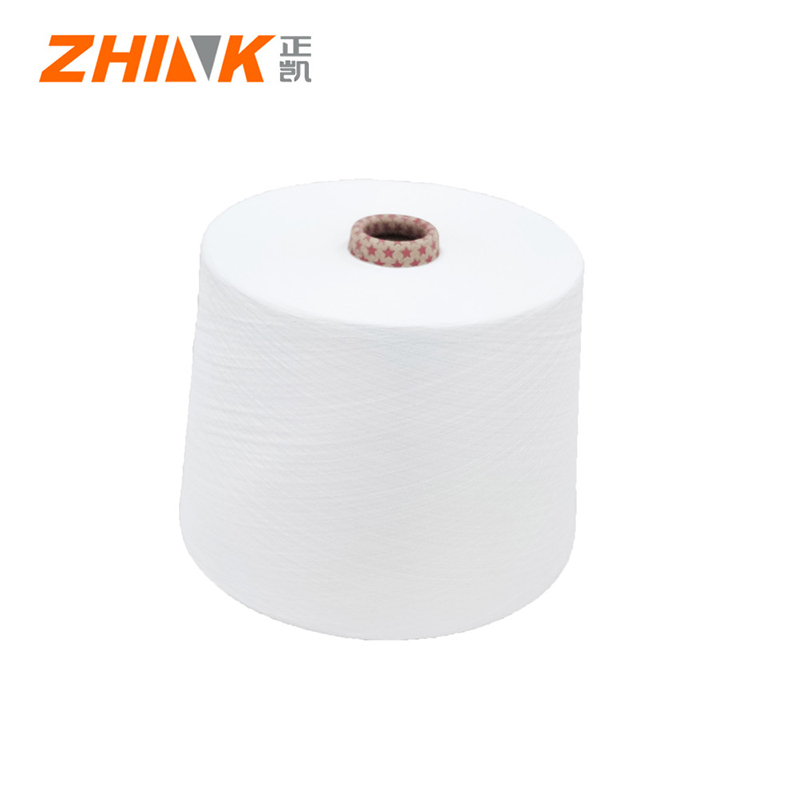
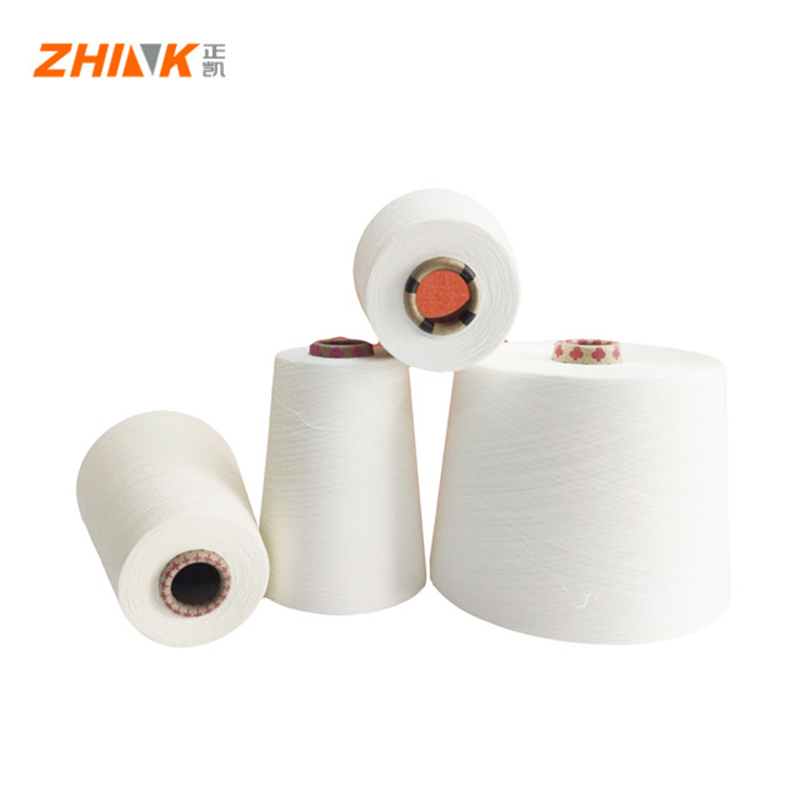
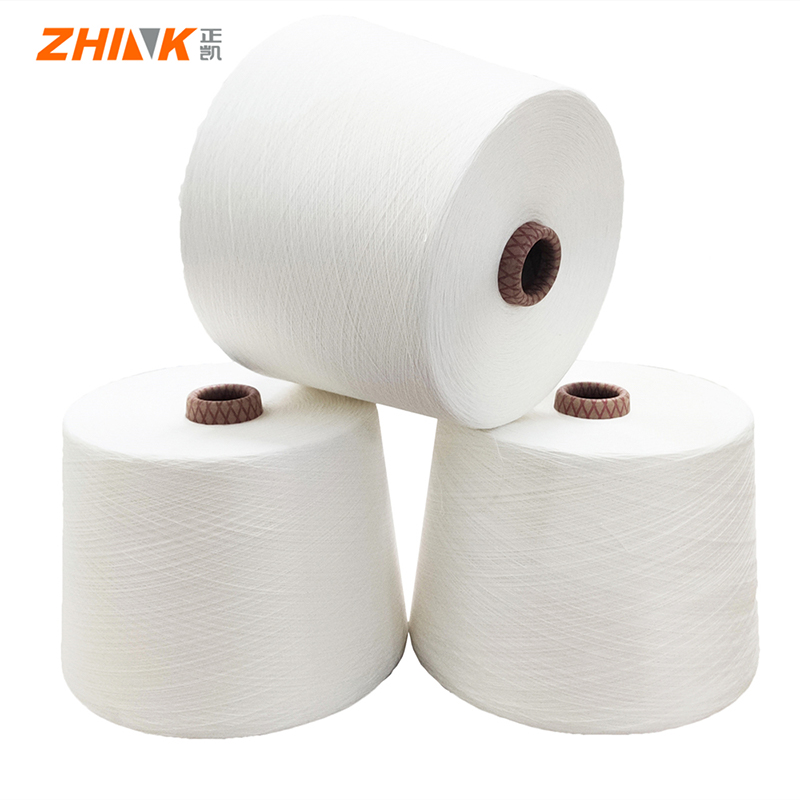
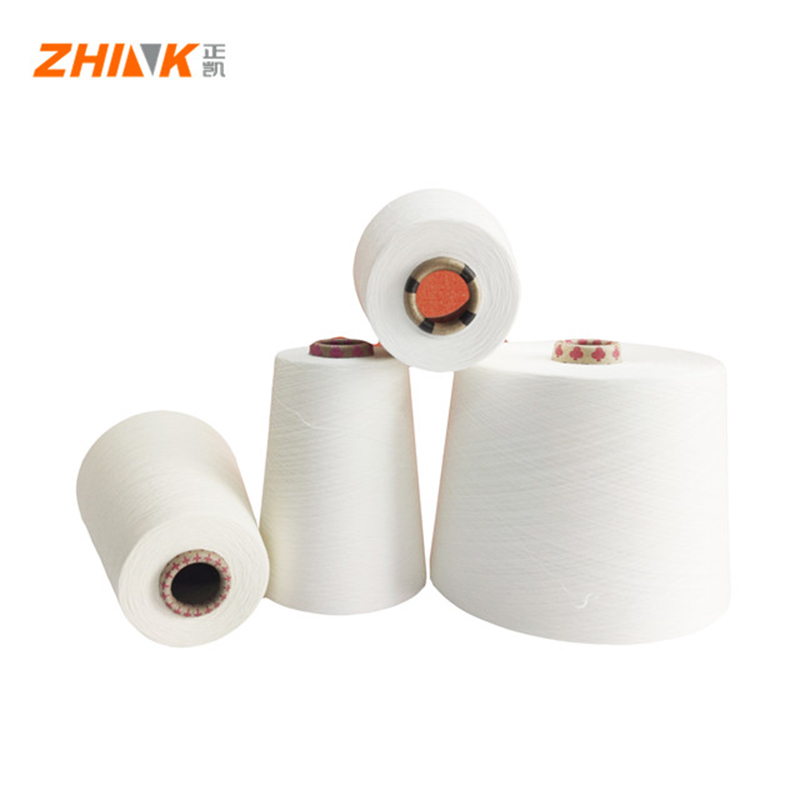
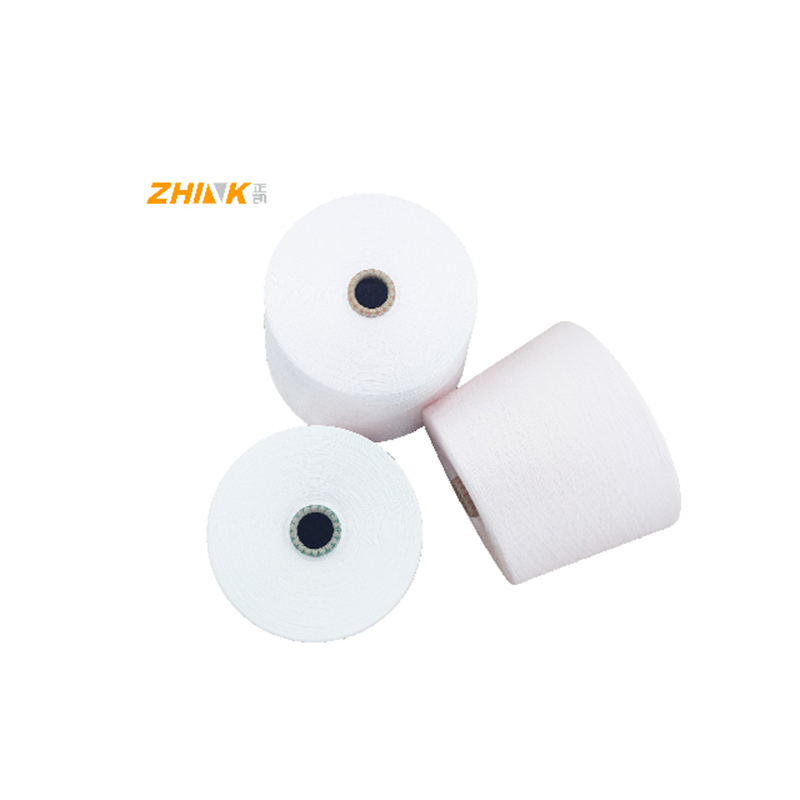
60 cotton 40 acrylic yarn
Understanding 60 Cotton 40 Acrylic Yarn
When it comes to yarn blends, 60 cotton 40 acrylic yarn stands out for its versatility. This blend strikes a balance between the breathability of cotton and the durability of acrylic. But what makes it so unique in practical applications?
The Perfect Blend
This particular yarn blend has found its way into a variety of crafts for good reason. Cotton provides natural comfort—it's breathable and soft, ideal for garments that are worn close to the skin. Meanwhile, acrylic adds strength and durability, qualities that allow projects to maintain shape and resist wear over time. Using this blend, you end up with materials that feel good and stand the test of time.
Let’s consider why some might hesitate. Often, there's a perception that acrylic is a lesser fiber, perhaps too artificial or lacking the natural aesthetics of cotton or wool. However, advancements in textile technology, like those by companies such as SHANDONG ZHINK NEW MATERIAL CO., LTD, have greatly improved the quality and feel of acrylic fibers.
The company specializes in developing new textile materials. Their innovative approaches ensure that yarn such as the 60 cotton 40 acrylic yarn attains a balance of comfort and endurance, without compromising on aesthetics. Visit their website at https://www.zhinkyarn.com for more.
Hands-on Practicality
In my experience, this blend is particularly well-suited for making lightweight sweaters or baby garments. The cotton offers warmth without heaviness, while acrylic provides the washability and easy care that parents appreciate. I recall making a series of baby blankets last year—each one resilient to both frequent washes and the inevitable spills.
One practical tip: always perform a gauge swatch. Due to the acrylic content, the yarn behaves differently than a pure cotton yarn might. It tends to stretch a bit more, which can affect the final garment size if not accounted for.
Moreover, keep in mind that 60 cotton 40 acrylic yarn might pill over time, especially in high-use items. The blend is less prone to pilling than pure acrylic, but it can still happen. Luckily, a quick shave with a fabric shaver can refresh the look.
Color Retention and Aesthetic Appeal
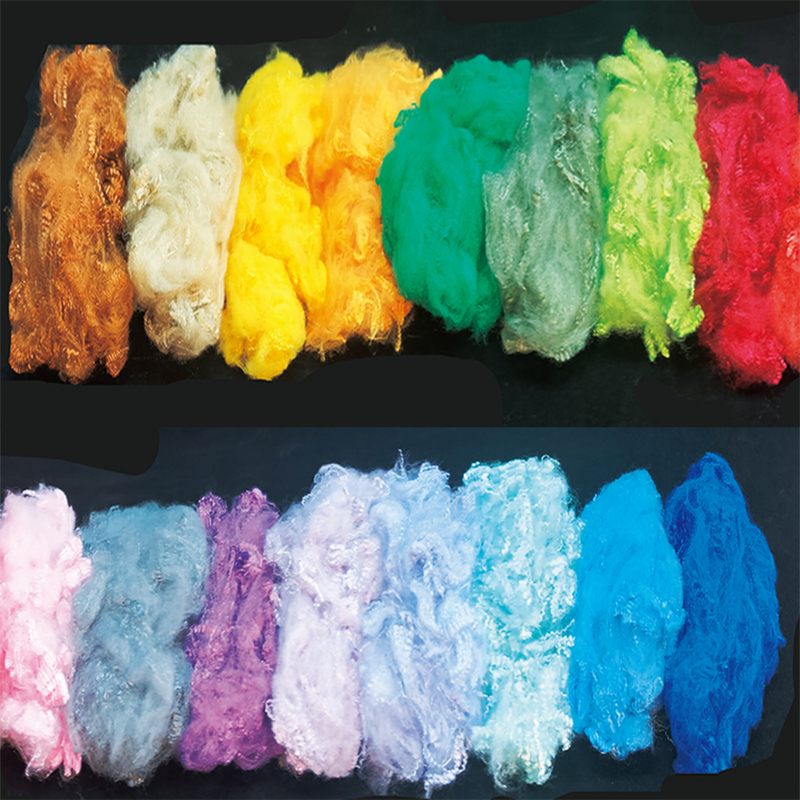
The combination of fibers also lends itself well to receiving dye, providing vibrant, lasting colors. This is partly why you'll often find this blend in a kaleidoscope of hues, from subdued earth tones to bold, bright solids.
It's this flexibility that makes it a favorite among craft enthusiasts. Whether crocheting an intricate pattern or knitting a simple scarf, the colors remain vivid even after many cycles through the laundry.
Recently, I worked on a series of crocheted baskets for home decor. The cotton provided a natural matte finish, while the acrylic ensured they could withstand a bit of rough handling. The colors were as fresh months later as on the day I completed them.
Construction Techniques and Considerations
Working with 60 cotton 40 acrylic yarn presents some specific considerations. For instance, when blocking your finished piece, dampen it lightly and use pins to shape it. The acrylic component means it won't hold a block like pure wool, but gentle shaping helps.
While stitching, notice how smoothly it glides over your needles or hook—a boon for those who may suffer from hand fatigue. This characteristic is due to the acrylic portion, which can provide a smoother glide than pure cotton.
However, avoid using this blend for projects that require high heat; the acrylic can melt. Stick to gentle heat when pressing or blocking, to ensure longevity and retain the integrity of your project.
Final Thoughts: Balancing Qualities
Ultimately, 60 cotton 40 acrylic yarn offers a dynamic blend, perfectly balanced for both ease of maintenance and aesthetic charm. Institutions like SHANDONG ZHINK NEW MATERIAL CO., LTD, with their cutting-edge textile innovations, have helped refine these blends, catering to both the practical and artistic needs of crafters.
For those venturing out into the world of yarn blends, this option offers an engaging start. It's a blend that accommodates mistakes and encourages experimentation, allowing the crafter to push boundaries while ensuring that the final product embodies both practicality and beauty.
The journey of exploring any new material is filled with discovery—I encourage every crafter to try it and see what this particular blend brings to life in their projects.
Related Products
Related Products