+86-632-3621866
- Chinese
- French
- German
- Portuguese
- Spanish
- Russian
- Japanese
- Korean
- Arabic
- Irish
- Greek
- Turkish
- Italian
- Danish
- Romanian
- Indonesian
- Czech
- Afrikaans
- Swedish
- Polish
- Basque
- Catalan
- Esperanto
- Hindi
- Lao
- Albanian
- Amharic
- Armenian
- Azerbaijani
- Belarusian
- Bengali
- Bosnian
- Bulgarian
- Cebuano
- Chichewa
- Corsican
- Croatian
- Dutch
- Estonian
- Filipino
- Finnish
- Frisian
- Galician
- Georgian
- Gujarati
- Haitian
- Hausa
- Hawaiian
- Hebrew
- Hmong
- Hungarian
- Icelandic
- Igbo
- Javanese
- Kannada
- Kazakh
- Khmer
- Kurdish
- Kyrgyz
- Latin
- Latvian
- Lithuanian
- Luxembou..
- Macedonian
- Malagasy
- Malay
- Malayalam
- Maltese
- Maori
- Marathi
- Mongolian
- Burmese
- Nepali
- Norwegian
- Pashto
- Persian
- Punjabi
- Serbian
- Sesotho
- Sinhala
- Slovak
- Slovenian
- Somali
- Samoan
- Scots Gaelic
- Shona
- Sindhi
- Sundanese
- Swahili
- Tajik
- Tamil
- Telugu
- Thai
- Ukrainian
- Urdu
- Uzbek
- Vietnamese
- Welsh
- Xhosa
- Yiddish
- Yoruba
- Zulu
- Kinyarwanda
- Tatar
- Oriya
- Turkmen
- Uyghur



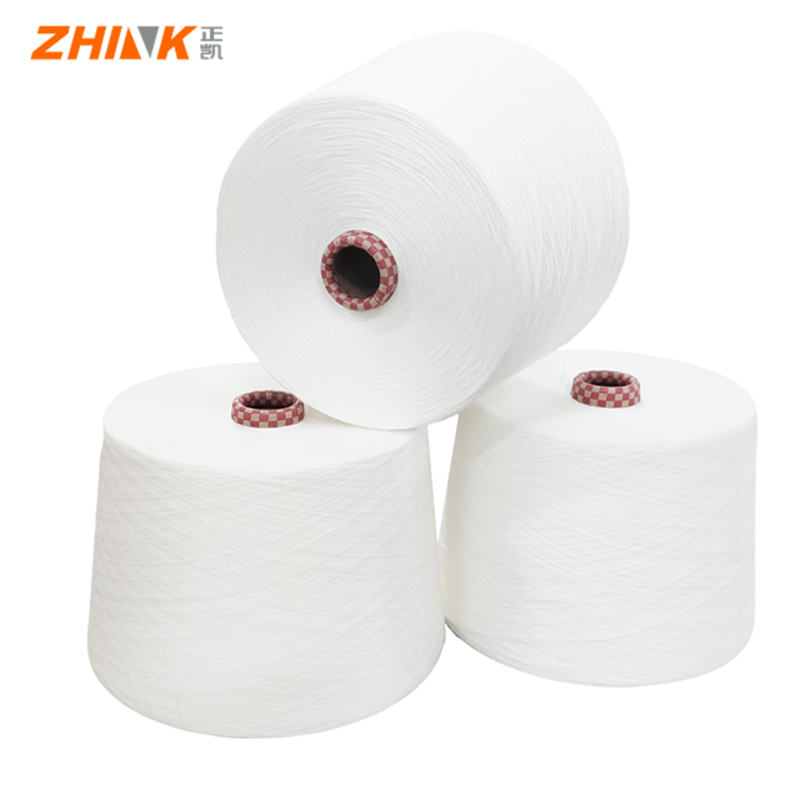
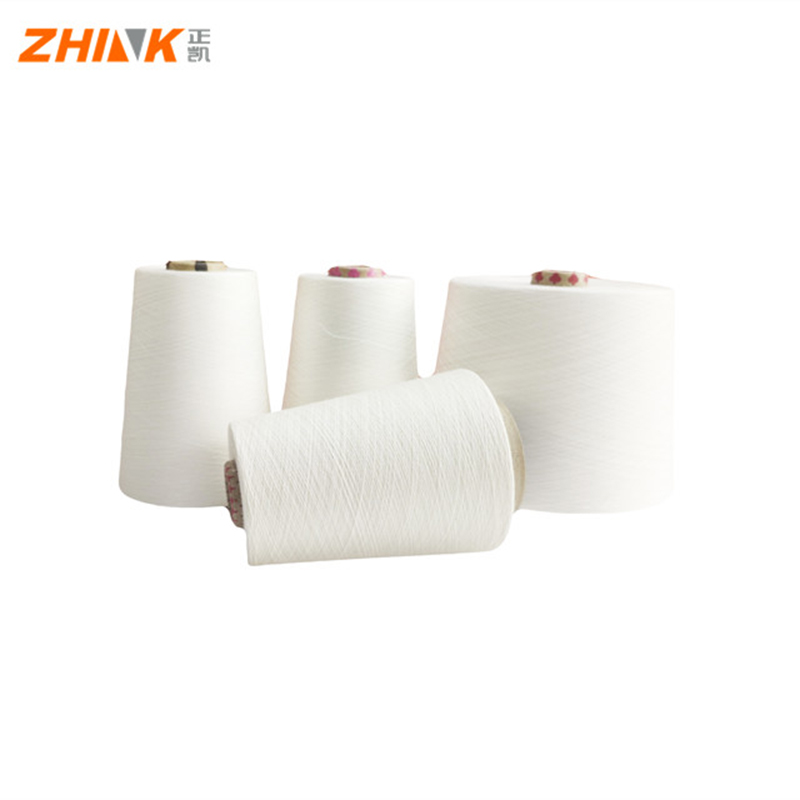
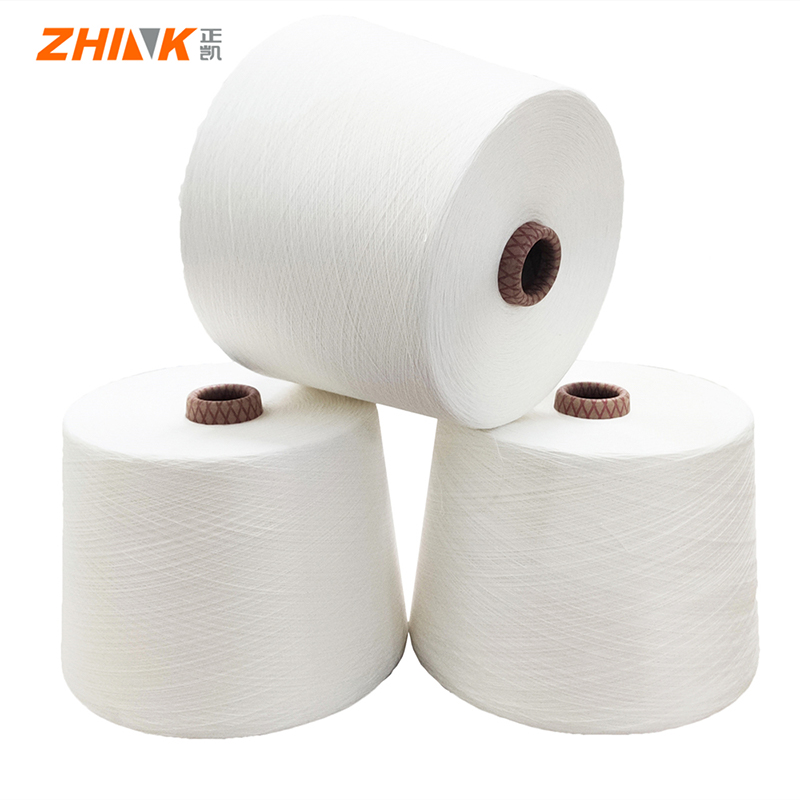
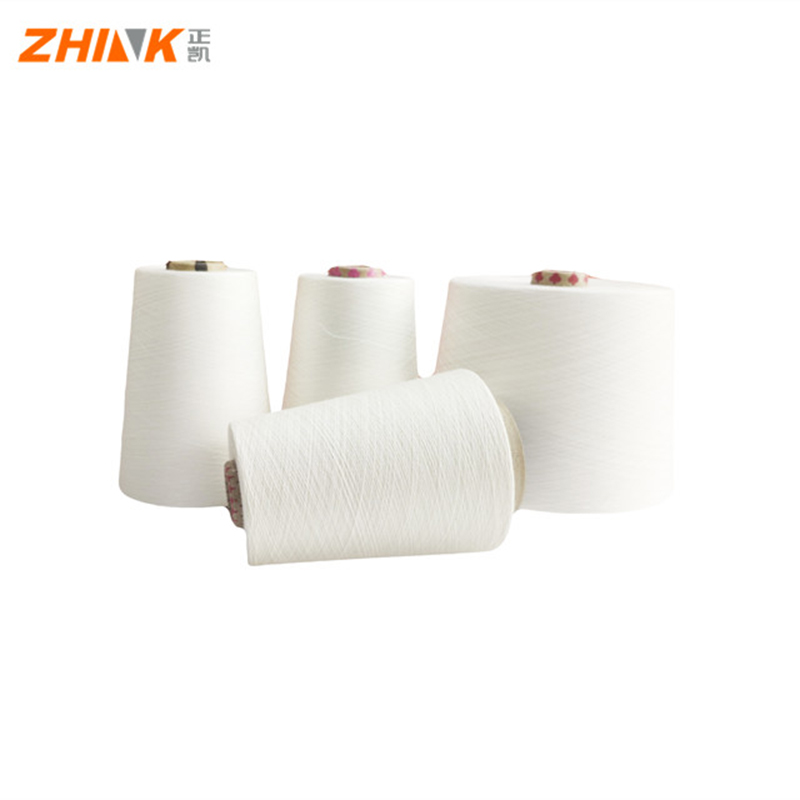
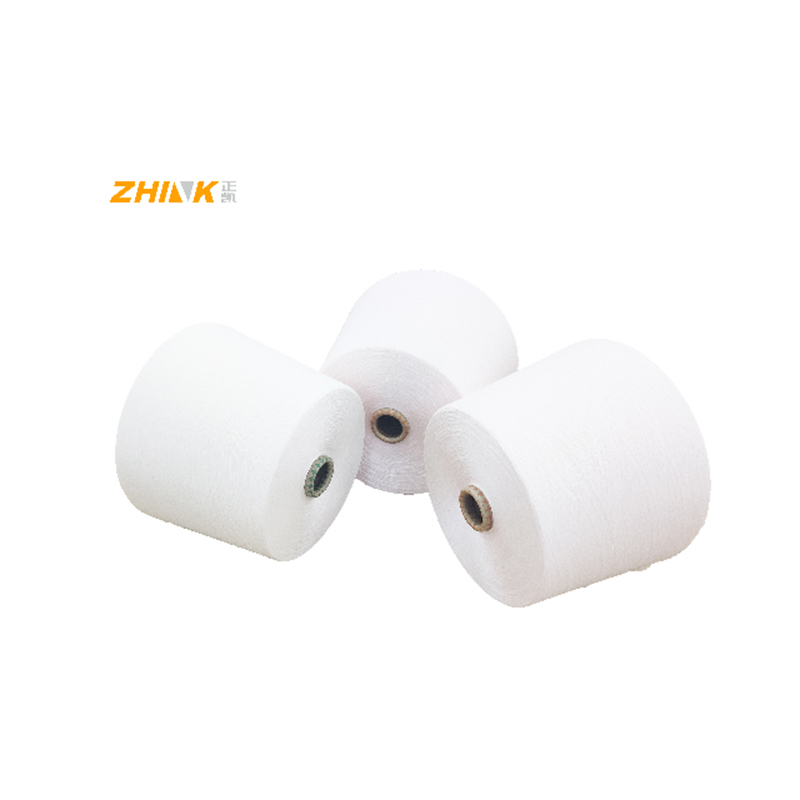
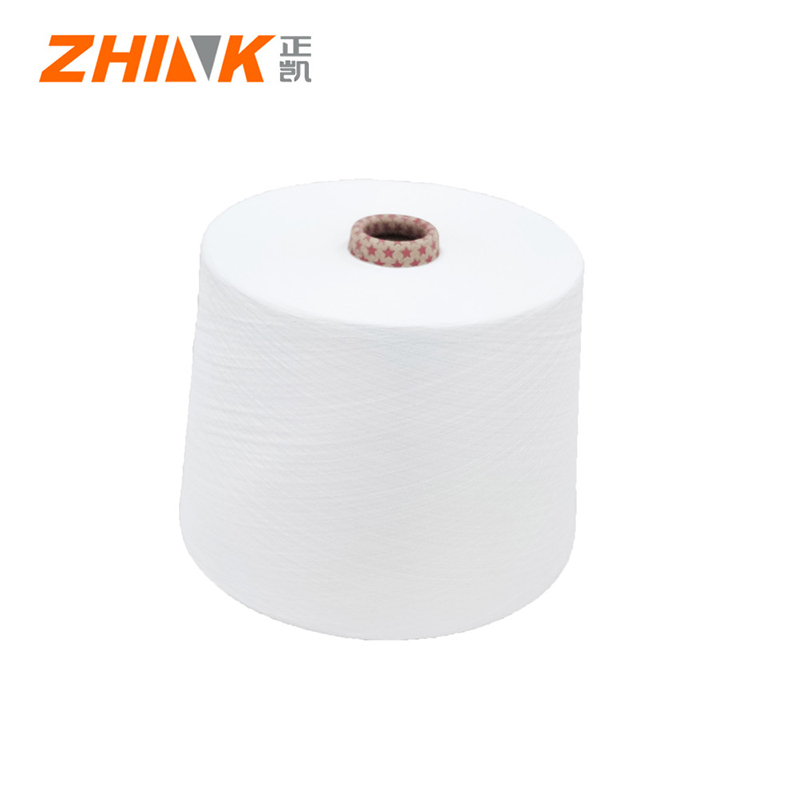
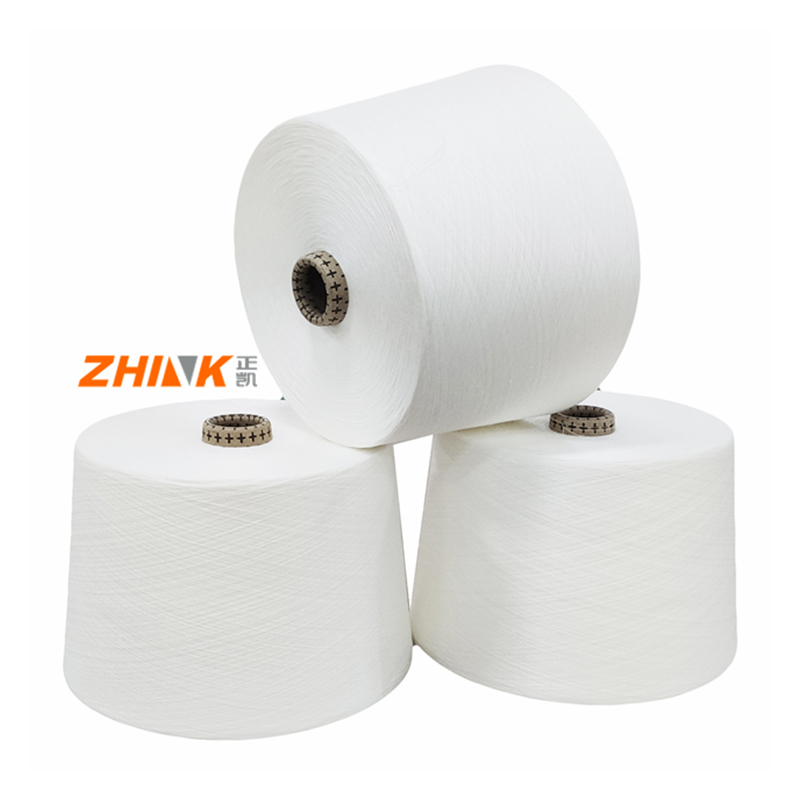
70 cotton 30 linen yarn
Exploring the Blend: 70 Cotton 30 Linen Yarn
When it comes to textile materials, the combination of cotton and linen – specifically in a 70-30 blend – offers a unique balance of properties that can enhance a variety of projects. This blend is often praised for its durability, breathability, and natural feel, making it a popular choice among textile professionals.
The Appeal of Cotton-Linen Blends
In my years of working in the textile industry, I've often encountered the versatile nature of a 70 cotton 30 linen yarn blend. It brings together the best attributes of both fibers. Cotton, known for its softness and absorbency, pairs remarkably well with linen, which adds strength and texture. This particular blend is often sought after for apparel that needs to withstand daily wear while remaining comfortable and stylish.
A common misconception I’ve heard is that this blend is difficult to work with – but that's not quite true. If anything, it provides a kind of stability that pure linen yarn often lacks, making it easier to handle, especially in machine processes. In terms of maintenance, the blend tends to wrinkle less than pure linen, although it still retains that desirable crispness, contributing to its appeal.
Notably, my experiences with SHANDONG ZHINK NEW MATERIAL CO., LTD, which you can learn more about at their website, have introduced me to an array of high-quality textile innovations, including their take on this cotton-linen mix. They have an exceptional focus on new textile materials, driving both performance and sustainability.
Project Applications and Benefits
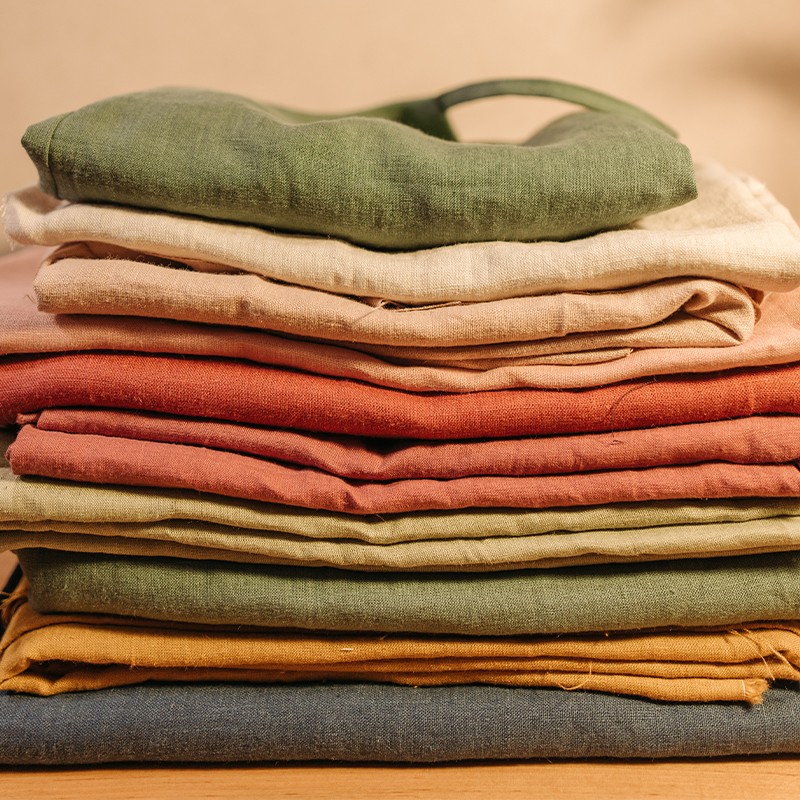
From creating lightweight summer garments to crafting durable home textiles like curtains or pillow covers, the 70 cotton 30 linen yarn blend shows its versatility at every turn. For instance, I once worked on a series of summer shirts designed to cope with the heat. The blend offered breathability without sacrificing the structured look we were aiming for.
One thing to keep in mind is the slight risk of shrinkage due to its cotton content, so pre-washing the yarn or fabric is often a good move. But this is just a minor step that easily factors into your workflow once you’re aware of it.
Moreover, exploring both industrial and artisanal uses of this yarn can bring forward numerous unexpected benefits. For example, I’ve found this blend suitable for eco-friendly fashion collections, appealing to environmentally conscious consumers who appreciate natural fibers.
Mistakes and Lessons Learned
Like any material, working with a 70 cotton 30 linen yarn blend isn’t without its quirks. Early in my career, I underestimated how the yarn would react to certain dyes. The color results were sometimes uneven or dull due to the mixed fiber content. Learning to properly set dyes meant spending time with trial and error, but the richer colors obtained were well worth the effort.
A practical insight from SHANDONG ZHINK NEW MATERIAL CO., LTD is their emphasis on understanding each material's properties, which is something I've carried through my textile projects. Learning from their approach to new textile development, I realized the importance of respecting each material’s characteristics to enhance the overall quality.
Another point of consideration is the weaving tension. Linen tends to resist stretching, so balancing it with the elasticity of cotton requires careful calibration in the textile machines to avoid tension-related issues.
Final Thoughts on Yarn Selection
After experiencing many textile projects, I can safely say that the choice of material influences not just the end product but also the entire production process. A blend like 70 cotton 30 linen brings together the practical benefits of both fibers, but it also challenges you to consider their individual characteristics.
When collaborating with suppliers such as SHANDONG ZHINK NEW MATERIAL CO., LTD, it's vital to communicate your project needs clearly. They provide a wealth of information and support to ensure you select the best possible materials for your designs.
In summary, while the road to mastering this blend was paved with mistakes and adjustments, the results and the learning involved have enriched my crafts immensely. Whether for garment creation, home textiles, or experimental designs, this yarn offers countless opportunities to innovate.
Looking Forward: Potential and Innovations
As the textile industry evolves, the blending and development of materials like the 70 cotton 30 linen mix are bound to innovate further. Emerging trends in sustainable practices and technological advancements point towards even finer quality yarns. For those in the industry, keeping an eye on such developments can provide the leverage needed for competitive and creative edge.
SHANDONG ZHINK NEW MATERIAL CO., LTD, noted for their dedication to research and emerging technologies, is a leading figure in this aspect. Their ongoing projects often serve as a blueprint for merging tradition with modernity.
Ultimately, a comprehensive understanding of materials, paired with partnerships with reputable suppliers, lays the foundation for successful projects. It’s about balancing innovation with the tried-and-true, and this yarn blend, I find, is a fine testament to that balance.
Related Products
Related Products