+86-632-3621866
- Chinese
- French
- German
- Portuguese
- Spanish
- Russian
- Japanese
- Korean
- Arabic
- Irish
- Greek
- Turkish
- Italian
- Danish
- Romanian
- Indonesian
- Czech
- Afrikaans
- Swedish
- Polish
- Basque
- Catalan
- Esperanto
- Hindi
- Lao
- Albanian
- Amharic
- Armenian
- Azerbaijani
- Belarusian
- Bengali
- Bosnian
- Bulgarian
- Cebuano
- Chichewa
- Corsican
- Croatian
- Dutch
- Estonian
- Filipino
- Finnish
- Frisian
- Galician
- Georgian
- Gujarati
- Haitian
- Hausa
- Hawaiian
- Hebrew
- Hmong
- Hungarian
- Icelandic
- Igbo
- Javanese
- Kannada
- Kazakh
- Khmer
- Kurdish
- Kyrgyz
- Latin
- Latvian
- Lithuanian
- Luxembou..
- Macedonian
- Malagasy
- Malay
- Malayalam
- Maltese
- Maori
- Marathi
- Mongolian
- Burmese
- Nepali
- Norwegian
- Pashto
- Persian
- Punjabi
- Serbian
- Sesotho
- Sinhala
- Slovak
- Slovenian
- Somali
- Samoan
- Scots Gaelic
- Shona
- Sindhi
- Sundanese
- Swahili
- Tajik
- Tamil
- Telugu
- Thai
- Ukrainian
- Urdu
- Uzbek
- Vietnamese
- Welsh
- Xhosa
- Yiddish
- Yoruba
- Zulu
- Kinyarwanda
- Tatar
- Oriya
- Turkmen
- Uyghur


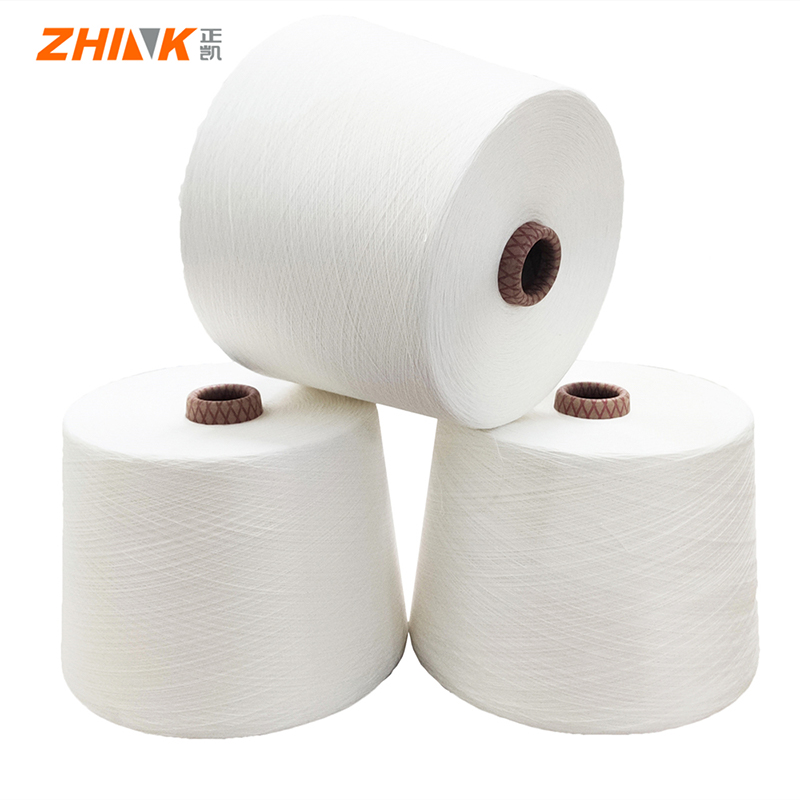
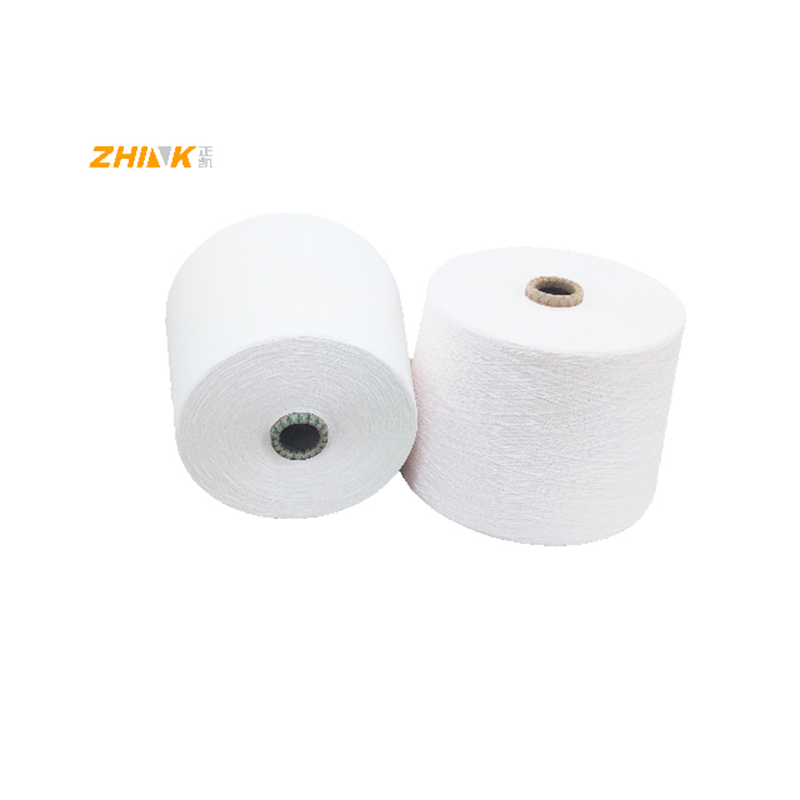
A100/POLYESTER/WOOL 50/28/22 32SK
The Complexities of A100/Polyester/Wool 50/28/22 32SK Blends
Exploring the A100/Polyester/Wool 50/28/22 32SK blend unveils a sophisticated dance of fibers, where utility meets comfort, and innovation challenges traditional methods. This journey through textile materials offers insights beyond the numbers.
Understanding the Blend
When we dive into the world of textile blends, the A100/Polyester/Wool 50/28/22 32SK mix stands out as a curious amalgamation. The numbers, while perplexing at first glance, hint at a carefully balanced interplay. Actually, these proportions dictate how the fabric performs in terms of warmth, durability, and overall feel. The blend benefits from polyester's resilience and wool's natural warmth, with A100 bringing specific properties that elevate the fabric's versatility.
Working with these blends often opens up discussions about their real-world applications. For instance, many outdoor garment manufacturers lean towards such combinations for creating all-weather clothing that promises both comfort and protection. From my years working within the textile industry, it’s evident that these nuanced compositions require careful handling during production to avoid compromising their integrity.
However, the blend's complexities are not without challenges. Adjusting machine settings for weaving or knitting such textiles took more finesse than one might anticipate. Often, I’ve found myself recalibrating based on the unique interactions between these fibers, something that's not always straightforward when attempting to achieve consistency at scale.
The Role of A100
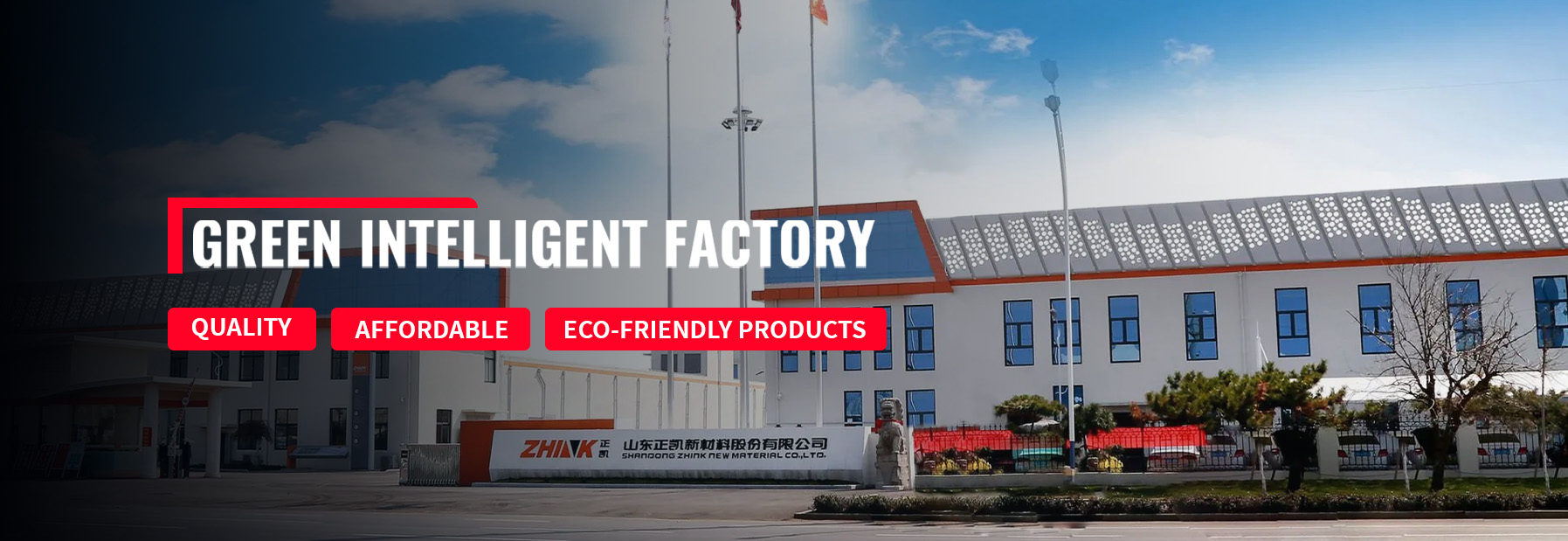
A100 is a particular variant that isn't frequently discussed outside professional circles. Its role in this blend is crucial, offering subtle enhancements, yet many overlook it. In my team at SHANDONG ZHINK NEW MATERIAL CO., LTD, we’ve experimented extensively with A100 to better understand its characteristics.
Research and development, especially here at Zhink New Material, highlights A100's capability to enhance tensile strength without adding extra weight. This makes it an excellent candidate for fabrics intended for high-performance gear. Yet, with innovation comes trial and error. Our initial trials with dye uptake were less than perfect; A100 tends to react slightly differently compared to standard polyester blends.
Understanding these subtleties, especially in large-scale production, requires meticulous attention to detail. For example, fine-tuning dyeing processes and adjusting chemical treatments took a collaborative effort across departments, blending expertise and experience to harness the full potential of A100 within the blend.
Polyester: The Backbone
The inclusion of polyester in this mix brings a reliable backbone to the textile. From decades of personal experience, polyester’s value lies in its durability and resilience, qualities that make it indispensable in commercial textile manufacturing.
Often, the blend’s success is attributed to polyester’s ability to retain shape and resist shrinkage, a critical feature when dealing with garments subjected to various environmental stresses. Conversations with colleagues often emphasize how polyester’s compatibility with other materials allows for innovative fabric combinations, offering both flexibility and robustness.
However, working with polyester isn't without its headaches. In manufacturing, static cling and pilling have been notorious issues, yet, with the right processing techniques, such concerns can be mitigated. These nuances are what make textile development such a multifaceted field—one that keeps even seasoned professionals on their toes.
Wool: Comfort and Warmth
Wool’s contribution to the A100/Polyester/Wool 50/28/22 blend is unmistakable. With wool, you get unparalleled warmth, a feature that cannot be understated, especially when considering garments meant for colder climates.
There’s a specific art to incorporating wool into blends. It requires careful balancing. At Zhink New Material, our R&D team dedicated countless hours fine-tuning this balance, particularly aiming for a fabric that provides warmth without being overly bulky.
Natural fibers like wool also bring an element of sustainability that modern consumers value. While wool is generally lauded for its environmental credentials, it presents challenges in terms of sourcing and maintaining ethical production standards. These are considerations that any responsible fabric producer must grapple with to ensure quality without compromise.
32SK: What Lies Beneath
The term '32SK' often confuses those not deeply entrenched in textile lingo. This code generally refers to thread count and twist, subtle factors that significantly influence a fabric’s texture and usability.
From my experience, thread quality and twist can alter a fabric’s drape and strength. While these elements are less visible to the naked eye, ensuring their precision during production is non-negotiable. The pursuit of a perfect fabric structure is something that needs a tailored approach, specific to the type of blend in question.
Exploring textile materials like this blend continually teaches us to question and learn. Whether it’s solving a persistent production issue or finding the perfect application for a material, it’s a field that evolves with every stitch and seam.
In essence, crafting blends such as A100/Polyester/Wool 50/28/22 32SK is akin to painting a canvas—each fiber contributing its hue to the final masterpiece. For more on our innovative materials, visit Zhink New Material.
Related Products
Related Products